What’s Included in an Idaho Guided Fishing Trip
Planning an Idaho fishing trip, especially a guided one, can feel a bit like trying to solve a puzzle. You’ve got visions of pristine waters, big fish, and expert guidance, but then the practical questions hit: what exactly are you paying for? What should you bring? It’s frustrating to feel unprepared or unsure about the details of your adventure, and no one wants surprises when they're out on the water. This comprehensive guide will walk you through the typical inclusions of an Idaho guided fishing trip, so you can book with confidence and focus on the thrill of the catch.
Understanding the Foundation of a Guided Trip
When you book a fishing guide in Idaho, you're not just paying for a boat or a few hours on the water. You're investing in an entire experience, built on the guide's deep knowledge, specialized equipment, and commitment to your safety and success. It's about tapping into years of local expertise that you simply can't get from a map or a quick internet search.
The Core Promise: Expertise and Access
At its heart, a guided fishing trip in Idaho is about leveraging someone else's expertise and their ability to access prime fishing grounds. Imagine spending precious vacation time driving around, looking for a boat launch, or trying to decipher river currents. A guide eliminates all that guesswork. They know the subtle nuances of the Idaho Fishing Season Dates and Limits, the best holes on the Salmon River, or where the big lunkers hide in Lake Coeur d'Alene. Their expertise means you spend less time searching and more time fishing. They've often spent countless hours on the water, tracking fish movements, understanding seasonal patterns, and perfecting techniques like How to Fish for Steelhead in Idaho or How to Troll for Kokanee on Lake Coeur d'Alene.
This promise extends to access as well. Many guides operate with specialized boats, like jet boats for navigating shallow rivers or larger vessels for the expansive lakes. They have the permits and the local relationships to get you to spots that might be difficult or impossible for an independent angler to reach. This could mean access to private land, exclusive put-ins, or navigating challenging stretches of river that require expert handling. The value here isn't just about catching fish, it's about the entire seamless experience from start to finish, all made possible by their intimate knowledge of Idaho's diverse waters.
Safety First: Licenses and Certifications
Safety is paramount on any guided trip, and a reputable Idaho fishing guide will have all the necessary licenses and certifications to ensure your well-being and compliance with state regulations. This isn't just a nicety; it's a legal requirement and a mark of professionalism. When you find a guide through platforms like FishingBooker, you can often see their credentials, giving you peace of mind.
Typically, an Idaho fishing guide or outfitter must be licensed by the state. This often involves demonstrating competence in navigation, first aid, and specific fishing techniques. For those operating on federal lands, like within national forests or wilderness areas, additional permits may be required. Guides often carry first aid kits, emergency communication devices, and know how to handle common on-water emergencies. They understand local weather patterns, river hazards, and how to operate their vessel safely in varying conditions. This layer of professional safety means you can relax and focus on your fishing, knowing you're in capable hands. Always feel free to ask your potential guide about their certifications; a good guide will be happy to share this information and put your mind at ease.
What Gear and Tackle to Expect
One of the biggest advantages of booking a guided fishing trip is the elimination of gear worries. Hauling your own rods, reels, and tackle can be a real headache, especially if you're flying in or new to the area. Guides almost always provide high-quality equipment tailored to the specific type of fishing you'll be doing.
Rods, Reels, and Lines: The Essentials
When you step onto a guide's boat or meet them at the riverbank, you can generally expect to find all the necessary rods, reels, and fishing lines already rigged and ready to go. This isn't just any old gear; guides invest in durable, reliable, and often high-performance equipment that's specifically suited for the target species and fishing conditions. If you're chasing powerful Idaho Steelhead Fishing Guide on a big river, you'll have robust rods capable of handling strong runs. If you're delicately presenting flies to selective trout on Henry's Fork, you'll have lighter, more sensitive fly rods.
Your guide will have everything spooled with the correct line — whether it’s heavy monofilament for battling big sturgeon, braid for deep-water trolling, or precise fly lines for accurate casts. They’ll also have an ample supply of spare line, leaders, and tippet, so you won't have to worry about break-offs or re-rigging in the middle of a hot bite. This means less fumbling for you and more focus on the act of fishing itself. It’s truly a relief not to worry about what rod to pack, or if your reel is spooled correctly for the specific demands of Idaho’s diverse fisheries.
Bait, Lures, and Flies: What's Provided
This is where the guide's local knowledge truly shines. They'll have a meticulously curated selection of bait, lures, or flies that are proven to work on that particular waterbody at that specific time of year. No need to spend hours in a tackle shop agonizing over which color of spinner or pattern of fly to buy. Your guide already knows.
- Bait: For species like Idaho Sturgeon Fishing Guide on the Snake River, fresh bait is key. Your guide will arrive with the freshest, most effective bait, often collected or purchased just hours before your trip. This could be anything from salmon roe to worms, depending on the target species and local regulations.
- Lures: If you're targeting bass, kokanee, or trout with spinning gear, the boat will be stocked with an array of spoons, spinners, crankbaits, and jigs. These aren't just random selections; they're chosen based on water clarity, light conditions, and the current feeding preferences of the fish. For instance, a Lake Coeur d'Alene Fishing Charters guide will have a specific array of dodgers and hoochies for kokanee.
- Flies: Fly fishing guides, especially on renowned waters like Henry's Fork or Silver Creek, will have boxes brimming with hundreds of flies. They'll know exactly which hatch is coming off, or what nymph patterns are most effective subsurface. They'll select the right fly for you, tie it on, and even show you how to present it effectively. This saves you considerable money and effort, as acquiring a comprehensive fly box can be quite expensive.
Specialized Equipment for Different Species
Idaho is home to an incredible variety of fish, and different species require very specific gear. A good guide will have all the specialized equipment necessary for your target fish. You won't have to scramble to find a deep-water downrigger for kokanee or heavy-duty gloves for handling a large sturgeon.
Consider these examples:
- Kokanee and Chinook Salmon: If you're on Fishing Lake Coeur d'Alene for Kokanee and Chinook, your guide will likely have downriggers or planer boards to get lures down to the correct depth where these schooling fish feed. They’ll also have specialized kokanee rods, which are often softer to absorb the subtle bites.
- Sturgeon: Idaho Sturgeon Fishing Rules are very specific, and so is the gear. Guides will have heavy-duty rods, massive reels spooled with strong line, and specialized circle hooks designed for catch and release. They'll also have large nets or cradles and measuring devices, ensuring the fish are handled safely and legally.
- Steelhead: Chasing these ocean-run rainbow trout requires specific setups, whether you're drift fishing, bobber dogging, or fly fishing. A guide on the Clearwater River Steelhead Guides will have all the right weights, floats, and presentations ready for the powerful takes of a steelhead.
This level of specialized equipment means you're always fishing with the best possible tools for the job, significantly increasing your chances of success and making the experience more enjoyable.
Beyond the Catch: Support and Amenities
A guided fishing trip extends far beyond just the act of fishing itself. Many guides include a range of support services and amenities to ensure your comfort, convenience, and a truly memorable day on the water.
Food and Drink Provisions
Spending a full day on the water can work up an appetite! While the exact provisions can vary from guide to guide and between half-day versus full-day trips, most full-day guided trips will include some form of food and drink. This is usually detailed when you book, or you can ask when you are coordinating your trip with FishingBooker or directly with the guide.
Typically, you can expect bottled water, sodas, and perhaps some light snacks like granola bars or fruit. For full-day trips, many guides will provide a packed lunch, which could range from deli sandwiches to hot soup on a cold day, or even a streamside BBQ if the situation allows. These provisions are incredibly convenient, saving you the hassle of packing a cooler and making sure you stay energized throughout your adventure. It's always a good idea to confirm specific meal plans beforehand, especially if you have dietary restrictions or preferences, but the expectation is that you won't go hungry or thirsty.
Fish Handling and Processing
So, you've landed that trophy fish – now what? A key inclusion in many guided trips is the expert handling, cleaning, and sometimes even basic processing of your catch. This is particularly valuable for species that require specific techniques for bleeding, gutting, and filleting to ensure the best possible table fare.
Your guide will demonstrate the proper way to land and, if kept, dispatch fish ethically and efficiently. They'll handle all the messy work of cleaning your fish, ensuring it’s ready for the cooler or freezer. Many will even fillet your catch for you right there, providing neat packages of meat. This service is a huge time-saver and means you don't have to deal with fish guts at home. It’s also crucial for understanding Idaho Catch Limits and Bag Limits Explained and proper identification of species, ensuring you stay within legal regulations. For catch-and-release species like Idaho Sturgeon Fishing Rules, the guide will prioritize the fish's health, ensuring it's revived and released safely, often giving you tips on how to handle them yourself for future trips.
Transportation and Logistics
Getting to and from the prime fishing spots can often be a logistical challenge, especially if you're unfamiliar with the area. Many guided trips will include transportation as part of the service, taking a huge burden off your shoulders.
This might mean:
- Meeting Point to Water: Your guide will usually designate a convenient meeting point, such as a local gas station, tackle shop, or hotel, and then transport you in their vehicle (often a truck with a boat trailer) directly to the boat launch or river access point. This saves you from navigating potentially tricky roads or parking situations.
- On-Water Transportation: Once on the water, whether it's a drift boat, a jet boat, or a lake charter vessel, the guide provides all the necessary navigation and operation. You just sit back, enjoy the scenery, and get ready to fish. For multi-day trips, outfitters might even arrange shuttles for vehicles if you're floating a river from one point to another, like on the South Fork of the Snake River Fishing Guides trips.
- Launch and Retrieval: Launching and retrieving a boat can be a stressful endeavor for the uninitiated. Your guide handles all of this, from backing the trailer down the ramp to securing the boat for travel. It allows you to focus purely on the fishing experience without worrying about the practicalities of boat handling.
This comprehensive approach to logistics makes the entire trip smooth and stress-free, from the moment you meet your guide until you depart with your cleaned catch (or fond memories of released fish!).
The Unwritten Inclusions: Knowledge and Experience
While tangible items like rods and lures are clearly part of the package, some of the most valuable inclusions on an Idaho guided fishing trip are intangible: the guide's wealth of knowledge and their ability to create an unforgettable experience. This isn't just about showing you where to cast; it's about sharing insights, teaching skills, and fostering a deeper appreciation for the sport and Idaho's natural beauty.
Local Insights and Fishing Hotspots
A good guide is a walking, talking encyclopedia of their local waters. They possess an intimate understanding of the ecosystem, the fish, and the best places to find them. This includes far more than just "where the fish are biting."
They know:
- Seasonal Movements: Where fish migrate throughout the year, driven by spawning, water temperature, or food sources. This is crucial for understanding Idaho Fishing Season Calendar.
- Water Conditions: How changes in water flow, clarity, and temperature affect fish behavior, and how to adapt strategies accordingly. They can explain how Idaho's Spring Runoff and How It Affects Fishing impacts fish locations.
- Bottom Structure: The hidden ledges, drop-offs, log jams, and weed beds that hold fish, often revealed by years of experience and specialized sonar equipment.
- Wildlife and History: Beyond fishing, many guides are passionate about Idaho's natural and cultural history. They can point out eagles soaring overhead, share stories of local lore, or tell you about the geological formations along the riverbanks.
This depth of insight means you're not just casting blindly; you're fishing with a purpose, understanding why certain areas are productive. It transforms a simple fishing trip into an educational and immersive outdoor adventure. They can often tell you about unique local features, such as the famous technical waters on Fishing Silver Creek's Technical Spring Creek Water.
Casting Lessons and Technique Coaching
Whether you're a seasoned angler looking to refine your technique or a complete beginner picking up a rod for the first time, a guided trip offers invaluable one-on-one coaching. This personalized instruction can dramatically improve your skills and enjoyment.
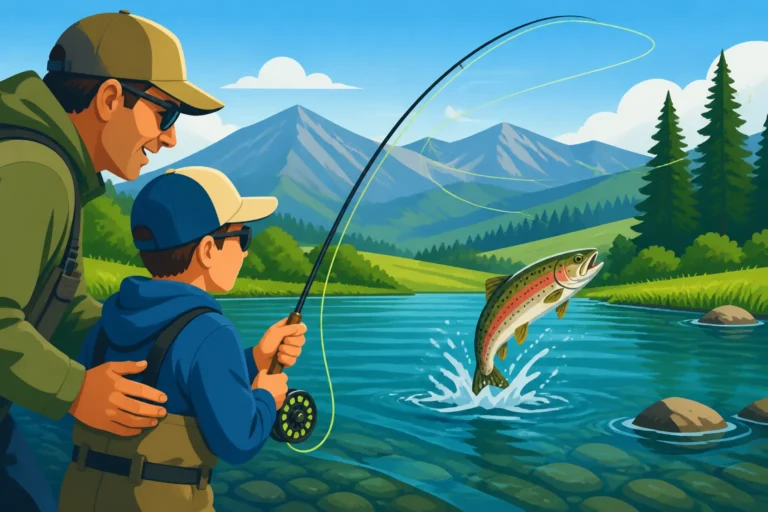
- For Beginners: Guides are adept at teaching the basics, from how to hold a rod and make a simple cast, to tying fundamental knots like the improved clinch or Palomar. They'll patiently walk you through the steps, offer immediate feedback, and help you overcome initial frustrations. This is especially useful if you’re trying a new technique like fly fishing on the Henry's Fork Fishing Guides.
- For Experienced Anglers: Even pros can benefit from a guide's insights. They can help you fine-tune a specific casting style, demonstrate advanced retrieves, or explain subtle nuances in presentation that are unique to their local waters. Perhaps you want to learn How to Back-Troll Plugs for Idaho Steelhead or perfect a side-drifting technique. A guide will offer tips on reading water, detecting subtle bites, and effectively fighting different species of fish. They can show you how to mend your line, manage drag, and safely release fish for maximum survival. This coaching is often tailored to your learning style and specific goals for the day, making it a highly effective way to grow as an angler.
What's Usually Not Included (But You Should Consider)
While guided fishing trips are incredibly comprehensive, there are a few key things that are almost universally not included. Being aware of these upfront will save you from any surprises and ensure you're fully prepared for your Idaho adventure.
Personal Fishing Licenses and Permits
This is perhaps the most critical item to remember: your Idaho fishing license and any necessary special permits are your responsibility. Guides are there to take you fishing, but they cannot legally provide you with a license.
Before your trip, you’ll need to purchase the appropriate Idaho Fishing License Guide for residents or nonresidents. Depending on the species you're targeting, you might also need additional permits or stamps, such as an Idaho Salmon and Steelhead Permit or a Idaho Sturgeon Fishing Rules tag. It’s crucial to check the current Idaho Department of Fish and Game regulations or ask your guide precisely what you'll need. You can often purchase these online, at licensed vendors, or through the Idaho Fish and Game offices. Do this well in advance, as trying to get one last-minute can be stressful and delay your start time.
Gratuities for Your Guide
Just like in other service industries, tipping your fishing guide is standard practice and greatly appreciated. It's a way to acknowledge their hard work, expertise, and dedication to making your trip a success. The guide's fee covers their time, equipment, and operational costs, but a tip is a direct recognition of excellent service.
While there's no strict rule, a common range for gratuity is typically a percentage of the trip's total cost, often mirroring what you might tip a waiter or other service professional. If your guide went above and beyond, was patient, helpful, knowledgeable, and helped you have a fantastic day, consider showing your appreciation generously. This is a common practice when booking a guide on platforms like FishingBooker, though the payment for the trip itself is separate from the tip. Make sure to factor this into your overall budget.
Incidental Personal Items and Weather Gear
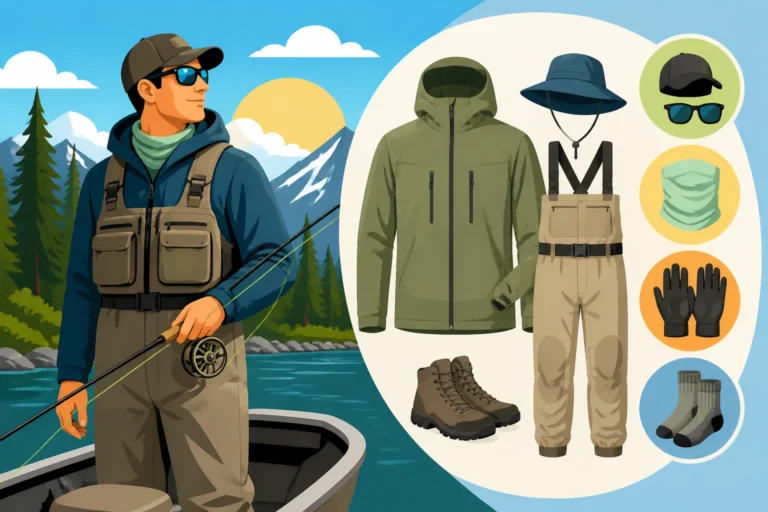
While guides provide the core fishing equipment, your personal comfort items and appropriate clothing for Idaho's variable weather are up to you. Don't underestimate the importance of dressing in layers and being prepared for anything.
Here’s a general list of what to bring:
- Appropriate Clothing: Dress in layers! Even on a warm day, mornings can be chilly on the water, and Idaho weather can change quickly. Think quick-drying fabrics. Rain gear is always a good idea, even if the forecast looks clear.
- Sun Protection: Sunscreen, a wide-brimmed hat, and polarized sunglasses are essential. The sun's reflection off the water can be intense.
- Personal Medications: Any prescription medications you need, as well as over-the-counter pain relievers or motion sickness medication.
- Snacks/Drinks: While some food and drink are often provided, if you have specific preferences or dietary needs beyond what's included, pack your own.
- Camera: To capture those unforgettable moments and your impressive catches!
- Small Backpack/Dry Bag: To keep your personal items organized and protected from spray or rain.
Remember, comfort equals enjoyment. Being prepared for the elements ensures you can focus on the fishing rather than being distracted by being too hot, cold, or wet.
Here's a quick summary table of common inclusions and exclusions:
| Feature | Often Included | Often Not Included (Your Responsibility) |
|---|---|---|
| Expertise & Guidance | Local knowledge, fishing hotspots, technique coaching | (Always included, core of the service) |
| Fishing Gear | Rods, reels, lines, tackle, specialized equipment | Your own personal lucky rod/reel (unless specified) |
| Bait/Lures/Flies | Appropriate selection for target species | |
| Safety Equipment | First aid, life vests, emergency communication | |
| Transportation | To/from meeting point, on-water navigation | Personal travel to meeting point |
| Food & Drink | Water, snacks, sometimes lunch (full-day trips) | Specific dietary items, extra beverages |
| Fish Handling | Cleaning, filleting, safe release | |
| Licenses & Permits | All personal Idaho fishing licenses & stamps | |
| Gratuities | Tip for your guide | |
| Personal Comfort Items | Sunscreen, hat, sunglasses, rain gear, camera |
Making the Most of Your Guided Trip
Booking a guided fishing trip in Idaho is an investment in an unforgettable experience. To ensure you get the absolute most out of it, a little preparation and clear communication go a long way. This isn't just about showing up; it's about being an active participant in creating a successful and enjoyable day.
Communication is Key: Before and During
Effective communication with your guide is paramount, both leading up to the trip and while you're out on the water. Don't hesitate to ask questions; your guide wants you to have a great time and will appreciate your initiative.
- Before the Trip:
- Clarify Expectations: Discuss what species you'd like to target, your experience level, and any specific goals you have (e.g., learning a new technique, catching a trophy, or just enjoying a relaxing day). A guide specializing in How to Fly Fish in Idaho will have a different approach than one focusing on Idaho Bass Fishing Guide.
- Gear & Logistics: Confirm what gear they provide, what you need to bring (remember those licenses!), and the exact meeting time and location. Ask about lunch provisions, especially if you have allergies or dietary restrictions.
- Weather & Contingencies: Inquire about their policy for inclement weather or unforeseen circumstances.
- FishingBooker provides a direct messaging platform with guides, which can be super helpful for these conversations.
- During the Trip:
- Listen Actively: Pay attention to your guide's instructions on casting, retrieving, or where to place your bait. They're telling you what works!
- Provide Feedback: If you're struggling with a technique, or if something feels off, speak up. Your guide can adjust their teaching style or offer different approaches.
- Be Realistic: Fishing is fishing, not catching. Some days are tougher than others. Trust your guide's expertise to put you in the best position for success, but enjoy the process regardless of the final fish count.
Open communication ensures that everyone is on the same page and helps your guide tailor the experience to your preferences, leading to a more satisfying and productive day.
Researching and Booking the Right Guide
Choosing the right guide is crucial for a successful trip. With many excellent guides operating across Idaho, taking the time to research will help you find the perfect match for your fishing adventure.
- Consider Your Target Species and Location: Are you set on catching Idaho Chinook Salmon Fishing Guide on the Salmon River, or are you dreaming of trophy lake trout on Fishing Priest Lake for Trophy Lake Trout? Different guides specialize in different species and waters.
- Read Reviews and Testimonials: Platforms like FishingBooker are excellent resources for seeing what other anglers have said about various guides. Look for comments on their patience, teaching ability, knowledge, and professionalism.
- Check Credentials: As discussed, ensure your chosen guide is properly licensed and insured.
- Inquire About Experience: How long have they been guiding in Idaho? Do they specialize in certain techniques (e.g., fly fishing vs. spin fishing)?
- Discuss Pricing and Inclusions: Get a clear understanding of the total cost and precisely what's included to avoid any surprises. Don't be shy about asking if a specific type of boat or equipment is used.
- Book in Advance: Especially for popular seasons or sought-after guides, booking well in advance is essential. Prime dates, particularly for Idaho Steelhead Season Dates and Limits or spring trout, fill up quickly. Many guides will allow you to book several months, or even a year, ahead of time.
By doing your homework and communicating effectively, you set yourself up for an incredible Idaho fishing experience. A guided trip isn't just about catching fish; it's about learning, exploring, and building memories on some of the most beautiful waters in the country.
Disclaimer
This article is for general informational purposes only and does not constitute professional advice. Laws, prices and regulations vary by location and change over time. Consult a qualified professional for guidance on your specific situation.