South Fork of the Snake River Fishing Guides
The allure of the South Fork of the Snake River for anglers is undeniable, yet its vastness and complex currents can feel a little daunting, especially if you're visiting for the first time or simply want to maximize your time on the water. Many passionate anglers find themselves wishing for insider knowledge to unlock its legendary trout fishery. This guide is here to help you understand how hiring a dedicated fishing guide for the South Fork of the Snake River can transform a good fishing trip into an unforgettable Idaho adventure, offering insights into what to expect and how to choose the perfect companion for your journey.
Why the South Fork of the Snake River is a Must-Fish Destination
There's a reason the South Fork of the Snake River consistently ranks among the top trout fisheries in the American West. It's not just a river; it's an experience, a living tapestry of breathtaking scenery, abundant wildlife, and some of the most robust trout populations you'll find anywhere. Anglers often dream of floating its famous sections, but the reality of its sheer size and diverse conditions can be a lot to take in without some expert guidance.
The Trout Mecca Reputation
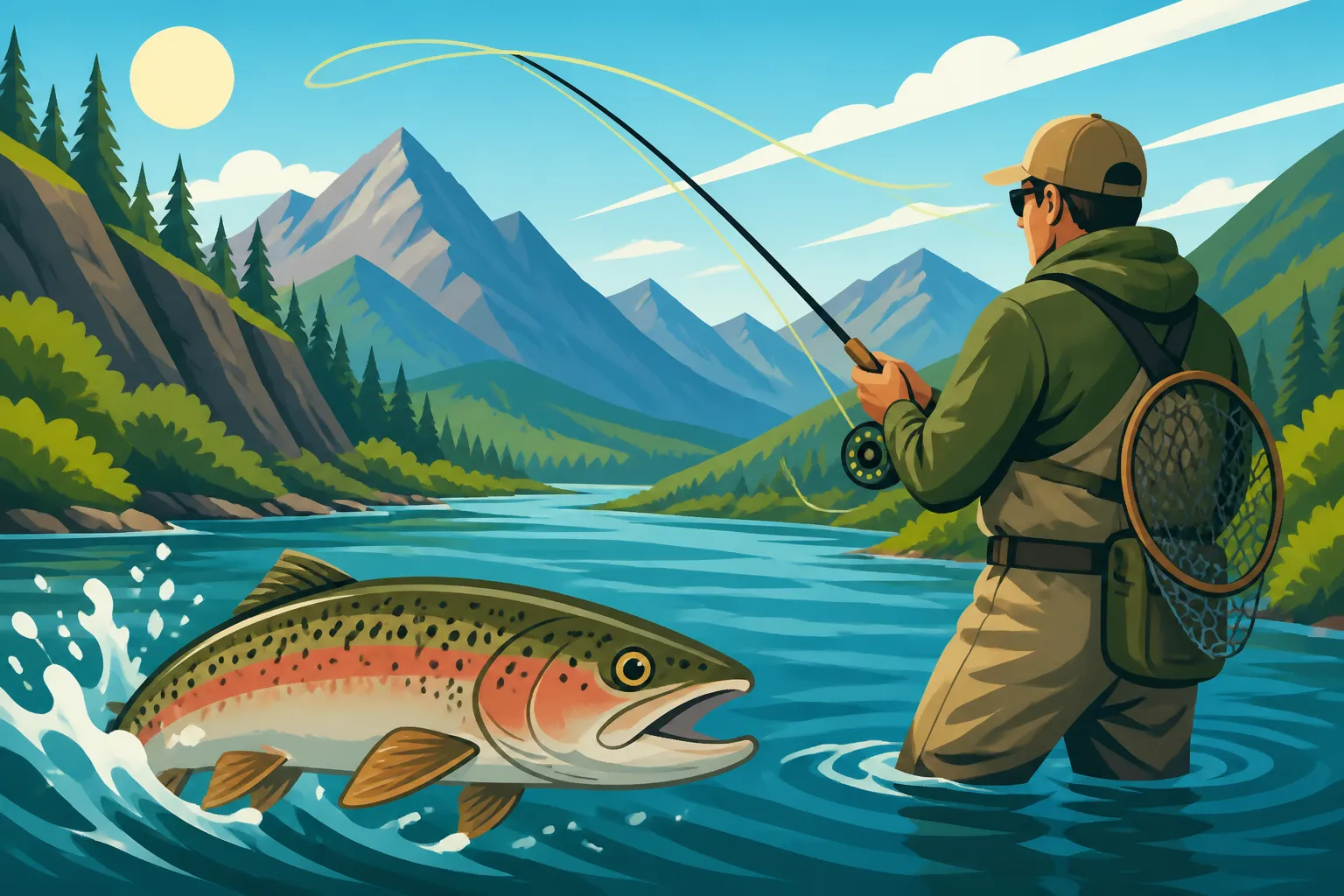
When people talk about blue-ribbon trout streams, the South Fork of the Snake is almost always part of the conversation, and for good reason. This river boasts an incredibly healthy ecosystem that supports a thriving population of wild cutthroat, rainbow, and brown trout. The sheer numbers are impressive, but it's the size and fighting spirit of these fish that truly capture an angler's heart. Imagine hooking into a feisty cutthroat, known for its vibrant colors and aggressive takes, or battling a powerful brown trout that tests your tackle and skill. This isn't your average stocked pond; these are wild, hard-fighting fish in their natural element.
The river's structure, with its braided channels, deep pools, riffles, and undercut banks, provides ideal habitat for trout. It's a rich food source, too, with prolific insect hatches throughout the year that keep the fish well-fed and actively feeding. For anyone serious about trout fishing, especially for the native Yellowstone Cutthroat Trout in Idaho, the South Fork presents a challenging yet incredibly rewarding opportunity to connect with nature and some truly magnificent fish. The river's health and productivity are a testament to ongoing conservation efforts and its relatively wild character.
Stunning Scenery and Serene Experience
Beyond the incredible fishing, the South Fork of the Snake River winds its way through some of Idaho's most spectacular landscapes. Towering cottonwoods line the banks, their leaves rustling in the breeze, while distant mountain ranges provide a dramatic backdrop. It's a place where bald eagles soar overhead, ospreys dive for fish, and moose might be spotted browsing in the willows along the banks. The feeling of solitude and immersion in nature here is profound, making every cast feel like part of a larger, wilder story.
A day on the South Fork is more than just catching fish; it's an escape. The gentle rhythm of the drift boat, the sound of the water, the crisp mountain air – it all combines to create an atmosphere of peace and tranquility that can be hard to find in our busy modern lives. Whether you're an avid photographer, a birdwatcher, or simply someone seeking solace in the outdoors, the South Fork offers a sensory rich experience that will stay with you long after your line is reeled in. It's the kind of place where memories are made, often accompanied by the quiet hum of a perfectly presented dry fly.
What a South Fork Fishing Guide Offers
So, you're convinced the South Fork is calling your name. Now, how do you make the most of it? This is where a seasoned South Fork fishing guide becomes not just an asset, but almost a necessity. Trying to navigate this complex river system, understand its ever-changing conditions, and locate productive water on your own can be a steep learning curve. A professional guide offers a shortcut to success and a deeper, more enjoyable experience.
Local Expertise and Hidden Gems
A good South Fork guide lives and breathes this river. They know its moods, its secret spots, and its subtle nuances like the back of their hand. They've spent countless hours studying the currents, monitoring insect hatches, and tracking fish movements throughout the seasons. This isn't just about pointing to a fishy-looking spot; it's about understanding why that spot is productive at a particular time of day, with specific water levels, and under certain weather conditions. They'll know which flies are hatching, what subsurface patterns the fish are keying in on, and how to present your offering perfectly.
Imagine trying to figure out which of the river's many braids holds the most active fish on a given morning, or where the deepest runs are hiding those big brown trout during a mid-day lull. A guide eliminates that guesswork, steering you directly to the best water and offering invaluable advice on technique. They'll know the difference between a productive riffle and one that's just pretty, guiding you to those "hidden gems" that might be overlooked by the casual angler. This local knowledge is truly priceless for maximizing your catch and learning the river's secrets.
Gear, Logistics, and Safety
One of the biggest advantages of hiring a guide is that they handle all the logistical headaches. Forget about trailering a boat, navigating tricky access points, or figuring out shuttles. Your guide will have a comfortable drift boat, all the necessary safety gear, and a cooler packed with drinks and often lunch. They'll provide high-quality rods, reels, and a vast assortment of flies and tackle perfectly suited for the South Fork's unique challenges. This means you can show up with just your fishing license and personal items, ready to fish, without worrying about the minutiae of river travel.
Beyond convenience, safety is paramount on any large river, and the South Fork is no exception. Guides are trained in river navigation, first aid, and emergency procedures. They know how to handle changing weather conditions, potential hazards like submerged logs or tricky rapids, and how to react if an unexpected situation arises. This peace of mind allows you to fully relax and concentrate on fishing, knowing you're in capable hands. They're professionals dedicated to ensuring your day is both productive and secure.
Tailored Instruction for All Skill Levels
Whether you're a complete novice who's never held a fly rod or a seasoned expert looking to refine specific techniques, a South Fork guide can tailor the experience to your individual needs. For beginners, they'll patiently teach casting fundamentals, knot tying, reading the water, and proper fish handling. It’s an immersive, hands-on lesson that's far more effective than trying to learn from videos or books. Many Idaho Fly Fishing Guide Services specialize in teaching the ropes to newcomers.
For more experienced anglers, a guide can offer advanced tactics, help you perfect your drift, or introduce you to specialized techniques like nymphing deep runs or targeting rising fish with tiny dry flies during a difficult hatch. They can provide immediate, personalized feedback on your casting stroke or presentation, helping you identify and correct habits that might be hindering your success. This one-on-one coaching in a real-world fishing environment is incredibly valuable for advancing your skills, regardless of your starting point. You'll leave the river not just with memories of fish, but with a deeper understanding of the sport.
Types of Guided Trips on the South Fork
The South Fork of the Snake River offers a variety of guided fishing experiences, each tailored to different preferences and fishing styles. Understanding these options will help you choose the adventure that best suits you and your companions. While some rivers lend themselves well to wade fishing, the expansive nature of the South Fork often means a boat is your best bet for covering water and finding the most productive spots.
Drift Boat and Float Trips
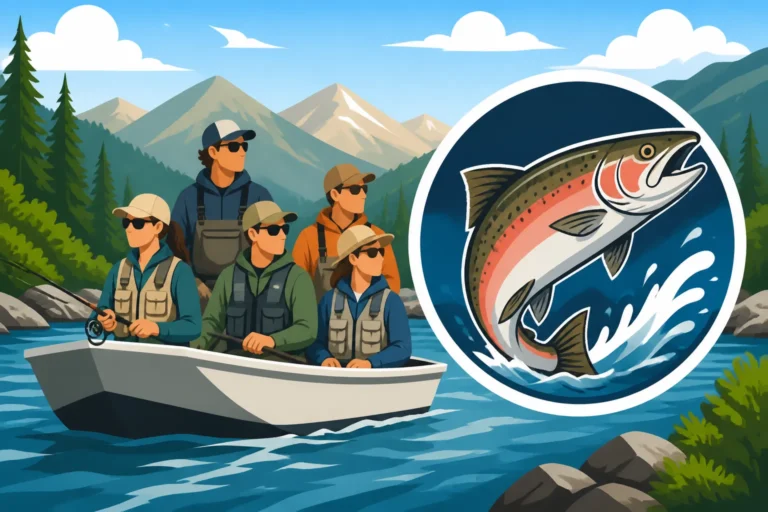
The quintessential South Fork fishing experience is undoubtedly a float trip in a drift boat. These specialized boats are designed for navigating rivers, allowing your guide to expertly position you over prime fishing lies while you cast from a stable platform. A full-day float trip typically covers several miles of river, granting you access to countless runs, riffles, and pools that would be impossible to reach from the bank. This method maximizes your fishing time and dramatically increases your chances of encountering a wide variety of fish in different habitats.
Your guide will do all the rowing, allowing you to focus 100% on fishing. They'll point out rising fish, advise on fly selection, and guide you through productive stretches. It's a wonderfully relaxing way to experience the river, taking in the scenery as you slowly glide downstream, casting to promising water. Most South Fork guides operate these types of trips, and they are perfect for individuals, pairs, or small groups who want to cover significant water and enjoy a comfortable, full-service day on the river. This is generally considered the most effective way to fish the South Fork's vast and diverse waters, and platforms like FishingBooker often feature a wide array of drift boat guides.
Wade Trips and Bank Fishing Guidance
While float trips dominate the South Fork scene, wade trips or bank fishing excursions are occasionally offered, especially if you're targeting specific, more accessible areas or if river conditions make floating challenging. These trips involve accessing the river from public points and either fishing from the bank or wading into shallower sections. This can be a more intimate experience, allowing for a slower pace and a deeper focus on a particular piece of water.
However, it's important to set realistic expectations for a wade trip on the South Fork. Due to the river's size and currents, access can be limited, and covering extensive ground on foot is difficult. Your guide might focus on a specific stretch known for prolific hatches or a particular type of fish, perhaps even a smaller tributary flowing into the main river. These trips are often more physically demanding than float trips, as you'll be walking and wading over uneven terrain. They can be excellent for honing your casting skills in a more confined setting or for enjoying a quiet, focused day on the water, but they typically don't allow you to explore as much of the river as a drift boat does.
Choosing the Right South Fork Fishing Guide
Deciding to hire a guide is the first step, but selecting the right guide for your South Fork adventure is crucial. This decision can profoundly impact your experience, so it's worth taking the time to research and communicate your expectations. Remember, you're not just hiring someone to row a boat; you're choosing a partner for your day on the water.
Researching Reputable Outfitters
Start your search by looking for guides and outfitters with a solid reputation specifically on the South Fork of the Snake River. Online reviews, word-of-mouth recommendations, and guide service websites are excellent resources. Look for guides who specialize in the South Fork and have extensive experience on that particular stretch of water. Websites like FishingBooker are a great way to browse various Best Fishing Guides in Idaho, compare their offerings, and read testimonials from past clients. A good guide will be fully licensed and insured, demonstrating their professionalism and commitment to safety.
When you're researching, pay attention to their communication style and how they present themselves. Do they seem passionate about the river and the fish? Do they emphasize safety and a positive experience? It's also wise to inquire about their typical season and how long they've been guiding the South Fork. A guide who has spent years on the river will have an unparalleled understanding of its nuances, from the subtle changes in currents to the timing of specific insect hatches. Don't hesitate to contact a few different guides to get a feel for their personalities and expertise before making your decision.
Understanding Guide Costs and What's Included
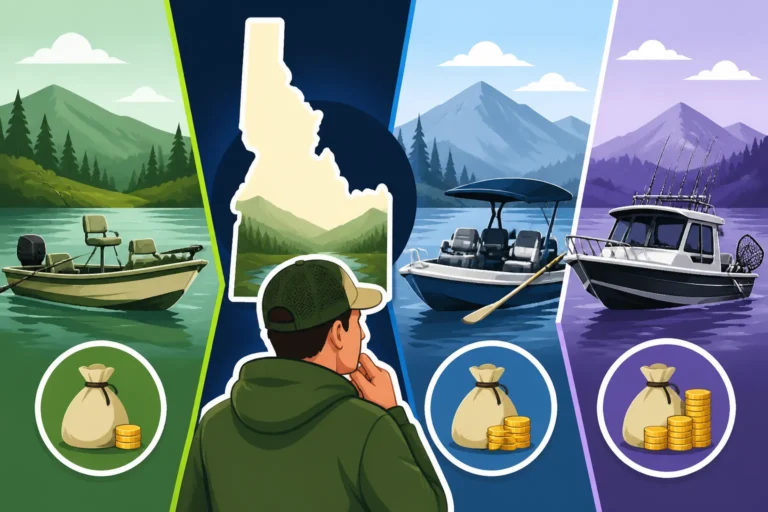
The cost of a guided fishing trip on the South Fork can vary based on several factors: the length of the trip (half-day vs. full-day), whether it's a wade or float trip, the number of anglers, and the guide's experience level. Generally, you'll find that prices are reflective of the premium service, specialized equipment, and invaluable expertise that a professional guide provides. While exact figures are impossible to state due to market fluctuations, expect a full-day float trip to be a significant investment, but one that is often well worth it for the experience gained. Our Idaho Fishing Guide Cost Guide goes into more detail about general pricing structures.
Most full-day trips typically include the guide's services, a drift boat, all necessary fishing gear (rods, reels, flies, tackle), and often lunch, snacks, and non-alcoholic beverages. Some guides might offer optional add-ons, such as photography services or specialized equipment. It's important to clarify exactly what is included in the quoted price when you book. Always ask if your Idaho Fishing License Guide or a specific species permit (like for steelhead if you were on a different river) is required to be purchased separately, as this is almost always the angler's responsibility. Don't be afraid to ask for a detailed breakdown, so there are no surprises on the day of your trip.
| Trip Type | Typical Duration | Inclusions (Common) | Angler Skill Level | Key Benefit |
|---|---|---|---|---|
| Full-Day Float Trip | 8+ hours | Guide, Drift Boat, Gear, Flies, Lunch, Drinks, Expertise | All | Maximized river coverage, diverse fishing |
| Half-Day Float Trip | 4-5 hours | Guide, Drift Boat, Gear, Flies, Drinks, Expertise | All | Shorter commitment, good for beginners |
| Full-Day Wade Trip | 6-8 hours | Guide, Gear, Flies, Lunch, Drinks, Expertise | Intermediate-Adv | Focused fishing on specific water, intimate |
Communication is Key
Once you've narrowed down your choices, clear communication with your chosen guide or outfitter is absolutely essential before your trip. Discuss your fishing goals and expectations. Are you hoping to catch a trophy fish, learn new techniques, or simply enjoy a relaxing day on the water? Do you prefer dry fly fishing, nymphing, or streamer fishing? Are there specific species you're interested in targeting? The more information you provide, the better your guide can tailor the experience to your preferences.
Don't be shy about asking questions regarding meeting times, what to bring, and any specific concerns you might have. A professional guide will appreciate your proactive approach and be happy to answer all your queries. Confirming details like the meeting point, what to wear, and how to pack for the day ensures a smooth start to your adventure. This upfront conversation helps manage expectations on both sides and sets the stage for a positive and successful fishing trip on the South Fork.
Preparing for Your South Fork Guided Adventure
You've booked your guide, you're excited, now what? A little preparation goes a long way in ensuring your South Fork fishing trip is as enjoyable and productive as possible. Thinking ahead about what to wear, what to bring, and understanding the local rules will help you relax and focus on the fishing when your day arrives.
Essential Gear and Clothing
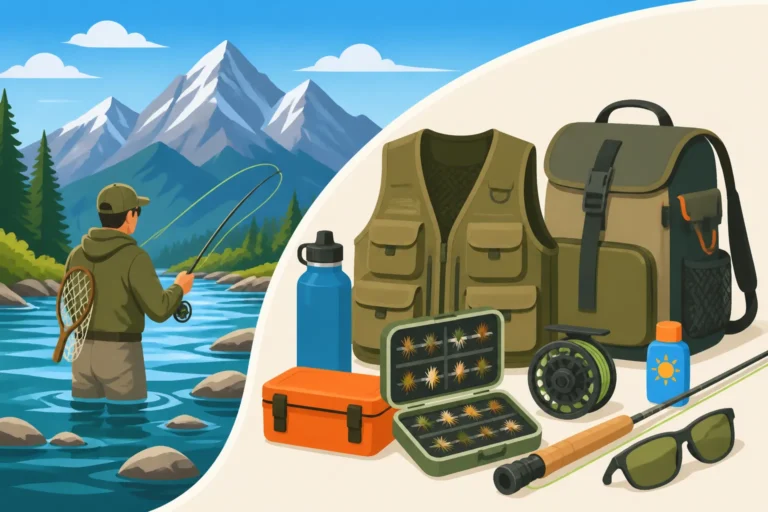
Even though your guide will provide most of the fishing gear, there are several personal items you'll need to bring to stay comfortable and protected on the river. Layering is key, as weather in the mountains can change rapidly. Start with moisture-wicking base layers, add a fleece or insulating mid-layer, and top it off with a waterproof and windproof jacket. Even on sunny days, mornings can be chilly, and afternoon thunderstorms are always a possibility. A wide-brimmed hat and polarized sunglasses are non-negotiable for sun protection and spotting fish.
Footwear is also important. If you plan to wade at all, sturdy wading boots with good ankle support are essential. Otherwise, comfortable shoes that can get wet, like Chacos or similar river sandals, are often preferred for float trips where you're primarily in the boat. Don't forget sunscreen, lip balm with SPF, and insect repellent. A small backpack or dry bag for your personal items is also highly recommended. For a more comprehensive list, check out What to Bring on a Guided Idaho Fishing Trip. Having the right clothing and accessories will make a huge difference in your comfort throughout the day.
Licenses, Permits, and Regulations
This is one area where you, the angler, are solely responsible. Before you even think about wetting a line on the South Fork, you must have a valid Idaho fishing license. If you're an out-of-state visitor, you'll need an Idaho Nonresident Fishing License Guide. Additionally, depending on what species you might encounter or wish to target, you may need specific permits or stamps. For instance, while generally not relevant for trout on the South Fork, if you were elsewhere targeting anadromous fish, you might need a Idaho Salmon and Steelhead Permit. Always ensure your license is purchased before your trip, as guides cannot provide them, and it's illegal to fish without one.
Familiarize yourself with the current Idaho Fishing Regulations Explained for the South Fork of the Snake River. Regulations cover everything from catch limits and bag limits to specific rules about bait, tackle, and catch-and-release practices. While your guide will certainly remind you of the rules on the water, understanding them beforehand demonstrates respect for the fishery and ensures you're a responsible angler. For example, some stretches might be catch-and-release only for certain species, or have specific gear restrictions. Knowing these details helps avoid any potential issues and supports sustainable fishing practices.
Tipping and Etiquette on the Water
Hiring a guide is a service industry, and it's customary to show your appreciation for a guide's hard work, knowledge, and effort through a tip. While it might feel awkward to think about, a tip is a significant part of a guide's income and a direct reflection of your satisfaction with their service. A standard tip for a full-day guided fishing trip typically falls within a certain percentage range of the trip's total cost, although individual circumstances can lead to adjustments. Our article Idaho Fishing Guide Tipping and Etiquette offers more detailed guidance on appropriate gratuity.
Beyond tipping, practicing good etiquette on the water makes for a more pleasant experience for everyone. This includes being punctual for your meeting time, listening to your guide's instructions, and being mindful of their efforts throughout the day. Keep your casting clear, communicate if you need assistance, and respect the natural environment. Avoid leaving any trash behind, and practice proper fish handling techniques to ensure the health of the fish you catch and release. A guide's job is physically demanding and mentally taxing, and a respectful, appreciative client makes their day much more rewarding.
Disclaimer
This article is for general informational purposes only and does not constitute professional advice. Laws, prices and regulations vary by location and change over time. Consult a qualified professional for guidance on your specific situation.