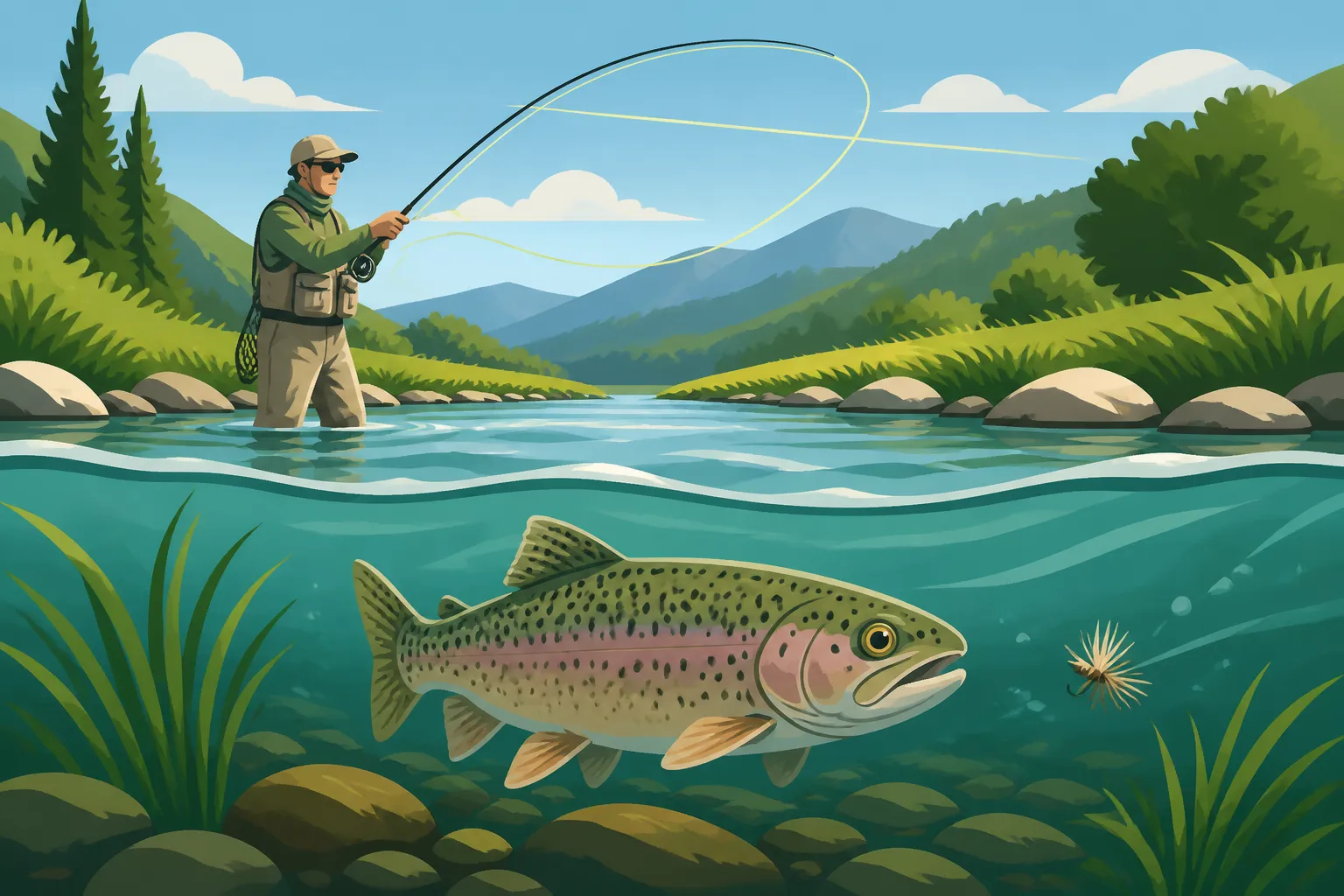
Fishing Silver Creek’s Technical Spring Creek Water
Let's be honest, Silver Creek isn't just another fishing spot; it's a legendary proving ground. Many anglers, myself included, have stood on its banks, seen those impossibly large, selective trout, and felt that knot of anxiety mixed with pure excitement. It's beautiful, it's famous, and it can be incredibly frustrating if you're not prepared. This comprehensive guide is here to strip away the mystique and give you the real-world insights, tips, and techniques you'll need to successfully navigate and truly appreciate fishing Silver Creek's technical spring creek water.
Understanding Silver Creek's Unique Ecosystem
Silver Creek, flowing through Idaho's high desert, isn't just a stream; it's a delicate, living system that operates on its own terms. What makes it so special, and often so challenging, is its identity as a true spring creek. Unlike freestone rivers that are heavily influenced by snowmelt and rainfall, Silver Creek is fed by underground springs, giving it a consistency that shapes everything about its fishing experience.
The Spring Creek Difference: Consistent Flows and Water Temps
Imagine a river where the water levels don't dramatically surge with every rainstorm or dwindle to a trickle in dry spells. That's the magic of a spring creek. Silver Creek's flows are remarkably stable year-round, fed by massive underground aquifers. This consistency creates a remarkably stable environment for aquatic life. The water temperature, too, remains incredibly consistent, rarely fluctuating to extremes. While other rivers might experience huge temperature swings that stress fish and impact insect hatches, Silver Creek provides a thermal refuge. This means trout here are rarely "off" due to environmental shock. They’re comfortable, well-fed, and therefore, often extremely particular about what they choose to eat.
However, this consistency also means the fish don't have to fight against huge currents, so they conserve energy and grow large. Their metabolism is steady, making them less prone to opportunistic feeding. They get used to a predictable menu, making them incredibly discerning. You won't find many "dumb" fish in Silver Creek; they’ve seen it all, and they’ve likely been fooled before, making them even warier. It's this very stability that sharpens their senses and hones their selectivity, elevating the challenge for every angler.
Rich Insect Life and Selective Trout
The consistent water temperature and nutrient-rich environment of Silver Creek create a veritable smorgasbord for aquatic insects. Mayflies, caddisflies, midges, and various terrestrials thrive here, often hatching in prolific numbers and extended periods throughout the year. This abundant and predictable food source is a huge factor in why Silver Creek produces such large, healthy trout, including some truly impressive rainbow trout and beautiful Idaho Cutthroat Trout.
But here’s the rub: with such a consistent and diverse diet, the trout become incredibly selective. They often key in on one specific insect species, or even a particular life stage of that insect, ignoring everything else. You might see hundreds of trout rising, but if your fly isn't an exact match in size, shape, and color to what they're actually eating, you'll likely be met with refusal after refusal. This "match the hatch" mentality is paramount on Silver Creek, making pattern recognition and imitation a crucial skill. It's not enough to just throw a fly; you have to observe, deduce, and then execute with precision.
Water Clarity and Its Challenges
One of the most striking features of Silver Creek is its crystal-clear water. You can often see the bottom in surprisingly deep sections, and more importantly, you can often see the fish. And if you can see them, they can definitely see you. This extreme clarity is a double-edged sword: it allows for incredible sight-fishing opportunities, letting you spot your target and observe their behavior. However, it also means your presentation, your approach, and even your shadows become critical.
Any splashy cast, heavy leader, or unnatural movement will send these wary fish darting for cover. Stealth is not just recommended; it's absolutely non-negotiable. You’ll need to master the art of the long cast, the delicate landing, and the subtle drift to avoid spooking your quarry. The clear water demands a high level of skill and discipline, forcing you to think about every step you take and every cast you make. It's this unforgiving transparency that truly pushes anglers to refine their technique and become more mindful of their presence on the water.
Essential Gear and Tackle for Silver Creek
When you’re heading to Silver Creek, you can’t just grab any old rod and reel and expect success. This isn't a place for heavy-handed gear. The highly technical nature of the fishing and the notoriously selective trout demand specific equipment choices that enhance delicacy, precision, and stealth. Thinking of Silver Creek fishing as a kind of delicate surgery, rather than a brute-force effort, will help you pick the right tools for the job.
Fly Rod and Reel Selection
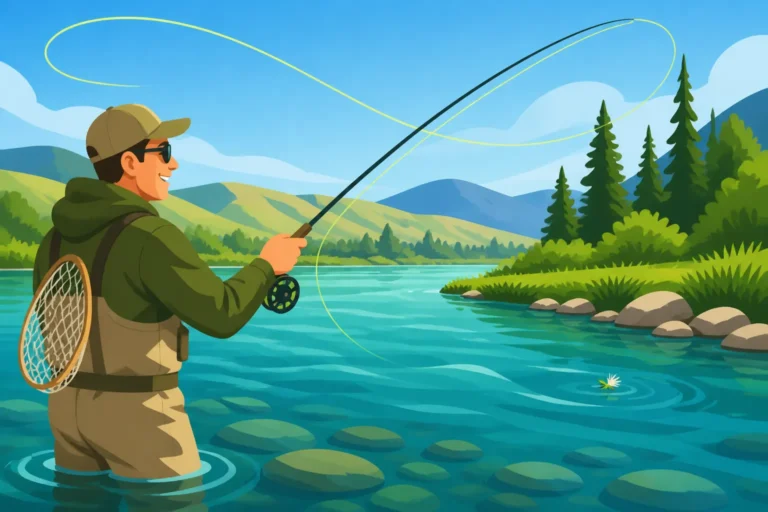
For Silver Creek, finesse trumps power every single time. Most experienced anglers opt for lighter fly rods, typically in the 3-weight to 5-weight range. A 4-weight rod, often 8.5 to 9 feet long, is generally considered the sweet spot for its versatility in handling delicate presentations while still having enough backbone to fight the surprisingly strong trout found here. A faster action rod can help with casting accuracy over distance, but a moderate-fast action can offer a bit more feel for delicate short-range casts. A reliable reel that matches your rod weight and has a smooth drag system is important, though often less critical than the rod itself, as the primary goal isn't usually battling huge runs, but rather finessing a fish in clear, often weedy, water.
The emphasis here is on touch and presentation. You're not casting enormous streamers; you're often delivering tiny dry flies or subtle nymphs with pinpoint accuracy. The lighter rod allows for softer landings of your fly, reducing the splash that can instantly send a watchful trout scurrying. While a bigger fish might make you wish for a 6-weight, the daily reality on Silver Creek almost always favors the stealth and sensitivity of lighter tackle.
Leader, Tippet, and Fly Line Considerations
This is where many Silver Creek trips can go wrong before they even begin. Forget heavy, stiff leaders and tippets. The clear water and finicky fish necessitate long, fine, and supple setups. A leader that’s 9 to 12 feet long is a good starting point, tapering down to a very fine tippet. Fluorocarbon tippet, known for its invisibility underwater and abrasion resistance, is often preferred, but regular monofilament can work well too, especially for dry flies where its floating properties can be an advantage.
When it comes to tippet size, don't be afraid to go small. Think 5X, 6X, or even 7X, especially when targeting rising fish with tiny dry flies or presenting nymphs to spooky trout. A lighter colored, weight-forward floating fly line that loads easily and casts smoothly is also critical. Your entire line system, from fly line to leader to tippet, needs to be designed for maximum stealth and minimal disturbance. A thick, opaque leader or heavy tippet will cast a shadow, create drag, and be easily detected by these highly educated trout. For tips on specific fly casting techniques for selective fish, consider reading up on "How to Cast to Selective Trout on a Spring Creek."
Must-Have Flies for Silver Creek's Hatches
Silver Creek is a "match the hatch" fishery if there ever was one. Being prepared with a diverse fly box is essential. While the specific hatches vary by season, there are some undeniable staples. For mayflies, think of classic patterns like Parachute Adams, BWO (Blue Winged Olive) imitations, Callibaetis, and PMD (Pale Morning Dun) patterns in various sizes (from tiny #20 midges up to #14 Callibaetis). Caddisflies are also prevalent, so having Elk Hair Caddis and X-Caddis in different sizes is a smart move. Terrestrials like ants, beetles, and grasshoppers become important in late summer and early fall, especially on warm, breezy days.
Below the surface, tiny midge larvae and pupae patterns (Zebra Midges, Brassies), small pheasant tail nymphs, and scuds can be incredibly effective when fish aren't rising. The key is to have a range of sizes and colors for each major insect type. Don't forget that these fish are often incredibly specific, so having several variations of the "right" fly might be necessary to crack the code on a given day. For a general overview of trout flies, refer to our guide on "Best Lures for Idaho Trout Fishing," but remember that Silver Creek demands very specific, often small, imitations.
Mastering Silver Creek's Technical Fly Fishing Techniques
Fishing Silver Creek isn't just about showing up with the right gear; it's about executing with precision and understanding the subtle nuances that make or break a day on this unique water. The challenges posed by clear water and wary trout require a refined approach that prioritizes stealth and flawless presentation above all else. Many anglers get frustrated because they overlook these critical details.
Precise Casting and Presentation
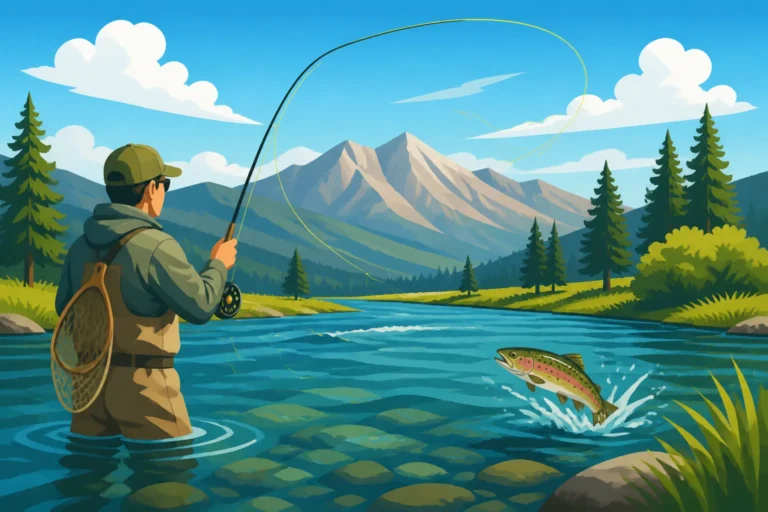
On Silver Creek, every cast is a performance. You're not just throwing line; you're attempting to deliver a tiny, delicate imitation to a specific spot, often inches in front of a feeding fish, without a ripple or a splash. Accuracy is paramount. Learning various delicate presentations, like reach casts, parachute casts, and curve casts, can help you achieve a drag-free drift over picky trout. Casting into the wind on one of Silver Creek's typical breezy afternoons can also be a challenge, requiring diligent practice. Overheads are less common than subtle roll casts or carefully mended casts. The goal is to make your fly appear as if it naturally floated into the feeding lane, completely unattached to your line.
False casting should be minimized to avoid spooking fish with line movement overhead. Think about using a stealthy, low-profile casting stroke. It often helps to position yourself downstream or across from the fish, casting upstream or across, so your fly arrives before your line or leader drifts over the fish. The moment your fly hits the water, you need to be ready to mend your line to prevent drag. For more intricate approaches to specific fly fishing scenarios, our guide on "Fly Fishing Techniques for Idaho Spring Creeks" provides a deeper dive into these nuanced tactics.
Reading the Water and Approaching Fish
One of the most valuable skills for Silver Creek is the ability to read the water – and the fish – like an open book. Since the water is so clear, you can often spot individual trout. Observe their feeding rhythm, their position in the current, and whether they're looking up for dries or down for nymphs. Look for subtle rises; sometimes, it's just a dimple, not a splashy gulp. Identifying what they're eating, even before you cast, will significantly increase your odds.
Your approach to the water is equally, if not more, important than your cast. Move slowly, deliberately, and stay low. Crouch, crawl, or use bankside vegetation for cover. Avoid standing on high banks where your silhouette is clearly visible against the sky. Shadows, especially your rod tip's shadow, can send fish scattering. Walk softly; heavy footsteps on the bank transmit vibrations through the ground and into the water. In essence, become a predator yourself, stalking your prey with utmost caution. If you struggle with spooking trout, our article on "How to Approach Skittish Trout on Idaho Spring Creeks" offers specific strategies to improve your stealth.
Fighting and Releasing Silver Creek Trout
Once you finally entice one of Silver Creek’s wily trout to take your fly, the battle isn't over. These are often large, powerful fish that will test your light tackle. Don't panic. Keep your rod tip high to maintain pressure and absorb shocks. Let the fish run if it wants to, using your reel's drag system to tire it out, rather than trying to horse it in. Remember that you're often using very fine tippet, so excessive force will lead to a break-off.
Bringing a fish to hand quickly and safely is crucial for its survival, especially with the prevalent catch-and-release ethic on Silver Creek. Use a rubber net to minimize damage to the fish's protective slime layer. Keep the fish in the water as much as possible, removing the hook gently with forceps. If you must take a photo, do it quickly and with wet hands, supporting the fish horizontally. Proper release ensures these incredible trout can be caught again, preserving the unique fishery for others.
Navigating Access and Conservation on Silver Creek
Silver Creek is a treasure, and like all treasures, it comes with specific rules and responsibilities. Understanding where you can fish, what regulations apply, and how to practice responsible angling is paramount to enjoying your experience and helping to preserve this world-renowned fishery for future generations. It's not just about catching fish; it's about being a good steward.
Public Access Points and Private Waters
While much of the surrounding land is privately owned, including the famous Nature Conservancy preserve, there are several key public access points that allow anglers to experience Silver Creek. The Nature Conservancy's "Thorn Creek Preserve" offers walk-in access to several miles of prime spring creek fishing, typically from Memorial Day weekend through November 30. This area often requires sign-in at designated kiosks, and specific regulations (like barbless hooks and strict catch-and-release) are rigorously enforced. Other public access points might be found along roads like Picabo Hills Road.
It's absolutely essential to be aware of property boundaries and respect private land. Trespassing is not only illegal but also harms the relationships between anglers and landowners, potentially jeopardizing future access. Always consult current Idaho Fish and Game regulations and local maps before heading out to ensure you are fishing legally. If you are ever unsure about access, it's best to err on the side of caution and find clearly marked public areas.
Respecting the Resource: Catch-and-Release Ethics
Silver Creek is almost exclusively a catch-and-release fishery, and for good reason. The sheer size and numbers of trout here are a testament to diligent conservation efforts over many years. Practicing proper catch-and-release is more than just a rule; it's an ethical obligation. This means minimizing the time a fish is out of water, handling it with wet hands, using barbless hooks, and avoiding excessive fighting that can exhaust the fish.
Many dedicated Silver Creek anglers go a step further, crimping barbs even when not explicitly required, and using nets made of knotless, soft mesh to protect the fish's fins and slime coat. The goal is for every fish caught to swim away strong and healthy, ready to be caught another day. This commitment from the angling community is what makes Silver Creek such a thriving ecosystem, ensuring its reputation as a world-class trout fishery endures.
Important Regulations and Seasonal Considerations
Before you even think about casting a line, you absolutely need to understand the current Idaho Fishing Regulations Explained, especially for Silver Creek. This includes ensuring you have the appropriate Idaho Fishing License Guide. Silver Creek, particularly the Nature Conservancy section, has some of the most specific regulations in the state. Expect strict catch-and-release rules, mandatory single barbless hooks, and often restrictions on fishing methods (e.g., fly fishing only). These rules are designed to protect the fragile resource and are strictly enforced by local authorities and wardens.
Seasonally, the creek offers different experiences. While open for a significant portion of the year, specific times like the major mayfly hatches in spring and fall are legendary. Water levels and insect activity can influence the fishing, so consulting local fly shops or checking online resources before your trip can be incredibly helpful. Always download or pick up the latest Idaho Fish and Game fishing proclamation, as regulations can change. For a broader look at fishing timelines, explore the "Idaho Fishing Season Dates and Limits" guide.
Planning Your Trip: Beyond the Cast
A successful trip to Silver Creek goes beyond just the hours spent on the water. Thoughtful planning regarding timing, logistics, and perhaps even engaging local expertise can significantly enhance your experience and increase your chances of connecting with its legendary trout. This is a destination trip for many, and you want to make the most of it.
When to Visit Silver Creek for Optimal Fishing
Deciding when to visit Silver Creek largely depends on what you hope to experience. Each season offers unique opportunities and challenges. Spring (late April through June) can be fantastic for Blue Winged Olive (BWO) hatches, though weather can be unpredictable. Early summer (June-July) often brings prolific Pale Morning Dun (PMD) and Callibaetis hatches, making for incredible dry fly fishing, but it can also be a popular, busier time.
Late summer into fall (August-October) presents a mix of terrestrials (ants, grasshoppers) and a resurgence of BWO hatches, often with cooler, more stable weather. This is arguably the most popular time for serious fly anglers. Even into late fall (November), persistent BWO hatches can provide exciting opportunities, often with fewer crowds, though temperatures drop significantly. Planning around the major insect hatches is usually the best strategy for dry fly enthusiasts, but excellent nymphing can be found year-round.
Lodging, Amenities, and Local Resources
The nearest town to much of Silver Creek's prime fishing is Picabo, Idaho, which is very small and offers limited services. Most anglers choose to stay in nearby larger towns like Sun Valley, Ketchum, or Hailey, which are roughly an hour's drive away. These towns offer a wide range of lodging options, from hotels and resorts to vacation rentals, along with restaurants, grocery stores, and other amenities. Staying further afield in a quiet cabin or campsite can also be an option for those looking for more solitude.
Crucially, local fly shops in Ketchum or Hailey are invaluable resources. Stores like Silver Creek Outfitters or Lost River Outfitters can provide up-to-the-minute hatch reports, recommend specific flies, and offer guided trips. They are truly the pulse of the local fishing scene and can save you hours of trial and error. Don’t skip a visit to get the latest intel – it can make all the difference on a challenging stream like Silver Creek.
Considering a Guided Experience on Silver Creek
For many anglers, especially those new to Silver Creek or looking to significantly improve their technical spring creek skills, hiring a local guide is an investment that pays dividends. A guide knows the water intimately, understands the nuances of the hatches, and can spot fish and recommend presentations that you might easily miss. They can shave years off your learning curve and greatly increase your chances of success and enjoyment.
Outfitters listed on platforms like FishingBooker often have experienced guides who specialize in Silver Creek. They can provide all the necessary gear, flies, and instruction, allowing you to focus solely on the fishing experience. While a guided trip for this kind of technical water isn't the cheapest option, the expertise and insights gained are often priceless. It’s an opportunity to learn from the best and truly unlock the secrets of this renowned fishery. For more information on finding local experts, check out our guide to "Silver Creek Fishing Guides."
Disclaimer
The information provided in this guide is for general informational purposes only and is not intended as legal advice. Fishing regulations and access rules can change frequently. Always consult the latest official Idaho Fish and Game regulations, local ordinances, and private property signage before fishing any waters. Fishing involves inherent risks, and anglers should exercise caution and practice safe outdoor habits.