Wade Trip vs Drift Boat Trip, Which Guide Trip Is Better
Planning an Idaho fishing trip can feel overwhelming, especially when you're trying to decide on the best way to experience those incredible waters. Many anglers grapple with the fundamental question of whether a wade trip or a drift boat trip will give them the most rewarding day on the river. This guide will meticulously break down the nuances of each guided fishing adventure, helping you understand the distinct advantages and disadvantages so you can confidently choose the perfect option for your next Idaho outing.
Understanding Wade Trips: Getting Your Feet Wet (Literally!)
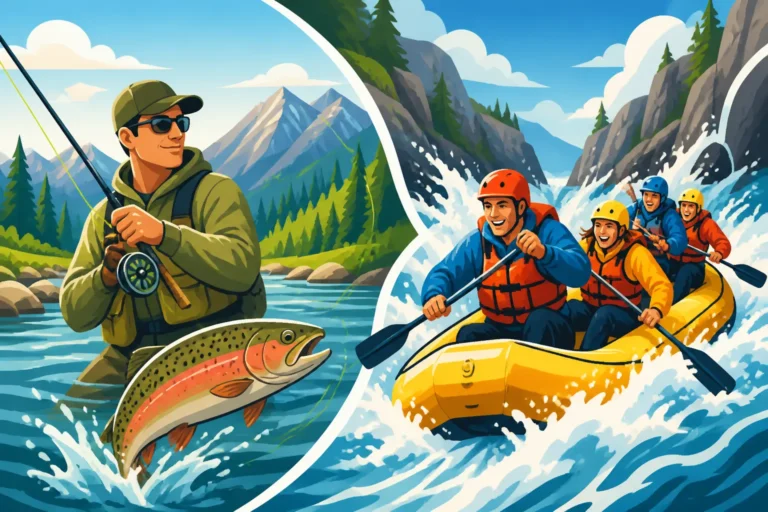
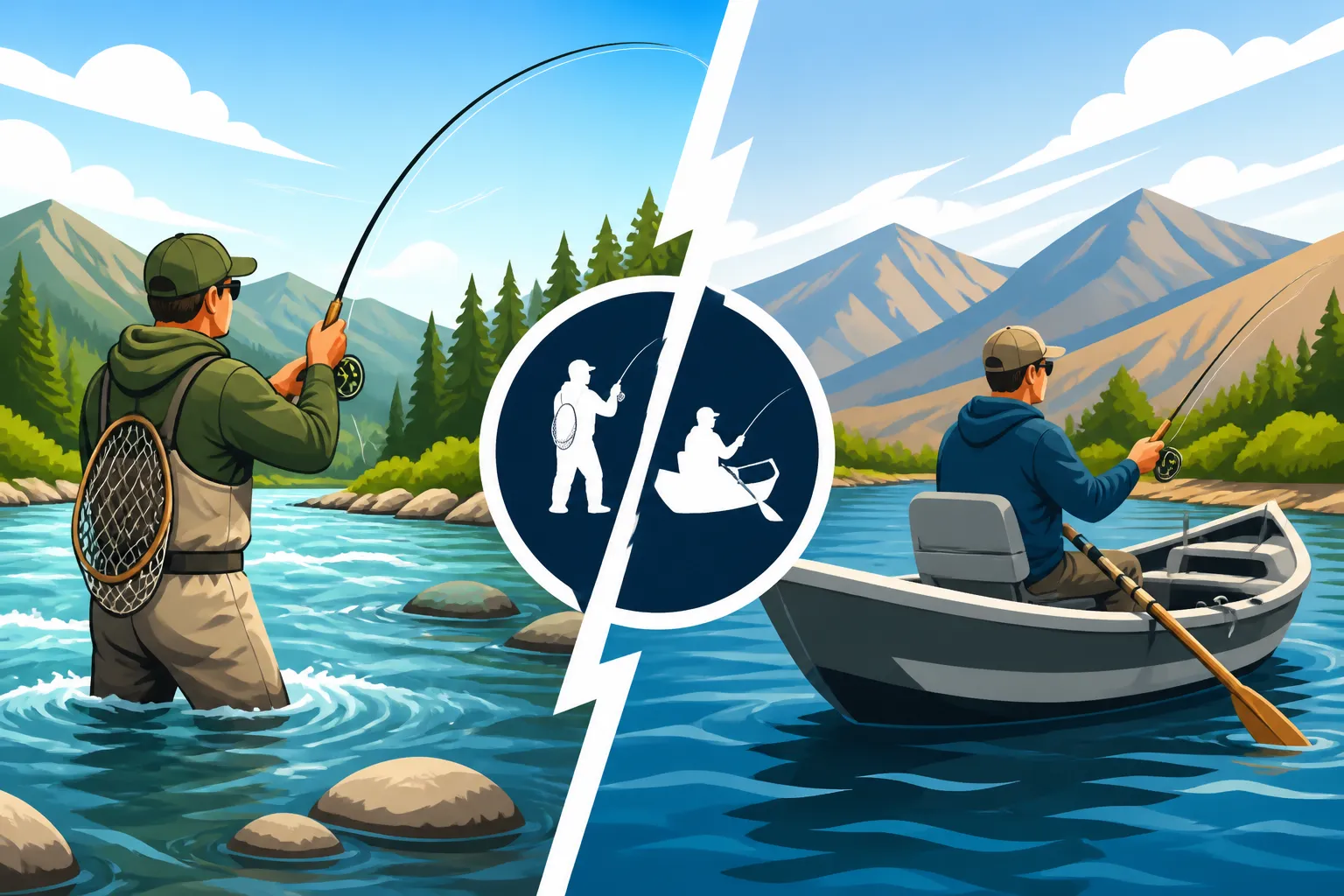
A wade trip is exactly what it sounds like: you and your guide will be on foot, traversing the riverbank or wading directly into the stream to present your flies or lures. This style of fishing is deeply personal and offers a unique connection to the water, allowing you to immerse yourself fully in the riparian environment. It's often favored by those who enjoy a more intimate and physically engaging experience, feeling every ripple and pebble underfoot.
What is a Wade Trip?
When you book a wade trip, your guide typically meets you at a designated access point, often near specific stretches of river known for excellent fishing. From there, you'll walk along the bank, scouting for fish and productive water, or you'll don your waders and step directly into the flow. The focus is on precision casting, stealthy approaches, and carefully working specific pockets, riffles, and runs. Your guide is right there with you, offering hands-on instruction, pointing out holding water, and helping you navigate the terrain. It’s a very active, collaborative experience.
Think of it as hunting for fish on their own terms, blending into the environment. You might be targeting elusive cutthroat trout in a pristine mountain stream or carefully approaching a specific seam where a big rainbow trout is feeding. The quiet nature of wading, without the disturbance of oars or motors, often allows for a more natural presentation of your offerings, and the ability to hold a specific position for an extended period can be a real advantage when fish are selective. This intimate connection is what draws many anglers to the wade trip experience, allowing them to truly "read the water."
Pros of Choosing a Wade Trip
One of the biggest advantages of a wade trip is the unparalleled intimacy it offers with the fishery. You're physically in the water, feeling the current, noticing the insect life up close, and often gaining a deeper understanding of the fish's habitat. This can be particularly rewarding for fly anglers who appreciate the art of presentation and stealth. Wade trips also tend to be more cost-effective than drift boat trips, as they generally require less specialized equipment from the guide's side, often making them a more Budget-Friendly Idaho Fishing Guide Options.
Furthermore, wade trips grant access to smaller, more delicate waters that simply aren't navigable by boat. Many of Idaho's most beautiful, pristine streams and high-mountain creeks are wade-only. This means you can reach untouched sections, experience incredible solitude, and potentially target fish that see fewer presentations. The focus shifts from covering vast distances to meticulously working prime spots, honing your casting and presentation skills. If you're looking to really dial in your technique or fish a specific type of water, a wade trip offers an unmatched level of engagement.
The physical activity involved in wading can also be a significant draw. It's an active way to spend the day, hiking along the banks, navigating uneven riverbeds, and feeling the exertion of being in the current. For those who enjoy combining their fishing with a good outdoor workout and a sense of exploration, a wade trip checks all the boxes. Your guide can offer Fly Fishing Lessons Available Through Idaho Guides in this setting.
Cons and Considerations for Wade Trips
While incredibly rewarding, wade trips do come with their own set of challenges. The most apparent limitation is the physical demand. You'll be walking, scrambling over rocks, and wading in currents, which requires a reasonable level of fitness and balance. For anglers with mobility issues or those who prefer a more relaxed day, this can be a significant drawback. Uneven terrain and slippery riverbeds mean proper wading boots and a wading staff are crucial for safety.
Another consideration is the limited water coverage. You can only physically cover so much ground on foot in a day, meaning you might miss out on excellent fishing spots that are further upstream or downstream from your access points. If the fish aren't biting in the accessible areas, moving to a new section can be time-consuming and arduous. This contrasts sharply with the mobility a boat offers. Weather can also play a bigger role; strong winds can make casting difficult, and heavy rain can blow out a wade-friendly stream, making it unfishable or unsafe.
Finally, while your guide will carry a backpack with essentials, the amount of gear you can comfortably bring on a wade trip is restricted. You’ll typically carry a smaller pack with water, snacks, extra layers, and your fishing essentials. This means leaving behind comforts like a cooler full of drinks or a large tackle box. It’s a minimalist approach to fishing, which some love and others find restrictive.
Exploring Drift Boat Trips: Floating Through Idaho's Waters
Drift boat trips offer a completely different experience, characterized by mobility, comfort, and the ability to cover significant stretches of river. In a drift boat, you and your guide glide downstream, with the guide expertly maneuvering the boat using oars or a motor (depending on regulations and water type), allowing you to cast to prime water as you move.
What is a Drift Boat Trip?
A drift boat trip typically begins at a boat launch, where you and your guide will load your gear into a specially designed, flat-bottomed boat that's incredibly stable and maneuverable in river currents. Anglers sit comfortably in seats, often with casting braces, while the guide rows, positioning the boat perfectly for each cast. As you float downstream, you'll encounter a constantly changing landscape and a succession of fishing opportunities. Your guide's intimate knowledge of the river is paramount here, as they'll navigate rapids, identify productive runs, and ensure your safety.
This method allows for both active casting and moments of relaxation as you take in the scenery. The guide handles the heavy lifting of moving the boat, leaving you free to focus entirely on fishing. It’s an ideal setup for covering diverse water types, from long, slow pools to swift riffles, all in one day. Many renowned Idaho rivers, like the South Fork of the Snake or sections of the Salmon and Clearwater, are classic drift boat fisheries, where covering miles of water is key to finding active fish, especially for species like steelhead or certain trout.
Pros of Choosing a Drift Boat Trip
The most significant advantage of a drift boat trip is the sheer amount of water you can cover in a single day. You're not limited by how far you can walk; instead, you can float many miles of river, hitting countless productive spots. This increases your chances of encountering actively feeding fish, especially when targeting migratory species like steelhead or salmon, or when fish are spread out. This makes it a popular choice for Idaho Steelhead Fishing Guides and Idaho Salmon River Fishing Charters.
Comfort is another major plus. You get to sit in a stable boat, often with cushioned seats, enjoying the views without the constant physical exertion of wading. The boat also acts as a mobile base camp, allowing you to bring along more gear – coolers with drinks and lunch, extra rods, tackle boxes, rain gear, and anything else that enhances your day. This is particularly appealing for longer days on the water, during inclement weather, or for anglers who prefer a more relaxed pace. The elevated perspective from the boat can also help in spotting fish or structure in the water that might be missed from the bank.
Drift boats also offer an enhanced safety factor, especially on larger, swifter rivers. The guide is an expert in river navigation, capable of handling currents, rapids, and obstacles, ensuring a secure and enjoyable journey. This can provide immense peace of mind, allowing you to focus on the fishing rather than worrying about slippery rocks or strong currents. For families or groups, a drift boat allows multiple anglers to fish simultaneously from comfortable positions, fostering a shared experience. Can Kids Join a Guided Fishing Trip? Absolutely, and a drift boat often makes it more accessible for them.
Cons and Considerations for Drift Boat Trips
Drift boat trips generally come with a higher price tag than wade trips. The investment in specialized boats, trailers, vehicle maintenance, and the added logistics of shuttle services (dropping a vehicle at the take-out point) all contribute to a higher operational cost for the guide, which is reflected in the trip fee. So, if budget is your primary concern, this is an important factor.
While comfortable, a drift boat trip can sometimes feel less intimate than wading. You’re separated from the water by the boat, and the constant movement, though efficient for covering water, might mean less time to thoroughly work a single, promising spot. The noise of oars hitting water or the occasional scraping of the boat against a rock can also be less stealthy than a quiet wade. Depending on the size of the boat and the river, there might also be a slight learning curve for casting from a moving platform.
Finally, drift boat trips are heavily dependent on appropriate river flows. If water levels are too low, sections of a river might become unnavigable, forcing guides to cancel or re-route. Conversely, extremely high flows can make a river unsafe or unfishable from a boat. Your guide's experience will dictate safe conditions, but it's a factor beyond anyone's control.
Making the Choice: Which Idaho Guided Trip is Right for You?
Deciding between a wade trip and a drift boat trip ultimately comes down to your personal preferences, physical capabilities, and what you hope to get out of your guided Idaho fishing adventure. There’s no single "better" option; only the one that aligns best with your ideal day on the water.
Factors to Consider for Your Trip
Before you commit, take a moment to honestly assess what you prioritize for your fishing day. First, consider your physical fitness and mobility. If you're eager for an active day, enjoy hiking, and have good balance, a wade trip could be fantastic. If you prefer a more relaxed approach, have any physical limitations, or simply want to minimize exertion, a drift boat will offer more comfort. Second, think about your budget. Wade trips are typically less expensive, making them a great option if you're looking for a guided experience without breaking the bank. Drift boat trips, while more costly, often deliver a premium experience with greater coverage and comfort.
Next, reflect on the species you're targeting and the water type. For smaller, technical streams known for resident trout, wading is often the most effective and intimate way to fish. If you're chasing migratory steelhead on large rivers or want to cover vast stretches of trophy trout water, a drift boat provides the necessary mobility and advantage. Finally, consider your desired fishing experience. Do you want to feel every current, read every pocket, and get hands-on with specific techniques? Or do you prefer to relax, cast from a comfortable platform, and cover a lot of ground while enjoying the scenery? Your answer to these questions will steer you in the right direction. Many anglers even opt for a combination of both over several days or trips to get the full spectrum of Idaho fishing.
Scenarios: When Each Trip Shines
Let's look at a few hypothetical scenarios to illustrate when each trip type truly shines:
Scenario 1: The Avid Fly Angler Seeking Solitude and Challenge
Imagine you're an experienced fly angler who loves the technical challenge of presenting small dries to selective trout. You're physically fit and enjoy the quiet pursuit. For you, a wade trip on a lesser-known spring creek or a high-mountain stream near Ketchum would be ideal. Your guide can focus on teaching you specific casting techniques for tight quarters and helping you stalk wary fish. The intimacy of being in the water, hearing nothing but the stream and the occasional bird, would be pure bliss. This is where Silver Creek Fishing Guides excel.
Scenario 2: The Family with Young Anglers or Mobility Concerns
Picture a family with a couple of kids (say, 8 and 12 years old) and perhaps a grandparent who wants to join but needs a comfortable, stable environment. They want to catch fish but also enjoy the beautiful Idaho scenery without too much physical strain. A drift boat trip on a calmer section of the South Fork of the Snake River would be perfect. Everyone can sit comfortably, the guide handles the boat, and there’s plenty of room for snacks, drinks, and extra layers. The kids can take turns casting, and the elevated view makes spotting wildlife easy. A reputable guide service listed on platforms like FishingBooker could help arrange a family-friendly excursion like this.
Scenario 3: The Steelhead Enthusiast
You've always dreamed of battling a powerful Idaho steelhead. You're willing to brave cooler weather and want the best chance at a trophy fish. A drift boat trip on the Clearwater River or the Salmon River in the fall or winter is almost certainly your best bet. These fish are migratory, and covering many miles of river via drift boat significantly increases your odds of encountering them. Your guide will know the best runs and how to position the boat for optimal drifts, making it an efficient and exciting pursuit. You can learn about Fall Steelhead Fishing Techniques on the Clearwater and Salmon Rivers on such a trip.
Scenario 4: The Budget-Conscious Beginner
You're new to fishing, maybe even new to Idaho, and you want to try a guided trip without a huge financial commitment. You're reasonably fit and eager to learn the basics. A half-day wade trip targeting smaller rainbow trout on a river near Boise could be an excellent introduction. Your guide can provide one-on-one instruction on casting, rigging, and reading the water, all in a low-pressure, affordable setting. You'll gain valuable skills and a taste of Idaho's incredible fishing without the higher cost of a full-day drift boat. This is often the Cheapest Way to Fish in Idaho for a Weekend with a guide.
Here's a quick comparison table to help you visualize the differences:
| Feature | Wade Trip | Drift Boat Trip |
|---|---|---|
| Mobility | Limited; access to smaller, wade-only water | High; covers many miles of river, diverse water |
| Comfort | Lower physical comfort; more exertion | High physical comfort; less exertion |
| Cost | Generally lower | Generally higher |
| Intimacy | Very high; direct connection to the water | Moderate to high; separated by boat |
| Gear Capacity | Limited (backpack essentials) | High (cooler, extra rods, full tackle box, etc.) |
| Stealth | Very high; quiet approach | Moderate; some noise from oars/boat |
| Physical Demands | Moderate to high (walking, wading) | Low (sitting, casting) |
| Best For | Technical fishing, solitude, small streams, budget, hands-on learning, physical activity | Covering water, comfort, families, larger rivers, specific migratory species |
Booking Your Idaho Fishing Adventure
Once you've weighed the pros and cons and decided whether a wade trip or a drift boat trip is for you, the next step is to book your adventure. This involves asking the right questions and preparing yourself for an amazing day on the water.
What to Ask Your Guide
When you're reaching out to potential guides or browsing platforms like FishingBooker, don't hesitate to ask detailed questions. First, inquire about their experience and specialization. Do they primarily guide wade trips or drift boat trips? What species do they focus on? What rivers do they typically fish? A guide who specializes in Henry's Fork Fishing Guides might have a different approach than one focusing on Sturgeon Fishing Guides on the Snake River. Ask about their years of experience and if they're licensed (all reputable Idaho guides should be).
Next, clarify what's included in the trip price. Does it cover flies, tackle, and other fishing gear? Does a Fishing Guide Trip Include Gear? Sometimes, but not always. Will they provide lunch, snacks, and drinks on a full-day trip? Do Guides Provide Lunch on Full-Day Trips? What about transportation to and from the river? Make sure you understand any additional costs, like an Idaho Access and Depredation Fee or the need to purchase your own Idaho Fishing License. It's always a good idea to discuss the expected gratuity for your guide beforehand too, so you know How Much to Tip a Fishing Guide.
Finally, understand their cancellation and weather policy. Idaho weather can be unpredictable, especially in the mountains. What happens if severe weather makes the trip unsafe or unfishable? Do they offer refunds or rescheduling? This is crucial for managing expectations and avoiding disappointment. Platforms like FishingBooker often clearly outline these policies for listed guides.
Preparing for Your Chosen Trip
Regardless of whether you choose a wade or drift boat trip, some preparation will ensure you have the best possible experience. Dress in layers, even on what looks like a warm day. Idaho mornings can be chilly, even in summer, and mountain weather can change rapidly. Moisture-wicking base layers, a fleece, and a waterproof outer shell are always good ideas. For wade trips, quality wading boots with good ankle support are non-negotiable, and a wading staff can be a lifesaver.
Sun protection is vital. Bring a wide-brimmed hat, sunglasses (polarized ones are a game-changer for spotting fish), and plenty of sunscreen. Don't forget any personal medications you might need. If you have specific dietary restrictions, communicate them to your guide if they are providing meals. And, of course, ensure you have your Idaho fishing license and any required permits (like a Idaho Salmon and Steelhead Permit) purchased before your trip begins. Your guide can't provide these for you, and fishing without one can lead to hefty fines. A little preparation goes a long way in making your guided Idaho fishing trip a memorable one, whether you're wading in the currents or drifting through scenic canyons.
Disclaimer
This article is for general informational purposes only and does not constitute professional advice. Laws, prices and regulations vary by location and change over time. Consult a qualified professional for guidance on your specific situation.