How to Fly Fish in Idaho
Fly fishing in Idaho can feel like stepping into a whole new world, especially if you're used to other styles of angling or different states' waters. The sheer diversity of our rivers, lakes, and streams, combined with the often-elusive nature of our prized trout and steelhead, can be incredibly intimidating. But don't let that deter you! This comprehensive guide is designed to cut through the confusion, offering a realistic, in-depth look at everything you need to know to successfully cast a fly rod in the Gem State, from essential gear to advanced techniques and the best spots to chase your next big catch.
Understanding Idaho's Unique Fly Fishing Landscape
Idaho's fishing opportunities are as varied and wild as its terrain. From the high desert plateaus to the towering peaks of the Sawtooths, the state offers a fly fishing experience that truly caters to every preference, whether you're after tiny brook trout in an alpine lake or a trophy steelhead in a powerful river. It's this incredible range that makes Idaho such a special, albeit sometimes challenging, place to wet a line with a fly rod. Understanding these different environments is the first step to becoming a proficient Idaho fly angler.
The Diverse Waters of Idaho: Rivers, Lakes, and Spring Creeks
When people think of fly fishing, they often picture serene rivers, and Idaho certainly delivers on that front. We have iconic freestone rivers like the Salmon River and the Clearwater River, famous for their anadromous runs of steelhead and Chinook salmon, demanding heavy tackle and specific techniques. Then there are the blue-ribbon trout streams such as the South Fork of the Snake River, renowned for its prolific hatches and robust cutthroat trout populations. These rivers offer classic drift boat fishing experiences, with anglers covering miles of prime water. Each river, with its varying flows, bottom structures, and insect life, presents its own set of challenges and rewards.
Beyond the major rivers, Idaho boasts an incredible network of smaller tributaries and high-mountain streams. These often require a more adventurous spirit, sometimes involving a hike through dense forests or up steep trails. Here, you'll find eager native trout, like the Westslope Cutthroat, willing to rise to a well-presented dry fly. The intimate nature of these smaller waters allows for a truly immersive experience, far from the crowds. While the fish might not be record-breakers, the pristine surroundings and solitude are often the true prizes.
However, Idaho's fly fishing scene isn't just about moving water. Our state is dotted with countless lakes, from vast glacial lakes like Lake Coeur d'Alene and Lake Pend Oreille to thousands of remote, crystal-clear alpine lakes tucked away in wilderness areas. Stillwater fly fishing on these lakes can be incredibly productive, targeting everything from rainbow trout and cutthroat to substantial lake trout (Mackinaw). Techniques often involve sinking lines, streamers, and chironomids, or even dry flies during specific hatches. Finally, we have world-class spring creeks, like the famed Silver Creek, known for its unbelievably clear water and notoriously selective trout. These waters demand precision, stealth, and a keen understanding of entomology, often making them the ultimate test for even the most seasoned fly anglers. The challenge here is less about the fight of the fish and more about the mental game of outwitting them.
Key Fish Species for Fly Anglers: Trout, Steelhead, and Salmon
For many fly anglers, trout are the ultimate quarry, and Idaho delivers in spades. We have a fantastic array of trout species that readily take flies. The native Westslope and Yellowstone Cutthroat Trout are revered for their beauty and willingness to rise to dry flies in their pristine habitats. Rainbow trout, both wild and stocked, are prevalent across the state, offering exciting fights. Brown trout are found in many rivers and can grow to impressive sizes, often requiring larger, baitfish-imitating streamers. Then there are the lake trout (Mackinaw) and brook trout, primarily found in colder lakes and higher elevation waters, providing diverse fly fishing opportunities. If you want to delve deeper into these species, our guide on the Idaho Cutthroat Trout Fishing Guide is an excellent resource.
Beyond trout, Idaho offers the unparalleled excitement of anadromous fishing for steelhead and Chinook salmon. Steelhead, which are sea-run rainbow trout, are legendary for their incredible strength and acrobatic fights. Targeting them with a fly rod is a challenging but intensely rewarding pursuit, often involving spey or switch rods and specific swing or nymphing techniques. Rivers like the Clearwater and Salmon Rivers are world-renowned for their steelhead runs, attracting anglers from across the globe. This kind of fishing demands dedication, resilience, and specialized knowledge, as outlined in our comprehensive Idaho Steelhead Fishing Guide.
Chinook salmon, another anadromous species, also offer a powerful fight on a fly rod, though they are often targeted differently due to their size and aggressive nature when returning to spawn. While some anglers target them with traditional fly gear, it often requires heavy-duty setups. Beyond these, opportunistic fly anglers might even encounter smallmouth bass in warmer river sections or landlocked sockeye salmon, known as kokanee, in lakes during specific times of the year, although conventional gear is more common for kokanee. The sheer variety of fish available to the fly angler in Idaho ensures that there's always a new challenge or experience waiting.
Seasonal Considerations and Weather Impacts
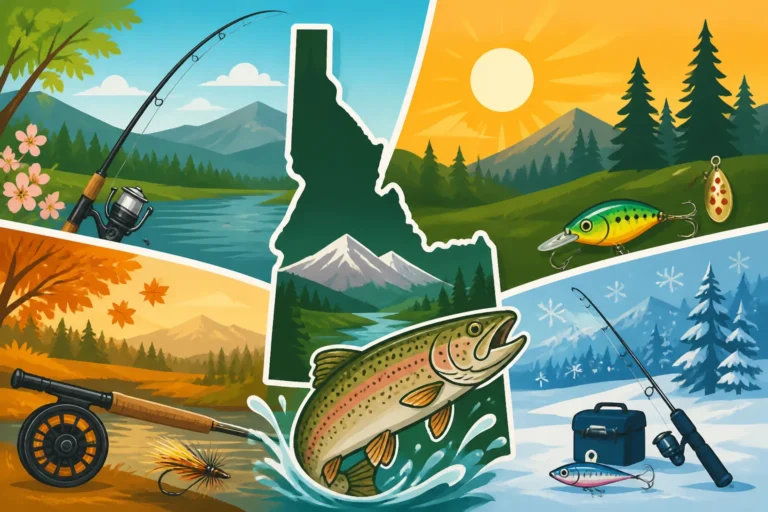
Understanding the seasons is paramount to successful fly fishing in Idaho. Each season brings distinct changes in water levels, temperatures, insect hatches, and fish behavior. Spring, for instance, often means high, turbid water due to snowmelt runoff, making fishing challenging on many rivers, though some tailwaters can remain fishable. It's a time for patience and focusing on larger, darker patterns near the banks. The exact timing and extent of runoff can vary wildly year to year, significantly impacting access and success.
Summer brings warmer temperatures and lower, clearer water on many rivers, leading to prolific insect hatches like stoneflies, caddis, and various mayflies. This is prime dry fly season on many trout streams, but also means fish can become more selective and spooky. High mountain lakes open up, offering incredible backcountry experiences. However, late summer can bring very warm water temperatures, especially in lower elevation rivers, which can stress trout. Anglers should prioritize fishing early mornings or late evenings and be mindful of releasing fish quickly and gently. To plan your trip around these variations, consult our Idaho Fishing Season Dates and Limits to ensure you're in the right place at the right time.
Fall is a favorite for many, offering crisp air, vibrant foliage, and aggressive fish preparing for winter. This is often the peak season for steelhead fishing on major rivers and can still provide excellent dry fly and nymphing opportunities for trout. Larger trout might become more active, chasing streamers as they gear up for spawning. Winter, while cold, offers unique opportunities, particularly for hardy steelhead anglers on the Clearwater or for ice fishing on various lakes, though fly fishing through ice requires different tactics. Weather changes, from sudden thunderstorms in summer to strong winds year-round, can drastically affect fishing conditions, making it crucial to be prepared for anything Mother Nature throws your way. Always check local weather forecasts and stream reports before heading out.
Essential Gear for Idaho Fly Fishing
Stepping into the world of fly fishing often feels like navigating a specialized equipment store, and for good reason. The right gear isn't just about comfort; it's about efficacy and safety, especially when you're tackling Idaho's diverse and sometimes rugged waters. Investing wisely upfront will save you headaches and potentially increase your success on the water. While you don't need the most expensive items to start, understanding the purpose of each piece will help you make informed decisions.
Rods, Reels, and Lines for Different Scenarios
Choosing the right rod is fundamental, and in Idaho, you'll likely want a few different setups if you plan to explore various fisheries. For general trout fishing on smaller to medium-sized rivers and streams, a 9-foot, 4- or 5-weight rod is a versatile workhorse. This length offers good line control and casting distance, while the weight is perfect for casting medium-sized dry flies, nymphs, and small streamers, providing enough backbone for most trout you'll encounter. Brands like Orvis, Sage, and Redington offer excellent options, and you can often find great value sets on Amazon that include a rod, reel, and line.
If you're planning to target larger trout, especially on bigger rivers or stillwaters, or to throw larger, wind-resistant streamers, a 9-foot, 6-weight rod becomes a better choice. This extra power helps manage bigger fish and heavier flies. For dedicated steelhead or Chinook salmon pursuits, you'll need significantly more backbone. A 10-foot, 7- or 8-weight single-hand rod is often the minimum, but many serious steelhead anglers opt for spey or switch rods, ranging from 11 to 14 feet and 6 to 9 weight. These longer rods allow for two-handed casting, making it much easier to cover vast amounts of water and manage heavy sinking lines used for steelhead. Each rod serves a distinct purpose, optimizing your presentation and fighting power for specific conditions and species.
Matching your reel to your rod weight is crucial for balance and performance. For trout fishing, a simple click-and-pawl or disc drag reel that balances the rod is usually sufficient; the reel's primary purpose here is line storage, with the drag serving as a secondary tool. However, when you step up to larger fish like steelhead or powerful lake trout, a high-quality disc drag reel with a smooth, reliable drag system becomes absolutely essential. This drag is your primary tool for fighting strong fish, preventing break-offs and helping to tire them out. A good reel will also have enough backing capacity, typically 100-200 yards of dacron or gel-spun line, to handle those long runs.
Finally, the fly line is often overlooked but is arguably the most critical component for casting and presentation. For most trout applications, a weight-forward floating line (WF) is standard. For nymphing, a specialized nymphing line or a standard WF line with a long front taper works well. When casting heavy streamers or fishing deep in lakes, various sinking lines or sink-tip lines are necessary to get your flies down to the fish's level. Steelhead fishing often requires specialized spey lines (Skagit or Scandi) or heavy sink-tip lines to effectively present flies in fast, deep currents. Investing in good quality line from brands like Scientific Anglers or Rio can dramatically improve your casting and overall fishing experience. The interplay between rod, reel, and line is what makes your fly fishing setup an effective tool, allowing you to present your fly naturally and fight fish confidently.
Waders, Boots, and Apparel for Comfort and Safety
Fly fishing in Idaho, especially on its rivers and high mountain lakes, means being in and around water that is often cold, even in summer. High-quality waders are non-negotiable. Chest waders, typically made of breathable Gore-Tex or similar synthetic materials, are the most versatile choice, keeping you dry and warm while allowing you to wade deep enough to access prime fishing lies. Look for waders that offer good durability in key areas like the knees and seat, as you'll be kneeling, sitting, and pushing through brush. Brands like Simms, Patagonia, and Orvis are industry leaders, but you can find good, reliable options on platforms like Amazon if you're on a tighter budget.
Wading boots, separate from the waders, provide traction and support. They should fit snugly over your wader booties and offer excellent grip on slippery river rocks. Rubber soles with studs are increasingly popular for their versatility and river-friendly nature, as they help prevent the spread of invasive species often associated with felt soles. However, felt soles still offer superior grip on wet, mossy rocks in certain conditions. Whichever you choose, ensure they provide ankle support, as uneven riverbeds can be treacherous. A good pair of boots can literally save you from a nasty fall.
Beyond waders and boots, layering is key for Idaho's often unpredictable weather. Start with moisture-wicking base layers, add insulating mid-layers (fleece or down), and top with a waterproof and windproof outer shell. This allows you to adjust to changing temperatures throughout the day. A good fishing vest or pack is essential for carrying flies, tippet, tools, and other small essentials. Don't forget polarized sunglasses to cut glare and help spot fish, a wide-brimmed hat for sun protection, and fingerless gloves for warmth and dexterity in cooler weather. Sunscreen and insect repellent are also must-haves, especially during the summer months when biting insects can be relentless. Staying comfortable ensures you can focus on fishing, not on shivering or battling sunburn. When thinking about what to pack for a high-country adventure, our What Gear to Pack for a Sawtooth Backcountry Fishing Trip guide offers specific advice.
Fly Selection: Idaho Staples and Hatch Matching
The vast array of flies available can overwhelm any angler. However, a core selection of Idaho staples will cover most situations. For dry flies, classic patterns like the Parachute Adams, Elk Hair Caddis, Stimulator, and various hopper/attractor patterns (like the Chubby Chernobyl) are indispensable. These imitate common insects (mayflies, caddis, stoneflies, terrestrial insects) that Idaho trout feed on regularly. Having these in a range of sizes (from small #18-20 midges to large #6-8 hoppers) is crucial for matching specific hatches you might encounter.
Nymphs are often the most productive flies, as trout spend the majority of their time feeding subsurface. Essential patterns include the Pheasant Tail Nymph, Hare's Ear Nymph, Copper John, Squirmy Wormy, and various midge patterns (Zebra Midge). Again, carry these in different sizes and with varying bead weights to adjust to water depth and current speed. For specific salmonid species, you might want to look into the Best Flies for Idaho Steelhead to ensure you have patterns that perform well on these powerful fish.
Streamers are your go-to for aggressive fish or when trying to entice larger predatory trout. Patterns like the Woolly Bugger (in black, olive, brown), Sculpzilla, and various baitfish imitations are highly effective. Varying sizes and colors, especially to match local baitfish or stonefly nymphs, can make a huge difference. When fly fishing Idaho's spring creeks, like Silver Creek, the trout become incredibly selective. This is where precise hatch matching and often tiny, imitative patterns are critical. Carry a good entomology guide or ask local fly shops what's hatching to improve your success rate. A well-stocked fly box with a diverse range of these patterns will prepare you for almost anything Idaho's waters throw at you.
Mastering Idaho's Core Fly Fishing Techniques
Fly fishing is as much an art as it is a science, and mastering various techniques is key to unlocking Idaho's diverse fisheries. It's not just about getting the fly to the fish; it's about presenting it naturally, understanding how fish feed, and knowing how to adapt when conditions change. While practice is the ultimate teacher, a solid grasp of these core methods will provide a strong foundation for your Idaho adventures.
Dry Fly Fishing: Reading the Rise and Presentation
There's nothing quite like watching a trout sip a dry fly from the surface. Dry fly fishing is often considered the purest form of fly fishing, but it demands precision. The first step is learning to "read the rise." Is the fish sipping gently, indicating a small mayfly or midge? Or is it a splashing, aggressive rise, suggesting a caddis or a larger terrestrial? The type of rise often gives clues about what insect the fish is feeding on and, consequently, which fly to choose. Once you've identified a rising fish and chosen your fly, the challenge becomes presentation.
Your cast needs to deliver the fly gently, upstream of the feeding fish, allowing it to drift naturally downstream over the fish's feeding lane. This "dead drift" means the fly is moving at the same speed as the current, without any drag from your line. Drag is the enemy of dry fly fishing; it makes your fly look unnatural and will spook even hungry trout. Mending your line—making small, upstream adjustments to prevent your line from pulling your fly unnaturally—is a crucial skill. On complex currents, this can involve multiple mends during a single drift. For instance, on the slower, clearer sections of the Henry's Fork, a perfect, drag-free drift is absolutely paramount. Learning How to Fly Fish Henry's Fork involves considerable attention to these details.
Accuracy is also vital. You want to place your fly just above the fish, giving it time to see the offering. This requires practice with your casting stroke and understanding how currents will affect your fly's trajectory. Finally, the hook set for dry flies is subtle. When you see a fish rise and take your fly, a gentle, upstream lift of the rod tip is usually all that's needed. Too hard, and you might break off your leader; too soft, and you'll miss the fish. Dry fly fishing, especially on challenging waters like Silver Creek, is a constant lesson in observation, finesse, and patience, rewarding those who master its delicate dance.
Nymphing: Subsurface Strategies for Tricky Waters
While dry fly fishing might be more visually exciting, nymphing is often the most productive method, as trout spend up to 90% of their time feeding on subsurface insects. Nymphing involves drifting artificial insect larvae, pupae, or emergers along the river bottom, where trout naturally feed. There are several effective nymphing techniques for Idaho's diverse waters. The most common is indicator nymphing, where a small strike indicator (a float) is attached to your leader, allowing you to detect subtle takes as your nymph drifts downstream. The key here is to rig your indicator and split shot (small weights) correctly to get your flies into the fish's feeding zone without snagging too often.
European nymphing (including Czech, French, and Polish nymphing) is another highly effective technique, particularly for experienced anglers. This method eliminates the indicator, relying on a colored leader section and direct line contact to detect strikes. It requires a lot of "feel" and close proximity to the water, often wading upstream and casting short distances. This method excels in faster, shallower water where a traditional indicator might be less effective. For example, on certain stretches of the South Fork of the Snake, when trout are keyed in on subsurface caddis larvae, European nymphing can be deadly.
Regardless of the specific technique, success with nymphing hinges on three factors: depth, drift, and detection. You need to get your nymphs to the correct depth, usually within inches of the bottom, without constantly hanging up. Your drift needs to be as natural and drag-free as possible, mimicking a real insect tumbling in the current. And you need to detect those incredibly subtle strikes, which can feel like anything from a slight twitch of the indicator to an unexpected stop in the line. Learning to read seams and current speeds, as highlighted in our guide on How to Read a Riffle on an Idaho River, will greatly enhance your nymphing success, ensuring your flies are in the right place at the right time.
Streamer Fishing: Aggressive Tactics for Big Fish
If you're looking to target larger, more aggressive fish in Idaho, streamer fishing is your ticket. This technique involves casting larger, often weighted flies that imitate baitfish, leeches, or large aquatic insects, and stripping them through the water to trigger a predatory response. Unlike the delicate presentation of dry flies or nymphs, streamer fishing is often about movement, aggression, and covering water. It's a fantastic way to find those trophy brown trout hiding under logs or in deeper pools.
The key to effective streamer fishing is imparting action to your fly. This is usually done with a retrieve or "strip" that mimics a fleeing baitfish. Vary your strip speeds and pauses; sometimes a fast, erratic retrieve works best, other times a slow, methodical strip with long pauses can trigger a strike from a wary fish. Sinking lines or sink-tip lines are often used to get streamers down quickly, especially in deeper rivers or lakes. Casting accuracy is still important, allowing you to place your streamer in likely holding water, such as behind large rocks, along undercut banks, or at the head of a deep pool.
Streamer fishing can be physically demanding, requiring constant casting and retrieving, but the rewards can be immense. When a large trout or even a smallmouth bass smashes a streamer, the strike is often violent and unforgettable. This technique is particularly effective during cooler water temperatures (spring and fall) or in low light conditions (early morning, late evening, or overcast days) when large fish are more actively feeding on baitfish. It's a high-reward, high-effort method that allows you to cover a lot of water quickly and target the biggest fish in the river.
Navigating Idaho's Varied Fly Fishing Hotspots
Idaho is a treasure trove of fly fishing destinations, each with its own character, challenges, and rewards. From world-famous rivers that draw anglers globally to secluded high-mountain lakes only accessible by foot, the state offers an unparalleled variety of experiences. Knowing where to go and what to expect from these diverse waters is crucial for planning a successful trip.
World-Renowned Rivers and Spring Creeks: Henry's Fork, Silver Creek, South Fork Snake
Idaho is home to some of the most celebrated fly fishing waters in the world. The Henry's Fork of the Snake River, particularly its upper sections near Island Park and Last Chance, is legendary. It's a mecca for technical dry fly fishing, known for its incredibly selective rainbow trout. These fish see an immense amount of pressure and feed almost exclusively on specific insect hatches, requiring precise fly matching and immaculate presentations. Anglers often come here to test their skills against some of the wariest trout imaginable. Our guide, Fishing Henry's Fork for Fly Anglers, offers an in-depth look at what makes this river so special and challenging. It's not a place for beginners, but for those who master its nuances, the rewards are immense.
Equally famous, though vastly different, is Silver Creek, located near Picabo in southern Idaho. Often referred to as a "spring creek university," it's a living textbook of aquatic entomology. Its crystal-clear, steady-flowing waters are home to robust populations of wild rainbow and brown trout that are incredibly discerning. Anglers here must demonstrate extreme stealth, flawless casting, and an intimate knowledge of micro-hatches. Fishing Silver Creek is not about quantity but about the intellectual challenge of outsmarting truly wild, educated trout. It's an experience that refines your skills like no other, as detailed in our guide on Fishing Silver Creek's Technical Spring Creek Water.
Then there's the South Fork of the Snake River, a powerhouse of a river that flows through eastern Idaho. This large, freestone river is celebrated for its incredibly strong population of native Yellowstone Cutthroat Trout, as well as rainbow trout and hybrid cut-bows. It's primarily a drift boat fishery, allowing anglers to cover miles of diverse water, from riffles to deep pools and braided sections. The South Fork sees prolific hatches of stoneflies, caddis, and mayflies, offering fantastic dry fly action, especially during the summer months. It's also an excellent nymphing river, and streamers can be deadly for larger fish. The sheer numbers of healthy, aggressive trout make the South Fork an incredibly popular and rewarding destination for anglers of all skill levels, though navigating its currents requires experience.
High Mountain Lakes and Backcountry Adventures
For those who crave solitude, breathtaking scenery, and eager trout, Idaho's high mountain lakes are an absolute dream. The state boasts thousands of these pristine waters, many tucked away in the vast wilderness areas like the Frank Church-River of No Return, Gospel Hump, and, perhaps most famously, the Sawtooth Wilderness. Access to these lakes often requires a significant hike, ranging from a few miles to multi-day backpacking trips, but the effort is almost always rewarded. The fish, typically cutthroat trout, rainbow trout, and brook trout, face minimal pressure and are often eager to strike a well-placed dry fly or small streamer.
Fly fishing in these alpine environments is a truly immersive experience. You're surrounded by jagged peaks, alpine meadows, and abundant wildlife. The fishing itself can be simpler than on the technical rivers, making it a fantastic option for those looking to escape the crowds and enjoy consistent action. However, preparation is key; sudden weather changes are common, and you need to be self-sufficient. Packing light but wisely is essential, and our What Gear to Pack for a Sawtooth Backcountry Fishing Trip resource can help you plan your kit.
These lakes are typically fishable from late spring (once the ice melts) through early fall, before heavy snow returns. Tactics often involve casting from shore or wading out a short distance, using either small dry flies, nymph patterns, or even small streamers. Float tubes or pack rafts can open up even more water on larger alpine lakes, allowing you to target deeper holding fish. The true value of high mountain lake fishing isn't just the fish, but the unparalleled peace and the stunning natural beauty that surrounds you—a complete escape into Idaho's wild heart.
Lesser-Known Gems and Local Favorites
While the famous rivers grab the headlines, Idaho is dotted with countless lesser-known waters that offer fantastic fly fishing opportunities, often with far fewer anglers. These "local favorites" might not be on every tourist map, but they are cherished by those in the know. Many smaller rivers and creeks throughout the state, often tributaries to larger systems, hold healthy populations of trout. These can be perfect for exploring with a light rod, practicing your casting, and enjoying a quiet day on the water.
Some of Idaho's reservoirs also offer surprisingly good fly fishing, particularly for species like rainbow trout, cutthroat, kokanee, or even smallmouth bass. Places like Cascade Reservoir (known for its tiger muskie, but also hosts trout and perch) or American Falls Reservoir can be productive with the right stillwater techniques, such as chironomids or streamers fished on sinking lines. Shoreline access can be good, or a float tube or small boat can open up vast expanses of water. These larger bodies of water often fish well in the spring and fall when temperatures are more moderate, and fish are actively cruising for food.
Exploring these hidden gems often requires a bit of research, a willingness to drive off the beaten path, and sometimes, a friendly chat with a local fly shop owner. They're often the best source for up-to-date information on smaller, productive waters that fly under the radar. These local spots might not offer the same challenges as a selective spring creek, but they provide accessible, enjoyable fishing that's perfect for a spontaneous outing or for honing your skills away from crowded stretches of water. The satisfaction of discovering your own secret spot, brimming with willing fish, is a truly rewarding part of the Idaho fly fishing experience.
Understanding Regulations and Conservation for Fly Anglers
Fly fishing in Idaho isn't just about technique and gear; it's also about being a responsible steward of our precious natural resources. Idaho has specific fishing regulations designed to protect fish populations and ensure sustainable angling for future generations. As an angler, it's your responsibility to know and follow these rules. Ignoring them can lead to significant fines and even loss of fishing privileges, not to mention harming the very fisheries we love.
Idaho Fishing License Guide and Permits
Before you even think about stepping into an Idaho river or casting into a lake, you absolutely must have a valid Idaho fishing license. There are different types of licenses available, including resident and nonresident options, annual licenses, and shorter-term licenses (like 1-day or 3-day permits) that can be ideal for visitors or those just trying out the sport. The cost varies depending on your residency and the duration you choose. You can easily purchase these licenses online through the Idaho Fish and Game website, at most sporting goods stores like Cabela's or Sportsman's Warehouse, or at various local vendors throughout the state. It's often helpful to review the Idaho Fishing License Guide well in advance of your trip to understand all your options.
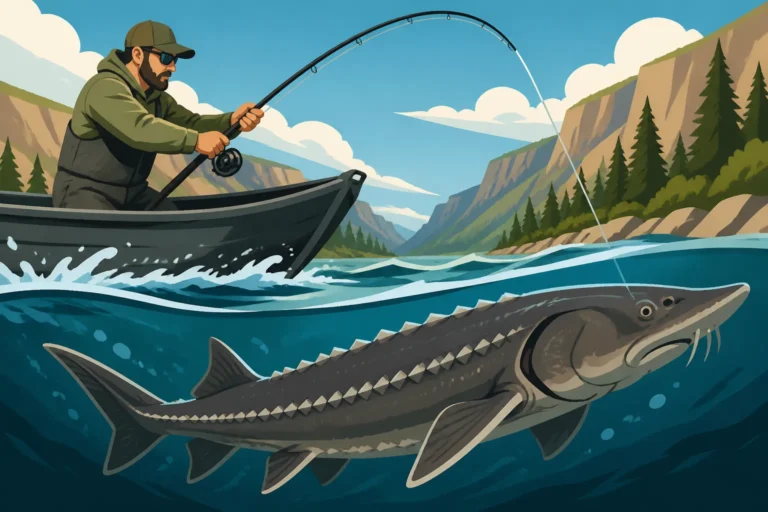
Beyond the general fishing license, certain species or specific waters may require additional permits or tags. For example, if you plan to target steelhead or Chinook salmon, you will need to purchase a separate Steelhead Permit or Salmon Permit in addition to your regular fishing license. These permits help Idaho Fish and Game monitor catch rates and manage these important anadromous runs. Similarly, for species like sturgeon, specific catch cards or reporting requirements might be in place. Always carry your license and any required permits with you while fishing, either physically or digitally on your phone, as conservation officers can and do check anglers in the field. Not having the proper documentation can quickly turn a fun day into a frustrating and costly one.
Catch Limits, Special Regulations, and Barbless Hooks
Idaho's fishing regulations are incredibly detailed and can vary significantly from one body of water to another, or even between different sections of the same river. It's not a one-size-fits-all situation. The general statewide rules, such as daily bag limits for trout (often 6 total, with specific limits on certain species), serve as a baseline. However, many popular fly fishing waters, including the Henry's Fork, Silver Creek, and sections of the South Fork of the Snake River, operate under "special regulations." These might include reduced bag limits, catch-and-release only rules, tackle restrictions (e.g., single barbless hooks only), or even specific season dates that differ from the general statewide calendar. Our Idaho Fishing Regulations Explained article provides a broader overview of these complexities.
Understanding "catch limits" means knowing both daily bag limits (how many fish you can keep in a 24-hour period) and possession limits (how many fish you can have in your possession at any given time, including those at your camp or in your cooler). These are in place to prevent overfishing and maintain healthy populations.
Perhaps one of the most common special regulations for fly anglers is the requirement for barbless hooks. On many of Idaho's premier trout and steelhead waters, including almost all catch-and-release sections, only single barbless hooks are allowed. This rule is a critical conservation measure, as barbless hooks significantly reduce the harm to fish, making it much easier to release them unharmed. You can either buy flies that are already tied on barbless hooks, or you can easily "crimp" the barb down on a barbed hook using a pair of pliers or forceps. Always double-check the specific regulations for the water you plan to fish before you go. The annual Idaho Fishing Seasons and Rules brochure, published by Idaho Fish and Game, is your definitive guide and is available online and at license vendors.
Ethical Angling and Protecting Idaho's Fisheries
Beyond the written rules, ethical angling practices are paramount to preserving Idaho's wild fisheries. The "Leave No Trace" principles are a guiding philosophy: pack out everything you pack in, and ideally, pick up any trash you find along the way. Respect private property and avoid trespassing. Park in designated areas and be mindful of your impact on stream banks and trails.
When practicing catch and release, which is common on many Idaho fly fishing waters, proper handling of fish is critical for their survival. Keep fish in the water as much as possible; avoid dragging them onto dry land or rocks. Use wet hands when handling fish to protect their delicate slime coat. If you need a photo, do it quickly and with the fish partly submerged. Release fish gently, pointing them into the current and allowing them to swim away under their own power. Never "revive" a fish by dragging it backwards through the water. For trout, avoid fishing during periods of extremely warm water (often mid-day in late summer) when their stress levels are already high.
Finally, be respectful of other anglers and share the water. Idaho's rivers and lakes are for everyone to enjoy. If you encounter another angler, give them ample space and avoid crowding their fishing spot. On busy rivers, it's customary for floaters to yield to wade anglers, and to maintain a reasonable distance between boats. By practicing ethical angling, you contribute to a positive experience for everyone and ensure that Idaho's incredible fly fishing opportunities remain vibrant for generations to come.
Advanced Tips and Local Insights for Success
Once you've got the basics down, it's time to refine your approach and start thinking like a seasoned Idaho fly angler. Moving beyond simply casting and retrieving, these advanced tips and local insights will help you unlock more consistent success and truly connect with Idaho's unique fly fishing challenges.
Reading Water Like a Local: Current, Structure, and Holding Lies
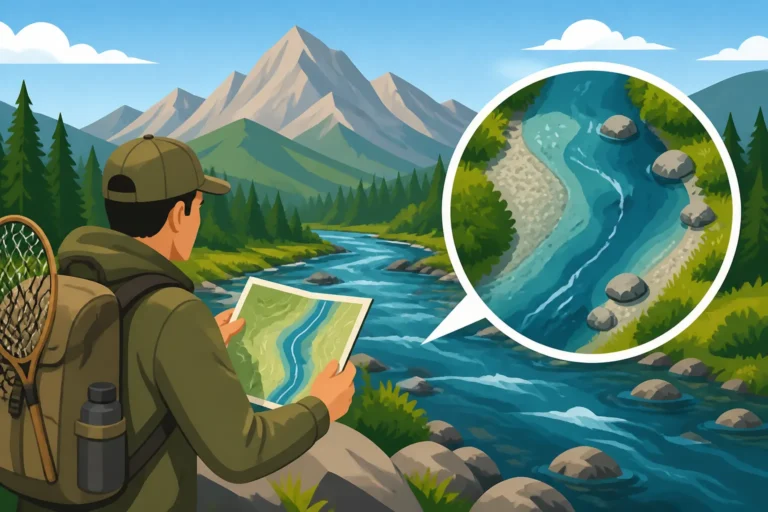
The ability to "read the water" is perhaps the most crucial skill for any experienced fly angler, and it's something that only comes with practice and keen observation. In Idaho's diverse rivers, understanding current, structure, and where fish are likely to hold is the difference between a few speculative casts and targeted, productive fishing. Start by observing the main current. Fish generally prefer slower water adjacent to faster currents, where food is swept to them without expending too much energy. These "seams" are prime holding lies. Look for changes in water speed and direction, as these often indicate a seam.
Structure is another key indicator. Rocks, fallen trees (snags or logjams), undercut banks, and even subtle depressions in the riverbed provide cover, shade, and current breaks for fish. Trout are ambush predators and will often position themselves near such structure, ready to dart out and grab a passing meal. On the Henry's Fork, for instance, learning to identify subtle changes in the uniform bottom and current can reveal productive seams. In a larger river like the South Fork of the Snake, understanding where deep pools transition to shallower riffles, or where side channels diverge, can lead you to concentrations of feeding fish. Our How to Read a Riffle on an Idaho River guide goes into detail on interpreting these features.
Consider also the water depth and clarity. Clear, shallow water demands stealth and long, delicate leaders. Deeper, darker water might allow for more aggressive presentations and heavier flies. Pay attention to the transitions: where fast water slows, where shallow water deepens, or where riffles spill into pools. These transition zones are often highly productive. For example, a "pool tailout"—where a deep pool shallows out and accelerates into a riffle—is often a conveyor belt of food and a prime feeding lie for trout. Becoming proficient at reading water allows you to make educated guesses about where fish are, eliminating unproductive water and focusing your efforts where they're most likely to pay off.
Approaching Selective Fish and Dealing with Pressure
Idaho's most famous waters, like the Henry's Fork and Silver Creek, are renowned for their selective fish. These trout see hundreds, if not thousands, of flies every season and become incredibly particular about what they eat. Approaching selective fish requires a multi-pronged strategy. First, "match the hatch" as precisely as possible. This means not just the general type of insect (e.g., a mayfly), but its exact size, color, and even its stage of development (nymph, emerger, dun, spinner). Having a wide range of fly patterns, including very small sizes, is essential. A good fly box should include variations that might only be a shade lighter or darker, or a hook size smaller or larger, purchased from specialty fly shops or found through careful searching on platforms like Amazon.
Second, presentation is paramount. A drag-free drift is absolutely non-negotiable. Any unnatural movement of your fly will immediately spook these wary fish. This often requires long, light leaders (5x, 6x, or even 7x tippet), accurate casting, and expert line mending. Sometimes, casting at an angle that allows your fly to drift naturally before your leader or line comes over the fish can be the key. Approach the water slowly, use natural cover, and make your first cast count, as repeated casts can quickly put fish down.
Finally, understand how fishing pressure affects fish behavior. On heavily fished waters, trout become incredibly wary. They'll often feed in less obvious lies, be more prone to spooking from shadows or sudden movements, and require even more meticulous presentations. Sometimes, moving away from the popular access points and hiking a bit further can put you on less pressured fish. Alternatively, fishing during off-peak hours (early morning, late evening, or even during a rain shower) can sometimes provide opportunities when others are off the water. The challenge of selective fish and high pressure is a mental game as much as a technical one, demanding patience, adaptability, and an unwavering attention to detail.
Planning Your Idaho Fly Fishing Adventure
Planning is key to maximizing your fly fishing adventure in Idaho. Start by defining your goals: Are you after trophy steelhead, willing trout in high mountain lakes, or the ultimate challenge of selective spring creek fish? Your target species and desired experience will dictate when and where you should go. For instance, if steelhead are your primary goal, you'll want to focus on the Clearwater or Salmon Rivers in the fall and winter. If it's general trout fishing on freestone rivers, summer and fall are often prime. Consult the Idaho Fishing Season Dates and Limits to align your trip with peak seasons for your chosen species.
Once you have a target in mind, research specific waters. Check stream reports, talk to local fly shops (they are an invaluable resource for current conditions and hatch information), and scour online forums. Consider hiring an Idaho fishing guide, especially if you're new to a particular water or technique. Guides offer unparalleled local knowledge, can quickly put you on fish, and teach you the specific nuances of a fishery. They often provide gear and flies, making your trip much smoother. Our comprehensive Idaho Fishing Guides and Charters Directory is a great place to start your search.
Finally, think about logistics. Where will you stay? What's the best route? What kind of vehicle do you need (some backcountry roads require 4×4)? Pack appropriately for the season and expected weather, bringing plenty of layers and rain gear. Don't forget your fishing license and any necessary permits. Have a backup plan in case weather or water conditions change unexpectedly. A well-planned trip increases your chances of success and enjoyment, allowing you to fully immerse yourself in the incredible fly fishing opportunities that Idaho has to offer, making memories that will last a lifetime.
Disclaimer
Please remember that fishing regulations and conditions in Idaho can change frequently. Always consult the most current Idaho Fish and Game fishing regulations brochure and local advisories before heading out on any fishing trip. This guide is intended for informational purposes only and should not replace official state publications or the advice of local experts.