What to Wear on a Guided Fishing Trip
Stepping onto a guided fishing boat or wading into a pristine Idaho river, you might assume the guide will take care of everything. And while they certainly handle the rods, reels, and finding the fish, showing up unprepared for Idaho's famously unpredictable weather can quickly turn a dream trip into a chilly, uncomfortable slog. This guide is all about equipping you, from head to toe, with the right gear so you can focus on the tug of a trout or the fierce fight of a steelhead, not on shivering or sunburn.
The Power of Layering: Adapting to Idaho's Wild Weather
Idaho's weather is a fickle beast, especially in the mountains and along its vast river systems. You could start your morning with a brisk chill, experience a midday sun that feels like summer, and then get hit with an afternoon rain shower or a sudden drop in temperature. That's why the concept of layering isn't just a suggestion here; it's a golden rule for staying comfortable and safe on any guided fishing trip. Forget trying to guess the exact temperature; instead, plan to adjust as the day unfolds.
The Importance of a Base Layer
Your base layer is the first line of defense against both cold and sweat, and it's absolutely critical for regulating your body temperature. Think of it as your second skin. When you're actively casting, rowing, or hiking to a prime spot, you'll work up a sweat. A good base layer wicks that moisture away from your skin, preventing you from getting chilled when the activity stops or the air temperature drops. This is a game-changer; cotton will just absorb sweat and stay cold against you, making you miserable.
Opt for materials like merino wool or synthetic fabrics (polyester, polypropylene). Merino wool is fantastic because it's naturally breathable, wicks moisture, regulates temperature, and resists odor, which is a huge bonus if you're on a multi-day trip or just prone to sweating. Synthetics are also excellent at wicking and dry quickly, often at a more budget-friendly price point. Regardless of the season, a lightweight base layer will perform better than nothing at all. Even in summer, it can protect you from the sun while wicking sweat.
Mid-Layers for Insulation and Warmth
Once your base layer is doing its job, the mid-layer comes into play, providing the crucial insulation you need to stay warm. This is where you trap air close to your body, creating a thermal barrier. Depending on the forecast and the time of year, you might need a heavier mid-layer or even two lighter ones. This adaptability is key to handling Idaho's mercurial conditions. Best Time of Year to Fish in Idaho will often dictate just how beefy this layer needs to be.
Fleece jackets or vests are classic choices for mid-layers. They're lightweight, warm even when damp, and dry relatively quickly. Down or synthetic puff jackets are also excellent, offering superior warmth for their weight, though they might be bulkier. Remember, a vest can be surprisingly effective at keeping your core warm while allowing your arms free range of motion for casting, which is a huge advantage when you're actively fishing.
Outer Layers: Protection from Elements
The outer layer, often called your shell, is your ultimate shield against the elements: wind, rain, and even snow. This is typically a waterproof and windproof jacket, and sometimes matching pants, that you can throw on instantly when the weather turns sour. And trust me, Idaho weather can turn on a dime, especially in the spring or fall when a bright morning can give way to a sudden squall in the blink of an eye.
Look for jackets made with breathable waterproof membranes – think Gore-Tex or similar proprietary technologies. These allow sweat vapor to escape while blocking external moisture, so you don't feel like you're wearing a plastic bag. A good outer layer will have adjustable cuffs, a sturdy hood, and sealed seams to prevent any water ingress. Even on a clear, sunny day, having this layer packed in a dry bag ensures you're ready for anything, from an unexpected downpour to a chilly boat ride back to the launch. Having proper rain gear can make or break a trip, especially if you're out on the Snake River Fishing for Smallmouth Bass and Sturgeon all day.
Essential Gear for Head-to-Toe Protection
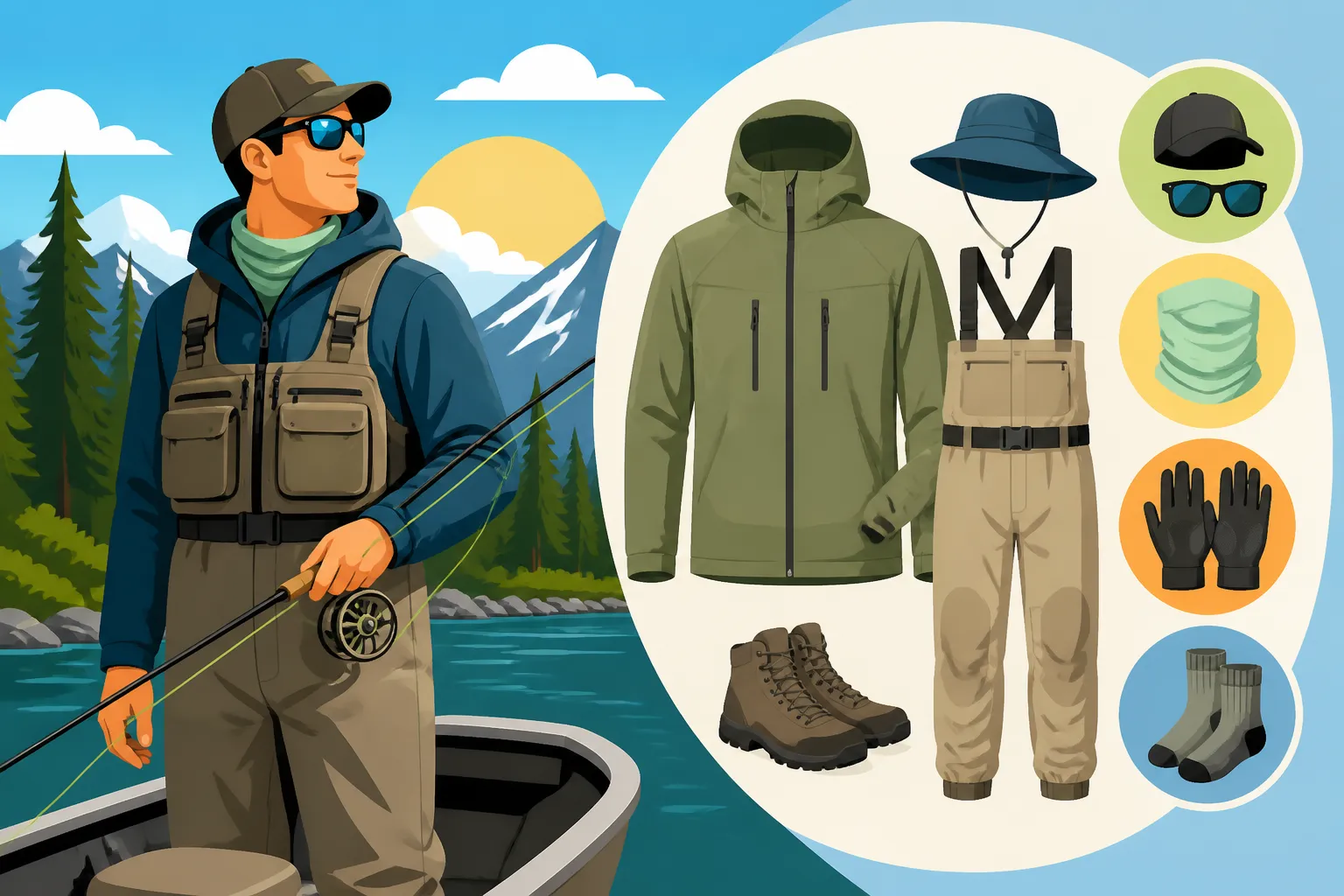
Beyond your core clothing, several specific items are non-negotiable for comfort and safety on an Idaho guided fishing trip. Thinking about your extremities and protecting yourself from the elements like sun and glare is just as important as your clothing layers.
Footwear: Staying Dry and Stable
Your feet are your foundation, and keeping them dry, warm, and stable is paramount. Most guided fishing trips, whether from a drift boat or wading, will involve water. For drift boat trips, waterproof deck boots or sturdy, waterproof hiking boots are often sufficient, especially if you're not planning to get out and wade much. They provide good grip on slick boat decks and keep your feet dry from splashes.
If your trip involves wading, however, proper wading boots are essential. These are designed to be worn over waders and provide excellent traction on slippery riverbeds. Make sure they fit comfortably with your waders and have good ankle support. Neoprene socks are also a fantastic addition, providing extra warmth inside your boots, even if your feet get a little wet. Nothing saps enjoyment faster than cold, wet feet! Some guides might even recommend specific types of wading boots for different river conditions; it's always a good idea to check with them beforehand, perhaps when you're looking for a guide on FishingBooker.
Headwear and Eyewear: Sun and Glare Protection
Protecting your head and eyes might seem minor, but it's crucial for comfort and safety. A wide-brimmed hat or a baseball cap is a must to keep the sun out of your eyes and off your face and neck. Even on cloudy days, UV rays can be intense, especially with the reflection off the water. In colder weather, a warm beanie or wool cap will prevent significant heat loss from your head.
Polarized sunglasses are arguably one of the most important pieces of gear after your license. Not only do they protect your eyes from harmful UV rays and errant hooks, but they dramatically reduce glare on the water, allowing you to see into the water much more clearly. This means you can spot fish, identify structure, and even see your fly or lure much better, which can be a huge advantage whether you're fly fishing the Henry's Fork for Fly Anglers or targeting trout in a small stream. Don't skimp on these; a good pair can make a world of difference.
Hand Protection and Other Accessories
Your hands are constantly at work, and protecting them from the elements and potential hazards is often overlooked. Fishing gloves come in various styles, from lightweight sun gloves that offer UV protection and improved grip, to neoprene or fleece gloves that provide warmth and water resistance for colder conditions. A pair of fingerless gloves can offer dexterity for tying knots and handling tackle while still keeping most of your hand warm.
Beyond gloves, a few other accessories can greatly enhance your trip:
- Sunscreen and Lip Balm: High SPF is a must. The sun reflects off the water, increasing your exposure.
- Insect Repellent: Depending on the time of year and location, bugs can be a real nuisance.
- Small Dry Bag: Perfect for keeping your phone, wallet, and keys absolutely dry. Many guides have larger dry storage, but a personal one for essentials is smart.
- Neck Gaiter/Buff: Versatile for sun protection, warmth, or even as a dust mask.
- Fishing Pliers/Nippers: While your guide will have these, having your own easily accessible can be convenient for quick hook removal or line adjustments.
What to Avoid Wearing on Your Trip
Just as important as knowing what to wear is understanding what not to wear. Some clothing choices, while fine for everyday life, can severely hinder your comfort and safety on a guided fishing trip in Idaho. Making the wrong choices here can lead to a truly miserable experience, so let's steer clear of these common pitfalls.
Cotton: Your Worst Enemy When Wet
I cannot stress this enough: avoid cotton. Cotton is comfortable when dry, but it has terrible insulating properties when wet. It absorbs moisture (sweat or rain) and holds it against your skin, and then it rapidly saps heat from your body. This can lead to hypothermia even in seemingly mild conditions, and it just generally makes you feel cold and clammy. This applies to cotton t-shirts, jeans, sweatshirts, and socks.
Imagine this scenario: you're out on the Clearwater River for Steelhead, it's a brisk fall morning, and you're wearing jeans and a cotton hoodie. You splash a little water on yourself getting into the boat, or maybe a light drizzle starts. That cotton gets wet, and now you're cold, shivering, and can't focus on fishing. Instead, opt for those synthetic or merino wool base and mid-layers we discussed. They wick moisture, dry quickly, and retain much more warmth when damp.
Overdressing vs. Underdressing
It's a delicate balance, and both extremes can be problematic.
- Overdressing: While layering is good, piling on too many heavy, non-breathable layers can lead to overheating and excessive sweating. This, ironically, can still lead to feeling cold if that sweat isn't wicked away. You'll be uncomfortable, restricted in movement, and constantly shedding and adding clothes, which is a nuisance for you and potentially for your guide.
- Underdressing: This is perhaps the more common mistake, especially for those new to Idaho's mountain and river climates. Assuming it will be warm based on a distant forecast, or only packing for sunshine, leaves you vulnerable to sudden temperature drops, wind, or rain. Being cold significantly detracts from the enjoyment of the trip and can even pose health risks.
The solution, as always, is thoughtful layering. Bring options, pack them efficiently (perhaps in a small waterproof duffel or backpack), and be prepared to adjust throughout the day. It's always better to have an extra layer you don't use than to need one you don't have. For long trips, check if your guide offers advice on what to bring; often a quick chat or review of their FishingBooker listing can reveal these details.
Avoiding Distracting Colors and Noisy Gear
While not as critical for comfort, what you wear can sometimes impact the fishing experience itself, particularly in certain situations.
- Bright/Flashy Colors: For very clear water and spooky fish (like the selective trout of Silver Creek's Technical Spring Creek Water), bright colors, especially on your upper body, can sometimes be more visible to fish or birds of prey, potentially putting them off. Muted, natural tones like greens, browns, grays, and blues are often preferred for stealth. This isn't usually a huge deal in a boat, but if you're wading in crystal-clear water, it's something to consider.
- Noisy Gear: Clothing or accessories that make a lot of rustling or jingling noises can also be disruptive, especially in quiet environments where fish are easily spooked. Think about zippers, buckles, or even certain fabrics that crinkle loudly. A silent approach is often a more successful one.
Dressing for Specific Idaho Seasons and Conditions
Idaho's fishing seasons span the entire year, from scorching summer days to icy winter mornings, and each demands a slightly different approach to your wardrobe. Knowing the general conditions for the time of year you're going will help you fine-tune your layering strategy. Guides, especially those you might find on FishingBooker, are experts on local conditions and can offer invaluable advice.
Spring and Fall: Preparing for Variability
These shoulder seasons are the epitome of Idaho's unpredictable weather. Spring can bring rapidly melting snow, high runoff, and frequent rain showers, while fall often transitions from warm, sunny days to crisp, cold mornings and evenings very quickly. The key here is maximum adaptability. You need to be ready for anything from sunshine to a snow flurry, sometimes all in the same day.
- Spring: Focus heavily on waterproof outer layers. Rain jackets and pants are essential, as are waterproof boots or waders. Base layers should be moisture-wicking, and mid-layers should provide decent insulation. A warm hat and gloves are often needed, especially in the early mornings. The rivers might be high and swift due to runoff, making stable footwear crucial. If you're planning a trip around the Idaho Trout Season Opening Weekend, be prepared for some chilly conditions!
- Fall: Similar to spring, but often with less rain and more crispness. Layering remains paramount. Start with warm base and mid-layers, and ensure your outer shell is windproof and waterproof. Warm hats, gloves, and even hand warmers can be a blessing on those frosty fall mornings, especially if you're targeting big Idaho Steelhead Fishing Guide.
Summer: Battling the Sun and Heat
While summer days can be gloriously warm, the sun can be intense, and thunderstorms can still pop up unexpectedly. The primary concerns shift to sun protection, staying cool, and still being prepared for a sudden chill or rain.
- Sun Protection: Lightweight, long-sleeved shirts made from breathable, quick-drying synthetic fabrics are ideal. These protect your arms from the sun more effectively than sunscreen alone and often have UPF (Ultraviolet Protection Factor) ratings. Lightweight, quick-dry pants are also a good idea. A wide-brimmed hat and polarized sunglasses are non-negotiable.
- Staying Cool: Focus on light colors that reflect the sun, and fabrics that breathe well and wick moisture. Even in summer, a light base layer can actually keep you cooler by wicking sweat and preventing direct sun exposure. Bring plenty of water to stay hydrated.
- Evening/Morning Chill & Rain: Evenings and early mornings, especially at higher elevations or on open water, can still be cool. A light fleece or windbreaker is wise to have on hand. Always have that lightweight waterproof shell packed, because summer thunderstorms, though often brief, can be intense. For longer trips, consider checking out What to Pack for a Multi-Day Fishing Trip for more summer specific packing lists.
Winter: Staying Warm on Icy Waters
Winter fishing in Idaho can be incredibly rewarding, but it demands the most rigorous approach to dressing. Think extreme cold, ice, and biting winds, especially if you're venturing out for some How to Ice Fish in Idaho or targeting winter steelhead.
- Heavy-Duty Layers: You'll need substantial base layers (mid-weight or heavy-weight merino or synthetics), robust insulating mid-layers (thick fleece, down, or synthetic puff jackets), and a seriously warm, waterproof, and windproof outer shell. Consider insulated bibs or snow pants for your lower half.
- Extremity Protection: Insulated, waterproof boots are essential, along with thick wool socks (maybe even two pairs). Warm, waterproof gloves or mittens (often with a thinner liner glove for dexterity) are critical. A balaclava or neck gaiter combined with a warm hat will protect your face and head from the bitter cold. Hand and foot warmers can also be a lifesaver.
- Safety First: When fishing in winter, especially on ice, always prioritize warmth and safety. Hypothermia is a serious risk. Overdressing slightly is far better than underdressing. Your guide will likely emphasize these points when you're booking or confirming your trip details.
To summarize, here's a quick reference for packing the right attire for your Idaho guided fishing adventure:
| Item Type | Category | Key Considerations | Seasonal Importance |
|---|---|---|---|
| Base Layer | Top & Bottoms | Merino wool or synthetic, moisture-wicking | All Seasons |
| Mid-Layer | Fleece/Puff | Insulating (fleece, down, synthetic puff), breathable | Spring, Fall, Winter |
| Outer Layer | Rain Jacket | Waterproof, windproof, breathable (Gore-Tex or similar) | All Seasons (Crucial in Spring/Fall) |
| Pants | Fishing/Wading | Quick-dry synthetics, waterproof bibs/waders for wading | All Seasons (Waders for wading trips) |
| Footwear | Boots/Waders | Waterproof boots for boat, wading boots for wading | All Seasons |
| Headwear | Hat | Wide-brimmed for sun, warm beanie for cold | All Seasons |
| Eyewear | Sunglasses | Polarized, UV protection | All Seasons |
| Handwear | Gloves | Sun gloves (summer), insulated/waterproof (cold) | Summer (sun), Fall/Winter (warmth) |
| Accessories | Sunscreen, Repellent | High SPF, bug spray, lip balm, dry bag | All Seasons |
Remember, a well-prepared angler is a happy and successful angler. Taking the time to consider these clothing essentials will ensure your Idaho guided fishing trip is memorable for the fish you catch, not for how cold or uncomfortable you were. If you're still uncertain, don't hesitate to reach out to your chosen guide directly or consult resources like Idaho Fishing Guides and Charters Directory for more localized advice.
Disclaimer
This article is for general informational purposes only and does not constitute professional advice. Laws, prices and regulations vary by location and change over time. Consult a qualified professional for guidance on your specific situation.