Henry’s Fork Fishing Guides
The Henry's Fork of the Snake River is an absolute legend in the fly-fishing world, known for its incredibly selective trout and challenging, yet immensely rewarding, waters. For many anglers, both seasoned veterans and eager beginners, the sheer reputation and technicality of this river can feel intimidating. You might dream of casting to rising trout on the famous Ranch section or drifting through its diverse currents, but wonder how on earth you'll decipher its nuances without local insight. This guide will walk you through everything you need to know about hiring a Henry's Fork fishing guide, ensuring your trip is not just successful, but truly unforgettable.
Why a Henry's Fork Guide Is an Invaluable Investment
Let's be honest, fishing the Henry's Fork can sometimes feel less like a relaxing pastime and more like a PhD-level course in entomology and hydrology. The trout here are famously educated, and the water presents a myriad of challenges, from tricky currents to subtle hatches. Going it alone, especially for your first few visits, can lead to a lot of frustration and not a lot of fish. That's where a local Henry's Fork fishing guide becomes not just a luxury, but often a necessity for a truly rewarding experience.
Deciphering the River's Complexities
The Henry's Fork isn't just one type of water; it's a living, breathing ecosystem with countless moods and secrets. One section might be a slow, glassy spring creek, while another bursts with powerful riffles and deep pools. A guide lives and breathes this river. They understand its currents, its hatches, and the exact spots where those finicky trout are holding. Without that intimate knowledge, you could spend days fruitlessly casting over empty water or using the wrong fly entirely.
Imagine standing on the banks of the Harriman State Park "Ranch" section, arguably the most iconic stretch of the Henry's Fork. The water is smooth as glass, and you see trout rising, but they seem to ignore every fly you throw. A good guide, having spent thousands of hours here, knows not just what they're eating, but how they're eating it – the subtle drag of your line, the microscopic size of the natural insect, the specific presentation that will fool them. They'll tell you that the tiny Trico spinner hatch requires a size 24 fly and a drag-free drift of inches, not feet. This isn't something you learn from a book; it's learned through years of dedicated observation and experience. They can point out specific seams, undercut banks, and current breaks that might look unremarkable to the untrained eye but are prime holding water for large trout.
Maximizing Your Fishing Time
Your time on the Henry's Fork is precious, whether you're visiting for a day or a week. Do you really want to spend half of it trying to figure out where to park, where the public access points are, or which of the Henry's Fork's 70 Miles of Fishable Water Explained to even attempt? A guide takes all that guesswork away. From the moment you meet, they have a plan. They know where the fish have been biting, what's hatching, and how the recent weather has affected water conditions.
This efficiency is crucial. Instead of driving around, you're fishing. Instead of tying on 20 different flies, you're using the one that's proven to work. They handle the shuttle for float trips, provide the necessary gear if you don't have it, and ensure you're in the best position to catch fish. For example, if the morning Trico hatch is epic but short-lived, a guide will have you rigged and ready before dawn, maximizing those crucial first hours. If that hatch fades, they'll know exactly where to move for nymphing or streamer fishing, adapting on the fly. This makes your investment in a guide pay off not just in fish, but in saved time and reduced stress.
What to Look for in a Henry's Fork Fishing Guide
Choosing the right guide for your Henry's Fork adventure is crucial. It's more than just finding someone with a boat; it's about finding a mentor, a teacher, and a companion who will enhance your experience. Not all guides are created equal, and what might be a perfect fit for one angler could be less ideal for another.
Expertise and Local Knowledge
First and foremost, you want a guide with extensive experience specifically on the Henry's Fork. This isn't a river where general fly-fishing knowledge is always enough. Look for someone who has spent years, if not decades, navigating its unique challenges. They should be able to articulate the nuances of different sections, from the famous Ranch to the Box Canyon, and how each fishes under various conditions.
Ask about their specialty. Do they excel at dry fly fishing, or are they masters of indicator nymphing or streamer fishing? The Henry's Fork demands versatility, so a guide who can adapt to changing conditions and techniques is invaluable. For example, a guide who understands How to Fly Fish Henry's Fork for specific hatches like PMDs, Green Drakes, or Salmonflies will make a huge difference. They should also be familiar with the local regulations, which can be quite specific, ensuring you stay within legal limits and practice proper fish handling, especially with protected species or during sensitive spawning periods. Many guides are associated with well-known fly shops in the area, like those in Island Park or Ashton, which can be a good indicator of their local ties and reputation.
Teaching Style and Patience
Whether you're a beginner learning to cast or an experienced angler refining your drift, a guide's teaching style and patience are paramount. A great guide isn't just there to put you on fish; they're there to help you become a better angler. They should be able to break down complex concepts into understandable steps, offer constructive criticism without being discouraging, and celebrate your successes, no matter how small.
Consider what you want from the trip. Do you primarily want to catch as many fish as possible, or are you hoping to learn new techniques and improve your skills? Communicate this upfront when booking. A guide who is patient and encouraging can turn a frustrating day into a valuable learning experience. For instance, if you're struggling with line management in a tricky current, a good guide won't just tell you to do better; they'll demonstrate, explain the "why" behind the technique, and offer specific drills or adjustments to your cast. They understand that everyone learns differently and will tailor their approach to your needs, whether you're a quick study or need a bit more repetition.
Reputation and Reviews
In today's connected world, a guide's reputation often precedes them. Take the time to do your homework. Look for reviews and testimonials online. Websites like FishingBooker often feature profiles of local guides with ratings and comments from previous clients, giving you a good sense of their professionalism, effectiveness, and personality. Pay attention to consistent themes in reviews, both positive and negative. Are people praising their patience, their fish-finding ability, or their overall demeanor?
Word-of-mouth is also incredibly powerful in the fishing community. Ask around at local fly shops, fishing forums, or even other anglers you meet on the river. A guide who consistently gets positive mentions for being knowledgeable, friendly, and dedicated to their clients' experience is usually a safe bet. Be wary of guides with very few or no reviews, or those with consistently negative feedback, especially regarding safety or professionalism. This research helps you ensure you're choosing someone reliable and capable.
Types of Guided Trips Available on Henry's Fork
The Henry's Fork offers a diverse range of water, and accordingly, guides offer various trip types to match different preferences, skill levels, and sections of the river. Understanding these options will help you choose the adventure that's right for you.
Float Trips
Float trips are perhaps the most popular way to experience the Henry's Fork, especially for covering significant stretches of water and accessing areas that might be difficult to reach otherwise. Guides typically use drift boats or McKenzie-style boats, which are designed to navigate the river's currents quietly and efficiently.
During a float trip, you'll spend your day moving downstream, with the guide maneuvering the boat and positioning you for the best casting opportunities. This allows you to fish different types of water – riffles, runs, pools, and bankside lies – as you travel. Float trips are fantastic for seeing more of the river and can be less physically demanding than wade trips, as you're primarily fishing from a seated position in the boat. However, guides will often pull over at prime spots to allow for wade fishing certain sections. Float trips are particularly popular in the Box Canyon, Warm River, and lower river sections. They're excellent for anglers who want to cover a lot of ground, enjoy a mix of fishing styles, or have mobility limitations. The experience of drifting through iconic Idaho landscapes while casting to trout is truly something special.
Wade Trips
For many fly anglers, the purest form of fishing involves getting out of the boat and into the water. Wade trips on the Henry's Fork focus on specific sections that offer excellent access and prime wading opportunities. These trips are typically more intimate, allowing you to thoroughly explore a particular stretch of river, often honing in on rising fish.
The famous Harriman State Park "Ranch" section, with its slow, clear water and incredibly selective trout, is almost exclusively fished via wade trips. Here, stealth and precise presentation are paramount, and a guide will help you spot fish, approach them without spooking them, and perfect your cast and drift. Wade trips are more physically demanding, requiring you to navigate currents and uneven river bottoms, so good wading boots and a comfortable vest or pack are essential. They're ideal for anglers who prefer a more hands-on, focused approach, enjoy the challenge of stalking individual fish, or want to truly immerse themselves in a specific piece of water. A guide will know the best access points for Henry's Fork's Most Technical Water for Fly Anglers and can lead you to productive areas while ensuring your safety.
Multi-Day Expeditions
For the truly immersive experience, some outfitters offer multi-day expeditions that combine fishing with lodging and other amenities. These trips are designed to provide a comprehensive Henry's Fork adventure, often exploring different sections of the river over several days.
Multi-day trips can range from staying at a comfortable lodge with daily guided excursions to more rustic overnight camping experiences along the river. They're perfect for anglers traveling from a distance who want to maximize their time and deeply explore the region. These packages often include meals, transportation, and all necessary gear, simplifying the logistics for you. It's an excellent way to experience the full breadth of the Henry's Fork and its surrounding waters, like the Teton River or some of the area's private spring creeks. Before committing to a multi-day trip, be sure to inquire about the itinerary, accommodations, and what is included in the package to ensure it aligns with your expectations and budget.
| Trip Type | Primary Activity | Best For | Physical Demands | Pros | Cons |
|---|---|---|---|---|---|
| Float Trip | Fishing from a drift boat, occasional wading | Covering large sections, diverse water, less strenuous | Low to Moderate | Covers more water, accesses remote areas, comfortable | Less intimate, can feel rushed in some sections |
| Wade Trip | Fishing while standing in or along the river | Targeted fishing, specific hatches, intimate experience | Moderate to High | Highly focused, teaches skills, deep river immersion | Covers less water, more physically demanding |
| Multi-Day Expedition | Multiple days of guided fishing, lodging/camping | Comprehensive experience, exploring varied waters | Varies by trip (Float/Wade mix) | All-inclusive, deep immersion, covers logistics | Higher cost, requires more time commitment |
Booking Your Henry's Fork Fishing Guide
Once you've decided on the type of trip you want, the next step is actually booking your guide. This process can be straightforward, but a little planning goes a long way, especially for a popular destination like the Henry's Fork.
When to Book Your Guide
The Henry's Fork is world-renowned, and the best guides book up quickly, especially during prime seasons. If you're planning a trip during the popular summer months (June-September) or for specific iconic hatches like the Salmonfly hatch (late May/early June) or the Green Drake hatch (July), you should aim to book your guide at least six months to a year in advance. This might sound excessive, but it’s truly the best way to secure your preferred dates and guide.
For shoulder seasons (April/May, October/November) or if you have more flexible dates, you might find availability a few months out. However, don't leave it to the last minute, as guides can fill up even during less busy times. This is especially true if you're looking for Best Henry's Fork Outfitters Near Last Chance or Best Henry's Fork Outfitters Near Island Park, as these are prime locations with high demand. A good rule of thumb: as soon as you know your travel dates, start looking for a guide. The earlier you book, the better your chances of getting the guide you want on the dates you prefer.
How to Find and Contact Guides
There are several effective ways to find a reputable Henry's Fork fishing guide. Local fly shops in towns like Island Park, Ashton, or West Yellowstone are often the best resource. They know the guides personally, understand their specialties, and can make recommendations based on your experience level and desired trip.
Another excellent option is to use online booking platforms like FishingBooker. These platforms allow you to search for guides by location, read reviews from past clients, compare prices, and often book directly online. They provide a convenient way to browse multiple options and get a comprehensive overview of what's available. When contacting a guide, whether through a shop or online, be clear about:
- Your desired dates.
- Your experience level (beginner, intermediate, advanced).
- What you hope to achieve from the trip (catch a trophy, learn new skills, simply enjoy the scenery).
- Any specific preferences (e.g., dry fly only, wade trip).
This information helps the guide determine if they're the right fit for you and allows them to tailor the trip accordingly. Don't be shy about asking questions about their experience, what's included, and their cancellation policy.
Understanding Deposit and Cancellation Policies
Before finalizing your booking, always ensure you understand the guide's deposit and cancellation policies. Most guides require a deposit, often 50% of the trip cost, to secure your dates. This deposit is usually non-refundable or only partially refundable if you cancel within a certain timeframe (e.g., 30-60 days prior to the trip).
Guides operate on tight schedules, and a cancellation can mean a significant loss of income for them. Be aware of weather policies as well. While guides will generally fish rain or shine, dangerous conditions (like lightning storms or extreme river flows) may lead to rescheduling or cancellation at the guide's discretion. In such cases, they will often offer a full refund or the option to rebook. Clarifying these details upfront avoids any misunderstandings down the road. This information is usually readily available on a guide's website or booking platform like FishingBooker, but if not, always ask.
Preparing for Your Guided Henry's Fork Trip
You've booked your guide, the dates are set, and anticipation is building! Now, it's time to get ready. A little preparation can go a long way in ensuring your day on the water is comfortable and productive.
What Gear to Bring (and What the Guide Provides)
Generally, your guide will provide the essentials for fishing, including the drift boat (if applicable), flies, leaders, and tippet. Many guides also offer high-quality rods and reels for you to use, which can be a huge benefit if you don't own appropriate Henry's Fork-specific gear or if you're traveling light. It's always best to clarify exactly what your guide provides when you book, but typically you'll need to bring:
- Your Idaho Fishing License and any necessary permits: Don't forget this! You absolutely need an Idaho Fishing License Guide to fish legally. If targeting salmon or steelhead (though less common on the Henry's Fork itself, important for other Idaho waters), you'd need the appropriate tags.
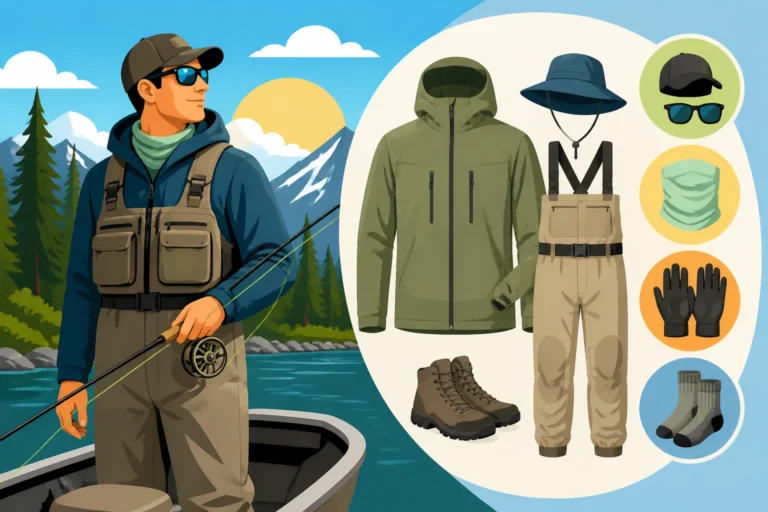
- Waders and Wading Boots: Even on float trips, you might want to get out and wade. Ensure they are in good repair and comfortable.
- Layered Clothing: Idaho weather, especially in the mountains, can change rapidly. Layers are key. Think moisture-wicking base layers, a fleece or down mid-layer, and a waterproof/windproof outer shell.
- Hat and Sunglasses (polarized are a must!): Protect your eyes from the sun and errant hooks, and polarized lenses help you see into the water.
- Sunscreen and Lip Balm: High altitude sun can be intense.
- Rain Gear: Even on a sunny forecast, a light rain jacket and pants can save your day.
- Snacks and Drinks: While some guides might provide lunch on full-day trips, it's always good to have your favorite snacks and plenty of water.
- Camera: To capture those amazing memories!
- Small backpack or dry bag: To keep your personal items organized and dry.
Remember, the goal is comfort and functionality. You don't need to overpack, but being prepared for varying conditions is essential.
Tipping and Guide Etiquette
Tipping your fishing guide is customary and very much appreciated, especially if they've provided excellent service. Think of it like tipping in a restaurant – it's a way to acknowledge their hard work, expertise, and effort to ensure you have a great day. A general guideline for a good tip is 15-20% of the trip cost. If your guide went above and beyond, felt like a true instructor, or helped you land a fish of a lifetime, feel free to tip more generously.
Beyond the tip, good client etiquette includes:
- Being Punctual: Guides run on a schedule, and delays cut into your fishing time.
- Being Prepared: Have your license, layers, and personal items ready.
- Communicating: Let your guide know if you're uncomfortable, need a break, or have questions.
- Listening to Instructions: They're the experts on the river and its safety.
- Being Respectful: Treat the guide, their gear, and the environment with respect.
- Positive Attitude: Even when the fishing is slow (it happens!), maintaining a good attitude makes the day more enjoyable for everyone.
- Offering to Help: Sometimes, a guide might appreciate a hand with launching/loading the boat or packing up.
A guided trip is a partnership, and a respectful, appreciative client makes the guide's job more enjoyable, which in turn enhances your experience. This is all part of Idaho Fishing Guide Tipping and Etiquette that can make your trip memorable.
Costs and Inclusions of Henry's Fork Guided Trips
Understanding the financial aspect of a guided trip is important for budgeting and setting expectations. Guide trip costs can vary widely based on several factors, but generally, you're paying for much more than just a ride in a boat.
Factors Influencing Guide Costs
The cost of a Henry's Fork guided fishing trip is influenced by several key factors:
- Duration: Half-day trips are naturally less expensive than full-day trips. What a Half-Day Idaho Fishing Trip Typically Costs will be significantly less than a full day, but you also get less time on the water.
- Type of Trip: Float trips often have a slightly higher cost due to boat maintenance and fuel, compared to wade trips. Multi-day trips, of course, are the most expensive, but include lodging and other amenities.
- Guide's Experience and Reputation: Highly sought-after guides with decades of experience and a stellar reputation may command higher rates.
- Inclusions: What's included in the base price? Some guides include lunch, drinks, and all necessary gear, while others might charge extra for flies or rental equipment.
- Season: Peak season dates will often be priced higher than shoulder or off-peak seasons due to demand.
While I can't provide specific numbers, expect a full-day guided trip on the Henry's Fork to be a significant investment, comparable to other premium fly-fishing destinations. Always check with the guide or outfitter directly for their current rates.
What Your Investment Typically Covers
When you pay for a Henry's Fork guided trip, you're investing in a comprehensive service that goes far beyond just getting to the water. Typically, your trip cost covers:
- The Guide's Time and Expertise: This is the primary value. You're paying for their years of experience, their intimate knowledge of the river, their ability to find fish, and their teaching skills.
- Transportation: For float trips, this includes the use of a drift boat and the shuttle service (which can be a logistical headache if you're doing it yourself). For wade trips, it includes transportation to and from access points.
- Flies, Leaders, and Tippet: Guides carry a vast array of flies tailored to the Henry's Fork's specific hatches and conditions, saving you the expense and guesswork of stocking up yourself.
- Rods and Reels: Many guides provide high-quality gear suitable for the river, which can be a huge advantage if your personal equipment isn't ideal or if you prefer to travel light.
- Instruction: Whether you're a novice learning the basics or an advanced angler refining your cast, a good guide acts as a dedicated instructor throughout the day.
- Safety Equipment: Guides are trained in river safety and carry necessary first aid and safety gear.
Essentially, you're buying peace of mind, access to unparalleled local knowledge, and an optimized chance for a successful and enjoyable day on one of the world's most iconic trout rivers. Platforms like FishingBooker can help you compare what's included by different guides, making it easier to see where your money is going and choose the best value for your trip.
Henry's Fork Guide Services for Specific Needs
The beauty of the Henry's Fork is its appeal to a wide range of anglers. Guides here often tailor their services to accommodate different skill levels, interests, and group compositions.
Guides for Beginner Anglers
If you're new to fly fishing or just starting out, the Henry's Fork can seem daunting. However, many guides specialize in working with beginners, making it an incredibly rewarding experience. These guides understand that patience, clear instruction, and a focus on fundamental skills are paramount.
For a beginner, a guide will typically focus on teaching the basics of casting, line management, reading the water, and proper fish handling. They'll often choose sections of the river that are a bit more forgiving than the technical "Ranch" water, perhaps where fish are slightly less selective or casting is less challenging. The goal isn't just to catch fish, but to instill confidence and provide a strong foundation for future fly-fishing adventures. They might start with nymphing techniques, which can be easier to learn than delicate dry fly presentations, or focus on general Fly Fishing Techniques for Idaho Spring Creeks. Don't be shy about stating you're a beginner when booking; a good guide will appreciate the honesty and be better prepared to make your first Henry's Fork experience a success.
Guides for Experienced Anglers
Even seasoned fly fishers can benefit immensely from a Henry's Fork guide. For the experienced angler, a guide acts less as a teacher of fundamentals and more as a specialist, fine-tuning techniques, providing hyper-local knowledge, and helping to crack the code of the river's notoriously selective trout.
An experienced guide will know where to find the biggest fish, how to approach them on the most challenging waters, and precisely What Flies to Use on Henry's Fork in Summer for those microscopic hatches that drive anglers crazy. They can offer advanced casting tips, strategic nymphing approaches, or advice on streamer presentations. They might take you to lesser-known spots or guide you through the intricate movements required for success on the Ranch. For those looking to pit their skills against the most challenging trout, a guide can provide that crucial edge and local insight, turning a good day into an exceptional one. They can also offer valuable comparison insights, like the pros and cons of Fly Fishing vs Spin Fishing on Henry's Fork for certain situations.
Guides for Families and Groups
Bringing the whole family or a group of friends on a fishing trip adds another layer of fun – and sometimes complexity! Many Henry's Fork guides are adept at catering to groups, ensuring everyone has a positive experience regardless of their individual skill level or interest.
When booking for a family or group, discuss the dynamic with your guide upfront. If you have kids, the guide might suggest a half-day trip or focus on areas where action might be more consistent to keep young anglers engaged. They can offer a mix of instruction for beginners and challenges for more experienced members. Some outfitters have multiple guides available, allowing larger groups to fish together but with individual attention. It’s also worth asking if the guide has specific experience with kids or if they have extra activities planned to keep younger ones entertained during slower fishing periods. The goal is to create a memorable outdoor experience for everyone, fostering a love for fishing and the beauty of Idaho's waters.
Disclaimer
This article is for general informational purposes only and does not constitute professional advice. Laws, prices and regulations vary by location and change over time. Consult a qualified professional for guidance on your specific situation.