Lake Coeur d’Alene Fishing Charters
Oh, Lake Coeur d'Alene! It's a truly stunning body of water, but let's be honest, for all its beauty, it can also be incredibly intimidating for an angler, especially if you're not a local. Its vast expanse, varying depths, and the sheer variety of fish species can leave you scratching your head, wondering where to even begin. Trying to navigate it yourself, especially for prized fish like Chinook or Kokanee, can feel like searching for a needle in a haystack. This guide is here to shed light on how a fishing charter can transform that frustration into a fantastic, productive day on the water, demystifying the process of finding and booking a top-notch Lake Coeur d'Alene fishing charter.
Why Consider a Fishing Charter on Lake Coeur d'Alene?
Let's face it, fishing isn't just about casting a line and hoping for the best. It's an art, a science, and on a lake as dynamic as Coeur d'Alene, it's often a puzzle. Many anglers arrive with high hopes, only to spend hours fruitlessly trolling or casting in unproductive waters. This isn't because they're bad anglers, but because they lack the specific, intricate knowledge that makes all the difference here. A fishing charter isn't just a ride on a boat; it's an investment in local expertise, specialized equipment, and a significantly higher chance of actually hooking into the fish you're dreaming of.
Navigating a Complex Fishery
Lake Coeur d'Alene is massive, stretching over 25 miles long with a surface area of about 30,000 acres, and plunging to depths of over 200 feet in some spots. This isn't your average pond. Different fish species inhabit different zones, depths, and structures, and these patterns shift with the seasons, weather, and even time of day. What works for Kokanee in July might be useless for Chinook in October. Imagine trying to figure all that out on your own, spending more time scanning your fish finder than actually fishing.
A professional fishing guide has this information dialed in. They spend hundreds of days a year on these waters, tracking migrations, understanding thermoclines, and knowing exactly where the fish are holding based on current conditions. They're intimately familiar with the lake's intricate underwater topography—the submerged humps, drop-offs, and points that act as fish magnets. Their boat is essentially a mobile fish-finding laboratory, allowing them to pinpoint the most promising spots with incredible precision, saving you countless hours of guesswork and fuel.
Accessing Prime Fishing Grounds
Beyond knowing where the fish are, a charter also provides the means to get to them effectively. Many of the prime fishing grounds on Lake Coeur d'Alene are best accessed with specific types of boats and equipment that the average recreational angler might not possess. For instance, successfully trolling for Chinook or Kokanee often requires downriggers, specialized rods, and an array of lures and flashers that can be quite an investment. Trying to buy all this gear for a single trip or just a few days a year can be financially daunting.
Charters come fully equipped. Their boats are typically set up with multiple downriggers, high-end electronics, and a vast arsenal of tried-and-true lures and baits. They also know the safest and most efficient routes to these spots, navigating any hazards or tricky conditions that might be present. This isn't just about convenience; it's about maximizing your time fishing, rather than fumbling with unfamiliar equipment or worrying about getting lost on a big lake.
Learning from the Experts
One of the most overlooked benefits of hiring a guide is the educational aspect. Sure, catching fish is the goal, but think about what you can learn while you're out there. A good guide isn't just putting you on fish; they're teaching you how they're doing it. They'll explain why they're using a particular lure, how to read your electronics, the nuances of setting the hook, and even the proper way to handle and release fish safely.
For instance, they might show you the subtle differences in a rod tip's movement that signal a Kokanee bite versus a Chinook bite, or how to maintain the right trolling speed for optimal lure action. This hands-on learning experience is invaluable, allowing you to develop skills that you can then apply to your own fishing adventures in the future, whether it's on Lake Coeur d'Alene or elsewhere. It’s an opportunity to elevate your entire angling game.
What Fish Species Can You Target with a Charter?
Lake Coeur d'Alene is a truly diverse fishery, offering a range of exciting species for anglers. This isn't a one-trick pony lake; depending on the season and what you're hoping to catch, a charter can tailor the experience to target specific fish. From the powerful runs of Chinook to the delectable Kokanee, and even feisty bass, there's a thrill waiting for every angler. Understanding what's available helps you communicate your preferences to your guide for the best possible experience.
The Prized Chinook Salmon
For many, the ultimate prize in Lake Coeur d'Alene is the Chinook salmon, often referred to as "King salmon" due to their impressive size and fighting spirit. These fish are a blast to catch, offering powerful, drag-screaming runs that will test your tackle and your stamina. Charters specialize in targeting these fish, especially during their peak seasons. Idaho Chinook Salmon Fishing Guide is an excellent resource if you want to learn more about this species.
Guides typically employ deep-water trolling techniques, utilizing downriggers to present large spoons, plugs, or baitfish imitations at precise depths where Chinook are actively feeding. They know the migratory patterns, understanding that Chinook might be shallower early in the season and then move to deeper, cooler water as summer progresses. A good charter captain will have multiple rods out, each rigged with different presentations, constantly experimenting until they find what the fish are biting on that day. They're always adjusting to the conditions, searching for those big, silver beauties.
Abundant Kokanee Salmon
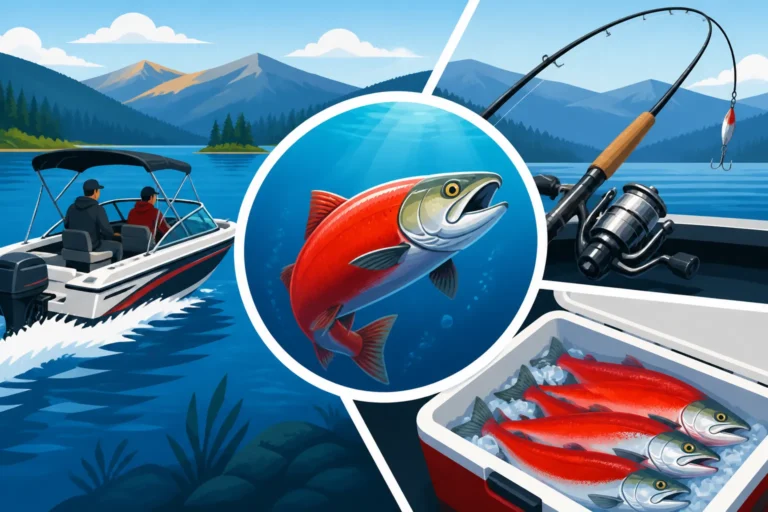
Kokanee salmon, the landlocked sockeye, are another incredibly popular target on Lake Coeur d'Alene. While not reaching the behemoth sizes of Chinook, they offer fast action, schooling behavior, and are absolutely delicious to eat. If you're looking for consistent bites and a cooler full of fish, Kokanee are often the way to go. You can find more details on this species in Idaho Kokanee Fishing Guide.
Charters targeting Kokanee also rely heavily on trolling, but with lighter tackle and smaller, brighter lures like Wedding Rings, dodgers, and small hoochies. They often look for large schools of Kokanee suspended in the water column, often at specific depths. Mastering the art of How to Troll for Kokanee on Lake Coeur d'Alene is a skill guides possess, knowing the optimal speed, lure color combinations, and scent applications that trigger strikes from these sometimes finicky fish. They'll show you how to read the fish finder to spot the schools and adjust your depth accordingly, ensuring your lure passes right through the feeding zone.
Other Exciting Catches
While Chinook and Kokanee might steal the spotlight, Lake Coeur d'Alene hosts a variety of other species that charters can target, offering a well-rounded fishing experience. Depending on your preference for fighting fish or table fare, you have options. The lake is also home to respectable populations of Rainbow Trout, Smallmouth Bass, Largemouth Bass, Northern Pike, and even Yellow Perch.
If you're interested in something different, a charter can often switch gears. For instance, during certain times of the year, targeting Northern Pike in shallower, weedy bays can provide explosive, ambush-style strikes. Or perhaps you'd prefer casting for Smallmouth Bass along rocky points and shorelines. Guides are versatile; just communicate your interests beforehand. They can provide the right gear and knowledge for a successful day chasing these alternative species, making sure everyone in your group finds something fun to reel in.
Types of Charters and What to Expect
When you decide to book a fishing charter on Lake Coeur d'Alene, you'll quickly realize that not all trips are created equal. There's a spectrum of options, each with its own rhythm, price point, and level of intimacy. Understanding these differences—from the duration of your trip to whether you're sharing the boat with strangers—is key to setting your expectations and ensuring you pick the perfect adventure for yourself or your group. Platforms like FishingBooker make it easy to compare these different types of trips.
Half-Day vs. Full-Day Adventures
The most common distinction you'll encounter is between half-day and full-day charters. A half-day trip typically runs for 4-5 hours, while a full-day trip is usually 7-8 hours or even longer.
-
Half-Day Charters: These are fantastic for beginners, families with younger children, or those with limited time or budget. They offer a taste of the action without committing to an entire day on the water. You'll still get a great shot at fish, but the guide will likely focus on the most reliable, closer spots. The pace is often a bit more relaxed, and it's less physically demanding. If you're unsure how well you'll handle a full day on the water, or simply want a fun few hours to get some bites, a half-day trip is a perfect choice.
-
Full-Day Charters: For the serious angler, or those who want the best possible chance at trophy fish or a larger haul, a full-day trip is usually recommended. The extended time allows the guide to travel further to less-pressured waters, try a wider variety of techniques, and adapt more thoroughly to changing conditions. Fish patterns can shift throughout the day, and having that extra time dramatically increases your odds. It's also ideal if you want to target multiple species or truly dive deep into the fishing experience. Be prepared for a longer, more immersive adventure, often with a break for lunch on the water.
Private vs. Group Charters
Another important consideration is whether you'll be on a private boat or sharing with others.
-
Private Charters: This means you've booked the entire boat for your party. It offers the most personalized experience. You get to decide who's on the boat with you, and the guide can focus solely on your group's preferences, skill levels, and target species. Want to spend more time trolling for Chinook? Or switch to casting for bass? A private charter allows for that flexibility. It's ideal for families, a group of friends, or anyone seeking a more intimate and customizable outing. While the upfront cost is higher, when split among a group, it can be quite comparable to individual spots on a group trip.
-
Group Charters (or Open Boat Trips): Some guides offer "open boat" trips where you book a spot per person and share the boat with other anglers you don't know. These are generally a more budget-friendly option for solo anglers or small groups who don't mind sharing the experience. The trade-off is less flexibility; the guide will generally stick to a predetermined plan, and you'll need to share fishing space and attention. It can be a great way to meet new people and still get out on the water, but if you have specific goals or prefer a more tailored experience, a private charter is usually better.
Inclusions and Exclusions
It's crucial to clarify what is and isn't included in your charter package before you book. Generally, charters provide all the necessary fishing gear—rods, reels, tackle, bait, and lures. Most also supply safety equipment like life vests. However, there are typically a few things you'll be responsible for.
| Feature / Type | Typically Included in Charter Price | Often Not Included (Your Responsibility) |
|---|---|---|
| Fishing Gear | Rods, reels, tackle, bait, lures | Specialty gear you prefer (check with guide) |
| Safety Equipment | Life vests, first aid kit | Personal items like sunscreen, hat, sunglasses |
| Fish Cleaning | Often included | Sometimes an extra fee, or done by you |
| Snacks & Drinks | Sometimes, check specifics | Usually your responsibility |
| Fishing Licenses | Never, must be purchased separately | Always your responsibility |
| Special Permits | Never, must be purchased separately | Always your responsibility (e.g., Salmon/Steelhead) |
| Gratuity | Never, discretionary | Always your responsibility |
| Transportation | No, you get to the dock | Your responsibility to get to the meeting point |
You'll almost always need to purchase your own Idaho Fishing License Guide and any specific stamps or permits required for target species like Salmon or Steelhead. It's also generally expected that you bring your own food and drinks, though some premium charters might offer refreshments or a packed lunch. Always ask about what the charter provides and what you need to bring. This ensures you're fully prepared and avoids any unwelcome surprises when you arrive at the dock.
Choosing the Right Lake Coeur d'Alene Fishing Charter
Picking a fishing charter can feel a bit like dating—you want to find a good match! There are many operators around Lake Coeur d'Alene, and while most are excellent, some might be a better fit for your particular needs or fishing style. Don't rush into it; a little research and a few key questions can make all the difference between a memorable day and a mediocre one. Online platforms like FishingBooker can be incredibly helpful in this initial vetting process, allowing you to compare options side-by-side.
Researching Reputable Guides
The first step in finding a great charter is to look for guides with a solid reputation. Start by searching online, reading reviews, and asking for recommendations. Websites like FishingBooker aggregate reviews from previous clients, giving you an honest look at a guide's performance, personality, and fishing success. Pay attention to what people say about the guide's patience, teaching ability, and how well they cater to different skill levels, especially if you're bringing kids or beginners.
Beyond online reviews, check if the guide is properly licensed and insured. Reputable guides in Idaho will have the necessary state and potentially federal permits to operate commercially. While not always directly listed on booking sites, a quick call to the guide or checking their website should provide this information. A licensed guide not only demonstrates professionalism but also indicates they adhere to safety standards and regulations. Think about it: you want someone who takes their profession, and your safety, seriously. How to Find a Reputable Fishing Guide delves deeper into this topic.
Asking the Right Questions
Once you've narrowed down a few potential charters, don't hesitate to reach out and ask questions. A good guide will be happy to chat and help you understand what they offer. Here are some key questions to consider:
- What species do you specialize in, and what's the best time of year to target them? This confirms their expertise aligns with your fishing goals.
- What kind of boat do you operate, and what amenities does it have? (e.g., heated cabin, restroom, comfortable seating) This is especially important for comfort on a long day or in cooler weather.
- What's your typical fishing approach for Lake Coeur d'Alene? (e.g., trolling, casting, jigging) This helps you understand their methodology.
- Do you provide all gear, bait, and tackle? Confirming What's Included in an Idaho Guided Fishing Trip is essential.
- What is your cancellation policy, especially for weather? Idaho weather can be unpredictable, so knowing your options is important.
- Are you family-friendly? Do you have experience with kids or beginners? If you're bringing novice anglers, this is a must.
- What should we bring with us? This helps you prepare adequately for your trip.
Don't be shy. The more information you gather upfront, the better prepared you'll be, and the more likely you are to have a fantastic experience tailored to your expectations.
Booking Your Trip
Once you've found your ideal charter, it's time to book! Timing is everything, especially for prime seasons like peak Chinook or Kokanee runs. Popular guides can book up months in advance, so Booking an Idaho Fishing Guide in Advance is highly recommended, particularly if you have specific dates in mind.
Many guides have online booking systems, or you can call them directly. Platforms like FishingBooker offer a convenient way to compare available dates, prices, and guide profiles all in one place. They also often provide secure payment options and clear communication channels with the guide. When booking, be clear about your group size, any special requests (like targeting a specific fish if seasonally appropriate), and any physical limitations your group might have. Providing this information upfront ensures the guide can adequately prepare for your trip, setting the stage for a smooth and enjoyable day on the beautiful waters of Lake Coeur d'Alene.
Preparing for Your Lake Coeur d'Alene Charter
You've booked your charter, the excitement is building, and now it's time to get ready for your adventure on Lake Coeur d'Alene. A little preparation goes a long way in ensuring your day is comfortable, enjoyable, and successful. It’s not just about showing up; it’s about having everything you need, understanding the local rules, and knowing how to interact with your guide for the best possible experience. Thinking ahead means more fishing and less worrying.
What to Bring
Even though your charter will provide the fishing gear, there are several personal items that you absolutely need to bring for a comfortable day on the water. The weather on Lake Coeur d'Alene can change quickly, from bright sunshine to cooler breezes, even in summer. Layering is always a smart move.
- Appropriate Clothing: Dress in layers! Even on a warm day, the lake can be cooler with wind. Bring a light jacket or sweatshirt, rain gear (just in case!), and comfortable, non-slip shoes.
- Sun Protection: The sun reflects off the water, intensifying its rays. A wide-brimmed hat, sunglasses (polarized are a huge plus for seeing fish!), and high-SPF sunscreen are non-negotiables. Trust me, a sunburn can quickly ruin the rest of your vacation.
- Food and Drink: Most charters do not provide meals. Pack plenty of water, soft drinks, and snacks. If you're on a full-day trip, bring a hearty lunch. A small cooler with ice can keep everything fresh.
- Camera: You'll want to capture those memories, especially if you land a trophy fish! Just be mindful of keeping it dry and safe.
- Cooler for Your Catch: If you plan on keeping fish (within legal limits, of course), bring a separate cooler with ice in your vehicle. Your guide might have one on the boat for the day, but you'll need one for the trip home.
- Motion Sickness Medication: If you're prone to seasickness, take medication before you board the boat. Don't wait until you start feeling queasy; it'll be too late.
- Gratuity: Have cash on hand for your guide (more on this below!).
For more general advice, consider reading What to Expect on a Guided Idaho Fishing Trip. Being prepared for all eventualities ensures you can focus on the fishing, not on being uncomfortable.
Understanding Idaho Fishing Regulations
Even though you're with a professional guide, you are still ultimately responsible for adhering to Idaho's fishing laws. The most crucial item is your Idaho Fishing License Guide. Every angler, typically over the age of 14, needs one, along with any specific permits for species like Salmon or Steelhead, even if you’re fishing catch and release. You can often purchase these online before your trip or at a local sporting goods store. Check out How to Buy an Idaho Fishing License for detailed instructions.
Your guide will be an expert on current regulations, including Idaho Catch Limits and Bag Limits Explained, size restrictions, and any special rules for Lake Coeur d'Alene. They'll tell you which fish can be kept and which must be released. However, it's always wise to familiarize yourself with the basics. Don't be afraid to ask your guide to clarify any rules if you're unsure. A responsible angler is a happy angler, and respecting the regulations helps conserve Idaho's incredible fisheries for everyone.
Tipping and Etiquette
Tipping your fishing guide is standard practice and a crucial part of showing appreciation for their hard work, expertise, and dedication. Guides work long hours, often starting well before dawn to prepare and cleaning up long after you've left. Their income heavily relies on gratuities.
The general rule of thumb for tipping a fishing guide in Idaho, or anywhere, is 15-20% of the total trip cost. If your guide went above and beyond—worked tirelessly to find fish, was a fantastic teacher, or just made the day incredibly fun—consider tipping towards the higher end of that range. Present the tip directly to your guide in cash at the end of the trip. Idaho Fishing Guide Tipping and Etiquette can offer more nuanced advice on this topic.
Beyond tipping, practicing good etiquette on the boat is important. Listen to your guide's instructions, especially when casting or moving around the boat. Be patient, respectful of other anglers (if on a group trip), and clean up after yourself. Your guide is there to ensure you have a great time, so a little courtesy and cooperation go a long way in making their job, and your experience, more enjoyable.
Disclaimer
This article is for general informational purposes only and does not constitute professional advice. Laws, prices and regulations vary by location and change over time. Consult a qualified professional for guidance on your specific situation.