Idaho Fishing License Guide
Navigating the world of fishing licenses can feel like trying to untangle a particularly stubborn knot in your fishing line – confusing, frustrating, and often leaving you wondering if you've done it all wrong. Many anglers, both new and seasoned, find themselves scratching their heads over Idaho's specific requirements, different license types, and exactly what permits they need for their next big catch. This comprehensive guide is here to untangle that knot for you, breaking down everything you need to know about getting and using an Idaho fishing license so you can hit the water with confidence.
Why an Idaho Fishing License is Non-Negotiable
It's tempting, especially if you're just dipping a toe into fishing or visiting from out of state, to think you might be able to get by without a formal license. But in Idaho, just like in most places, fishing isn't just about dropping a line in the water; it's a regulated activity with critical implications for conservation and wildlife management. Ignoring these rules can lead to more than just a bad day on the water; it can lead to hefty fines and legal trouble.
The Legal Mandate and Conservation
At its core, requiring a fishing license is about funding the vital work of the Idaho Department of Fish and Game (IDFG). Think about it: who pays for all those fish stocking programs that keep our lakes and rivers teeming with trout? Who funds the habitat restoration projects that ensure healthy populations for future generations? Who supports the enforcement officers who protect our natural resources from poaching and overfishing? It's largely the anglers themselves, through the purchase of their licenses. Every dollar spent on an Idaho fishing license goes directly back into managing and improving Idaho's diverse fisheries. This ensures that iconic species, from the hard-fighting steelhead in the Clearwater River to the trophy lake trout of Priest Lake, continue to thrive. It’s a collective investment in the wild beauty and abundant opportunities Idaho offers. Without this funding, the very experience we cherish would quickly diminish.
Who Needs a License and Who Doesn't
This is where some of the confusion often crops up. Generally speaking, if you're 14 years old or older and plan to fish in Idaho, you need a valid fishing license. This applies whether you're targeting trout in a small mountain stream, casting for bass in Lake Lowell, or trying your hand at ice fishing on Payette Lake. It doesn't matter if you're planning to keep your catch or practice catch-and-release; the act of fishing itself requires the license.
However, there are a few notable exceptions that are important to understand. Children under the age of 14 do not need a fishing license. This is a fantastic initiative to encourage young people to get outdoors and discover the joy of fishing without any bureaucratic hurdles. Also, if you're fishing on Idaho's annual Free Fishing Day, which typically falls in June, no license is required for anyone, resident or nonresident. This is a wonderful opportunity to introduce friends and family to the sport, or just to enjoy a stress-free day on the water. For more details on who exactly needs what, check out our comprehensive guide on Idaho Fishing Rules for Kids and Families. It’s always best to err on the side of caution and assume you need one unless you fall squarely into a stated exemption.
Consequences of Fishing Without One
Fishing without a valid Idaho fishing license is no small matter. It's a misdemeanor offense, and the penalties can be significant. Imagine you've spent hours driving to a remote high mountain lake, hiked in all your gear, and finally cast your line, only to be approached by an IDFG conservation officer. If you're found to be fishing without the proper license, you could be looking at a substantial fine, potentially ranging from hundreds to even a thousand dollars or more, depending on the specifics and whether you're also violating other regulations.
Beyond the financial penalty, you could also face the forfeiture of your fishing equipment, and even loss of fishing privileges for a period of time, not just in Idaho but potentially in other states as well through interstate compacts. It's a risk that simply isn't worth taking, especially when obtaining a license is such a straightforward process. The IDFG takes illegal fishing seriously because it undermines their conservation efforts and disrespects the vast majority of anglers who do play by the rules. Always make sure your license is current and on your person, whether physically or digitally, whenever you're out on the water.
Understanding the Types of Idaho Fishing Licenses
Idaho offers a variety of fishing licenses designed to fit different angler needs, from those who live here year-round to visitors just passing through for a weekend. Deciphering the options can feel a bit like reading a menu in a foreign language if you're not familiar with the terminology. Let's break down the main categories to help you choose the right one for your adventure.
Resident vs. Nonresident Options
One of the most significant distinctions in Idaho's licensing structure is between residents and nonresidents. As you might expect, Idaho residents generally enjoy lower prices on their fishing licenses, a benefit of contributing to the state's economy and tax base year-round. To qualify as an Idaho resident for licensing purposes, you must have lived in the state for at least six continuous months immediately prior to purchasing your license and hold a valid Idaho driver's license or ID card. There are specific guidelines for military personnel and students as well, so if you fall into one of those categories, it's worth checking the IDFG website for precise residency requirements.
Nonresidents, on the other hand, are anyone who doesn't meet Idaho's residency criteria. While their licenses are more expensive, they still offer excellent value, providing access to some of the most spectacular and diverse fisheries in the entire country. Whether you're coming from Washington to chase steelhead on the Snake River or from Utah to experience the famous Henry's Fork, there's a nonresident option for you. Our dedicated guides, Idaho Nonresident Fishing License Guide and Idaho Resident Fishing License Guide, dive deeper into the specifics of each, helping you understand the nuances and find the most cost-effective solution for your situation.
Annual, Daily, and Multi-Day Licenses
Idaho is thoughtful about providing options that cater to different durations of fishing trips.
- Annual Licenses: These are the most common choice for residents and nonresidents who plan to fish regularly throughout the year. An annual license is valid from January 1st through December 31st of the year it's purchased. If you fish more than a few days a year, an annual license is almost always the most economical choice. It's fantastic for those impromptu evening trips to the Boise River Greenbelt or weekend getaways to Lake Coeur d'Alene.
- Daily Licenses: For those just visiting for a single day or only planning one outing, a one-day license is perfect. It's a great way to try out fishing in Idaho without committing to a full annual fee. You might be camping at C.J. Strike Reservoir and decide to try for some bass, or spending a day exploring the shops in Sandpoint and want to cast a line in Lake Pend Oreille.
- Multi-Day Licenses: These are a popular choice for nonresidents planning a longer fishing vacation, say a week-long trip to the Salmon River or a several-day adventure in the Sawtooths. You can purchase licenses for two, three, five, or even ten consecutive days. The beauty of these is that you can often add additional days to a multi-day license for a reduced rate, making it flexible if your trip extends unexpectedly. This flexibility helps anglers tailor their license purchase to the exact length of their stay, preventing them from overpaying for days they won't use.
Specialty Licenses and Permits
Beyond the basic fishing license, Idaho has specific requirements for certain prized fish species. These are not separate licenses in the sense of a basic fishing license, but rather endorsements or permits that must be purchased in addition to your regular fishing license.
The most common and critical of these are the Steelhead Permit and Salmon Permit. If you plan to fish for either anadromous steelhead or Chinook salmon in Idaho's waters (like the legendary Clearwater or Salmon Rivers), these permits are absolutely mandatory. These permits are crucial for managing these often sensitive populations, which migrate from the ocean to spawn in Idaho's rivers. They often come with strict reporting requirements, such as a physical catch record card that must be filled out meticulously. Failing to have the correct permit, even if you have a general fishing license, is a serious violation.
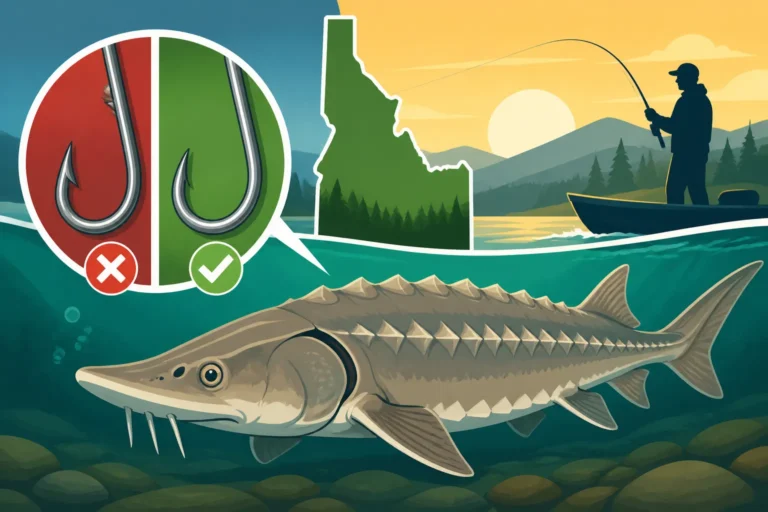
Other species like sturgeon also have special rules, often requiring catch-and-release and specific gear restrictions, though not always a separate permit in the same vein as salmon and steelhead. It's vital to check the current Idaho Fishing Regulations Explained brochure every year to understand if your target species requires any additional permits or adherence to specific rules. This annual proclamation is your bible for what's open, what limits apply, and what special endorsements you need.
Navigating Idaho Fishing License Age Requirements
Understanding age requirements for fishing licenses in Idaho can sometimes feel like a puzzle, especially when planning a family trip or considering options for older anglers. The rules are in place to encourage youth participation while ensuring that those capable of contributing to conservation efforts do so. Let's break down who needs what based on their age.
Rules for Young Anglers
This is great news for families! Children under the age of 14 do not need an Idaho fishing license. This means if you have a 5-year-old, a 9-year-old, or even a 13-year-old, they can fish alongside you without any license requirements. This policy is fantastic for encouraging the next generation of anglers and makes family fishing trips much simpler and more affordable. Imagine taking your grandkids out to a stocked pond near Boise or a quiet spot on the Snake River, and all they need is a rod, reel, and a little bait – no paperwork!
However, while they don't need a general fishing license, if they plan to fish for species that require a special permit, like steelhead or salmon, those specific permits are still required, regardless of age. So, if your enthusiastic 12-year-old wants to join you on a fall steelhead trip to the Clearwater, they’ll still need an Idaho Salmon and Steelhead Permit in addition to not needing a general license. Always double-check the specific regulations for the species and waters you plan to fish, as rules can vary.
Senior Citizen Discounts and Exemptions
Idaho values its senior anglers and offers some well-deserved benefits. Residents who are 65 years of age or older and have resided in Idaho for at least six consecutive months are eligible for a reduced-fee senior combination hunting and fishing license. This is a fantastic way for our elder statesmen and women of the outdoors to continue enjoying Idaho’s bountiful fishing and hunting opportunities without a significant financial burden.
It’s important to note that this is typically a reduced-fee license, not an outright exemption from needing a license. The exact cost can be found in our Idaho Senior Fishing License Discount guide. To apply, seniors usually need to provide proof of age and residency, typically an Idaho driver's license or ID card. This discount helps ensure that age isn't a barrier to enjoying the peace and sport of Idaho fishing.
Adult and Combination License Details
For most adults between the ages of 14 and 64, an adult fishing license is required. As mentioned earlier, this can be an annual license, or a daily/multi-day option depending on your needs. For Idaho residents, there's also the popular Combination Hunting and Fishing License. This is a single license that covers both fishing and hunting privileges (for species not requiring additional tags), offering significant savings and convenience for those who enjoy both pursuits.
This combination license is a perennial favorite for many Idahoans who spend their year transitioning from spring fishing to fall hunting seasons. It simplifies the licensing process, as you only have one document to keep track of. Nonresidents, too, can often purchase combination licenses, though the prices will reflect their nonresident status. When considering your options, especially if you engage in both activities, comparing the cost of separate licenses versus a combination license is a smart move. Our Idaho Combination Hunting and Fishing License Cost article provides a detailed breakdown to help you make the best financial choice for your outdoor adventures.
Where and How to Purchase Your Idaho Fishing License
Gone are the days when buying a fishing license meant a specific trip to a sporting goods store during business hours. While that option is still very much available, Idaho has modernized its system to make obtaining your license as convenient as possible. Knowing all your options ensures you can get licensed and on the water quickly, whether you’re planning ahead or making a last-minute decision.
Buying Online Through the IDFG Website
For many, the easiest and fastest way to get an Idaho fishing license is through the Idaho Department of Fish and Game (IDFG) website. Their online licensing system is user-friendly and accessible 24/7, which means you can purchase your license from the comfort of your home at any time, day or night. This is particularly convenient if you realize you need a license late in the evening before an early morning fishing trip.
The process typically involves creating an account (if you don't already have one), selecting the type of license and any necessary permits (like the Idaho Salmon and Steelhead Permit), providing your personal details, and paying with a credit or debit card. Once purchased, you'll usually receive an email confirmation with a temporary license you can print out immediately or save to your phone. This digital flexibility is a game-changer, eliminating the worry of forgetting your physical license at home. For a step-by-step walkthrough, our guide on How to Buy an Idaho Fishing License Online offers all the details.
Local Vendors and Retail Stores
For those who prefer a more traditional approach or want to support local businesses, Idaho has a vast network of authorized license vendors across the state. These vendors include:
- Sporting Goods Stores: Major retailers like Cabela's or Sportsman's Warehouse, as well as smaller, independent fly shops, are excellent places to purchase licenses. These stores often have knowledgeable staff who can answer questions about local fishing conditions, gear, and current regulations.
- Convenience Stores and Gas Stations: Many smaller markets and gas stations, especially in rural areas, are licensed to sell IDFG products. This is incredibly handy if you're traveling through a remote part of Idaho and realize you need a license before hitting a nearby stream.
- IDFG Offices: You can also purchase licenses directly from any Idaho Department of Fish and Game regional office during business hours. This is a good option if you have complex questions or need in-person assistance.
When buying from a vendor, you'll typically need to provide similar personal information, including proof of residency if you're buying a resident license. They'll print out your official license and any permits on the spot. Some anglers prefer this method to get a physical license right away and perhaps pick up some bait or tackle at the same time. You can often find a list of authorized vendors on the IDFG website, or simply look for "Idaho Fishing License" signs at local businesses.
Understanding Your Physical vs. Digital License
Once you've made your purchase, you'll have either a physical printout or a digital version of your license. Both are equally valid.
- Physical License: This is the traditional paper card or printout you keep in your wallet or tackle box. It's durable and easy to present if a conservation officer requests it. Some anglers prefer this because it doesn't rely on phone battery life or signal strength, especially in Idaho's vast backcountry where cell service can be spotty.
- Digital License: If you purchased online, you'll usually get a PDF or an electronic image that you can display on your smartphone. Many states, including Idaho, accept this as valid proof of licensure. It's convenient because most people always have their phone with them. However, remember to keep your phone charged, and be aware that in truly remote areas like the Frank Church Wilderness, you might not have access to your email or cloud storage if you lose your downloaded copy. As a best practice, if relying on a digital license, always download it to your device so it’s accessible offline, and maybe even take a screenshot.
No matter which format you choose, the most important thing is to have it readily available when you're fishing. Conservation officers will ask to see it, and being unable to produce it can lead to unnecessary delays and potential issues.
Additional Permits and Stamps You Might Need
Beyond the foundational fishing license, Idaho's diverse fisheries and management goals mean there are often additional permits, stamps, or fees required for specific species or situations. Overlooking these can put a damper on your fishing trip, leading to violations even if you have a valid general license. It’s crucial to understand these endorsements so you’re fully compliant with all Idaho Fishing Regulations Explained.
The Crucial Steelhead and Salmon Permits
If you're an angler dreaming of battling an ocean-run fish in Idaho's famous rivers, then the Steelhead Permit and Salmon Permit are absolutely non-negotiable. These iconic fish – steelhead (sea-run rainbow trout) and Chinook salmon – undertake incredible migrations from the Pacific Ocean back to their natal streams in Idaho. Because of their unique life cycles and conservation status, they require special management.
- Idaho Steelhead Permit: This permit is required for anyone, resident or nonresident, planning to fish for steelhead. When you purchase this permit, you'll also receive a physical Steelhead Catch Record Card. This card is vital for tracking your harvest and effort. You must record every steelhead you catch, whether kept or released, immediately upon landing the fish. This data is critical for IDFG to monitor populations and adjust regulations as needed. Many anglers travel hundreds, even thousands, of miles to experience Idaho's steelhead fisheries on rivers like the Snake, Clearwater, and Salmon. Having your permit and diligently filling out your catch card are integral parts of the experience.
- Idaho Salmon Permit: Similar to the steelhead permit, a separate Salmon Permit is required if you intend to fish for Chinook salmon. Like steelhead, Chinook runs are closely monitored, and your permit will come with a corresponding Catch Record Card. Again, immediate and accurate recording of your salmon catches is mandatory. For more detailed information, our guide on the Idaho Salmon and Steelhead Permit covers all the bases. These permits help fund the hatcheries and management programs that sustain these incredible fisheries.
Access/Depredation Fee and Other Endorsements
Sometimes, anglers encounter additional fees or endorsements that seem a bit obscure but are nonetheless required. One of the most common is the Access/Depredation Fee.
- Access/Depredation Fee: This fee is typically mandatory for anyone purchasing an annual fishing, hunting, or combination license. The funds generated by this fee are used to secure and maintain public access to private lands and waters for hunting and fishing, as well as to mitigate wildlife depredation issues on agricultural lands. It's a small but important contribution that ensures Idaho's outdoor opportunities remain accessible. Think of it as chipping in to keep those prime fishing spots available to everyone. Our article, Idaho Access and Depredation Fee Explained, offers a deeper dive into what this fee supports.
- Other Endorsements: Depending on highly specific regulations or new conservation initiatives, there might occasionally be other minor endorsements or stamps. These are rare for general fishing but it's always wise to glance at the IDFG website or the annual proclamation for any unexpected additions before you head out. For instance, if you're participating in a controlled hunt, there would be additional tags beyond your general license, but for fishing, the steelhead and salmon permits are the primary additional requirements.
Catch Record Cards Explained
Catch record cards are more than just pieces of paper; they are a vital data collection tool for the Idaho Department of Fish and Game. When you purchase a Steelhead Permit or Salmon Permit, you'll receive a physical card.
Here’s how they generally work:
- Immediate Recording: The moment you catch a steelhead or salmon, whether you intend to keep it or release it, you must immediately record the date, location (river section), and whether it was kept or released, by punching or marking the card as instructed.
- Accuracy is Key: Precision is paramount. If you forget to record a fish or make an error, it can lead to issues if checked by a conservation officer. The data on these cards informs important management decisions, such as setting future bag limits or season lengths.
- Returning the Card: After your fishing season for that species is over, or by a specific deadline (usually late in the year or early the following year), you are legally required to return your catch record card to IDFG, even if you didn't catch any fish. This ensures they get a complete picture of angling effort and success. You can usually mail it in or drop it off at an IDFG office.
Failing to properly fill out or return your catch record card can result in fines and potential loss of future fishing privileges. It's a small responsibility that makes a huge difference in the long-term health of Idaho's most celebrated fisheries. For more detailed instructions on filling these out, you might find our article on Idaho Catch Record Card Requirements particularly helpful.
| License Type | Residency Required | Age Group | Common Use Case | Requires Add-ons (e.g., permits) |
|---|---|---|---|---|
| Annual Fishing | Resident/Nonresident | 14-64 (Adult) | Regular angler, multiple trips per year | Yes (Steelhead, Salmon, etc.) |
| Senior Annual Fishing | Resident (65+) | 65+ | Active senior angler, multiple trips | Yes (Steelhead, Salmon, etc.) |
| Junior Annual Fishing | Resident/Nonresident | 14-17 (Youth) | Young angler, multiple trips | Yes (Steelhead, Salmon, etc.) |
| 1-Day Fishing | Resident/Nonresident | 14+ | Casual trip, trying out Idaho fishing | Yes (Steelhead, Salmon, etc.) |
| Multi-Day Fishing | Resident/Nonresident | 14+ | Short fishing vacation (2, 3, 5, 10 days) | Yes (Steelhead, Salmon, etc.) |
| Under 14 (General) | N/A | Under 14 | No license needed for general fishing | Yes (Steelhead, Salmon, etc.) |
| Steelhead Permit | Any | Any (if general license required) | Targeting Steelhead | N/A |
| Salmon Permit | Any | Any (if general license required) | Targeting Chinook Salmon | N/A |
| Access/Depredation Fee | Any (annual) | Any (annual license) | Mandatory for annual licenses | N/A |
Validity, Renewals, and Replacements
Getting your Idaho fishing license is just the first step. Understanding how long it's valid, how to renew it when the time comes, and what to do if it gets lost or damaged are all essential aspects of responsible angling. Nobody wants to be caught off guard by an expired license or be unable to prove their licensure when an IDFG officer checks.
When Your License Expires
Most Idaho annual fishing licenses are valid from January 1st through December 31st of the calendar year for which they are purchased. So, if you buy an annual license in March, it will expire on December 31st of that same year, not 12 months from your purchase date. This is a common point of confusion for new anglers, so it's critical to remember the calendar year expiration.
Daily and multi-day licenses, on the other hand, are valid for the specific consecutive dates you select at the time of purchase. If you buy a 3-day license for July 10th, 11th, and 12th, it will only be valid during that specific window. Always double-check the dates printed on your license or confirmation email to be absolutely sure of its validity period. Planning your trips around this can save you a lot of hassle.
How to Renew Your Idaho Fishing License
Renewing your Idaho fishing license is usually a straightforward process, especially if you've purchased one before.
- Online Renewal: The easiest way to renew is often through the IDFG's online licensing system. If you've created an account previously, simply log in, and your past license information will typically be saved. You can then select the new year, choose your desired licenses and permits, and complete the purchase. This is quick, convenient, and available 24/7.
- In-Person Renewal: You can also renew your license at any authorized vendor or IDFG office. Just bring your old license or some form of identification, and they can look up your customer profile and process the renewal for you. This is a good option if you prefer human interaction or need to pick up new gear at the same time.
Many anglers make a habit of renewing their licenses at the beginning of the new year, often in January, so they're ready for any early-season fishing opportunities, like ice-out trout fishing or winter steelhead runs. For a detailed walkthrough of the renewal process, consult our article, How to Renew an Idaho Fishing License. It's a small task that ensures you stay legal and ready for action.
Dealing with Lost or Damaged Licenses
It happens to the best of us: a sudden downpour soaking your wallet, a mislaid tackle box with your license inside, or simply a forgotten printout. Don't panic! The IDFG has a system in place for obtaining duplicates.
- Online Duplicates: If you purchased your license online, you can often log back into your IDFG account and print a duplicate copy for free. This is another huge advantage of using the online system. You might also be able to access a digital copy if you previously saved it to your phone or email.
- Vendor or IDFG Office Duplicates: If you purchased through a vendor or simply need a physical replacement, you can visit any authorized license vendor or IDFG office. They can look up your license information and print you a duplicate. There might be a small fee associated with obtaining a physical duplicate from a vendor to cover printing costs.
The key is to address a lost or damaged license as soon as you realize it. Fishing without your license, even if you legitimately purchased it, is still a violation if you cannot produce it upon request. Always make sure you have a valid, accessible copy, whether physical or digital, whenever you are out on the water.
Special Situations and Common Questions
The world of fishing regulations can sometimes throw curveballs, leading to specific questions beyond the general requirements. Whether it's about fishing on private land, taking advantage of special events, or understanding rules for military members, Idaho has provisions for a variety of scenarios. Let's tackle some of these frequently asked questions that often trip up anglers.
Fishing on Private Property and Border Waters
A common misconception is that if you're fishing on private property, you don't need a license. This is generally not true in Idaho. If the water body (a pond, stream, or river) on private land is connected to public waters, or if it contains fish managed by the state (which most do), you will still need a valid Idaho fishing license, regardless of property ownership. The only exception might be a completely enclosed, privately stocked pond with no inlet or outlet to public waters, but even then, it's best to confirm with the IDFG or the property owner. Always obtain permission from the landowner before accessing private property. Trespassing is a separate and serious offense.
Border waters, like sections of the Snake River that form the boundary between Idaho and Oregon or Washington, can also be confusing. Generally, an Idaho fishing license is only valid for fishing within Idaho's jurisdictional waters. If you drift into Oregon waters, you'd typically need an Oregon license as well, and vice-versa. Always know which side of the river you're on and check the specific regulations for those shared waters, as some reciprocal agreements might exist for certain sections, though this is not universal. Our detailed guide on Idaho Fishing Regulations Explained can offer more insight into these specific situations.
Free Fishing Day in Idaho
Idaho's Free Fishing Day is a wonderful tradition and a fantastic opportunity for new anglers or families to experience the joy of fishing without the need for a license. Typically held on the second Saturday in June each year, this day allows anyone, resident or nonresident, to fish Idaho's public waters without a fishing license.
It's a perfect day to introduce kids to fishing, try out a new technique, or simply enjoy a relaxed day on the water. Many communities and IDFG often host special events, clinics, and even provide loaner rods and reels at various locations across the state on Free Fishing Day. While no license is required, all other fishing regulations, such as bag limits, species restrictions, and gear rules, still apply. So, while you're license-free, you still need to know the Idaho Catch Limits and Bag Limits Explained for the waters you're fishing. Keep an eye on the IDFG website for the exact date and any associated events each year. It’s always a bustling, fun day on Idaho’s waters!
Military and Disabled Angler Considerations
Idaho is proud to offer special considerations for military members and disabled anglers, recognizing their service and unique needs.
- Military Members: Active-duty military personnel who are residents of Idaho can often qualify for resident license prices even if they are temporarily stationed out of state. Nonresident active-duty military personnel stationed in Idaho might also be eligible for resident license rates, provided they meet specific criteria, such as proving their duty station. It's always best for military members to check the IDFG website or contact their local IDFG office directly to understand the most current specific requirements for military discounts and residency classifications. These provisions are an important way to thank those who serve.
- Disabled Anglers: Idaho offers reduced-fee or free fishing licenses to qualifying disabled residents. This typically applies to individuals with a permanent and total disability. Like the senior license, there are specific application processes and documentation requirements (such as proof of disability from a physician or government agency). These licenses ensure that physical challenges don't completely prevent individuals from enjoying Idaho's natural beauty and fishing opportunities. Contacting the IDFG directly for current eligibility criteria and application forms is the best approach for disabled anglers seeking these benefits.
Keeping Up with Idaho Fishing Regulations
You’ve got your license, your permits, and you know the age rules – but the journey to being a fully informed angler doesn't stop there. Idaho's fishing landscape is dynamic, with regulations that can change to reflect scientific data, environmental conditions, and management goals. Staying informed is just as important as having your license in hand.
Why Regulations Change and How to Stay Informed
Fishing regulations aren't arbitrary; they are carefully crafted by the Idaho Department of Fish and Game based on extensive biological data, population surveys, environmental factors like drought or flood, and public input. For instance, a particularly strong salmon run might lead to expanded harvest opportunities in one year, while declining steelhead numbers could result in more restrictive catch-and-release rules in another. Local water conditions, such as low flows on the Henry's Fork, might trigger "hoot owl" restrictions where fishing is only allowed during cooler morning hours to protect trout.
To stay current, here are the best practices:
- IDFG Website: The Idaho Department of Fish and Game website is your ultimate, most up-to-date resource. They publish all regulations, news releases, and emergency closures.
- Email Alerts: Sign up for email newsletters and alerts from the IDFG. They often send out timely notifications about regulation changes, stocking reports, and important updates.
- Local Tackle Shops: These often have their ears to the ground and can provide real-time information on local conditions and any recent regulatory changes. They're like the neighborhood watch for fishing!
- Fishing Forums and Social Media: While not official sources, many local Idaho fishing groups on social media platforms can be good places to hear about updates and discuss current conditions, but always cross-reference information with official IDFG sources.
The Importance of the Annual Fishing Proclamation
Every year, the Idaho Department of Fish and Game publishes its comprehensive fishing rules and regulations, commonly referred to as the Idaho Fishing Proclamation or brochure. This document is the definitive guide for all anglers in Idaho. You can pick up a physical copy for free at any IDFG office or authorized license vendor, and it's always available as a downloadable PDF on their website.
The proclamation typically includes:
- Statewide General Rules: Basic definitions, equipment restrictions, and general conduct rules.
- Region-Specific Rules: Idaho is divided into different management regions, and regulations often vary significantly from one region to another, and even from one river section to the next.
- Species-Specific Rules: Details on bag limits, possession limits, size restrictions, and seasons for individual fish species like trout, bass, kokanee, steelhead, and more.
- Special Regulation Waters: Lists of specific lakes, rivers, or streams that have unique rules (e.g., catch-and-release only, fly-fishing only, no bait allowed).
- Maps and Graphics: Often includes helpful maps illustrating regulatory boundaries and popular fishing spots.
Before embarking on any fishing trip in Idaho, especially to new waters or for different species, you should consult the most current annual proclamation. Skimming it once a year isn't enough; actively refer to the sections relevant to your specific destination and target species. For example, if you're fishing the South Fork of the Snake River, you'll want to specifically review the "Upper Snake Region" section and any special regulations for that particular river. Ignorance of the rules is never an excuse for a violation, and the proclamation is designed to provide you with all the necessary information to fish legally and ethically. Our Idaho Fishing Regulation Brochure and Proclamation guide offers tips on how to effectively navigate this essential document.
Disclaimer
The information provided in this guide is intended for general informational purposes only and does not constitute legal advice. While we strive to keep the content up-to-date and accurate, fishing regulations and license requirements in Idaho can change. It is always the angler's responsibility to consult the most current Idaho Department of Fish and Game (IDFG) official regulations and proclamations before engaging in any fishing activity. Always verify specific rules, seasons, and limits with official IDFG resources to ensure compliance.