Clearwater River Steelhead Guides
Many anglers dream of battling a powerful steelhead on Idaho's legendary Clearwater River, but the thought of navigating its vast stretches, understanding its nuances, and finding those elusive fish can feel overwhelming. This comprehensive guide will walk you through everything you need to know about booking and experiencing a fantastic trip with a Clearwater River steelhead guide, ensuring your angling dreams become a reality.
Why the Clearwater River is a Steelhead Paradise and Why You Need a Guide
The Clearwater River, nestled in the heart of Idaho, is a name that whispers "steelhead" to anglers across the country. It's a truly special place, renowned for its strong runs of both A-run and B-run steelhead, offering some of the most exciting fishing opportunities imaginable. But while the river holds incredible promise, it also presents challenges that often make a skilled guide indispensable.
The Allure of Clearwater Steelhead
Imagine a fish that travels hundreds of miles from the Pacific Ocean, navigating dams and rivers, all to return to its natal waters. That's the Idaho steelhead. These incredible anadromous rainbow trout are celebrated for their size, their fighting spirit, and their sheer beauty. The Clearwater River, particularly its lower and middle sections, is a major migration route and holding water for these magnificent creatures. Anglers flock here during the fall, winter, and spring seasons, hoping to intercept these powerful fish as they make their way upstream. The sheer thrill of a steelhead peeling line off your reel, making acrobatic leaps, and testing your tackle to its limit is an experience that stays with you long after the fish is released. It's not just about the catch; it's about the entire journey, the crisp air, the stunning scenery, and the hope that each cast brings.
Catching one of these chromers, as they're often called, is a badge of honor for many anglers. They aren't always easy to find, and they certainly aren't easy to land, which only adds to their mystique and the satisfaction of a successful battle. The river itself is a character in this story, with its varied runs, deep pools, and gravel bars, all playing a role in where these fish choose to hold. Understanding these subtle cues, knowing where the fish are likely to be given water conditions, and presenting the right lure or bait in the perfect manner is where the expertise of a local guide truly shines.
Navigating Complex Waters and Regulations
The Clearwater River is a big river, with strong currents, hidden hazards, and ever-changing conditions. If you're not familiar with its specific stretches, it can be intimidating to navigate, especially if you're trying to operate a boat or find the best fishing spots. Beyond the physical challenges, there's the intricate web of Idaho Fishing Regulations Explained that anglers must adhere to. Steelhead fishing, in particular, often comes with specific rules regarding catch limits, gear restrictions, and the critical distinction between hatchery and wild steelhead. Misinterpreting these rules can lead to fines or, worse, harm to the fish population.
A good guide not only knows the river like the back of their hand, identifying safe passages and productive runs, but they are also intimately familiar with all the current regulations. They understand the nuances of Idaho Steelhead Bag Limits, barbless hook requirements, and how to properly identify and handle both hatchery and wild fish. This allows you to focus solely on the fishing experience, enjoying the beauty of the Clearwater without the constant worry of breaking a rule or getting into a dangerous situation. They are there to ensure your trip is not only successful but also safe and compliant with all local laws, including any Idaho Catch Record Card Requirements.
What a Clearwater Steelhead Guide Brings to Your Trip
Hiring a steelhead guide on the Clearwater River isn't just about paying someone to take you fishing; it's an investment in a richer, safer, and often more successful angling experience. They are more than just boat operators; they are educators, navigators, and seasoned experts who truly understand the intricate dance between angler, fish, and river.
Local Knowledge and Experience
Perhaps the most invaluable asset a Clearwater steelhead guide possesses is their profound local knowledge and years of experience on the river. These guides spend countless days on the water, observing fish patterns, understanding the subtle changes in water temperature and clarity, and knowing which techniques are working best on any given day. They know where the fish are likely to be holding based on river flows, recent weather, and migration timing. This isn't information you can easily glean from a quick internet search or a single visit.
They know the names of the productive runs, the depth of the prime holes, and the subtle currents that indicate a holding lie. For example, a guide might know that after a significant rain, steelhead might move into certain side channels or seek refuge behind particular submerged structures. They'll know which colors of drift bobbers or plugs are producing, or what bait combination is getting bites when nothing else is. This deep, intuitive understanding of the river environment dramatically increases your chances of hooking into steelhead, turning what could be a frustrating day of guesswork into a memorable angling success. Without this insight, you might spend precious hours fishing unproductive water, unaware of where the true action lies.
Essential Gear and Techniques Provided
Another significant benefit of a guided trip is the access to top-of-the-line gear and specialized techniques perfectly suited for Clearwater River steelhead. Steelhead fishing often requires specific rods, reels, lines, and an array of terminal tackle designed to handle these powerful fish and the strong river currents. Investing in all this specialized equipment yourself can be a considerable expense, especially for those new to the sport or visiting from out of state. A reputable guide will have all the necessary gear on board, meticulously maintained and ready for action.
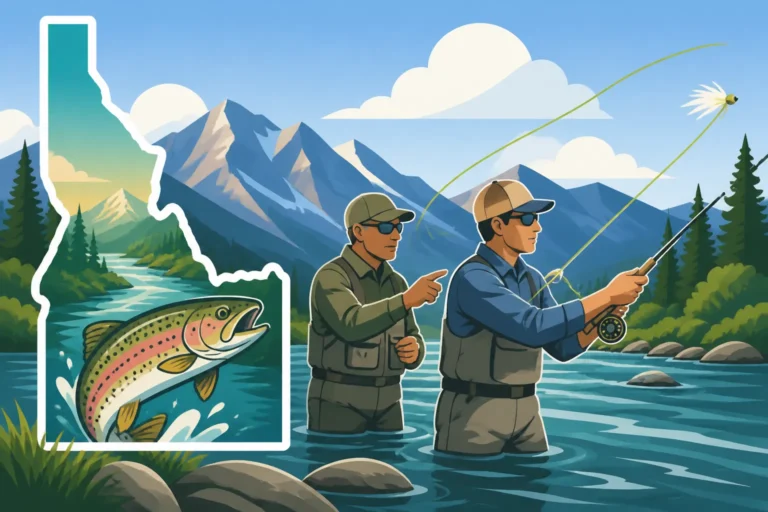
Beyond the equipment, guides are masters of the various techniques that prove effective on the Clearwater. Whether it's side-drifting bait, back-trolling plugs, float fishing jigs and beads, or even fly fishing, they have perfected these methods and can teach you the nuances. They'll show you how to read the water, how to cast effectively, how to mend your line, and most importantly, how to set the hook and fight a chrome-bright steelhead that's determined to get away. They adapt their approach based on current conditions and your skill level, ensuring you have the best chance to connect with a fish. This hands-on instruction can rapidly improve your own angling skills, giving you insights that will benefit your future fishing endeavors.
Safety and River Navigation Expertise
The Clearwater River, while beautiful, can be a powerful and potentially dangerous waterway, especially during certain flows or weather conditions. Operating a boat on a large, swift-moving river requires significant skill and experience. Guides are trained and licensed professionals who prioritize your safety above all else. They know the river's treacherous spots, its hidden rock gardens, and its shifting sandbars. They understand how to navigate challenging currents and adverse weather, ensuring your journey upstream and downstream is secure.
From knowing how to properly anchor in strong current to understanding emergency procedures, a guide's expertise provides immense peace of mind. This allows you, the angler, to fully relax and immerse yourself in the fishing experience, rather than constantly worrying about navigation or potential hazards. They also typically carry all required safety equipment, from life jackets to first-aid kits, ensuring you are well-prepared for any eventuality. Their experience translates into a smooth, worry-free trip where you can focus on the tug of a steelhead and the stunning Idaho scenery around you.
Types of Guided Steelhead Trips on the Clearwater
The Clearwater River offers a variety of guided steelhead experiences, each with its own flavor and advantages. Understanding these different options can help you choose the trip that best suits your style, preferences, and physical capabilities.
Jet Boat Adventures
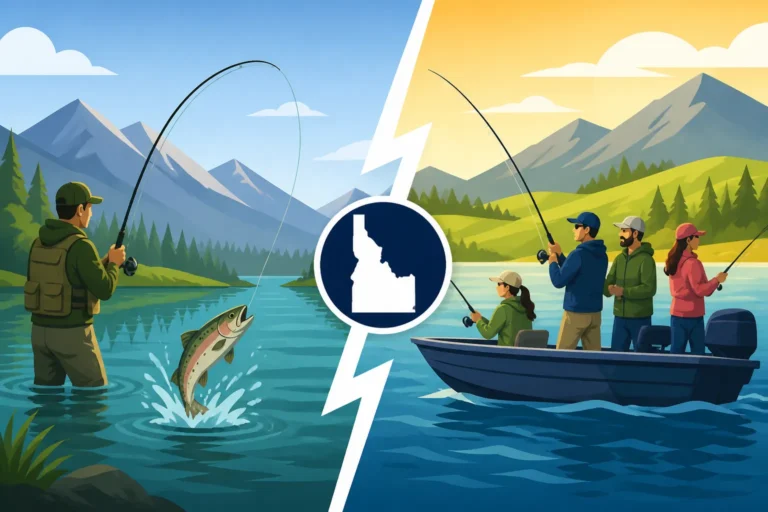
Jet boat trips are arguably the most popular way to fish for steelhead on the vast expanses of the Clearwater River. These powerful, custom-built boats are designed to navigate shallow water and strong currents, allowing guides to cover significant distances and access prime fishing locations quickly. This means you can get to remote, less pressured spots that might be inaccessible by other means, maximizing your time with a line in the water. Jet boats offer comfort and speed, making them ideal for covering long stretches of river, stopping at numerous "drifts" or "holes" throughout the day.
On a jet boat trip, anglers typically fish from anchor or by side-drifting. When anchored, the boat is positioned in a strategic spot, often at the head or tail of a run, allowing anglers to cast into productive water. Side-drifting involves slowly drifting downstream, allowing your bait or lure to cover a wide swathe of water. These boats usually have heated cabins, which is a huge plus during the chilly fall and winter steelhead seasons. If you're looking to cover a lot of water, fish multiple prime spots, and enjoy a comfortable, efficient experience, a jet boat trip is likely your best bet on the Clearwater. Many guides offer similar options to a Full-Day Steelhead Jet Boat Trip Cost on the Salmon River for the Clearwater, giving you a comprehensive experience.
Drift Boat Experiences
While jet boats dominate, drift boat trips offer a more intimate and traditional steelhead fishing experience, particularly on certain sections of the Clearwater or its tributaries where jet boat access might be limited or regulated. Drift boats are unpowered, relying on the current and the guide's rowing skills to navigate downstream. This slower, quieter approach allows anglers to truly immerse themselves in the river environment, appreciating the sounds of nature and the rhythmic flow of the water.
Fishing from a drift boat often involves casting to specific structures, swinging flies, or subtly presenting bait as you float through runs and riffles. It's a highly engaging style of fishing that requires more active participation from the angler, making it incredibly rewarding. While they don't cover as much ground as jet boats, drift boats excel at methodically working prime sections of water, often allowing for more focused fishing in specific areas. These trips are fantastic for those who appreciate the tranquility of a classic river float and a more hands-on angling experience. Drift Boat Guide Cost in Idaho can vary depending on the duration and specific guide service.
Combination Trips and Multi-Day Options
For anglers who want to maximize their Clearwater steelhead experience, many outfitters offer combination trips or multi-day packages. A combination trip might involve spending part of the day in a jet boat to reach a distant section of river, then switching to wade fishing or a smaller drift boat to access more secluded areas. This hybrid approach offers the best of both worlds: the efficiency and comfort of a jet boat, combined with the stealth and intimacy of other fishing methods. It's perfect for those who want to explore diverse water and techniques.
Multi-day trips, on the other hand, provide an immersive angling adventure. These can range from two or three days of intensive fishing, often including lodging and meals, to longer wilderness excursions depending on the outfitter. Imagine waking up river-side, enjoying a hearty breakfast, and then spending full days chasing steelhead, all without the worry of logistics. These packages are ideal for destination anglers, groups, or families looking for an extended getaway. Some outfits may even offer Multi-Day Idaho Fishing Trip Packages that cover several rivers or species, providing a truly epic Idaho fishing vacation. Always inquire about what's included in these packages – from Does a Fishing Guide Trip Include Your License? to meals and accommodations.
How to Choose the Right Clearwater Steelhead Guide
Selecting the right guide is crucial for a successful and enjoyable Clearwater River steelhead trip. With many options available, it's important to do your homework and find a professional who aligns with your expectations and fishing style.
Researching Reputable Outfitters
The first step in finding your ideal guide is thorough research. Start by looking for established outfitters and independent guides with a strong reputation. Online platforms like FishingBooker can be incredibly helpful here. They often list multiple guides operating on the Clearwater, complete with profiles, reviews from past clients, and details about their boats and services. You can filter by species, location, and even specific types of trips, which makes the initial search much easier. Don't underestimate the power of word-of-mouth recommendations either. Talk to fellow anglers, ask at local tackle shops in towns like Orofino or Lewiston, or check out online fishing forums for personal endorsements.
When you're looking at profiles or websites, pay attention to how long the guide has been operating on the Clearwater specifically. Experience on that particular river is key. Look for guides who specialize in steelhead, as their expertise will be much more focused. Read reviews carefully – not just the star rating, but the actual comments. Do people consistently mention patience, excellent instruction, good fish numbers, or a great personality? These details can tell you a lot about what your day on the water will be like. A reputable guide will also typically have clear contact information and a professional online presence.
Key Questions to Ask Before Booking
Once you've narrowed down your choices, don't hesitate to pick up the phone and have a conversation with potential guides. This is your chance to get a feel for their personality and ensure they're a good fit. Here are some critical questions to ask:
- What are your dates of availability for steelhead fishing? Steelhead seasons can be long, but prime times book up quickly.
- What section of the Clearwater River do you typically fish? The river is long, and different sections offer different experiences.
- What kind of boat do you use, and how many anglers does it accommodate comfortably? This is important for both safety and comfort.
- What fishing techniques do you primarily use for steelhead? Ensure their style matches your preference (e.g., How to Fish for Steelhead in the Clearwater River).
- What is your policy regarding bad weather or difficult river conditions? Understanding Idaho Fishing Guide Cancellation Policies upfront is vital.
- Do you provide all the necessary fishing gear, bait, and tackle, or should I bring my own? Most guides provide this, but it's good to confirm.
- What should I bring for the day (food, drinks, layers of clothing)?
- Are licenses and permits included, or do I need to purchase them beforehand? Remember, you'll need an Idaho Resident Annual Fishing License or Idaho Nonresident Annual Fishing License plus an Idaho Salmon and Steelhead Permit.
- What is your experience level on the Clearwater specifically for steelhead? Don't be shy; you're hiring an expert!
These questions will help you gather essential information and ensure there are no surprises on the day of your trip. A good guide will be happy to answer all your queries thoroughly and patiently. FishingBooker also allows you to send inquiries directly to guides.
Understanding Costs and What's Included
Understanding the financial aspect of a guided trip is just as important as knowing the fishing details. Guide trip costs can vary depending on several factors: the duration (half-day vs. full-day), the number of anglers, the type of boat, and the specific services included. While specific dollar amounts aren't appropriate to discuss, you should expect costs to cover the guide's expertise, fuel, boat maintenance, and usually, all the fishing gear, tackle, and bait.
When you're quoted a price, always clarify exactly What's Included in an Idaho Guided Fishing Trip. Does it cover snacks and drinks? Is it a private trip for your group, or will you be sharing the boat with other anglers? Some guides might offer a slight discount for larger groups or for booking multiple days. It's also critical to understand the common practice of tipping. While not mandatory, it's customary to tip your guide for a good day on the water, similar to other service industries. You can find more details on How Much to Tip a Fishing Guide in dedicated articles. Never assume gratuity is included unless explicitly stated, as it rarely is. Ensure you understand the payment schedule, including any required deposits and final payment dates, to avoid any confusion down the line.
Preparing for Your Clearwater Steelhead Adventure
Once you've booked your Clearwater River steelhead guide, the excitement truly builds! A little preparation on your part can go a long way in ensuring you have a comfortable, productive, and unforgettable day on the water.
Essential Personal Gear to Bring
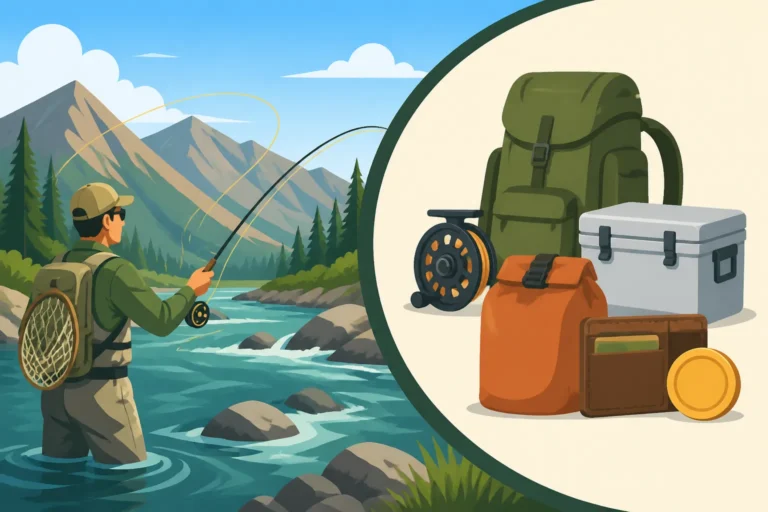
While your guide will handle the fishing equipment, you are responsible for your personal comfort and safety items. The weather in Idaho, especially during the steelhead seasons of fall, winter, and spring, can be highly unpredictable and change rapidly. Layering is absolutely critical. Think warm, moisture-wicking base layers, insulating mid-layers like fleece, and a waterproof/windproof outer shell. Even if the forecast looks mild, always be prepared for rain, snow, or sudden drops in temperature.
Don't forget warm, waterproof footwear (waders are often ideal if you plan to do any bank fishing or stepping out of the boat), a warm hat that covers your ears, and gloves that allow for dexterity. Sunglasses are a must, not just for sun protection but also to protect your eyes from stray hooks. Sunscreen and lip balm are important year-round. It’s also wise to bring a small waterproof bag for your phone, camera, and any other personal items. Pack plenty of water and snacks, or a full lunch, unless your guide specifies that they provide meals. A small backpack or dry bag helps keep everything organized and protected.
Licensing and Permit Requirements
This is a non-negotiable step: you must have the appropriate Idaho fishing license and steelhead permit before you step foot in the boat or cast a line. Your guide cannot provide these for you, and fishing without them will result in significant fines. For residents, you'll need your Idaho Resident Annual Fishing License, and non-residents will require an Idaho Nonresident Annual Fishing License. In addition to the general fishing license, all anglers targeting steelhead (and salmon) on Idaho rivers like the Clearwater need to purchase an Idaho Salmon and Steelhead Permit. This permit is crucial and covers your right to fish for these specific species and contributes to conservation efforts.
It's highly recommended to purchase your license and permit online through the Idaho Department of Fish and Game website well in advance of your trip. This ensures you have it printed or digitally accessible on your phone before you meet your guide. Don't wait until the last minute! You'll also need a physical catch record card for steelhead, which typically comes with the permit or can be picked up at an authorized vendor. Understand how to properly fill out your Idaho Steelhead Catch Record Card if you're keeping any hatchery fish. Your guide will provide guidance on this, but knowing the basics beforehand is helpful.
Tipping and Etiquette on a Guided Trip
Just like any service industry, tipping your fishing guide is a customary way to show appreciation for their hard work, expertise, and dedication to making your trip a success. A typical tip range is 15-20% of the total trip cost, assuming you received good service. However, this is always at your discretion and should reflect your satisfaction with the experience. If your guide went above and beyond, a more generous tip is always appreciated. It's best to bring cash for tipping, as guides often prefer it, and it saves them transaction fees.
Beyond tipping, practicing good etiquette on the boat will enhance everyone's experience. Listen attentively to your guide's instructions, especially regarding casting techniques, hook sets, and fish handling. They are there to help you catch fish and ensure safety. Be mindful of space on the boat, respect fellow anglers (if it's a group trip), and communicate openly about your needs or concerns. If you're struggling with a particular technique, don't be afraid to ask for more help or clarification. A positive attitude and willingness to learn will go a long way in creating a memorable day for everyone involved, including your hard-working guide. Remember, they are often on the water long before you arrive and long after you leave, preparing gear and cleaning up.
Steelhead Trip Options Comparison
| Feature / Trip Type | Jet Boat Adventure | Drift Boat Experience | Combination/Multi-Day Trip |
|---|---|---|---|
| Primary Advantage | Speed, covering vast water, comfort, access | Intimacy, quiet, traditional, hands-on | Versatility, extended fishing, immersive |
| Best For | Covering many spots, cold weather, larger groups | Stealth fishing, scenic floats, active casting | Exploring diverse water, destination anglers |
| Pace | Fast-paced, frequent moves | Slower, methodical, focused on specific runs | Varies, blend of fast & slow |
| Comfort | Heated cabins, seating | Open boat, less shelter | Depends on package, usually includes lodging |
| Typical Techniques | Side-drifting, back-trolling, anchored casting | Fly fishing, swing flies, subtle bait presentation | Mix of all, tailored to conditions |
| Physical Demand | Moderate (standing, reeling) | Moderate to High (casting, maneuvering) | Varies by activity |
| Time Commitment | Half-day to full-day | Half-day to full-day | Multiple full days |
| Access to Water | Extensive, including remote sections | More limited to accessible floats | Extensive, covers remote and accessible |
Disclaimer
This article is for general informational purposes only and does not constitute professional advice. Laws, prices and regulations vary by location and change over time. Consult a qualified professional for guidance on your specific situation.