Idaho Sturgeon Fishing Rules
There's nothing quite like the thought of tangling with a true freshwater giant, is there? The sheer excitement, the raw power, and the legendary status of Idaho's white sturgeon draw anglers from all walks of life. But trying to figure out all the specific rules and regulations surrounding these prehistoric fish can feel like navigating a maze, leaving you worried about accidentally doing something wrong. This comprehensive guide is here to untangle that confusion, providing clear, detailed explanations of Idaho's sturgeon fishing rules to ensure your pursuit of these magnificent creatures is both thrilling and fully compliant.
Why Idaho Sturgeon Rules Are So Strict and Important!
You might look at the sheer size of a sturgeon and think, "Wow, imagine the fillets!" But in Idaho, and across much of its range, sturgeon fishing is a uniquely regulated pursuit. These aren't your typical sport fish, and the rules reflect a deep commitment to their survival. It’s not about making things difficult for anglers; it's about safeguarding a truly ancient and vulnerable species for generations to come.
The Conservation Imperative
White sturgeon are, simply put, living dinosaurs. They've been around for millions of years, largely unchanged, and they represent a vital link to our planet's natural history. Unfortunately, their long history doesn't make them immune to modern pressures. They grow incredibly slowly, taking many years to reach maturity, and can live for well over a century. Imagine a fish that could have been swimming around before your great-grandparents were even born! This slow growth rate and late maturity mean that even a small amount of overfishing, or improper handling, can have devastating, long-lasting impacts on the population.
In the past, sturgeon populations faced severe declines due to commercial fishing and habitat degradation. Their valuable roe (caviar) and meat made them highly sought after. While those commercial pressures are largely gone in Idaho, the populations are still recovering in many areas. That’s why the Idaho Department of Fish and Game (IDFG) has implemented such stringent rules – to give these incredible fish the best chance not just to survive, but to truly thrive again. Every single rule, from what kind of hook you can use to how you handle the fish, is designed with this long-term conservation goal in mind.
Unique Biology and Vulnerability
Beyond their slow growth, sturgeon possess several unique biological traits that make them particularly vulnerable and necessitate careful regulations. Unlike many fish that spawn annually, white sturgeon don't reproduce every year. Mature females might only spawn every two to five years, and even then, their success depends heavily on specific environmental conditions like water flow and temperature. This means that a single lost spawning cycle due to habitat issues or stress from improper handling can have a magnified impact on future generations.
Their diet, consisting largely of bottom-dwelling organisms, makes them susceptible to environmental contaminants that settle in riverbeds. Their barbels, which are whisker-like sensory organs around their mouth, are crucial for detecting food in murky waters. Any injury to these can impair their ability to feed effectively. Physically, despite their imposing size, their cartilaginous skeletons and soft bellies make them surprisingly fragile if not handled correctly. Dropping a sturgeon, or allowing it to flop on hard surfaces, can cause internal damage that might not be immediately visible but can be fatal later. The extensive regulations are a direct response to understanding these delicate biological nuances, emphasizing gentle practices and strict catch-and-release protocols to minimize any potential harm.
The Catch-and-Release Mandate and Its Implications
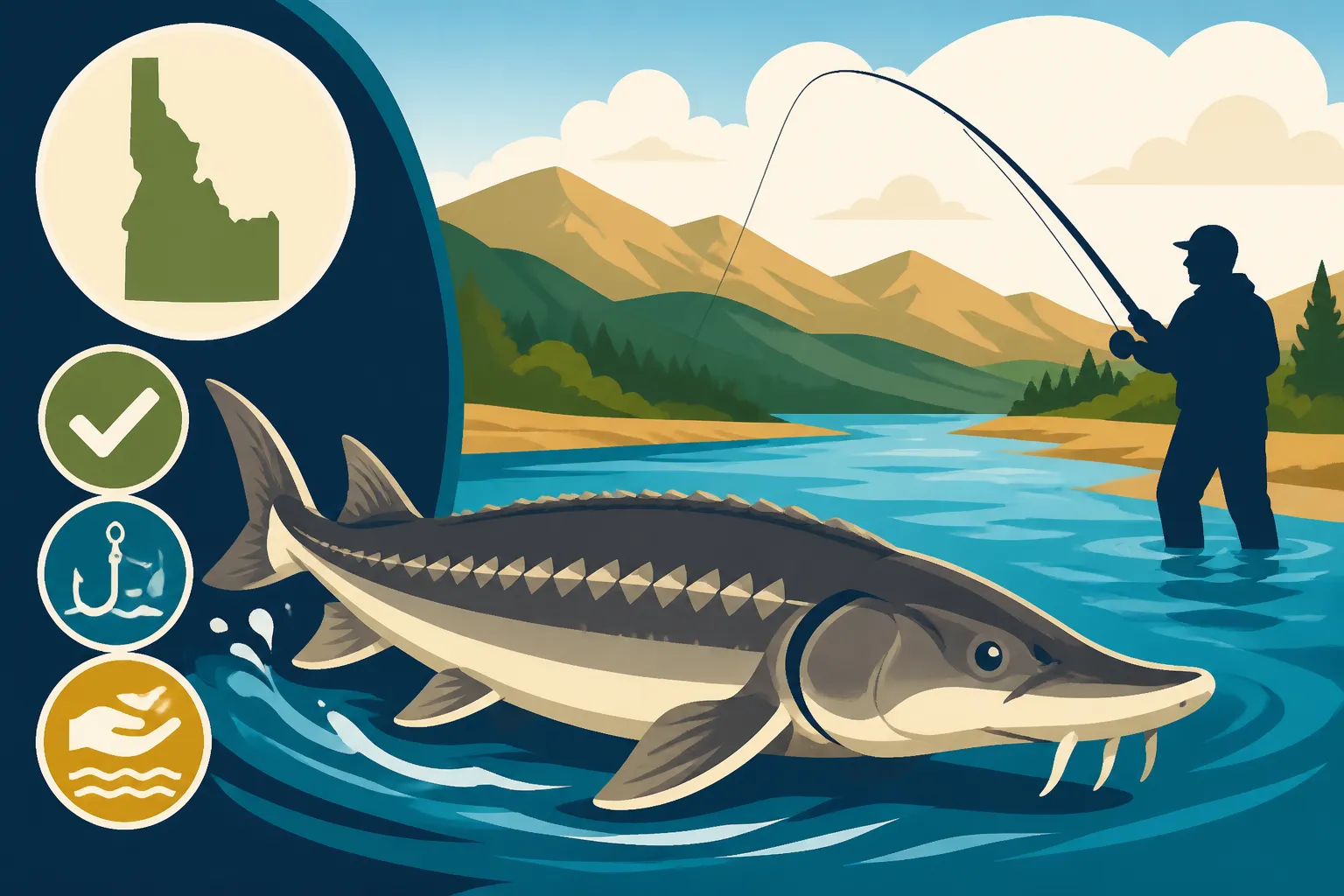
If you're dreaming of bringing home a sturgeon to show off on the dinner table, you'll need to adjust your expectations right away. For white sturgeon in Idaho, the rule is crystal clear: it's entirely a catch-and-release fishery. There are absolutely no exceptions to this, and understanding why and how to execute it properly is paramount.
Catch-and-Release Only: No Exceptions
This isn't a suggestion; it's the law. Every single white sturgeon caught in Idaho waters must be immediately released, unharmed, back into the water where it was caught. This rule is a cornerstone of sturgeon conservation efforts, acknowledging their endangered status and slow reproductive rates. Attempting to keep a sturgeon, even a small one, is a serious violation of Idaho Fishing Regulations Explained and can result in hefty fines, loss of fishing privileges, and potentially even equipment confiscation. The IDFG takes these majestic creatures' protection very seriously, and ignorance of the law is not an excuse.
This absolute mandate means your fishing focus shifts entirely. It's not about the harvest; it's about the experience, the thrill of the fight, the brief moment of connection with a truly wild, ancient fish, and then ensuring its safe return. It requires a different mindset than, say, trout or bass fishing, where retaining a legal catch is often part of the fun. For sturgeon, the ultimate success is seeing that powerful tail kick and watching it swim away strongly, ready to grow larger and potentially spawn again. This commitment to catch-and-release is why Snake River sturgeon fishing is Catch and Release Only, making every encounter a victory for conservation.
Proper Handling Techniques for Sturgeon
Given the strict catch-and-release rule, knowing how to properly handle a sturgeon is just as important as knowing how to catch one. Mishandling can cause severe, often fatal, internal injuries. The overarching principle is to keep the fish in the water as much as humanly possible. Here’s a detailed breakdown of how to ensure a safe release:
First, minimize the fight time. Use appropriately heavy tackle to bring the fish in relatively quickly without completely exhausting it. A prolonged fight can stress the sturgeon to the point where it can't recover. Second, once you've landed the fish, do not remove it from the water. This is a critical point and a specific rule in Idaho: the Idaho Rule Against Removing Sturgeon from the Water exists for a reason. Their internal organs are not supported out of water, and even a brief moment of being held vertically or dragged onto a bank can cause irreparable damage. If you need to take a photo, do so with the fish entirely in the water, ideally with one person holding the head and another supporting the tail, keeping its body submerged.
Third, use wet hands or gloves if you must touch the fish directly. Dry hands can remove the sturgeon's protective slime coat, leaving it vulnerable to infection. Fourth, never lift a sturgeon by the gills, eyes, or tail alone. Always support its entire body horizontally, especially its belly, to distribute its weight evenly. If using a net, make sure it's a large, rubberized, knotless net that supports the entire fish and doesn't scrape off its slime or damage its fins. You can find specialized, heavy-duty nets, sometimes even on platforms like Amazon, that are designed for safe handling of large fish. Once measurements or photos are complete, gently guide the sturgeon back into the current, holding it upright until it regains its strength and swims away on its own power. Sometimes, this "revival" process can take a few minutes, especially for larger fish.
Essential Gear and Tackle Regulations for Sturgeon
When you're targeting a fish that can grow to over ten feet long and weigh hundreds of pounds, your gear choices become paramount. Not just for your success, but for the safety and well-being of the fish. Idaho's regulations dictate some very specific tackle requirements, primarily aimed at minimizing harm and ensuring a quick, healthy release. Skimping on tackle here isn't just a bad idea for landing the fish; it's also a risk to the fish's life.
Barbless Hooks: Non-Negotiable
This is another non-negotiable rule in Idaho sturgeon fishing: you must use barbless hooks. No barbed hooks are allowed, whatsoever. This rule is in place for a very good reason, as highlighted in "Why Barbless Hooks Are Required for Idaho Sturgeon": they cause less damage to the fish and are significantly easier to remove, which speeds up the release process. When a sturgeon takes your bait, it's often a solid bite, and a barbless hook will still provide plenty of holding power, especially with good tension on the line.
If you only have barbed hooks, you can easily convert them to barbless using a pair of pliers. Simply crimp down the barb flat against the hook shank. Make sure it's completely flattened, not just bent, so it won't catch. Carry extra pre-barbless hooks or tools for this purpose in your tackle box. Using barbless hooks dramatically reduces the likelihood of deep hooking or tearing the sturgeon's mouth, making the release quicker and less stressful for the fish. It’s a small adjustment that makes a massive difference in conservation, and you can readily find a wide array of barbless hooks suitable for sturgeon, often available through online retailers like Amazon.
Rods, Reels, and Line Strength
Targeting sturgeon means bringing out the heavy artillery. You’re not fly fishing for trout here; you need robust gear designed for serious pulling power.
Rods: Look for heavy-action or extra-heavy action rods, typically 7 to 9 feet in length. These rods have the backbone to handle powerful runs and the shock absorption needed for heavy headshakes. A strong butt section is crucial for leveraging the fish, minimizing the fight time and reducing stress on the sturgeon. You want a rod that can effectively turn the fish, not just bend to its will.
Reels: Large, robust conventional (baitcasting) reels are preferred over spinning reels for sturgeon. These reels offer superior cranking power, stronger drag systems, and higher line capacities. Think models designed for saltwater big game or heavy catfish. Look for reels with smooth, reliable drag that won't seize up under pressure. A good reel will allow you to apply consistent pressure without breaking your line or fatiguing the fish unnecessarily.
Line: Spool up with heavy braided line, at least 80-100 pound test. Braid offers incredible strength-to-diameter ratio, no stretch (which helps with bite detection and hook sets), and abrasion resistance. However, because braid is highly visible and can be abrasive, it’s common practice to use a monofilament or fluorocarbon leader, often 80-150 pound test, connected with a strong knot like a uni-to-uni or Albright. This heavy leader provides an extra layer of abrasion resistance against the sturgeon's rough mouth plates and the river bottom, while the braid gives you the power. This robust setup is essential for managing "How Long It Takes to Land a Sturgeon in Idaho" efficiently and safely.
Legal Baits and Rigging
Choosing the right bait and rigging it effectively are key components of sturgeon fishing success, and, of course, these too are subject to regulations.
Permitted Baits: Sturgeon are primarily scavengers with a keen sense of smell. The most common and effective legal baits include cut bait from oily fish like shad, herring, or even smaller local species where permitted. Nightcrawlers, clams, and even certain types of shrimp can also be effective. Always check the current Idaho Fishing Regulation Brochure and Proclamation before your trip, as specific bait regulations can change or vary by water body. For instance, sometimes live bait might be prohibited to prevent the introduction of invasive species or diseases.
Prohibited Baits: Generally, using live fish as bait for sturgeon is prohibited in Idaho. This is a common regulation aimed at preventing the spread of disease and invasive species. Also, overly processed or "chumming" with large quantities of bait not attached to a hook might be regulated. When in doubt, err on the side of caution and stick to proven, legal cut baits.
Rigging Setups: A popular and effective rigging method for sturgeon is a sliding sinker rig, also known as a Carolina rig. This setup allows the sturgeon to pick up the bait and move off with it without immediately feeling the weight of the sinker, leading to a more natural presentation and better hookups. You’ll need a heavy pyramid or flat-bottomed sinker (often 6-12 ounces or more, depending on current), a sturdy barrel swivel, a heavy monofilament or fluorocarbon leader (2-3 feet long), and your mandatory barbless hook. Use strong, reliable components throughout your rig; a snap swivel breaking under the strain of a monster sturgeon is a heartbreaking experience.
Where to Find Sturgeon and Specific Water Rules
Idaho is blessed with some incredible sturgeon habitat, primarily within one of its most iconic waterways. But even within these prime areas, understanding where they congregate and if any specific rules apply to certain zones can make all the difference in your fishing success and compliance.
Prime Idaho Sturgeon Waters
When we talk about sturgeon fishing in Idaho, one river immediately comes to mind: the mighty Snake River. This river, particularly its lower stretches and sections within deep canyons, offers some of the best white sturgeon fishing opportunities in the state. The Snake River provides the deep pools, abundant forage, and specific flow conditions that these ancient fish require.
The famous Hells Canyon section of the Snake River, bordering Oregon, is renowned for its trophy sturgeon. The deep, slow-moving pools and rocky bottom structure of the canyon are ideal hiding and feeding grounds for these giants. Further upstream, areas like C.J. Strike Reservoir also hold strong populations and are more accessible for many anglers, especially those near Boise and Nampa. Other stretches of the Snake River, from the lower Clearwater confluence down through the Lewiston area, also offer excellent opportunities. When planning your trip, consider these prime locations, and for more detailed information, you can always check our guide on "Where to Fish for Sturgeon on the Snake River." Keep in mind that while sturgeon are present, finding them often requires patience and knowledge of their preferred deep, slow-current habitats.
Zone-Specific Regulations and Access
While many sturgeon regulations are statewide, it's incredibly important to remember that some specific sections of rivers or reservoirs might have unique rules. The IDFG constantly monitors fish populations and environmental conditions, and they can implement localized regulations to protect specific spawning grounds, sensitive habitats, or recovering populations. For example, a particular stretch of the Snake River might have a seasonal closure or specific bait restrictions not applicable elsewhere.
Always, and I mean always, consult the most current Idaho Fishing Regulation Brochure and Proclamation before heading out. This annual publication is your bible for all things fishing in Idaho, detailing any zone-specific rules, seasonal changes, or temporary closures that could impact your sturgeon adventure. You can usually find these brochures at IDFG offices, most sporting goods stores, or download them directly from the IDFG website. When it comes to access, the Snake River offers numerous public boat ramps and shore access points, especially in the more populated areas. However, some prime sturgeon fishing spots might be on private land or require navigating federal lands. Always be mindful of property boundaries, respect private landowners, and ensure you have legal access before casting a line. For remote sections like Hells Canyon, a boat is often necessary, and some areas are only accessible by jet boat or raft.
Licensing and Permits: Getting It Right
Navigating fishing licenses can sometimes feel like a puzzle, with different species and locations having varying requirements. However, when it comes to chasing Idaho's formidable white sturgeon, the licensing process is thankfully quite straightforward. Still, getting it wrong can turn an exciting day into a costly one, so let's clarify what you need before you even think about dropping a line.
Do You Need a License to Fish for Sturgeon in Idaho?
Absolutely, unequivocally, yes! To fish for white sturgeon, or any fish species in Idaho, you must possess a valid Idaho Fishing License. There is no special exemption for sturgeon. This fundamental requirement is detailed in our general guide, "Do You Need a License to Fish for Sturgeon in Idaho?", but the short answer is: don't even think about fishing without one. This license is crucial for funding conservation efforts, fish stocking programs, and the enforcement that protects species like the sturgeon.
Whether you're a resident or a nonresident, and whether you plan to fish for a day, a week, or a whole year, you'll need the appropriate license. Residents often have access to annual licenses that are more cost-effective for frequent anglers, while nonresidents typically opt for annual or short-term licenses. You can explore all the options in our comprehensive "Idaho Fishing License Cost Guide" to find the one that best suits your needs. Remember, purchasing a license is not just a bureaucratic step; it's a direct contribution to preserving Idaho's incredible fisheries, including its iconic sturgeon. Without these funds, the conservation efforts that keep sturgeon populations healthy would be severely hampered.
No Special Sturgeon Permit (But Watch for Changes!)
Here's some good news amidst the strict regulations: as of the current Idaho fishing regulations, you do not need a separate, additional permit specifically for sturgeon fishing beyond your standard Idaho Fishing License and the Access and Depredation Fee, which is typically included in your license purchase. This is different from species like steelhead and Chinook salmon, which often require specific permits or tags. So, once you have your base fishing license, you're usually good to go for sturgeon.
However, a crucial caveat to remember is that regulations can change. The Idaho Department of Fish and Game continuously monitors fish populations and adjusts rules as necessary to ensure sustainability. What's true this year might be different next year. Therefore, it is always, always, absolutely imperative to consult the most current Idaho Fishing Regulation Brochure and Proclamation every single time you plan a trip. This official document will outline any new permits, changes to existing rules, or temporary closures. For a general overview of all requirements, our "Idaho Fishing License Guide" can provide a helpful starting point, but always verify the very latest details directly from the IDFG.
Consequences of Non-Compliance and Responsible Angling
Understanding the rules is one thing; adhering to them is another, and it carries significant weight, especially when dealing with a protected species like the white sturgeon. Idaho's fish and game wardens are dedicated professionals, and they take violations, particularly those impacting vulnerable species, very seriously. Beyond legal repercussions, every angler has a role to play in the long-term health of our fisheries.
Penalties for Violations
Let's not sugarcoat it: violating sturgeon fishing rules in Idaho can lead to severe consequences. These aren't minor infractions; they are often treated as serious offenses due to the conservation status of these fish. If you're caught fishing without a valid license, using barbed hooks, or worst of all, attempting to remove a sturgeon from the water or keep one, you're looking at substantial penalties. These can include:
- Hefty Fines: Financial penalties can range from hundreds to thousands of dollars, depending on the severity and nature of the violation.
- License Suspension/Revocation: Your Idaho fishing privileges can be suspended for a period, or even permanently revoked. This means no fishing in Idaho for any species.
- Equipment Confiscation: Your fishing rods, reels, boat, and other gear used in the commission of the offense can be seized by law enforcement.
- Jail Time: In some egregious cases, particularly for repeat offenders or those involved in illegal commercial activity, jail time is a possibility.
The Idaho Department of Fish and Game is committed to protecting these fish, and their wardens are out on the water, patrolling. They know the rules inside and out, and they expect anglers to know them too. Ignorance of the law is never an acceptable defense. The state's stance is clear: protect these fish, or face the consequences. This is also why even common offenses like "What Happens If You Exceed Idaho's Bag Limit" (even though sturgeon are C&R) are met with firm responses.
Being a Steward of the Resource
Beyond simply avoiding penalties, responsible angling is about becoming a true steward of Idaho's natural resources. It means taking an active role in protecting what we love. If you witness someone violating sturgeon regulations – perhaps using barbed hooks, mistreating a fish, or trying to harvest one – it's your responsibility to report it. The IDFG provides tip lines (such as their Citizens Against Poaching hotline) where you can anonymously report violations. This isn't "snitching"; it's protecting a shared resource that belongs to everyone, and to future generations.
Furthermore, being a steward means respecting the environment beyond just the fish. Pack out all your trash, and then some. Leave the riverbank cleaner than you found it. Avoid disturbing wildlife or sensitive habitats. Participate in river clean-up efforts if you have the opportunity. Educate fellow anglers, especially newer ones, about the importance of proper sturgeon handling and the "Why Snake River Sturgeon Fishing Is Catch and Release Only" philosophy. Our actions today, collectively, determine the health of these magnificent populations tomorrow. By embracing responsible angling, we ensure that the thrill of catching a prehistoric giant remains a possibility for many years to come.
Idaho Sturgeon Fishing Rules at a Glance
To help consolidate the key points, here's a quick summary of the essential rules for sturgeon fishing in Idaho. Remember, this table is a summary, and you should always refer to the official IDFG regulations for complete and up-to-date information.
| Rule Category | Specific Requirement | Importance / Rationale |
|---|---|---|
| License | Valid Idaho Fishing License (Resident or Nonresident) | Mandatory for all fishing; funds conservation efforts. |
| Permits | No special sturgeon permit required (currently) | Standard fishing license covers sturgeon. Always check for updates. |
| Retention | Catch-and-Release Only | Critical for conservation due to vulnerable status, slow growth, and late maturity. |
| Fish Handling | DO NOT remove sturgeon from water | Prevents severe internal organ damage; fish must remain submerged during photos/release. |
| Hooks | Barbless hooks only | Minimizes injury to the fish's mouth, facilitates quick and safe release. |
| Tackle | Heavy-action rods, strong reels, heavy braided line | Minimizes fight time, reduces stress on the fish, prevents break-offs. |
| Bait | Cut bait (shad, herring, worms, clams) | Effective and legal options. Check specific water rules for any bait prohibitions (e.g., live fish). |
| Reporting | Report violations to IDFG CAP hotline | Essential for protecting vulnerable populations from illegal activity. |
Disclaimer
The information provided in this guide is intended for general informational purposes only and is subject to change. While we strive to offer accurate and up-to-date details, fishing regulations in Idaho can be modified by the Idaho Department of Fish and Game at any time. It is the angler's sole responsibility to consult the most current official Idaho Fishing Regulation Brochure and Proclamation before engaging in any fishing activities. Failure to do so may result in legal penalties.