Idaho Steelhead Fishing Guide
Idaho steelhead fishing is often seen as the pinnacle of anadromous angling, offering a thrilling chase for these powerful, ocean-going rainbow trout. However, for many, the world of steelhead can feel daunting, with complex regulations, specialized gear, and elusive fish that demand patience and skill. This comprehensive guide aims to unravel the mysteries of Idaho steelhead fishing, providing you with the knowledge and confidence to pursue these magnificent creatures across the Gem State's renowned rivers.
Understanding Idaho Steelhead: The Anadromous Rainbow
Before you even think about casting a line, it's crucial to understand exactly what a steelhead is and why they're so revered in the angling world. These aren't just any rainbow trout; they're a special, migratory form that embarks on an epic journey.
What Makes a Steelhead a Steelhead?
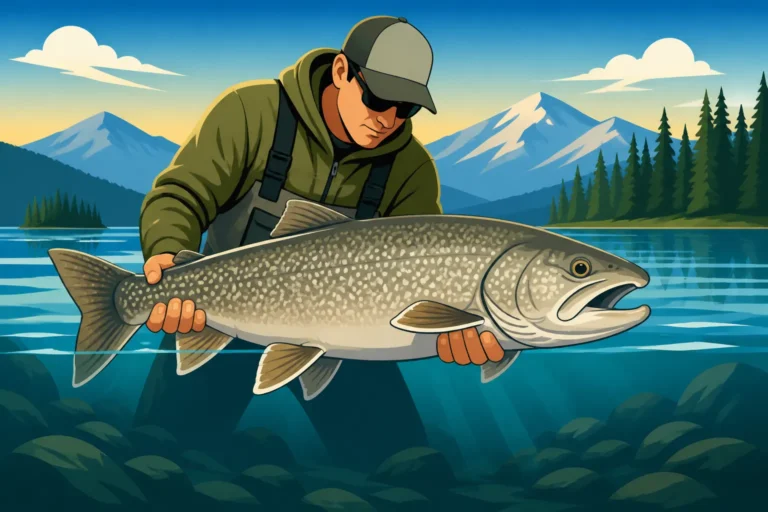
At its heart, a steelhead is a rainbow trout ( Oncorhynchus mykiss) that has migrated from freshwater rivers to the Pacific Ocean, spent one to several years growing large and powerful in saltwater, and then returned to its natal rivers to spawn. This incredible anadromous life cycle transforms them from the resident trout we typically see in lakes and streams into silvery, chrome-bright powerhouses often exceeding ten pounds. They take on a distinctly different appearance than their landlocked cousins, with sleek bodies, often less vibrant coloration until they've been in freshwater for a while, and a sheer tenacity that makes them an unparalleled sport fish. The term "steelhead" comes from their steely blue-grey backs and flanks, which are perfectly adapted for life in the open ocean. Unlike Pacific salmon, steelhead are iteroparous, meaning they can survive spawning and return to the ocean, only to come back and spawn again in subsequent years, though this is relatively rare.
This migratory pattern is what sets them apart and fuels their legendary status. They navigate thousands of miles, battling currents, predators, and man-made obstacles, all to return to the very gravel beds where they hatched. It's a testament to the wildness of Idaho's river systems that these fish can still complete such an incredible journey. Understanding this profound life cycle helps us appreciate the fish we're pursuing and the efforts required to conserve them. For more on distinguishing these incredible fish, check out our Idaho Steelhead Identification Guide.
Hatchery vs. Wild Steelhead: Why It Matters
In Idaho, you'll encounter both hatchery-reared and wild steelhead, and understanding the difference is not just interesting – it's absolutely critical for legal and ethical angling. Hatchery steelhead are propagated in fish hatcheries and released into rivers to supplement natural populations and provide fishing opportunities. To distinguish them, almost all hatchery steelhead released in Idaho have their adipose fin (the small, fleshy fin between the dorsal and caudal fins) clipped off. This is a tell-tale sign that allows anglers to immediately identify them.
Wild steelhead, on the other hand, retain their adipose fin. These fish are the product of natural spawning in the river system and represent the genetic backbone of the population. Idaho regulations are very strict about wild steelhead, largely because their populations have faced significant challenges due to habitat loss, damming, and other environmental factors. It is illegal to retain a wild steelhead in Idaho; they must be immediately released unharmed. This distinction is vital for conservation efforts, ensuring that the naturally reproducing segment of the population is protected. Always make sure you can confidently identify whether a steelhead is wild or hatchery before deciding whether to keep it. The penalties for keeping a wild steelhead are severe, and rightly so, as their survival is paramount for the future of the species. Our guide on Why Wild Steelhead Must Be Released in Idaho goes into further detail.
The Incredible Journey: Life Cycle of an Idaho Steelhead
The life cycle of an Idaho steelhead is nothing short of epic. It begins in the gravel beds of clear, cold Idaho rivers, often hundreds of miles from the ocean. Here, eggs hatch into alevin, then parr, and eventually smolts. These smolts, typically 4-8 inches long, undergo a physiological change called smoltification, preparing them for saltwater. They then embark on their perilous downstream migration, traversing rivers like the Salmon and Clearwater, navigating dams, and eventually reaching the Pacific Ocean.
In the ocean, they grow rapidly, feeding on smaller fish and crustaceans, transforming from their drab, camouflaged freshwater colors to a shiny, chrome-plated exterior. After one to five years at sea, these powerful adults, now significantly larger, feel the irresistible urge to return to their birthplace to spawn. They begin their arduous upstream migration, battling currents, waterfalls, and predators, often swimming for months to reach their spawning grounds. This journey requires immense energy reserves and incredible determination. Once they spawn, some steelhead, known as "kelts," may survive and attempt to migrate back to the ocean, but many succumb to exhaustion or predators. This cycle, repeated by each generation, highlights the fragility and resilience of these magnificent fish and underscores the importance of protecting their migratory corridors and spawning habitats. It's truly one of nature's great miracles, happening right here in Idaho.
Prime Idaho Waters for Steelhead Fishing
Idaho boasts some of the most iconic steelhead rivers in the Lower 48, each offering unique challenges and rewards for anglers. Knowing where to go is half the battle when targeting these migratory giants.
The Legendary Clearwater River
The Clearwater River, particularly its mainstem and North Fork, is arguably Idaho's most famous steelhead destination. Its reputation for large, hard-fighting B-run steelhead draws anglers from across the globe. These "B-run" fish are a specific genetic stock known for their impressive size, often exceeding 15 pounds, and their incredible fighting prowess. The Clearwater's relatively gentle gradient in its lower sections, coupled with accessible bank fishing opportunities and boat launches, makes it popular. From Lewiston upstream to Orofino and beyond, there are countless productive runs, pools, and riffles. Key areas include the confluence with the Snake River, the waters around Lenore, and the stretches near Dworshak Dam.
Fishing here demands versatility, as conditions can change rapidly. Jet boats are common for covering water and reaching prime spots, but bank anglers also find success, particularly during strong runs. Anglers here often employ techniques like bobber dogging, drift fishing with roe or plugs, and casting various lures. The sheer size of the fish and the volume of the run make the Clearwater an unforgettable experience, though it can get crowded, especially during peak seasons. Understanding the best times and techniques for this river is crucial, as detailed in our Fishing the Clearwater River for Steelhead guide.
The Mighty Salmon River
The Salmon River, often called "The River of No Return," is another legendary steelhead fishery, known for its wild, remote stretches and diverse fishing opportunities. Unlike the Clearwater, the Salmon offers a mix of A-run and B-run steelhead, though the B-runs tend to be the larger and more sought-after fish. The river stretches for hundreds of miles, from its mouth at the Snake River deep into the rugged Idaho backcountry. Accessible stretches can be found near towns like Riggins, White Bird, and Salmon, while more remote sections require jet boats or even multi-day float trips.
The Salmon River's diverse character means different techniques are effective depending on the section and time of year. Drift fishing with bait, plugs, or jigs is popular, as is fly fishing, especially in the upper reaches. The sheer length and wildness of the Salmon make it a challenging but incredibly rewarding river. It's a place where you can truly get away from it all and experience steelhead fishing in a spectacular wilderness setting. Be prepared for strong currents, diverse water conditions, and the need for robust gear to tackle these powerful fish. For detailed advice on this incredible river, consider our Fishing the Salmon River for Steelhead and Chinook article.
Other Productive Steelhead Fisheries (Snake, Grande Ronde)
While the Clearwater and Salmon rivers steal much of the spotlight, Idaho offers several other excellent steelhead fishing opportunities. The Snake River itself, particularly in the lower Hells Canyon section before its confluence with the Salmon and Clearwater, can be very productive. This mighty river offers big water challenges and, at times, holds substantial numbers of migrating steelhead. Jet boats are often the preferred method here, allowing anglers to cover vast stretches of water and navigate the powerful currents. The Snake River offers a unique blend of rugged canyons and broad, open stretches.
The Grande Ronde River, which flows into the Snake River from Oregon but has significant accessible sections within Idaho, is another fantastic option, particularly for those seeking a more intimate, fly-fishing-friendly experience. Known for its clear water and scenic canyon, the Grande Ronde attracts anglers with its strong runs of both A-run and B-run steelhead. Wade fishing and drift boat fishing are popular here, often utilizing various fly patterns or smaller lures and baits. Its smaller size compared to the Salmon or Clearwater allows for a more personal connection with the river. While fishing these "other" rivers, always be mindful of specific regulations, as they can sometimes vary even within different stretches of the same river system. Each of these rivers presents its own unique charm and challenge for the dedicated steelhead angler.
When to Target Idaho Steelhead: Seasons and Runs
Steelhead fishing in Idaho isn't a one-season affair. These fish make multiple migrations throughout the year, offering distinct opportunities from fall through spring. Understanding these run timings is crucial for planning a successful trip.
Fall Steelhead Season: The First Wave
The fall steelhead season is often considered the prime time for many anglers in Idaho. As early autumn hues begin to paint the riverbanks, the first significant waves of "A-run" steelhead, and often some early "B-run" fish, begin their arduous journey upstream from the Pacific Ocean. These fish are typically fresh, chrome-bright, and incredibly aggressive, having just entered freshwater and not yet begun to focus heavily on spawning. They are actively feeding or at least very reactive to presentations, making them a thrilling target.
The fall season generally kicks off in September and can run strong through November, sometimes even into early December, depending on water temperatures and river conditions. Rivers like the Clearwater and Salmon see strong pushes of fish during this period. Anglers often find success using a variety of techniques, from drift fishing roe or jigs to casting plugs and spinners. The cooler water temperatures of fall also mean more comfortable fishing for anglers. It's a fantastic time for both boat and bank anglers to intercept these powerful fish as they make their way upriver, and many consider it the most consistent period for action. For more on the specifics of these early runs, check out When Idaho's Steelhead Season Runs Through the Winter.
Winter Steelhead: A Challenging Pursuit
As fall gives way to winter, steelhead fishing transforms into a more challenging, yet incredibly rewarding, endeavor. The cold, often frigid, temperatures mean that steelhead metabolism slows down, and they become less aggressive and more lethargic. However, significant numbers of fish, especially the larger B-run steelhead, continue to migrate through the system and hold in deep pools and slower runs, conserving energy. This is often when the biggest fish are present in the rivers, making the colder conditions worth enduring for the dedicated angler.
Winter steelhead fishing typically spans from December through February and into March. Success during this period often requires patience, persistence, and a refined understanding of fish behavior in cold water. Slower, more subtle presentations are usually key. Drift fishing with delicate baits like roe or worms, jigging, or even slow-trolling plugs in deeper holes can be effective. Gear must be suitable for cold weather, including warm waders, layers of clothing, and often hand warmers. While the bite might be less frequent, the size of the fish and the quiet solitude of winter fishing make it a truly unique experience. It's not for the faint of heart, but those who brave the elements are often rewarded with a memorable catch.
Spring Steelhead: Last Chance Before Spawning
Spring marks the final phase of the steelhead season in Idaho, generally running from late February or March through early April, depending on specific river closures and regulations. By this time, most of the steelhead have reached or are nearing their spawning grounds. These fish have been in freshwater for many months, and their focus shifts entirely towards reproduction. While they may not be as chrome-bright as their fall counterparts, they are still incredibly strong and can offer intense fights.
Spring fishing often coincides with rising water temperatures and increased river flows due to snowmelt, which can both complicate and enhance fishing opportunities. As the water warms slightly, fish can become more active, but increased turbidity from runoff might make presentations harder. Anglers target steelhead staging in pre-spawning holding areas or those actively on their redds (spawning beds). It's a crucial time for ethical angling, ensuring fish on redds are not disturbed. Techniques might include drift fishing, sometimes with brighter presentations to cut through off-color water, or fly fishing as the water clears. This period offers a last chance to connect with these incredible fish before they complete their life cycle or, for the lucky few, head back to the ocean. Always check the current Idaho Fishing Season Dates and Limits for specific spring closures.
Essential Gear and Tackle for Idaho Steelhead
Tackling Idaho's powerful steelhead requires specialized gear designed to handle their size and fighting prowess. Skimping on tackle can lead to heartbreak, so investing in the right equipment is crucial.
Rods, Reels, and Lines for Steelhead
When it comes to steelhead, your rod, reel, and line are your primary connection to the fish, and they need to be robust.
Rods: For conventional gear fishing (drift, jigging, bobber fishing), a medium-heavy to heavy action spinning or casting rod, typically 8'6" to 10'6" in length, is ideal. The longer length helps with line control, casting distance, and absorbing the powerful runs of a steelhead. Graphite rods offer sensitivity, while composite rods might provide more durability. For back-trolling plugs from a boat, shorter, stiffer trolling rods around 7'6" to 9' are often preferred. If you're fly fishing, a 9-10 foot, 7-9 weight rod is standard. These rods provide the backbone to cast heavy sink tips and fight large fish. You can find a good selection of specialized steelhead rods on platforms like Amazon, offering various lengths and actions to suit different techniques and budgets.
Reels: For conventional setups, a high-quality spinning reel in the 3000-5000 size range or a sturdy baitcasting reel with a good drag system is essential. The drag is paramount, as a screaming steelhead will test its limits. Look for smooth, consistent drag performance. For fly fishing, a large arbor reel with a strong, smooth disc drag is necessary to quickly retrieve line and handle blistering runs. These reels don't typically cast the line but act as a line storage and drag system. Durability and corrosion resistance are also important, especially if fishing in wet, cold conditions.
Lines: Most conventional steelhead anglers use 15-20 lb monofilament or fluorocarbon main line, often paired with a lighter leader (10-15 lb) for stealth. Braided line (30-50 lb test) is also popular as a main line, offering incredible strength and sensitivity, but it requires a fluorocarbon leader for abrasion resistance and invisibility. For fly fishing, specialty steelhead lines are designed to turn over heavy flies and sink tips. This often includes Skagit or Scandi style lines for two-handed rods, or aggressive weight-forward lines for single-handed setups. The right line choice is critical for presentation and control in strong currents.
Baits, Lures, and Flies: What Works Best
Steelhead can be incredibly finicky, and what works one day might be ignored the next. A versatile tackle box is a must.
Baits: Natural baits are often highly effective. Cured salmon or steelhead roe, especially in small, dime-sized bags, is a classic choice. Worms, particularly nightcrawlers, can also entice a bite. Sand shrimp and prawns are also popular, either used alone or in combination with other offerings. The key with bait is often a natural drift and a subtle presentation. Remember to check regulations as bait is not always allowed in all waters.
Lures: There's a vast array of effective steelhead lures. Spinners like a Blue Fox Vibrax or Mepps Aglia are great for covering water and triggering aggressive strikes. Spoons such as Little Cleos or Koho spoons, often in bright colors like pink, orange, or chartreuse, can be deadly when swung through runs. Plugs, like a Mag Lip, Wiggle Wart, or Brad's Killerfish, are fantastic for back-trolling from a boat, diving to specific depths and creating an enticing action. Jigs, often tipped with a piece of bait or a scent, are versatile for drift fishing or under a bobber. Having a variety of sizes and colors on hand, especially in pink, orange, chartreuse, and natural tones, will increase your chances. Many anglers stock up on these essentials by browsing the wide selection on Amazon.
Flies: For fly anglers, the world of steelhead flies is rich and diverse. Egg patterns imitate natural roe. Nymphs, such as Stoneflies or Caddis larvae, are fished sub-surface. Streamers, like the Woolly Bugger, Sculpzilla, or Intruders, are designed to imitate baitfish or attract an aggressive reaction. Spey flies and traditional patterns also have their place, particularly in two-handed casting. Color choices often lean towards pink, orange, purple, black, and blue. Matching the hatch isn't usually the goal; rather, it's about presenting an attractive, visible, and suggestive offering that triggers a strike. For a deeper dive, read our Best Flies for Idaho Steelhead guide.
Waders, Apparel, and Safety Gear
Steelhead fishing often means being out in cold, wet, and sometimes challenging conditions, so proper apparel and safety gear are paramount for comfort and safety.
Waders: Breathable chest waders are essential. Look for high-quality, durable waders that fit well and offer good range of motion. Neoprene booties are typically built-in. Pair them with sturdy wading boots that provide excellent ankle support and grip on slippery river bottoms. Felt soles provide good traction on wet rocks, but rubber soles with studs might be better in certain conditions or for preventing the spread of invasive species. Many popular fishing brands offer excellent waders that can be found at outdoor retailers or online on Amazon.
Apparel: Layering is key. Start with moisture-wicking base layers, add insulating mid-layers (fleece or down), and top it off with a waterproof and windproof outer shell. A warm hat, gloves, and thick wool socks are non-negotiable in cold weather. Sunglasses are vital for eye protection and to spot fish or underwater structure. Always bring an extra set of dry clothes, especially socks, stored in a dry bag.
Safety Gear: Beyond warm clothing, carry a first-aid kit, a headlamp, and a multi-tool. A wading staff is invaluable for stability when wading in strong currents or on slick bottoms. If fishing from a boat, always wear a life jacket. It's also wise to carry a communication device like a fully charged cell phone (though service can be spotty in remote areas) or a satellite messenger. Knowing where you're going and informing someone of your plans is always a good practice. Idaho rivers can be powerful and unforgiving, so never take safety for granted.
Effective Techniques for Catching Idaho Steelhead
Steelhead are notorious for being challenging, but with the right techniques, you can significantly increase your chances of success. It's all about presentation, patience, and understanding where these fish hold.
Drift Fishing and Bobber Dogging
These are perhaps the most popular and effective conventional techniques for Idaho steelhead, especially in medium to large rivers.
Drift Fishing: This involves allowing your bait or lure to tumble naturally along the river bottom, mimicking dislodged food items. It typically uses a "slinky" or pencil lead weight attached via a three-way swivel or slider, with a leader (2-4 feet) tied to your hook. You cast slightly upstream and across, letting the current carry your offering down naturally. The key is to maintain a "dead drift," where your line is just taut enough to feel bites but not dragging the weight. Hits are often subtle, a slight tick or pause, requiring quick reflexes to set the hook. Drift fishing is versatile and can be done from both boat and bank, covering varied depths and current speeds. It’s effective with cured roe, jigs, or even small plugs.
Bobber Dogging: A variation of drift fishing, bobber dogging utilizes a specialized weighted float (the "dog") that allows your offering to drift close to the bottom while the bobber signals bites. The bobber itself is weighted to stand upright, and the entire rig is designed to move slowly downstream with the current, keeping your bait in the strike zone longer. This method is incredibly effective for covering long runs and deeper holes from a boat, especially when fish are holding tight to the bottom. It requires precise weight adjustments to ensure the bait is ticking the bottom without snagging excessively. The bobber provides a highly visible indicator of a bite, often dipping or submerging when a steelhead takes the bait. Both methods are designed to present bait or a lure as naturally as possible to steelhead that are often holding close to the riverbed.
Back-Trolling Plugs and Diving Lures
For boat anglers, back-trolling plugs is a highly productive method, particularly on larger rivers like the Clearwater and Salmon. This technique involves using the boat's engine in reverse, or simply anchoring at the top of a run and letting the current push the boat downstream very slowly, allowing plugs or diving lures to "work" in the current.
How it Works: Anglers deploy diving plugs (like Mag Lips, Wiggle Warts, or Hot Shots) a set distance behind the boat. The boat then slowly backs downriver, or holds against the current, allowing the plugs to dive to their maximum depth and wiggle enticingly. The plugs' inherent action, combined with their vibration and often vibrant colors, triggers strikes from steelhead holding in seams, pools, and current breaks. The speed of the back-troll is critical; too fast and the plugs may not dive correctly or fish won't have time to react; too slow and they might not have enough action. It's a fantastic way to cover productive water systematically, especially deep runs and holes where steelhead often stack up. Many plugs come in various sizes and dive depths, allowing anglers to match the offering to the specific water conditions. This active fishing style often results in aggressive, solid hookups.
Fly Fishing for Steelhead
Fly fishing for steelhead is a purist's pursuit, often considered the ultimate challenge, combining delicate presentation with the raw power of these fish. Idaho offers world-class fly-fishing opportunities for steelhead, particularly on the Clearwater and Salmon, but also on smaller, more intimate waters like the Grande Ronde.
Single-Handed vs. Two-Handed Rods: While single-handed fly rods (7-9 weight) can be effective, especially for nymphing or short casts, many dedicated steelhead fly anglers prefer two-handed rods, commonly known as Spey rods. These longer rods (11-14 feet) allow for effortless casting of heavy lines and flies over long distances, particularly in situations where backcasting room is limited. They excel at swinging flies through large runs, a highly effective technique.
Techniques:
- Swinging Flies: This classic method involves casting a fly (often a large wet fly or streamer) across and slightly downstream, then allowing the current to swing the fly in an arc across the river. The key is to keep the line tight and the fly moving naturally, enticing a steelhead to intercept it. Bites are often a sudden, aggressive tug.
- Nymphing: This involves drifting weighted nymphs or egg patterns under an indicator, similar to conventional bobber fishing. It's effective when fish are holding close to the bottom and less inclined to chase a swung fly.
- Dry Fly Fishing: While rare, in specific conditions, steelhead will take a dry fly, especially smaller, summer-run fish. This is the ultimate challenge and often occurs during warmer parts of the season.
Regardless of the specific technique, fly fishing for steelhead demands accuracy, patience, and a deep understanding of river currents and fish behavior. It’s a rewarding pursuit that connects the angler intimately with the river and its powerful inhabitants. For those just starting, considering a guided trip specifically for Fly Fishing Guides in Island Park or other key areas can be incredibly beneficial.
Bank Fishing Strategies
Don't have a boat? No problem! Many prime Idaho steelhead spots are accessible to bank anglers, though it requires different strategies and often more legwork. Bank fishing can be highly effective, offering solitude and a direct connection to the riverbank.
Scouting and Access: The first step is often scouting. Look for public access points, parks, and trails along the rivers. Features like distinct current seams, slower inside bends, bedrock shelves, and deep tailouts of pools are prime holding water for steelhead. Walk the bank and observe the water before casting. Areas below major rapids or confluences can also concentrate fish. Websites and local tackle shops are great resources for current bank access information.
Techniques for Bank Anglers:
- Drift Fishing: As mentioned, this is very effective from the bank. Use enough weight to get your bait to the bottom, but not so much that it constantly snags. Focus on getting a long, natural drift through likely holding water.
- Casting Spinners/Spoons: Actively casting and retrieving spinners or spoons allows you to cover a lot of water quickly. Fan-cast across runs, letting the lure sink to different depths before retrieving. The flash and vibration can trigger reaction strikes.
- Jigging under a Float: A popular and highly effective method, especially in slower runs or deeper pockets. Use a weighted jig (often pink, orange, or black) suspended under a large, visible float. Cast upstream and let the float drift down through the strike zone. The jig's subtle action as it hangs in the current can be irresistible. This technique allows for precise depth control and easy strike detection.
Bank fishing often requires more mobility and a willingness to explore, but the rewards are well worth the effort. Always respect private property and leave no trace behind.
Navigating Regulations and Permits for Idaho Steelhead
Idaho's steelhead fishing regulations can be complex, and it's absolutely crucial to understand them before you cast a line. Ignoring or misunderstanding these rules can lead to fines, loss of fishing privileges, and harm to the resource.
Licensing Requirements and Steelhead Permits
To fish for steelhead in Idaho, you'll need more than just a basic fishing license.
Idaho Fishing License: First and foremost, every angler 14 years of age and older needs a valid Idaho fishing license. This can be an annual license or a short-term license (e.g., one-day, three-day) depending on your residency and how long you plan to fish. Residents and nonresidents have different license requirements and costs. You can purchase these online, at Idaho Fish and Game offices, or from many sporting goods stores. Our How to Buy an Idaho Fishing License guide covers all the details.
Idaho Salmon and Steelhead Permit: In addition to your general fishing license, anyone fishing for steelhead (or salmon) in Idaho must purchase a separate Salmon and Steelhead Permit. This permit is an additional fee and is absolutely mandatory. This permit helps fund the management, conservation, and hatchery programs that support these anadromous fisheries. Without both a valid fishing license AND the Salmon and Steelhead Permit, you are fishing illegally for these species. Make sure to purchase this permit before you even head to the river. For the exact cost and specifics, refer to our Idaho Salmon and Steelhead Permit article.
Access and Depredation Fee: While not directly a "steelhead permit," some anglers may also need to consider the Idaho Access and Depredation Fee, depending on their activities. This fee helps fund land access and address wildlife depredation issues. While not universally required for all fishing, it's worth being aware of, especially if you plan to combine fishing with other outdoor activities. Always carry your license and permits with you while fishing, either as a physical copy or an official digital version on your phone.
Catch Limits, Bag Limits, and Special Rules
Idaho's regulations for steelhead are dynamic and specific, designed to manage harvest sustainably while protecting wild populations. They are often subject to change, so always consult the latest Idaho Fishing Seasons and Rules brochure.
Daily and Possession Limits: There are strict daily bag limits (the number of fish you can keep in a 24-hour period) and possession limits (the total number of fish you can have in your possession, including those at home). These limits typically differentiate between hatchery steelhead (which have a clipped adipose fin) and wild steelhead (which must be released). For instance, a common daily bag limit for hatchery steelhead might be 1-3 fish, with a possession limit often double the daily limit. However, these numbers vary by river, river section, and time of year.
Wild Steelhead Release: A critical rule throughout Idaho is the mandatory catch-and-release of all wild steelhead. If a steelhead has an intact adipose fin, it must be released immediately and unharmed. This is a non-negotiable rule designed to protect the genetic diversity and long-term viability of the naturally spawning population. Understanding Idaho Catch Limits and Bag Limits Explained is paramount.
Gear Restrictions and Other Rules: Beyond limits, there are often specific gear restrictions. For example, some waters may have barbless hook requirements, or restrictions on the type of bait or lures that can be used. There might also be rules about the number of rods an angler can use or specific fishing hours. It's not uncommon for sections of rivers to have different rules from others, so paying close attention to signs and the rulebook for your specific fishing location is essential. Always double-check the current Idaho Fishing Regulations Explained before heading out.
Reading Your Catch Record Card
If you plan to keep any hatchery steelhead, you are legally required to possess and correctly fill out an Idaho Salmon and Steelhead Catch Record Card. This card is usually issued with your Salmon and Steelhead Permit.
Why It's Important: The catch record card is a vital tool for Idaho Fish and Game. It helps them collect crucial data on angler effort and harvest. This information is used to assess the health of steelhead runs, make management decisions, and set future seasons and limits. Your accurate reporting directly contributes to the conservation and sustainable management of these fisheries.
How to Fill It Out: Each time you keep a hatchery steelhead, you must immediately (before leaving the river bank or moving your boat) record the date, location (river section), and whether it was an "A-run" or "B-run" fish (often determined by length, as outlined in the rulebook). You also need to punch out or cross out a corresponding notch on your card. Failing to immediately record your catch, or incorrectly filling out the card, can result in penalties. It's a small but significant responsibility that every steelhead angler must undertake seriously. Losing your card means you cannot legally retain any more steelhead until you obtain a replacement, and even then, there are rules about how many replacements you can get. For a detailed walkthrough, see Idaho Catch Record Card Requirements.
Ethical Angling and Conservation of Idaho Steelhead
Steelhead fishing is more than just catching fish; it's about being a responsible steward of the resource. Ethical angling practices and a commitment to conservation are vital for the future of Idaho's steelhead.
Practicing Catch and Release for Wild Steelhead
As highlighted earlier, releasing wild steelhead is a legal mandate in Idaho, but it's also a fundamental ethical principle. Protecting these naturally spawning fish is critical for maintaining genetic diversity and ensuring the long-term health of the runs.
Best Practices for Release:
- Minimize Fight Time: Use appropriate tackle to land the fish quickly, reducing stress.
- Keep Fish in Water: Avoid removing wild steelhead from the water whenever possible. The air can damage their gills, eyes, and internal organs. If a photo is desired, hold the fish gently in the water, supporting its belly.
- Handle with Care: Use wet hands or gloves to minimize the removal of the protective slime coat. Avoid squeezing or putting fingers in the gills.
- Barbless Hooks: Using barbless hooks (or crimping down barbs on barbed hooks) makes hook removal much easier and less damaging, significantly increasing survival rates.
- Revive Gently: If a fish is exhausted, hold it gently facing upstream in a mild current until it regains its strength and can swim away on its own. Do not move it back and forth; this pushes water the wrong way through its gills.
- Cut Line if Deeply Hooked: If a fish is deeply hooked and removal would cause severe injury, it's often better to simply cut the line as close to the hook as possible. The hook will eventually rust out.
These practices not only ensure compliance with regulations but also reflect a deep respect for the fish and the environment. Every wild steelhead safely released is a victory for conservation.
Minimizing Impact and Promoting Sustainability
Beyond individual fish handling, responsible anglers strive to minimize their overall impact on the steelhead environment.
Leave No Trace: Pack out everything you pack in, including discarded fishing line, bait containers, and any other trash. Do not leave behind broken gear or litter. Respect the natural beauty of Idaho's rivers.
Respect Other Anglers and Wildlife: Give other anglers ample space. Idaho rivers can be popular, and crowding can diminish the experience for everyone. Be mindful of wildlife, particularly during spawning seasons, and avoid disturbing animals or their habitats.
Clean, Drain, Dry: To prevent the spread of invasive species, always clean, drain, and dry your boats, waders, and gear between fishing different bodies of water. Invasive species can devastate native fish populations and ecosystems. This small effort makes a huge difference.
Report Violations: If you witness poaching, pollution, or other illegal activities, report them to Idaho Fish and Game. Being an active participant in conservation includes reporting those who threaten the resource.
Educate Others: Share your knowledge of ethical angling and conservation with fellow anglers, especially newcomers. Promoting a culture of responsibility is key to long-term sustainability. The health of Idaho's steelhead runs depends on the collective actions of all who appreciate them.
The Future of Idaho's Steelhead Fisheries
The future of Idaho's steelhead fisheries faces ongoing challenges, but also holds promise through dedicated conservation efforts. Factors like dam operations, climate change, habitat degradation, and invasive species all impact steelhead populations. However, ongoing efforts by Idaho Fish and Game, tribal nations, conservation groups, and passionate anglers are making a difference.
Habitat Restoration: Projects to restore spawning and rearing habitat, remove fish passage barriers, and improve water quality are crucial. These efforts ensure steelhead have healthy places to complete their life cycle.
Dam Management: Negotiations and scientific studies continue regarding dam operations on the Columbia and Snake River systems, which represent significant hurdles for migrating steelhead. Balancing hydropower needs with fish passage is a complex but vital issue.
Hatchery Programs: While wild fish are paramount, hatchery programs play an important role in supplementing populations and providing fishing opportunities, thereby reducing pressure on wild stocks. Careful management ensures these programs support, rather than hinder, wild fish recovery.
Angler Support: Angler license and permit fees directly fund many of these conservation and management initiatives. By purchasing licenses and permits, and adhering to regulations, anglers are direct contributors to the future of Idaho steelhead. Active participation in public meetings and supporting conservation organizations also helps amplify the voice for steelhead.
The iconic Idaho steelhead is a symbol of wildness and resilience. By understanding their biology, respecting regulations, practicing ethical angling, and supporting conservation, we can all play a part in ensuring that future generations continue to experience the thrill of pursuing these incredible fish in the Gem State's rivers.
Comparison of Idaho Steelhead Fishing Techniques
To help you decide which technique might be best for your next Idaho steelhead adventure, here's a quick comparison of popular methods:
| Technique | Best for Conditions | Typical Gear | Pros | Cons | Skill Level |
|---|---|---|---|---|---|
| Drift Fishing | Varied depths, moderate to fast currents | Spinning/casting rod (8-10 ft), monofilament/braid | Natural presentation, versatile, effective from bank/boat | Requires constant attention, easy to snag, subtle bites | Intermediate |
| Bobber Dogging | Deeper runs, slower to moderate currents (boat preferred) | Spinning/casting rod (9-10 ft), weighted float, braid | Excellent depth control, covers water effectively, visible strikes | Boat-dependent for optimal use, can be complex to rig | Intermediate |
| Back-Trolling Plugs | Deeper runs, moderate to strong currents (boat exclusive) | Trolling rod (7-9 ft), baitcaster, heavy braid | Covers large areas, aggressive strikes, good for big fish | Boat-dependent, requires specific boat handling skills, plugs can be costly | Intermediate |
| Fly Fishing (Swinging) | Moderate to fast currents, open casting areas | Spey/single-hand rod (7-9 wt), sink-tip line, fly | Highly engaging, covers water, elegant presentation | Requires advanced casting skills, less versatile with depth, often fewer bites | Advanced |
| Fly Fishing (Nymphing) | Slower to moderate currents, deeper pockets, indicator use | Single-hand rod (7-9 wt), floating line, indicator | Precise depth control, effective when fish are sluggish | Requires keen strike detection, can be finicky to rig | Intermediate |
| Bank Casting Lures | Accessible banks, varied currents, covering water quickly | Spinning rod (7-9 ft), monofilament/braid, spinners/spoons | Active, covers ground, good for scouting, accessible to all | Limited reach, can be snag-prone, requires mobility along bank | Beginner |
This table provides a general overview, but remember that the "best" technique often depends on the specific river, water levels, fish behavior, and your personal preferences. Many experienced anglers will switch between techniques throughout the day to adapt to changing conditions and find what the steelhead are responding to.
Disclaimer
This article is for general informational purposes only and does not constitute professional advice. Laws, prices and regulations vary by location and change over time. Consult a qualified professional for guidance on your specific situation.