Combining a Guided Fishing Trip with Whitewater Rafting in Idaho
Sometimes, you’re looking for more than just a quiet day on the water with a fishing rod in hand. You want an adventure that truly immerses you in the wild heart of Idaho, feeling the thrill of the rapids just as much as the tug of a fish on your line. Combining a guided fishing trip with a whitewater rafting excursion isn't just a fantasy; it's an incredible way to experience the Gem State's spectacular rivers, and this guide will walk you through everything you need to know to make that dream a reality.
The Allure of a Combo Adventure: Why Mix Rafting and Fishing?
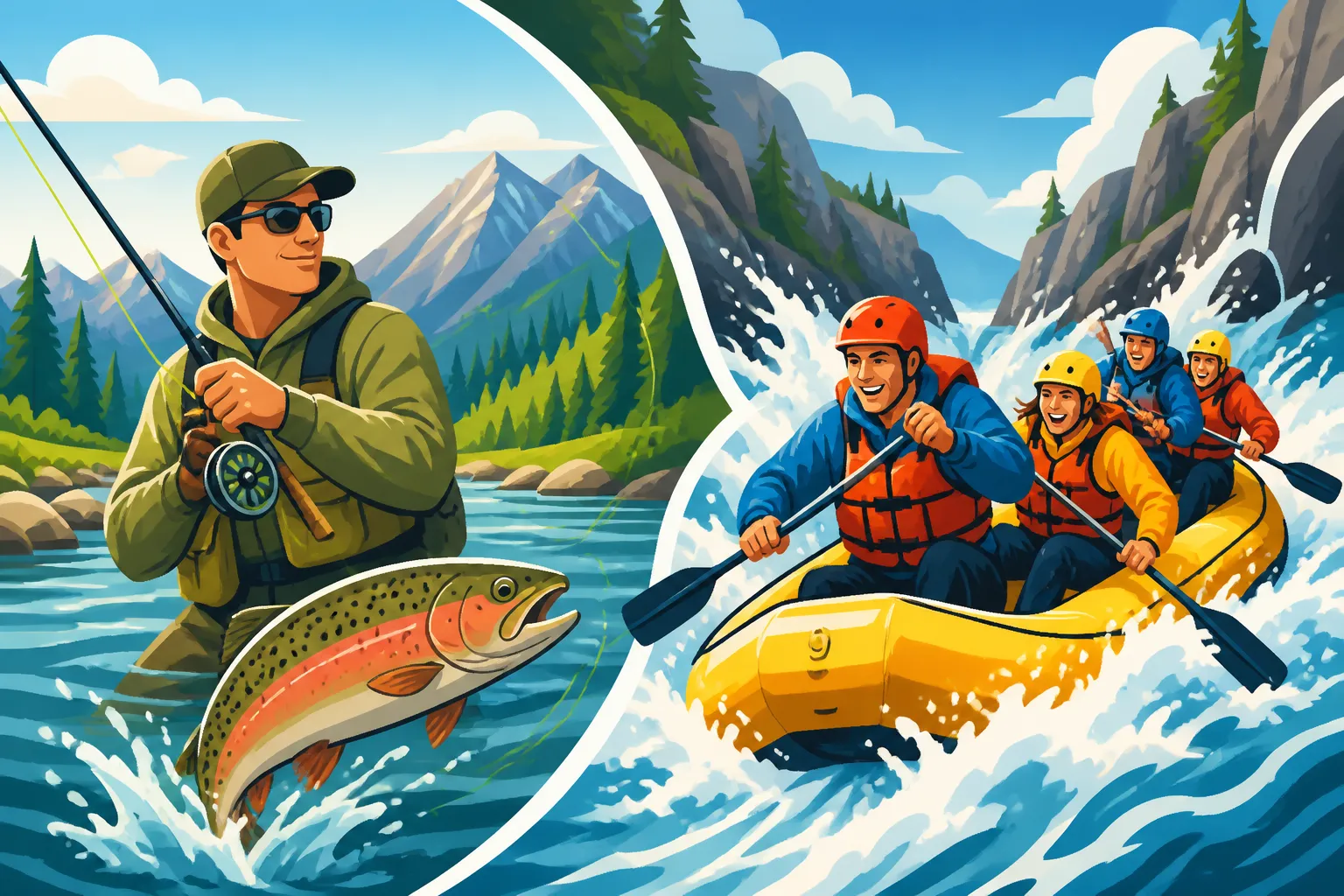
Idaho is renowned for its world-class whitewater and legendary fisheries. For many anglers and outdoor enthusiasts, the idea of choosing between these two incredible activities can feel like an impossible decision. But what if you didn't have to choose? A guided trip that seamlessly blends the adrenaline of whitewater rafting with the peaceful pursuit of fishing offers a truly unique and unforgettable experience. It's about maximizing your time in some of the most breathtaking wilderness areas, seeing the rivers from a different perspective, and adding layers of excitement to your outdoor escape.
Imagine starting your morning navigating exhilarating rapids, feeling the spray on your face, and then drifting into a tranquil pool just downstream, casting your line into prime fishing habitat. This synergy provides a dynamic adventure that appeals to thrill-seekers and nature lovers alike. It's perfect for families or groups with varied interests, ensuring everyone finds something to love. You get to witness Idaho's stunning landscapes unfold from river level, access remote fishing spots that are otherwise unreachable, and create memories that go far beyond a typical day trip. It truly is a full sensory immersion into Idaho's wild riverscape.
Planning Your Dual Adventure: Key Considerations
Embarking on a combined fishing and rafting trip in Idaho requires a bit more thought than just booking a single activity. You’re looking for a specialized experience, and reputable outfitters are the key to a successful journey. Here's what you need to consider before you pack your bags.
Choosing the Right Outfitter and Trip Style
The first and most crucial step is finding an outfitter experienced in both fishing and whitewater guiding. Not all rafting companies offer serious fishing opportunities, and not all fishing guides are equipped for major whitewater. Look for outfitters that specialize in "fish and float" or "multi-sport" trips. These guides understand the nuances of river dynamics for both activities, know where the fish hold, and how to safely navigate rapids.
When researching, consider the trip style:
- Multi-day wilderness trips: These are the quintessential Idaho combo trips, often lasting anywhere from three to seven days. They take you deep into designated wilderness areas like the Frank Church-River of No Return, offering unparalleled solitude, incredible scenery, and often, exceptional fishing. You'll camp on remote sandy beaches, with guides handling all the logistics, from cooking delicious meals to setting up tents. This is where you truly disconnect.
- Single-day float trips with fishing: While less immersive, many outfitters offer day trips that combine a section of rapids with significant stretches of prime fishing water. These are great for those with limited time or who prefer to return to a lodge or town each evening.
- Hybrid trips: Some trips might involve shorter stretches of rafting combined with longer periods of drift-boat fishing on mellower sections.
Platforms like FishingBooker can be incredibly helpful for finding guides who specialize in these unique combo trips. You can filter by activity, read reviews, and get a good sense of what different outfitters offer. Many of these guides will have detailed itineraries for their multi-day excursions.
Seasonality and River Conditions
Timing is everything, especially when you're balancing two distinct river activities.
- Spring (May-early June): This is often prime whitewater season due to snowmelt, meaning bigger, more exhilarating rapids. However, high water can make fishing more challenging as fish might be harder to locate in swift, sometimes turbid water. It's often still productive for steelhead or early season trout, but conditions can vary wildly.
- Summer (late June-August): As river levels drop, whitewater can become less intense but still fun, and fishing often hits its stride. Trout fishing is usually excellent, and species like smallmouth bass can be very active. This is a very popular time for combo trips, offering warm weather for swimming and relaxing.
- Fall (September-October): Lower water levels mean less intense whitewater but often clearer water and excellent fishing, especially for trout, and sometimes even the beginning of the fall steelhead run on certain rivers. The cooler temperatures and vibrant fall foliage make for a truly spectacular backdrop.
Always discuss the expected river conditions and fishing opportunities with your chosen outfitter. They are the experts on what to expect during any given timeframe. For a deeper dive into the fishing schedule, check out Idaho Fishing Season Dates and Limits.
Physical Demands and Experience Levels
While a guided trip makes things much easier, it's good to understand the physical demands.
- Rafting: Even on a guided trip, you'll be actively paddling through rapids, holding on, and potentially getting splashed or even taking a swim if things get exciting! Outfitters typically categorize their trips by class of rapids (Class I-V). Most multi-day trips on the Salmon or Snake Rivers, for example, involve Class II-III rapids, which are exciting but generally suitable for most healthy individuals. If you're looking for an extreme whitewater experience, ensure your outfitter offers trips on more challenging sections or rivers.
- Fishing: This can involve standing for long periods, casting repeatedly, and even hiking short distances to access prime spots. For fly fishing, a certain level of casting proficiency is helpful, though guides can offer instruction.
Don't be shy about discussing your fitness level and any concerns with the outfitter. They can help you select a trip that matches your comfort and ability. Many family-friendly options exist, and experienced guides are adept at accommodating varying skill sets. You can learn more about general requirements in What to Expect on a Guided Idaho Fishing Trip.
Top Idaho Rivers for a Combined Rafting and Fishing Expedition
Idaho is blessed with several iconic rivers that offer unparalleled opportunities for a combined whitewater rafting and fishing adventure. Each river presents its own unique character, scenery, and angling targets.
The Salmon River: "River of No Return" Adventures
The Salmon River, often called the "River of No Return," is arguably Idaho's most famous wilderness river and a prime destination for multi-day combo trips. Flowing through vast wilderness, it offers a perfect blend of exciting rapids and incredibly productive fishing for steelhead and Chinook salmon (when in season), as well as various trout species.
- Rafting Experience: The Main Salmon River boasts long stretches of Class II-III rapids, with a few Class IV sections, particularly during higher flows. It's an ideal balance of thrilling whitewater and peaceful floating, allowing ample time for casting. The scenery is absolutely epic, with towering canyon walls, sandy beaches, and abundant wildlife sightings.
- Fishing Opportunities: The Salmon is legendary for its anadromous fish runs. Anglers target migrating steelhead in both fall and spring, and Chinook salmon during their summer season (check regulations carefully, as seasons and limits can vary greatly). Beyond these, rainbow trout, cutthroat trout, and smallmouth bass are often found in various sections. Guides know the best holes, riffles, and seams to target. For detailed information on specific species, consult Fishing the Salmon River for Steelhead and Chinook.
- Logistics: Most Main Salmon trips range from four to six days, starting near Corn Creek and ending at Vinegar Creek or Riggins. The logistics are typically handled completely by the outfitter, including shuttle services, gear, and meals.
The Snake River: Canyon Fishing and Thrills
The Snake River, especially sections through Hells Canyon (North America's deepest canyon), offers another fantastic combo experience. While some sections are more intense for rafting, others are perfect for combining a float with fishing for resident species.
- Rafting Experience: Hells Canyon on the Snake River is known for its formidable Class II-IV rapids, especially the "Wild and Scenic" section. These trips are thrilling and offer incredible canyon views. Further upstream, sections like the South Fork of the Snake offer mellower floats, ideal for focused fishing.
- Fishing Opportunities: The Snake River is famous for its massive white sturgeon, which are strictly catch-and-release and require specialized gear and techniques. It's also a fantastic smallmouth bass fishery, with abundant numbers and aggressive bites, especially in warmer months. Rainbow trout and various panfish are also present. Guides on the Snake know how to anchor in prime sturgeon holes or drift through bass-holding structure. For those interested in big fish, Fishing the Snake River for Smallmouth Bass and Sturgeon is a great resource.
- Logistics: Hells Canyon trips can range from one to five days. Permits for the Hells Canyon section are highly sought after, so booking well in advance with an experienced outfitter is essential. On sections like the South Fork, day trips are very popular.
Middle Fork of the Salmon River: Premier Wilderness Fly Fishing
For those who prioritize an unrivaled wilderness experience with spectacular fly fishing, the Middle Fork of the Salmon River is the holy grail. It's a true wilderness river, with no roads for its entire length.
- Rafting Experience: The Middle Fork offers 100 miles of continuous Class II-IV rapids, including famous stretches like Velvet Falls and Sulfur Slide. The rapids are technical and exhilarating, providing a constant sense of adventure. It's truly an untouched gem.
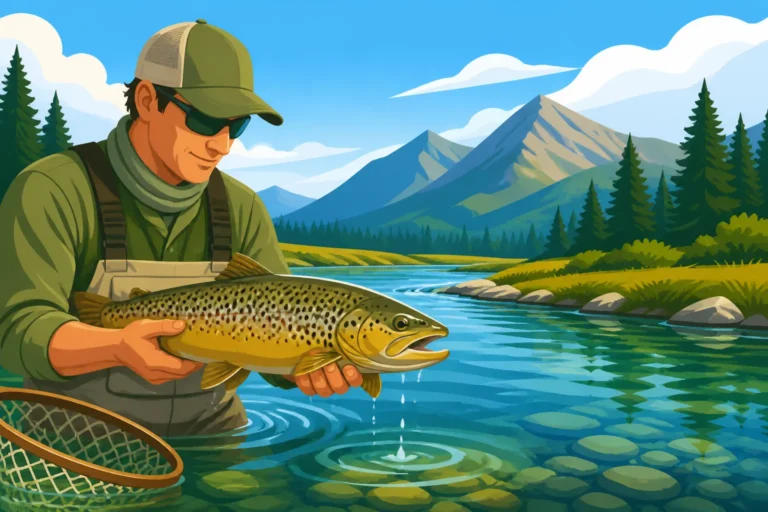
- Fishing Opportunities: The Middle Fork is a pristine native cutthroat trout fishery, often regarded as one of the finest in the world. Anglers typically fly fish, targeting aggressive Westslope Cutthroat Trout that readily rise to dry flies. The catch-and-release ethos on this river ensures a thriving population. Because it's a designated wilderness, the fishing pressure is limited, and the experience is often about quantity and quality in equal measure.
- Logistics: Middle Fork trips are almost exclusively multi-day, typically five or six days, and require a permit from the Forest Service. Outfitters handle all aspects of these expeditions, including fly-in services for some launch points. This is truly an immersive, backcountry experience. For more on these specialized trips, look into Middle Fork of the Salmon River Fishing Outfitters.
What to Expect on Your Guided Raft-and-Fish Journey
When you book a guided trip that combines fishing and whitewater rafting, you're signing up for an adventure where the details are largely handled by seasoned professionals. This frees you up to fully enjoy the experience, but knowing what to expect can help you prepare and appreciate the journey even more.
Your Guides: The Heart of the Experience
Your guides are more than just boat pilots; they are experts in river navigation, safety, outdoor cooking, natural history, and, crucially, both fishing and rafting techniques. On a multi-day trip, they'll set up camp, prepare gourmet meals, share stories, and ensure your comfort and safety. A good guide can switch seamlessly from coaching you through a rapid to helping you perfect your cast.
They'll also carry all necessary permits and adhere to Idaho Fishing Regulations Explained, making sure your experience is not only fun but also compliant with local laws. This expertise is a significant part of the value in booking through an experienced outfitter, which you can often find listed on platforms like FishingBooker.
Gear and Equipment Provided
One of the biggest perks of a guided trip is that most of the heavy lifting, quite literally, is taken care of.
- Rafting Gear: This typically includes the rafts themselves (oar-powered, paddle rafts, or both), paddles, personal flotation devices (PFDs), dry bags for your personal belongings, and often camp chairs, tables, and kitchen equipment for multi-day trips.
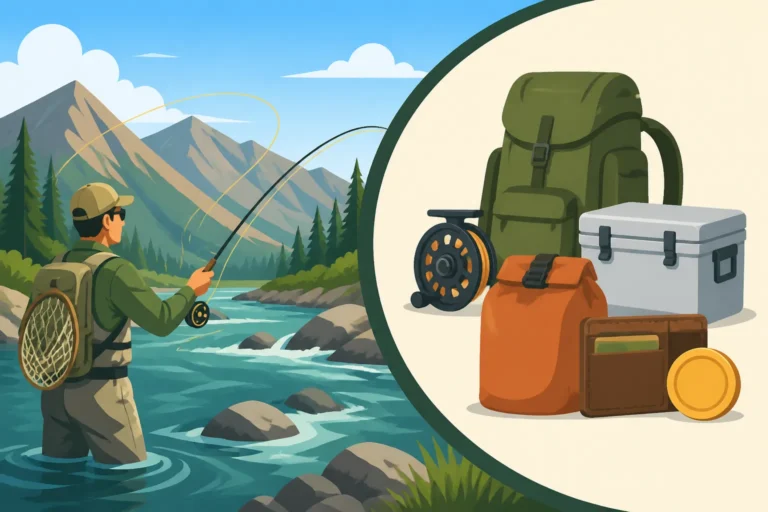
- Fishing Gear: Many outfitters provide high-quality fishing rods, reels, and tackle, especially for conventional fishing. If you're fly fishing, they often have extra rods and a selection of flies, though many experienced fly anglers prefer to bring their own favorite setups. Always confirm what fishing gear is provided, and what you might want to bring yourself.
- Camping Gear (for multi-day trips): Tents, sleeping pads, and often sleeping bags are provided. Some luxury trips might even offer cot systems.
- Food and Beverages: On multi-day trips, all meals are included, often exceeding expectations with fresh, delicious, and hearty backcountry cuisine. Drinks, including water, juice, and sometimes even local craft beers or wine, are usually part of the package.
What You Should Bring: You'll typically be responsible for your personal clothing, toiletries, sunscreen, hat, polarized sunglasses, appropriate footwear (river sandals for during the day, camp shoes for evening), and any personal medications. Layered clothing is always recommended for Idaho's fluctuating mountain weather.
A Typical Day on the River
While every trip and every river is different, a multi-day combo adventure generally follows a rhythm:
- Morning: Wake up to the smell of fresh coffee and a hearty breakfast. Guides will break down camp while you eat. After a safety briefing and discussion of the day's plan, you'll launch the rafts.
- Daytime: The day is a mix of floating through stunning scenery, navigating rapids, and stopping at prime fishing locations. Guides might motor up small tributaries, pull over to wade fish a promising riffle, or even have you fish from the moving raft as you drift through productive water. Lunch is usually a delicious riverside spread.
- Evening: Arrive at a designated campsite, often a beautiful sandy beach. While guides set up the kitchen and prepare dinner, you might have time for more fishing, exploring the beach, or simply relaxing by the river. Dinner is often a highlight, followed by campfire stories and stargazing under immense wilderness skies.
- Flexibility: Guides are masters of flexibility. If the fishing is hot in one spot, they might stay longer. If a unique wildlife viewing opportunity arises, they'll pull over. The schedule is designed to maximize your enjoyment of the river's offerings.
Safety First
Whitewater rafting always carries inherent risks, but reputable outfitters prioritize safety above all else.
- Experienced Guides: Your guides are highly trained in swiftwater rescue, first aid, and wilderness medicine.
- Top-Quality Equipment: Rafts and safety gear are regularly inspected and maintained.
- Comprehensive Briefings: Before launching each day and before approaching significant rapids, your guides will provide detailed safety instructions.
- Emergency Communications: While deep in the wilderness, guides carry satellite phones or other communication devices for emergencies.
By entrusting yourself to a professional outfitter, you can relax and fully embrace the adventure, knowing you are in capable hands. You can find many highly-rated outfitters that can cater to your specific needs on services such as FishingBooker.
River Features for Rafting & Fishing Combo Trips
Here's a quick comparison of what different sections of Idaho's rivers might offer for your combo trip:
| River Section | Primary Rafting Experience | Primary Fishing Targets | Best For |
|---|---|---|---|
| Main Salmon River | Class II-III, some Class IV (high water) | Steelhead, Chinook, Rainbow Trout, Smallmouth Bass | Multi-day wilderness, balanced adventure |
| Middle Fork Salmon | Continuous Class II-IV, technical | Westslope Cutthroat Trout (fly fishing) | Pristine wilderness, dedicated fly anglers |
| Snake River (Hells Canyon) | Class II-IV, big water | White Sturgeon (C&R), Smallmouth Bass, Rainbow Trout | Dramatic canyon scenery, thrilling rapids, big fish |
| South Fork Snake River | Class I-II, scenic float | Yellowstone Cutthroat Trout, Rainbow Trout, Brown Trout | Fly fishing focus, scenic floating |
Combining a guided fishing trip with whitewater rafting in Idaho is an experience like no other. It’s an immersion into the wild, a test of spirit, and an opportunity to connect with nature on multiple exhilarating levels. Whether you're chasing steelhead through rapids or casting dry flies to rising cutthroat in a tranquil eddy, these trips offer a profound sense of adventure that will stay with you long after you've left the river behind.
Disclaimer
This article is for general informational purposes only and does not constitute professional advice. Laws, prices and regulations vary by location and change over time. Consult a qualified professional for guidance on your specific situation.