Idaho Fishing Season Calendar
Figuring out exactly when and where to hit the water in Idaho can feel like trying to solve a puzzle, especially with all the diverse fisheries and ever-changing regulations. It's easy to get overwhelmed by the sheer variety, from high mountain lakes to powerful rivers, and the specific seasons that apply to each. This comprehensive guide will pull back the curtain on the Idaho fishing season calendar, helping you understand the best times to target your favorite species and ensuring your next trip is a successful one.
Understanding Idaho's General Fishing Season Rules
Idaho is an angler's paradise, boasting an incredible variety of fish species and habitats. But with that diversity comes a layered set of regulations that can make a newcomer, or even a seasoned local, scratch their head. Before you even think about what specific fish you're after, it's crucial to grasp the overarching rules that govern fishing seasons in our beautiful state.
The Statewide General Season vs. Specific Water Rules
For many waters across Idaho, particularly the vast majority of our lakes, reservoirs, and smaller streams, the "statewide general fishing season" is in effect, which often means year-round fishing. This is a fantastic starting point, as it implies that on a lot of public access points, you can pretty much cast a line any day of the year you choose. Think about your local community pond or a smaller, less-pressured reservoir – chances are, these fall under the general rules, offering continuous angling opportunities. However, and this is where it gets tricky, this general rule is more of a baseline, and it's constantly overridden by specific, often hyper-local, regulations for particular bodies of water or sections of rivers.
These specific rules are paramount. They might dictate that a certain stretch of river is open only during certain months, or perhaps it's catch-and-release only for specific species, or even closed entirely during sensitive spawning periods. For instance, sections of iconic rivers like the Salmon River or the Clearwater River often have very precise opening and closing dates for species like steelhead or Chinook salmon, completely differing from the general "year-round" idea. This is why you absolutely cannot rely solely on the general season. Always, always refer to the latest Idaho Fishing Regulation Brochure and Proclamation – it's your bible for navigating these complexities. The Idaho Department of Fish and Game (IDFG) puts out a new one every year, and it’s critical to have the most current version, whether that’s a physical copy you pick up from a license vendor or the digital version on their website.
Why Seasons Matter and How They're Set
So, why all the complicated rules and different seasons? It really boils down to conservation and the long-term health of Idaho's incredible fisheries. The IDFG, using a wealth of scientific data, sets these seasons with several key factors in mind. One major consideration is the spawning cycles of various fish species. For example, closing a river to fishing during the peak of the rainbow trout spawn allows these fish to reproduce undisturbed, ensuring robust populations for future generations. Similarly, special regulations for bull trout, a protected native species, are in place to prevent accidental harvest and aid their recovery.
Beyond spawning, seasons are also set to manage overall fish populations, prevent overfishing, and distribute fishing pressure throughout the year. Data on fish abundance, angler harvest rates, and habitat conditions all play a role in these decisions. Factors like water levels, snowpack, and spring runoff can dramatically influence when fish migrate or become accessible, and while regulations aren't changed daily based on these, the broader seasonal structure often accounts for typical patterns. A heavy snowpack, for instance, might delay the opening of high mountain lakes or prolong the spring runoff, impacting when and how you can effectively fish. Understanding these ecological underpinnings helps us appreciate why the regulations exist, even when they might seem frustratingly complex at times. If you're keen to learn more about how spring conditions affect fishing, check out our guide on Idaho's Spring Runoff and How It Affects Fishing.
Spring Fishing Opportunities in Idaho (March-May)
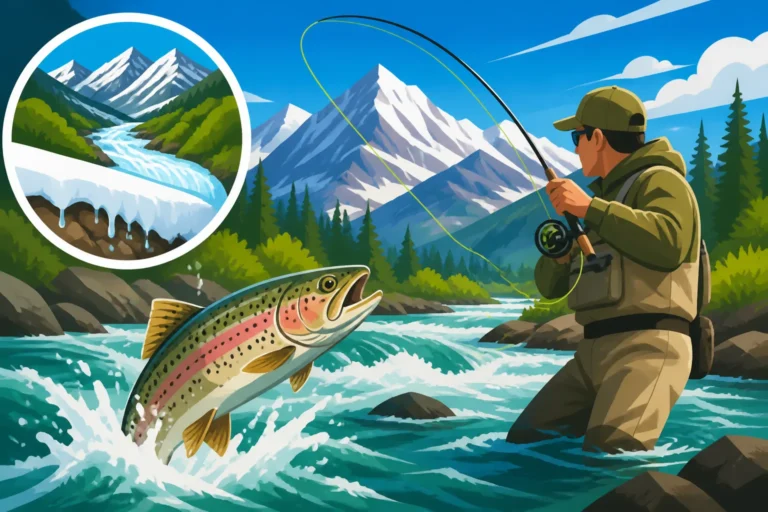
As the ice retreats and the snow begins to melt, Idaho's landscapes awaken, and so do the fish! Spring can be a truly exhilarating time to be an angler here, offering a unique blend of opportunities from battling strong anadromous fish to chasing hungry trout in newly thawed waters. It’s a season of transition, where patience and adaptability often pay off handsomely.
Post-Ice Out Action and Early Season Trout
There's something incredibly hopeful about those first few weeks after the ice finally melts off our larger lakes and reservoirs. This "ice-out" period, typically from late March through April, can offer some absolutely phenomenal fishing. The water is still cold, but the fish, especially trout, are often hungry and cruising shallower waters looking for an easy meal after a long winter under the ice. Lakes like Henry's Lake in Eastern Idaho or the popular Lake Cascade often see fantastic early season trout fishing, as fish like rainbow and cutthroat become more active. You might find success targeting these areas with simple bait like worms or PowerBait, or by slow-trolling spoons and small crankbaits near inlets and coves where the water might be slightly warmer.
The key to success during this time is often to focus on areas that warm up fastest. Shallower bays, rocky points that absorb sunlight, and areas where feeder streams enter are prime spots. Don't be afraid to experiment with your retrieve speed – slower is often better in colder water. This period also often coincides with When Idaho's General Trout Season Opens on many smaller streams and rivers that were closed over winter. These smaller, often freestone rivers can burst to life with eager trout, making for some excellent fly fishing or spin fishing with small spinners and nymphs. Just remember that snowmelt can quickly lead to high, turbid water, so always check conditions before you go.
Spring Chinook Salmon and Steelhead Runs
For many serious Idaho anglers, spring isn't just about trout; it's about the thrilling return of anadromous fish. The spring season brings two highly anticipated runs: Chinook salmon and steelhead. These powerful ocean-going fish make epic journeys back to Idaho's rivers, offering some of the most challenging and rewarding fishing experiences in the state. Steelhead, those migratory rainbow trout, continue their presence in our rivers well into spring, with runs peaking at different times depending on the river system. The Clearwater River and the Salmon River are legendary for their steelhead, and while fall is a major season, spring can provide excellent opportunities to intercept these chrome beauties. Techniques often involve bobber and jig, drift fishing with roe or various baits, or pulling plugs from a boat. It's a game of patience and finesse, often requiring specialized gear to handle their incredible fighting power.
Spring Chinook salmon fishing is a much more limited and highly anticipated affair, often with very specific, short seasons on designated rivers like the Snake River and parts of the Salmon River, or even Lake Coeur d'Alene. These seasons are strictly regulated due to conservation concerns, so paying close attention to the IDFG proclamation is absolutely critical. You'll definitely need an Idaho Salmon and Steelhead Permit in addition to your general fishing license. Fishing for Chinook typically involves heavy gear and techniques like back-trolling large plugs or jet divers with bait. Catching one of these magnificent fish is a bucket-list experience, but be prepared for intense competition and stringent rules.
Summer Fishing Adventures in Idaho (June-August)
Summer in Idaho is a glorious time, and for anglers, it means long days on the water, whether you're chasing warmwater species in the state's southern reservoirs or seeking solitude in the high mountain country. The warmer temperatures generally translate to more active fish, though you'll often need to adjust your tactics to account for bright sunshine and busy waters.
Prime Time for Warmwater Species
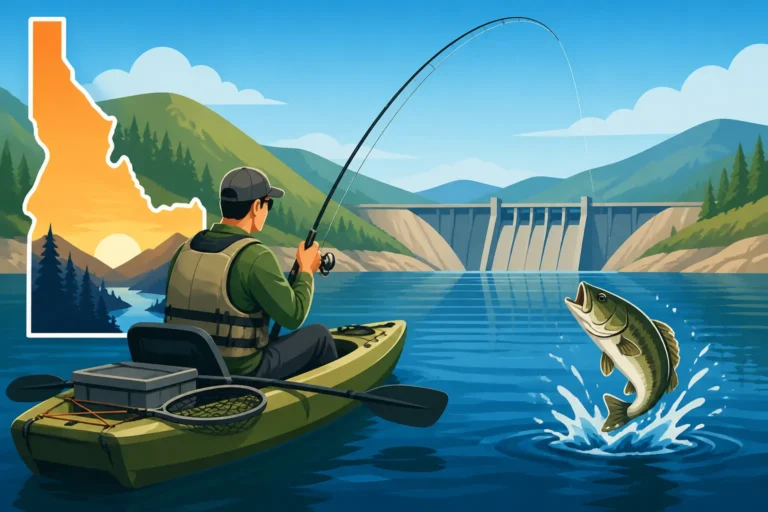
When the dog days of summer hit, and river temperatures start to climb, many trout anglers shift their focus to higher elevations or switch gears entirely to warmwater species. And what a fantastic opportunity that presents! Idaho's southern reservoirs and lakes truly shine in the summer months, offering incredible action for smallmouth bass, largemouth bass, crappie, and perch. Places like C.J. Strike Reservoir are renowned for their abundant smallmouth bass populations, where topwater action can be explosive in the mornings and evenings, and crankbaits or jigs can be deadly during the day. For largemouth bass, you might explore the quieter coves and weed beds of Lake Lowell near Nampa, or some of the smaller, less-pressured ponds. If you want to dive deeper into techniques, check out our Idaho Bass Fishing Guide.
Crappie and yellow perch are also immensely popular warmwater targets in summer. Reservoirs like American Falls Reservoir and Lake Cascade (though also great for trout, its perch fishery is legendary) can provide fast-paced action. Jigging with small plastics or fishing with minnows under a bobber are classic methods for these panfish. It's truly a fantastic time for families, as the abundance of these species often means consistent bites, keeping everyone engaged. If crappie are your target, our Idaho Crappie Fishing guide can give you some excellent pointers. When you're packing your tackle box for these species, ensure you have a good selection of soft plastics, spinnerbaits, and topwater lures, which you can easily find on Amazon.
High Mountain Lake Exploration and River Trout Fishing
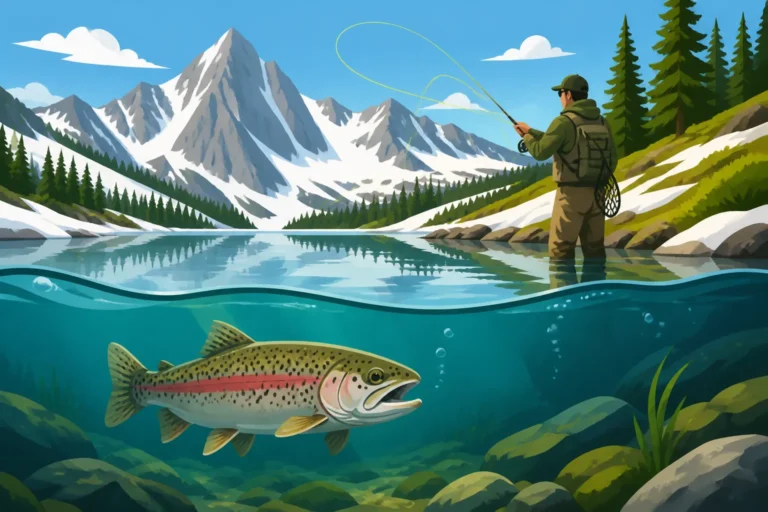
Summer is also the only time of year many of Idaho's stunning high mountain lakes are accessible. As the snow recedes from the high country, usually by late June or early July, trails to these pristine alpine gems open up. This is an incredible opportunity for adventurous anglers to hike or backpack into remote areas, often finding eager cutthroat, rainbow, or even golden trout in truly breathtaking surroundings. The fish in these lakes are typically less pressured and can be quite aggressive, often willing to rise to a dry fly or chase a small spinner. The solitude and scenery alone are worth the effort, and a fresh trout cooked over a campfire after a day of hiking and fishing is a quintessential Idaho experience.
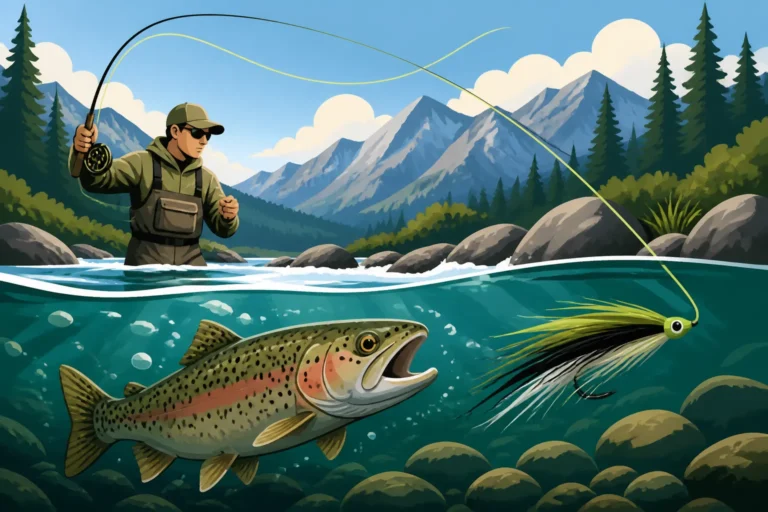
For river anglers, summer is prime dry fly season on many of Idaho's world-famous trout streams. Rivers like the Henry's Fork of the Snake River, the South Fork of the Snake, and Silver Creek become meccas for fly fishermen. Insect hatches can be prolific, leading to incredible surface action. While the midday sun can sometimes slow things down, early mornings and late evenings often provide fantastic fishing. You'll need to be stealthy and often use lighter tippets and smaller flies as the water warms and clears. If you're looking to hone your fly fishing skills on one of Idaho's most iconic rivers, our guide on How to Fly Fish Henry's Fork is a must-read. Even if fly fishing isn't your preferred method, many general trout streams remain productive with spinners, spoons, or bait, especially in faster, oxygenated riffles and deeper pools.
Fall Fishing Hotspots and Techniques (September-November)
As the vibrant greens of summer give way to the golden hues of autumn, Idaho's fishing scene undergoes another magical transformation. Fall brings cooler temperatures, often fewer crowds, and some of the most aggressive fishing opportunities of the entire year. Many species are packing on the pounds before winter, making them eager biters.
Fall Steelhead and Chinook Returns
Without a doubt, fall is synonymous with steelhead fishing in Idaho. The returning B-run steelhead on rivers like the Clearwater River and the Salmon River are legendary, drawing anglers from all over the country. These incredibly strong, often large fish provide some of the most intense battles an angler can experience. The runs typically begin in September and continue strong through October and November, often overlapping with winter seasons. This time of year sees a variety of techniques employed, from bobber and jig fishing in slower pools to side-drifting bait or yarn in faster runs, and back-trolling plugs from drift boats or jet boats. The key is often finding where these migratory fish are holding and presenting your offering effectively.
While not as widespread as spring Chinook, some fall Chinook salmon opportunities can also arise in specific areas. These are often hatchery-marked fish, and again, vigilance with the IDFG regulations is paramount as seasons are very limited and specific to ensure wild fish conservation. Understanding the nuances of fall steelhead fishing is crucial for success, so for an in-depth look, make sure to check out our Fall Steelhead Fishing Techniques on the Clearwater and Salmon Rivers guide. Remember that catch-and-release is often required for wild steelhead, and knowing How to Tell Hatchery Steelhead from Wild Steelhead by Sight is not just helpful, it's a legal requirement.
Aggressive Trout and Kokanee
Beyond the anadromous species, fall offers some of the best trout fishing of the year. As water temperatures drop, trout become more active and less spooky than in the bright summer sun. They're aggressively feeding, trying to put on weight for the lean winter months. This can lead to incredible dry fly fishing on many rivers during hatches, or excellent streamer and nymph fishing as trout become more predatory. Brown trout, in particular, often become very active and aggressive in the fall as they approach their spawning season, making them a prime target for anglers willing to throw larger flies or lures. Many smaller streams and rivers that were too warm or low in summer now offer fantastic conditions.
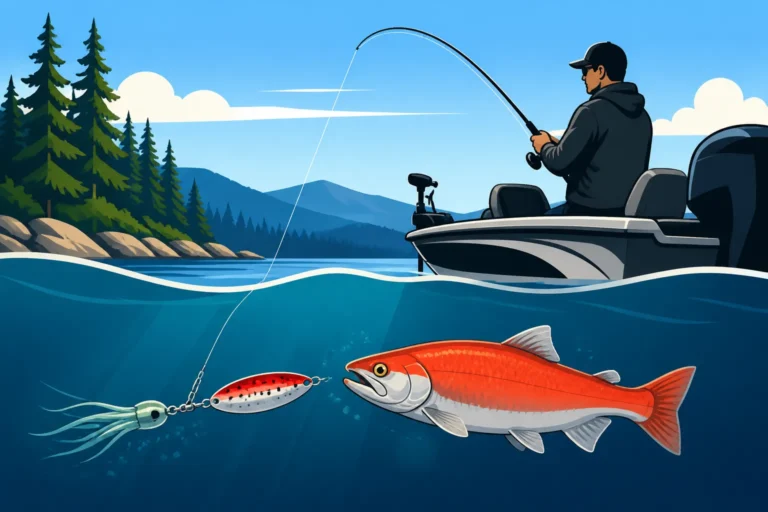
Fall is also a prime time for kokanee salmon, Idaho's landlocked sockeye. As the days shorten, these fish begin their spectacular transformation, turning brilliant red as they prepare to spawn. While the focus often shifts from catching them to observing their incredible natural spectacle, some lakes, like Lake Coeur d'Alene and Anderson Ranch Reservoir, can offer excellent pre-spawn kokanee fishing. Trolling with dodgers and small hoochies or wedding rings remains effective, but as they move into shallower spawning areas, jigging can also produce results. For a complete guide to targeting these vibrant fish, refer to our Idaho Kokanee Fishing Guide. The cooler weather and stunning autumn scenery only add to the allure of fall fishing in Idaho.
Winter Fishing and Ice Fishing in Idaho (December-February)
While some anglers might pack away their rods when the snow flies, dedicated Idaho winter fishermen know that some of the year's most unique and rewarding opportunities await. From the quiet solitude of ice fishing to chasing chrome-bright steelhead in open rivers, winter offers a different kind of magic, often with fewer crowds and stunning snowy backdrops.
Ice Fishing Adventures Across the State
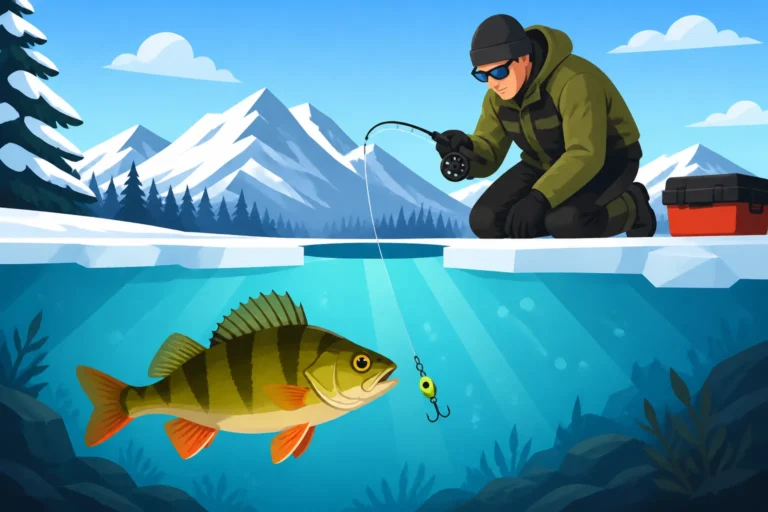
When lakes and reservoirs across Idaho freeze over, usually from December through February, a whole new world of angling opens up: ice fishing. This tranquil yet exciting pursuit draws many, especially in the northern and central parts of the state where thick, safe ice forms reliably. Popular destinations include Lake Cascade, renowned for its giant yellow perch and elusive tiger muskie, and Priest Lake and Payette Lake for lake trout and kokanee. The experience is utterly unique – drilling a hole in the ice, setting up a portable shelter, and patiently jigging small lures or bait, often while sipping hot coffee.
Key gear for ice fishing includes an auger (manual or powered), an ice fishing rod and reel combo, a variety of small jigs and baits (many available on Amazon), and essential safety equipment like ice picks and a spud bar to test ice thickness. For those new to the sport, starting on popular lakes with well-known access points and checking local conditions is always recommended. Safety is paramount, and understanding Is Ice Fishing Safe on Payette Lake in January? or any other body of water, is vital. Always be aware of ice thickness and current conditions, especially on larger, moving bodies of water. The quiet beauty of a snow-covered landscape combined with the sudden strike of a fish under the ice is an experience not to be missed.
Open Water Winter Fishing and Steelhead
Even in the depths of winter, not all of Idaho's waters are frozen solid. In many areas, especially in the lower-elevation river systems, open water fishing continues throughout the colder months, offering fantastic opportunities for dedicated anglers. The most prominent of these is undoubtedly winter steelhead fishing. Rivers like the Clearwater River and the mainstem Salmon River often remain ice-free and continue to hold incredible numbers of returning steelhead. These fish, having journeyed hundreds of miles from the ocean, are incredibly powerful and offer a challenging battle in the chilly temperatures. For a detailed look at where and when to target these winter warriors, our guide on When Idaho's Steelhead Season Runs Through the Winter is an invaluable resource.
Techniques for winter steelhead are similar to fall, often focusing on bobber and jig presentations, drift fishing, or pulling plugs. However, fish tend to hold in deeper, slower pools in cold water, conserving energy, so understanding how to "read" the river becomes even more important. Beyond steelhead, some general trout streams can also offer sporadic winter fishing, particularly on warmer days or in sections fed by thermal springs. Dress in warm layers, bring a thermos of a hot beverage, and prepare for a serene yet potentially action-packed day on the water. A good pair of waterproof boots and gloves are essential, and you can find excellent options on Amazon.
Species-Specific Season Highlights
While general seasons provide a framework, knowing the peak seasons for specific fish species is the true key to maximizing your success in Idaho. Each fish has its preferred conditions, behaviors, and prime times for biting, dictated by everything from spawning cycles to water temperature and food availability.
Premier Target Species and Their Peak Seasons
Idaho boasts a phenomenal array of premier game fish, each with its distinct seasonal windows for optimal angling. Steelhead are arguably the most sought-after, with strong runs primarily in fall (October-December) and spring (March-May), extending through winter in many river systems like the Clearwater and Salmon Rivers. These anadromous rainbows offer incredible fights and demand specialized techniques. Chinook Salmon seasons are much more limited and vary year-to-year and by specific river sections (e.g., Snake, Salmon, Lake Coeur d'Alene); they generally occur in late spring and summer, so consulting the IDFG regulations before planning is non-negotiable.
Kokanee Salmon, our vibrant landlocked sockeye, are a summer trolling staple on lakes like Coeur d'Alene and Dworshak Reservoir, with peak action usually from July through September. As fall approaches (September-October), they undergo a dramatic color change and move to spawn, offering different jigging opportunities. For Trout (Rainbow, Cutthroat, Brown), while they can be caught year-round, spring and fall often present the best action due to more moderate water temperatures and active feeding. High mountain lakes shine in summer. The elusive White Sturgeon on the Snake River, a strictly catch-and-release fishery, can be targeted year-round, but the bite often picks up in spring and fall as water temperatures are favorable. Delve deeper into these giants with our Idaho Sturgeon Fishing Guide.
Less Common Species and Their Opportunities
Beyond the "glamour" species, Idaho offers fantastic fishing for a variety of other fish, many of which have their own seasonal sweet spots. Smallmouth and Largemouth Bass truly come alive in the warm summer months (June-September) on reservoirs like C.J. Strike and Lake Lowell, providing exciting topwater and power fishing action. Yellow Perch and Crappie are excellent summer targets (July-September), especially in larger reservoirs, and they also provide superb ice fishing opportunities in winter. Lake Cascade is famous for its jumbo perch.
Then there's the truly unique Tiger Muskie in Cascade Reservoir, a hybrid known for its aggressive strikes and challenging fights. Spring (May-June) and fall (September-October) are generally considered the best times to target these toothy predators, often using large bucktails and crankbaits. Walleye, while not widespread in Idaho, can be found in a few specific reservoirs like American Falls, with summer typically being the most productive period. Even Channel Catfish offer excellent warmwater opportunities, especially in the southern rivers and reservoirs during the heat of summer. Each of these species offers a different challenge and a chance to expand your Idaho angling horizons, and timing your trip to their peak season is a strategic move for any angler.
| Species | Peak Season(s) | Notable Waters | Key Techniques |
|---|---|---|---|
| Steelhead | Fall (Oct-Dec), Winter (Jan-Feb), Spring (Mar-May) | Clearwater River, Salmon River | Bobber & Jig, Side-drifting, Plugs |
| Chinook Salmon | Spring/Summer (limited, check regulations) | Snake River, Salmon River, Lake Coeur d'Alene | Trolling, Back-trolling, Plugs |
| Kokanee | Summer (July-Sept), Fall (Sept-Oct spawning) | Lake Coeur d'Alene, Dworshak Reservoir, Anderson Ranch | Trolling with dodgers & hoochies, Jigging (fall) |
| Rainbow Trout | Spring (Apr-Jun), Fall (Sept-Nov), Ice Fishing | Henry's Fork, Boise River, high mountain lakes, stocked ponds | Fly fishing, Spin fishing, Ice fishing |
| Cutthroat Trout | Summer (June-Sept), Fall (Sept-Oct) | South Fork of the Snake, St. Joe River, wilderness streams | Fly fishing, Spin fishing |
| Lake Trout | Spring (Apr-May), Fall (Sept-Oct), Ice Fishing | Priest Lake, Lake Pend Oreille | Trolling, Jigging |
| White Sturgeon | Year-round (Catch & Release), Best Spring/Fall | Snake River (Hells Canyon, C.J. Strike) | Heavy tackle, Bait (squid, cut bait) |
| Smallmouth Bass | Summer (June-Sept) | Snake River, Clearwater River, C.J. Strike | Crankbaits, Jigs, Topwater |
| Largemouth Bass | Summer (June-Sept) | Lake Lowell, small ponds, sloughs | Soft plastics, Frogs, Spinnerbaits |
| Yellow Perch | Summer (July-Sept), Winter (Ice Fishing) | Lake Cascade, American Falls Reservoir | Jigging, Worms |
| Tiger Muskie | Spring (May-June), Fall (Sept-Oct) | Cascade Reservoir | Large bucktails, Crankbaits, Jerkbaits |
Navigating Special Regulation Waters and Exceptions
As thrilling as it is to think about peak seasons, the reality of fishing in Idaho often involves a deep dive into the specifics. You can't just assume what applies to one river or lake will apply to another, even if they're geographically close. Idaho's fisheries are managed with incredible detail, and that means a lot of nuanced regulations that you absolutely need to understand before you wet a line.
Understanding Regulation Brochures and Online Resources
This can't be stressed enough: the official Idaho Fishing Regulation Brochure is your absolute best friend. It’s the definitive guide to what’s open, what’s closed, what you can keep, and what gear you can use. Don't rely on hearsay, old brochures, or incomplete information from online forums. Regulations change, and they change often. You might be surprised How Often Idaho Fishing Rules Change – sometimes due to emergency closures or population shifts. The Idaho Department of Fish and Game (IDFG) website is also an invaluable, up-to-the-minute resource. You can download the latest proclamation, check stocking reports, and even look up specific rules by water body.
When you're studying the regulations, pay close attention to the general statewide rules first, then immediately look for the section pertaining to the specific water body or river system you plan to fish. You'll notice rivers often have regulations broken down by distinct sections, sometimes miles apart, with different rules applying to each. For instance, one section of the Snake River might be open to bait, while another nearby stretch is fly-fishing only. It’s a lot to take in, but taking the time to read through it thoroughly will save you from potential fines or, more importantly, from unknowingly harming a fragile fish population. It’s truly an essential step in planning any Idaho fishing trip, no matter how seasoned you are.
Examples of Unique Regulations and Why They Exist
Idaho’s special regulations aren’t arbitrary; they’re designed to protect and enhance our fisheries. You’ll encounter a variety of these rules throughout the state, each serving a specific conservation purpose. For instance, many of Idaho’s pristine spring creeks, like sections of Silver Creek, are designated "catch-and-release only" waters. This ensures that the delicate ecosystems and the highly selective, native trout populations remain healthy and continue to provide world-class angling. In these areas, the focus is entirely on the experience of outwitting a wary fish, not on harvesting it.
Another common special regulation is the requirement for barbless hooks, particularly prevalent in anadromous fisheries like steelhead and salmon rivers, or for species like sturgeon. The reason behind this rule is simple: barbless hooks cause less damage to fish, making it easier to release them unharmed, which is critical for species with high catch-and-release rates or those that are protected. If you're targeting sturgeon on the Snake River, for example, Idaho Barbless Hook Requirements are strictly enforced to protect these ancient giants. Furthermore, you’ll find restrictions on bait usage in some areas, or specific bag limits that deviate from the general statewide rule. For example, Idaho Trout Limits by Water can vary dramatically from a generous statewide limit to reduced limits or even single-fish limits on certain high-value waters, all aimed at tailoring management to the unique biology and fishing pressure of that particular fishery. These are just a few examples, highlighting why a thorough review of the regulations is always the first cast you should make.
Key Considerations for Planning Your Fishing Trip
Idaho's natural beauty and diverse fisheries offer endless possibilities, but a truly successful and enjoyable trip hinges on more than just knowing the seasons. You need to consider the dynamic elements of the environment and ensure you’re properly equipped and authorized to fish. Overlooking these practical aspects can quickly turn a dream trip into a frustrating ordeal.
Weather, Water Conditions, and Access
Idaho is a state of dramatic landscapes and equally dramatic weather changes. Before you even pack your bags, let alone head out the door, checking the forecast is non-negotiable. Mountain weather, especially, can shift rapidly, bringing sudden storms, temperature drops, or even late-season snow. Beyond the air temperature, water conditions are paramount for fishing success. Spring snowmelt can lead to raging, muddy rivers (a phenomenon known as "runoff"), making fishing difficult or impossible on many systems. Conversely, late summer can bring low water levels in some rivers and streams, making fish spooky and vulnerable, or even necessitating closures to protect them.
Always check river flow gauges if you're planning a river trip; sites like the USGS provide real-time data that can tell you if the river is too high, too low, or just right. High-country lakes might be inaccessible due to snow-blocked roads well into early summer, despite ideal fishing conditions once you reach them. Always consult the U.S. Forest Service or local ranger district for road conditions and closures. Understanding these environmental factors will not only help you pick the right gear but also guide you to waters that are actually fishable and accessible, avoiding wasted travel time and disappointment. A simple check of river conditions online or a call to a local fly shop can provide invaluable, up-to-the-minute insights.
Licenses, Permits, and Other Essentials
Alright, you've checked the weather, the river flows, and the specific regulations for your chosen spot. Now, for the non-negotiables: your license and any required permits. No matter how short your trip or how remote your destination, you absolutely need an Idaho fishing license if you're 14 years or older. This isn't just a recommendation; it's the law, and fishing without one can lead to hefty fines. You can purchase one online through the IDFG website, at most sporting goods stores like Cabela's or Sportsman's Warehouse, or at various other vendors throughout the state. Our comprehensive Idaho Fishing License Guide can walk you through all the options.
Beyond the general license, remember those special permits we discussed. If you're targeting steelhead or Chinook salmon, you'll need to purchase an additional Salmon and Steelhead Permit. There's also the Idaho Access and Depredation Fee Explained that supports access programs and helps manage wildlife interactions. Make sure all your permits are in order before you head out. Finally, consider your gear. While a guide might provide some equipment, you'll still need essentials like appropriate clothing (layers!), polarized sunglasses (critical for seeing fish and protecting your eyes), a hat, sunscreen, and plenty of water. A small tackle box with a variety of lures, flies, or baits appropriate for the season and target species is also a must. You can easily stock up on these basic necessities, from lines to waders, through online retailers like Amazon, ensuring you’re well-prepared for whatever Idaho’s waters throw your way.
Disclaimer
Please note that fishing regulations in Idaho are dynamic and subject to change by the Idaho Department of Fish and Game (IDFG). While every effort has been made to provide accurate and up-to-date information in this guide, it is essential for all anglers to consult the current official Idaho Fishing Regulation Brochure and any emergency proclamations published by the IDFG before engaging in any fishing activity. Always verify specific rules, season dates, and limits for the waters you plan to fish. This guide is for informational purposes only and does not supersede official regulations.