Idaho Crappie Fishing
If you've ever felt that tug on your line, only to reel in a feisty fish that fights harder than its size suggests, you might have just met an Idaho crappie. Many anglers tend to overlook these speckled beauties, often focusing on trout or bass, but crappie offer an incredibly rewarding experience, especially for those looking for consistent action and fantastic table fare. The challenge can be knowing where to find them and what techniques truly work in Idaho's diverse waters, which can sometimes feel like a well-kept secret. This comprehensive guide is here to unravel those secrets, transforming you into a confident crappie angler ready to fill your cooler.
Understanding Idaho's Crappie Species and Habitat
Crappie are a fantastic panfish, known for their distinctive appearance, aggressive bites, and delicious meat. In Idaho, we primarily deal with two main species, each with its own quirks and preferred haunts. Understanding these differences is your first step toward consistent success on the water.
Black Crappie vs. White Crappie in Idaho
While both are commonly referred to simply as "crappie," there are distinct differences between black crappie (Pomoxis nigromaculatus) and white crappie (Pomoxis annularis). Knowing which one you're targeting, or more importantly, which one is prevalent in your chosen fishing spot, can greatly influence your strategy.
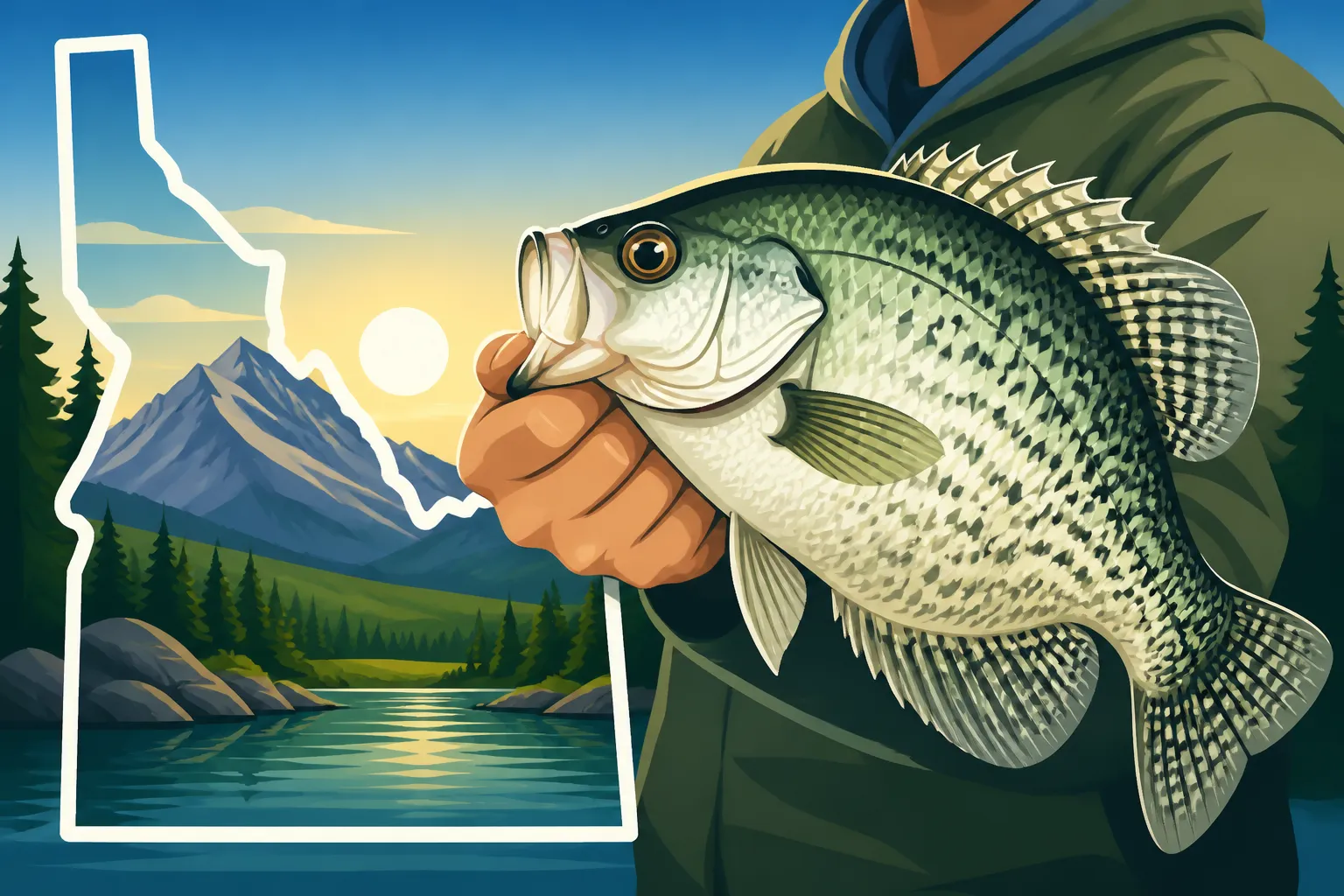
Black crappie tend to have a deeper, more compressed body shape and are easily identified by their irregular, mottled black spots scattered across a silvery-green or olive body. A key distinguishing feature is their dorsal fin, which typically has seven or eight spines. They generally prefer clearer, cooler waters with abundant submerged vegetation, brush piles, or standing timber. These fish are often found near thick cover, using it for ambush points and protection. Their fight, though energetic, is often characterized by a series of headshakes, and anglers need a delicate touch to avoid tearing their soft mouths.
White crappie, on the other hand, usually have a more elongated body shape, sometimes appearing a bit slimmer than their black crappie cousins. Their coloration is more silvery, and they often display distinct vertical bars along their sides, although these can fade depending on water conditions and individual fish. The tell-tale sign for a white crappie is their dorsal fin, which almost always has six spines. These crappie are generally more tolerant of turbid or murky waters and are frequently found in larger rivers and reservoirs, often preferring areas with less dense, but still present, cover like bridge abutments, submerged creek channels, or deeper brush. Both species can grow to impressive sizes in Idaho, with many anglers reporting crappie in the 10-14 inch range, sometimes even larger.
| Feature | Black Crappie | White Crappie |
|---|---|---|
| Appearance | Deeper body, mottled black spots, 7-8 dorsal spines | Longer body, vertical bar pattern (fades sometimes), 5-6 dorsal spines |
| Water Preference | Clearer, cooler water with abundant vegetation | More tolerant of turbid water, often found in rivers/reservoirs |
| Habitat | Weed beds, submerged timber, denser structure | Open water near structure, brush piles, standing timber, bridge abutments |
| Spawning Temp | Slightly cooler (58-65°F) | Slightly warmer (60-70°F) |
| Common Size | Up to 12-14 inches, sometimes larger | Up to 12-14 inches, sometimes larger |
| Fight | Strong, but delicate mouth; headshakes | Strong, but delicate mouth; consistent pull |
Ideal Crappie Habitat and Cover
Crappie are masters of ambush, and their habitat preferences revolve around structures that provide cover, shade, and easy access to food. If you can locate these underwater hideouts, you're well on your way to a successful day. Think of it from a crappie's perspective: where can I hide, stay cool, and dart out to grab a passing minnow?
Submerged timber, whether it's fallen trees along a bank, old stumps, or entire drowned forests in a reservoir, is a prime crappie magnet. These woody structures provide excellent shade and countless nooks and crannies for crappie to hide in. Brush piles, either natural accumulations or those intentionally placed by anglers or fish and game departments, are equally effective. Look for these near old creek channels, points, or along steep drop-offs. Docks and bridge pilings are also fantastic, especially those that offer deep water access and shade during sunny days. The vertical structure attracts baitfish, and the crappie follow.
Weed beds, especially those with distinct edges or open pockets, are another hot spot. Crappie will patrol these edges, waiting for prey to swim by. Rocky points that jut into deeper water can also hold crappie, particularly if they have ledges or boulders that create ambush points. As the seasons change, so do their preferred depths. In spring, they'll push shallow to spawn, often in just a few feet of water. During summer and winter, they'll retreat to deeper, more stable temperatures, often suspending over deep channels or relating to thermoclines in stratified lakes. This seasonal movement is critical to understanding where to present your bait.
Crappie Forage and Diet
What crappie eat directly influences what baits and lures you should be throwing. These opportunistic predators have a varied diet, but they do have favorites. Their feeding habits are also influenced by their unique mouth structure—they are "paper-mouthed" fish, meaning their mouths are relatively thin and easily torn, which requires a gentle hand when setting the hook and fighting them.
The primary food source for crappie, especially larger ones, is often small baitfish like minnows or shad. They'll actively hunt these schools, particularly at dawn and dusk. This is why live minnows are such a universally effective bait for crappie. Beyond minnows, crappie will also consume a variety of aquatic invertebrates, including small crustaceans, insect larvae, and zooplankton. Younger crappie, in particular, feed heavily on zooplankton. This broader diet means that small jigs and soft plastics, mimicking either a baitfish or an insect, can be incredibly productive.
Their diet also means they are visual feeders, attracted to movement and color. A slowly retrieved jig or a suspended minnow perfectly imitates their natural prey. When crappie are actively feeding, they can be surprisingly aggressive, but their bites are often subtle, feeling like a slight tap or just added weight on your line. This delicate bite, coupled with their paper mouths, means using light tackle is usually the most effective approach. Matching the hatch, or at least the general size and profile of their preferred forage, will significantly increase your chances of success.
Top Crappie Fishing Spots in Idaho
Idaho might be famous for its trout and steelhead, but it boasts some truly fantastic crappie fishing if you know where to look. From expansive reservoirs to tucked-away ponds, the Gem State offers plenty of opportunities to reel in a mess of these delicious panfish.
Renowned Crappie Lakes and Reservoirs
When it comes to consistent crappie action in Idaho, a few bodies of water consistently rise to the top. These spots have robust crappie populations and are well-regarded among local anglers. Knowing where to start is half the battle, and these locations are excellent choices for a dedicated crappie trip. For a more general overview, you might want to check out Best Idaho Lakes for Crappie to see additional options.
Lake Lowell, near Nampa, is a perennial favorite for crappie anglers. This shallow reservoir, part of the Deer Flat National Wildlife Refuge, has extensive submerged vegetation and plenty of brush piles, making it prime crappie habitat. The crappie here are known for their strong numbers and often good size. Anglers frequently target the channels and points, especially during the spring spawn when crappie move into shallower waters. Shore access is decent, but a boat or float tube will open up many more productive areas, particularly around the many small coves and submerged timber. Fishing here often involves small jigs under a bobber or slow-trolling minnows.
Another powerhouse is C.J. Strike Reservoir, located in south-central Idaho. This reservoir on the Snake River is known for its diverse fishery, and crappie are a significant part of that. Its numerous coves, ledges, and standing timber provide ample cover. Anglers often find success focusing on the submerged river channels and brush piles throughout the reservoir. The crappie here can get quite large, making it a popular destination for those seeking a trophy panfish. Boating is almost essential here to access the most productive areas, though some shore fishing is available. Early spring and late fall are often prime times to target these fish.
Other noteworthy spots include American Falls Reservoir and Cascade Reservoir. American Falls offers a vast expanse of water where crappie can be found relating to old river channels and submerged structures. Cascade Reservoir, while famous for its huge perch and tiger muskie, also harbors a healthy crappie population, particularly in the quieter bays and around flooded timber. Success in these larger reservoirs often comes down to covering water and finding those key pieces of structure that hold schools of fish.
Lesser-Known Gems and Local Ponds
While the big names draw a crowd, some of Idaho's best crappie fishing can be found in smaller, more intimate settings. These lesser-known gems often see less pressure, offering a more peaceful and potentially more productive experience. The key here is local knowledge and a willingness to explore.
Many small farm ponds, irrigation reservoirs, and even urban community ponds managed by the Idaho Department of Fish and Game (IDFG) can hold surprising numbers of crappie. These spots might not be advertised widely, but a quick chat with local tackle shop owners or long-time residents can often reveal a honey hole. It’s always a good idea to check the Idaho Fishing Regulation Brochure and Proclamation for specific rules on these smaller waters, as they can sometimes have different limits or access restrictions. Often, these smaller bodies of water have simpler habitat, making crappie easier to locate. Look for any available cover—a fallen tree, a dock, or even a deep weed line—and you’ll likely find crappie holding tight.
Additionally, don't overlook some of the quieter sections of larger river systems or their backwater sloughs that might not be on the main radar. These can offer excellent crappie habitat, especially during periods of high water or during the spawn when crappie seek out calmer, warmer areas. For example, some of the sloughs along the lower Boise River or certain areas of the Snake River can hold impressive numbers of crappie. Consulting online stocking reports can also be helpful; sometimes, IDFG stocks crappie into smaller ponds, and these reports, detailed in articles like How to Read a Fish Stocking Report, can point you towards freshly enhanced fisheries.
Seasonal Hotspots and Access
Crappie, like most fish, are highly influenced by the seasons, and understanding their movements throughout the year is crucial for consistent success. What works in spring won't necessarily work in summer, and knowing where they'll be is key.
In spring, as water temperatures begin to rise, crappie move from their deeper winter haunts into shallow, warmer waters to spawn. This is arguably the easiest time to locate them, as they congregate around docks, brush piles, submerged logs, and weed edges in just a few feet of water. Look for protected coves and shallow bays that warm up quickly. Access during this time is often excellent from shore or with smaller boats and even float tubes. This is the peak "slab" season for many anglers, especially in mid to late spring. Check out Spring Fishing in Idaho for more tips on early season angling.
As summer progresses and water temperatures climb, crappie retreat to deeper, cooler water. They often suspend over submerged creek channels, hang around standing timber in the middle of lakes, or relate to the thermocline (the boundary between warmer surface water and colder deeper water). Locating them now often requires electronics and a boat to effectively fish deeper structures. Shore access becomes more challenging unless there are deep drops near the bank or extended docks providing access to deeper water. Summer Fishing in Idaho offers more insights into warm-weather strategies.
During fall, crappie begin to school up and feed aggressively in preparation for winter. They often move back into intermediate depths, still relating to structure but potentially roaming more widely as they chase baitfish. This can be a fantastic time to troll or spider rig with multiple lines. As water temperatures drop further, they transition back to deeper wintering areas. Finally, in winter, especially when lakes freeze over, crappie can be found suspended over deep basins or congregated tightly around structure like standing timber or brush piles. Ice fishing for crappie is incredibly popular in North Idaho and other frozen waters. Access during these colder months can be from shore in fall, or through ice access points in winter. If you're interested in cold-weather fishing, Winter Fishing in Idaho provides great information.
Essential Gear and Techniques for Idaho Crappie Fishing
You don't need a boatload of expensive gear to catch crappie, but having the right tools can make all the difference. Crappie fishing is often about finesse, sensitivity, and understanding how to present your bait effectively.
Rods, Reels, and Line for Crappie
Crappie are often called "paper-mouths" because of their delicate mouths, which can easily tear. This characteristic, combined with their sometimes subtle bite, means light and sensitive tackle is paramount.
For rods, a light or ultralight action spinning rod, typically in the 5 to 7-foot range, is ideal. The key characteristic is a fast, sensitive tip that can detect those faint taps but enough backbone to handle a good-sized crappie without overpowering its mouth. Shorter rods (5-6 feet) are great for jigging directly over structure or tight casting, while longer rods (6.5-7 feet) offer better casting distance and leverage for fighting fish in open water or when slip bobber fishing. You want a rod that loads up with minimal weight, allowing you to feel every bump and tick.
When it comes to reels, a small, lightweight spinning reel (size 500 to 1000) that balances well with your ultralight rod is perfect. Smooth drag is crucial for preventing hook pulls, as crappie can make surprisingly strong runs, especially larger "slab" crappie. You don't need a high retrieve ratio; a steady, controlled retrieve is often more effective for crappie.
Line choice is also important. Many crappie anglers prefer 4-6 pound test monofilament or fluorocarbon. Monofilament is more forgiving due to its stretch, which helps absorb shock from aggressive strikes and prevents hooks from tearing out. It's also typically less visible in the water. Fluorocarbon offers lower stretch, increased sensitivity, and is nearly invisible underwater, making it a great choice for clear water or wary fish. Some anglers opt for thin braided line (6-10 pound test) for ultimate sensitivity and casting distance, especially when fishing deeper, but they'll often add a fluorocarbon or monofilament leader to reduce visibility and add a bit of shock absorption. Whatever line you choose, ensure it's fresh and knot-free, as small imperfections can lead to frustrating break-offs.
Best Baits and Lures for Crappie
Crappie aren't particularly picky eaters, but some offerings are far more effective than others. Knowing when to use live bait versus artificial lures, and which types, is key to filling your cooler.
Live bait is, without a doubt, a crappie killer. Small minnows, typically 1 to 2 inches long, are the go-to. They perfectly mimic the crappie's natural forage. Minnows can be fished in a variety of ways: suspended under a slip bobber near cover, slow-trolled, or simply impaled on a small jig head and slowly retrieved. Crappie often can't resist a struggling minnow. Small worms or maggots can also be effective, especially when paired with a tiny jig, appealing to their insectivorous side. Keep your live bait lively and fresh for the best results.
For artificial lures, small jigs are king. These typically range from 1/32 to 1/8 ounce, though sometimes even lighter (1/64 oz) or heavier (1/4 oz) might be used depending on depth and current. Jig heads can be tipped with a variety of soft plastic bodies, often called "crappie jigs." Popular styles include tube jigs, curly-tail grubs, paddle-tail minnows, and small creature baits. The color can be critical; bright colors like chartreuse, pink, and orange often work well in murky water or on overcast days, while more natural colors like white, pearl, or smoke can be deadly in clear water. It's wise to have a selection on hand, and you can find a vast array of options on Amazon to experiment with different patterns and sizes. Small spinnerbaits (often called beetle spins) are also great for covering water, especially in shallow areas with weeds, as the flash and vibration can draw strikes. Very small crankbaits that dive to crappie depths can also be effective, particularly when trolling. Keep an eye on our guide to Best Lures for Idaho Kokanee Fishing as some general principles for small lure selection can sometimes cross over, even if targeting different species.
Effective Crappie Fishing Techniques
Once you have your gear, it's time to learn how to present your bait in a way that crappie can't resist. Crappie fishing involves a mix of active presentation and patient observation.
Jigging is perhaps the most popular and versatile technique.
- Vertical Jigging: This involves positioning your boat or position directly over submerged structure where crappie are holding. Drop a small jig straight down, either bare or tipped with a minnow. Gently lift and drop the rod tip, imparting a subtle dance to the jig. This is particularly effective in deeper water or when ice fishing, and knowing How to Jig for Perch Through the Ice uses very similar principles that apply to crappie.
- Casting and Retrieving: Cast a small jig or spinnerbait towards visible cover (docks, brush, weed lines) and retrieve it slowly, imparting small twitches with your rod tip. Vary your retrieve speed and depth until you find what triggers a strike. This is often the go-to method in shallower waters.
- Spider Rigging: This technique involves using multiple long rods (often 10-16 feet) extended from the front of a boat, each with a jig or minnow rig. The boat is moved very slowly, allowing the baits to cover a wide swath of water at varying depths. This is highly effective for covering larger areas and locating scattered schools of crappie, especially in reservoirs.
Slip Bobber Fishing is fantastic for suspending live minnows or small jigs at a precise depth near cover. The slip bobber allows you to cast a long distance and then have the line slide through the bobber stopper, letting your bait descend to the desired depth. This technique is particularly effective around docks, submerged brush, or standing timber where crappie are holding just above the cover. It’s also incredibly fun and visual, making it a great method for Idaho Fishing Rules for Kids and Families.
Trolling is another excellent way to cover water, especially in large reservoirs. Use light tackle with small jigs, spinnerbaits, or tiny crankbaits. The key is a very slow speed, often just enough to give your lure some action. Downriggers or planer boards can be used to present lures at specific depths or away from the boat. Trolling can be particularly effective during the warmer months when crappie are scattered or suspended in open water.
No matter the technique, pay close attention to depth. Crappie are often schooled tightly, and if you catch one at a specific depth, there are likely more at that exact same level. Use a depth finder if you have one, or simply note the depth when you get a bite.
Mastering Crappie Fishing Through the Seasons
Crappie fishing isn't a static pursuit; it changes dramatically with the seasons. Understanding how these fish react to fluctuating water temperatures and their biological clocks is paramount to year-round success. Each season presents unique opportunities and challenges for the Idaho crappie angler.
Spring Crappie: Spawning Frenzy
Ah, spring! This is often considered the prime time for crappie fishing by many anglers, and for good reason. As the ice recedes and water temperatures begin their slow ascent, crappie start to shake off their winter lethargy and embark on their annual spawning migration. Typically, once water temperatures hit the mid-50s Fahrenheit, crappie will move from their deeper wintering grounds into shallower, warmer waters. This is the pre-spawn period, where they are actively feeding to build up energy for spawning. They'll stage near creek channels, points, and humps leading into shallower bays and coves.
Once temperatures reach the high 50s to low 60s (roughly 58-65°F for black crappie, slightly warmer for white crappie), the spawn kicks into full gear. Crappie will move into very shallow water, often just 2-10 feet deep, seeking out submerged brush, weed beds, logjams, or even rocky bottoms. Males will fan out circular nests, and both sexes become incredibly aggressive, protecting their spawning grounds and readily striking anything that intrudes. This is when anglers can often catch crappie by the dozens, sometimes seeing them visually in the shallows. Small jigs (1/32 to 1/16 oz) under a fixed or slip bobber, rigged with a small tube or grub, are deadly during this time. A live minnow suspended a foot or two off the bottom near cover is also incredibly effective. Focus on sunny, protected banks that warm up quickly. For general spring angling advice, don't forget to consult Spring Fishing in Idaho.
Summer Crappie: Deep Water Retreat
As Idaho's summer heat intensifies and surface water temperatures soar, crappie transition from their shallow spawning grounds to deeper, cooler, and more stable environments. This can be a challenging time for anglers who don't adjust their tactics, as crappie become less accessible from shore and require more specialized techniques.
During the hottest parts of summer, crappie will often move to depths of 15-30 feet or even deeper, seeking out the cooler water below the thermocline (if the lake stratifies). They'll suspend over submerged creek channels, hang around standing timber in the middle of lakes, or relate to deep brush piles and rock ledges. Locating these schools typically requires a good depth finder or fish finder. Once you've marked fish, the challenge is presenting your bait at the exact depth they're holding. Trolling small jigs or crankbaits at various depths is an effective way to cover water and find these suspended fish. Spider rigging (using multiple rods to slowly drag baits) is also excellent for covering large areas of open water where crappie might be scattered.
Vertical jigging directly over marked fish or structure is another killer technique. Use heavier jigs (1/8 to 1/4 oz) to get down quickly, often tipped with a soft plastic minnow imitation or a live minnow. Pay close attention to your electronics, as crappie can move frequently in deeper water. Early morning and late evening bites are often best, as crappie may move slightly shallower during these cooler periods to feed. Remember that Summer Fishing in Idaho offers broader insights into how fish react to the heat.
Fall and Winter Crappie: Transition and Ice Fishing
As autumn colors paint the landscape, crappie fishing can once again pick up, offering some fantastic opportunities before the deep freeze sets in. Once winter fully arrives, ice anglers take over, finding crappie in their cold-weather patterns.
In fall, as water temperatures start to drop, crappie begin to school up more tightly and feed aggressively to fatten up for winter. They often move back into intermediate depths (8-20 feet), still relating to prominent structures like points, humps, and brush piles, but also following baitfish schools. This can be a fantastic time for both casting jigs and for trolling, similar to summer techniques but often at slightly shallower depths. Look for schools of baitfish on your electronics, as crappie won't be far behind. The bite can be less aggressive than in spring, requiring a more subtle presentation and keen attention to your line for faint bites. Fall Fishing in Idaho details more about this transitional season.
When winter blankets Idaho and lakes freeze over, crappie fishing shifts to ice angling. Crappie typically congregate in deeper sections of the lake, often suspending over basins or relating to standing timber, brush piles, or old creek beds. The key to ice fishing for crappie is to use very small jigs (1/32 to 1/16 oz), often tipped with wax worms, maggots, or small soft plastics. Patience and a sensitive rod are crucial, as winter crappie bites can be incredibly light. Many anglers use portable fish finders (flashers or LCD units) to locate schools of crappie and present their jigs at the exact depth. Jigging with a slow, gentle lift-and-drop motion is usually most effective. Popular ice fishing spots, like those mentioned in Ice Fishing on Payette Lake or North Idaho Ice Fishing Spots, are often excellent for winter crappie too. Just make sure the ice is safe!
Regulations, Conservation, and Crappie Management
While crappie are often abundant, responsible angling and understanding the rules are essential for maintaining healthy fisheries for generations to come. Idaho's fish and game department plays a crucial role in managing these populations, and anglers are partners in that effort.
Idaho Crappie Regulations and Limits
Fishing in Idaho always comes with a set of rules, and crappie are no exception. While generally less restrictive than for species like trout or salmon, it's absolutely vital to be aware of the specific regulations for your chosen body of water. Ignorance of the law is never an excuse, and game wardens are out there doing their job to protect our resources.
First and foremost, you'll need an Idaho Fishing License Guide. There are different options available depending on your residency and how long you plan to fish, so make sure you have the correct one before you even cast a line. Once licensed, the statewide general fishing rules typically apply to crappie, but there can be significant variations by specific lake or reservoir. This is why always checking the most current Idaho Fishing Seasons and Rules brochure (available online through the Idaho Department of Fish and Game) is non-negotiable. This document is your bible for bag limits, possession limits, and any special restrictions on specific waters.
For crappie, you'll generally find generous daily bag limits, often in the range of 25 fish per day. However, some waters may have reduced limits or even slot limits (e.g., you can keep fish below a certain size or above another, but not in between) designed to protect larger breeding fish. While this might be more common for species mentioned in Idaho Catch Limits and Bag Limits Explained or even Idaho Daily Bag Limit for Kokanee, always confirm for panfish as well. A "possession limit" is also important; it's the maximum number of fish you can have in your possession at any time, usually twice the daily bag limit, especially if you're on a multi-day trip. Always measure fish carefully if there are size restrictions, and ensure you can correctly identify species, especially if there are subtle differences between black and white crappie that might influence local rules.
Responsible Angling and Conservation
Beyond simply following the rules, practicing responsible angling is crucial for the long-term health of Idaho's crappie fisheries. Crappie are delicious, and keeping a mess for dinner is one of the joys of fishing, but it's important to do so sustainably.
If you plan to harvest crappie, consider a mindful approach. While it's tempting to keep every legal fish, sometimes selectively harvesting smaller to medium-sized fish and releasing the larger "slabs" can be beneficial for the fishery. Larger crappie are often the most prolific breeders, and by releasing them, you're helping to ensure future generations of fish. This practice also leaves a legacy for other anglers, promoting a healthy population of diverse sizes.
For any fish you intend to release, proper handling is paramount. Minimize their time out of the water, handle them gently with wet hands, and avoid squeezing them or touching their gills. If a crappie is hooked deeply, it's often best to cut the line as close to the hook as possible rather than trying to remove the hook, especially if the hook is small and will rust out quickly. Always dispose of any trash, old line, or broken lures properly. Pack it in, pack it out. This respect for the environment not only keeps our fishing spots beautiful but also directly benefits the aquatic ecosystems that crappie call home.
Idaho's Crappie Management Efforts
The Idaho Department of Fish and Game (IDFG) actively manages crappie populations throughout the state, working to ensure sustainable fisheries for all anglers. Their efforts range from habitat improvement to stocking programs and continuous monitoring of fish populations.
IDFG biologists regularly conduct surveys, netting, and electrofishing to assess crappie numbers, sizes, and overall health in various lakes and reservoirs. This data informs their management decisions, such as setting bag limits, adjusting stocking schedules, or implementing special regulations for specific waters. They might also undertake habitat enhancement projects, like placing artificial brush piles or improving natural spawning areas, to give crappie a better chance to thrive. While trout stocking often gets more attention, IDFG does sometimes stock crappie into suitable waters to establish new populations or bolster existing ones, which you can sometimes track through their stocking reports.
As anglers, we play a vital role in these management efforts. By adhering to regulations, practicing ethical angling, and even reporting unusual observations (like diseased fish or illegal fishing activity), we contribute directly to the health of our crappie fisheries. The success of crappie fishing in Idaho is a partnership between nature, management, and the angling community. Enjoy your time on the water, embrace the challenge of these feisty panfish, and help keep Idaho's crappie fishing fantastic for everyone.
Disclaimer
This article is for general informational purposes only and does not constitute professional advice. Laws, prices and regulations vary by location and change over time. Consult a qualified professional for guidance on your specific situation.