Winter Fishing in Idaho
The thought of hanging up your fishing rods and stowing away your tackle box for the long, cold winter can feel pretty disheartening, can't it? Many anglers assume that once the snow starts to fall and the mercury drops, the fishing season is officially over in Idaho. But I'm here to tell you that couldn't be further from the truth! Winter fishing in Idaho offers some of the most serene, rewarding, and often less-crowded angling experiences you can imagine. This comprehensive guide will walk you through everything you need to know to not just brave the cold, but truly thrive on the water (or ice!) during Idaho's spectacular winter months.
Why Winter Fishing in Idaho is Worth the Chill
Let's be honest, the idea of standing out in the cold, even for fishing, might not immediately appeal to everyone. You're probably picturing numb fingers, frozen lines, and questionable success rates. But I promise you, Idaho's winter fisheries offer a completely different experience than you might expect. There's a magic to it that warm-weather fishing just can't quite replicate, making those extra layers and a thermos of hot coffee absolutely worthwhile.
The Peace and Quiet You Crave
One of the most immediate and striking benefits of winter fishing is the sheer solitude you can find. Remember those bustling summer weekends at your favorite lake, jockeying for space at the boat ramp or finding your preferred river spot already taken? Those frustrations largely disappear in winter. The fair-weather anglers have packed up, leaving the pristine, snow-covered landscapes and tranquil waters almost entirely to you. Imagine the silence, broken only by the whisper of the wind, the crunch of snow underfoot, or perhaps the hoot of an owl. It’s a chance to truly connect with nature, de-stress, and enjoy your passion without the constant hum of crowds or the rush of competing boats. It’s fishing therapy at its finest.
Targeting Unique Winter Species
While some fish species slow down or become lethargic in the cold, others truly shine during the winter months. In Idaho, this often means some of our most prized game fish become prime targets. Steelhead, for instance, are the quintessential winter warrior, making their incredible journey up rivers like the Clearwater and Salmon, providing a challenging and deeply rewarding fight that draws anglers from all over. Then there are the fantastic ice fishing opportunities for species like perch, crappie, and various trout that thrive under a blanket of ice. These fish often school up in predictable patterns, making for exciting days on the hard water. It's a different kind of angling, requiring different tactics, but it opens up a whole new world of species and experiences you might miss if you only fish in warmer seasons.
Stunning Scenery and Fewer Crowds
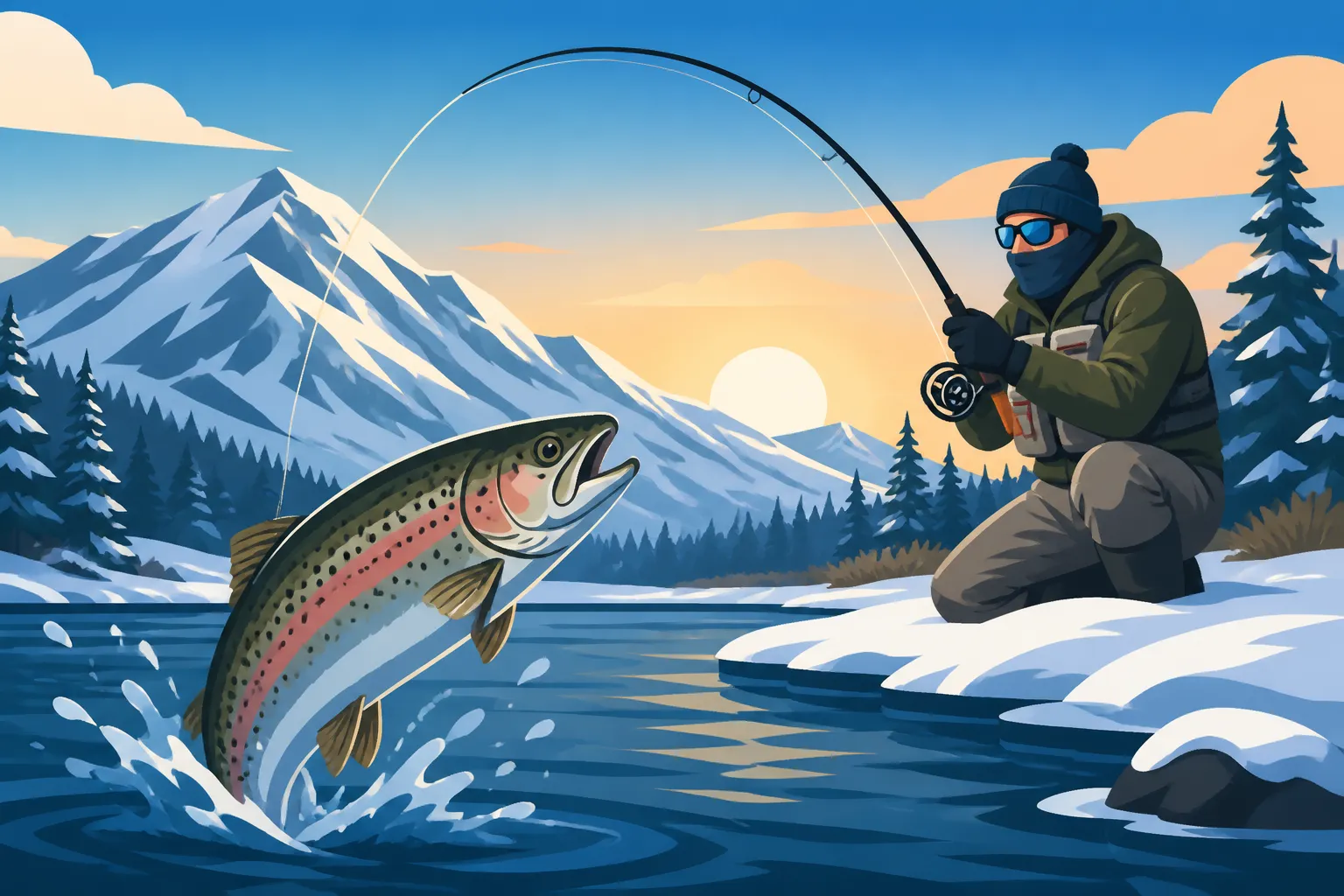
Idaho in winter is nothing short of breathtaking. Picture snow-dusted mountains reflecting on still, frozen lakes, or the steam rising from a chilly river as you cast your line. The scenery alone is often worth the trip, providing a majestic backdrop to your fishing adventure. You'll likely capture some incredible photos and create memories that stand apart from your usual summer excursions. And as we touched on earlier, fewer people means less competition for those prime fishing spots, whether you're drifting a nymph pattern on a river or setting up your ice shack on a frozen reservoir. It allows for a more relaxed pace, more time to explore, and a far more intimate experience with Idaho's wild beauty.
Key Considerations for Safe and Successful Winter Trips
Alright, so you're tempted by the thought of serene waters and fewer crowds. That's fantastic! But before you head out, winter fishing demands a higher level of preparedness and respect for the elements than summer outings. Ignoring safety considerations can quickly turn a beautiful day into a dangerous situation. Being informed and well-equipped is not just smart; it's absolutely essential for your well-being and enjoyment.
Essential Gear for Cold Weather Comfort
Staying warm and dry is paramount when fishing in freezing temperatures. Layers are your best friend. Start with a moisture-wicking base layer (synthetics or merino wool are excellent) to pull sweat away from your skin. Add an insulating mid-layer like fleece or down for warmth, and top it off with a waterproof and windproof outer shell. Don't forget your extremities! A good hat that covers your ears, insulated gloves or mittens (with fingerless options for dexterity while fishing), and warm, waterproof boots are non-negotiable. I can't stress enough how important good boots are for keeping your feet warm and dry on snow or ice. Brands like Sorel or Baffin make excellent options for extreme cold. You might even find a great selection of reliable thermal wear and waterproof outer layers on Amazon before your trip. A thermos filled with hot coffee, tea, or soup can also be a lifesaver.
Ice Safety: What You Really Need to Know
If you're heading out onto the hard water, ice safety is the single most critical factor. There's no fish worth risking your life for. Always check local ice conditions and reports from the Idaho Department of Fish and Game (IDFG) or reputable local bait shops. As a general rule of thumb, you need at least 4 inches of clear, solid ice for safe foot travel, 5-7 inches for a snowmobile or ATV, and 8-12 inches for a small car or light truck. But remember, ice thickness can vary wildly, even on the same body of water, due to currents, springs, or pressure ridges. Always bring a spud bar or auger to check thickness as you go. Wear ice picks around your neck, never fish alone, and tell someone where you're going and when you expect to return. A flotation suit can also provide crucial insulation and buoyancy if you do break through. Learn more about How to Ice Fish Idaho Lakes before heading out.
Monitoring Weather and Water Conditions
Winter weather in Idaho can change in an instant, and those changes significantly impact both safety and fishing success. Always check the forecast before you leave and be prepared for sudden drops in temperature, heavy snowfall, or strong winds. Wind chill can make an otherwise tolerable day feel brutally cold. For river anglers, pay close attention to water levels and clarity. Snowmelt or heavy rain can cause rivers to rise and become muddy, making fishing challenging. Conversely, stable, cold weather often leads to clearer water and more consistent fishing. Keep an eye on reports from the IDFG about specific river sections and lake conditions, as they often provide valuable insights into what to expect.
Top Fish Species to Target During Idaho Winters
Idaho's winter waters might seem desolate to the uninitiated, but below the surface, a vibrant ecosystem continues to thrive. Certain fish species, far from going dormant, offer some of the most exciting and memorable angling opportunities of the year. Knowing what to target, and where, is key to a successful cold-weather outing.
Ice Fishing for Perch and Trout
For many, ice fishing is synonymous with winter angling in Idaho, and for good reason! Lakes like Cascade Reservoir, Lake Cascade, and the vast Lake Pend Oreille transform into bustling (but still peaceful) ice fishing villages. Yellow perch are often the star of the show, especially on Cascade Reservoir, where they can be caught in incredible numbers. These feisty panfish provide constant action, making it an ideal target for families or those looking for a lot of bites. They tend to school up, so once you find one, you've often found a whole group.
Beyond perch, many of Idaho's lakes and reservoirs offer fantastic opportunities for various trout species through the ice. Rainbow trout, cutthroat trout, and even big lake trout (mackinaw) in deeper waters like Priest Lake can be successfully targeted. These fish often cruise along structure or suspend in the water column, responding well to small jigs tipped with bait like mealworms, corn, or powerbait. The tranquility of ice fishing, combined with the excitement of pulling a hard-fighting trout from beneath the ice, is an experience not to be missed.
Steelhead: The Winter Warrior
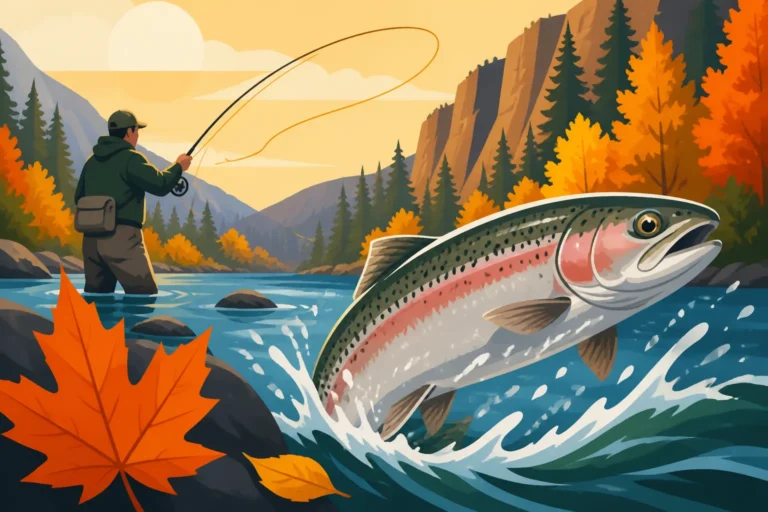
If there's one fish that truly embodies winter fishing in Idaho, it's the steelhead. These ocean-run rainbow trout make an epic migration up the Snake, Salmon, and Clearwater Rivers, providing a world-class fishery that defines winter angling for many. The pursuit of steelhead is an act of patience, persistence, and often, braving the elements, but the reward of hooking into one of these chrome-bright, powerful fish is unparalleled.
Steelhead fishing can involve various techniques, from drift fishing with bait or jigs to swinging flies with a spey rod. They are known for their incredible fighting spirit, often making acrobatic leaps and powerful runs. The Clearwater River, in particular, is legendary for its steelhead runs, drawing anglers from around the globe. Keep an eye on the Idaho Steelhead Fishing Guide for detailed information on seasons and techniques. Remember, careful handling and understanding the difference between hatchery and wild steelhead (distinguished by a clipped adipose fin) are crucial, as wild fish are often protected and must be released. For a truly immersive experience, many anglers seek out reputable Clearwater River Steelhead Guides who can provide invaluable local knowledge and expertise.
Other Cold-Water Opportunities
While perch, trout, and steelhead dominate the winter scene, other species also offer excellent cold-weather angling. Crappie and bluegill can be fantastic targets through the ice, especially in waters like C.J. Strike Reservoir or Lake Lowell, providing abundant action. On open rivers, you might find opportunites for whitefish, which often become more active in colder water and are a surprisingly good fight on light tackle. Some of Idaho's larger reservoirs and rivers, particularly in the southern half of the state, also maintain populations of smallmouth bass that can be caught on jigs or slow-moving baits, even in colder water, though their activity levels will be much lower than in summer. Always check the current Idaho Fishing Regulations Explained for specific waters, as rules can vary greatly for different species and locations during the winter months.
Best Idaho Waters for Winter Angling Adventures
Idaho is a land of incredible diversity, and its winter fishing opportunities are no exception. From the deep, cold lakes of the Panhandle to the mighty rivers carving through central Idaho, and the sprawling reservoirs of the south, there's a winter fishing adventure waiting for every angler. Knowing the prime locations can make all the difference in planning a successful and memorable trip.
North Idaho's Ice Fishing Havens
The northern panhandle of Idaho truly shines when it comes to hard-water fishing. Majestic bodies of water like Lake Coeur d'Alene, Lake Pend Oreille, and Priest Lake become prime ice fishing destinations. While these larger lakes can be challenging to navigate in terms of ice conditions, their potential rewards are immense. Lake Coeur d'Alene, for example, offers good opportunities for kokanee, perch, and even Chinook salmon through the ice in deeper sections, though Chinook ice fishing is less common. For sheer numbers of perch, Cascade Reservoir, further south but still a premier ice fishing spot, is a must-visit. You can often find anglers scattered across the ice, sometimes in communities of ice shacks, all targeting the abundant yellow perch which offer consistent action. Smaller, more accessible lakes and ponds, many of which are stocked by IDFG, can also provide excellent ice fishing for rainbow trout, especially for beginners or families. Consult the Best Fishing Spots in North Idaho for more specific locations and target species.
Clearwater and Salmon River Steelhead Hotspots
If steelhead is your quarry, the Clearwater River and Salmon River are legendary. The Clearwater, especially below Dworshak Dam, is famous for its large "B-run" steelhead, some of the biggest anadromous fish in the Lower 48. Access points along Highway 12, such as those near Orofino, Peck, or Lenore, are popular starting points. Drift boats are common here, allowing anglers to cover more water, but plenty of bank access also exists. The Salmon River, often called "The River of No Return," offers a more rugged and wild steelhead experience. Popular sections include those near Riggins, White Bird, and French Creek. Here, jet boats often provide access to more remote stretches, but again, bank fishing can be highly productive. These rivers demand vigilance with water levels, temperature, and clarity, as these factors dictate fish movement and feeding behavior. Winter is when these rivers truly come alive with the migration of these magnificent fish.
Southern Idaho's Year-Round Options
Don't think winter fishing is just for the northern reaches! Southern Idaho offers a surprising array of year-round fishing opportunities, often on waters that don't completely freeze over or have sections that remain open. The Snake River, in particular, provides diverse options, from smallmouth bass in its warmer sections to whitefish and even giant sturgeon in specific areas. C.J. Strike Reservoir, near Mountain Home, is another excellent choice for open-water winter fishing, hosting good populations of bass, crappie, and perch that can be caught from shore or boat. Additionally, many smaller community ponds around Boise, Nampa, and other population centers are regularly stocked with rainbow trout throughout the colder months, offering easily accessible and often productive fishing for families and casual anglers. These urban fisheries are fantastic for a quick outing when you don't have time for a major expedition. The trick is to check the IDFG's stocking reports, as they often update which ponds have recently received fresh fish, ensuring a higher chance of success.
Mastering Winter Fishing Techniques
Successfully fishing in the winter isn't just about finding the right spot; it's about adapting your techniques to the colder water and often more lethargic fish. The methods that worked so well in summer might need a serious overhaul. It's a game of subtlety, patience, and understanding how fish behave when the temperatures drop.
Jigging and Deadsticking for Ice Fishing
When the ice thickens, jigging and deadsticking become your go-to techniques. Jigging involves using small, weighted lures (jigs) that you rapidly twitch and lift, mimicking a struggling insect or minnow. This active presentation can entice bites from curious or opportunistic fish like perch, crappie, and even trout. The key is often experimenting with different jigging cadences – sometimes a fast, aggressive series of jerks works, other times a barely perceptible quiver is best.
Deadsticking, on the other hand, is a much more passive approach. This involves setting up a second rod (where regulations allow) with a baited hook suspended motionlessly in the water, often just above the bottom or at a depth where fish are observed. The idea is to let the bait sit, presenting an easy meal to less aggressive fish. A common setup involves using a slip bobber or a sensitive spring bobber to detect the lightest bites. Often, anglers will jig with one rod to draw fish in, and then deadstick with the other, allowing fish that are unwilling to chase to take a static presentation. Micro jigs tipped with a small piece of worm, a maggot, or PowerBait are often incredibly effective.
Drifting and Swinging for Steelhead
For those pursuing steelhead in open rivers, patience and precision are paramount. Drifting involves allowing your bait or lure to tumble naturally along the river bottom, mimicking dislodged food items. This can be done from a drift boat or by wading. Popular setups include a bobber and jig, or a Slinky weight system with cured roe or a plastic worm. The goal is to get your presentation right in front of a steelhead that might be holding in a deep run or behind a piece of structure. Learning to read water on Idaho's rivers is crucial for this technique, understanding where fish might be resting or traveling.
Swinging flies is a more active fly fishing technique, often employing a spey or switch rod. This involves casting a fly (typically a weighted streamer or leech pattern) across the current and allowing it to swing downstream in an arc. The movement of the fly as it swings is often what triggers a steelhead to strike. This technique is incredibly engaging and visually stunning, particularly in the clear, cold waters of the Clearwater. Both drifting and swinging require careful line management and an understanding of river currents to present your offering effectively. You can find more specific advice in an Idaho Fishing Techniques Guide.
Subtle Approaches for Finicky Cold-Water Fish
Beyond these primary methods, remember that fish in cold water are often less active and more finicky. Their metabolism slows down, meaning they don't need to eat as frequently or exert as much energy for a meal. This calls for a subtle approach. Slow down your retrieves. Use smaller baits and lures, especially those with natural colors. Consider lighter line to reduce visibility. Fish will often hold in deeper pools, slower runs, or areas with less current, conserving energy.
For trout in open rivers or lakes, a slow retrieve with a small spinner or spoon can be effective. Fly anglers might find success with deeply sunk nymph patterns, slowly retrieved streamers, or even tiny dry flies on warmer, calmer winter days when midge hatches occur. The key is to be observant, experiment with different depths and speeds, and be patient. Bites can be incredibly subtle, so a sensitive rod and keen attention are essential to detect those faint taps that signal a fish has picked up your offering.
Navigating Idaho's Winter Regulations and Permits
Idaho's fishing regulations are designed to protect its diverse fish populations and ensure sustainable angling for everyone. However, they can sometimes feel a bit like a labyrinth, especially when you factor in specific seasons, species, and water bodies. During winter, understanding these rules is even more critical, as many waters shift to special regulations or specific permits become mandatory.
Understanding Year-Round and Special Regulation Waters
While many popular fishing spots have defined seasons, Idaho also boasts numerous "year-round" fishing waters. These are often rivers or reservoirs where fishing is permitted continuously, providing fantastic winter opportunities. However, "year-round" doesn't necessarily mean "anything goes." These waters often have specific daily bag limits, tackle restrictions (like barbless hooks or artificial lures only), and sometimes even unique size limits that differ from general statewide rules. For example, some sections of the Snake River might have year-round fishing, but with very specific rules for sturgeon that require catch-and-release and barbless hooks. It's paramount to consult the current Idaho Fishing Seasons Dates and Limits brochure, published by the IDFG, which you can usually find online or at any license vendor. This document is your bible for understanding what's open, what's closed, and what special rules apply.
Specific Permits for Anadromous Fish
If your winter quest includes chasing steelhead or Chinook salmon, you'll need more than just a standard Idaho Fishing License. These migratory fish require specific permits. For steelhead, you'll need an Idaho Salmon and Steelhead Permit. This permit is an additional fee on top of your base license and is crucial for legal angling of these prized fish. It also comes with a "catch record card" which you are required to fill out diligently for every steelhead you catch, whether kept or released. This data is vital for IDFG's management efforts.
The cost of these permits, combined with your base license, is outlined in the Idaho Fishing License Cost Guide. Failing to have the correct permits can lead to significant fines and penalties, so double-check before you hit the river. These permits are typically available wherever fishing licenses are sold, including online through the IDFG website or at local sporting goods stores like those found through an Idaho Fishing License Online Purchase.
Idaho Fishing License Validity Period
It's a common mistake: thinking your annual license covers you for exactly 12 months from purchase. In Idaho, most annual fishing licenses are valid from January 1st through December 31st of the calendar year they are purchased. This means if you buy a license in late fall, it will expire at the end of that same calendar year, not a year from your purchase date. This is crucial for winter anglers, as a license purchased in October of one year won't cover you for January of the next.
Always ensure your license is current for the specific calendar year you are fishing. If you're planning a trip spanning late December and early January, you'll need licenses for both calendar years. For short trips, an Idaho One-Day Fishing License might be a cost-effective option, but if you're planning multiple outings or targeting specific species like steelhead, an annual license plus the relevant permits is usually the way to go. You can easily check the Idaho Fishing License Validity Period for specific details. Staying informed about these regulations ensures a stress-free and legal fishing experience.
Winter Fishing Gear Essentials Checklist
Being properly equipped is half the battle when it comes to enjoying and succeeding at winter fishing. This isn't just about comfort; it's about safety and efficiency. Here's a quick rundown of what you absolutely need, which you can often find readily available for purchase on platforms like Amazon.
| Category | Item | Importance | Notes |
|---|---|---|---|
| Clothing | Layered Apparel | Essential for warmth and moisture wicking | Base layers (merino wool/synthetics), fleece mid-layers, insulated waterproof/windproof outer shell. |
| Insulated & Waterproof Boots | Keeps feet dry and warm | Look for models rated for extreme cold; brands like Sorel, Baffin, Muck. | |
| Warm Hat/Beanie | Prevents significant heat loss from head | Covers ears. | |
| Insulated Gloves/Mittens | Protects hands from cold, allows dexterity | Fingerless options or convertible mittens for fishing tasks. | |
| Thermal Socks | Extra warmth for feet | Wool or synthetic blends. | |
| Safety (Ice) | Ice Picks | Self-rescue tool in case of falling through ice | Wear around neck, easily accessible. |
| Spud Bar / Auger | To check ice thickness, create fishing holes | Manual spud bar for checking, powered auger for drilling multiple holes easily. | |
| Flotation Suit | Provides insulation and buoyancy in case of immersion | High visibility, offers crucial survival time. | |
| Rope/Throw Bag | For rescuing others | Keep easily accessible on your person or in your sled. | |
| General Gear | Rod & Reel (Appropriate) | Match to target species and technique | Ice fishing rods (short, sensitive); longer rods for river steelhead. |
| Terminal Tackle & Bait/Lures | Specific for winter species | Small jigs, spoons, ice flies, roe bags, worms for ice; roe, jigs, flies for steelhead. | |
| Thermos with Hot Beverage | Maintains core body temperature | Hot coffee, tea, soup. | |
| Hand/Toe Warmers | Provides extra warmth in pockets or gloves/boots | Chemical warmers provide hours of heat. | |
| Headlamp/Flashlight | For early morning, late evening, or overcast days | Essential for safety and visibility. | |
| Sunscreen & Lip Balm | Protects from sun, wind, and chapping | Sun reflects off snow, intensifying exposure. | |
| Map/GPS & Compass | For navigation, especially on larger lakes or remote areas | Even on familiar spots, whiteouts can disorient. | |
| Miscellaneous | Small First-Aid Kit | For minor injuries | |
| Multi-tool/Knife | Handy for various tasks | ||
| Camera | To capture memories (and proof of your catch!) | Remember to protect electronics from extreme cold. |
Disclaimer
Please remember that fishing conditions, regulations, and safety advice can change. Always check the most current Idaho Fish and Game regulations and local conditions before heading out on any fishing trip. Your safety is your responsibility.