Idaho Largemouth Bass Fishing
Many anglers think of Idaho and immediately picture pristine rivers teeming with trout or powerful steelhead making their epic migrations. While those incredible fisheries certainly define much of our state's angling identity, it's easy to overlook the thrill of pursuing largemouth bass in Idaho's warmer waters. Chasing these aggressive, hard-fighting fish presents a unique and incredibly rewarding challenge, and this guide is here to show you exactly where to find them and how to hook into some impressive Idaho largemouth.
The Allure of Largemouth Bass Fishing in Idaho
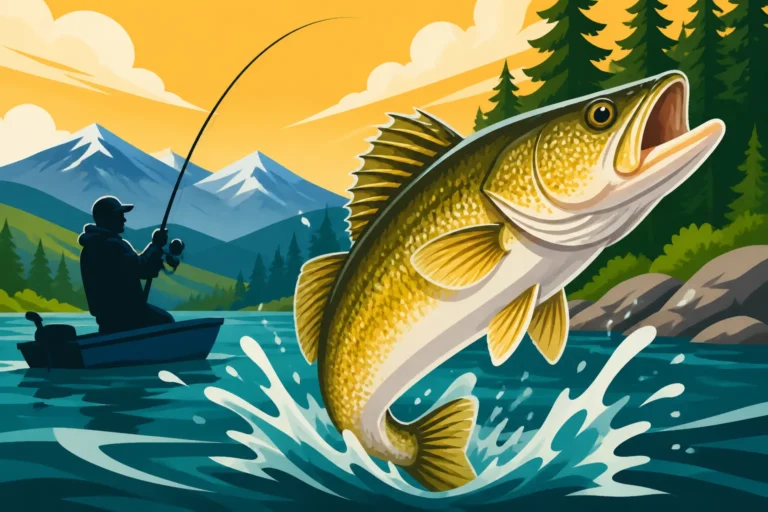
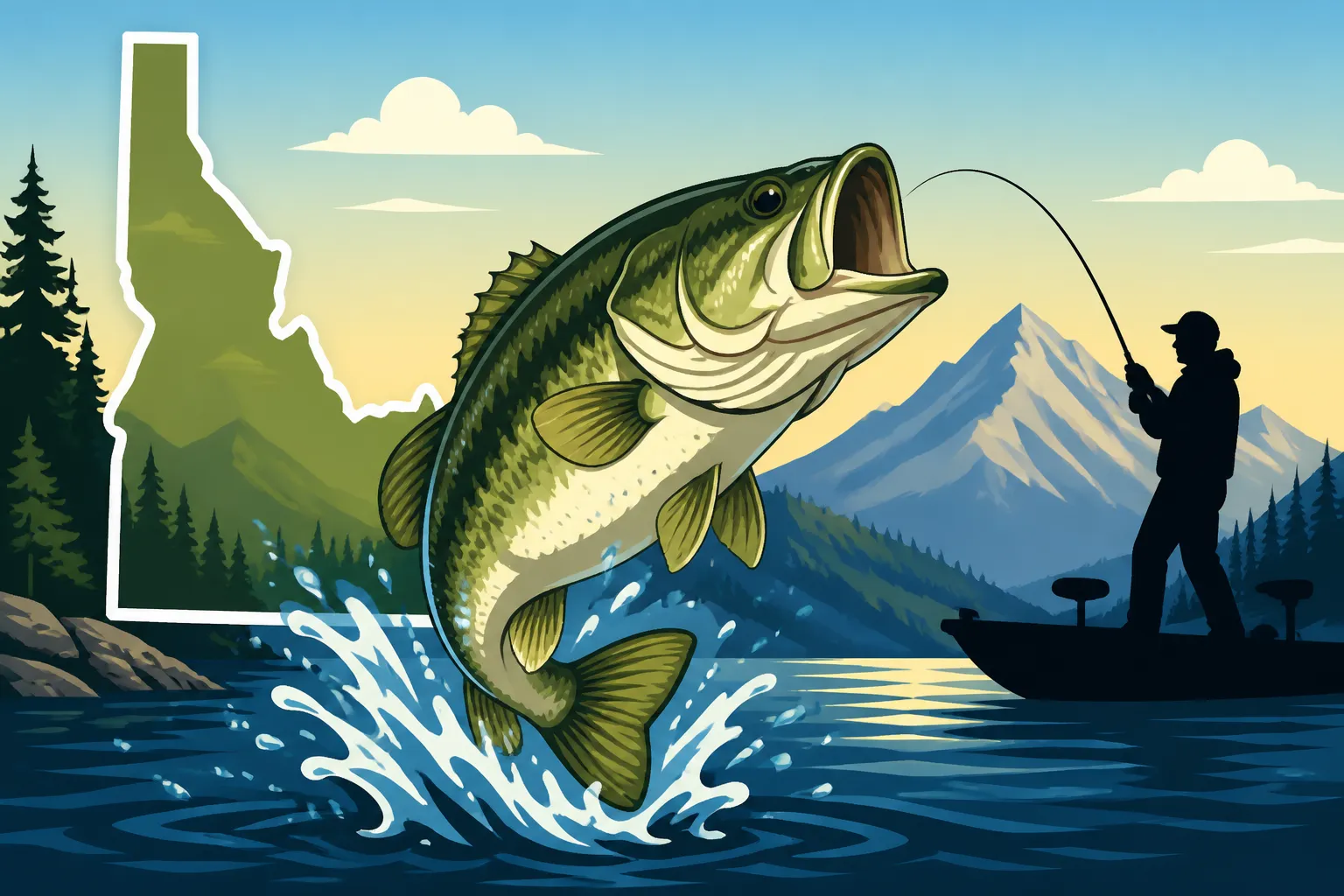
There's a special kind of excitement that comes with casting a lure towards a submerged log or a thick patch of lily pads, knowing that at any moment, a hungry largemouth bass could explode from the cover. It’s a dynamic, visual, and often heart-stopping experience that keeps anglers coming back for more. In Idaho, while not as widespread as some other species, the largemouth bass fishery offers some truly memorable days on the water for those who know where to look and what techniques to employ.
Why Largemouth Bass are a Special Challenge
Largemouth bass are apex predators in their ecosystems, known for their ambush tactics and powerful strikes. Unlike the more subtle takes you might experience with trout, a largemouth often hits a lure with a sudden, violent thud or a spectacular surface blow-up that sends adrenaline coursing through your veins. Their affinity for thick cover – submerged timber, dense weed beds, rock piles, and dock pilings – means that successfully targeting them requires precision casting, robust gear, and a good understanding of how to extract them from snag-heavy environments. It's a game of patience, stealth, and aggressive retrieval, demanding constant attention to detail and adaptability to changing conditions.
The challenge is amplified by their intelligence and wariness, especially in frequently fished waters. Largemouth bass can quickly learn to ignore or avoid certain lures, and a heavy boat presence can send them deep into cover. This forces anglers to constantly adjust their presentations, experiment with different baits, and even try less conventional tactics to trigger a bite. Idaho Bass Fishing Guide offers a broader look at bass fishing across the state, but for largemouth specifically, understanding their preferred habitats and feeding patterns is paramount.
Key Characteristics of Idaho Largemouth Habitat
In Idaho, largemouth bass thrive in warmer, often shallower waters compared to their cold-water dwelling cousins. They prefer lakes, reservoirs, and slow-moving river backwaters with abundant aquatic vegetation, submerged wood, and other types of structure that provide both ambush points and protection from predators. These environments offer the perfect combination of food sources, such as smaller fish, crawfish, and insects, and the necessary cover to hide from the harsh sun or lurking eagles.
When you're out on the water, look for areas with distinct changes in depth, points, coves, and especially any visible structure like fallen trees, brush piles, or docks. Healthy weed lines, lily pad fields, and cattail edges are prime real estate for largemouth, as they offer excellent camouflage for ambushing prey. Even seemingly mundane features like riprap banks or muddy flats adjacent to deeper water can hold impressive bass, particularly during feeding periods. Identifying these key habitat elements is the first step in unlocking successful largemouth bass fishing in Idaho.
Prime Idaho Waters for Largemouth Bass
While largemouth bass aren't found in every Idaho waterway, several lakes and reservoirs offer fantastic opportunities to pursue these bucket-mouthed fighters. Knowing where to focus your efforts can make all the difference, transforming a fruitless day into an unforgettable angling adventure.
Northern Idaho's Bass Hotspots
Northern Idaho, with its abundant lakes and warmer summer temperatures, surprisingly offers some truly excellent largemouth bass fishing, often overshadowed by its trout and salmon reputation. Lake Coeur d'Alene, famous for its kokanee and chinook salmon, also harbors a robust population of largemouth, particularly in its shallower bays and around its extensive dock systems. Anglers targeting the warmer, weedy coves and residential shorelines can find good numbers of quality bass. Pay attention to structure around boat docks and submerged brush piles in these areas.
Another fantastic option is the lower sections of the Coeur d'Alene River and its sloughs, which provide ideal backwater habitat with plenty of lily pads and fallen timber. Further north, Lake Pend Oreille's shallower arms and the Clark Fork River delta also offer opportunities, though the fish might be a bit more spread out due to the lake's sheer size and depth. Best Fishing Spots in North Idaho is a great resource if you're exploring the broader region. Small ponds throughout the panhandle, often stocked or naturally sustaining, can also hold surprising numbers of largemouth, providing easy access for a quick afternoon trip.
Southern Idaho's Reservoir Gems
Southern Idaho might be known for its high desert landscapes, but its numerous reservoirs along the Snake River Plain offer consistent and often spectacular largemouth bass fishing. Lake Lowell, located near Nampa, is a classic example. This large, relatively shallow reservoir is known for its extensive weed beds and excellent bass habitat. It's a favorite among local bass anglers and a great place to start your search. Why Lake Lowell Is an Easy First Trip for Nampa Families further highlights its accessibility.
C.J. Strike Reservoir, a vast impoundment formed by the Snake and Bruneau Rivers, is another premier destination. It boasts incredible populations of both largemouth and smallmouth bass, with largemouth often found in the shallower, warmer coves and backwaters where abundant cover exists. Look for areas with submerged timber, rock piles, and vegetation. Farther east, places like Blackfoot Reservoir, while often colder, have pockets of good largemouth fishing, particularly in the summer months as water temperatures rise. These southern Idaho waters truly shine for bass anglers, providing diverse landscapes and challenging fishing.
| Idaho Largemouth Bass Fishing Spots (Examples) | Key Features for Bass | Best Time to Fish |
|---|---|---|
| Lake Lowell (Near Nampa) | Extensive weed beds, shallow coves, submerged brush | Spring, Summer, Fall |
| C.J. Strike Reservoir (Southwest Idaho) | Varied structure, submerged timber, warmer coves | Spring, Summer, Fall |
| Lake Coeur d'Alene (Northern Idaho) | Docks, shallow bays, residential shorelines, weed lines | Summer, Early Fall |
| Coeur d'Alene River Sloughs | Lily pads, fallen trees, calm backwaters | Spring, Summer |
Gearing Up for Idaho Largemouth Success
Having the right equipment is absolutely crucial when targeting largemouth bass, especially in Idaho where you might be casting to heavy cover or battling unpredictable weather. While you don't need to break the bank, investing in quality gear tailored for bass fishing will significantly improve your experience and success rate.
Rods, Reels, and Line: Your Foundation
For largemouth bass, you'll want a rod with enough backbone to cast heavier lures and pull fish out of thick cover, but also enough tip sensitivity to detect subtle bites. A good all-around setup would be a 6'6" to 7'3" medium-heavy or heavy power casting rod (also known as a baitcasting rod) with a fast action tip. This combination allows for long, accurate casts and powerful hooksets. Couple this with a baitcasting reel with a gear ratio between 6.4:1 and 7.5:1, offering a good balance of retrieval speed for various lure types. A higher gear ratio is great for quickly working topwater baits or burning spinnerbaits.
When it comes to line, braided line is a popular choice for its incredible strength, lack of stretch, and abrasion resistance, making it ideal for fishing around heavy cover. A 30-50 lb test braid is common. Many anglers will tie a fluorocarbon leader (12-20 lb test) to their braid for added stealth, as fluorocarbon is nearly invisible underwater. Alternatively, 15-20 lb monofilament or fluorocarbon main line can be used if you're fishing more open water or want a bit more stretch. Remember, you can often find great deals on these essential items on platforms like Amazon.
The Arsenal of Lures: What to Throw When
Largemouth bass are opportunistic feeders, meaning they'll hit a wide variety of lures depending on the season, water conditions, and their mood. Having a diverse tackle box is key. Your basic arsenal should include:
- Topwater Lures: Frogs, poppers, and walking baits are essential for exciting surface bites, especially in low light or over heavy cover.
- Crankbaits: These dive to various depths and imitate baitfish. Shallow-diving crankbaits work well around cover, while deep-divers are great for points and drop-offs.
- Spinnerbaits and Bladed Jigs: Excellent for covering water quickly, especially around submerged grass or brush. The flash and vibration can trigger reaction strikes.
- Soft Plastics: Worms, creature baits, and swimbaits rigged Texas-style, Carolina-rigged, or on a jig head are incredibly versatile and effective in almost any situation. These are often the go-to when fish are finicky.
- Jigs: Flipping and pitching jigs into heavy cover is a classic bass fishing technique, mimicking crawfish or baitfish.
Experimentation is key, as bass can be incredibly selective. Don't be afraid to try different colors, sizes, and retrieve speeds until you find what they're willing to hit on any given day. If you're looking to stock up on a variety of lures, check out the extensive selection on Amazon. Best Bait and Lures for Idaho Fishing offers a more general overview but many of those principles apply directly to largemouth as well.
Top Techniques to Entice Idaho Largemouth
Catching largemouth bass isn't just about having the right gear; it's about knowing how to present your lures effectively and understanding the behavior of the fish throughout the year. Mastering a few key techniques will significantly boost your success on Idaho's bass waters.
Mastering Topwater and Shallow Water Tactics
There's nothing quite like a largemouth exploding on a topwater lure. This is often most effective in low light conditions—early mornings, late evenings, or overcast days—and in warmer water when bass are actively feeding near the surface. Look for areas with lily pads, matted grass, or submerged logs where bass can ambush prey. Walking baits, such as Zara Spooks, or poppers are excellent choices for open pockets in vegetation, while soft plastic frogs can be retrieved directly over heavy mats. The key with topwater is to work the lure slowly, allowing for pauses that mimic struggling prey, and to be patient before setting the hook. Wait until you feel the weight of the fish, not just the splash.
For shallow water that doesn't have dense surface cover, consider throwing spinnerbaits or bladed jigs. These lures excel at covering water quickly and drawing reaction strikes from bass lurking in submerged grass or brush. Fan cast these lures around likely holding spots, varying your retrieve speed until you find what the fish prefer. The flash and vibration are often irresistible to aggressive bass.
Diving Deeper: Crankbaits, Jigs, and Plastics
When bass aren't willing to come to the surface, or when they've retreated to deeper structure, you'll need to go after them. Crankbaits are ideal for covering water and targeting specific depth ranges. Shallow-diving models are excellent for probing submerged logs, rock piles, or tapering points, while deeper-diving crankbaits can reach bass holding on offshore humps or along channel edges. The erratic action of a crankbait bouncing off structure often triggers powerful strikes.
Jigs, particularly football jigs or stand-up jigs dressed with a crawfish or creature trailer, are phenomenal for probing bottom structure. They mimic crawfish, a primary food source for bass. Cast them to rock piles, ledges, or submerged timber, letting them fall to the bottom and then slowly dragging or hopping them. Pay close attention to your line for the slightest twitch, which often indicates a bite. For really heavy cover, flipping and pitching jigs into dense brush or under docks is a highly effective, close-quarters technique. These presentations allow you to get right into the bass's living room, so to speak, where they feel secure and ready to ambush.
Soft plastic lures, such as Texas-rigged worms, Senkos, or creature baits, are perhaps the most versatile in a bass angler's arsenal. They can be fished weightless, Texas-rigged for weedless presentation, or Carolina-rigged to explore larger areas of the bottom. These lures offer a natural, subtle presentation that can tempt even the most finicky bass. The slow, seductive fall of a weightless Senko in clear water is often irresistible, while a Texas-rigged worm can be worked through dense cover without snagging, making it a go-to for many anglers.
Seasonal Strategies for Consistent Bites
Largemouth bass behavior is heavily influenced by the seasons, dictating where they'll be and what they'll bite.
- Spring (Pre-Spawn & Spawn): As water temperatures rise into the 50s and 60s, bass move to shallower spawning flats. Pre-spawn bass are often hungry and aggressive, making crankbaits, spinnerbaits, and jerkbaits effective. During the spawn (mid-60s to low 70s), bass are guarding beds. Sight fishing with jigs or soft plastics can be productive, but always practice ethical catch-and-release during this sensitive time.
- Summer (Post-Spawn & Warm Water): Post-spawn bass can be lethargic initially but quickly become active feeders. As water temperatures climb into the 70s and 80s, bass often retreat to deeper, cooler water during the day, moving shallower at dawn and dusk. Early morning topwater action is fantastic, but during the day, focus on deep ledges, submerged timber, and thermoclines with deep-diving crankbaits, jigs, and Carolina-rigged plastics. Best Time of Day to Fish in Idaho During Summer Heat will have more tips.
- Fall (Turnover & Feeding Frenzy): As temperatures drop and the lake "turns over," bass become highly active, feeding aggressively to build up fat reserves for winter. This is a fantastic time for power fishing with spinnerbaits, crankbaits, and bladed jigs, covering water quickly. Bass will often move shallower again, chasing baitfish that are pushed by cooling water.
- Winter (Cold Water): Largemouth bass become much less active in cold water. They'll typically hold in deep, stable areas like channel bends, main lake points, or near offshore structure. Slow presentations with jigs, spoons, or shaky head worms are often the most productive. Bites can be very subtle, requiring patience and sensitive gear.
Understanding these seasonal shifts in bass behavior is critical for planning a successful trip and choosing the right Idaho Fishing Techniques Guide for the conditions.
Responsible Angling and Conservation
As passionate anglers, it's our responsibility to ensure the health and sustainability of Idaho's fisheries for future generations. This means adhering to regulations, practicing ethical catch-and-release, and minimizing our impact on the environment. Especially with a species like largemouth bass, which often face high fishing pressure, conservation efforts are paramount.
Practicing Catch-and-Release for Healthier Fisheries
Many Idaho bass anglers voluntarily practice catch-and-release, especially for larger breeding-size fish. This helps maintain a robust population and promotes the growth of trophy-sized bass. When practicing catch-and-release, handle the fish as little as possible and always with wet hands to protect their slime coat, which is vital for their immune system. If you plan to take a photo, do it quickly and support the fish horizontally with two hands. Avoid holding bass vertically by the jaw, as this can cause irreversible damage to their jaw and internal organs, especially with larger fish.
Use appropriate tools like needle-nose pliers or hemostats to quickly remove hooks. If a fish is deeply hooked, it's often better to cut the line as close to the hook as possible rather than tearing internal organs. Releasing fish gently back into the water, head first, and allowing them time to recover before swimming off, increases their survival rate. For more on specific rules, consult the Idaho Catch Limits and Bag Limits Explained and remember that regulations can vary by waterbody.
Understanding Regulations and Protecting Idaho's Waters
Before you head out, always consult the most current Idaho fishing regulations. These regulations outline daily bag limits, possession limits, and any special restrictions for specific waters or seasons. For example, some waters might have slot limits, requiring you to release bass within a certain size range to protect critical breeding stock.
Beyond regulations, be mindful of your environmental footprint. Dispose of all trash, including fishing line, properly. Monofilament and braided line can be deadly to wildlife if left in the water or on shore. Avoid disturbing nesting areas or sensitive habitats. If you're using a boat, be aware of wake restrictions and minimize your impact on shorelines. By being a thoughtful and responsible angler, you contribute to the overall health of Idaho's waters, ensuring that the thrill of chasing largemouth bass remains a vibrant part of our fishing heritage for years to come.
Disclaimer
This article is for general informational purposes only and does not constitute professional advice. Laws, prices and regulations vary by location and change over time. Consult a qualified professional for guidance on your specific situation.