Idaho Fishing Rules for Kids and Families
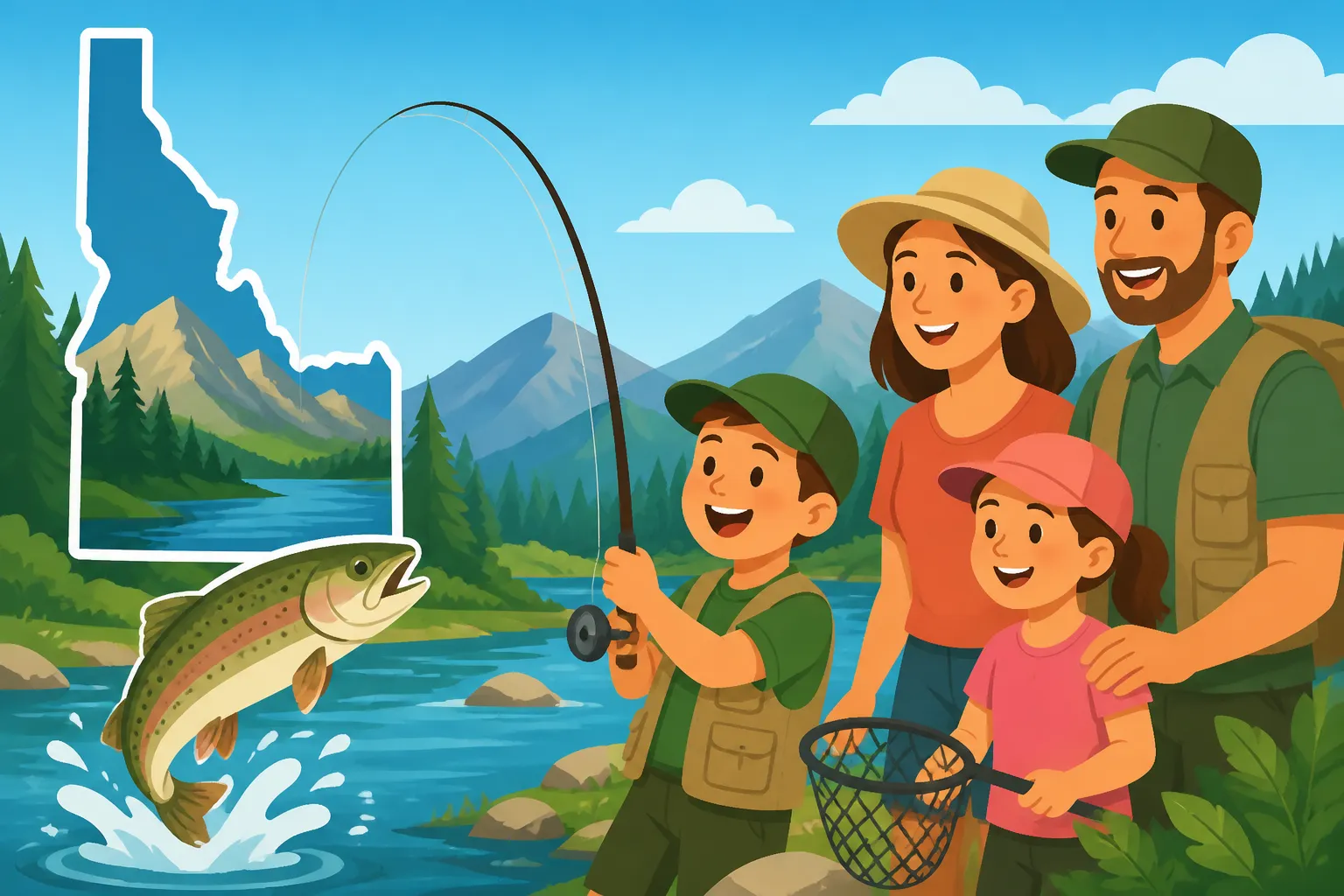
Let's be real: trying to figure out all the ins and outs of Idaho's fishing regulations can feel like tackling a giant puzzle, especially when you're trying to plan a fun, stress-free day out with the kids. You just want to share the joy of fishing, but the fear of accidentally breaking a rule or needing a permit you didn't know about can be a real buzzkill. This guide is here to untangle all that confusion, breaking down Idaho's fishing rules into easy-to-understand chunks specifically for families and young anglers, so you can focus on making memories, not mistakes.
Understanding Age Requirements and License Exemptions for Kids
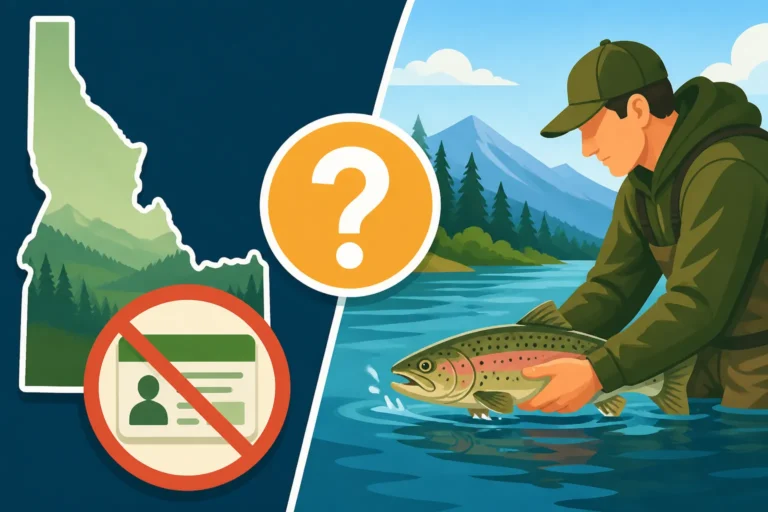
One of the first questions almost every parent or guardian asks is, "Does my child even need a fishing license?" It's a valid question, and thankfully, Idaho has some pretty family-friendly rules when it comes to the youngest anglers. Getting this part right is foundational to a worry-free outing.
The Magic Age: When Kids Need a License
In Idaho, the good news for parents of younger children is that kids aged 13 and under do not need a fishing license to cast a line. That's right, if your little one is 13 years old or younger, they can fish without a license in most Idaho waters. This is a huge relief for many families, making it incredibly accessible for those first exploratory trips to a local pond or stream. Imagine taking your 7-year-old, your 10-year-old, and your 12-year-old out to their favorite fishing spot near Boise or Spokane, and only you, the supervising adult, need to worry about having a valid license.
However, once a child turns 14, they enter the age bracket where an Idaho fishing license becomes mandatory. This is a common point of confusion, as many states have different age cutoffs. So, if you've got a teenager who's hitting that big 1-4, it's time to start looking into purchasing a youth license for them. It’s always better to be prepared than to have a friendly Idaho Fish and Game officer spoil your day with a citation. This rule applies whether they’re residents or nonresidents, though the cost of their license might vary.
What About Free Fishing Day?
Ah, Idaho's Free Fishing Day! This is an absolute gem for families, especially those just dipping their toes into the fishing world or those who want to enjoy a day on the water without the hassle and expense of licenses. Each year, usually in June, the Idaho Department of Fish and Game hosts a statewide Free Fishing Day. On this special day, anyone—resident or nonresident, adult or child—can fish in Idaho waters without needing a fishing license or any associated permits.
This initiative is designed to encourage participation in fishing and introduce new anglers to the sport. It's truly a fantastic opportunity to gather the family, pack a picnic, and head to a local lake or river. You can teach the kids how to bait a hook, cast a line, and hopefully, reel in their first fish, all with the peace of mind that no licenses are required. Many communities even host special events and derbies on this day, offering clinics and loaner gear, making it even easier to get involved. Check the IDFG website as the date approaches to confirm the exact day for the upcoming year; you don't want to miss it! For more details on this special event, refer to our comprehensive guide on Idaho Free Fishing Day.
Grandparents and Guardians: Who Needs What?
This is where things can get a little nuanced, and it’s a question that often comes up in family discussions. If you, as a grandparent, aunt, uncle, or guardian, are taking children fishing, you need to ensure your own licensing status is in order. The rule is simple: if you are 14 years or older and are actively participating in fishing (meaning you have a rod in the water, even if you’re just "helping" a kid), you must possess a valid Idaho fishing license.
Let’s imagine a scenario: Grandma takes her two grandkids, ages 8 and 11, to a pond. The kids are happily casting their lines, and Grandma decides to set up her own rod to try her luck. In this case, Grandma absolutely needs a valid Idaho fishing license. However, if Grandma is simply supervising, baiting hooks for the kids, untangling lines, and perhaps cheering them on without a rod in the water herself, she does not need a license. The key distinction is whether the adult is actively fishing or merely assisting and supervising children who are lawfully fishing. Always err on the side of caution; if there's any chance you'll pick up a rod, get a license.
Idaho's Youth Fishing License Rules and Costs
Once your young angler crosses that 14-year threshold, it's time to get them their very own fishing license. The good news is that youth licenses are generally more affordable than adult ones, making it easier for families to keep their budding anglers legal on the water.
Buying a License for Older Kids
Acquiring an Idaho fishing license for your 14- to 17-year-old is a pretty straightforward process, much like buying one for yourself. There are a few convenient ways to do it. The most popular method these days is online, through the Idaho Department of Fish and Game's website. It's quick, easy, and you can do it from the comfort of your home. You'll simply need some basic information for your child, including their date of birth, and a valid form of identification. Once purchased, you'll receive a digital copy or a printable version that they can carry with them.
Alternatively, you can visit any authorized license vendor throughout the state. These vendors include many sporting goods stores, bait shops, and even some convenience stores. Places like your local Cabela's, Sportsman's Warehouse, or smaller local tackle shops are excellent places to pick up a license. Purchasing in person offers the benefit of chatting with knowledgeable staff who can often provide local tips or answer specific questions about regulations in the area you plan to fish. It's a great way to support local businesses while ensuring your teen is legally ready to fish. For a detailed walkthrough of the process, consult our guide on How to Buy an Idaho Fishing License and for specific online steps, check out Idaho Fishing License Online Purchase.
Breaking Down the Youth License Cost
The cost of a fishing license in Idaho for youth (ages 14-17) is significantly less than for adults, which is a thoughtful consideration by the state to encourage young people to participate in outdoor activities. For Idaho residents, a youth annual fishing license is quite affordable, often just a few dollars. This small investment provides them with year-round access to Idaho's incredible fishing opportunities.
For nonresidents, the cost is higher, but still typically less than an adult nonresident license. It's important to remember that these prices are subject to change, so always check the most current Idaho Fish and Game fee schedule before purchasing. While the base fishing license covers most general fishing, it's crucial to understand that certain species or specific fishing activities might require additional permits or tags, even for youth. We'll dive into that in the next section, but for an exhaustive breakdown of what you might expect to pay, our article on Idaho Youth Fishing License Cost provides all the details.
Permits and Stamps for Specific Species (Steelhead, Salmon, Sturgeon)
Here's where it can get a little tricky, even for experienced anglers, so it's vital for families to pay close attention. While a general fishing license (for those aged 14 and up) covers most common species like trout, bass, and perch, some of Idaho's most prized game fish require additional permits or stamps. These special endorsements help fund conservation efforts specific to those species and manage harvest.
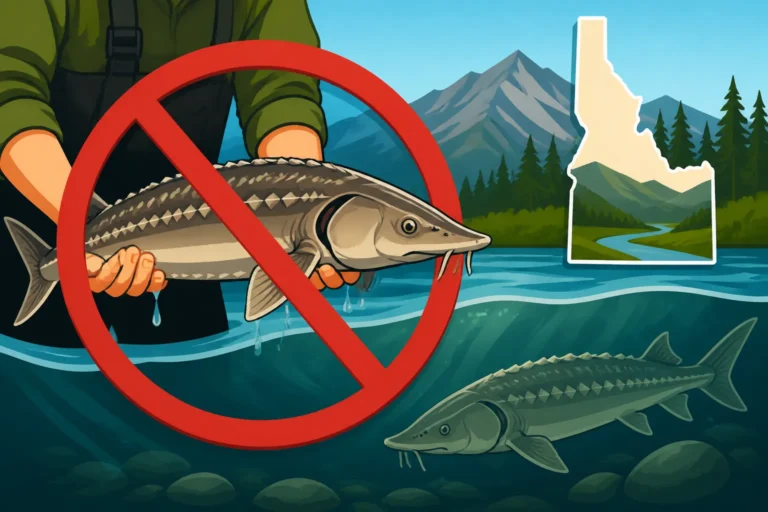
For instance, if your family dreams of catching Idaho's iconic steelhead or Chinook salmon, even your licensed teenager will need to purchase a Salmon/Steelhead Permit in addition to their regular fishing license. This permit is crucial for both residents and nonresidents and is required regardless of whether you intend to keep or release the fish. Similarly, if you plan to target the magnificent White Sturgeon in the Snake River, there are specific rules and permits, which often involve a catch-and-release philosophy and sometimes even a catch record card. Make sure to research these requirements well in advance of your trip. Our detailed articles on Idaho Salmon and Steelhead Permit and Idaho Sturgeon Fishing Rules offer invaluable insights into these specific regulations, helping you avoid any unwelcome surprises on the water.
Simplified Idaho Fishing Regulations for Families
Beyond the licenses, understanding the actual rules of fishing—like how many fish you can keep or what gear you can use—is paramount. The Idaho Fish and Game regulations can seem daunting, but for general family fishing, a few key concepts cover most scenarios.
General Statewide Rules to Keep in Mind
Idaho has a set of core fishing regulations that apply statewide unless a specific water body has its own unique rules. For families, focusing on these general principles first can simplify your outing greatly. One important rule to teach kids early is the "two-rod stamp" concept. While most anglers are limited to using one rod and line, you can purchase an additional two-rod validation stamp (for those 14 and older who have a license) to use a second rod. This can be great for trying different techniques simultaneously or simply increasing your chances of a bite.
Another crucial aspect is legal fishing hours. Generally, fishing is allowed from one hour before sunrise to one hour after sunset. However, certain special regulation waters might have different rules, so always check. Beyond the legalities, it's a fantastic opportunity to teach children about responsible angling. This includes not leaving trash behind, respecting private property boundaries, and being mindful of other anglers. These ethical lessons are just as important as the rules themselves. For a deeper dive into the basic operating procedures, refer to our guide on Idaho Statewide General Fishing Rules.
Catch Limits and Bag Limits: Keeping It Legal
This is often the most confusing part for new anglers and families: how many fish can you actually keep? Idaho regulations specify both "daily bag limits" and "possession limits." The daily bag limit is the maximum number of fish of a particular species you can legally keep in a single day. The possession limit, on the other hand, refers to the maximum number of fish you can have on your person, in your cooler, or in your vehicle at any given time, regardless of how many days you've been fishing. Typically, the possession limit is twice the daily bag limit.
For most common species like trout in general waters, the statewide daily bag limit is usually six fish. However, this can vary wildly depending on the specific water body. Some lakes might have higher limits, while others, particularly those with fragile populations or special management goals, might have much lower limits, or even be designated as catch-and-release only. It’s absolutely essential to check the current Idaho Fishing Seasons and Rules brochure, published annually by IDFG, before you head out. This brochure is available online, at license vendors, and at IDFG offices. It's your best friend for understanding specific limits for your chosen fishing spot. For example, understanding the Idaho Daily Bag Limit for Trout on Most Waters is a good starting point, but always verify. Our comprehensive article on Idaho Catch Limits and Bag Limits Explained will provide more detailed guidance.
Here's a simplified table for general statewide daily bag limits on common species, but always check the current IDFG proclamation for the specific water you are fishing:
| Species | General Statewide Daily Bag Limit (Most Waters) | Notes |
|---|---|---|
| Trout (Rainbow, Cutthroat, Brook, Brown) | 6 total (single species or combined) | Some waters have special limits, sizes, or single-hook rules. Check specific location. |
| Bass (Smallmouth, Largemouth) | 6 total (single species or combined) | Specific limits may apply to particular reservoirs. |
| Perch | 25 | Very common in many lakes and reservoirs. |
| Crappie | 25 | Common panfish in reservoirs. |
| Kokanee Salmon | 25 | Specific limits for Lake Coeur d'Alene and other waters, often based on size. |
| Channel Catfish | 10 | Often found in warmer, slower waters. |
| Steelhead / Chinook Salmon | Varies by river, season, and often requires a permit and catch card. Usually hatchery-only. | Strictly check specific river sections and dates. |
| Sturgeon | 0 (Catch and Release Only) | Mandatory catch and release. Barbless hooks required. Never remove from water. |
Special Regulation Waters: Avoiding Common Pitfalls
Idaho is blessed with a vast and diverse network of fishing waters, from small mountain streams to massive reservoirs and famous rivers. While general rules apply to many places, a significant number of popular fishing destinations fall under "special regulations." These rules are put in place to protect specific fish populations, enhance fishing quality, or address unique environmental conditions. Ignorance of these special rules is not an excuse, and it's where families often accidentally run into trouble.
Special regulations can include things like:
- Catch-and-release only: No fish of a particular species, or any species, can be kept.
- Artificial lures and flies only: No bait (worms, corn, PowerBait) is allowed.
- Barbless hooks required: This is common for sensitive species like sturgeon and often steelhead, to minimize harm during release.
- Size restrictions: Only fish within a certain length range can be kept.
- Reduced bag limits: Fewer fish allowed than the statewide general limit.
Imagine taking your kids to a beautiful, clear mountain stream, eager to catch some native cutthroat trout, only to find out after catching a few that it’s an artificial-lures-only, catch-and-release water. That would be a disappointing revelation! To avoid such scenarios, always, always consult the current Idaho Fishing Seasons and Rules brochure for the specific lake, reservoir, or river section you plan to visit. The IDFG website also has an interactive map where you can click on a water body and see its specific regulations. Being proactive here is key to a smooth and legal family fishing trip. You can learn more about these exceptions in our article on Idaho Special Regulation Waters.
Gear and Techniques for Family-Friendly Fishing
Taking kids fishing isn't just about the rules; it's about the experience! Having the right, easy-to-use gear and understanding simple techniques can make all the difference between a frustrated child and a future lifelong angler.
Choosing Kid-Friendly Gear
When you're outfitting your young ones, simplicity and durability are your best friends. Forget the expensive, ultra-sensitive gear for now. Start with something that's easy for small hands to manage and can withstand a bit of rough-and-tumble play. A spin-casting (push-button) reel paired with a shorter, lightweight rod is often the ideal choice for younger children. Brands like Zebco or Shakespeare make excellent beginner combos that come pre-spooled with line and are practically indestructible. These setups are user-friendly, minimizing tangles and maximizing casting success, which is crucial for maintaining a child's interest.
As for bait and lures, keep it straightforward. For trout, which are often the target in many family-friendly stocked ponds, worms, PowerBait, or corn are highly effective and easy for kids to rig. For panfish like perch or crappie, small jigs tipped with a piece of worm or even tiny artificial grubs work wonders. You can find a huge variety of affordable, beginner-friendly gear and tackle for these setups on platforms like Amazon or at any local sporting goods store. The goal is to provide them with tools that empower them to participate actively and independently, fostering a sense of accomplishment with every cast.
Simple Techniques for Success
The beauty of fishing with kids is that often, the simplest techniques are the most effective and the easiest to teach. You don't need fancy casts or intricate lure presentations. Focus on methods that yield quick bites and visible action to keep their engagement high. Bobber fishing is king for beginners. A small bobber, a sinker a few inches below it, and a baited hook are all you need. The bobber acts as a visual indicator, exciting kids every time it dips. This method is perfect for still waters like ponds and slow-moving streams.
Another simple, effective method is bottom fishing, particularly in slightly deeper lakes or slow rivers. Just a weight on the bottom and a baited hook on a short leader can entice species like catfish or larger trout. The key is patience, punctuated by encouragement. Celebrate every cast, every nibble, and especially every catch, no matter how small. Even if they don't land a fish, the act of fishing itself, the time spent outdoors, and the shared experience are what truly count. For some excellent advice on getting started, our guide on the Easiest Fish to Catch for Beginners offers practical tips that resonate with family fishing outings.
Essential Safety Tips for Fishing with Kids
Safety should always be the top priority when fishing with children. The excitement of fishing can sometimes lead to forgetfulness, so it's essential to establish clear safety protocols before you even leave the house. First and foremost, if you're fishing near or on water, ensure everyone, especially young children, wears properly fitted life jackets. Even if they're strong swimmers, accidents can happen quickly, and a life jacket provides invaluable peace of mind.
Beyond water safety, consider sun protection. Hats, sunglasses, and liberal use of sunscreen are non-negotiable, even on cloudy days. Bring plenty of water and snacks to keep energy levels up and prevent dehydration, especially during warmer months. Teach kids about hook safety: always look before casting, keep hooks away from faces and fingers, and never run with a rod. A small first-aid kit with bandages, antiseptic wipes, and tweezers (for splinters or minor hook mishaps) is also a wise addition to your fishing bag. Lastly, always keep an eye out for wildlife, know the local flora (to avoid poison ivy/oak), and inform someone of your fishing location and expected return time.
Best Places to Take Kids Fishing in Idaho
One of the greatest things about Idaho is the sheer abundance of places to wet a line. For families, finding spots that are safe, accessible, and offer a good chance of success is key to fostering a love for fishing.
Stocked Ponds and Community Fishing Waters
Idaho Fish and Game does an incredible job of creating and maintaining "Family Fishing Waters" and regularly stocking urban and community ponds. These spots are often designed with families in mind, featuring easy access, restrooms, and sometimes even fishing piers or paved paths. They are typically stocked with rainbow trout, which are relatively easy to catch and provide a high probability of success for young anglers.
For instance, in the Boise area, ponds like Settlers Park Pond in Meridian, Kleiner Park Pond in Boise, and Merrill Park Pond in Eagle are fantastic options. In North Idaho, places like Fernan Lake or Post Falls Park Pond near Coeur d'Alene are popular choices. Moving south, the fishing ponds in Pocatello and Idaho Falls are regularly stocked and offer great opportunities. These waters are often heavily fished, but that also means the fish are accustomed to seeing bait and lures, making them less wary. Always check the IDFG stocking schedule on their website before you go; it's like a treasure map for guaranteed action! These spots are explicitly designed to be Family-Friendly Fishing Spots in Idaho.
Accessible River and Lake Shorelines
While stocked ponds are fantastic, sometimes you want the experience of a larger natural body of water without needing a boat. Idaho offers numerous river and lake shorelines that are easily accessible and provide excellent bank fishing opportunities for families. The Boise River, particularly sections through town along the Greenbelt, offers good access for trout and smallmouth bass, though specific regulations apply to different sections. It's an easy place for a quick after-school or weekend outing.
Up north, Lake Coeur d'Alene has various public access points and parks where you can cast from shore, particularly for panfish or even the occasional trout or bass. Sections of the Snake River, especially those around smaller towns or parks, can also offer good shore fishing for bass, catfish, or perch. Look for areas with established trails, picnic tables, and ample parking to make your family outing comfortable. These locations allow kids to experience the grandeur of Idaho's major waterways without requiring complex gear or boat navigation. For specifics on access, our article on Shore Fishing Access on Lake Coeur d'Alene highlights some great options.
Finding Fish Stocking Reports
Want to almost guarantee a bite for your eager young angler? The Idaho Department of Fish and Game's fish stocking reports are your secret weapon. IDFG regularly stocks thousands of trout (and sometimes other species) into community ponds, lakes, and rivers across the state. These reports tell you exactly which waters have been stocked, when, and with what species and size of fish.
Checking these reports before your trip can significantly increase your family's chances of success. Imagine showing up at a pond just a day or two after it's been freshly stocked with hundreds of eager rainbow trout – it's practically a sure thing for beginner anglers! You can find these reports readily available on the Idaho Fish and Game website. They are updated frequently, so it’s always worth a quick check a few days before your planned outing. Learning How to Read a Fish Stocking Report will empower you to pick the perfect time and place for a memorable family fishing adventure.
Making the Most of Your Family Fishing Trip
A family fishing trip is about much more than just catching fish. It's an opportunity to connect with nature, teach valuable life lessons, and create lasting memories. Maximizing the educational and experiential aspects can turn a simple outing into a profound adventure.
Teaching Conservation and Ethics
Fishing offers a unique platform to instill strong conservation values in children. It's not just about what we take from the water, but how we respect the environment and the creatures within it. Teach kids the importance of proper fish handling, especially if you're practicing catch and release. Explain how to gently unhook a fish, support its body, and release it back into the water without undue stress. Emphasize why some species, like wild steelhead or sturgeon, must be released unharmed, linking it to the health of the ecosystem. Our guide on Idaho Catch-and-Release Sturgeon Rules is an excellent resource for discussing ethical release practices.
Beyond the fish, teach them the "Leave No Trace" principles. This means packing out everything you pack in, including fishing line, bait containers, and food wrappers. Explain why it's crucial to protect stream banks and vegetation, and to never litter. These lessons transform a fishing trip into a masterclass in environmental stewardship, fostering a generation of responsible outdoors enthusiasts who understand their role in protecting Idaho's natural beauty.
Beyond the Fish: Fun Activities for Kids
Let's face it, kids have shorter attention spans than adults. While fishing can be exciting, there will inevitably be lulls. Having a plan for these quieter moments can prevent boredom and keep the overall experience positive. Bring along a small magnifying glass for examining bugs or leaves. Pack a nature identification guide to help them spot different bird species, track animal prints, or identify trees. A small camera (even a phone camera) can turn them into "nature photographers."
A well-packed picnic or engaging snacks can also work wonders to reset enthusiasm. Play "I Spy" or tell stories. The key is to remember that the objective isn't solely to catch fish; it's to enjoy the outdoors together. If the fish aren't biting, pivot to skipping rocks, searching for cool pebbles, or simply relaxing and listening to the sounds of nature. These non-fishing activities often become some of the most cherished memories of the trip, cementing the idea that time spent outdoors is inherently valuable and fun.
What to Do If You Catch a Wild Steelhead or Bull Trout
Idaho is home to some incredible native and wild fish populations, and some of these are protected, meaning they absolutely cannot be kept. Teaching your kids how to identify these fish and what to do if they accidentally catch one is a critical part of being a responsible angler in Idaho. Two prime examples are wild steelhead and bull trout. Wild steelhead, unlike their hatchery counterparts, have an intact adipose fin (the small, fleshy fin on their back near the tail). Hatchery steelhead typically have this fin clipped. If you or your child catch a wild steelhead, it must be immediately released unharmed. Learning How to Tell a Hatchery Steelhead from a Wild One in Idaho is an essential skill for any angler in the Gem State.
Similarly, bull trout are a federally protected species in Idaho, and all bull trout caught must be immediately released unharmed. They can sometimes be confused with lake trout or brook trout. The Idaho Fish and Game regulations contain detailed identification guides, and it's worth familiarizing yourself and your children with them. If there's any doubt about a fish's identity, the safest approach is always to release it gently. Emphasize to your kids that releasing these special fish helps ensure their populations thrive for future generations. Understanding What Idaho's Bull Trout Protections Mean for Anglers is crucial for protecting these magnificent fish.
Disclaimer
Please note that fishing regulations in Idaho can change. This guide provides general information and recommendations. It is always the angler's responsibility to consult the most current Idaho Fishing Seasons and Rules brochure, published annually by the Idaho Department of Fish and Game (IDFG), before heading out to fish. The information provided here does not constitute legal advice.