Idaho Daily Bag Limit for Kokanee
One of the trickiest parts about fishing in Idaho, especially for popular species like Kokanee salmon, isn't just finding them or getting them to bite—it's keeping track of all the specific rules and regulations that can change depending on where you're casting your line. It’s easy to get confused with varying daily bag limits, and nobody wants to inadvertently break the law. This comprehensive guide is here to untangle the complexities of Idaho's daily bag limits for Kokanee, helping you understand the rules, where to find them, and how to stay compliant for a worry-free and successful fishing trip.
Unpacking Idaho's Kokanee Daily Bag Limits
For many anglers, the excitement of catching Kokanee is often tempered by the anxiety of ensuring they're within the legal limits. These silvery, landlocked sockeye salmon are incredibly popular, drawing crowds to Idaho's lakes and reservoirs, but their management is quite nuanced. The limits aren't a "one size fits all" deal, and understanding the general rules, as well as the specific exceptions, is paramount.
The General Statewide Rule for Kokanee
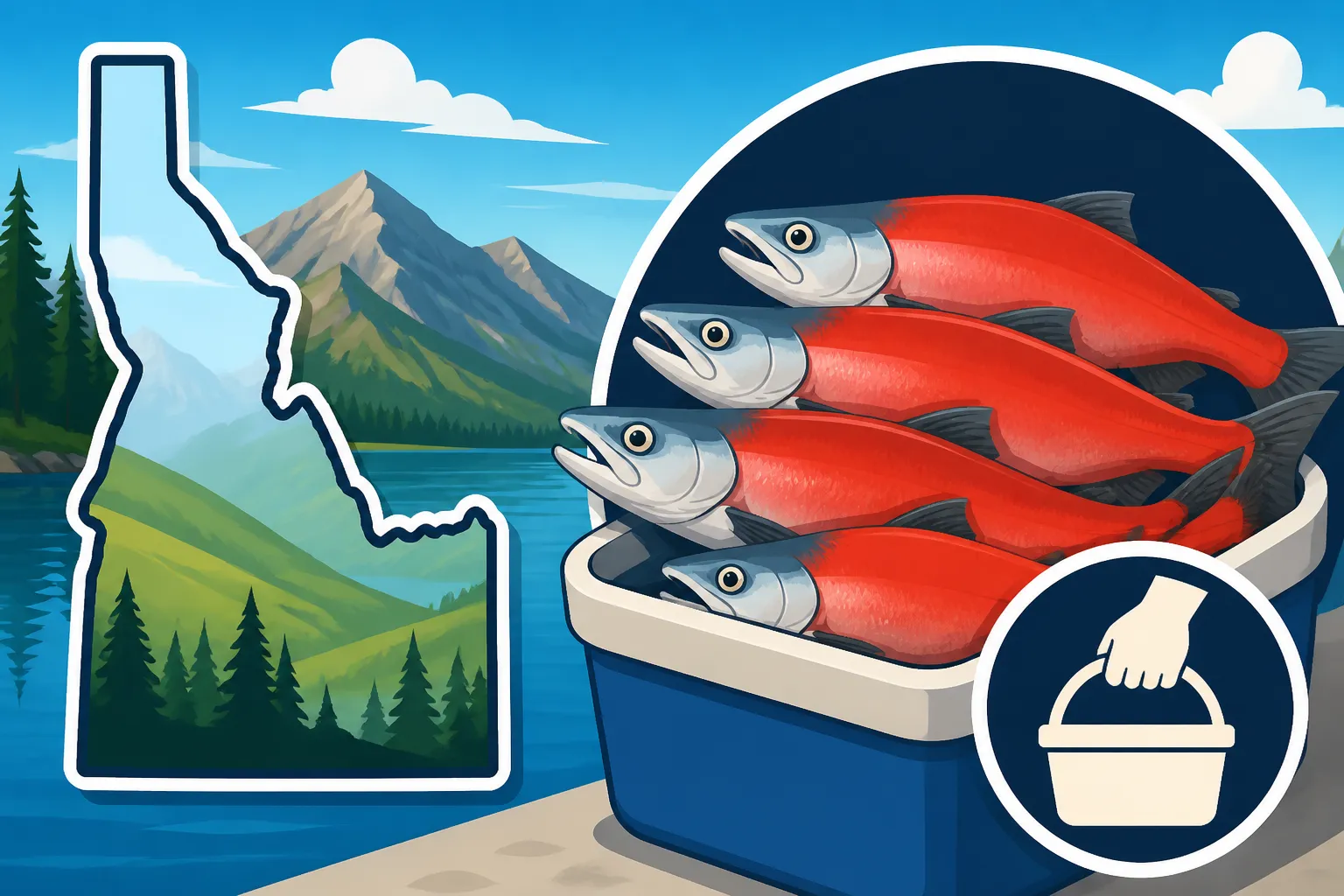
While Idaho's fishing regulations can feel like a labyrinth, there's a good starting point for Kokanee. Generally, the statewide daily bag limit for Kokanee is 25 fish. This applies to many of Idaho's waters, but it's crucial to remember that "many" doesn't mean "all." This general rule provides a baseline, but the Idaho Department of Fish and Game (IDFG) often implements specific rules for individual water bodies based on their unique ecological conditions, fishing pressure, and management goals. So, while 25 might be your go-to number, always, always double-check the specific regulations for the lake or reservoir you intend to fish. Overlooking a local exception can turn a great day into a costly one, and nobody wants that. It's a key part of understanding Idaho Fishing Regulations Explained.
Why Specific Waters Have Different Limits
You might wonder why IDFG doesn't just keep it simple with one statewide rule. The truth is, Idaho's diverse waterways, from the vast expanses of Lake Coeur d'Alene to smaller, high-mountain lakes, each have their own delicate balance of fish populations and environmental factors. For Kokanee, these site-specific regulations are critical. For instance, a lake with a thriving, robust Kokanee population that can sustain higher harvest might have the general 25-fish limit. Conversely, a water body where Kokanee are struggling, perhaps due to overfishing, predation from other species, or environmental changes, might have a much lower limit—say, 10 or even fewer—or even be entirely catch-and-release. These varying limits are scientifically determined to ensure the long-term health and sustainability of the Kokanee fishery, allowing future generations to enjoy the same opportunities we do. Ignoring these nuances can harm the very populations we love to fish, emphasizing the importance of respecting the local rules.
How Possession Limits Factor In
Beyond the daily bag limit, there's also the concept of a possession limit, which often confuses anglers. The daily bag limit refers to the number of fish you can legally harvest and keep in one calendar day. The possession limit, however, is the total number of fish you can have in your possession at any given time, regardless of when they were caught. In Idaho, the possession limit for most species, including Kokanee, is typically equal to the daily bag limit. This means if the daily bag limit is 25, you can't leave the lake with 50 Kokanee in your cooler, even if you fished for two days.
However, there are exceptions. If you're on a multi-day trip and storing your catch, or if you've already processed your fish (filleted, frozen, etc.), the rules can become more specific. It's usually assumed that any fish in your possession, unless actively being consumed or discarded, counts towards your possession limit. For instance, if you have 25 Kokanee from yesterday, and you go out today, you can only keep another 25 if your previous day's catch has been consumed or is not on your person/in your vehicle heading home from the trip. This is a critical distinction, especially for those who enjoy extended fishing trips. Always clarify these rules if you're planning a multi-day fishing adventure to avoid any misinterpretations of Idaho Catch Limits and Bag Limits Explained.
Navigating Idaho Fish and Game Regulations for Kokanee
Let's be real, the IDFG regulation booklet can feel like reading legal jargon sometimes. But understanding how and where to find the most accurate and up-to-date information for Kokanee is absolutely essential. Don't rely on hearsay or what someone told you last year—things change!
Where to Find the Most Current Information
When it comes to Idaho fishing regulations, the very first place you should always check is the official Idaho Department of Fish and Game (IDFG) website. They maintain the most current and authoritative version of the fishing rules. It’s like the bible for Idaho anglers. You can find detailed regulations listed by water body, by species, and by season. Beyond the website, IDFG publishes a printed regulation brochure annually. While physical copies are super handy for taking on the boat or to the trailhead, remember that regulations can change mid-season, so the website is always the most current. Local sporting goods stores, like those you might find gear on Amazon for, or regional IDFG offices also often have printed brochures available. Don't be afraid to pick one up. It's your responsibility to know the rules, and these resources are there to help. For a general overview, checking the Idaho Fishing Regulation Brochure and Proclamation is a great start.
Decoding the Idaho Fishing Regulation Brochure
Okay, so you've got the Idaho fishing regulation brochure in hand, or you're staring at the PDF online. It can still be a bit overwhelming. Here's a quick roadmap to finding Kokanee bag limits:
- General Regulations First: Flip to the section that outlines statewide general fishing rules. This is where you'll find the default Kokanee limit (which, as we discussed, is typically 25).
- Specific Waters Section: This is where the magic (and potential confusion) happens. Look for a section, usually organized alphabetically by water body or by region (e.g., "Panhandle Region Waters," "Southwest Region Waters"). Here, you'll find exceptions to the general rules. For example, you might see "Lake Coeur d'Alene: Kokanee – 10 fish daily." This specific rule overrides the general 25-fish limit.
- Species-Specific Information: Sometimes, there's a dedicated section for specific species like Idaho Kokanee Fishing Guide. This might include general identification tips, seasons, and any unique regulations that apply across multiple waters for that particular species.
It's a good habit to scan both the general rules and the specific water rules for your target location. A little time spent beforehand can save a lot of headaches later. For example, if you're fishing a popular Kokanee spot, you might want to look up How to Fish for Kokanee in Idaho and then specifically check the regulations for that particular lake.
Consequences of Exceeding Kokanee Limits
Let's not sugarcoat it: exceeding bag limits, whether intentionally or accidentally, has real and unpleasant consequences. It's not just a slap on the wrist. Fines can be substantial, often ranging from hundreds of dollars, and they can increase significantly depending on the number of fish over the limit. Beyond monetary penalties, you could face forfeiture of your fishing gear (think that expensive rod and reel combo), suspension of your fishing license, or even criminal charges in severe cases. Conservation officers are out there, and they're good at what they do. They prioritize protecting Idaho's natural resources, and adhering to limits is a fundamental part of that. Imagine losing your privilege to fish for a year or more, all because you miscounted or didn't check the regulations. It’s a harsh reality, but it underscores why knowing and respecting the rules is so vital.
Practical Strategies for Staying Compliant
It's one thing to know the rules, and another to apply them diligently while out on the water, especially when the fish are biting! But with a few smart strategies, you can easily stay within the legal Kokanee limits.
Accurate Kokanee Identification and Measurement
One common pitfall for anglers, particularly those new to Kokanee fishing, is misidentification. Kokanee are sometimes confused with other salmonids, especially juvenile Chinook salmon or even some trout species. While less common, mistaking a Kokanee for a wild steelhead (which must be released) could land you in serious trouble. The key distinguishing feature for Kokanee is typically their lack of spots on the tail, a more slender body profile, and often a vibrant red color during their spawning phase. However, color can vary widely depending on the time of year and water body. It's wise to review an Idaho Kokanee Identification Guide before you head out.
In some waters, there might be size restrictions in addition to bag limits. While not as common for Kokanee as for other species, it's always worth checking. If there is a minimum or maximum size, carrying a small, flexible measuring tape or having a ruler decal on your boat is a smart move. Measure carefully, and if there's any doubt about size, it's always best to release the fish. Remember, conservation first!
Keeping Track of Your Catch on the Water
When Kokanee are schooling and biting aggressively, it's easy to lose count. One minute you have five, the next you've filled your stringer without realizing it. Here are some simple, effective ways to track your catch:
- Clicker Counters: These are inexpensive, small handheld devices that you click once for each fish you keep. You can find them on Amazon or at any sporting goods store.
- Physical Markers: Some anglers use zip ties, clothes pins, or even a small bead system on a loop of line. Just move one marker for each fish.
- Written Log: A small waterproof notebook and pencil, or even a laminated card you can write on with a grease pencil, is a reliable method.
- Designated Cooler Sections: If you're fishing with multiple people, make sure each person's catch is clearly separated in the cooler or livewell, and that everyone is tracking their own daily limit.
These methods seem basic, but they are incredibly effective at preventing accidental over-limits. When the action is hot, it’s easy to get caught up in the moment, but taking a moment to count and confirm your numbers ensures you're fishing responsibly.
Essential Gear for Responsible Kokanee Angling
Beyond your rod, reel, and favorite lures, there are a few essential items that can help you adhere to Kokanee regulations and practice ethical angling:
| Item | Purpose | Benefit |
|---|---|---|
| Fishing Regulation Brochure | Contains all current rules for the waters you're fishing. | Quick reference, ensures compliance. |
| Measuring Device | Ruler, tape measure, or even a marked section on your net/cooler. | Verify fish meet size requirements if applicable. |
| Stringer/Livewell | Safely hold kept fish while distinguishing them from released fish. | Prevents confusion, keeps fish fresh for consumption. |
| Catch Counter (Clicker) | Simple mechanical counter for tallying fish kept. | Easy, immediate tracking of your bag limit. |
| Needle-Nose Pliers/Hemostat | For quick and safe hook removal, especially important for catch-and-release fish. | Reduces harm to fish you intend to release, promoting survival. |
| Net (Rubberized) | Aids in landing fish; rubberized nets are gentler on fish scales and slime. | Protects fish if you plan to release them. |
Having these items on hand makes a huge difference. A good rubberized net, easily found on Amazon, helps protect the fish if you plan to release them, increasing their survival rate. Needle-nose pliers or a hemostat are invaluable for quickly removing hooks, especially if you're practicing catch and release for fish not meeting the legal size or if you've reached your limit. Responsible angling means not just following the rules, but also minimizing your impact on the fish you don't keep.
Understanding Kokanee Biology and Management
Knowing the daily bag limit is important, but truly appreciating why these limits exist can transform your approach to fishing. It moves beyond just following rules to becoming an active participant in conservation.
The Life Cycle and Behavior of Kokanee
Kokanee are unique. Unlike their anadromous sockeye salmon relatives who journey to the ocean, Kokanee spend their entire lives in freshwater lakes and reservoirs, often landlocked for generations. They are plankton feeders, forming large schools in open water, which makes them a prime target for trollers. Their life cycle is relatively short, typically 3-4 years, culminating in a spectacular, often fiery red, spawning run up tributary rivers or along lake shores. After spawning, they all die, completing their life cycle. This fixed, relatively short lifespan and specific diet make Kokanee populations sensitive to changes in their environment, food sources, and fishing pressure. Understanding that these fish have a finite life and a crucial role in the ecosystem helps us see why managing their harvest is so important. Many are fascinated by How Kokanee Ended Up in Lake Coeur d'Alene and it really sheds light on their adaptability.
How Idaho Manages Kokanee Populations
The IDFG employs various strategies to manage Kokanee populations across the state. This isn't just about setting a daily bag limit; it's a comprehensive approach that includes:
- Monitoring and Research: Biologists continuously monitor Kokanee populations through netting, creel surveys (talking to anglers), and studying their spawning success. This data informs regulation changes.
- Stocking Programs: In many lakes, IDFG actively stocks Kokanee to supplement wild populations or introduce them into new waters, providing diverse fishing opportunities. These stockings are carefully planned based on the lake's capacity and existing fish dynamics. This plays into questions like Does Lake Coeur d'Alene Get Stocked with Kokanee?.
- Habitat Protection: Efforts are made to protect spawning grounds and overall water quality, which are vital for Kokanee survival.
- Predator Management: In some systems, like Lake Coeur d'Alene, the presence of larger predatory fish like Chinook salmon can impact Kokanee numbers, leading to specific regulations designed to balance these populations.
All these factors culminate in the regulations you see printed in the brochure. When you see a limit, know that it's the result of extensive scientific study and a deliberate strategy to maintain healthy Kokanee fisheries for everyone.
The Role of Anglers in Kokanee Conservation
As anglers, we are not just consumers of a resource; we are stewards. Our actions on the water directly impact the future of Kokanee fishing in Idaho. By adhering to daily bag limits, we play a crucial role in preventing overharvest and ensuring that enough fish remain to spawn and replenish the population.
Beyond simply following the rules, responsible anglers contribute to conservation by:
- Practicing Catch and Release Properly: For fish you don't intend to keep, minimizing handling time, keeping the fish in the water as much as possible, and using appropriate release techniques (like those needle-nose pliers) drastically improves their survival rates.
- Reporting Violations: If you witness illegal fishing activity, contacting IDFG can help protect the resource for everyone.
- Supporting Conservation Efforts: Purchasing your Idaho Fishing License Guide and any necessary permits (like the Access and Depredation Fee) contributes directly to funding IDFG's management programs. You can even purchase your Idaho Fishing License Online Purchase easily.
Ultimately, understanding the Idaho daily bag limit for Kokanee isn't just about avoiding a ticket. It's about respecting the fish, the ecosystem, and the future of a beloved pastime. So, get out there, enjoy the incredible Kokanee fishing Idaho offers, and fish smart!
Disclaimer
Please note that fishing regulations are subject to change. While every effort has been made to provide accurate and up-to-date information in this guide, it is the angler's responsibility to consult the current Idaho Department of Fish and Game fishing regulations prior to going fishing. The information provided here is for general guidance only and should not be considered legal advice.