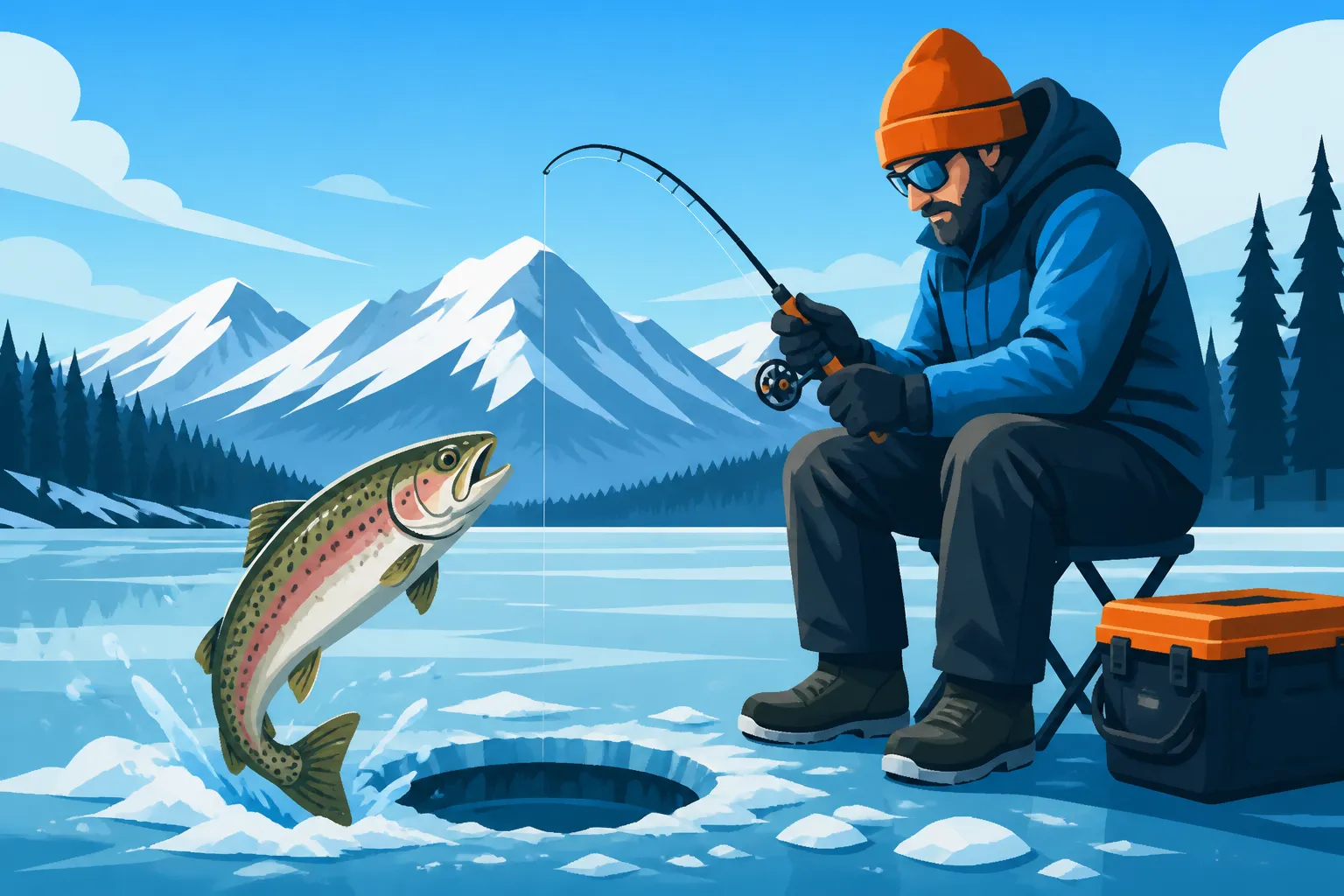
Ice Fishing on Payette Lake
Trying to find those perfect spots for ice fishing on a vast, beautiful lake like Payette can feel like searching for a needle in a frozen haystack, especially when the winter chill is biting at your exposed skin and you're wondering if that ice is truly safe. It's a unique challenge, trading the open water for a small hole, but the rewards are absolutely worth it. This comprehensive guide will break down everything you need to know to confidently and successfully drop a line through the ice on Payette Lake.
Understanding Payette Lake's Ice Fishing Potential
Payette Lake, nestled against the charming town of McCall, is a gem in Idaho's crown, offering breathtaking scenery and, crucially, fantastic winter fishing opportunities. It's not just a pretty face; beneath its frozen surface lies a vibrant ecosystem waiting for the persistent ice angler. But like any large body of water, it has its quirks and secrets that are essential to understand for a fruitful trip.
A Deep Dive into Payette Lake's Layout and Depths
Payette Lake is a substantial body of water, stretching about 9 miles long and 2 miles wide, covering over 5,000 acres. Its depths are quite varied, with some areas dropping down to over 300 feet. This kind of varied topography means fish aren't just everywhere; they're concentrated in specific zones that offer them food, shelter, or optimal water temperatures. For the ice angler, this translates to needing a good understanding of the lake's contours and structure.
Think about the submerged points, drop-offs, and flats that hold fish during open water season—they often remain productive in winter. For example, the areas closer to McCall, near Shore Lodge and the various marinas, tend to be shallower initially, with gradual slopes leading to deeper water. These shallower, weedy zones often attract perch, especially in the early and late ice periods. As you venture further from the immediate shoreline, you'll encounter the main basin, with its significant depths. This is where the larger, pelagic species like Lake Trout (Mackinaw) and even some Chinook salmon might cruise, often suspending over deep water or relating to dramatic underwater structure. Understanding these depth variations is key to targeting specific species. A good topographical map, or better yet, a digital bathymetric chart on a fish finder, becomes an invaluable tool on the ice. These maps help you identify those subtle humps, rock piles, or old river channels that can concentrate fish.
Primary Target Species for Ice Anglers
When you're out on the ice of Payette Lake, you're primarily going after a few key species, each requiring slightly different tactics and offering its own unique thrill. The main players are Yellow Perch, Rainbow Trout, Cutthroat Trout, and the highly sought-after Lake Trout (Mackinaw). Knowing what you're likely to encounter helps you set up your gear and approach strategically.
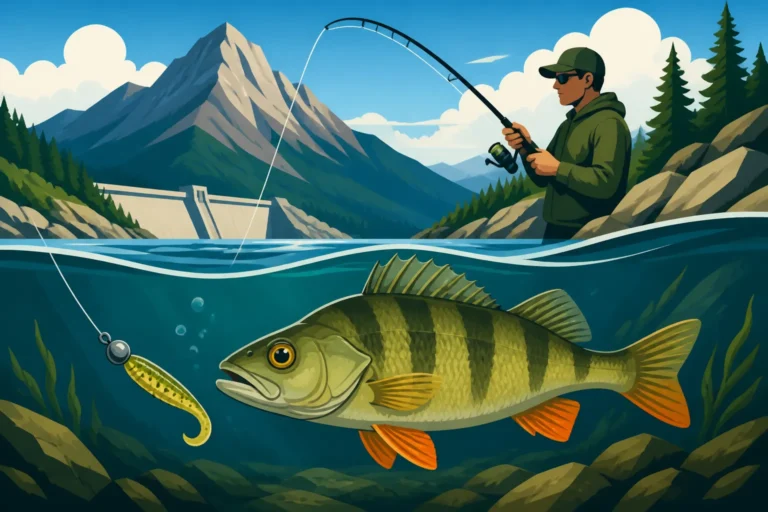
Yellow Perch are probably the most common and easiest to catch, making them an excellent target for beginners or those just looking for consistent action. They tend to school up, so when you find one, you often find many. These tasty panfish typically hang around shallower to moderate depths, often near weeds or soft bottoms where they can forage for invertebrates. Then you have the various trout species. Rainbow Trout and Cutthroat Trout are often found cruising the mid-depths, especially where there's some current or structure. Payette Lake is stocked with rainbow trout, ensuring a healthy population. If you're looking for more details on these feisty fish, check out our guide on the Idaho Rainbow Trout Fishing Guide. They can be quite active under the ice, especially during twilight hours. Finally, the true giants of Payette Lake are the Lake Trout. These predatory fish can grow to impressive sizes and are often found in deeper water, sometimes suspended, other times hugging the bottom structure. Targeting them requires heavier gear and a lot of patience, but landing a big Mackinaw through a small ice hole is an unforgettable experience.
It's also worth noting that while less common for ice anglers, Payette Lake does hold some Kokanee Salmon and even some residual Chinook Salmon from past stocking efforts. These are more often pursued in open water, but a hungry Kokanee can certainly surprise an ice angler targeting perch or trout. To ensure you're compliant with local regulations, always consult the current Idaho Fishing Regulations Explained before heading out.
Essential Gear and Techniques for Payette Lake Ice Fishing
Ice fishing on Payette Lake is more than just drilling a hole and dropping a line; it's about having the right tools and knowing how to use them to outsmart fish in a frozen environment. The harsh conditions demand reliable gear and a nuanced approach.
Must-Have Ice Fishing Gear
Stepping onto the ice requires specialized equipment to keep you safe, warm, and effective. First and foremost, you'll need an ice auger. For Payette Lake's potentially thick ice, a power auger (like a Jiffy, StrikeMaster, or Eskimo) is highly recommended. While a hand auger is cheaper and quieter, it'll be a serious workout if the ice is over a foot thick, which it often is on Payette. A good quality auger with sharp blades will make quick work of drilling multiple holes, which is often necessary to find active fish.
Next up, shelter and warmth. A portable ice shelter, whether it's a flip-over style or a pop-up hub-style shelter, is a game-changer. Brands like Clam, Eskimo, and Shappell offer excellent options. These shelters, especially when combined with a portable propane heater (like a Mr. Heater Buddy), can turn a frigid day into a comfortable experience. You’ll want layers of warm, waterproof clothing – think insulated boots, bibs, a heavy coat, hat, and gloves. Trust me, the cold seeps in quickly when you're sitting still on the ice.
For fishing, you'll need ice fishing rods and reels. These are shorter than conventional rods, typically 24-36 inches, allowing for precise jigging motions in a confined space. Pair them with a small spinning reel spooled with light monofilament or fluorocarbon line (4-8 lb test for perch/trout, heavier for lake trout). A fish finder/flasher is almost non-negotiable. Units from Vexilar, Marcum, or Humminbird show you exactly what's happening beneath your hole – fish, your bait, and the bottom. This allows you to react instantly to fish behavior and present your lure at the perfect depth. You can learn more about general ice fishing gear in our broader guide on How to Ice Fish Idaho Lakes.
Effective Winter Techniques and Baits
Once you're geared up, it's time to talk tactics. The primary techniques for ice fishing on Payette Lake are jigging, dead sticking, and using tip-ups.
Jigging is incredibly effective for active fish, especially perch and trout. This involves rhythmically lifting and dropping a small lure to mimic a struggling baitfish or insect. For perch, tiny tungsten jigs tipped with a maggot, wax worm, or a small piece of PowerBait are deadly. Gold, silver, and glow-in-the-dark patterns often work well. For rainbow and cutthroat trout, small spoons (1/8 to 1/4 oz) like Kastmasters or Swedish Pimples, tipped with a small piece of perch eye, corn, or a gulp minnow, can be irresistible. When jigging for deeper Lake Trout, larger spoons, tube jigs, or heavy bucktail jigs are more appropriate. Vary your retrieve speed and jigging action until you find what the fish prefer. Sometimes a subtle quiver is all it takes, other times an aggressive rip-and-fall.
Dead sticking is a more passive approach, often used in conjunction with jigging. You set up a second rod in a separate hole, bait it with something enticing, and leave it stationary. A popular setup is a small bobber or spring bobber on a rod, rigged with a small hook and a power worm, marshmallow, or chunk of nightcrawler hovering just off the bottom. This works particularly well for trout that might be more cautious. Many anglers find that while they are actively jigging, a trout will often hit the dead stick rod.
Tip-ups are fantastic for covering more ground and targeting larger, cruising fish like Lake Trout. These devices are set over a hole with a baited line, and a flag pops up when a fish takes the bait. This allows you to spread out your lines and fish multiple depths simultaneously (check regulations for the number of lines permitted). For Lake Trout, a large shiner minnow or a cut bait on a substantial hook, set a few feet off the bottom or suspended in the water column, can entice those bigger predators. Remember, a valid Idaho Fishing License Guide is required for all anglers, and additional permits may be needed for specific species like salmon or steelhead, though not typically for Payette Lake's ice fishing.
| Species Targeted | Preferred Depth | Effective Baits/Lures | Common Techniques |
|---|---|---|---|
| Yellow Perch | 10-40 feet | Small tungsten jigs, wax worms, maggots, PowerBait | Jigging, Dead Sticking |
| Rainbow Trout | 15-50 feet | Small spoons, tube jigs, PowerBait, worms, corn | Jigging, Dead Sticking |
| Cutthroat Trout | 15-60 feet | Small spoons, jigging raps, PowerBait, worms | Jigging, Dead Sticking |
| Lake Trout | 40-150+ feet | Large spoons, tube jigs, bucktail jigs, live/cut minnows | Jigging, Tip-ups |
Navigating Safety and Regulations on Payette Lake
Ice fishing is incredibly rewarding, but it comes with inherent risks, especially on a large, dynamic body of water like Payette Lake. Safety should always be your top priority, followed closely by adherence to Idaho's fishing regulations.
Prioritizing Ice Safety
The mantra for ice fishing is "No ice is 100% safe." This cannot be stressed enough. Conditions on Payette Lake can change rapidly due to snow insulation, fluctuating air temperatures, and underwater currents. Always check local ice conditions before venturing out. The Idaho Department of Parks and Recreation, local tackle shops in McCall, or experienced locals are great sources for up-to-date information.
As a general guideline, you need a minimum of 4 inches of clear, solid ice for safe foot travel. For snowmobiles, 5-7 inches is recommended, and for small vehicles, 8-12 inches. However, these are minimums, and you should always err on the side of caution. Never go out alone. Always let someone know where you're going and when you expect to return. Carry essential safety gear: ice picks or "spud bars" to test ice thickness as you go, a throw rope to help someone (or yourself) if they fall through, and a cell phone in a waterproof case. Avoid areas near inlets, outlets, or narrows where currents can thin the ice. Look for pressure ridges, which are common on large lakes and indicate unstable ice. Be especially wary of slushy areas or discolored ice, which can signal weakness. Payette Lake can develop significant snow cover, which insulates the ice and prevents it from thickening as quickly, or hides cracks and thin spots. For more crucial safety tips, our article on Is Ice Fishing Safe on Payette Lake in January? offers deeper insights. It's also vital to understand How Thick Ice Needs to Be Before You Ice Fish to make informed decisions.
Idaho Fishing Regulations Specific to Payette Lake
Before your first drill hits the ice, make sure you're well-versed in Idaho's current fishing regulations. The Idaho Department of Fish and Game (IDFG) publishes a comprehensive brochure annually, which is your ultimate guide. You'll definitely need an Idaho Fishing License Guide. Remember, special permits are often required for specific species like salmon or steelhead, but for standard ice fishing on Payette, a general fishing license is typically sufficient.
Payette Lake falls under the general statewide fishing rules for many species, but there can be specific nuances. For instance, while the Idaho Daily Bag Limit for Trout on Most Waters might be fairly standard, Payette Lake might have specific size restrictions or total limits for certain trout species or for Lake Trout. It’s crucial to know the difference between hatchery and wild fish, as wild trout often have catch-and-release rules. Pay close attention to the number of lines allowed per angler. In Idaho, you generally can fish with two rods, but always double-check. There might also be rules regarding the use of live bait, especially in certain waters. For Lake Trout, for example, there are specific regulations regarding their harvest, particularly for larger individuals. Always check the most current IDFG rules and carry a copy with you, whether digitally or a physical brochure. Being compliant not only keeps you out of trouble but also contributes to the sustainable management of Idaho's incredible fisheries.
Optimizing Your Payette Lake Ice Fishing Experience
You’ve got the gear, you understand the safety, and you’re squared away on regulations. Now, let’s talk about making your Payette Lake ice fishing adventure truly memorable and productive. It’s about more than just luck; it’s about timing, location, and sometimes, a little help from the pros.
Best Times and Locations on the Lake
Timing is everything in ice fishing. Generally, the best time to ice fish on Payette Lake is from late December through March, depending entirely on ice formation and safety. Early ice, typically December, can be fantastic for perch and rainbow trout as they're still relatively active and haven't faced much angling pressure. Mid-winter (January-February) is prime time when the ice is typically thickest and safest, allowing access to more remote areas. This period is excellent for targeting deeper Lake Trout. As spring approaches (March), known as late ice, fish often become more active again, feeding heavily before the thaw, but ice conditions can degrade quickly, so extreme caution is advised.
As for locations, the areas closest to McCall often see the most pressure due to easy access. However, they are productive. For consistent Yellow Perch action, look for flats and weed beds in 10-30 feet of water, often found in the shallower bays near town, such as in front of the Mile High Marina or the southern end of the lake. These spots tend to warm up slightly and hold abundant food sources. For Rainbow and Cutthroat Trout, try areas where the shallower bays drop off into deeper water, or along submerged structure. They can also be found cruising in 20-50 feet of water. Targeting Lake Trout often means venturing to deeper sections. Look for sharp drop-offs, underwater humps, and areas where the bottom contours change dramatically in 40-150+ feet of water. Using your fish finder to locate these structures and suspended fish is key. Areas further up the lake, away from the immediate McCall shoreline, can also be productive and offer a bit more solitude, provided the ice is safe for travel.
Booking a Guided Ice Fishing Trip
For newcomers to ice fishing, or even experienced anglers looking to learn the ropes of Payette Lake specifically, booking a guided trip can be an invaluable investment. Local guides possess an intimate knowledge of the lake, its hotspots, and the precise techniques that are currently working. They often have portable shelters, heaters, power augers, and all the necessary electronics, saving you a huge initial investment in gear.
A good guide knows the ever-changing ice conditions and where the safest and most productive fishing currently is. They can teach you the subtle art of jigging for different species, help you understand your fish finder, and even provide valuable insight into the lake’s ecosystem. If you're considering this option, platforms like FishingBooker are excellent resources. You can browse local guides specializing in Idaho ice fishing, compare their offerings, read reviews, and book directly. For instance, searching for "Payette Lake ice fishing guides" on FishingBooker will likely turn up several experienced pros who can set you up for a successful day. They can help you with specific techniques like how to catch a big Lake Trout at Priest Lake if you decide to explore other local fisheries. Whether it’s a solo adventure or a family outing, a guide ensures a safer, more educational, and often more productive day on the ice, taking much of the guesswork and logistical hassle out of your hands. Our Idaho Fishing Guides and Charters Directory can also help you find a reputable outfitter.
Disclaimer
The information provided in this guide is for general informational purposes only and is subject to change. Fishing conditions, regulations, and ice safety can vary significantly. Always consult the latest Idaho Fish and Game regulations and local conditions before planning any fishing trip. Ice fishing carries inherent risks; prioritize your safety by checking ice thickness and never fishing alone.