How Many Fish Species Live in Idaho Waters
Have you ever stood by a beautiful Idaho river or lake, cast your line, and wondered just how many different kinds of fish call these waters home? It's easy to focus on the big names like trout and steelhead, but the truth is, Idaho's aquatic ecosystems are brimming with a surprising diversity of fish, far beyond what most anglers realize. This guide will dive deep into the fascinating world of Idaho's fish species, giving you a comprehensive look at the numbers, the natives, and the incredible variety lurking beneath the surface.
The Grand Total: Unpacking Idaho's Aquatic Biodiversity
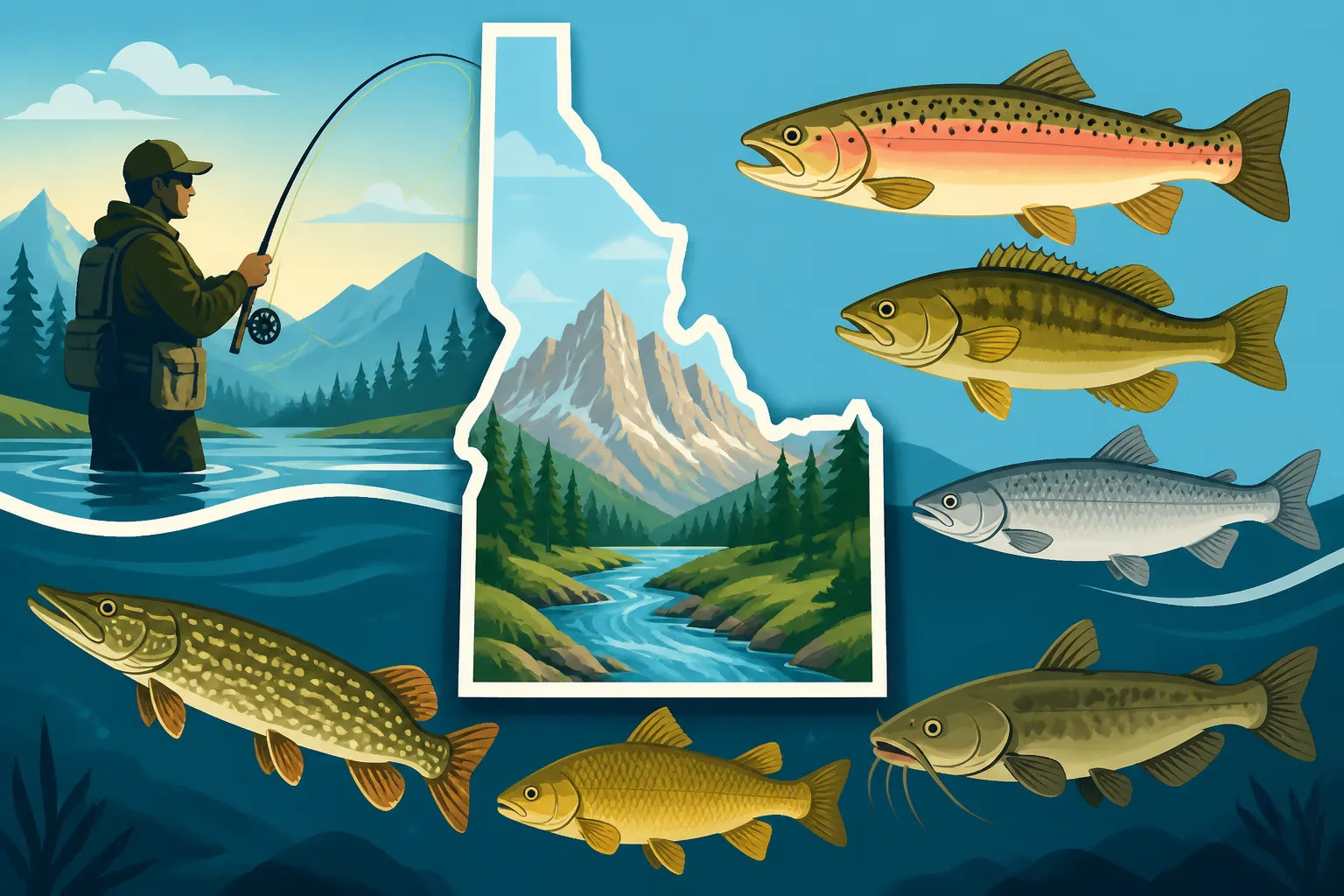
When we talk about the number of fish species in Idaho, it's not always a simple, single number you can just rattle off. The official count often changes slightly as new research emerges, or as definitions are refined between subspecies, hybrids, and distinct species. However, a common and widely accepted figure hovers around 70 distinct fish species that inhabit Idaho's rivers, lakes, and streams. This isn't just about the fish you catch; it's about every finned creature, from the tiniest dace to the mighty sturgeon.
Think about that for a moment: 70 different types of fish! It's an incredible testament to the diverse habitats Idaho offers, from the glacial-fed lakes of the panhandle to the high desert rivers of the south. This rich biodiversity is why Idaho fishing is so dynamic and why you might catch something entirely unexpected when you're targeting your usual species. It's a reminder that every cast is an adventure, and every body of water holds its own unique secrets.
Now, if you're like most anglers, you might primarily focus on the game fish – the ones that are actively managed for sport and sustenance. While there are certainly fewer game fish species than the overall total, understanding the broader ecosystem is crucial. Every single one of those 70 species plays a role in the intricate web of life that makes Idaho's fisheries so robust, supporting the very fish we love to pursue.
Native vs. Introduced Species: A Balancing Act in Idaho's Waters
A significant portion of Idaho's fish population is made up of species that have been here for thousands of years, evolving with the landscape. These are our native species, perfectly adapted to Idaho's unique environment. Then, there's another group: the introduced species, sometimes called non-native or exotic fish. These are species that have been brought into Idaho, either intentionally for sport fishing or to control other populations, or unintentionally through various human activities.
Idaho's native fish species are truly special. We're talking about gems like the Westslope Cutthroat Trout, the Yellowstone Cutthroat Trout, and the incredible White Sturgeon. These species are a direct link to the pristine wilderness Idaho once was, and their health is often an indicator of the overall health of our aquatic ecosystems. Protecting and understanding these native populations is a huge focus for conservation efforts, and knowing how to identify them, especially species like Idaho Steelhead Identification Guide or How to Tell a Hatchery Steelhead from a Wild Steelhead by Sight, is really important for responsible angling.
On the other hand, introduced species have dramatically shaped Idaho's fishing scene. Think about the Rainbow Trout, which, while iconic to many fisheries, is not native to all parts of Idaho, or Smallmouth Bass and Largemouth Bass, which have thrived in many of our warmer reservoirs and rivers. Even some Chinook Salmon populations in certain lakes were introduced. While these species provide fantastic fishing opportunities, their introduction often comes with ecological considerations, sometimes competing with or preying on native fish. It’s a complex relationship, a constant balancing act that Idaho Fish and Game carefully manages to ensure both native and introduced populations can coexist, or at least be managed responsibly. Understanding this distinction is key to appreciating the history and future of Idaho's diverse aquatic life.
The Role of Stocking in Shaping Fish Populations
Stocking programs are a vital part of managing many introduced fish species, and even some native ones, to maintain healthy populations for anglers. When you hear about thousands of trout being put into a local pond or lake, that's stocking in action. These efforts directly contribute to the "introduced" side of the equation, ensuring there are plenty of fish for everyone to enjoy.
For instance, many of Idaho's popular fishing lakes and reservoirs, especially those closer to urban centers, are regularly stocked with Rainbow Trout. This practice ensures consistent opportunities for anglers, particularly families and beginners, without overtaxing wild populations. It’s a proactive way to create accessible fisheries. Similarly, species like Walleye or Tiger Muskie in certain reservoirs are there because of intentional stocking, designed to create unique trophy fisheries that wouldn't exist naturally.
However, stocking isn't just for introduced species. Sometimes, native fish like certain strains of Cutthroat Trout are stocked into waters where their populations have declined, or into high mountain lakes to establish fisheries. It’s about careful, strategic management. If you’re interested in where and when fish are being planted, looking at Idaho Fish Stocking Reports Explained can be incredibly insightful, helping you plan your next trip to a well-stocked water body. It’s all part of the continuous effort to enhance and sustain Idaho's incredible fishing heritage.
Beyond Trout: A Glimpse at Idaho's Diverse Fish Families
While trout, salmon, and steelhead are undeniably the superstars of Idaho fishing, they are just a fraction of the total cast. The "70 species" figure includes a huge array of fish that fall into different families, each with its own characteristics and ecological niche. Let's cast a wider net and explore some of these less-talked-about, but equally important, residents of Idaho's waters.
We have numerous species of minnows (Cyprinidae), for example, which are often overlooked by anglers but form the base of the food chain for many larger game fish. Dace, shiners, and chubs might not be on your trophy list, but they are crucial prey species and indicators of water quality. Their presence and abundance are vital for sustaining healthy populations of bass, trout, and other predators. Idaho Fish Species Guide offers a broader look, showcasing the variety from the smallest minnows to the largest sturgeon.
Then there are the suckers (Catostomidae), often unfairly maligned, but incredibly important bottom feeders that help keep our aquatic environments clean and nutrient-cycling. They're strong fighters if you hook one, and many species grow quite large. Similarly, our sculpins (Cottidae) are small, bottom-dwelling fish that are essential food for trout and other cold-water predators. It’s these unsung heroes that truly underscore the incredible biodiversity found in Idaho, making the ecosystem thrive.
Panfish and Warm Water Favorites
Moving into the slightly more familiar territory for many anglers, Idaho also boasts a fantastic array of warm-water fish, often found in our many reservoirs and slower-moving river sections. These are generally referred to as "panfish" due to their ideal size for a frying pan, and they offer incredible action, especially for family trips.
Species like Yellow Perch are hugely popular, known for their schooling behavior and delicious fillets. You can find them in large numbers in reservoirs across the state, and they're a favorite for ice fishing. Crappie and Bluegill also provide excellent sport, especially in the spring and early summer when they move into shallower waters to spawn. These species are often an angler's first introduction to fishing, providing consistent bites and a lot of fun. Idaho Crappie Fishing and Idaho Yellow Perch Fishing articles dive deeper into these specific pursuits.
And let's not forget the larger warm-water predators! Idaho has strong populations of both Smallmouth Bass and Largemouth Bass in many of its rivers and reservoirs. These hard-fighting fish are a thrill to catch, whether you're tossing a spinnerbait or working a topwater frog. Then there are the elusive Tiger Muskie in places like Cascade Reservoir, a hybrid created for sport that grows to impressive sizes, offering a truly challenging pursuit. Even Channel Catfish can be found in warmer, slower waters, providing another unique fishing experience, particularly for those who enjoy night fishing. The diversity here means there's truly something for every angler, regardless of their preferred species or fishing style.
The Giants of Idaho Waters: Sturgeon
No discussion of Idaho's fish species would be complete without highlighting the magnificent White Sturgeon, the largest freshwater fish in North America. These ancient giants can live for over 100 years and grow to immense sizes, often exceeding 10 feet in length and weighing hundreds of pounds. They are a native species to Idaho, primarily found in the Snake River, and represent a truly unique and thrilling fishing opportunity.
Sturgeon fishing in Idaho is almost exclusively catch-and-release, a testament to the conservation efforts aimed at protecting these vulnerable populations. Anglers who pursue sturgeon do so for the incredible fight and the chance to witness one of nature's marvels up close. It's an experience unlike any other in Idaho, requiring specialized gear and a deep respect for the fish. The regulations are strict, ensuring these majestic creatures are handled with care and returned to the water unharmed. Learning about Idaho Sturgeon Fishing Rules is essential before heading out.
Catching a sturgeon is often a bucket-list item for anglers, a powerful reminder of the incredible, prehistoric life that thrives beneath the surface of Idaho's iconic rivers. It truly showcases the extreme ends of the spectrum when we talk about fish species in Idaho, from tiny minnows to colossal sturgeon, all contributing to the rich tapestry of our aquatic ecosystems.
Why Knowing Your Fish Matters for Anglers
Understanding the sheer number and variety of fish species in Idaho isn't just an academic exercise; it has real, practical implications for every angler. It directly impacts how you plan your trips, what gear you choose, and most importantly, how you comply with fishing regulations.
First and foremost, knowing what fish species are present helps you tailor your approach. If you're heading to Lake Coeur d'Alene, knowing about the Kokanee and Chinook Salmon populations will guide your lure choices and techniques. If you're on the Snake River, knowing about Smallmouth Bass and Sturgeon will influence your entire setup. This knowledge allows for a more targeted and often more successful fishing experience, preventing the frustration of using the wrong bait in the wrong place.
More critically, understanding the different species, especially the distinction between native and introduced, or hatchery and wild, is paramount for adhering to Idaho's fishing regulations. Specific rules often apply to certain species, or even certain populations within a species. For example, Idaho Steelhead Bag Limits will be different from trout limits, and there are strict rules for handling and releasing sturgeon. Keeping a wild steelhead, for instance, is illegal in many areas and could lead to significant penalties, emphasizing why identification is so crucial. A good angler is a knowledgeable angler, and part of that knowledge is knowing your fish.
| Fish Species Family | Common Examples in Idaho | Native Status | Typical Habitat |
|---|---|---|---|
| Salmonids | Rainbow Trout, Cutthroat Trout, Steelhead, Chinook Salmon, Kokanee, Lake Trout, Brook Trout, Brown Trout | Mixed (Native & Introduced) | Cold Rivers, Lakes, High Mountain Streams |
| Cyprinids | Dace, Shiners, Chubs, Carp, Minnows | Mixed (Native & Introduced) | Diverse, Rivers, Ponds, Lakes |
| Catostomids | Utah Sucker, Largescale Sucker | Native | Rivers, Lakes, Reservoirs |
| Ictalurids | Channel Catfish, Bullheads | Introduced | Warm, Slower Rivers, Reservoirs |
| Centrarchids | Smallmouth Bass, Largemouth Bass, Crappie, Bluegill, Sunfish | Introduced | Warm Lakes, Reservoirs, Slower River Sections |
| Acipenserids | White Sturgeon | Native | Large Rivers (e.g., Snake River) |
| Esocids | Tiger Muskie (Hybrid) | Introduced | Reservoirs (e.g., Cascade Reservoir) |
| Percids | Yellow Perch, Walleye | Introduced | Lakes, Reservoirs |
| Cottids | Sculpins | Native | Cold Streams, Rivers, Lake Bottoms |
The Importance of Regulations and Conservation
Idaho's fishing regulations are designed with conservation in mind, aiming to protect vulnerable species, manage healthy populations, and ensure sustainable fishing for future generations. These regulations are meticulously crafted based on the biology of each species, their population health, and their interactions within the ecosystem. This means bag limits, size restrictions, season dates, and even tackle restrictions can vary wildly from one species to another, or even for the same species in different waters. You might need a Idaho Salmon and Steelhead Permit for specific anadromous fish, for example, but not for local trout.
Without understanding the different species, it's incredibly easy to accidentally violate a regulation. Imagine targeting bass and inadvertently catching a protected bull trout, or confusing a wild steelhead with a hatchery one because you didn't check for an adipose fin clip. These scenarios, though accidental, can lead to serious consequences. That's why every angler should make it a priority to consult the most current Idaho Fishing Regulation Brochure and Proclamation before hitting the water.
Ultimately, the goal is to be a responsible steward of Idaho's incredible aquatic resources. By taking the time to learn about the various fish species, their native status, their habitats, and the specific rules that govern them, we contribute to the health and longevity of Idaho's fisheries. It's about respecting the fish, the water, and the privilege of being able to enjoy such a diverse and vibrant fishing landscape. So next time you're out there, remember the incredible variety beneath the surface – it's far more than just what you came to catch.
Disclaimer
This article is for general informational purposes only and does not constitute professional advice. Laws, prices and regulations vary by location and change over time. Consult a qualified professional for guidance on your specific situation.