Fall Fishing in Idaho
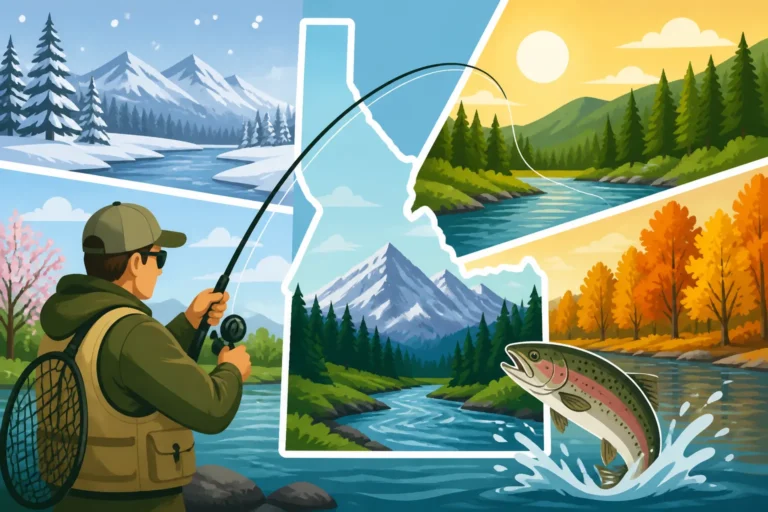
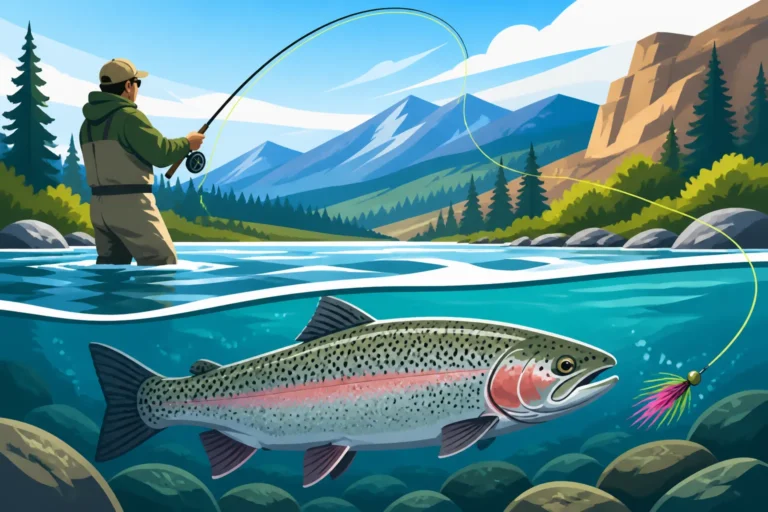
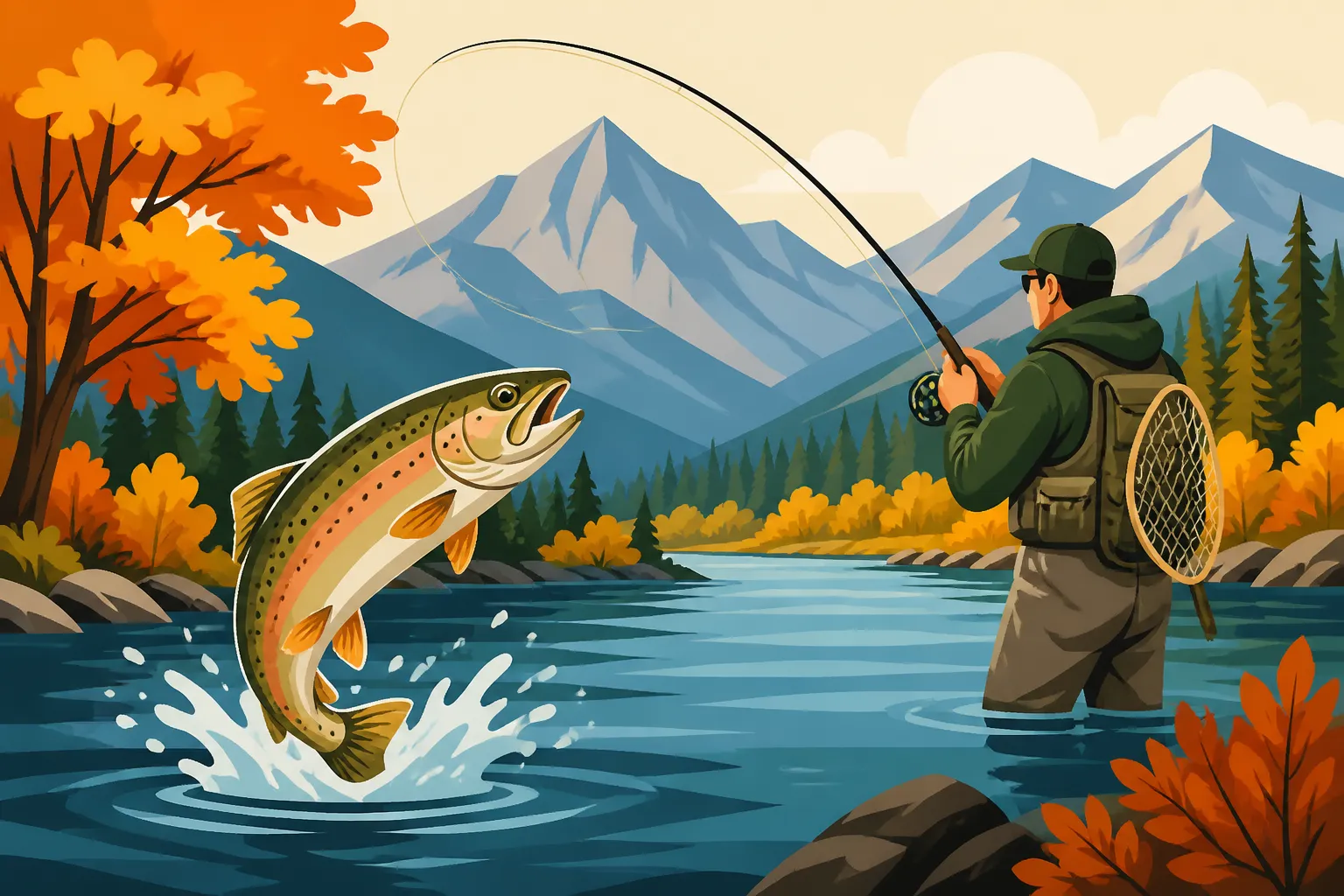
Oh, the crisp air, the rustle of golden leaves, and that unmistakable feeling that summer's chaotic rush is finally behind us. While many anglers pack up their gear as the days shorten, they're missing out on some of the absolute best fishing Idaho has to offer. If you've ever felt that post-summer slump, dreading the colder months, I'm here to tell you that fall in Idaho isn't just beautiful; it's an angler's paradise, offering incredible opportunities for impressive catches and unforgettable experiences before winter truly sets in.
Why Fall Fishing in Idaho is Absolutely Incredible
There’s a unique magic that settles over Idaho in the fall. The frenetic energy of summer crowds fades, replaced by a quiet serenity, and the fish, well, they seem to know winter is coming. This combination makes for some truly spectacular angling, often overlooked by those who prefer the warmth of July.
Crisp Air and Fewer Crowds
Let's be honest, those scorching summer days on popular waters can sometimes feel less like a peaceful escape and more like a crowded amusement park. Boats zipping by, jet skis roaring, and prime spots taken before the sun even thinks about rising. It can be a real frustration when all you want is some peace and quiet with a bent rod. But come autumn, all that changes. The air takes on a wonderful chill, just enough to make a warm cup of coffee on the water feel like a luxury, and a light jacket becomes your best friend.
One of the biggest joys of fall fishing in Idaho is the profound sense of solitude you can find. Picture yourself on the South Fork of the Snake River in late October, the cottonwoods a brilliant gold, the only sounds the whisper of the wind through the pines and the gentle gurgle of the river. You might go hours without seeing another angler, giving you a chance to truly connect with nature and focus on your cast. This reduced pressure often means less wary fish and more undisturbed stretches of prime water, making your efforts feel more rewarding and less like a battle for space.
Aggressive Feeding Behavior
Fish aren't stupid; they know winter is coming, and with it, a period of leaner pickings. This biological imperative triggers what anglers affectionately call the "winterizing" phase, where fish become incredibly aggressive, trying to pack on as much weight as possible. This means they're more likely to strike at your bait or lure with an almost reckless abandon, making for incredibly exciting fights and often leading to bigger catches.
Whether you're targeting a fat rainbow trout in the Boise River, a bruiser smallmouth bass in the Snake, or a hard-fighting steelhead migrating upriver, their metabolism is telling them, "Eat, eat, eat!" This shift in behavior makes them less selective and more willing to chase down a presentation they might ignore in the warmer, food-rich months. It's not uncommon to experience a feeding frenzy on a cool fall afternoon, where every cast feels like it could be the one. This heightened activity level is a huge advantage for anglers, turning a good day of fishing into a truly memorable one.
Stunning Scenery
Beyond the excellent fishing, fall in Idaho offers a visual feast that's hard to beat. The state transforms into a living canvas of gold, orange, and crimson. Imagine standing on the banks of the Salmon River, surrounded by towering mountains ablaze with autumn colors, or casting a line into a high mountain lake reflecting the vibrant hues of the surrounding larch trees. These moments are more than just about catching fish; they're about experiencing the raw, breathtaking beauty of Idaho at its peak.
From the golden aspen groves near Island Park to the deep reds and oranges of the maples and oaks lining the rivers in the Panhandle, every turn offers a postcard-worthy view. Many anglers plan their fall trips as much for the scenery as for the fish. It adds an entirely different layer to the experience, making even a slow fishing day feel worthwhile because you're simply immersed in such spectacular surroundings. There's a certain peace that comes with soaking in such natural beauty, and it's a huge part of what makes fall fishing in Idaho so profoundly special.
Top Fish Species to Target in Idaho During Fall
Fall brings specific species into their prime, making certain angling pursuits particularly rewarding. From the legendary steelhead to feisty trout and surprising warm-water catches, there's a lot on the menu for the autumn angler.
Steelhead: The Ultimate Fall Challenge
When fall rolls around in Idaho, one fish instantly comes to mind for many dedicated anglers: the steelhead. These magnificent anadromous rainbow trout, having completed their incredible journey from the Pacific Ocean, begin their upstream migration into Idaho's rivers, offering one of the most thrilling and challenging fishing experiences available. The fall run typically kicks off in earnest by late September and continues strong through October and November, sometimes even into early winter, making it a hallmark of Idaho's autumn angling scene.
Targeting steelhead is a dedication, a passion, and often a test of patience, but the reward of hooking into one of these chrome-bright, powerful fighters is unparalleled. They are renowned for their acrobatic jumps and long, drag-screaming runs, providing a true battle that seasoned anglers crave. You'll find detailed guidance on how to pursue these impressive fish in our comprehensive Idaho Steelhead Fishing Guide, which covers everything from rigging to river etiquette. This is truly an iconic Idaho fishing experience, and fall is prime time.
Fall Chinook Salmon: A Limited Opportunity
While steelhead might dominate the headlines, fall also presents a limited, but exciting, opportunity to target Chinook salmon, particularly in certain lake systems and specific river stretches. These massive salmon are truly a trophy catch, known for their immense power and the sheer size they can attain. However, Chinook fishing in Idaho requires careful attention to regulations, as seasons are often short, highly managed, and specific to certain waters.
For instance, Lake Coeur d'Alene is famous for its landlocked Chinook, which put on a fantastic show in the fall as they bulk up. Anglers often troll with large plugs and spoons, hoping to entice one of these behemoths. Similarly, segments of the Salmon River also see runs of ocean-run Chinook, though these opportunities are often very restricted and depend heavily on specific year-to-year conditions. Always check the current Idaho Fish and Game proclamation for precise dates and bag limits before embarking on a fall Chinook pursuit, as covered in detail in our Idaho Chinook Salmon Fishing Guide. The chance to land one is rare, but unforgettable.
Robust Trout Action: Rainbows, Cutthroats, Browns
For many, fall means prime trout fishing, and Idaho absolutely delivers. As water temperatures cool down, trout of all species become more active and aggressive, feeding heavily in preparation for winter. This is a noticeable shift from the often sluggish behavior they exhibit during the heat of summer.
Brown trout, in particular, become a primary target in the fall. They embark on their spawning runs, often turning vibrant colors and becoming incredibly aggressive as they defend their territory. Rivers like the South Fork of the Snake River and sections of the Henry's Fork become renowned for their big, aggressive brown trout, often willing to chase larger streamers. Rainbow trout and cutthroat trout, while not spawning, are also actively feeding, providing consistent action. Our guides, Idaho Rainbow Trout Fishing Guide and Idaho Cutthroat Trout Fishing Guide, offer insights into targeting these feisty fish throughout the season. You'll often find them congregating in deeper pools or along current seams, eager to snap up nymphs or even a well-presented dry fly during a late-season hatch.
Perch and Bass in Cooler Waters
Don't make the mistake of thinking fall is only for salmonids! Many of Idaho's warm-water species, particularly yellow perch and smallmouth bass, actually perk up considerably as water temperatures begin to drop before the deep cold sets in. This is a fantastic time to target them, especially on Idaho's many reservoirs.
Yellow perch, a panfish favorite, tend to school up in large numbers in deeper sections of lakes and reservoirs during the fall. This schooling behavior can lead to incredible action once you locate them. Jigging with small spoons or soft plastics, often tipped with a piece of worm, can result in limits of these delicious fish. Places like Cascade Reservoir and American Falls Reservoir are renowned for their fall perch bite, which you can learn more about in our Idaho Yellow Perch Fishing article. Similarly, smallmouth bass, while sometimes slowing down, often experience a final burst of aggressive feeding. They'll move closer to structure in deeper water but remain willing to hit crankbaits, jigs, or soft plastics. The Snake River offers prime smallmouth action in its many rocky stretches, and our Idaho Smallmouth Bass Fishing guide can help you plan your trip.
Prime Idaho Locations for Fall Fishing Success
Idaho is blessed with an abundance of diverse fishing waters, and many of them truly shine in the fall. Knowing where to go can make all the difference between a good trip and a truly legendary one.
Clearwater River: Steelhead Mecca
If you utter the words "fall fishing" and "Idaho" in the same sentence, the Clearwater River almost invariably comes up. It is, without exaggeration, a steelhead Mecca. This iconic river, flowing through North Central Idaho, is world-famous for its incredible runs of B-run steelhead – fish that are larger and often more numerous than those found in many other systems. When the fall steelhead run hits its stride, typically from October through December, anglers flock to its banks and drift its waters in hopes of hooking into one of these magnificent fish.
The lower and middle sections of the Clearwater, particularly around the towns of Orofino and Lewiston, become hotspots. Anglers can fish from shore in many accessible areas, or hire a jet boat guide for an exhilarating day covering more water. The sheer power of a Clearwater steelhead on the end of your line is something you'll never forget. This is definitely a place to put on your fall fishing bucket list, and our dedicated article on Fishing the Clearwater River for Steelhead provides even deeper insights into this legendary fishery. The scenery, especially with the changing leaves, only adds to the magic of the experience.
Salmon River: A Legendary Fall Run
Just as renowned as the Clearwater, the Salmon River, often called "The River of No Return," also hosts an epic fall steelhead run. This vast river system, stretching hundreds of miles across central Idaho, offers diverse fishing opportunities, from remote wilderness sections to more accessible lower stretches. The fall brings a sense of anticipation as steelhead make their way upstream, providing a challenging yet incredibly rewarding pursuit for anglers.
Different sections of the Salmon River become active at various times during the fall, depending on the migration. The lower river, closer to its confluence with the Snake, will see fish first, with the action gradually moving upstream through October and November. Whether you're drift fishing from a boat, casting from a gravel bar, or trying to back-troll plugs, the Salmon offers a wild, untamed backdrop to your fishing adventure. It’s a legendary river that truly comes alive in the autumn, and you can delve into its secrets with our guide to Fishing the Salmon River for Steelhead and Chinook. The rugged beauty of the Salmon River canyon in fall, with its dramatic cliffs and changing foliage, makes every cast a picture.
Henry's Fork and Silver Creek: Fall Fly Fishing Paradise
For the dedicated fly angler, fall on rivers like Henry's Fork and Silver Creek represents a special kind of paradise. These world-renowned waters, famous for their selective trout and challenging fishing, often become more accessible and less crowded once the summer tourist season winds down. The cooling temperatures can also invigorate the trout, making them more receptive to a well-presented fly.
Henry's Fork, with its glassy smooth sections and intricate currents, tests the skills of even the most experienced fly fishers. In fall, late-season hatches can still occur, but the focus often shifts to nymphing deep pockets and slower runs, or swinging streamers for larger, aggressive brown trout. Fishing Henry's Fork for Fly Anglers provides an excellent overview. Silver Creek, near Sun Valley, is another spring creek gem where the clear, consistent flows offer incredible sight fishing opportunities. The crisp air and quiet surroundings make for a meditative fly-fishing experience, as detailed in our article on Fishing Silver Creek's Technical Spring Creek Water. The combination of stunning scenery and challenging, rewarding fishing makes these destinations a must for fall fly fishing.
Lake Coeur d'Alene: Kokanee and Chinook
Moving away from the rivers, Lake Coeur d'Alene in North Idaho offers exceptional fall fishing for two primary species: kokanee salmon and Chinook salmon. As the weather cools, the kokanee, a landlocked sockeye salmon, tend to school up more predictably, making them easier to locate for trolling anglers. These silvery fish are delicious and provide fast action, especially for those looking to fill a cooler.
But it’s the pursuit of trophy Chinook salmon that often draws serious anglers to Lake Coeur d'Alene in the fall. These powerful fish, sometimes reaching impressive sizes, are actively feeding and bulking up. Trolling with downriggers in deeper water using large spoons or plugs is the name of the game. The backdrop of the city of Coeur d'Alene and the surrounding hills painted in autumn colors only enhances the experience. You can explore the nuances of this fantastic fishery in our article on Fishing Lake Coeur d'Alene for Kokanee and Chinook. It's a truly diverse lake that offers something special in the fall.
Snake River: Sturgeon and Smallmouth
The mighty Snake River, forming a significant portion of Idaho's western border and carving through its southern plains, offers diverse fall fishing opportunities that might surprise some. While many associate the Snake with summer bass fishing, its cooler fall waters can still yield excellent results, particularly for smallmouth bass and, of course, its legendary white sturgeon.
In the fall, smallmouth bass will often retreat to deeper, rocky pockets and drop-offs, but they remain aggressive as they feed. Anglers can find fantastic action casting jigs, crankbaits, and soft plastics into these areas. The cooler water can actually make for a more comfortable fishing experience than the scorching summer months. But the real draw for many is the chance to tangle with one of the Snake River's ancient white sturgeon. While sturgeon fishing is strictly catch-and-release and requires specialized heavy gear, these incredible fish are active in the fall, offering the fight of a lifetime. You can learn more about fishing this diverse river in our guide to Fishing the Snake River for Smallmouth Bass and Sturgeon.
Essential Techniques and Gear for Fall Fishing
Fall fishing demands a slight shift in tactics and a thoughtful approach to gear. The fish are often more active, but the conditions can be more challenging. Being prepared is key to maximizing your success and comfort.
Steelhead Strategies: Drifting, Bobber-Dogging, and Plugs
When it comes to fall steelhead, versatility is your friend. These fish can be incredibly unpredictable, and what works one day might be ignored the next. Three primary techniques tend to dominate the fall steelhead scene in Idaho: drift fishing, bobber-dogging, and back-trolling plugs.
Drift fishing, whether from a boat or the bank, involves presenting a natural bait (like cured roe, shrimp, or even worms) or an artificial like a yarn ball or small soft plastic, along the bottom, allowing it to tumble naturally with the current. This often requires precise weight and leader setup to keep your offering in the strike zone. Bobber-dogging, a popular method from a boat, uses a weighted bobber to "dog" or hold your bait just off the bottom in varying current speeds, covering water efficiently. And finally, back-trolling plugs (like MagLips or Hot Shots) from a boat allows you to systematically cover prime holding water, enticing aggressive strikes from steelhead as the plug's action wobbles enticingly in the current. For any of these techniques, having a strong rod, reliable reel, and durable line is critical to handling these powerful fish. Many anglers find great deals on these specialized items, from cured roe to specific plug colors, on platforms like Amazon before their trip. You can dive deeper into these methods in our comprehensive guide on How to Fish for Steelhead in Idaho.
Fly Fishing for Fall Trout: Nymphing and Streamers
While those glorious summer dry fly hatches may be winding down, fall fly fishing for trout in Idaho opens up new and exciting opportunities, primarily focusing on subsurface presentations. This shift requires a change in your fly box and approach.
Deep nymphing becomes incredibly effective as trout spend more time feeding on nymphs, larvae, and other aquatic insects that drift along the riverbed. Using a multi-nymph rig with split shot or weighted flies, and focusing on slower seams, deep pools, and current breaks, will often yield the best results. Indicators are essential for detecting subtle takes. But don't overlook streamers! Fall is prime time for throwing larger, articulated streamers, especially if you're targeting those aggressive, pre-spawn brown trout. Stripping streamers through deeper runs or along undercut banks can provoke explosive strikes from larger fish looking for a substantial meal. Focus on colors that imitate baitfish or crawfish, and don't be afraid to go big.
Trolling and Jigging for Lake Species
For fall lake fishing, particularly for kokanee, Chinook, and perch, trolling and jigging are your go-to techniques. As lake temperatures drop, these fish often congregate in specific depths and areas, making electronics like fish finders indispensable.
For kokanee and Chinook, trolling with downriggers allows you to precisely control your lure's depth, often a critical factor in finding these schooling fish. Small dodgers or flashers paired with wedding ring lures, small spoons, or kokanee-specific hoochies are highly effective for kokanee, while larger plugs and spoons work for Chinook. Focus on contour lines and areas where baitfish are abundant. For yellow perch, jigging is queen. Locate schools using your fish finder, then drop small ice jigs, spoons, or soft plastics tipped with bait directly into the school. The cooler water often means perch are tightly schooled and incredibly active, providing non-stop action once you find them.
Packing for Idaho's Unpredictable Fall Weather
Idaho's fall weather is beautiful, but it's notoriously unpredictable. One day can be a warm, sunny Indian summer, and the next can bring biting winds, rain, or even an early snowfall. Being prepared with the right clothing layers and essential gear isn't just about comfort; it's about safety.
The key to fall fishing attire is layering. Start with a good moisture-wicking base layer, add insulating fleece or wool mid-layers, and top it off with a waterproof and windproof outer shell. Mornings can be freezing, so a warm hat, gloves, and thick socks are non-negotiable. Don't forget waterproof fishing boots or waders, as you'll likely be dealing with wet banks or wading into chilly water. It's always a good idea to pack an extra set of dry clothes in your vehicle, just in case you take an unexpected spill. Many anglers stock up on high-quality, durable outerwear and base layers from reliable sources like Amazon to ensure they're ready for anything Mother Nature throws their way. Remember to also include essentials like a headlamp, a first-aid kit, and plenty of snacks and water, especially if you're venturing into more remote areas.
Navigating Idaho's Fall Regulations and Considerations
Fishing in Idaho is always an adventure, but fall brings its own set of regulatory nuances and environmental considerations. Staying informed and practicing responsible angling is crucial for both your success and the health of Idaho's fisheries.
Understanding Seasonal Rule Changes
If there’s one thing that can trip up even experienced anglers, it’s the ever-evolving fishing regulations. It's a common frustration to think you know the rules, only to find they've changed with the season. Fall in Idaho is especially prone to these shifts, particularly for migratory species like steelhead and Chinook salmon. Specific seasons open and close, bag limits can change, and certain sections of rivers might have special restrictions that weren't in place during the summer.
Before every fall fishing trip, and I mean every trip, you absolutely must check the current Idaho Fish and Game Fishing Seasons and Rules brochure. These are updated annually, and sometimes even throughout the year via emergency proclamations. Pay close attention to specific river sections, target species, daily bag and possession limits, and any barbless hook requirements, which are often in place for sensitive fisheries. Our Idaho Fishing Regulations Explained and Idaho Catch Limits and Bag Limits Explained articles can help you navigate the general framework, but the current proclamation is your bible for specific dates and rules. Don't rely on last year's knowledge or hearsay; verify everything to avoid costly fines or, worse, impacting the fishery negatively.
Respecting Spawning Fish and Sensitive Habitats
Fall is a critical time for many fish species as they prepare for and engage in spawning. Brown trout, for example, build redds (spawning beds) in shallower, gravelly areas of rivers and streams during the autumn months. Other salmonids might also be in sensitive stages of their life cycle. As ethical anglers, it's our responsibility to understand and respect these natural processes.
This means actively avoiding wading on or disturbing redds, which appear as clean, oval-shaped depressions in the gravel. Stepping on these areas can crush developing eggs, impacting future generations of fish. If you see fish actively spawning, it's best to observe from a distance or move to a different area. When practicing catch and release, handle fish gently and minimize their time out of the water, especially those showing spawning colors or behavior. The future of Idaho's incredible fishing relies on all of us being good stewards of the resource.
Safety First: Cold Water and Changing Conditions
As enjoyable as fall fishing can be, it comes with inherent risks, primarily due to colder water temperatures and rapidly changing weather conditions. A quick dip in an Idaho river or lake in October can quickly turn into a dangerous situation due to hypothermia, even if the air temperature feels mild.
Always wear appropriate layers, as discussed earlier, and consider wearing a personal flotation device (PFD), especially when wading in strong currents or fishing from a boat. If you're using waders, a wading belt is crucial to prevent them from filling with water should you fall. Always let someone know where you're going and when you expect to return, particularly if you're venturing into remote areas with limited cell service. Keep a close eye on weather forecasts; a sunny morning can quickly give way to a fierce autumn storm, bringing high winds, heavy rain, or even snow. Rivers can rise rapidly with precipitation, and trails can become slick. Prioritizing safety ensures that your fall fishing adventure remains a cherished memory, not a cautionary tale.
Idaho Fall Fishing Overview
| Species | Best Locations | Primary Techniques | Key Gear |
|---|---|---|---|
| Steelhead | Clearwater River, Salmon River | Drifting, Bobber-dogging, Plugs | Heavy spinning/baitcasting rods, durable line, cured roe, MagLip/Kwikfish |
| Fall Chinook Salmon | Lake Coeur d'Alene, Salmon River | Trolling with downriggers | Trolling rods, large spoons/plugs, fish finder |
| Rainbow Trout | Henry's Fork, South Fork Snake, Boise River | Nymphing, Streamers, Spinners | Fly rod (5-6wt) or light spinning, small spoons/spinners, various flies |
| Brown Trout | South Fork Snake River, Henry's Fork | Streamers, Larger Nymphs, Bait | Fly rod (6-7wt) or medium spinning, articulated streamers, worms/PowerBait |
| Kokanee | Lake Coeur d'Alene, Dworshak Reservoir | Trolling with dodgers & wedding rings | Light trolling rods, small kokanee lures, downriggers |
| Smallmouth Bass | Snake River, C.J. Strike Reservoir | Jigs, Crankbaits, Soft Plastics | Medium spinning/baitcasting, various bass lures |
| Yellow Perch | Cascade Reservoir, American Falls Reservoir | Jigging, Small Bait | Ultralight rod, small jigs, worms |
Disclaimer
The information provided in this guide is for general informational purposes only. Fishing regulations in Idaho are subject to change by the Idaho Department of Fish and Game. Always consult the most current official Idaho Fishing Seasons and Rules brochure and any emergency proclamations before engaging in any fishing activity. It is the angler's responsibility to know and follow all applicable laws and regulations.