Spring Fishing in Idaho
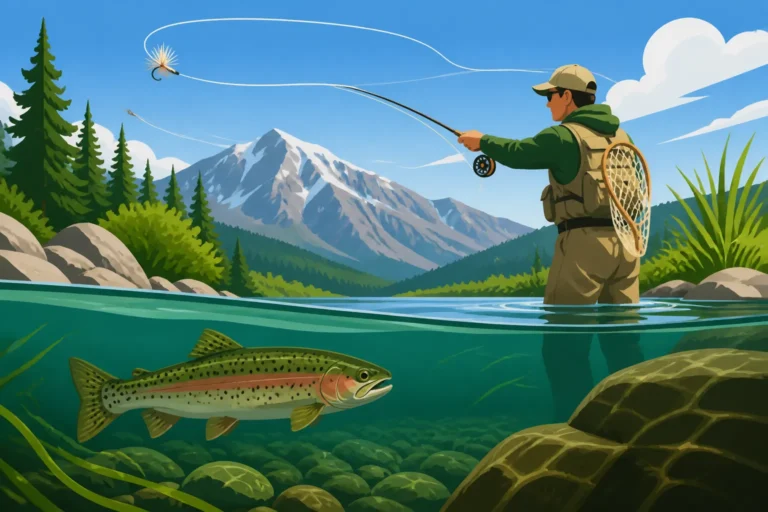
Ah, spring fishing in Idaho! It's a phrase that conjures up images of melting snow, budding aspens, and hungry fish, but let's be real—it's also a time of huge unknowns. One day you're shedding layers under a warm sun, the next you're dodging snow squalls and battling muddy river flows. It can be incredibly frustrating to plan a trip when conditions are so volatile, leaving you wondering if it's even worth the effort. This comprehensive guide is here to cut through the uncertainty, offering practical advice and deep insights into making the most of Idaho's often unpredictable, yet incredibly rewarding, spring fishing season.
Understanding Idaho's Spring Dynamics
Idaho in spring is a world in transition, a magnificent, sometimes chaotic, dance between winter's icy grip and summer's warm embrace. This period, roughly from March through May, is characterized by rapidly changing weather, fluctuating water levels, and fish that are just starting to wake up from their winter lethargy. Ignoring these dynamics means you're likely to have a less-than-stellar day on the water, but understanding them opens up a world of opportunity.
The Thaw and Early Spring Fishing
As the days lengthen and the sun gains strength, Idaho's lower elevation lakes and reservoirs begin their "ice-out" process. This can happen anywhere from late February in the southernmost parts of the state to late March or early April in more northern or higher elevation areas. This early spring window, right as the ice recedes, can be absolutely golden. Fish that have been confined under a sheet of ice for months are often ravenously hungry. They'll cruise the shallower edges of the lake, looking for easy meals as insects, crustaceans, and baitfish become more accessible.
However, "ice-out" fishing isn't without its challenges. Water temperatures are still quite cold, meaning fish might be sluggish, and their metabolism slower. They won't chase a lure like they would in summer, often preferring a slower presentation. You might find success with small jigs, worms, or slow-trolled presentations near the old ice line. Anglers often flock to waters like Lake Lowell near Nampa or parts of C.J. Strike Reservoir as soon as the ice clears. It's a race against time, though, because as the water warms further, fish will spread out. For more detailed tips, you'll want to check out our guide on Fishing Idaho Right After Ice-Out.
Navigating Spring Runoff
The biggest factor defining spring fishing in Idaho, especially for river anglers, is snowmelt runoff. As temperatures rise significantly, the immense snowpack in Idaho's mountains begins to melt, sending torrents of cold, often muddy water rushing into rivers and streams. This can turn crystal-clear rivers into chocolate milk overnight, making fishing nearly impossible in many main stem systems. Runoff typically peaks in May and can extend into early June, depending on the year's snowpack and temperatures.
The frustration is real when you arrive at your favorite river spot only to find it a raging, opaque torrent. However, runoff isn't universal, nor is it always a death knell for fishing. Spring creeks, fed by groundwater rather than snowmelt, often remain clear and fishable even during peak runoff. Think of places like Silver Creek or parts of the Henry's Fork. Tailwaters below large dams can also offer clear water, as the dam regulates the flow and filters out much of the sediment. Understanding Idaho's Spring Runoff and How It Affects Fishing is crucial for planning successful trips, as it allows you to identify which waters are more likely to be productive. You might even find that certain pockets of slower water or eddies on big rivers concentrate fish looking for a break from the current and an ambush point for food washed downstream.
Top Fish Species to Target in Spring
While some species like steelhead are winding down their runs in early spring, many others are just getting started. Knowing which fish are active and where they're likely to be found during Idaho's spring transition can drastically improve your chances of success. It's not just about what's biting, but when and where they're biting.
Trout Opportunities: Rainbows, Cutthroats, Browns
Spring is prime time for many trout species across Idaho. As water temperatures slowly rise from their winter lows, trout become more active, moving out of deep wintering holes to feed more aggressively.
- Rainbow Trout: These vibrant fish are often the first to get active, especially in lakes and reservoirs right after ice-out. They'll cruise shallow flats, eager to intercept small insects, worms, and baitfish. Rivers that aren't heavily impacted by runoff, or those with stable flows from a tailwater, can also see strong rainbow activity. Later in the spring, as temperatures continue to rise, rainbows might start their spawning rituals in certain areas, meaning they'll be found in shallower, gravelly runs. Stocked ponds and smaller reservoirs across the state, frequently restocked by Idaho Fish and Game, offer fantastic early season opportunities for anglers of all skill levels.
- Cutthroat Trout: Idaho is home to both Westslope and Yellowstone cutthroat trout, and spring can be an excellent time to target them, particularly in their native waters. Westslopes in the northern and central parts of the state become active in tributaries and main rivers as temperatures climb, often looking for insects. Yellowstone cutthroats in eastern Idaho are also waking up. They're often less tolerant of turbid water than rainbows, so focus on clear spring creeks or higher elevation streams that clear faster. Their spawning period typically runs from late spring into early summer, so be mindful of local regulations.
- Brown Trout: While not as widespread as rainbows, brown trout are a prized catch, known for their size and elusive nature. In spring, browns often become more catchable, especially in river systems like the South Fork of the Snake or parts of the Henry's Fork where they can grow quite large. They'll start to move out of their winter cover and feed more, often preferring larger meals. Look for them holding in slower, deeper runs, around structure, or at the edges of current seams. Their metabolism is still relatively slow in early spring, so a slower, more deliberate presentation with streamers or larger nymphs is often more effective. Always check the Idaho Catch Limits and Bag Limits Explained for specific regulations on these species in your chosen waters, as they can vary widely.
Kokanee and Perch Post-Ice-Out
Lakes and reservoirs offer some of the most consistent fishing in early spring, especially for species that thrive in cooler water.
- Kokanee Salmon: These landlocked sockeye are a favorite target for many Idaho anglers. Right after ice-out, Kokanee can be found higher in the water column and closer to shore as they seek out food sources. Trolling with small dodgers and Wedding Rings, or simply jigging small spoons or Gulp! maggots, can be highly effective. Lake Coeur d'Alene, Lake Pend Oreille, and Dworshak Reservoir are legendary for their Kokanee fisheries. As spring progresses and the water column warms, Kokanee will typically move deeper, making them a bit more challenging to find without electronics. Our guide on How to Fish for Kokanee in Idaho has all the details you'll need.
- Yellow Perch: Perch are another excellent early spring target, especially for families or those looking for consistent action. They are schooling fish and can be found in large numbers in many Idaho lakes and reservoirs, including Cascade Reservoir and American Falls Reservoir. Like Kokanee, perch become very active after ice-out, congregating in shallower bays and near structure. They readily bite on small jigs tipped with pieces of worm, maggots, or even tiny soft plastics. They're also delicious to eat, making them a popular choice.
Early Season Bass and Panfish
While trout and cold-water species dominate early spring, as May rolls around and water temperatures really begin to climb, the warm-water species start to stir.
- Smallmouth Bass: By late spring, especially in May, smallmouth bass in rivers like the Snake and Clearwater, or reservoirs like C.J. Strike, start to become highly active. They'll move into shallower, rocky areas, warming themselves in the sun and looking for crawfish and baitfish. Throwing small crankbaits, jigs, or soft plastics can be incredibly productive. They're powerful fighters, making them a thrilling catch.
- Largemouth Bass: Largemouth prefer slightly warmer, more vegetated waters. As water temperatures consistently hit the mid-50s, usually in May, you'll find them moving into shallow coves and around docks. Soft plastic worms, spinnerbaits, and even topwater lures (on warmer days) can entice strikes. Lakes like Lake Lowell and Brownlee Reservoir are great spots for early season largemouth.
- Crappie and Bluegill: These panfish are also excellent targets in late spring. Crappie will start schooling in brush piles, submerged timber, and other structures as water warms. Bluegill will move into shallow, sunny areas. Both can be caught with small jigs, live minnows, or worms. Look for them in reservoirs with ample structure, such as C.J. Strike and Anderson Ranch Reservoir.
Effective Spring Fishing Techniques
Spring conditions in Idaho demand adaptability. What worked yesterday might not work today, and what works on one river might be completely useless on another. Having a few different techniques in your arsenal and being willing to experiment is key to consistent success.
Adapting to Water Conditions
The single most important factor for spring fishing success is understanding and adapting to water conditions.
- Clear Water: In early spring, before heavy runoff, or on spring creeks and tailwaters, the water can be incredibly clear. This means fish are often more wary and can see you and your line easily. Use lighter line, longer leaders, and natural-colored baits or flies. A stealthy approach, making long casts and avoiding wading directly into prime lies, will pay dividends. Fish might be holding in slightly deeper water during the brightest parts of the day.
- Turbid (Muddy) Water: This is the bane of many spring anglers during peak runoff. When water is muddy, fish rely more on scent and vibration than sight. This is where bigger, brighter, or more scent-laden offerings come into play. Think large, brightly colored (chartreuse, orange, hot pink) jigs, spinnerbaits that create a lot of vibration, or even cured roe. Using stronger lines is generally fine here, as visibility is minimal. Fish will often hug the banks, seek out slower eddies, or hide behind structure to escape the main current and ambush disoriented prey. Knowing How to Fish Idaho Rivers During Spring Runoff is essential when facing these conditions.
Bait and Lure Selection for Spring
Your tackle box needs to be well-stocked with a variety of options to match changing spring conditions.
- Live Bait: Worms (nightcrawlers, red wigglers), minnows, and maggots are often irresistible to hungry fish in cold spring waters. Worms are excellent for trout, perch, and panfish. Minnows can be deadly for crappie, smallmouth bass, and larger trout. Using a simple bobber rig or a bottom rig with a weight and bait can be very effective, especially for beginners or when fishing with kids. You can often find great deals on these items on Amazon if your local tackle shop is out of stock.
- Artificial Lures:
- Spinners and Spoons: Classic choices for trout and active panfish. Small spinners like Mepps or Panther Martins in sizes #0 to #3 are excellent. Spoons like Thomas Buoyants or Kastmasters are great for casting to deeper holes or trolling.
- Jigs: Versatile and effective. Small jigs (1/32 to 1/8 ounce) tipped with plastics (grubs, curly tails) or even live bait work wonders for perch, crappie, and even sluggish trout. Larger jigs with scent-impregnated plastics can be great for smallmouth bass.
- Crankbaits and Jerkbaits: As water warms and bass become more active, lipped crankbaits that dive to different depths can cover a lot of water. Jerkbaits are fantastic for imitating injured baitfish with their erratic action, especially for smallmouth bass.
- Soft Plastics: Essential for bass fishing. Wacky-rigged worms, Texas-rigged creature baits, and swimbaits are highly productive. Choose natural colors in clear water and brighter colors in stained water.
Fly Fishing Strategies for Spring Hatches
For the fly angler, spring offers both challenges and incredible rewards.
- Nymphing: This is arguably the most consistent and effective fly fishing technique in early to mid-spring. Most aquatic insects spend their lives as nymphs underwater, and fish are constantly feeding on them. Dead-drifting nymphs with an indicator, especially patterns like Hare's Ears, Pheasant Tails, Prince Nymphs, and Stonefly imitations, can be deadly. Focus on slower currents, seams, and deeper pockets where fish are conserving energy.
- Streamers: Big meals for big fish. When water is slightly off-color from runoff or during overcast days, actively stripping streamers can entice aggressive strikes from larger trout and brown trout. Patterns like Woolly Buggers, Sculpzillas, and articulated streamers in black, olive, or white can be very effective. Try to mimic baitfish struggling in the current.
- Early Dries and Emergers: While major hatches often occur later in spring, don't overlook early spring opportunities. Midges can hatch throughout the winter and into spring, providing sporadic dry fly action on calmer days, especially on spring creeks. Blue-winged Olives (BWOs) are another important early season hatch. Keep an eye out for rising fish, and be prepared with small BWO emergers and dry flies in sizes #18-22. On these clearer waters, mastering How to Cast to Selective Trout on a Spring Creek can be the difference between a great day and a frustrating one.
Best Idaho Waters for Spring Fishing
Knowing where to go is half the battle, especially when conditions are so variable. Some waters shine in early spring, while others become stars later in the season. Here’s a breakdown to help you plan.
Rivers with Stable Flows
When main rivers are blown out by runoff, these are your go-to spots.
- Henry's Fork of the Snake River: A legendary trout fishery, the Henry's Fork, particularly below Island Park Reservoir, is a tailwater that often remains clear and fishable through much of the runoff period. Early season brings incredible nymphing opportunities, and eventually, some fantastic BWO hatches. The Railroad Ranch section, while famous, can be challenging. For anglers looking to experience truly world-class fly fishing, the Henry's Fork is a must. Our guide on Fishing Henry's Fork for Fly Anglers offers even more specific advice.
- Silver Creek: Another famous spring creek, Silver Creek near Sun Valley is fed by groundwater and remains crystal clear year-round. While it can be technical, it offers incredible dry fly and nymphing opportunities even when surrounding rivers are high and muddy. It’s a true gem for discerning fly anglers.
- Boise River: The section of the Boise River running through town can offer surprisingly good early spring trout fishing, especially for stocked rainbows. While it can be affected by runoff, its urban accessibility and frequent stocking make it a popular choice. Access points along the Boise River Greenbelt provide easy shore fishing opportunities. Just be sure to check release schedules from local dams, as water levels can fluctuate.
- Clearwater River (Lower Section): While the main Clearwater often experiences significant runoff, the lower sections, particularly below Dworshak Dam, can be a hotspot for spring steelhead (though their run is winding down). Check local reports and regulations diligently, as the season can be highly specific and contingent on returns. This is where you might find some of the last strong pushes of winter steelhead migrating through.
Lakes and Reservoirs Thawing Out
Lakes and reservoirs are often more forgiving during spring runoff, as they aren't as directly impacted by heavy currents.
- Lake Coeur d'Alene: Famous for its Chinook salmon and Kokanee, this large North Idaho lake offers excellent opportunities as the ice melts. Early season trolling for Kokanee and Chinook can be fantastic, especially in shallower bays where baitfish congregate. Make sure to check the Idaho Salmon and Steelhead Permit requirements if targeting Chinook.
- Priest Lake: This deep, clear lake in the Idaho Panhandle is a fantastic early spring destination, particularly for its trophy lake trout (Mackinaw) and cutthroat trout. As ice recedes, lake trout can often be found in shallower depths before retreating to the thermocline later in summer. Trolling with large spoons or bait can be very effective.
- Cascade Reservoir: A multi-species powerhouse in central Idaho, Cascade Reservoir offers excellent early season perch and rainbow trout fishing. Its vast shallow areas warm up quickly, attracting schools of perch. Later in spring, its unique tiger muskie fishery starts to awaken as well.
- C.J. Strike Reservoir: Located in Southern Idaho, this large reservoir warms up relatively quickly and offers diverse spring fishing, including excellent smallmouth bass, crappie, and perch opportunities. Its varied shoreline and numerous coves provide ample spots to explore.
Hidden Gems and Small Streams
Don't overlook the smaller, often overlooked waters.
- Small Ponds and Community Fishing Waters: Idaho Fish and Game manages numerous community fishing ponds, often stocked heavily with rainbow trout in spring. These are perfect for beginners, kids, or anyone looking for consistent action without the crowds of larger rivers. They often warm quickly and aren't affected by runoff.
- Higher Elevation Lakes (Later Spring): As spring progresses into late May and early June, some of the lower-elevation high mountain lakes in areas like the Sawtooths or Boise National Forest might start to become accessible, offering stunning scenery and eager cutthroat or brook trout. This is an adventure, often requiring hiking, but the rewards are worth it. Always check trail conditions and ice levels before heading out. For gear, a good ultralight setup from Amazon can make the hike much easier.
Essential Gear and Preparation for Spring
Spring in Idaho demands careful preparation. The weather is notoriously fickle, and water conditions can be challenging. Having the right gear and knowledge can make the difference between a memorable trip and a miserable one.
Dressing for Variable Weather
"Layers" isn't just a suggestion in Idaho's spring; it's a commandment. You can experience all four seasons in a single day.
- Base Layers: Start with moisture-wicking synthetic or merino wool base layers. These pull sweat away from your skin, keeping you dry and warm even if you exert yourself.
- Mid-Layers: Fleece jackets or puffy vests are excellent for insulation. They provide warmth without excessive bulk and can be easily removed or added.
- Outer Layers: A waterproof and windproof jacket and pants are non-negotiable. Spring showers, melting snow, and brisk winds are common. Look for breathable options to prevent overheating. Brands like Simms and Orvis offer great fishing-specific outerwear, but even a good quality rain jacket from Amazon can work in a pinch.
- Headwear and Gloves: A warm hat is crucial for retaining body heat, especially in early mornings. Waterproof gloves are also a good idea to keep your hands warm and functional.
- Socks: Wool socks, again, for their moisture-wicking and insulating properties, are far superior to cotton in wet, cold conditions.
For more specific advice on staying comfortable, check out our guide on What to Wear Fishing Idaho Rivers in Early Spring.
Waders, Boots, and Safety Gear
Staying dry and safe is paramount when fishing in cold, high water conditions.
- Waders: Chest waders are highly recommended, especially when river levels are high or if you plan on wading into lakes. Neoprene waders offer more warmth in colder water, while breathable waders are more versatile for varying temperatures. Always layer appropriately underneath.
- Wading Boots: Good wading boots with felt or rubber soles (and often studs) provide crucial traction on slippery rocks and muddy banks. A fall in cold water can quickly become a dangerous situation.
- PFDs (Personal Flotation Devices): If you're fishing from a boat, raft, or even a float tube, wearing a PFD is not just a good idea, it's often legally required and can save your life in fast, cold spring currents. Drowning in cold water is a real risk, and a PFD gives you valuable time.
- First Aid Kit: Always carry a basic first aid kit for minor cuts, scrapes, or blisters.
- Communication: Cell service can be spotty in Idaho's backcountry. Consider carrying a satellite messenger for emergencies, especially if fishing alone in remote areas.
Checking Regulations and Conditions
This step cannot be overstated. Idaho's fishing regulations are complex and can change frequently, often with special rules for specific waters or times of year.
- Idaho Fish and Game Website/Brochure: Always consult the latest Idaho Fishing Regulations Explained brochure or the Idaho Fish and Game website before heading out. This is where you'll find information on season dates, catch limits, specific water closures (e.g., for spawning), and gear restrictions.
- Water Levels and Flow Data: Check USGS stream gauges for real-time flow data on rivers. High flows can be dangerous and unfishable. For lakes, look for ice-out reports from local tackle shops or online forums.
- Weather Forecast: Always check the extended forecast for your specific fishing destination. Be prepared for rain, snow, wind, and fluctuating temperatures.
| Month | Typical Water Conditions | Primary Target Species (General) | Recommended Techniques (General) | Key Considerations |
|---|---|---|---|---|
| March | Ice-out (low elevation lakes), cold/clear rivers, early runoff (south) | Rainbow Trout, Perch, Crappie, Steelhead (winter run ends) | Bait (worms), small jigs, slow trolls, heavy nymphing | Very cold, variable weather. Check ice conditions. |
| April | Increasing runoff (rivers), warming lakes, spring creeks clear | Rainbow Trout, Kokanee, Cutthroat, Perch, Brown Trout | Nymphing, streamers, small spoons/spinners, jigging | Peak runoff for many rivers. Focus on lakes/spring creeks. |
| May | Peak runoff (many rivers), warm-water species activate, clear spring creeks | Smallmouth Bass, Largemouth Bass, Crappie, Trout (post-runoff) | Soft plastics, crankbaits, larger streamers, dry flies (hatches) | Last chance for high water fish. Best time for bass/panfish. |
Disclaimer
Fishing inherently carries risks, including but not limited to adverse weather, dangerous water conditions, and wildlife encounters. This guide is for informational purposes only and does not guarantee safety or fishing success. Always exercise caution, adhere to all local, state, and federal regulations, and prioritize your personal safety. Consult official Idaho Fish and Game resources for the most current and accurate regulations before any fishing trip.