How Big Do Smallmouth Bass Get
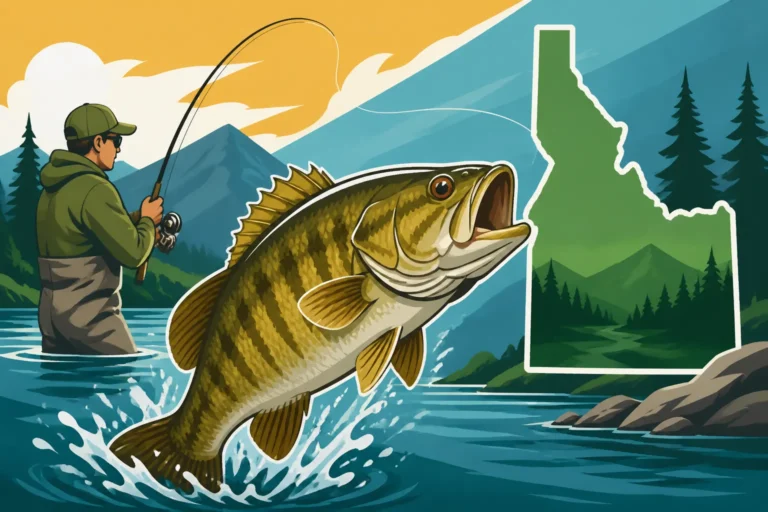
If you've ever cast a line into an Idaho river or reservoir, you've probably heard tales of some truly massive smallmouth bass. While the average smallmouth you pull out of the water might be a respectable one or two pounds, the question of just how big these feisty fighters can get in the Gem State is a common one that sparks a lot of angler excitement. This guide will dive deep into what determines the size of smallmouth bass in Idaho, where you might encounter those lunker fish, and how you can responsibly target them.
The Typical Smallmouth Bass in Idaho: What to Expect on Your Line
Let's be real, most of us aren't hauling in state records every time we hit the water. It’s important to have a realistic idea of what constitutes a "typical" smallmouth bass in Idaho, versus those elusive giants that make for legendary fishing stories. Understanding the average size can help you appreciate every fish you catch, whether it’s a feisty youngster or a true heavyweight.
Average Sizes Across Idaho Waters
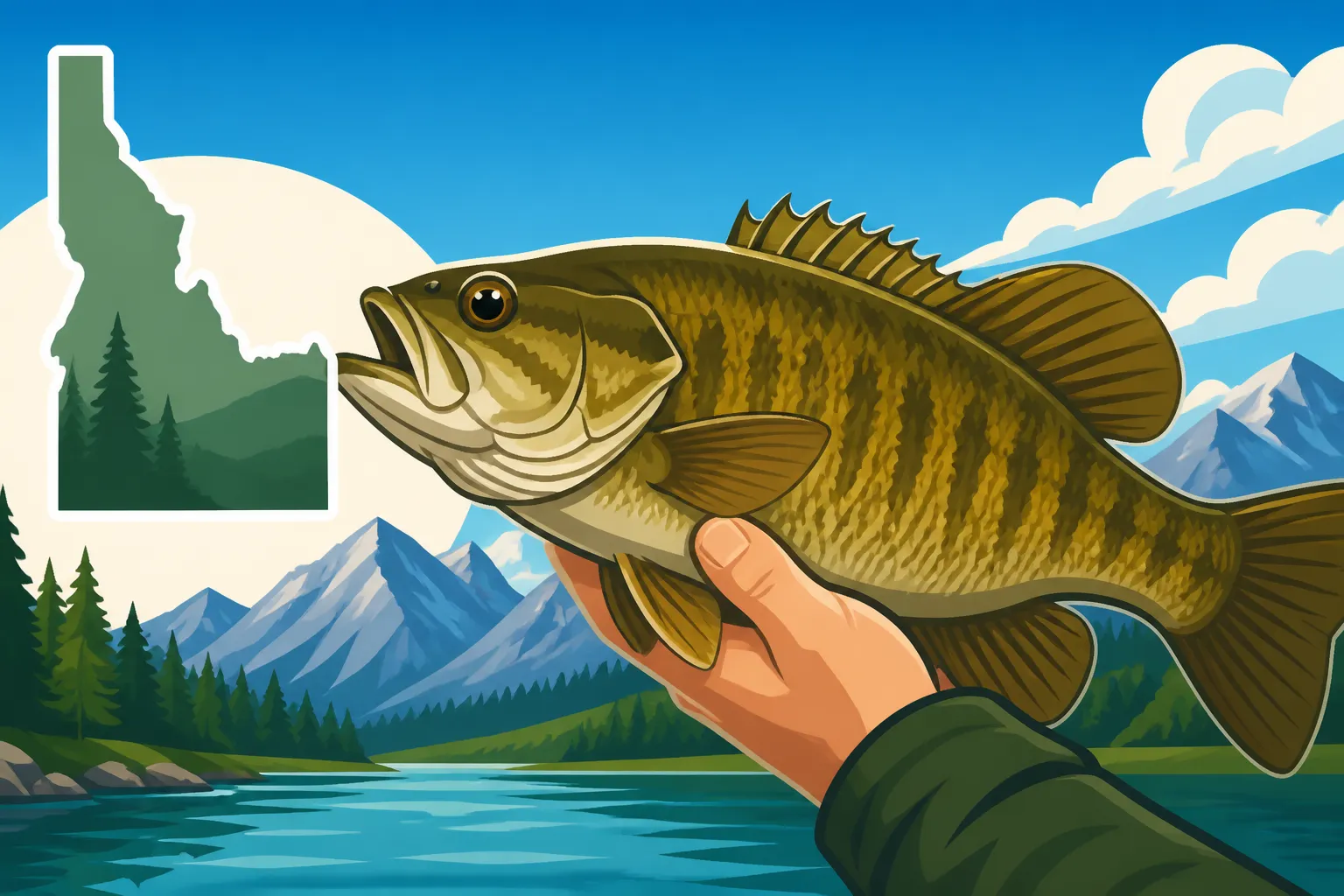
When you're out fishing Idaho's rivers and reservoirs for smallmouth bass, a very common catch will be somewhere in the 10 to 14-inch range, often weighing between ¾ of a pound to a couple of pounds. These are healthy, hard-fighting fish that are a blast on light tackle. They're abundant in many of our warmer waters, like stretches of the Snake River or popular reservoirs, and they provide consistent action. You'll find these 'average' fish in good numbers, often grouped around structure, making for a fun day on the water. Don't underestimate their fight, though; even a small smallmouth has a reputation for its powerful tug and aerial acrobatics.
For instance, if you're exploring the middle sections of the Snake River, particularly around rocky areas and current seams, you’ll likely encounter plenty of these mid-sized smallmouth. They're aggressive, always hungry, and a great target for anglers of all skill levels.
When a Smallmouth Becomes a "Big One"
Now, for the really exciting part – what makes a smallmouth bass truly stand out in Idaho? We're talking about those fish that make your drag scream and your heart pound. In Idaho, a smallmouth bass pushing the 3-pound mark is considered a very respectable fish. Hit 4 pounds, and you've got a true lunker that most anglers would be thrilled to photograph and release. Fish exceeding 5 pounds are genuinely rare trophies, the kind of catch that defines a season, or even a lifetime, for many anglers.
These larger fish are often older, wiser, and have survived many encounters with anglers and predators. They tend to be solitary or in small groups and require more patience and specific tactics to entice. When you hook into a smallmouth of this caliber, the fight is intense, with powerful runs and spectacular jumps. It's the kind of fish that truly tests your gear and your angling prowess. The sheer brute force and determination of a 4-pound smallmouth in the strong current of an Idaho river can be an unforgettable experience.
Factors Influencing Smallmouth Size in Idaho
It's not just luck when you hook into a big smallmouth; a myriad of environmental, biological, and even human factors play a huge role in how large these fish can grow. Idaho's diverse aquatic environments offer a range of conditions, some of which are perfect for growing true giants.
Habitat and Water Quality
Smallmouth bass thrive in clear, cool-to-warm water with plenty of rocky structure. Think about the iconic rivers and reservoirs of Idaho – many fit this description perfectly. Clean, well-oxygenated water is fundamental for their health and growth. When you have a river with an abundance of large boulders, submerged ledges, gravel bars, and current breaks, you create ideal ambush points and protective cover for smallmouth. These areas also tend to hold the forage they need to grow large.
The Snake River, for example, especially in its canyons and rocky sections, provides a textbook smallmouth habitat. The clear water allows for sight feeding, and the countless cracks and crevices offer shelter. Reservoirs, too, can provide excellent smallmouth habitat, particularly those with rocky shorelines, submerged timber, or old roadbeds that offer plenty of structure. A healthy ecosystem with good water quality means less stress on the fish, allowing them to expend more energy on growth rather than survival.
Food Availability and Forage Base
This is arguably the most critical factor for a smallmouth to reach trophy size: a rich and consistent food source. Smallmouth bass are opportunistic predators, and their diet can include everything from insects and minnows to crawfish and smaller fish. Waters with an abundant population of crayfish are particularly renowned for growing massive smallmouth. Crayfish are high in protein and readily available in many Idaho rivers and lakes. You can often tell a "crawdad eater" by its deep bronze color and chunky build.
Beyond crayfish, smallmouth will feast on sculpins, dace, shiners, and even juvenile trout (where regulations allow and they encounter them). Reservoirs that support healthy populations of yellow perch or crappie, for example, can also provide a solid forage base for growing large smallmouth. The more easily available and nutritious the food, the faster and larger the smallmouth will grow. This is why certain sections of Fishing the Snake River for Smallmouth Bass and Sturgeon are so productive – the food chain is robust.
Genetics and Water Temperatures
Like any species, individual smallmouth bass have genetic predispositions that can influence their maximum growth potential. Some fish are simply wired to grow larger and faster than others. However, genetics alone aren't enough; the environment must support that potential.
Water temperature also plays a significant role. Smallmouth bass are warm-water fish, and they grow most actively when water temperatures are in their optimal range, typically between 65-75 degrees Fahrenheit. Idaho's long, warm summers, particularly in the southern regions, provide extended growing seasons. This means bass can feed heavily and pack on pounds for more months of the year compared to regions with shorter summers or colder average temperatures. A longer feeding window equates to more calories ingested and, ultimately, larger fish. Conversely, prolonged periods of very cold water slow their metabolism and growth significantly.
Fishing Pressure and Management
The impact of human activity on fish size can't be overstated. Heavily fished waters, especially those where anglers frequently keep their catches, tend to have fewer large, older fish. It's a simple matter of attrition – if all the biggest fish are removed, there are fewer left to spawn and pass on those desirable growth genetics, and fewer mature fish to be caught.
This is why catch-and-release practices, particularly for larger fish, are so vital for maintaining trophy smallmouth fisheries. Many Idaho anglers understand the value of releasing those big fish to fight another day and contribute to the population. Regulations like slot limits or reduced bag limits in specific areas are also designed to protect and promote larger fish populations. It's always a good idea to be familiar with the Idaho Fishing Regulations Explained and Idaho Catch Limits and Bag Limits Explained for any water body you're fishing to ensure you're contributing to healthy fisheries. When considering if Is an Idaho Fishing License Required for Catch and Release?, remember that even if you plan to release, a license is almost always necessary to legally fish.
Where to Find Idaho's Biggest Smallmouth Bass
If you're on the hunt for a true Idaho lunker smallmouth, knowing where to focus your efforts is half the battle. While smallmouth can be found in many waters across the state, certain rivers and reservoirs consistently produce larger fish due to their superior habitat and forage.
Famous Rivers for Lunkers
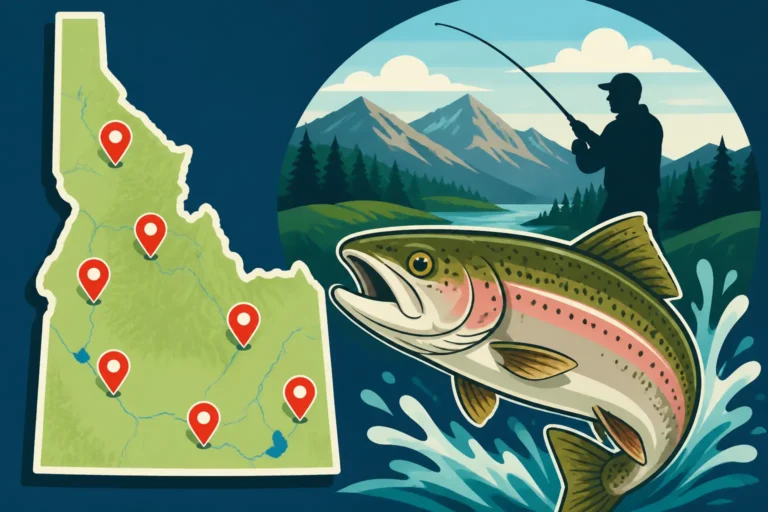
Without a doubt, the Snake River is the undisputed champion for large smallmouth bass in Idaho. From the Hells Canyon stretch to sections near Brownlee and Oxbow reservoirs, the Snake offers incredible opportunities. Its massive canyon walls, endless rocky structure, and abundant crayfish population create a perfect environment for smallmouth to grow to impressive sizes. It's not uncommon to hear of 4-pounders, and the occasional 5-pound class fish are definitely caught here. The sheer volume of water and diverse habitats mean that you can spend a lifetime exploring its potential.
Other notable rivers where you might find quality smallmouth include sections of the Clearwater River, particularly its lower reaches, and even parts of the Salmon River where habitat suits them. These rivers offer strong currents, rocky bottoms, and often excellent insect and baitfish populations that support healthy bass. Anglers often target specific river features like current breaks behind large boulders, eddies, and seams where fast water meets slow. Understanding these dynamics is key to success on Idaho's Best Rivers for Fishing in Idaho.
Reservoirs Known for Quality Bass
Idaho's reservoirs are also fantastic for growing big smallmouth. These impoundments often offer vast expanses of stable habitat, deep-water structure, and prolific baitfish populations.
- C.J. Strike Reservoir: Located in southwestern Idaho, C.J. Strike is legendary for its smallmouth bass. It boasts a diverse forage base and extensive rocky shorelines, drop-offs, and submerged structures. Anglers routinely pull out bass in the 3 to 5-pound range here, and it's a popular destination for those seeking a trophy. The reservoir's unique structure, formed by the confluence of the Snake and Bruneau Rivers, provides a complex and rich ecosystem.
- Lucky Peak Reservoir: Just outside Boise, Lucky Peak offers excellent smallmouth fishing. While not always producing the same giants as C.J. Strike, it reliably kicks out plenty of quality bass, especially for anglers willing to explore its varied depths and rocky points. It’s a great spot for an after-work trip, and many locals know the sweet spots.
- Anderson Ranch Reservoir: Nestled in the mountains, Anderson Ranch Reservoir also holds some impressive smallmouth. Its deep, clear waters and abundant structure make it another strong contender for those chasing bigger fish.
These reservoirs, like many of Best Idaho Lakes for Crappie, often share characteristics that benefit bass: stable water levels, varied depths, and ample food sources. You’ll often find these bigger smallmouth relating to humps, points, and channel edges in deeper water, especially during the warmer months.
Techniques for Targeting Larger Smallmouth
To consistently catch larger smallmouth, you often need to adjust your approach. Big bass are generally more wary and often prefer bigger meals. Here are some techniques and gear considerations:
- Lure Selection: Focus on larger baits that mimic the primary forage, especially crayfish. Deep-diving crankbaits in natural colors (like greens, browns, and oranges) that bounce off rocks are often deadly. Heavy jigs with plastic trailers (crayfish imitations or tube baits) worked slowly along the bottom are also incredibly effective. Swimbait presentations, especially those mimicking minnows or juvenile fish, can also trigger strikes from a lunker. You can find a huge variety of these specialized lures and tackle on platforms like Amazon. For a more comprehensive look, check out Best Bait and Lures for Idaho Fishing.
- Gear: Don't be afraid to go a little heavier with your tackle. A medium-heavy spinning or casting rod with a sensitive tip will allow you to feel subtle bites and effectively fight a strong fish. Pair it with a reel spooled with strong, abrasion-resistant line, such as fluorocarbon or braided line with a fluorocarbon leader, which can stand up to the rocky environments where big smallmouth live.
- Locating Structure: Larger smallmouth are almost always found near significant structure. This means fishing drop-offs, deep rocky points, submerged humps, ledges, and current breaks. A good fish finder can be invaluable for identifying these underwater features, helping you pinpoint exactly where those big bass are lurking. Many anglers invest in quality sonar units, often purchased from retailers like Amazon, to gain this edge. When you find the right structure, cast beyond it and work your lure through the strike zone, varying your retrieve until you figure out what the fish want.
- Patience and Persistence: Big fish didn't get big by being reckless. They can be finicky. Sometimes it takes multiple casts, different angles, or switching lures to crack the code. Don't be afraid to spend extra time thoroughly working a promising spot.
Responsible Angling for Idaho's Smallmouth
Catching big smallmouth bass is incredibly rewarding, but it also comes with a responsibility to ensure these magnificent fish continue to thrive for future generations. Practicing proper angling ethics and techniques is crucial for maintaining Idaho's reputation as a fantastic smallmouth destination.
Catch and Release for Bigger Bass
For many serious smallmouth anglers, especially when targeting trophy-sized fish, catch and release is the name of the game. Larger, older smallmouth are vital to the health of the fishery. They contribute significantly to spawning, passing on their genes for growth and survival. Removing them too frequently can deplete a population's potential for producing future lunkers.
If you do decide to release a big smallmouth:
- Minimize Air Exposure: Keep the fish in the water as much as possible. If you must remove it for a photo, do so quickly and carefully.
- Wet Hands: Always wet your hands before handling a fish. Dry hands can remove the protective slime coat, making the fish susceptible to disease.
- Support the Fish: Support the fish horizontally, especially larger ones, using both hands (one under the belly, one at the tail). Avoid holding fish vertically by the jaw, as this can damage their internal organs and jaw structure.
- Barbless Hooks: Consider using barbless hooks or pinching down barbs on your lures. This makes unhooking much easier and less traumatic for the fish.
- Revival: If the fish seems stressed, hold it gently in the water, facing into the current, until it regains its strength and swims off on its own.
Remember, a fishing license is required regardless of whether you plan to keep or release your catch. It's not just about the regulations, but about being a good steward of the resource. You can find information on how to obtain yours through resources like How to Buy an Idaho Fishing License Online or Idaho Fishing License Guide.
Gear and Tactics for Success
Beyond the specific lures, having the right gear and understanding foundational tactics will significantly increase your odds of not just hooking, but successfully landing and releasing, those bigger smallmouth.
- Line Choice: As mentioned, strong line is key. If fishing braided line, a fluorocarbon leader is often preferred for its invisibility and abrasion resistance, especially when fishing around rocks. Make sure your knots are solid.
- Rod and Reel Setup: A versatile medium-heavy action rod, around 6'6" to 7'6" in length, is a good choice for casting various lures and having enough backbone to control a large fish. A quality reel with a smooth drag system is non-negotiable – a big smallmouth will test it! For many, this means investing in reputable brands available through retailers like Amazon, ensuring reliability when it counts.
- Reading the Water: This is an acquired skill that comes with time on the water. Learn to identify current seams, eddies, deep pools, log jams, and rock piles. These are key areas where smallmouth will position themselves to ambush prey or rest from the current. Pay attention to changes in bottom composition, depth, and cover. For river-specific techniques, How to Fish for Smallmouth Bass in Idaho Rivers can offer deeper insights.
- Timing: While smallmouth can be caught throughout the day, early morning and late evening often provide the best opportunities, especially during warmer months. Overcast days can also be productive. Understanding seasonal patterns can also greatly improve your success; for instance, post-spawn periods can see bass aggressively feeding.
By combining knowledge of smallmouth behavior, the best Idaho spots, appropriate gear (which you can easily source on Amazon for items like quality nets or tackle boxes), and responsible angling practices, you'll be well-equipped to target and appreciate Idaho's impressive smallmouth bass.
| Smallmouth Bass Size Category | Typical Length (Idaho) | Typical Weight (Idaho) | Key Characteristics & Where Found |
|---|---|---|---|
| Average Fish | 10-14 inches | 0.75 – 2 pounds | Abundant, feisty, found in schools in many rivers and reservoirs (e.g., mid-Snake River, Lucky Peak) |
| Quality Fish | 15-18 inches | 2 – 3 pounds | Strong fighters, common in well-managed fisheries with good forage (e.g., C.J. Strike, lower Snake River) |
| Lunker / Trophy | 19+ inches | 4+ pounds | Rare, powerful, often solitary, found in prime habitat with abundant food (e.g., Hells Canyon, C.J. Strike) |
Disclaimer
This article is for general informational purposes only and does not constitute professional advice. Laws, prices and regulations vary by location and change over time. Consult a qualified professional for guidance on your specific situation.