How to Jig for Perch Through the Ice
There's nothing quite like the crisp air and serene silence of ice fishing, but sometimes, figuring out how to consistently catch those tasty yellow perch through a frozen hole can feel like a real mystery. It’s a common frustration when you’re out on the ice, bundled up, and the fish just aren't biting despite your best efforts. This guide is here to unravel that mystery, providing you with practical, down-to-earth advice on how to jig for perch effectively through the ice right here in Idaho, turning those slow days into successful ones.
Understanding Idaho's Ice Perch Habitat and Behavior
Before you even step foot on the ice, knowing where perch like to hang out and how their behavior changes with the seasons is crucial. It’s not just about drilling a hole anywhere; it’s about understanding their winter world.
Where to Find Perch Under the Ice
Perch are generally quite social fish, often found in schools, which is fantastic news for ice anglers – if you find one, you're likely to find more! In Idaho's frozen lakes and reservoirs, these schools typically congregate around specific structures or changes in depth. Think about what offers them protection, food, and comfort.
Early ice, especially in places like Cascade Reservoir or Lake Cascade, often finds perch in shallower bays or along weed lines that still have some green left in them. These areas, typically 8 to 15 feet deep, retain warmth longer and offer cover for small invertebrates and baitfish, which perch love to munch on. As winter progresses and ice thickens, perch tend to move to deeper haunts, often associating with drop-offs, underwater humps, points, or the edges of main lake basins. They might be in 20-40 feet of water, or even deeper in very large lakes like Lake Pend Oreille or C.J. Strike Reservoir. Look for areas where the bottom structure changes significantly. A good depth finder or even a detailed contour map can be your best friend here. For more insights on specific locations, check out our guide on Idaho Ice Fishing Spots.
How Perch React to Winter Conditions
Perch are cold-blooded, so their metabolism slows down considerably in frigid water. This means they're less active and their feeding windows can be much shorter and more subtle than in warmer months. They're trying to conserve energy, so they won't chase a lure with the same aggression you might see in summer.
Light penetration through the ice and snow cover also plays a huge role. On bright, sunny days, perch might be deeper or tucked into shaded areas. On overcast days or during low-light periods like dawn and dusk, they often become more active and might move shallower to feed. Understanding these subtle shifts in behavior is key. If you're struggling to find them, consider moving deeper, shallower, or trying a different kind of structure. Their activity level also dictates how aggressively you should jig. A slow, subtle presentation is often more effective than an erratic one when they're lethargic. Knowing when Idaho's ice-out occurs and how that impacts fish behavior is also something to keep in mind as the season changes.
Essential Gear for Jigging Idaho Ice Perch
Having the right tools for the job can make all the difference between a frustrating day staring at a hole and a successful one reeling in fish. Specialized ice fishing gear is designed to maximize sensitivity and comfort in cold conditions.
Rods, Reels, and Line Choices
For perch, sensitivity is king. You're looking for ultralight to light-action ice fishing rods, typically 24 to 30 inches long. These shorter rods are ideal for working in tight spaces over a hole and offer excellent control for jigging. The key feature is a very sensitive tip, often made of fiberglass or carbon fiber, that can detect the subtlest of bites – sometimes just a slight "mush" or weightlessness rather than a definitive tug. Companies like St. Croix or Fenwick make excellent sensitive ice rods. You can often find a great selection of these specialized ice fishing rods on platforms like Amazon, often with reviews from other ice anglers that can help you pick.
Pair your sensitive rod with a small spinning reel, typically a 500 to 1000 size. It should have a smooth drag system, which is crucial for handling even small perch without breaking thin lines. Spool your reel with 2-4 pound test fluorocarbon line. Fluorocarbon is nearly invisible underwater, has low stretch for better sensitivity, and resists freezing better than monofilament. While monofilament can also be used, its stretch can dampen those light perch bites. For more on what to pack, check out our guide on Best Ice Fishing Gear for Cold-Weather Lakes.
The Best Jigs and Baits for Perch
This is where the magic happens! Perch are attracted to small, flashy, or scented presentations.
- Jigging Spoons: Small jigging spoons, like Northland Fishing Tackle's Forage Minnows or Acme Tackle's Kastmasters, in sizes 1/32 to 1/8 ounce, are absolute perch magnets. Silver, gold, copper, and bright fluorescent colors like chartreuse or orange are typically effective. The flash and flutter on the drop imitate dying baitfish.
- Small Jigs/Finesse Plastics: Teardrop jigs, tungsten jigs (which are heavier for their size and sink faster), or tiny lead head jigs (1/64 to 1/16 ounce) tipped with a small soft plastic (like a Berkley Gulp! Minnow or a simple grub tail) can be incredibly effective. The small profile and subtle action are irresistible to finicky perch.
- Live Bait: There's no denying the appeal of live bait for perch. Small maggots (waxworms, spikes), mealworms, or a piece of a nightcrawler are classic choices. Tipping your jigging spoon or small jig with one of these greatly increases your chances, especially on slow days. The natural scent and movement are often what it takes to trigger a bite.
- Scented Baits: Many anglers swear by scented artificial baits, like the aforementioned Berkley Gulp! products, which release a strong scent plume in the water. These can often outperform unscented plastics, especially when fish are hesitant.
Crucial Ice Fishing Tools
Beyond your rod and reel, a few other items are non-negotiable for a successful and comfortable day on the ice.
- Ice Auger: A quality auger is essential for drilling holes. Whether it's a hand auger for lighter, thinner ice, a powerful gas or propane auger, or a quiet electric auger, choose one that can handle Idaho's ice thickness, which can be considerable on lakes like Payette Lake. Always ensure your auger blades are sharp!
- Fish Finder/Flasher: This is arguably the most critical piece of electronics for ice fishing. Brands like Vexilar, Marcum, and Humminbird offer excellent flashers and sonar units. A flasher allows you to see your lure in real-time, as well as any fish approaching it. This feedback loop is invaluable for adjusting your jigging presentation and knowing when fish are in the strike zone. It transforms ice fishing from guessing to precision.
- Ice Scoop: For clearing slush and ice chips from your hole. Simple, but you'll regret not having one.
- Buckets/Sleds: A sturdy 5-gallon bucket can double as a seat and a place to store your gear or your catch. A sled is excellent for hauling all your equipment across the ice.
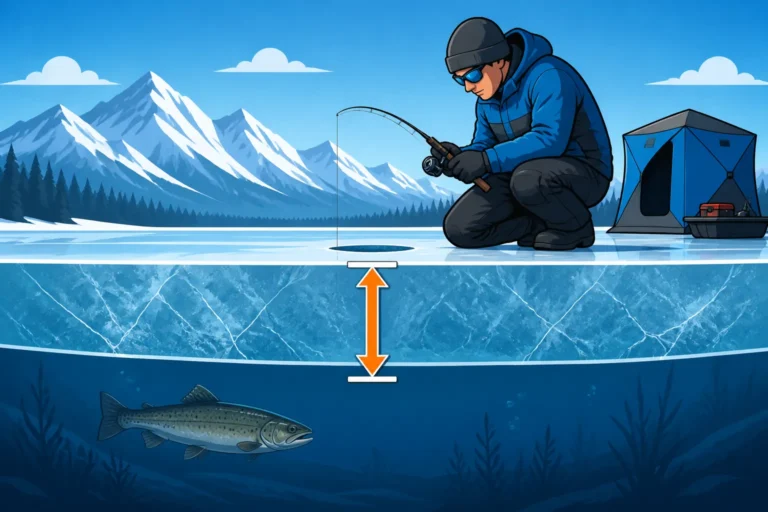
- Safety Gear: Don't ever forget ice picks worn around your neck, a spud bar (for checking ice thickness, especially when moving to new areas), and knowledge of local ice conditions. Our guide on How Thick Ice Needs to Be Before You Ice Fish is a must-read before heading out. Safety should always be your top priority.
Mastering the Art of Jigging for Perch
Jigging for perch isn't just about dropping a lure down a hole. It's a nuanced dance of presentation, observation, and quick reflexes.
Drilling Your Holes and Locating Fish
The first step is getting your holes in the right spot. Based on your knowledge of perch habitat, start by drilling a series of holes in a grid pattern or along a suspected structure, covering different depths. For instance, if you're targeting a point, drill holes starting shallow and moving out into deeper water, or vice-versa. Don't be afraid to move if you're not seeing fish. Perch are nomadic in winter, and a productive spot one day might be barren the next.
Once your holes are drilled, use your fish finder or flasher. Drop your transducer down a hole and scan for fish. Pay attention to how deep they are holding and if they are active. If you see activity, great! If not, move to the next hole. The goal is to quickly locate active schools of perch. Sometimes, the fish might be hugging the bottom, other times suspended a few feet off. Your flasher will show you this in real-time, helping you present your lure at the correct depth. Remember, once you've found a school, you can usually keep catching them from the same hole for a while.
Effective Jigging Techniques and Presentations
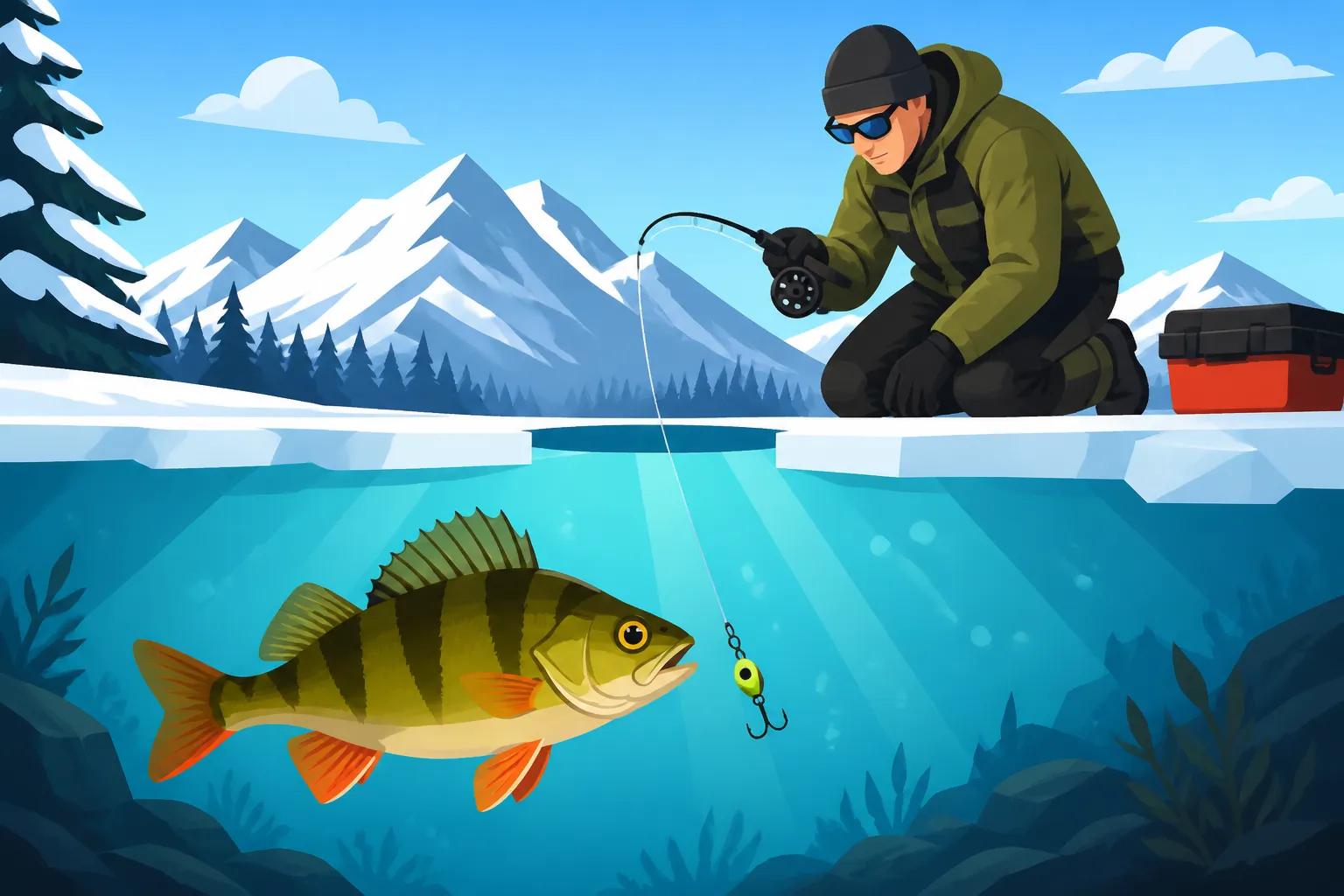
This is where the "jigging" comes in! The goal is to imitate a struggling baitfish or insect, enticing the perch to strike. There's no single "best" technique, as fish preferences can change daily, even hourly. The key is to experiment.
Start by dropping your lure down to the depth where you see fish on your flasher. Let it settle for a moment. Then, begin with a subtle approach:
- Small Lifts and Drops: Gently lift your rod tip a few inches, then let the lure fall back down. The pause between lifts is often when the strike occurs. Repeat this rhythmically.
- Quiver: With very sensitive rods, a slight tremor or quiver of your hand can impart a subtle, lifelike action to your jig without moving it much vertically. This is often deadly for finicky perch.
- Hard Thumps: Sometimes, a more aggressive approach is needed. Lift your rod tip sharply, 6-12 inches, and let the lure crash back down, creating a puff of sediment. This can attract curious perch from a distance.
- Dead Stick: After a few jigs, simply hold your lure motionless for 5-10 seconds. Many bites happen on the pause. If you're using a second rod (where legal, always check Idaho Fishing Regulations Explained), a dead stick setup with live bait can be incredibly effective while you actively jig with another rod.
Pay close attention to your flasher. If fish come in but don't bite, try changing your jigging cadence. Speed it up, slow it down, make it more aggressive, or more subtle. Sometimes just a slight change is all it takes.
Reading the Bite and Setting the Hook
Perch bites in winter are often incredibly subtle. They rarely slam a lure like a summer bass. Instead, you might feel a faint "tick," a slight increase in weight, or even just a feeling of "nothingness" as the fish inhales the jig on the drop, causing your line to go slack or your rod tip to suddenly straighten.
This is where that sensitive rod tip and fluorocarbon line really shine. Watch your line where it enters the water (or where it's visible outside the hole) for any slight twitch or movement. With a flasher, you'll see your lure and the fish. When the fish appears to "touch" your lure on the screen, be ready!
When you detect a bite, set the hook immediately with a quick, short wrist snap rather than a big, sweeping motion. Because you're often fishing relatively shallow, a strong hook set isn't usually necessary, and too much force can tear the hook out of their mouth. Perch have relatively soft mouths, so gentle but firm pressure is key once hooked. Keep the line taut as you retrieve them, and be ready for a quick unhooking and release or placement in your bucket. Our guide on Idaho Daily Bag Limit for Yellow Perch provides crucial information on how many you can keep.
Common Challenges and Tips for Success
Ice fishing for perch can be incredibly rewarding, but it definitely has its fair share of challenges. Being prepared for these can turn a potentially tough day into a great one.
Dealing with Finicky Perch
We've all been there: you see a school of perch on your flasher, but they just won't bite. They might come up to your lure, stare at it, and then swim away. This is often a sign of finicky fish due to cold water, fishing pressure, or changing conditions.
- Downsize Everything: Go to smaller jigs (1/64 oz or even smaller), lighter line (2 lb test), and tiny pieces of bait. A small tungsten jig tipped with a single maggot can be deadly.
- Subtle Presentation: Less is often more. Try barely moving your jig, almost a "dead stick" approach with just a quiver. Let the bait do the work.
- Color Changes: If one color isn't working, switch it up. If they're ignoring chartreuse, try silver, gold, or even a natural-colored plastic.
- Scent: Add some commercial fish attractant scent to your lure, or ensure your live bait is fresh and lively. The scent trail can make a big difference.
- Move: If you’ve tried everything and the fish are still uncooperative, sometimes the best strategy is to simply move to a new area. There might be a more aggressive school elsewhere. Consider exploring nearby contours or even moving to a different arm of the lake, like what you might do on the extensive waters of C.J. Strike Reservoir.
Safety First on the Ice
This cannot be stressed enough: ice fishing safety is paramount. Idaho's winters can be severe, and ice conditions can be unpredictable, even on familiar bodies of water.
- Check Ice Thickness: Never assume the ice is safe. Always check local ice reports from Idaho Fish and Game, local bait shops, or other reputable sources before heading out. When you arrive, use a spud bar or auger to check thickness as you go, especially if you're the first one out. A minimum of 4 inches of clear, solid ice is generally recommended for foot travel, and more for ATVs or snowmobiles. Our guide Is Ice Fishing Safe on Payette Lake in January? gives specific considerations for popular areas.
- Go with a Buddy: Fishing with a friend is always safer. If one person breaks through, the other can assist.
- Wear Flotation: An ice fishing suit with built-in flotation or a personal flotation device (PFD) can be a lifesaver.
- Ice Picks: Always wear ice picks around your neck. If you break through, these can help you pull yourself out of the water.
- Tell Someone Your Plans: Let someone know where you're going and when you expect to return.
- Dress in Layers: Cold weather and ice demand proper attire. Layering allows you to adjust to changing temperatures and activity levels, preventing both overheating and hypothermia. Waterproof outer layers are essential.
- Stay Hydrated and Fed: Don't forget to bring plenty of water and snacks. You'd be surprised how much energy you expend in the cold.
By prioritizing safety and being strategic in your approach, you can enjoy the peace and bounty of jigging for perch through the ice in Idaho's beautiful winter landscapes. Happy fishing!
| Popular Idaho Ice Perch Waters | Key Perch Characteristics & Fishing Notes | Best Times for Perch Jigging |
|---|---|---|
| Lake Cascade | Known for abundant, large yellow perch. Look for them in bays and along weed lines early, deeper humps later. | Early and Mid-winter |
| C.J. Strike Reservoir | Good numbers of perch, often relating to submerged timber and channels. Can be productive throughout winter. | All Winter |
| Lake Coeur d'Alene | Perch often found in shallower bays and near docks. Can be smaller but plentiful. | Early and Late Ice |
| Priest Lake | Perch can be found shallower, but also in deeper transition zones. | Early and Mid-winter |
| McCall's Payette Lake | Can offer good perch fishing, especially in areas with gradual depth changes and remaining vegetation. | Early and Mid-winter |
Disclaimer
Please be aware that fishing regulations, ice conditions, and fish behavior can change. Always consult the latest Idaho Fish and Game regulations and ensure ice safety before venturing out. This guide provides general advice and should not replace official safety guidelines or current fishing proclamations.