How Big Do White Sturgeon Get in the Snake River
Oh, the legendary white sturgeon of the Snake River! If you've ever cast a line in Idaho, or even just heard the whispers from seasoned anglers, you've probably wondered about the sheer, mind-boggling size these ancient fish can reach. It's not just a fish; it's a living legend, and trying to grasp just how enormous they can get is a common frustration and a source of endless fascination for anyone who loves the water. This guide is going to peel back the layers of those fish stories and give you a real, in-depth look at just how big white sturgeon grow in Idaho's mighty Snake River, alongside what makes them such incredible creatures.
The Giants of the Snake River: Understanding White Sturgeon Size
When we talk about white sturgeon in the Snake River, we're not just talking about big fish; we're talking about colossal, prehistoric behemoths that can truly make an angler feel like they're grappling with a dinosaur. These incredible creatures command immense respect, and their size is a testament to their longevity and the richness of their habitat.
Average vs. Maximum Size: Separating Fact from Legend
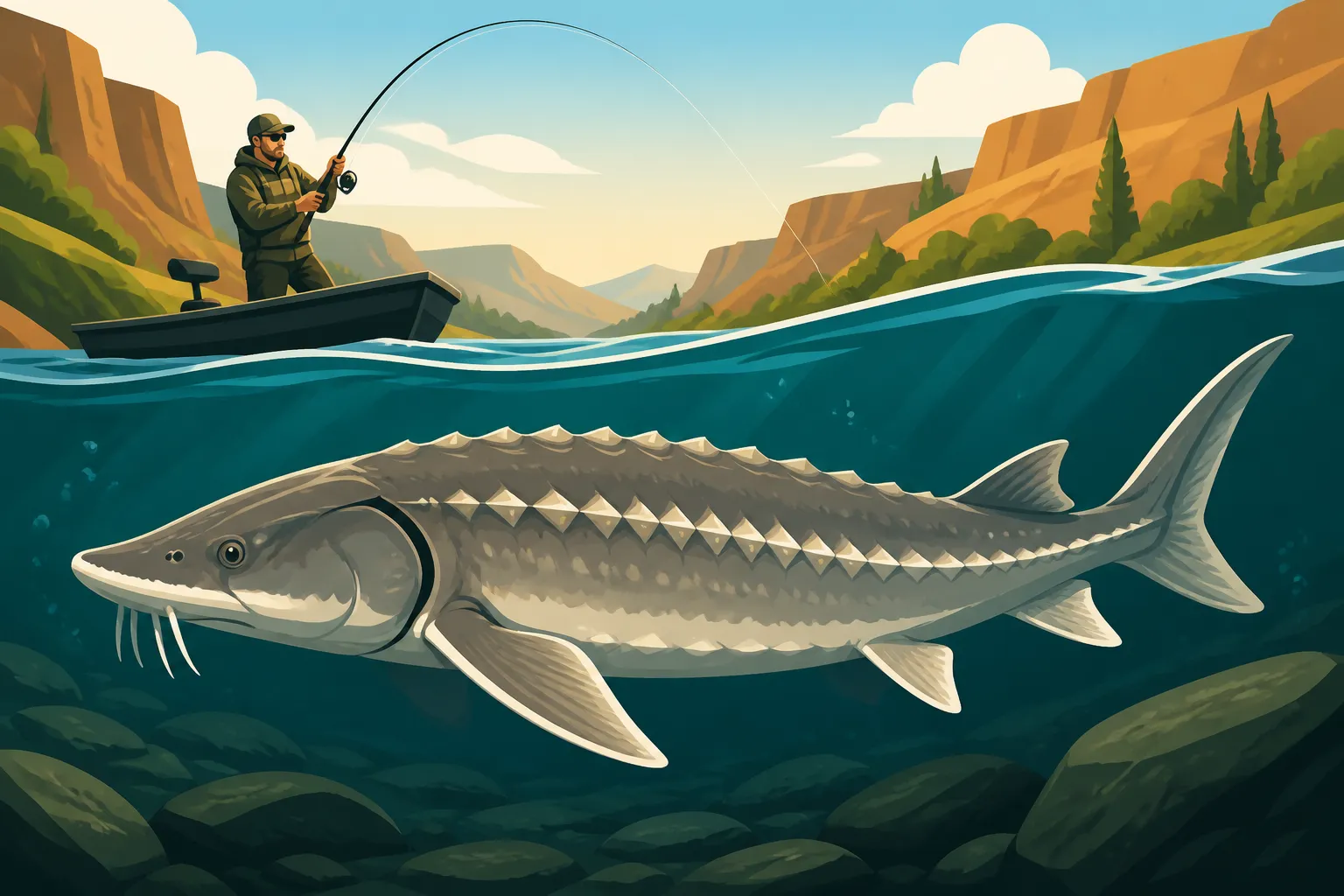
Let's be real, everyone loves a good fish tale, and when it comes to sturgeon, those tales often involve truly enormous beasts. While some stories might stretch the truth a little, the reality is that white sturgeon in the Snake River are genuinely massive. Most anglers who specifically target sturgeon on guided trips or with serious effort might encounter fish ranging from 4 to 8 feet in length. These are already incredible fish, often weighing in the hundreds of pounds, and they provide a fight you'll never forget. Imagine a fish that's taller than you are, pulling with all its might against your line – that's a common experience.
However, the "average" doesn't tell the full story. The true giants, the maximum size these fish can achieve, is where things get really wild. While specific, recent catch measurements are often kept under wraps by guides and conservationists to protect individual fish, historical records and verified reports speak of white sturgeon stretching well over 10 feet long. Some accounts even describe individuals pushing 12 feet or more, with estimated weights exceeding 1,000 pounds. These aren't your typical weekend catches; these are the patriarchs and matriarchs of the river, fish that have been alive for decades, perhaps even a century or more, growing steadily into their gargantuan forms. It’s hard to wrap your head around a fish that outweighs a small car, but that’s the kind of creature swimming in the depths of the Snake. If you're interested in learning more about these ancient fish, check out our Idaho White Sturgeon Facts guide.
Factors Influencing Sturgeon Growth in the Snake River
So, what allows these magnificent fish to grow to such incredible proportions? It's a combination of ideal conditions, an abundant food source, and, crucially, a very long lifespan. Think of it like a redwood tree – it doesn't grow fast, but it grows for a very, very long time.
First, let's talk about their diet. White sturgeon are opportunistic feeders, essentially bottom-dwelling vacuum cleaners of the river. They'll consume anything from insect larvae and crustaceans to smaller fish, clams, and even carrion. The Snake River, particularly in its rich, slower-moving sections and deep holes, provides an incredible smorgasbord for these fish. A consistent and plentiful food supply means they have the energy and nutrients required to keep packing on the pounds year after year. Without this rich buffet, they simply wouldn't have the fuel for such immense growth.
Then there's the habitat itself. The Snake River offers deep, cool holes and stretches with stable currents that are perfect for sturgeon. These deep pockets provide refuge, plenty of oxygen, and excellent ambush points for feeding. The overall water quality, while always a concern in any major river system, has generally allowed sturgeon populations to persist and thrive in specific areas. The lack of major migratory barriers in key sections also allows them to move freely to optimal feeding and spawning grounds, further contributing to their health and growth.
And finally, age is perhaps the most significant factor. White sturgeon are incredibly long-lived fish. They can live for over 100 years, and some estimates push that even further. Unlike many fish that reach their maximum size relatively quickly, sturgeon continue to grow throughout their entire lives, albeit at a slower rate as they get older. A fish that has been swimming and feeding in the Snake River for 80 or 90 years has had a tremendous amount of time to accumulate size. This longevity is truly what sets them apart and allows them to become the true giants of the river. This is also why conservation efforts are so vital; protecting these long-lived individuals ensures the health and future of the entire population. You can delve deeper into this in our How Old Is a Snake River White Sturgeon article.
A Closer Look at Idaho's Record-Breaking White Sturgeon
The allure of the truly massive sturgeon isn't just about the fight; it's about connecting with something ancient, a living relic that has witnessed generations of human history unfold on the riverbanks. These record-breaking fish hold a special place in the hearts of Idaho anglers.
Historical Accounts of Monster Sturgeon
Idaho's fishing lore is rich with tales of colossal sturgeon. While official state records capture impressive sizes, many of the most legendary fish were caught decades ago, sometimes even a century or more back, before modern record-keeping was formalized. Imagine a time when these fish were harvested for their meat and caviar – it’s a wonder any of the truly ancient ones survived. Anglers, trappers, and early settlers along the Snake River often reported sturgeon that seemed almost mythical in their proportions, sometimes requiring multiple people and even horses to haul them out of the water. These aren't just fish stories; they're glimpses into a past where the river held even more unchecked giants.
These historical accounts, even when they lack precise measurements, paint a picture of fish that dwarf today's common catches. They remind us that the potential for truly enormous sturgeon has always existed in the Snake River. The awe and reverence these fish inspire come from this deep history and the sheer scale of their existence. It’s a powerful feeling to know that you might be casting a line into waters that hold fish that were already old when your grandparents were children.
The Importance of Catch-and-Release for Big Sturgeon
Given the incredible size and longevity of these fish, it's absolutely paramount that white sturgeon fishing in Idaho is almost exclusively catch-and-release. This isn't just a suggestion; it's a critical conservation measure that allows these ancient giants to continue their role in the ecosystem and to keep growing. The biggest sturgeon are often the most prolific breeders, so their survival is vital for future generations of fish. Losing even one of these massive, old fish can have a disproportionately negative impact on the population's genetics and overall health.
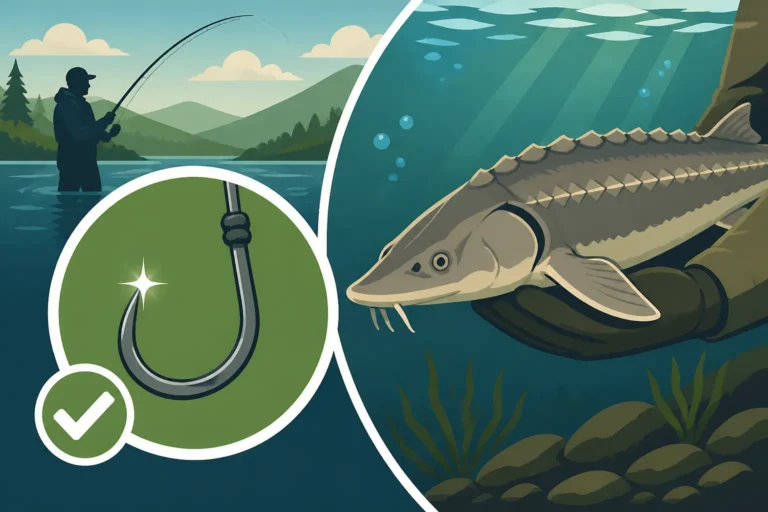
Idaho has very strict rules in place to protect these fish. For example, it is explicitly forbidden to remove a sturgeon entirely from the water. This is because their massive bodies are not designed to support their weight out of the water, and doing so can cause internal damage that leads to their death even if they swim away. Instead, anglers are required to keep the fish in the water, ideally alongside the boat or close to the bank, for measuring, photographing, and careful release. This practice ensures that these magnificent creatures have the best possible chance of survival after being caught. For a deeper understanding of these vital rules, you absolutely need to read our Why Snake River Sturgeon Fishing Is Catch and Release Only and Idaho Sturgeon Catch and Release Rules Explained articles. Proper handling isn't just about following the law; it's about being a responsible steward of this irreplaceable fishery.
Practicalities of Encountering Snake River Giants
So, you're intrigued by the idea of catching one of these magnificent beasts? It's an unforgettable experience, but it's not like going after trout with a light spinning rod. Tackling a fish that could be bigger than you requires specific gear and a solid understanding of how to handle them responsibly.
Gear Requirements for Battling a Big Sturgeon
Forget your ultralight setup – when you're targeting white sturgeon, you need serious horsepower in your tackle. These fish are immensely powerful, with incredible stamina, and they live in areas with strong currents that will test your gear to its absolute limits.
Your rod needs to be a heavy-duty, robust model, typically rated for lines in the 80 to 120-pound class. We're talking about rods with a strong backbone that can withstand immense pressure without snapping. Paired with this, you'll need a heavy-duty conventional reel or a large, robust spinning reel with a smooth, powerful drag system. A sticky drag can mean a snapped line or a lost fish in an instant. Line capacity is also crucial; a big sturgeon can make incredible runs, stripping hundreds of yards of line in a flash. Braided line, with its superior strength-to-diameter ratio and lack of stretch, is almost universally preferred for sturgeon fishing. You'll want at least 80-pound test braided line, often even heavier, on your main reel.
For terminal tackle, you'll be looking at incredibly strong leaders, often made from heavy monofilament or fluorocarbon, rated at 100 pounds or more, attached to equally robust swivels and sinkers heavy enough to hold your bait on the bottom in strong currents. And, of course, the hooks must be incredibly strong and sharp, designed to penetrate the sturgeon's tough, cartilaginous mouth. Many anglers source their heavy-duty tackle through reliable retailers like Amazon, which offers a wide selection of specialized sturgeon gear that you might not find in every local shop. Having the right tools isn't about overkill; it's about having a fighting chance against a fish that could potentially be larger than you are. For more details, definitely check out What Size Tackle to Use for Idaho Sturgeon.
Safely Handling and Releasing a Massive Sturgeon
Once you've managed to bring a sturgeon to the boat or shore, the work isn't over. In fact, some of the most critical parts of the experience happen during the handling and release. The absolute golden rule, as mentioned before, is that you must not remove a white sturgeon from the water. This is non-negotiable and legally enforced. Imagine trying to lift a 600-pound animal by its head – it just doesn't work. Their internal organs are not designed for that kind of stress outside of their buoyant environment.
So, how do you manage? If you're fishing from a boat, typically the fish is brought alongside, and measurements are taken in the water. For photography, anglers often get into the water with the fish, supporting its body properly to ensure no undue stress is placed on its spine or organs. If you're on shore, the fish should be gently beached in shallow water, kept wet, and quickly measured and photographed before being carefully guided back into deeper water. Wet gloves are a good idea to protect both you and the fish's slime coat. Speed and gentleness are key. Minimize the time the fish is stressed, and ensure it's fully revived before letting it go. Often, this means holding it upright in the current until it vigorously swims away on its own. Many experienced guides specialize in this process, making them invaluable resources for a safe and ethical sturgeon encounter. Our Idaho Rule Against Removing Sturgeon from the Water article provides more specific guidance on this crucial regulation.
Respecting the Species and Their Habitat
Beyond the regulations, there's a deep ethical responsibility that comes with fishing for such an incredible and vulnerable species. White sturgeon represent a living link to prehistoric times, and their continued presence in the Snake River is a testament to ongoing conservation efforts. This means more than just following the catch-and-release rules; it means minimizing your impact on their habitat. Pack out everything you pack in, avoid disturbing spawning grounds, and be mindful of other wildlife.
Understanding the Idaho Fishing Regulations Explained in their entirety is crucial, as they govern everything from bait use to closed seasons in certain areas. These rules are designed to protect the fish and their environment. When you hook into a giant sturgeon, you're not just catching a fish; you're connecting with a piece of Idaho's natural heritage. Treating that experience with the utmost respect ensures that these magnificent creatures will continue to inspire anglers for generations to come. Many guides will also help educate you on these finer points of river etiquette and conservation.
Beyond Size: The Sturgeon's Role in Idaho's Ecosystem
While their colossal size is what often first captures our imagination, the white sturgeon's significance extends far beyond their impressive measurements. They play a vital, often understated, role in the health and balance of Idaho's aquatic ecosystems.
Sturgeon as a Native Idaho Species
White sturgeon are one of the most ancient fish species on Earth, having changed very little in millions of years. This means they were here long before humans settled in Idaho, truly making them a native and integral part of the Snake River's natural heritage. Their presence is a sign of a relatively healthy river system, as they require clean water and robust food sources to thrive. These fish are not just residents; they are architects of the riverbed, constantly sifting through the bottom for food, which in turn helps to aerate sediments and distribute nutrients.
They are also a top-tier predator in their environment, helping to keep populations of other bottom-dwelling species in check. Thinking of them purely as a trophy fish misses the broader picture of their ecological importance. They are a critical thread in the intricate web of life within the Snake River, contributing to the biodiversity and stability of this complex ecosystem. To learn more about their unique biological characteristics, you might find our Idaho White Sturgeon Facts truly fascinating.
Conservation Success Stories and Ongoing Challenges
The story of the white sturgeon in Idaho is, in many ways, a conservation success story, but it's one that requires constant vigilance. Decades ago, over-harvesting and habitat degradation led to significant declines in sturgeon populations. Recognizing the severity of the situation, Idaho Fish and Game, alongside various conservation groups and passionate anglers, implemented strict regulations, including the widespread adoption of catch-and-release practices for sport fishing. These measures have allowed populations to rebound in many areas of the Snake River.
However, challenges remain. Habitat alteration, water quality issues from agricultural runoff and urban development, and the ongoing presence of dams that can impede migration or alter flow regimes continue to pose threats. The fight to protect these magnificent fish is never truly over. It requires ongoing research, careful management, and, perhaps most importantly, the continued commitment of every angler and citizen to respect and protect their environment. When you follow rules like those outlined in Idaho Catch Limits and Bag Limits Explained (even for species like sturgeon where the limit is effectively zero for retention), you're directly contributing to the long-term health of this incredible fishery. The future of the Snake River's giants rests on our collective shoulders.
| Feature | Average White Sturgeon Encountered by Anglers | Record/Max Size White Sturgeon (Historical) |
|---|---|---|
| Length Range | 4-8 feet | 10-12+ feet |
| Estimated Weight | 50-300 pounds | 500-1000+ pounds |
| Age Range | 10-50 years | 80-150+ years |
| Typical Encounter | Challenging, memorable fight | Once-in-a-lifetime, legendary fight |
| Conservation Status | Protected, strict catch-and-release | Highly protected, invaluable breeders |
| Required Tackle | Heavy-duty rods/reels, 80lb+ braid | Extremely heavy-duty specialized gear |
Disclaimer
This article is for general informational purposes only and does not constitute professional advice. Laws, prices and regulations vary by location and change over time. Consult a qualified professional for guidance on your specific situation.