How to Read a Fish Stocking Report
Have you ever stared at a fish stocking report, maybe on a website or a printout at a local tackle shop, and felt a little overwhelmed? All those numbers, dates, and fish species can look like a secret code if you don't know what you're looking for. But don't worry, you're not alone! Many anglers feel this way. This guide is here to unravel the mystery and show you exactly how to read a fish stocking report so you can put that information to work for your next Idaho fishing adventure.
What Exactly Is a Fish Stocking Report and Why Does it Matter?
Before we dive into the nitty-gritty, let's talk about what a fish stocking report fundamentally is. Think of it as a public announcement from the Idaho Department of Fish and Game (IDFG) telling anglers when, where, and what kind of fish they've recently released into various bodies of water across the state. It's their way of keeping you informed about their efforts to enhance fishing opportunities, whether it's for popular trout fisheries or introducing new species to certain lakes or reservoirs.
Now, why does it matter to you, the angler? Because these reports are essentially a treasure map! They point you directly to waters that have been recently refreshed with fish, often catchable-sized ones. For many anglers, especially those looking for a consistent bite or planning a family outing where success is important, knowing where fish have just been stocked can drastically improve your chances of a productive day. It takes some of the guesswork out of the equation, letting you focus on technique and enjoying the experience.
The Purpose Behind Stocking
The IDFG stocks fish for a variety of reasons, and understanding these can give you a deeper appreciation for the reports. Primarily, they stock fish to create put-and-take fisheries, especially in easily accessible lakes, ponds, and rivers near population centers. These are often stocked with rainbow trout, designed to provide immediate angling opportunities. They also stock to supplement existing populations, introduce new species to balance ecosystems, or restore native species. For instance, some lakes might receive kokanee salmon fry, while others might see fingerling trout intended to grow into larger fish over time. How Idaho Fish and Game Decides What to Stock explains more about their strategy.
The reports reflect these diverse goals. You might see hundreds of thousands of tiny fingerlings released into a large reservoir, which isn't going to impact your fishing trip next weekend but indicates a long-term investment. Conversely, you'll see reports of thousands of catchable trout being dropped into a local pond, which is exactly the kind of intel you want for a quick, successful outing. Without these reports, you'd be guessing, driving to a lake hoping fish are there, rather than going to a lake knowing they're there.
Validating Angler Frustrations
It's easy to feel frustrated when you head out, spend good money on gas, bait, and maybe even a new lure from Amazon, only to come home empty-handed. We've all been there. It's disheartening. That's where stocking reports become your secret weapon. They're designed to reduce that frustration, giving you a better shot at success, especially if you're targeting those eager-to-bite stocked trout. They provide a tangible reason to be optimistic, turning a hopeful guess into a more calculated attempt. Knowing that a specific lake just got 2,000 rainbow trout can make all the difference in your mindset and your catch rate.
Deciphering the Details: Key Elements of a Stocking Report
Alright, let's break down the typical components you'll find in an Idaho fish stocking report. While the exact format might vary slightly depending on where you access it, the core information usually remains consistent. Understanding each piece of data is crucial to effectively using the report.
Location, Date, and Species
These are your primary indicators. The "Location" column will tell you exactly which body of water received fish. This could be a well-known lake like Lake Coeur d'Alene, a popular river stretch, or even a smaller, lesser-known pond in a city park. Knowing the specific name is key.
Next, the "Date" tells you when the fish were stocked. This is incredibly important. Freshly stocked fish are often more active and easier to catch. If a report shows fish were stocked last week, that's great news! If it was last month, they might be more spread out or have been caught already.
The "Species" column is self-explanatory but critical. Are they rainbow trout, brook trout, cutthroat, or perhaps kokanee salmon? Each species has different habits, preferred baits, and tackle requirements. For example, if you see "Rainbow Trout," you know to pack your corn, worms, or small spinners. If it's "Kokanee," you'll likely need different gear and techniques.
Number of Fish and Average Size
This is where the excitement really builds! The "Number of Fish" tells you exactly how many individuals of that species were released at that location on that date. Seeing "2,500" or "5,000" fish definitely gets the blood pumping! A higher number generally means a better chance for everyone.
Equally important is the "Average Size" column, sometimes listed as "Length" or "Weight." This gives you an idea of what to expect on the end of your line.
- "Catchable Size" (often 8-12 inches for trout) means they're ready to be caught and are a good size for the pan. These are the fish that drive those high success rates in put-and-take fisheries.
- "Fingerlings" (very small, a few inches) indicates fish that need time to grow. While it's great for the future of the fishery, they won't be your target for an immediate meal.
- "Broodstock" (very large, sometimes measured in pounds) are mature fish, often released after spawning. These are the trophy-sized fish that get anglers really excited, though they might be less numerous.
Understanding these details helps you manage expectations. You wouldn't go to a lake stocked only with fingerlings expecting to fill your stringer for dinner that night, but you might plan a trip there next year!
Stocking Method and Other Notes
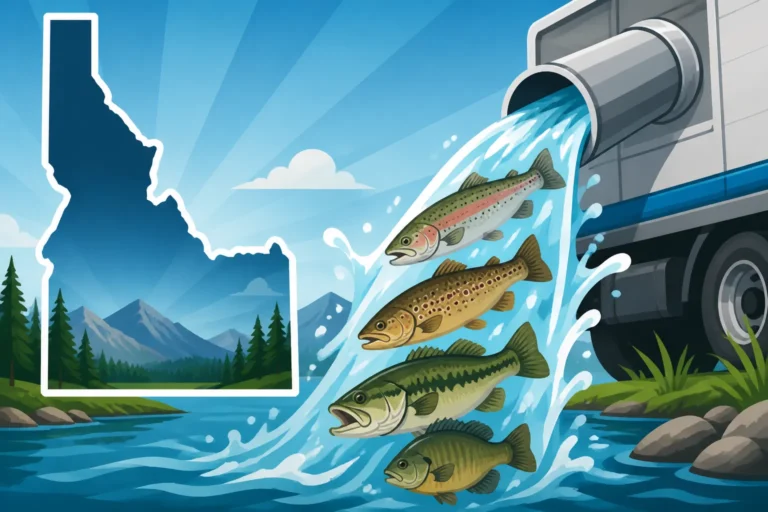
Sometimes, reports will include additional details like the "Stocking Method" (e.g., "Truck," "Aircraft," "By Hand") or special "Notes." While not always present, these can be interesting. For instance, a "Truck" delivery usually means they were stocked at an accessible boat ramp or shoreline area. "Aircraft" or "By Hand" might suggest more remote mountain lakes.
The "Notes" section can contain valuable nuggets of information, such as specific regulations for that water body, advice on bait restrictions, or even upcoming stocking dates. Always give this section a quick scan.
Here's a simplified example of what you might see in an Idaho stocking report:
| Date | Location | Species | Number Stocked | Average Size (Inches) | Notes |
|---|---|---|---|---|---|
| 04/15 | Quinn's Pond (Boise) | Rainbow Trout | 1,500 | 10-12 | Catchable size. Great for families. |
| 04/18 | Hayden Lake | Kokanee | 50,000 | 2-3 (Fingerlings) | Long-term growth. |
| 04/20 | Lower Twin Lake | Rainbow Trout | 800 | 12-14 | Popular spring fishery. |
| 04/22 | Lucky Peak Reservoir | Chinook Salmon | 15,000 | 4-5 (Fingerlings) | |
| 04/25 | Boise River (City Section) | Rainbow Trout | 2,000 | 10-11 |
This table clearly shows different sizes and numbers, indicating varying fishing opportunities. Quinn's Pond is a prime example of a 'put-and-take' location with immediate fishing potential, while Hayden Lake's kokanee stocking is an investment for future years.
Putting It All Together: How to Use Stocking Reports for Your Next Trip
Now that you know how to read the report, let's talk strategy. This is where the rubber meets the road and you translate data into successful fishing trips. Stocking reports are more than just numbers; they're a direct link to improved angling success.
Timing is Everything
The "Date" column is your golden ticket. Generally speaking, the more recent the stocking, the better your chances. Freshly stocked fish, particularly trout, are often disoriented and actively feeding after their release. They haven't yet learned to be wary of anglers. Targeting a lake or pond within a few days to a week of a stocking event can significantly increase your catch rate.
However, consider popular locations. If a major stocking just happened at a well-known spot near a city, you can bet other anglers are checking those reports too. Early mornings or weekdays might give you a better shot at less crowded waters, even right after a stocking. This is where you leverage the report's information against human nature!
Matching Species to Technique
Once you identify the stocked species, you can tailor your approach.
- Rainbow Trout: These are the bread and butter of most Idaho stocking programs. They're often eager to bite. Common baits include power bait, worms, or corn. Small spinners (like Rooster Tails or Mepps) and spoons also work wonders. You can find a huge variety of these on Amazon, or at your local bait shop. Best Bait and Lures for Idaho Fishing offers more specific recommendations.
- Brook Trout or Cutthroat: While less frequently stocked for immediate catch than rainbows, if a report mentions them, they might prefer smaller dry flies, nymphs, or tiny spinners in more natural settings.
- Kokanee or Chinook Salmon (Fingerlings): If you see these, remember they're usually small and intended for future growth. Don't expect to catch dinner next week. Instead, consider it a long-term investment in your favorite fishery. For adult kokanee, you'll be looking at different techniques like trolling with dodgers and wedding rings. How to Fish for Kokanee in Idaho dives deeper into that.
By linking the report's species information to your tackle box, you're not just fishing; you're smart fishing.
Considering Location and Access
The "Location" details help you plan logistics. Is it a pond you can easily walk to with the kids? A reservoir requiring a boat? A remote mountain lake accessible only by hiking? Knowing this from the report helps you pack the right gear and allocate enough time. For instance, if Quinn's Pond in Boise was stocked with catchable rainbows, it's perfect for a quick evening trip after work. If it's a high mountain lake that received fingerlings, you're looking at a multi-day backpacking trip next year, not this weekend.
Always cross-reference the stocked location with a map to understand access points. Many urban ponds have easy shore access, while larger lakes and reservoirs might require a boat launch. Best Fishing Spots in Idaho can help you find these places and more.
Beyond the Numbers: Limitations and What Else to Consider
While fish stocking reports are incredibly valuable, they're not the only piece of information you should consider. They give you a fantastic head start, but a truly successful angler combines this intel with other factors for the best possible outcome.
Weather and Water Conditions
Fish don't live by stocking reports alone! Weather plays a huge role in fish behavior. A sudden cold front, heavy rain, or a heatwave can drastically impact how actively fish are feeding, regardless of how recently they were stocked. Similarly, water conditions like clarity, temperature, and flow rate (for rivers) are critical. Muddy water after a storm can shut down a bite, while stable, clear conditions often lead to better fishing. You'll want to check local forecasts and recent reports from other anglers. Best Time of Year to Fish in Idaho discusses how these conditions change seasonally.
For instance, if a lake was stocked last week but a major storm just blew through, stirring up the sediment and dropping the temperature, those freshly stocked fish might be less active than expected. Always remember to "read the water" in conjunction with the stocking report.
Angler Pressure and Fish Acclimation
Remember that "timing is everything" point? Well, if a prime spot was just stocked, you won't be the only one checking the report. High angler pressure can quickly deplete a recently stocked fishery, or at least make the fish warier. The more people fishing a spot, the more quickly those easy bites disappear.
Also, even freshly stocked fish can acclimate quickly. After a few days, especially in smaller, heavily fished waters, they've been pressured, seen a lot of lures, and learned to be a bit more cautious. That initial "hot bite" might mellow out. This is where patience, experimenting with different baits (maybe that special lure you found on Amazon!), and varying your retrieve become more important.
Regulatory Changes and Special Rules
Always, always double-check the current Idaho fishing regulations for the specific body of water you plan to fish. Stocking reports tell you fish are there, but they don't necessarily detail all the rules. Some stocked waters might have special restrictions, such as catch-and-release only, barbless hook requirements, or different bag limits than general statewide rules. For example, some ponds stocked for youth may have very specific rules. Idaho Fishing Regulations Explained and Idaho Catch Limits and Bag Limits Explained are essential resources.
A quick scan of the IDFG regulations booklet or website for the specific lake or river section can save you from an accidental violation. It would be a real shame to have a successful day of fishing thanks to a stocking report, only to find you've kept too many fish or used the wrong tackle!
Locating Idaho's Stocking Reports and Staying Updated
So, you're convinced. You want to use these reports! Where do you find them? The Idaho Department of Fish and Game is your go-to source.
Official IDFG Website
The primary and most accurate place to find Idaho's fish stocking reports is directly on the IDFG website. They typically have a dedicated section for "Fish Stocking" or "Fishing Reports" where you can view recent activity. Many times, you can filter by region, specific water body, or date range, making it incredibly user-friendly.
They also often provide interactive maps that show stocked locations, which is super helpful for visualizing your next trip. Getting familiar with their online portal will be your best friend for staying current. Idaho Fishing License Online Purchase is also done through the same system, so you'll be on familiar digital turf.
Local Tackle Shops and Sporting Goods Stores
Don't underestimate the power of your local tackle shop! Places like Cabela's, Sportsman's Warehouse, or independent bait and fly shops often print out the most recent stocking reports and post them near the counter. The staff there are also usually avid local anglers and can provide invaluable context, tips on what's biting, and current conditions that the reports alone won't tell you. They've often seen the truck roll by or heard from other successful anglers.
Think of it as combining official data with real-time, ground-level intelligence. Sometimes, these shops will even update their own social media pages with stocking news, so it's worth following your local spots.
Social Media and Fishing Forums
Many regional IDFG offices maintain social media accounts where they announce stocking events, sometimes with photos or videos. Following these accounts can give you timely updates directly in your feed.
Additionally, online fishing forums and local angling groups on social media platforms are excellent places to find out about stocking. Anglers often share their success (or lack thereof) immediately after a stocking event, giving you further confirmation and sometimes even tips on specific lures or techniques that worked for them. Just remember to take forum advice with a grain of salt and always verify regulations yourself!
Disclaimer
This article is for general informational purposes only and does not constitute professional advice. Laws, prices and regulations vary by location and change over time. Consult a qualified professional for guidance on your specific situation.