Idaho Kokanee Fishing Guide
There's nothing quite like the rush of a kokanee salmon hitting your line, especially when you're out on one of Idaho's stunning lakes. But let's be honest, these feisty little landlocked sockeye can be incredibly finicky, leaving many anglers feeling frustrated and empty-handed. If you've ever wondered why your neighbor always seems to fill their cooler while you're still debating what lure to use, you're in the right place. This comprehensive guide is dedicated to unlocking the secrets of Idaho kokanee fishing, helping you understand their habits, preferred habitats, and the most effective techniques to bring these silver dynamos to your net, turning those frustrating days into memorable, productive outings.
What are Kokanee Salmon? Understanding Idaho's Landlocked Sockeye
Before we even cast a line, it's crucial to understand what kokanee salmon are. They're not just "fish"; they're a unique species with distinct behaviors, a fascinating lifecycle, and a huge impact on Idaho's fishing scene. Many anglers mistake them for small trout or even sockeye, but there's more to these shimmering silver bullets than meets the eye. Knowing their biology and habits is the first step to consistently finding and catching them.
Kokanee vs. Sockeye: Understanding the Difference
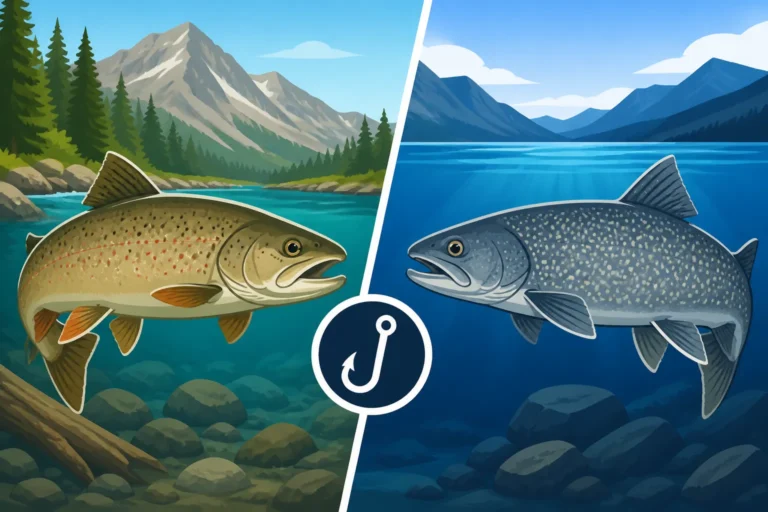
This is a common point of confusion, and for good reason! Kokanee salmon are actually the landlocked form of sockeye salmon. Think of them as cousins who decided to stay home while the rest of the family went to the ocean. Genetically, they are the same species, Oncorhynchus nerka, but their life history is vastly different. Ocean-run sockeye migrate to the Pacific Ocean, spend years growing large, and then return to freshwater to spawn. Kokanee, on the other hand, complete their entire life cycle in freshwater lakes and reservoirs, never making that epic journey to the sea.
This fundamental difference has profound implications for anglers. Because kokanee don't have access to the rich marine diet of their sockeye relatives, they typically don't grow as large. While a sockeye might tip the scales at 6 to 15 pounds, a trophy kokanee in Idaho is usually in the 2-4 pound range, with many caught in the 10-14 inch range. Despite their smaller size, they are incredibly strong fighters for their stature, offering a thrilling battle on light tackle. Understanding this distinction helps manage expectations and appreciate the unique challenge kokanee present. It also means their diet, migration patterns within a lake, and preferred habitats are shaped entirely by their freshwater environment, which is what we need to learn to target them successfully.
Physical Characteristics and Lifecycle
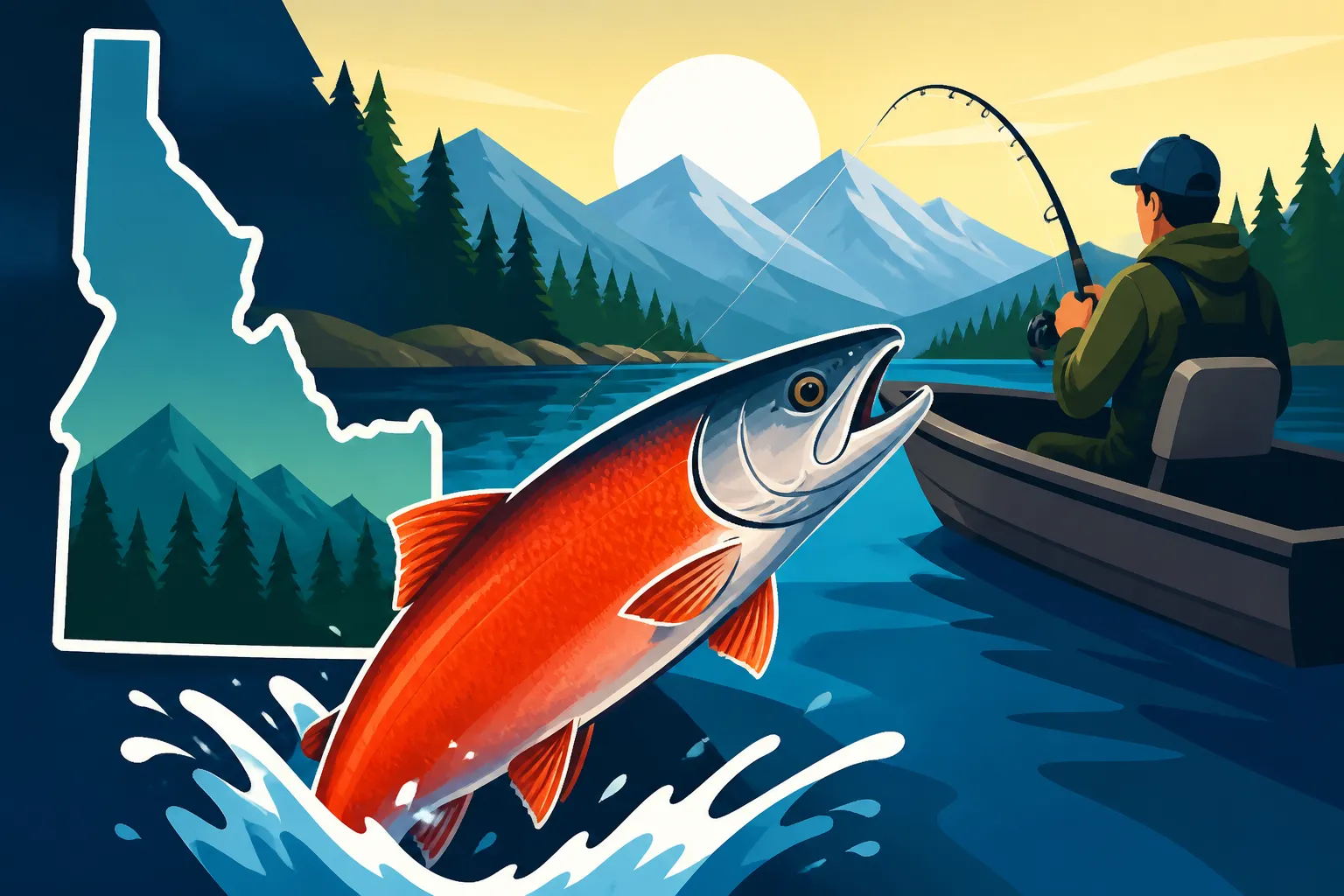
Kokanee are truly beautiful fish, often characterized by their sleek, silvery bodies with dark blue-green backs. Their scales are relatively large and smooth, and they typically lack the distinct spots seen on many trout species, though some may have very fine speckling. As they approach spawning season, usually in the late summer or fall, their appearance undergoes a dramatic transformation. Males, and to a lesser extent females, develop a striking reddish-orange body, a humped back, and a severely hooked jaw (kype). This vibrant coloration is a dead giveaway that they are ready to reproduce.
Their lifecycle is quite short compared to many other salmonids, typically lasting 3 to 4 years. They hatch in stream gravels, often in tributaries feeding the lakes, and spend their first year or two growing in the lake itself, feeding primarily on zooplankton. As they mature, they become active feeders, bulking up for their final act: spawning. Once they begin their spawning migration into natal streams or along lake shoals, they cease feeding, focusing all their energy on reproduction. After successfully spawning, both males and females die, completing their anadromous (or, in this case, landlocked anadromous) lifecycle. This short, intense life cycle means that populations can fluctuate year to year based on spawning success and environmental conditions. Knowing this helps you predict when and where you might find concentrations of fish, especially during their pre-spawn feeding frenzy.
Their Role in Idaho's Ecosystem
Kokanee salmon play a vital role in Idaho's aquatic ecosystems, both as a prey species and as a sport fish. They are a primary food source for larger predatory fish, such as lake trout and Chinook salmon, in many Idaho lakes. For example, the booming Fishing Lake Coeur d'Alene for Kokanee and Chinook fishery relies heavily on the kokanee population to sustain its large Chinook salmon. This makes kokanee a foundational species in these lake food webs.
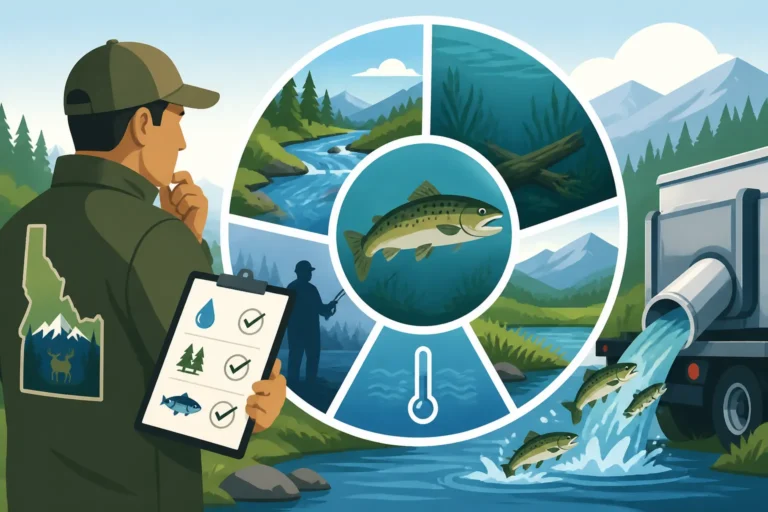
Beyond their ecological importance, kokanee are a beloved sport fish, drawing thousands of anglers to Idaho's waters each year. Their abundance in certain lakes, combined with their spirited fight and delicious, bright-orange flesh, makes them a prime target for recreational and subsistence fishing. They also contribute significantly to the local economies of communities situated near popular kokanee lakes. State agencies carefully manage kokanee populations through stocking programs, catch limits, and habitat protection to ensure their sustainability for both the ecosystem and for future generations of anglers. It's a delicate balance, but a well-managed kokanee fishery is a vibrant one.
Why Fish for Kokanee in Idaho? The Allure of Silver
So, why dedicate your time and effort to chasing these relatively small salmon? The answer lies in a combination of factors: the unique challenge they present, the delicious reward, and the overall experience of fishing in Idaho's breathtaking landscapes. It’s more than just catching a fish; it’s about the full outdoor adventure.
The Thrill of the Fight
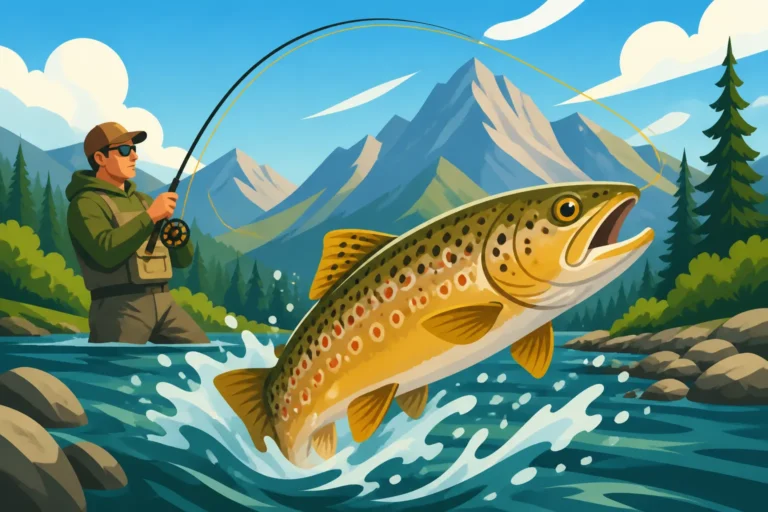
Don't let their average size fool you; kokanee salmon are absolute powerhouses on the end of a line. When hooked, they are known for their spectacular, acrobatic fights. They'll often make blistering runs, headshakes, and even leap clear of the water, making you feel like you've hooked a much larger fish. This spirited battle is precisely what draws many anglers to them. Because they have relatively soft mouths, a gentle hand and precise net work are crucial to landing them, adding another layer of skill to the pursuit.
The intensity of a kokanee bite often comes as a surprise to newcomers. You might be trolling along, watching your rod tip, when suddenly it slams down, or your line starts peeling off the reel at an alarming rate. It’s an exhilarating experience that makes you forget all about the chilly morning air or the hours spent without a nibble. For those who appreciate a good tug-of-war, even from a smaller fish, kokanee deliver consistently, making every hookup a moment of pure angling joy. It’s a fast-paced, exciting style of fishing that keeps you engaged.
Delicious Table Fare
Beyond the thrill of the catch, kokanee salmon are highly prized for their exceptional table quality. Their flesh is firm, flaky, and has a vibrant orange-red color, much like their ocean-going sockeye relatives. This rich coloration and delicious flavor come from their diet of zooplankton, which is packed with carotenoids. They are fantastic whether smoked, grilled, baked, or pan-fried. Many anglers consider kokanee to be one of the best-tasting freshwater fish available in Idaho.
Because they are typically caught from cold, clean waters, their meat is lean and mild, without a strong "fishy" taste that some people dislike. This makes them a favorite for family dinners and gatherings, especially when you have a good haul. The effort put into catching them is truly rewarded at the dinner table, making the entire experience from lake to plate incredibly satisfying. Just be sure to properly care for your catch by getting them on ice quickly to preserve that delicious flavor and firm texture. You wouldn't want to ruin such a prize!
Family-Friendly Fishing
One of the great joys of kokanee fishing in Idaho is how accessible and enjoyable it can be for the whole family, even for beginners. While dedicated kokanee anglers might employ sophisticated setups, the basic principles are easy to grasp. Trolling from a boat is a common and highly effective method, allowing everyone onboard to participate. Kids especially love the visual aspect of trolling, watching for the rod tip to dip and feeling the excitement when a fish finally strikes.
Many of Idaho's top kokanee lakes offer excellent amenities, including boat launches, picnic areas, and campgrounds, making a day trip or even a weekend adventure simple to plan. It's a fantastic way to introduce children to fishing and the outdoors, creating lasting memories. Imagine spending a sunny day on a pristine lake, surrounded by mountains, with the anticipation of a bite and the camaraderie of sharing the experience with loved ones. It's a perfect blend of relaxation and excitement, proving that kokanee fishing isn't just for the hardcore angler; it's for everyone.
Where to Find Kokanee in Idaho: Prime Lakes and Hotspots
Idaho is blessed with numerous lakes and reservoirs that hold thriving kokanee populations. However, knowing which waters to target and where within those waters to focus your efforts can make all the difference between a triumphant day and a frustrating one. These fish aren't just everywhere; they have preferences, and those preferences change with the seasons.
North Idaho's Premier Kokanee Lakes
North Idaho is often considered the epicenter for kokanee fishing in the state, boasting some of the most productive and scenic waters. These lakes are deep, cold, and offer the perfect habitat for these plankton-feeders.
-
Lake Coeur d'Alene: This expansive lake is arguably Idaho's most famous kokanee fishery. Known for its healthy populations, Lake Coeur d'Alene offers consistent kokanee action throughout the summer. Anglers often target the main lake basin, particularly near the mouths of creeks and rivers, or in areas where depth changes create thermoclines. The southern end of the lake, around Harrison and St. Maries, can also be very productive. Early morning and late evening are prime times, especially during the warmer months when kokanee tend to stay deeper during the day. Locals often watch for groups of boats gathered in specific areas, indicating a hot spot. Where to Catch Kokanee on Lake Coeur d'Alene is a great resource for specific locations.
-
Lake Pend Oreille: While famous for its trophy rainbow trout, Lake Pend Oreille also supports a good kokanee population. These fish serve as a crucial forage base for those monster 'bows. Kokanee here can be a bit more elusive due to the sheer size and depth of the lake, but dedicated anglers find success by focusing on traditional trolling lanes and around underwater structures. The bays and shallower arms of the lake can be productive in cooler months, while deeper sections hold fish in summer. Keeping an eye on recent Idaho Fish Stocking Reports Explained can also give you clues about where populations might be strongest.
-
Priest Lake: Nestled in the northern panhandle, Priest Lake offers stunning scenery and a quality kokanee fishery. While perhaps not as high-volume as Lake Coeur d'Alene, the kokanee here are often healthy and provide excellent sport. Fishing near rocky points, submerged humps, and along the main lake channel can yield good results. Pay particular attention to depth contours and any signs of baitfish on your electronics. The clear waters here mean light tackle and stealth are often rewarded.
Central and Southern Idaho Hotspots
While the north gets a lot of the kokanee glory, central and southern Idaho also have some fantastic opportunities for these silver beauties, often in equally stunning settings.
-
Anderson Ranch Reservoir: Located east of Boise, Anderson Ranch is a popular spot for kokanee. It's known for its strong kokanee runs and provides reliable fishing for many anglers. The reservoir's long, winding arms and varied depths offer plenty of habitat. Focus your efforts in the main channel and deeper areas, especially during summer. Local knowledge often points to the confluence of the South Fork Boise River with the reservoir as a good starting point. Best Coves on Anderson Ranch Reservoir could give you some more localized intel.
-
Cascade Reservoir: Just north of McCall, Cascade Reservoir is another gem for kokanee. While it's famed for its tiger muskie, the kokanee population here is robust and provides great action. This reservoir is generally shallower than some of the northern lakes, meaning kokanee might be found at slightly different depths, especially early and late in the season. The northern sections, near the feeder creeks, can be productive. Keep an eye on the water temperature as that will dictate where the fish are holding.
-
Lucky Peak Reservoir: A quick drive from Boise, Lucky Peak is a convenient and often productive kokanee destination. It's a go-to for many Treasure Valley anglers looking for a quick after-work or weekend trip. The kokanee here are typically smaller but abundant, making for fast action on good days. Fish the main body of the reservoir and observe where other boats are congregating, as kokanee tend to school. Why Boise Anglers Fish Lucky Peak Reservoir After Work touches on its convenience.
-
American Falls Reservoir: This large reservoir on the Snake River in southeast Idaho is another consistent producer of kokanee. Its vast size means you'll need to cover some water, but the rewards can be significant. The fish here can often grow to impressive sizes. Focus on the deeper main channel and areas near the dam. This reservoir is also known for its perch, so you might catch a mixed bag, which is never a bad thing! Best Time of Year for Perch on American Falls Reservoir might indirectly help with timing your trip.
Reading the Water: Where Kokanee Hold
Finding the right lake is only half the battle; the real trick is locating the kokanee within that lake. Kokanee are pelagic fish, meaning they live in the open water column, not necessarily tied to structure like bass or trout. However, they are highly sensitive to water temperature, light penetration, and the availability of their primary food source: zooplankton.
During the warmer months (summer), kokanee will typically congregate in the thermocline – the layer of water where the temperature rapidly changes. This is usually where oxygen levels are optimal, and zooplankton are most abundant. Your fish finder is your best friend here. Look for dense schools of baitfish (which will be kokanee) suspended at a specific depth. This depth can vary from 20 feet to over 80 feet, depending on the lake and the time of day. In low light conditions (early morning, late evening, or overcast days), they might move shallower. On bright, sunny days, they tend to drop deeper to avoid the intense sunlight. Pay attention to how deep other successful anglers are fishing, but always verify with your own electronics. Understanding What Depth Kokanee Hold at in Summer on Idaho Lakes is key to success.
Best Time to Fish for Idaho Kokanee: Timing Your Success
Timing is absolutely everything when it comes to kokanee fishing. These fish are creatures of habit, and understanding their seasonal movements, daily preferences, and reaction to water conditions will dramatically increase your chances of success. It's not just about being on the water; it's about being on the water when and where they are most active.
Seasonal Patterns and Spawning Runs
Kokanee fishing in Idaho generally follows a distinct seasonal pattern, with peak opportunities varying by lake and specific run.
- Spring (Ice-out to early June): Immediately after ice-out, kokanee can be found shallower than in other seasons. They are often hungry and actively feeding, making for some excellent early-season opportunities. As the water warms, they'll start to spread out but remain relatively accessible. This is a great time to experiment with different depths and presentations.
- Summer (June to August): This is often considered prime kokanee season. As lake temperatures rise, kokanee move into the cooler, deeper thermocline, typically suspending in large schools. This is when trolling with downriggers becomes critical. The fish are actively feeding to bulk up before their spawning cycle. This is usually the most consistent time for numbers, although their precise depth might change daily. Best Time of Year to Catch Kokanee on Lake Coeur d'Alene details how summer is key.
- Fall (September to November): As the water cools, kokanee begin their spawning migration. They will move towards natal streams or lake shoals where they will deposit their eggs. During this pre-spawn period, they can still be aggressive feeders, but as they transition into full spawning mode, they will cease feeding entirely. While you might catch them during the early stages of the spawn, it's generally discouraged to target actively spawning fish, as they are focused on reproduction and their flesh quality begins to degrade. By late fall, after spawning, they will die.
- Winter (December to Ice-on): In lakes that remain open, kokanee can still be caught, albeit less frequently. Ice fishing for kokanee is also an option on some frozen lakes, where they can be jigged for effectively. However, winter is generally the slower season for kokanee, as their metabolism slows down significantly.
Understanding the Idaho Fishing Season Calendar for kokanee specifically is crucial to planning your trip.
Daily Timing: Early Morning and Late Evening
Like many fish, kokanee tend to be most active during periods of low light. This means the prime times for kokanee fishing are typically early morning, just after sunrise, and late evening, leading up to sunset. During these "golden hours," kokanee often move slightly shallower in the water column and are more aggressive feeders. The reduced light penetration makes them feel safer from aerial predators and less hesitant to chase lures.
Mid-day fishing can still be productive, especially on overcast days or in deeper, clearer lakes. However, on bright, sunny afternoons, kokanee will usually drop deeper into the thermocline, becoming more lethargic and requiring a more precise presentation. If you're planning a full day on the water, definitely prioritize those bookend hours for the best action. The bite can often shut off quite suddenly once the sun is high and bright, so maximize your efforts when conditions are ideal.
Water Temperature and Depth Preferences
Water temperature is the single most critical factor influencing kokanee location and activity. They are cold-water fish, preferring temperatures generally between 45°F and 55°F (7°C-13°C). In most Idaho lakes during the summer, this ideal temperature range is found within the thermocline. Your fish finder is your key tool here, as it can often display water temperature at various depths, helping you pinpoint that sweet spot.
As mentioned earlier, the exact depth will vary by lake, time of year, and daily conditions. Factors like heavy boat traffic can push them deeper, while a sustained overcast period might bring them up. Always start by scanning the water column with your electronics to identify bait balls (which are often kokanee schools) and then adjust your gear to present your lures at that specific depth. Don't be afraid to experiment with different depths until you start getting bites, even if it's only a few feet up or down from where your fish finder shows activity. Fish move, and a school at 40 feet one hour might be at 50 feet the next. Flexibility and constant adjustment are hallmarks of a successful kokanee angler.
Essential Gear for Kokanee Fishing: Equipping for Success
Kokanee fishing isn't just about showing up with a rod and reel. These specialized fish often require specialized gear to consistently fool them. From the right rod action to the necessary electronics, having the proper equipment makes a significant difference in your success rate and overall enjoyment. Don't let a lack of the right tools be the reason you miss out on a great day.
Rods, Reels, and Line Selection
The finesse nature of kokanee fishing demands specific rod and reel setups:
- Rods: Look for a light to medium-light action spinning or casting rod, typically 7 to 8.5 feet long. The key characteristic is a very sensitive tip and a soft, forgiving backbone. This soft tip is crucial for detecting subtle kokanee bites, which can sometimes be just a light tap. It also acts as a shock absorber, preventing hooks from tearing out of their delicate mouths during their vigorous headshakes. A fast action might seem appealing for sensitivity, but it can be too stiff for kokanee. A moderate or moderate-fast action is often preferred.
- Reels: Pair your rod with a lightweight spinning reel in the 1000-2500 size range or a low-profile baitcasting reel. The most important feature is a smooth drag system. Kokanee make quick, powerful runs, and a sticky drag will lead to broken lines or lost fish. A high gear ratio isn't as critical as smooth operation.
- Line: Light monofilament or fluorocarbon line is the preferred choice for kokanee. 6 to 10-pound test is usually sufficient. Monofilament offers a bit of stretch, which again helps absorb shocks and prevent hook pull-outs. Fluorocarbon is less visible underwater and has excellent abrasion resistance. Some anglers will use a main line of thin braided line (10-15 lb test) for sensitivity and casting distance, but always tie on a long (10-20 foot) fluorocarbon leader for stealth, as kokanee can be incredibly line-shy. This leader should be in the 4-6 pound test range. When shopping on sites like Amazon, look for specific "kokanee fishing line" or high-quality fluorocarbon leaders.
The Importance of Downriggers and Lead Core
For consistent kokanee success, especially during the summer months when fish are deep, downriggers and lead core line are indispensable tools.
-
Downriggers: These devices are designed to precisely control the depth of your lure. A heavy weight (the cannonball) is lowered to a desired depth, and your fishing line is attached to a release clip on the downrigger cable. When a fish bites, the line pulls free from the clip, allowing you to fight the fish directly without the weight of the cannonball. Downriggers allow you to present your lure exactly in the fish zone, often at depths of 30, 50, or even 80+ feet. For serious kokanee anglers, having two downriggers on a boat allows you to cover more of the water column or run multiple lures at the same depth. You can find excellent downriggers and accessories on Amazon.
-
Lead Core Line: As an alternative or in addition to downriggers, lead core line allows you to achieve depth without weights or clips. This specialized line has a lead core wrapped in a braided sheath, causing it to sink. The general rule of thumb is that one "color" (which is typically 10 yards of line) will sink about 5 feet at a trolling speed of 1-2 mph. So, if you want to fish at 30 feet, you'd let out 6 colors of lead core. Lead core setups require a heavier rod and reel combination than conventional kokanee gear, and you'll typically attach a monofilament or fluorocarbon leader to the end of the lead core. It's a simpler system than downriggers but less precise for exact depth control.
Electronics: Fish Finders and GPS
Modern electronics have revolutionized kokanee fishing, turning guesswork into informed strategy.
- Fish Finders: A quality fish finder is arguably the most important piece of electronics for kokanee. It allows you to:
- Locate Schools: See the "Christmas trees" or arches on your screen that indicate schools of kokanee.
- Identify Depth: Pinpoint the exact depth at which these schools are holding.
- Monitor Thermocline: Some advanced units can even show you the thermocline layer.
- Spot Baitfish: Distinguish between kokanee schools and smaller baitfish, though kokanee are often the "baitfish" for larger predators.
Learning How to Find Kokanee on a Fish Finder is a skill worth developing. Look for units with CHIRP sonar technology for clearer returns and better target separation.
- GPS (Global Positioning System): A GPS unit, often integrated into modern fish finders, is invaluable for:
- Marking Waypoints: Save the exact location where you found fish or had bites, allowing you to return to those productive spots.
- Tracking Trolling Paths: Follow precise contours or repeat successful trolling patterns.
- Navigation: Safely navigate large lakes, especially in low light or foggy conditions.
Having both a reliable fish finder and GPS will dramatically improve your efficiency and put you on the fish much more consistently. They remove a lot of the "blind luck" from fishing and empower you to make data-driven decisions on the water.
Effective Kokanee Fishing Techniques: Lures, Bait, and Tactics
Kokanee are notorious for being picky eaters, and what works one day might be completely ignored the next. To consistently catch these elusive fish, you need a diverse playbook of techniques, a willingness to experiment, and a keen eye for detail. This isn't just about going fast; it's about presentation, subtle movements, and finding the right attractants.
Mastering the Art of Trolling
Trolling is, without a doubt, the most popular and effective method for catching kokanee in Idaho. Since kokanee are pelagic and often suspend in open water, covering large areas at a consistent depth is key.
- Speed is Crucial: Kokanee prefer a slow, steady troll, typically between 0.8 and 1.8 mph. Too fast, and your lures won't have the right action; too slow, and they might not attract enough attention. Use your boat's GPS or a dedicated speed indicator to maintain precise speed. Sometimes a slight increase or decrease in speed can trigger bites.
- S-Curves and Turns: Instead of trolling in a straight line, introduce gentle S-curves or wide turns. This causes your lures on the inside of the turn to slow down and drop, while those on the outside speed up and rise. This change in action can often be the trigger that elicits a strike, making your lure appear more erratic and appealing.
- Downrigger vs. Planer Boards: While downriggers are essential for depth control, some anglers also use planer boards (especially in the spring or fall when fish are shallower) to spread lines out away from the boat, covering a wider swath of water and avoiding spooking fish directly beneath the boat.
- Keep it Clean: Ensure your lines are free of twists and your lures are running true. Periodically check your lures for debris. Kokanee are visual feeders, and a fouled lure won't get bites. Trolling Techniques for Idaho Reservoirs offers more detailed advice.
Jigging for Deeper Kokanee
While trolling dominates, jigging can be a highly effective technique, especially when kokanee are schooling tightly and holding very deep, or when you don't have a boat suitable for trolling. This is a common method for ice fishing but can also work from a boat in open water.
- Vertical Presentation: The essence of jigging is a vertical presentation. You drop a lure straight down to the depth where fish are located and then impart action by lifting and dropping your rod tip.
- Lure Selection: Small, flashy jigs, spoons, or blade baits are excellent choices. Sizes usually range from 1/8 to 1/2 ounce. Colors like silver, chartreuse, pink, and orange are often productive. Many anglers tip their jigs with a kernel of Pautzke's salmon eggs, a piece of corn, or a small maggot for added scent and appeal.
- Action is Key: Experiment with different jigging motions. Some days a sharp, aggressive rip followed by a pause works best. Other days, a subtle, gentle lift and fall is more effective. Watch your fish finder; if you see kokanee rise to inspect your lure but not bite, adjust your retrieve. Often, the bite comes on the fall, so pay close attention to any slack in your line. This technique allows you to precisely target suspended schools identified on your fish finder. Trolling vs Jigging for Idaho Kokanee, Which Works Better discusses the pros and cons.
Bait, Scent, and Lure Choices
Kokanee are scent-oriented and visual feeders, so a combination of attractive lures and irresistible baits is often the winning ticket.
- Flasher/Dodger Combinations: These are almost mandatory for kokanee trolling. Flashers and dodgers create a wobbling, pulsating action that mimics a struggling baitfish, attracting kokanee from a distance. They also impart an irresistible darting action to the trailing lure. Popular brands offer a variety of sizes and colors; generally, smaller dodgers (4-6 inches) are best for kokanee. Experiment with different colors – chrome, white, green, pink, and chartreuse are all common producers.
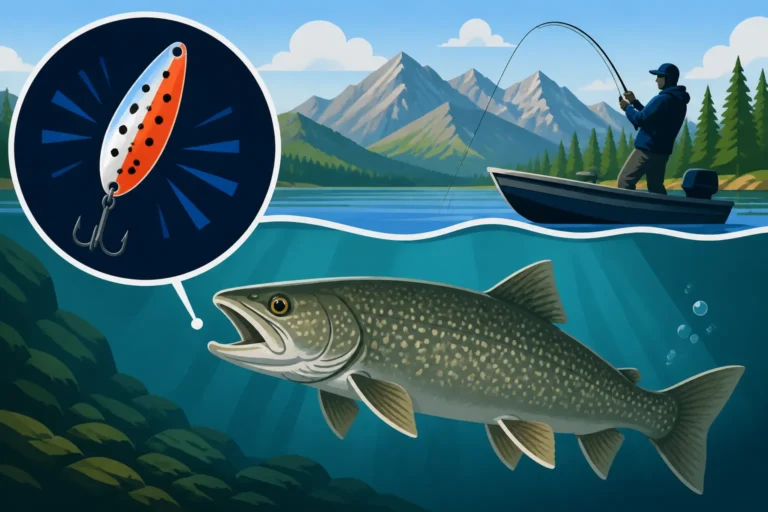
- Lures: Small hoochies, mini-squid, wedding rings, spinner flies, and small spoons are all excellent kokanee lures. Colors like pink, orange, chartreuse, green, and combinations thereof are consistently effective. Many of these lures are designed to be fished behind a dodger, so their inherent action is enhanced. Best Lures for Idaho Kokanee Fishing delves deeper into specific lure types.
- Bait & Scent: This is perhaps the most critical component for triggering a kokanee strike.
- Corn: A single kernel or two of Shoepeg corn, dyed and scented, is a classic kokanee bait. Brands like Pautzke's have specific kokanee blends. The corn adds visual appeal, but more importantly, it carries scent.
- Salmon Eggs: Cured salmon eggs (again, Pautzke's is popular) can be threaded onto a hook, providing both scent and a natural appearance.
- Scent Gels/Sprays: Applied directly to your lure and bait, scents like garlic, krill, anise, or a combination can make a huge difference. Kokanee follow scent trails, and a strong, appealing scent will draw them in and encourage them to bite.
- Dipping Worms/Maggots: Sometimes, a small piece of nightcrawler or a couple of maggots can provide the live bait appeal that kokanee can't resist.
The key is to experiment with different combinations of dodger colors, lure styles, and scent applications until you find what the fish are keying in on that particular day. Don't be afraid to change things up if you're not getting bites.
Idaho Kokanee Regulations and Limits: Fishing Responsibly
Before you even think about dropping a line, it's absolutely critical to understand and adhere to Idaho's fishing regulations. These rules are in place for a reason: to conserve fish populations and ensure healthy fisheries for everyone. Ignorance of the law is not an excuse, and violations can result in hefty fines and the loss of your fishing privileges.
Understanding Your Fishing License and Permits
Every angler planning to fish for kokanee in Idaho must possess a valid Idaho fishing license. There are different types of licenses depending on your residency status and the duration of your trip.
- Resident vs. Nonresident: The Idaho Resident Annual Fishing License and Idaho Nonresident Annual Fishing License are the most common choices. Nonresidents will pay a higher fee. Your residency is typically determined by how long you've continuously lived in Idaho.
- Annual vs. Short-Term: If you're just visiting for a weekend, a Idaho One-Day Fishing License or a multi-day license might be more economical. However, for anything longer than a few days, an annual license often makes more sense.
- Age Requirements: Children under a certain age may not require a license, but it's crucial to check the current regulations. Similarly, seniors might qualify for discounted rates. You can find detailed information in the Idaho Fishing License Guide or the official Idaho Fish and Game proclamation.
- Purchasing Your License: Licenses can be purchased online, at authorized vendors (like sporting goods stores or even some convenience stores), or through Idaho Fish and Game offices. Always carry your license with you while fishing, either a physical copy or an official digital version on your phone.
Daily and Possession Limits
Idaho Fish and Game sets specific bag limits (daily limits) and possession limits for kokanee, which can vary by water body. These limits are designed to prevent overfishing and maintain sustainable populations.
- Daily Bag Limit: This is the maximum number of kokanee you can keep in a single day. For most waters, this might be 15 or 25 kokanee, but it's essential to consult the latest regulations specific to the lake you are fishing. For example, some heavily stocked community ponds might have higher limits, while sensitive fisheries might have lower ones.
- Possession Limit: This refers to the total number of kokanee you can have in your possession at any given time, including those at home in your freezer. It's often twice the daily bag limit. This prevents anglers from accumulating large numbers of fish over multiple days without proper processing.
- Size Limits: While kokanee rarely have explicit size limits, always double-check, as certain specific waters or species might have them.
- Checking the Proclamation: The official Idaho Fishing Seasons and Rules brochure (often called the "proclamation") is your ultimate source for current regulations. You can find this online on the Idaho Fish and Game website, or pick up a physical copy wherever licenses are sold. The rules can change year to year, so always check before your trip. The Idaho Catch Limits and Bag Limits Explained will give you a general overview, but always verify for your specific target water.
Conservation Practices for Sustainable Fishing
Responsible angling goes beyond simply following the rules; it includes practicing good conservation habits to ensure the future of the fishery.
- Catch and Release (When Appropriate): If you've reached your limit or are targeting larger fish and accidentally catch a smaller kokanee, practice proper catch and release. Handle the fish gently, minimize its time out of water, and use a dehooking tool if necessary.
- Caring for Your Catch: If you plan to keep your kokanee for consumption, immediately put them on ice in a cooler. This preserves their flesh quality and prevents spoilage, which is especially important on warm summer days.
- Respecting Spawning Fish: As mentioned, kokanee undergo dramatic changes during their spawning run, and their flesh quality diminishes significantly. While it might be legal to keep them, many ethical anglers choose not to target actively spawning fish, allowing them to complete their reproductive cycle undisturbed.
- Clean Up Your Act: Always pack out everything you pack in. Leave no trace of your visit, and consider picking up any litter you find. Protecting the natural beauty of Idaho's lakes and rivers is everyone's responsibility. By being mindful of these practices, we contribute to healthy ecosystems and enjoyable fishing experiences for all. The Idaho Fishing Regulations Explained gives further details on general state rules.
Tips for a Successful Idaho Kokanee Trip: Maximizing Your Catch
You've got the gear, you know the spots, and you're ready to hit the water. But success in kokanee fishing often comes down to the finer details, the small adjustments, and the diligent approach that seasoned anglers master. These tips will help you refine your strategy and turn more bites into fish in the net.
Pre-Trip Planning and Preparation
A successful fishing trip starts long before you launch your boat. Good preparation saves time, reduces stress, and increases your chances of success.
- Check Forecasts: Always look at the weather forecast (wind, temperature, precipitation) for your chosen lake. This impacts fish behavior and your comfort. High winds can make precise trolling difficult and even unsafe.
- Review Regulations: Double-check the current Idaho Fish and Game regulations for your specific lake. Limits can change! This is where your Idaho Fishing Regulation Brochure and Proclamation comes in handy.
- Boat & Gear Check: Ensure your boat is in good working order, including engine, battery, and safety equipment. Check your fishing rods for damaged guides, reels for smooth operation, and line for nicks or abrasions. Spool fresh line if it's old. Organize your tackle box, making sure you have a variety of dodgers, lures, and scents.
- Ice, Snacks & Water: Don't forget a cooler full of ice for your catch, plenty of water to stay hydrated, and snacks to keep your energy up. A comfortable fishing experience makes you a more patient and effective angler.
- Communicate with Other Anglers: If possible, chat with local bait shop owners or other anglers at the launch ramp. They often have invaluable, up-to-the-minute information on what's biting, what depths, and what lures are working. This can give you a huge head start.
Safety on the Water
Fishing is fun, but safety should always be your top priority, especially on Idaho's larger, deeper lakes.
- Wear a Life Jacket: It might sound obvious, but always wear a Coast Guard-approved life jacket, especially if you're in a smaller boat or during cold weather. Ensure children wear theirs at all times.
- Tell Someone Your Plan: Let a friend or family member know where you're going, when you expect to return, and who is with you.
- Check Your Boat's Condition: Before every trip, verify that your boat's registration is current, and all safety equipment is onboard and accessible (fire extinguisher, horn/whistle, distress signals, paddles, anchor, etc.).
- Monitor Weather Changes: Idaho weather can change rapidly. Watch the sky for approaching storms, and be prepared to head back to shore if conditions deteriorate. Gusty winds can turn a calm lake into a dangerous place quickly.
- Know Your Limits: Don't venture out in conditions beyond your boat's capabilities or your own experience level. If in doubt, stay on shore or stick to safer, calmer waters.
Maximizing Your Catch and Enjoyment
Once you're out on the water, these refined techniques and mindset tips will help you make the most of your kokanee adventure.
- Vary Your Spread: Don't put all your lures at the exact same depth or color combination initially. If you have two downriggers, run one at, say, 35 feet and the other at 45 feet. Try a pink lure on one side and a chartreuse on the other. Once you get a bite, note the depth and color, and then adjust your other lines to match.
- Scent is King: Reapply scent to your lures and corn frequently, perhaps every 15-30 minutes or after every few fish. Kokanee are incredibly scent-driven, and a fresh application can make a huge difference. Carry a variety of scents like garlic, anise, and krill to see what they prefer. You can find many effective scent options on Amazon.
- Use a Net: Kokanee have soft mouths, and landing them carefully is essential. Always use a soft, rubber-mesh landing net. Avoid dragging them into the boat or trying to hoist them by the line. A quick, smooth net job will prevent lost fish at the boat.
- Watch Your Rods: Don't just set your rods in holders and forget about them. Keep a constant eye on the rod tips for subtle twitching or unusual movements, especially when using downriggers. A kokanee strike can sometimes be a light tap or simply a slight bend in the rod rather than a full pull-down.
- Patience and Persistence: There will be days when the kokanee are finicky and difficult to locate. Don't get discouraged. Keep experimenting with depth, speed, lure color, and scent. The angler who patiently tries different combinations often finds success. Enjoy the process, the beautiful Idaho scenery, and the company, and the fish will eventually come.
Disclaimer
This article is for general informational purposes only and does not constitute professional advice. Laws, prices and regulations vary by location and change over time. Consult a qualified professional for guidance on your specific situation.