Best Time of Year for Perch on American Falls Reservoir
It can be incredibly frustrating to hit a prime fishing spot like American Falls Reservoir, rods and reels ready, only to find the fish just aren't biting. We've all been there, standing on the shore or out on the water, wondering if it's our technique, our bait, or simply the wrong time. When it comes to chasing the delicious yellow perch in this massive Idaho reservoir, timing truly is everything. This comprehensive guide will peel back the layers of perch behavior, breaking down exactly when and how to find these tasty panfish throughout the year on American Falls Reservoir, so you can confidently plan your next successful outing.
Understanding American Falls Reservoir's Unique Perch Fishery
American Falls Reservoir, nestled in southeastern Idaho, is a vital part of the Snake River system and a beloved destination for many anglers, especially those seeking yellow perch. This expansive body of water, formed by the damming of the Snake River, presents a diverse environment that directly influences where and when perch are most active.
The Environment and Its Impact on Perch
The reservoir itself is quite large, stretching over 50 miles long and covering tens of thousands of acres. Its depths can vary, and it features a mix of rocky shorelines, submerged structures, and vast open water. These environmental factors, combined with water temperature, nutrient levels, and the presence of forage, dictate the perch population's movements and feeding habits. Perch are schooling fish, and their patterns are often tied to finding food and avoiding predators. Understanding the reservoir's structure – from the shallow bays to the deeper main channels – is key to predicting where they might be congregating at different times of the year. For example, during colder months, the deeper, more stable water near the dam might hold larger schools, while warmer periods see them venturing into shallower, weed-rich areas.
Perch Behavior Throughout the Seasons
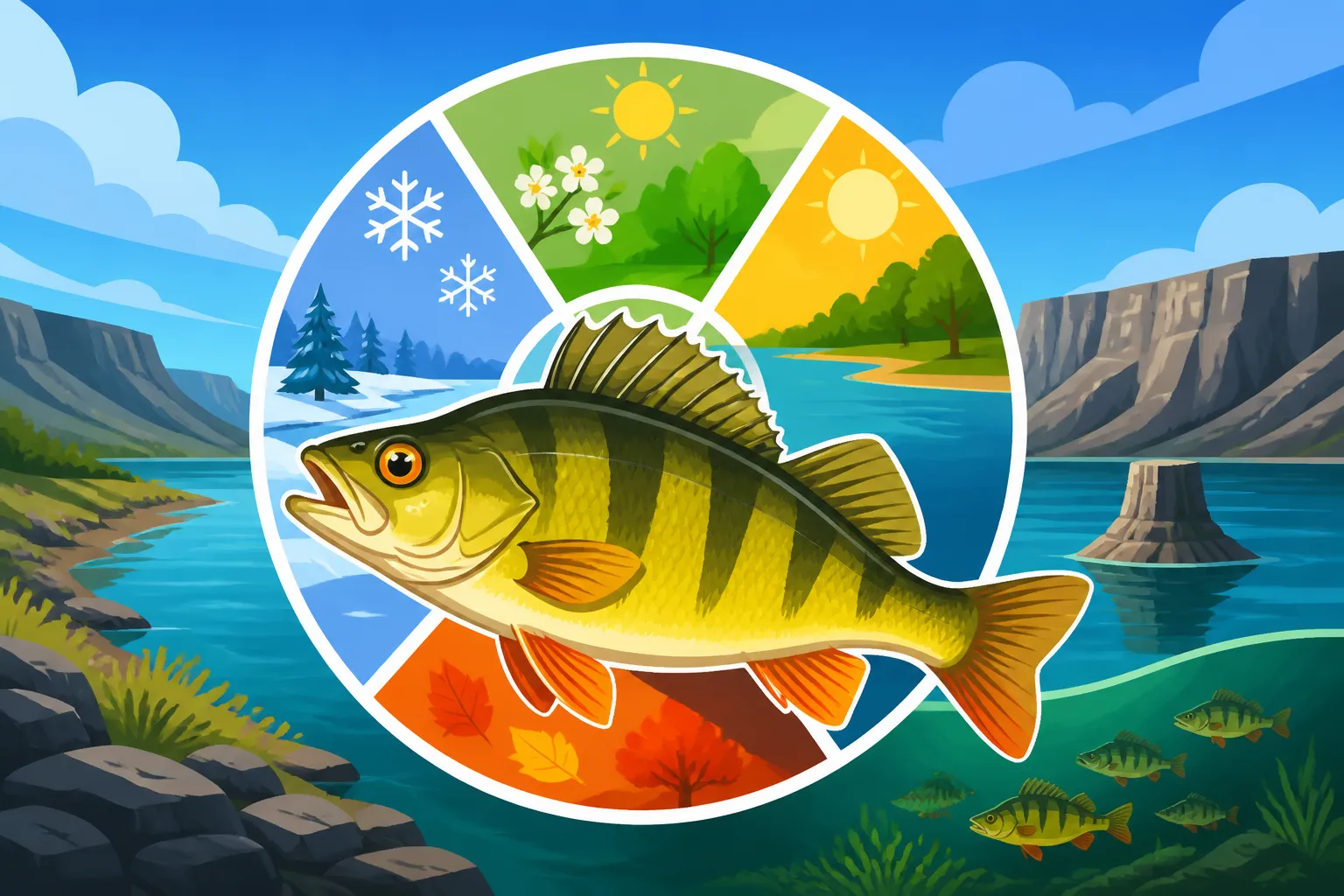
Perch, like many fish, undergo significant behavioral changes with the shifting seasons. Their metabolism, feeding drives, and reproductive cycles are all heavily influenced by water temperature and light levels. In spring, their focus is on spawning and then recuperating with aggressive feeding. Summer sees them seeking cooler, deeper water and often becoming more nocturnal in their feeding. Fall is a prime time as they gorge themselves in preparation for winter, often becoming incredibly aggressive. Winter, especially through the ice, requires a different approach as their metabolism slows, but they still need to feed. Knowing these fundamental behavioral shifts is your first step toward cracking the code of American Falls Reservoir perch.
Seasonal Breakdown: When to Target American Falls Perch
Each season offers a distinct opportunity for perch fishing on American Falls Reservoir, with unique challenges and rewards. Successful anglers adapt their strategies to align with these natural rhythms.
Spring: Post-Spawn Feasting and Shallow Water
As winter's grip loosens and ice recedes, typically from late March through May, the reservoir's water temperatures begin to rise. This warming trend triggers the perch's spawning instinct. Perch usually spawn when water temperatures reach the 45-55°F range, often in shallow bays and coves with submerged vegetation or woody debris. They lay their distinctive accordion-like egg masses on these structures. While they can be caught during the spawn, the real action often heats up after they've finished. Post-spawn perch are hungry and looking to replenish their energy reserves.
This is a fantastic time to target them in relatively shallow water, often 5-15 feet deep, especially around structures like old flooded timber, weed lines, and rocky points where baitfish are starting to become active. They’ll be aggressive, and presentations that mimic small baitfish or worms work exceptionally well. Think small jigs tipped with a piece of worm, tiny crankbaits, or even a simple bobber and worm setup. The sheer number of perch can be incredible during this period, offering fast action. You might even find them still congregating in large schools, making it possible to fill a cooler quickly once you locate them. This is often when you'll find bigger, healthier fish, having recovered from the rigors of winter and spawning.
Summer: Deep Water and Early Morning Bites
Idaho summers can get hot, and American Falls Reservoir is no exception. As water temperatures climb into the 60s and 70s F, perch retreat from the shallows, seeking the cooler, more stable environments of deeper water. From June through August, you'll generally find them congregating in depths of 20-40 feet, sometimes even deeper, especially during the brightest parts of the day. They'll often relate to submerged humps, channel edges, and drop-offs. The key during summer is early morning or late evening fishing, when the water is coolest and perch are most actively feeding before or after the intense sun.
Vertical jigging with small spoons, blade baits, or drop-shot rigs becomes highly effective. Tipping your lure with a piece of nightcrawler or a small minnow can significantly increase your strike rate. Many anglers will use their fish finders to locate schools of perch suspended over structure or hugging the bottom in these deeper areas. Patience is key, as the bite might be subtler than in spring, but once you find a school, the action can still be non-stop. Fishing platforms like FishingBooker can sometimes offer insights into local guides who specialize in summer perch tactics if you're looking to cut down on search time. Don't be afraid to drift across potential hotspots using your electronics; this allows you to cover more water and pinpoint those elusive summer schools.
Fall: Pre-Winter Frenzy and Schools Galore
Autumn, from September through November, is arguably the best time of year for perch on American Falls Reservoir. As the air chills and water temperatures gradually cool (dropping from the 60s into the 40s), perch undergo a significant change: they enter a pre-winter feeding frenzy. They know that lean times are coming, and they need to pack on fat reserves. This means they become incredibly aggressive and often move back into shallower to mid-depth ranges, typically 10-30 feet, following schools of baitfish.
This is when you'll often find the largest schools and some of the biggest perch of the year. They can be found around almost any structure: rocky reefs, points, humps, and even along deeper weed lines that are still holding green vegetation. Trolling with small crankbaits or spinners can be very effective for covering water and locating these active schools. Once you find them, anchor up and use jigs, blade baits, or even simple live bait rigs (like a drop-shot or a slip bobber with a minnow) to haul them in. The bite can be relentless, and it’s a favorite time for many local anglers to stock their freezers. Check out the guide on Idaho Fishing Season Dates and Limits to ensure you're compliant with any regulations during this prime time.
Winter: Ice Fishing Opportunities and Challenges
When American Falls Reservoir freezes over, usually from December through February, it transforms into an ice fishing paradise for many. While not all areas freeze reliably or safely every year, when conditions allow, ice fishing for perch can be incredibly rewarding. The thick ice provides access to areas that are difficult to reach by boat in warmer months.
Under the ice, perch metabolism slows down, so their feeding windows can be shorter, and their bites are often very subtle. You’ll typically find them in depths ranging from 15-40 feet, relating to main lake points, humps, and the edges of drop-offs. They'll congregate in tight schools to conserve energy, so once you find one, you're likely to find many. Small jigging spoons, ice jigs tipped with a wax worm, or a maggot are go-to baits. A flasher or an underwater camera is almost essential for ice fishing success, as it allows you to see the fish and your presentation in real-time, helping you gauge their interest. Layers of warm clothing, a good ice auger, and a portable shelter can make all the difference for a comfortable and productive day on the ice. If you're new to the sport, learning How to Ice Fish Idaho Lakes can be a game-changer. Remember to always prioritize safety when venturing onto the ice; check local conditions and ice thickness before you go.
Essential Techniques and Gear for American Falls Perch
Regardless of the season, having the right techniques and gear makes a huge difference in your perch fishing success on American Falls Reservoir.
Rigging Up for Success
Perch are not typically line-shy, but using lighter tackle can certainly enhance the experience and lead to more bites, especially when they're finicky. A light to medium-light spinning rod, 6 to 7 feet in length, paired with a small spinning reel spooled with 4-8 pound test monofilament or fluorocarbon line is ideal. Braided line with a fluorocarbon leader can also be excellent for sensitivity, allowing you to feel those subtle winter bites.
When it comes to lures and baits, versatility is key:
- Jigs: Small marabou jigs, plastic grub jigs (1/32 to 1/8 ounce) in chartreuse, white, or black are incredibly versatile. Tipping them with a small piece of nightcrawler, a wax worm, or a Berkley Gulp! Minnow often makes them irresistible.
- Spoons: Small jigging spoons (1/8 to 1/4 ounce) like the Kastmaster or Swedish Pimple are deadly, especially when vertically jigged in deeper water or through the ice.
- Small Crankbaits: Tiny shallow-diving crankbaits or even mini rattle traps can work well when trolling or casting in shallower areas during spring and fall.
- Live Bait Rigs: A simple slip bobber rig with a small hook (size 6-8) and a lively minnow or a piece of nightcrawler is a classic and highly effective method, particularly when fish are suspended. A drop-shot rig, presenting a bait just off the bottom, is also phenomenal for deep-water perch.
- Scent: Don't underestimate the power of scent. Adding a scent attractant to your lures or using scented soft plastics can significantly improve your catch rate.
You can often find all these essentials at local tackle shops around Pocatello or Idaho Falls, ensuring you have gear optimized for American Falls Reservoir's conditions.
Locating Perch Hotspots
Finding perch on American Falls Reservoir means understanding their habitat preferences at different times. They are structure-oriented fish, always looking for cover, food, or temperature breaks.
- Fish Finders and Sonar: These are your best friends, especially when fishing from a boat. Look for schools of baitfish, which often indicate perch are nearby. Scan for submerged humps, old river channels, and sudden depth changes. Modern side-imaging or down-imaging sonar can reveal detailed bottom structure that holds fish.
- Topographic Maps: Study contour maps of the reservoir before you go. These maps highlight drop-offs, humps, and old creek beds that are natural holding areas for perch. Identify areas where shallow feeding flats transition quickly into deeper water.
- Trial and Error: Sometimes, there's no substitute for simply covering water. Trolling, drifting, or even moving from hole to hole while ice fishing can help you pinpoint active schools. Pay attention to changes in the bottom composition or any signs of baitfish activity.
- Seasonal Specifics: As mentioned, shallow bays and weed lines are spring and fall magnets. Deep channels and main lake structure are prime summer and winter haunts. For more general advice, consider reading up on Idaho Fishing Techniques Guide to broaden your approach.
Remember, perch are schooling fish, so when you find one, there are usually many more. Mark your spots on your GPS or mentally note prominent landmarks once you start catching them.
Maximizing Your Perch Haul on American Falls Reservoir
Catching a few perch is fun, but consistently landing a good haul requires a bit more finesse and strategy.
Tips for Bigger Perch
While perch are generally not known for their trophy size, American Falls Reservoir certainly produces some impressive specimens. Here are a few tips if you're targeting the bigger ones:
- Go Slightly Bigger on Bait/Lure: While smaller baits catch more fish, slightly larger jigs or minnows can sometimes deter the smaller, more aggressive perch and entice the larger, more cautious ones.
- Fish Deeper: Often, the biggest perch tend to hold in slightly deeper water than the smaller ones, especially during summer and winter. Don't be afraid to experiment with presentations closer to the bottom in 30-45 feet of water.
- Focus on Structure: Big perch are often more intimately associated with specific structures, like the base of a sharp drop-off, a large rock pile, or a significant submerged timber pile. These areas offer both ambush points and protection.
- Patience: You might not get as many bites, but the quality could be much higher. Be patient and wait for those tell-tale heavier thumps. This is where scouting fishing reports or talking to local bait shops can really pay off; they often know if the "jumbos" are biting.
Don't forget that local guides can provide unparalleled expertise. Many anglers use services like FishingBooker to scout local guides for species like perch, especially when targeting larger fish.
Common Mistakes to Avoid
Even seasoned anglers can fall into common traps when chasing perch. Being aware of these pitfalls can save you time and frustration.
- Not Adapting to Conditions: The biggest mistake is failing to change your approach as conditions change. If the sun comes out, or a cold front moves in, fish might move deeper or become less active. Don't stubbornly stick to a technique that isn't working. If you notice a slowdown, try moving, changing depth, or switching up your lure.
- Ignoring Electronics: In a large body of water like American Falls Reservoir, blindly casting is often a recipe for disappointment. Use your fish finder to locate schools of fish and areas of interest. Even a basic sonar unit can tell you about depth and structure.
- Staying in One Spot Too Long: Perch are schooling fish, but those schools move. If the bite dies off, don't just sit there. Give it 10-15 minutes, and if nothing happens, move to another promising spot. Covering water is essential, especially when boat fishing or ice fishing.
- Using Overly Heavy Tackle: While you don't need ultralight gear, using heavy lines and large lures can spook perch, especially the bigger, smarter ones. Lighter tackle allows for more natural presentation and better feel for subtle bites.
- Not Considering the Wind: Wind can be your friend or foe. It can create currents that concentrate baitfish (and thus perch), but it can also make boat control difficult or create choppy conditions that impact your feel for the bite. Learn to use the wind to your advantage, perhaps by drifting slowly over promising areas. Knowing the local conditions can make or break a trip, and understanding the Idaho Statewide General Fishing Rules is always a good idea.
| Season | Best Time of Day | Typical Depths | Recommended Lures/Baits | Key Locations |
|---|---|---|---|---|
| Spring | Mid-morning, late afternoon | 5-15 feet | Small jigs (tipped), tiny crankbaits, worms | Shallow bays, coves, submerged vegetation, rocky points |
| Summer | Early morning, late evening | 20-40+ feet | Small spoons, blade baits, drop-shot (tipped) | Deeper humps, channel edges, steep drop-offs |
| Fall | All day | 10-30 feet | Trolling spinners/crankbaits, jigs (tipped), minnows | Rocky reefs, points, humps, deeper weed lines |
| Winter | Mid-day (ice fishing) | 15-40 feet | Ice jigs, small spoons (tipped), wax worms, maggots | Main lake points, humps, channel drop-offs (under ice) |
American Falls Reservoir offers incredible opportunities for perch anglers year-round, but truly mastering this fishery means understanding the seasonal nuances of perch behavior. By adapting your techniques, focusing on the right depths, and utilizing the appropriate gear for each time of year, you can consistently put these delicious panfish in your cooler. Whether you're experiencing the fast action of a fall feeding frenzy or the quiet solitude of an ice fishing adventure, the reward of a successful perch outing on American Falls Reservoir is something every angler can appreciate. Don't forget that many resources are available, from local experts to online platforms like FishingBooker, which can help you refine your strategy. Take your time, enjoy the process, and soon you'll be confidently reeling in those American Falls perch.
Disclaimer
Fishing conditions and regulations in Idaho can change. Always consult the latest Idaho Fish and Game regulations and local advisories before heading out on any fishing trip. This guide is for informational purposes only and does not supersede official regulations.