Trolling Techniques for Idaho Reservoirs
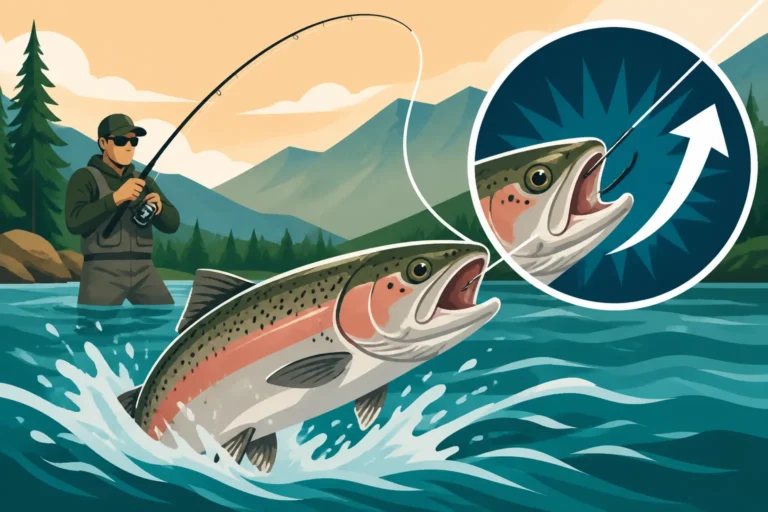
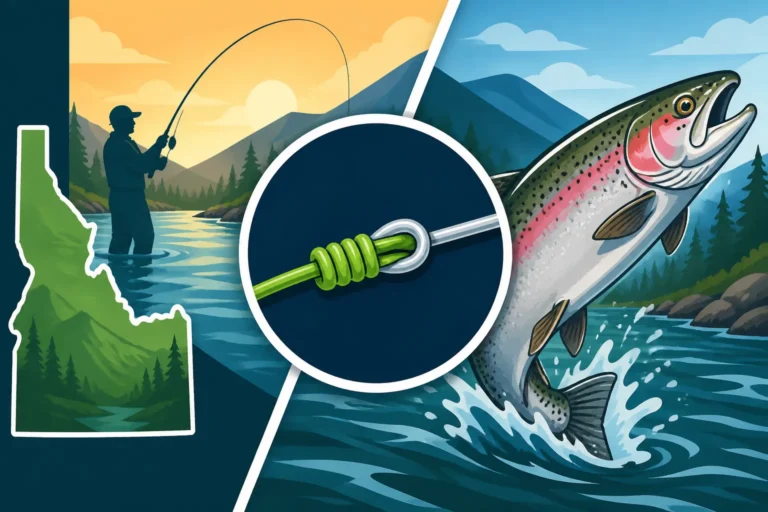
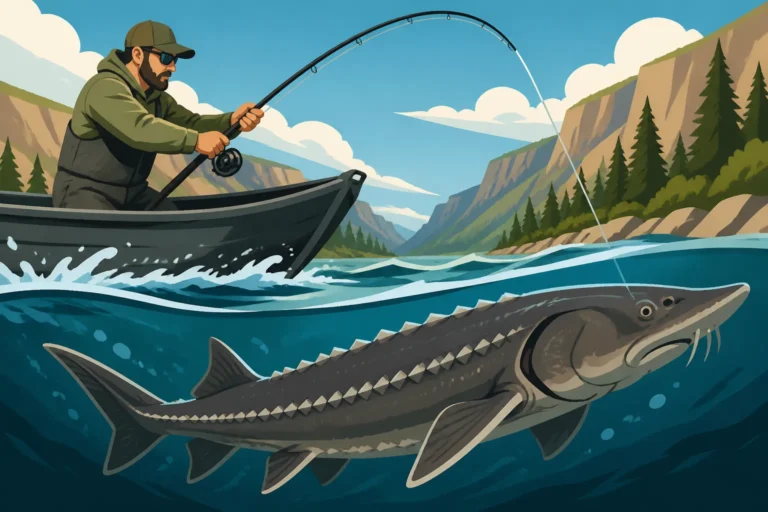
There's nothing quite like the immense satisfaction, and sometimes utter frustration, of chasing fish across Idaho's vast reservoirs. Many anglers find themselves heading out onto these big waters, lures in tow, only to come back empty-handed because trolling isn't just about dragging a line; it's a nuanced art and science. This comprehensive guide will delve deep into the most effective trolling techniques for Idaho's diverse reservoirs, helping you unlock their secrets and fill your cooler.
Understanding Idaho Reservoirs for Successful Trolling
Idaho's reservoirs are magnificent bodies of water, each with its own unique characteristics, depths, and resident fish populations. Knowing these specific traits is the first step to mastering trolling and avoiding those disheartening days when the fish just aren't biting.
Unique Characteristics of Idaho Reservoirs
Idaho is home to a spectacular array of reservoirs, from the deep, glacial-carved giants in the Panhandle like Priest Lake and Lake Pend Oreille, to the more arid, irrigation-fed lakes in southern Idaho such as American Falls Reservoir and C.J. Strike Reservoir. The topography varies wildly; some reservoirs feature steep, rocky drop-offs and submerged timber, while others boast expansive flats and gradual shelves. Understanding the underwater structure is paramount. For instance, a reservoir like Priest Lake might demand deep-water trolling presentations for trophy lake trout, while Lucky Peak Reservoir near Boise might call for targeting thermoclines for kokanee or submerged structure for bass. The water clarity also differs greatly; some reservoirs maintain crystal-clear waters throughout the season, while others experience significant turbidity after heavy rains or spring runoff. These factors directly influence your lure choice, line visibility, and trolling depth, making a one-size-fits-all approach almost useless.
Primary Target Species for Trolling
When you're trolling Idaho's reservoirs, you're generally going after a few key species that respond well to this method. Kokanee salmon are probably the poster child for reservoir trolling here, especially in places like Lake Coeur d'Alene, Anderson Ranch Reservoir, and Lake Cascade. These schooling fish often suspend in the water column and aggressively chase trolled lures. Rainbow trout are another incredibly popular species, found in nearly every Idaho reservoir, from the smallest community pond to massive impoundments like American Falls Reservoir. They can be found at various depths depending on water temperature and forage. For those seeking bigger game, Lake Pend Oreille is renowned for its colossal Kamloops rainbow trout, while Priest Lake holds monstrous lake trout (Mackinaw) that lurk in the depths. Additionally, species like smallmouth bass, perch, and even tiger muskie in Cascade Reservoir can be caught by trolling, often incidentally, but sometimes by design if you tailor your approach to their habitat and feeding patterns. Each species has its preferred depth, speed, and lure type, so tailoring your strategy to your intended catch is crucial. If you're really into chasing those landlocked salmon, our Idaho Kokanee Fishing Guide offers even more specialized advice.
Essential Trolling Gear for Idaho Waters
Stepping onto an Idaho reservoir prepared means having the right tools for the job. From your rod and reel setup to the electronics that guide your way, each piece of gear plays a vital role in your trolling success.
Rods, Reels, and Line Selection
For general reservoir trolling, you'll want a rod that can handle the sustained pressure of dragging lures and the powerful fight of larger fish. Medium-heavy to heavy action rods, typically 7 to 9 feet long, are excellent choices. They provide the backbone needed for controlling diving planers or downriggers, yet offer enough sensitivity to detect subtle bites. For reels, durable baitcasting reels with a smooth drag system and a line counter are incredibly helpful for precise depth control, especially when you're trying to replicate a successful pass. When it comes to line, many experienced Idaho anglers opt for a main line of braided superline, ranging from 20 to 50 lb test, for its low stretch and strength. This allows for better bite detection and more direct control over your lures. However, because braid is highly visible, it's almost always paired with a fluorocarbon leader (6-15 lb test, depending on target species and water clarity) for its near-invisibility underwater and abrasion resistance. Some anglers still prefer monofilament for its stretch, which can act as a shock absorber during violent strikes, especially with species like kokanee that have soft mouths. Always consider the species you're targeting and the water conditions when making your line choices. If you're wondering what other gear might be essential, check out our comprehensive Idaho Fishing Gear Guide by Season.
Lures, Baits, and Attractors
The selection of lures, baits, and attractors available for trolling can be overwhelming, but a few categories consistently produce in Idaho's reservoirs.
| Lure/Bait Type | Description | Target Species | Key Use Case |
|---|---|---|---|
| Kokanee Bugs/Hoochies | Small, brightly colored squid-like lures, often tipped with corn. | Kokanee Salmon | Trolled behind a dodger or flasher for aggressive schools. |
| Small Spoons | Wobbly metal spoons (e.g., Apex, Needlefish, Dardevle). | Trout, Kokanee, Perch | Versatile for various depths, colors imitate baitfish. |
| Plugs/Stickbaits | Hard-bodied lures that dive and wiggle (e.g., Rapala, Flatfish). | Trout, Bass, Lake Trout | Effective for searching larger areas, deeper diving models. |
| Spinners | Blade-style lures with a rotating component (e.g., Wedding Ring, Rooster Tail). | Trout, Kokanee | Good flash and vibration, often tipped with bait. |
| Live/Cut Bait | Worms, maggots, PowerBait, anchovies, herring. | Trout, Sturgeon, Catfish | Used with bait rigs, particularly for slower trolling or specific species. |
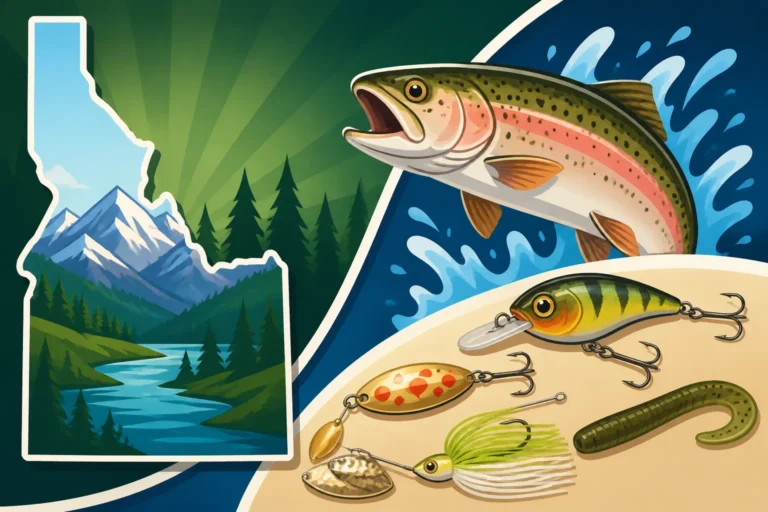
For kokanee, the classic "kokanee bug" or small hoochie, often tipped with Shoepeg corn marinated in scent, is a must-have. These are usually trolled behind a dodger or flasher. Dodgers and flashers are attractors that create vibration and flash, drawing fish to your trailing lure. Brands like Mack's Lures and Shasta Tackle offer excellent options. For trout, small spoons (like Apex, Needlefish, or small Daredevle) in various colors, as well as jointed or solid plugs (think Rapala or Flatfish), are highly effective. The color selection can make a huge difference, so carry a variety – chrome, blue/silver, firetiger, and pink are good starting points. For deeper presentations, often for lake trout or suspended rainbow trout, larger diving plugs and spoons are key. Don't underestimate the power of scent; commercially available scents like Pro-Cure or Mike's Lures Glo-Scent can significantly enhance your bait or lure's appeal, especially on slow days. Many of these items are readily available on Amazon for convenience, making it easy to stock up before your next trip. Our Best Bait and Lures for Idaho Fishing article has even more detail on specific attractants.
Depth Control Devices and Electronics
Accurate depth control is arguably the most critical component of successful trolling, especially in large, deep Idaho reservoirs where fish can suspend at very specific levels.
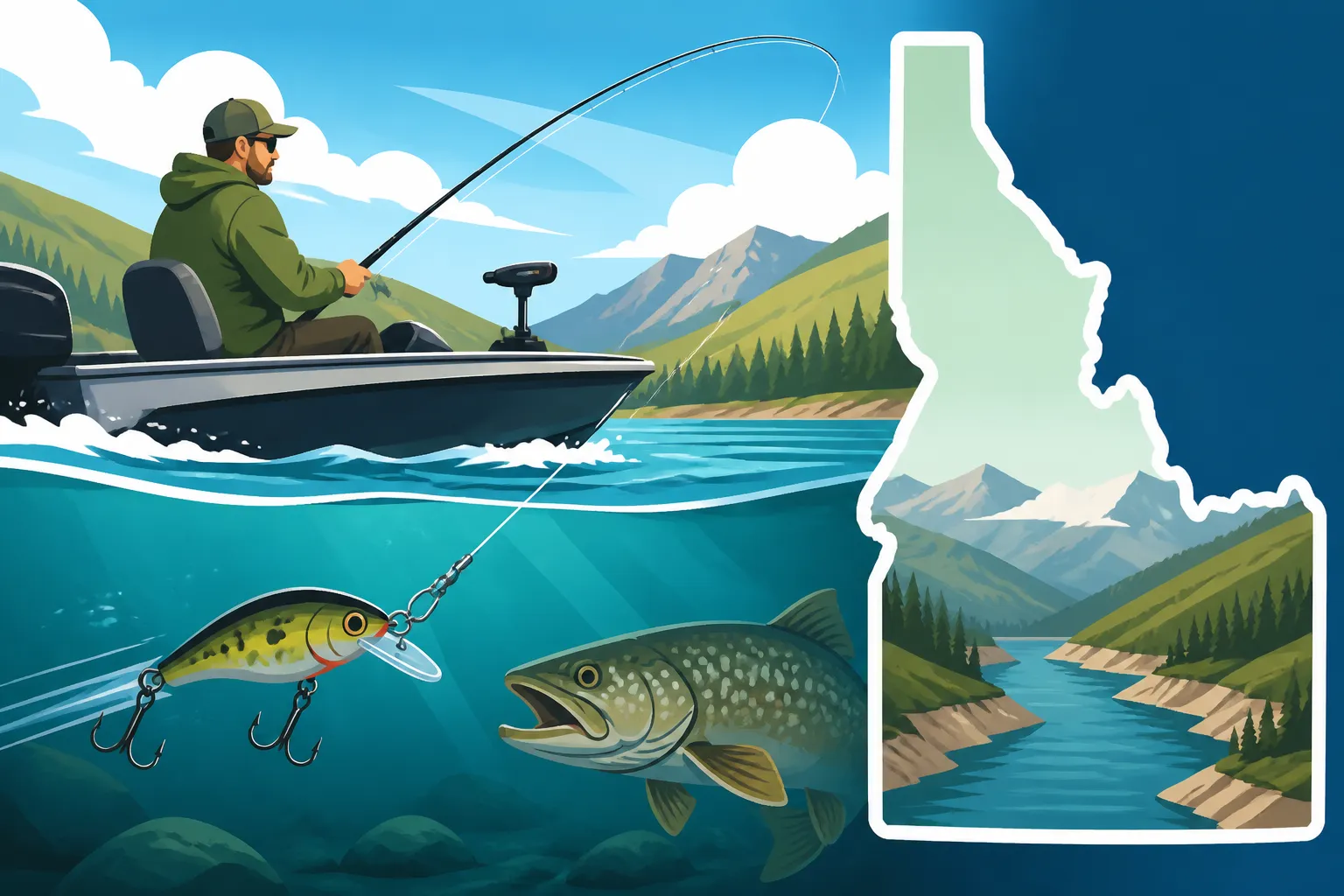
Downriggers are the gold standard for precision depth control. These devices use a heavy cannonball weight to carry your fishing line (via a release clip) to a precise depth, allowing your lure to run uninhibited. They are indispensable for targeting kokanee or deep-holding trout and lake trout. For instance, when fishing Lake Coeur d'Alene for Kokanee and Chinook, downriggers allow you to precisely place your lures within the narrow kokanee thermocline.
Diving planers (like Dipsy Divers or Jet Divers) offer another excellent way to reach depths without lead weights on your main line. These devices dive when trolled and release your line when a fish strikes. They are less precise than downriggers but are highly effective for covering a range of depths, particularly when fish are scattered or not holding to a tight band.
Planer boards, while less common for species like kokanee, are fantastic for spreading out multiple lines, allowing you to cover a wider swath of water without tangles. This is particularly useful for targeting trout that might be cruising wider areas near the surface.
Finally, modern electronics are your eyes underwater. A quality fish finder/chartplotter combo is non-negotiable. Look for units with high-resolution sonar, down imaging, and side imaging capabilities. These tools allow you to identify bait balls, individual fish, submerged structure, and, most importantly, the thermocline (the layer where water temperature changes rapidly, often where kokanee and trout congregate). GPS mapping on your chartplotter helps you stay on productive trolling paths, mark waypoints where you get bites, and navigate safely in unfamiliar waters. Brands like Humminbird, Lowrance, and Garmin offer excellent options, many of which can be found and compared on Amazon.
Mastering Trolling Techniques for Various Species
Different fish species demand different trolling approaches. What works for a feisty kokanee isn't necessarily going to fool a trophy lake trout.
Trolling for Kokanee and Rainbow Trout
Kokanee and rainbow trout are often targeted using similar trolling strategies, especially when they are suspended in the mid-water column. The key is finding their preferred depth and speed.
For kokanee, which tend to school tightly and feed on plankton and small invertebrates, slower trolling speeds (typically 0.8 to 1.5 mph) are often best. You'll want to use small, brightly colored kokanee bugs, wedding rings, or small spoons, always paired with an attractor like a dodger or flasher. The dodger's erratic action is what really draws the kokanee in, and the lure trailing behind is what seals the deal. Depth is critical; kokanee are very temperature-sensitive and often hold in a narrow band within the thermocline. A good fish finder will show you exactly where the bait balls and kokanee schools are holding. Adjust your downrigger or diving planer depth until you're running your lures right through the strike zone. Tipping your lure with a kernel or two of Shoepeg corn, often dyed and scented, is a long-standing kokanee tactic that significantly increases hook-ups.
Rainbow trout, being more opportunistic feeders, can be caught on a wider variety of lures and speeds. When they are suspended, similar kokanee setups can be effective, but often a slightly faster troll (1.5 to 2.5 mph) and larger spoons or plugs will entice them. If they are cruising closer to the surface, unweighted spoons or small diving plugs can be trolled directly behind the boat. When trout are holding deeper or near structure, using downriggers or lead core line to get larger plugs or spoons to depth is necessary. The color and action of your lure should mimic the baitfish present in the reservoir; in many Idaho waters, this means imitating small kokanee, juvenile trout, or minnows. Our detailed Idaho Rainbow Trout Fishing Guide provides more species-specific tips.
Deep Water Trolling for Lake Trout
Trolling for lake trout, or Mackinaw, is a different ballgame altogether. These apex predators inhabit the cold, deep waters of reservoirs like Priest Lake and Lake Pend Oreille, often lurking near the bottom or suspended over deep structure.
To effectively target these giants, you need to get your lures deep. This means heavy-duty downriggers are essential. You'll typically be trolling large spoons, big plugs (like magnum Flatfish or Kwikfish), or even live/cut bait rigs (such as a herring or large minnow) down to depths of 50 to 150 feet, or even deeper, especially during the summer months. Trolling speeds are generally slower for lake trout, ranging from 1.5 to 2.5 mph, though sometimes a surge in speed can trigger a strike.
When pursuing lake trout, pay close attention to submerged structure – humps, ledges, old creek channels, and rock piles are prime ambush points. Your electronics are absolutely invaluable here. Use your fish finder to locate these structures and the lake trout holding near them. Troll your lures just above or right along these features. Often, lake trout will rise a significant distance to strike a lure, so don't be afraid to run your lures 10-20 feet above the structure if your sonar shows fish suspended there. The fight from a large lake trout is legendary, so ensure your drag is set properly, and your gear is up to the task. If you're serious about these big fish, our Idaho Lake Trout Fishing Guide is a must-read.
Trolling for Bass and Panfish
While not typically the primary method, trolling can certainly pick up bass and panfish in Idaho reservoirs, often as a bonus while targeting other species.
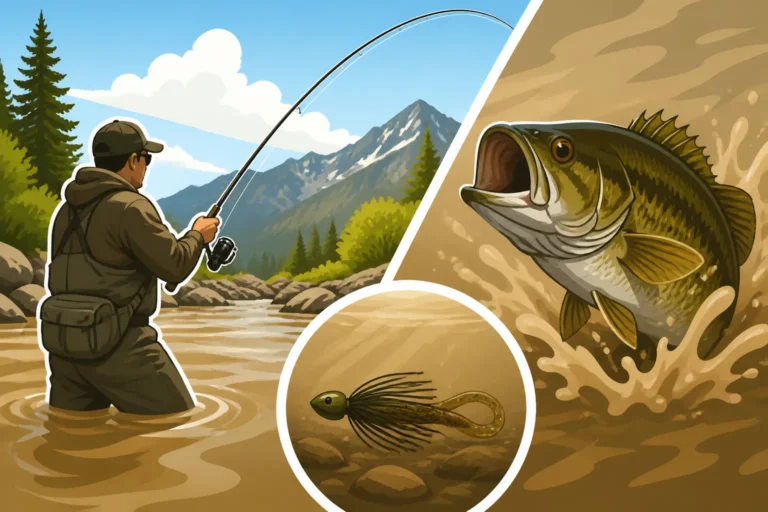
For smallmouth bass, which are prevalent in many reservoirs including C.J. Strike and the lower Snake River impoundments, trolling small to medium-sized crankbaits or stickbaits along rocky points, submerged humps, and shoreline breaks can be very effective. Speeds generally range from 2.0 to 3.5 mph. These fish are aggressive ambush predators, so lures with a good wobble and rattle can attract their attention. While downriggers aren't usually necessary, diving crankbaits can reach respectable depths on their own. Focus on areas where you see baitfish or structure.
Panfish, such as perch and crappie, are often caught incidentally while trolling for kokanee or trout, particularly in reservoirs like Cascade Reservoir. Small spoons, spinners, or even tiny jigs tipped with a worm or maggot trolled slowly (0.5 to 1.5 mph) can entice them. When you find a school of perch or crappie, slowing down and making tight turns can keep your lures in the strike zone longer. Often, a simple wedding ring spinner with a piece of worm will get the job done. While you might not set out specifically to troll for panfish, it's a great way to explore a new reservoir and see what's biting.
Seasonal Strategies for Reservoir Trolling
Idaho's seasons dramatically influence fish behavior, water temperatures, and consequently, the most effective trolling strategies. Adapting your approach with the changing seasons is crucial for consistent success.
Spring and Early Summer Trolling
As ice leaves the reservoirs in spring, fish become more active and often move into shallower water to feed and spawn. This is a fantastic time for trolling.
In early spring, when water temperatures are still quite cold, fish like trout and kokanee will often be found in the upper water column or even near the surface. They haven't yet retreated to the thermocline. Trolling with unweighted or lightly weighted lures (small spoons, plugs, spinners) just below the surface or with minimal depth control is often productive. Look for warmer water pockets, especially near inflowing creeks or sunny banks. As spring progresses into early summer, fish will start to follow baitfish into slightly deeper water, but still often within the top 30-50 feet. This is when your diving planers become very useful for covering a range of depths without the full commitment of downriggers. For species like bass, they'll be moving into shallower spawning areas, and trolling shallower diving crankbaits along these transition zones can be highly effective. If you're planning your spring adventures, our Spring Fishing in Idaho guide offers more insights.
Mid-Summer and Fall Trolling
Mid-summer often presents the most challenging yet rewarding trolling conditions. Water temperatures rise, forcing many cold-water species into deeper, cooler water.
During the peak of summer, the thermocline fully establishes itself in most Idaho reservoirs. This is where you'll find kokanee and often large rainbow trout. Precision depth control with downriggers becomes absolutely essential. You'll be watching your fish finder closely for bait balls and fish suspended in that cooler water. Trolling speeds for kokanee remain slow (0.8-1.5 mph), while trout might respond to slightly faster presentations. Lake trout will be in their deep-water haunts, requiring your heaviest downrigger balls to reach them. The early morning and late evening hours often provide the best bite as fish may move shallower to feed under lower light conditions.
As fall approaches, water temperatures begin to cool, and the thermocline starts to break down. This signals a glorious time for trolling. Fish often become more active and disperse throughout the water column, making them easier to locate. Kokanee will begin their spawning runs, often concentrating near river mouths or spawning areas, though trolling success for them can wane as they prepare to spawn. Trout become very aggressive, feeding heavily in preparation for winter. You might find them closer to the surface again, or cruising mid-depths. Larger spoons and plugs often produce well, and you might even pick up some big bass as they gorge on baitfish. Fall colors on the shore, crisp air, and hungry fish make for some of the most memorable trolling experiences in Idaho. Our Fall Fishing in Idaho article covers this season extensively.
Reading the Water and Adapting Your Approach
Successful trolling isn't just about driving in a straight line; it's about constantly observing, interpreting, and adjusting. The most effective anglers are masters of adaptation.
Interpreting Your Electronics
Your fish finder is your window into the underwater world, and learning to interpret its readings is paramount. Beyond simply seeing fish, pay attention to:
- Bait Balls: Large schools of baitfish (often kokanee fry or minnows) are a huge clue. Where the bait is, the predators will be close behind. Troll through or around these bait concentrations.
- Thermocline: Identify the depth of the thermocline. This invisible temperature boundary is a critical habitat for many cold-water species in summer. Adjust your downrigger depths to keep your lures in this zone.
- Structure: Rock piles, submerged timber, old river channels, and sudden depth changes all attract fish. Mark these on your GPS and develop trolling passes that take your lures over or alongside them.
- Individual Fish Marks: Not every fish on your screen will bite, but consistent marks at a certain depth or area indicate you're in a productive zone.
When you see fish or bait, don't just keep going. Make turns, vary your speed, or adjust your depth. Often, a subtle change is all it takes to trigger a strike. Keep an eye on your speed and depth readout; knowing exactly where your lures are in relation to the fish you're seeing is key.
Varying Speed, Depth, and Direction
The "trolling pattern" you establish is rarely a simple straight line. Effective trolling involves constant variation.
- Speed: Experiment with your trolling speed. Even a half-mile per hour difference can completely change a lure's action and appeal. Some days, fish want a slow, meandering presentation; other days, they want something darting and fast. If you're getting bites, try to maintain that speed. If not, slowly increase or decrease until you find a rhythm. For example, when learning How to Troll for Kokanee on Lake Coeur d'Alene, you'll quickly realize that a consistent, often slower speed is crucial.
- Depth: Fish don't always stay at one depth. They move up and down in the water column based on light, temperature, and feeding opportunities. If you're not getting bites at one depth, try moving your downrigger balls or adjusting your diving planers up or down 5-10 feet. Stagger your lines at different depths to "test the water" until you find where the fish are holding.
- Direction/Turns: Don't be afraid to make turns! When your boat turns, your inside lures slow down and drop, while your outside lures speed up and rise. This change in speed and depth can often trigger strikes from hesitant fish. Many experienced trollers swear by S-turns or figure-eights to cover more water and induce strikes. Also, consider the current or wind; trolling with or against it will change your boat speed relative to the water, affecting lure action.
Keep a mental (or even written) log of what worked: lure color, depth, speed, and location. This data builds a picture of patterns for that specific day and for future trips.
The Role of Scent and Color
Fish sense their environment in many ways, and scent and color play a crucial role in their decision to strike.
Scent: Fish possess an incredible sense of smell, and many species use it extensively for feeding. Adding scent to your lures and baits is a highly effective, often overlooked, trolling technique. Whether it's the natural oils from cured baitfish like herring or anchovies, or commercially produced scents like those from Pro-Cure or Pautzke Bait Co., masking human odors and adding an attractive aroma can make a significant difference. Corn, soaked in a secret concoction of scents and dyes, is practically mandatory for kokanee. Smear scents directly onto your spoons, plugs, or plastic lures. Reapply frequently, especially after catching a fish, as the scent will wear off or be removed by slime.
Color: The color of your lure should primarily mimic the local forage or provide a strong contrast that grabs attention. In clear water, natural colors like chrome, silver, or light blue/green often work well, imitating minnows or small kokanee. In murkier water or on overcast days, brighter colors like chartreuse, orange, or firetiger can be more visible. Pink is a consistently effective color for kokanee. Don't be afraid to experiment! What works one day might not work the next. Carry a wide selection of colors and change them out if you're not getting bites. Sometimes, the difference between a productive day and a slow one is simply finding that "hot" color. Many anglers have their favorite go-to colors for different reservoirs, like the notorious "watermelon" pattern for kokanee on some Idaho lakes.
Common Trolling Mistakes and How to Avoid Them
Even seasoned anglers make mistakes, but being aware of common trolling pitfalls can help you avoid frustration and improve your catch rates.
Trolling Too Fast or Too Slow
This is perhaps the most common mistake newcomers make. Every species, and even different sizes of the same species, has a preferred trolling speed, and your lures have an optimal speed at which they perform.
- Trolling Too Fast: If you're moving too quickly, your lures might be skipping unnaturally, or a plug might be blown out of its desired action. More importantly, fish often don't have enough time to react to a lure zooming past them, especially if they're sluggish or the water is cold. You might be covering a lot of water, but if fish aren't biting, it's inefficient. For many cold-water species like kokanee and lake trout, slower is often better, allowing the fish time to track and commit to the lure.
- Trolling Too Slow: Conversely, if you're trolling too slowly, some lures won't achieve their intended action. Spoons won't wobble properly, and plugs might just drag lifelessly. While slow trolling can be effective for very lethargic fish or certain types of bait, it often fails to generate enough flash and vibration to attract active fish.
Solution: Use a GPS-enabled speed sensor on your boat (most modern fish finders have this built-in). Pay close attention to the speed over ground and experiment. Start at a moderate speed (e.g., 1.8 mph) and incrementally adjust up or down by 0.2 mph until you start getting bites. Once you find that "magic" speed, try to maintain it. It's also helpful to consult local fishing reports or talk to other anglers, as they often have insights into current preferred speeds for specific species and reservoirs.
Inconsistent Depth Control
Another major frustration for trollers is not keeping their lures at the desired depth. Fish often hold in narrow depth bands, and being even a few feet off can mean the difference between limits and empty nets.
- Guessing Depth: Relying solely on lead weights or eyeball estimates without precise measurement tools (like line counters or downriggers) is a recipe for inconsistency. Factors like line diameter, trolling speed, and current all affect how deep your lure actually runs.
- Ignoring Thermoclines/Structure: Trolling through unproductive water, or above/below where fish are showing on your sonar, is a wasted effort. If you're not seeing fish or bait at your current depth, it's time to change.
Solution: Invest in and learn to use depth control devices. Line counter reels are a minimum requirement for consistency with weighted lines or diving planers. Downriggers are the ultimate tool for precise depth. Always cross-reference your lure depth with your fish finder's readings of fish and bait. For instance, if you're seeing kokanee at 40-50 feet, adjust your downrigger to present your lure exactly in that zone. Mark successful depths on your GPS or a notepad.
Overlooking the Importance of Sharp Hooks
This might seem basic, but it's astonishing how many anglers overlook the condition of their hooks. A dull hook can lead to missed strikes and lost fish, especially with softer-mouthed species like kokanee or when fish are just lightly nipping at the lure.
- Factory Hooks: Many lures, especially those purchased in bulk or at lower price points, come with hooks that are not razor-sharp out of the package.
- Wear and Tear: Hooks get dull over time from bouncing off rocks, dragging through weeds, or simply from repeated use.
- Corrosion: Even stainless steel hooks can develop minor corrosion that dulls the point, especially after exposure to water and then drying.
Solution: Always check your hook points before you even put a lure in the water. Use a hook sharpener (many compact models are available on Amazon) to hone points to a razor's edge. A good test is to gently drag the hook point across your thumbnail; if it slides, it's dull. If it digs in, it's sharp. Replace hooks that are bent, corroded, or too damaged to sharpen effectively. Many anglers replace factory hooks on new lures with higher-quality, sharper treble or single hooks. This simple step can dramatically increase your hook-up ratio.
Best Idaho Reservoirs for Trolling Adventures
Idaho offers an incredible diversity of reservoirs, each providing unique trolling opportunities for various species. While almost any reservoir can be trolled, a few stand out as prime destinations.
North Idaho's Trolling Hotspots
North Idaho is home to some of the state's largest and most famous trolling waters, boasting deep, clear lakes with incredible fisheries.
- Lake Coeur d'Alene: This iconic lake is a premier destination for kokanee salmon and chinook salmon. Trolling here, especially with downriggers and dodger/hoochie combos, is incredibly popular. Anglers often target kokanee in the 40-80 foot range during summer, while chinook can be found deeper or shallower depending on the season and bait presence. The annual Lake Coeur d'Alene Chinook Derby is a testament to the quality of its fishery. If you want to dive deeper into this specific lake, check out Fishing Lake Coeur d'Alene for Kokanee and Chinook.
- Lake Pend Oreille: Renowned for its monstrous Kamloops rainbow trout, which can grow to truly legendary sizes, Lake Pend Oreille also offers excellent opportunities for lake trout (Mackinaw) and kokanee. Trolling for these trophy rainbows often involves larger spoons and plugs, sometimes weighted or fished off downriggers, covering vast expanses of open water. For lake trout, you'll be deploying heavy downriggers to depths well over 100 feet.
- Priest Lake: Tucked away in the northernmost part of Idaho, Priest Lake is another gem, famous for its trophy lake trout. Anglers here use heavy gear and target depths of 100-200 feet or more, often with large spoons, plugs, or cut bait. Kokanee also provide a good trolling option here, though the lake trout are the main draw for many.
These northern lakes often require larger boats and robust downrigger setups due to their size and depth, but the potential for truly spectacular catches makes the effort worthwhile.
Central and Southern Idaho's Productive Waters
Moving south, Idaho's central and southern regions present a different but equally exciting array of trolling reservoirs, often with a wider variety of species.
- Cascade Reservoir: Located in the scenic Long Valley, Cascade Reservoir is a fantastic mixed fishery. It's particularly famous for its abundant yellow perch, which can be caught by slow trolling small spinners or spoons, especially in the shallower bays. But the real prize for some is the tiger muskie. While trolling directly for muskie is less common, covering water with large muskie-specific lures can occasionally pick up one of these toothy critters. Trout and kokanee also provide excellent trolling targets here. Our guide on Fishing Cascade Reservoir for Tiger Muskie and Perch has more specifics.
- Lucky Peak Reservoir: Just outside Boise, Lucky Peak is a popular spot for kokanee and rainbow trout. Trolling methods here are similar to Lake Coeur d'Alene, focusing on downriggers, dodgers, and hoochies for kokanee, and spoons or plugs for rainbow trout. Its proximity to Boise makes it an easy day trip for many anglers.
- American Falls Reservoir: One of Idaho's largest reservoirs, located in southeastern Idaho, American Falls is a powerhouse for rainbow trout, brown trout, and yellow perch. Trolling here can be incredibly productive for trout, often using spoons, plugs, or bait rigs. The vast, open water allows for long trolling passes, and fish can be found at various depths depending on the season.
- C.J. Strike Reservoir: Situated in southwestern Idaho, C.J. Strike is known for its incredible bass (smallmouth and largemouth), crappie, and channel catfish fishery, but also has good trout populations. While bass and crappie are often targeted with casting methods, slow trolling crankbaits or even spinnerbaits along ledges and points can be surprisingly effective for covering water and finding active fish. For trout, standard trolling methods with spoons and plugs work well.
These reservoirs offer a diverse range of environments and species, providing ample opportunity for anglers to hone their trolling skills across different scenarios.
Disclaimer
Fishing conditions and regulations in Idaho are subject to change. Always consult the latest Idaho Fish and Game regulations brochure before heading out on any fishing trip. This guide is for informational purposes only and does not supersede official regulations. Stay safe and fish responsibly.