Idaho Nonresident Annual Fishing License
Planning a fishing adventure in Idaho from out-of-state can feel like navigating a maze of regulations, especially when you're trying to figure out the best license option. You want to enjoy the Gem State's incredible waters without constantly worrying about your license expiring or missing crucial permits. This comprehensive guide is here to untangle the complexities of securing an Idaho Nonresident Annual Fishing License, making sure you're fully prepared to cast a line legally and confidently.
Understanding the Idaho Nonresident Annual Fishing License
Idaho boasts some of the most diverse and breathtaking fishing opportunities in the country, drawing anglers from all corners. But before you can experience the thrill of a Steelhead tugging on your line or the serene beauty of a high mountain lake, you need to make sure your paperwork is in order. For out-of-state visitors planning more than a quick trip, the nonresident annual fishing license is often the most sensible and cost-effective choice.
Who Needs a Nonresident Annual License?
If you don't meet Idaho's residency requirements – typically meaning you haven't lived in the state for at least six continuous months, or you don't possess an Idaho driver's license and pay state taxes – then you're considered a nonresident. This designation applies to everyone, from our neighbors in Washington and Oregon to those flying in from across the country or even internationally. Any nonresident angler aged 14 and older needs a valid Idaho fishing license to fish in public waters. This isn't just a suggestion; it's a legal requirement designed to fund conservation efforts and manage fish populations. Children under 14 can fish without a license, but they must adhere to all bag limits and regulations. It’s always a good idea to check the official Idaho Fish and Game regulations for the most current age requirements, as these can sometimes be updated.
Benefits of an Annual License for Out-of-State Anglers
For many nonresidents, the thought of buying an annual license for a state they don't live in might seem excessive. However, for those who intend to visit Idaho multiple times within a 12-month period, or even for an extended single trip, the annual license offers significant advantages. Primarily, it provides unparalleled flexibility. You don't have to stress about daily expiration dates or the hassle of purchasing a new license every few days. Imagine driving across state lines on a whim, seeing a promising stretch of river, and knowing you're already legal to fish – that's the peace of mind an annual license provides. It’s particularly beneficial if you plan to visit during different seasons to target various species, such as casting for trout in the spring, chasing smallmouth bass in the summer, and pursuing Steelhead in the fall or winter. This single purchase covers you for an entire year from the date of purchase, allowing for spontaneous trips and longer, more detailed excursions.
When a Nonresident Annual License Makes Sense
Deciding between an annual license and shorter-duration options (like a one-day, three-day, or ten-day license) boils down to your fishing frequency and trip length. If you're planning just one short weekend trip, say two or three days, then a non-resident daily or multi-day license might be cheaper. However, the costs add up quickly. A good rule of thumb is that if you anticipate fishing for more than 7-10 days in Idaho over a 12-month period, the annual license almost always becomes the more economical choice. For example, if you visit Idaho twice for four-day trips each, you've already exceeded the cost efficiency of two separate multi-day licenses compared to one annual. Plus, if you suddenly get a free weekend and decide to head to Lake Coeur d'Alene or the Clearwater River, your annual license means you can just pack your gear and go. You can find more details on these comparative costs in our guide on Idaho Nonresident Fishing License Cost.
To help you visualize this, here's a quick comparison:
| License Type | Typical Duration | Best For | Potential Cost Savings (vs. Annual) | Flexibility |
|---|---|---|---|---|
| Nonresident One-Day | 1 Day | Very short, single-day trips, testing the waters. | Yes, for infrequent use. | Low |
| Nonresident Three-Day | 3 Consecutive Days | Short weekend trips, quick getaways. | Yes, for infrequent use. | Moderate |
| Nonresident Ten-Day | 10 Consecutive Days | Single, longer vacation, multiple spots over a confined period. | Possible, if not returning. | Moderate |
| Nonresident Annual Fishing | 365 Days from Purchase Date | Multiple trips throughout the year, extended stays, year-round access. | Yes, for frequent visitors. | High |
Note: Specific costs for all license types can fluctuate and should always be verified on the official Idaho Fish and Game website.
Costs and What's Included
It's natural to wonder about the financial commitment when purchasing any out-of-state license. The Idaho Nonresident Annual Fishing License isn't just a flat fee; it involves a base price and potentially additional permits depending on what you want to catch. Understanding this breakdown is key to budgeting your fishing adventure and ensuring you're fully covered for your target species.
Breaking Down the Base Price and Fees
As of recent years, the base price for an Idaho Nonresident Annual Fishing License can feel substantial compared to daily options, but remember, it’s for 365 days of access. For instance, a recent price for the nonresident annual fishing license hovers around $100-$120. On top of that, there's a mandatory Access/Depredation Fee, which is typically a modest additional charge. This fee contributes directly to managing wildlife access areas and mitigating wildlife damage, ensuring the continued health of Idaho's ecosystems. It’s an essential part of the conservation funding model in the state. Always check the official Idaho Department of Fish and Game (IDFG) website or licensing agents for the most up-to-date pricing, as these figures can occasionally change. Don't forget, these costs are often clearly outlined when you purchase your license online or at a vendor, so there won't be any surprise charges if you pay attention. You can find more information about these fees in our detailed guide on the Idaho Access and Depredation Fee Explained.
Required and Optional Permits for Specific Species
This is where many anglers, especially nonresidents, can get tripped up. The base fishing license gives you general access to fish for most common species like trout (excluding special permit areas), bass, perch, and panfish across Idaho. However, if your sights are set on some of Idaho's most iconic and sought-after species, you'll need to purchase additional permits.
- Steelhead: If you dream of battling one of Idaho's powerful Steelhead, you absolutely must purchase an Idaho Salmon and Steelhead Permit. This permit is crucial and comes with its own set of rules, including specific seasons and catch limits. You'll also need a Steelhead Catch Record Card to record your catches, which is usually provided when you buy the permit.
- Chinook Salmon: Similar to Steelhead, targeting Chinook Salmon requires the same Idaho Salmon and Steelhead Permit. Keep in mind that Chinook seasons are often short and highly regulated, so always consult the latest fishing proclamation.
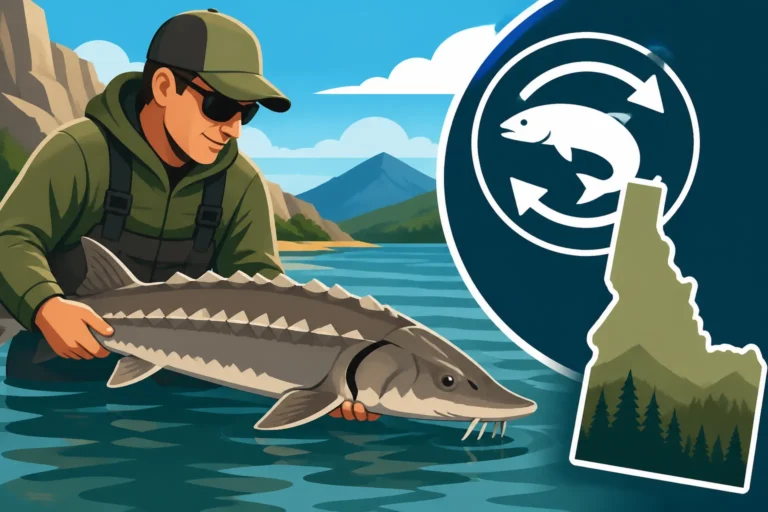
- Sturgeon: While most Sturgeon fishing in Idaho is strictly catch-and-release, it still requires a valid fishing license and sometimes a specific Sturgeon Harvest Report Card or tag. While there isn't a separate "Sturgeon permit" to purchase like for Steelhead, you must understand the Idaho Sturgeon Fishing Rules which mandate barbless hooks and keeping the fish in the water.
- Two-Rod Validation: For those who like to maximize their chances, Idaho offers a two-rod validation. This allows you to legally fish with two separate fishing rods simultaneously. This is an optional add-on that many anglers find useful, particularly when fishing still waters like reservoirs for different species or trying various depths. It's an extra cost but can significantly enhance your fishing experience.
For nonresidents, these additional permits can add another significant chunk to the overall cost, so factor them into your budget. For example, the Idaho Salmon and Steelhead Permit Cost is a separate fee on top of your annual license.
What the Annual License Doesn't Cover
While comprehensive, your Idaho Nonresident Annual Fishing License doesn't grant you carte blanche everywhere. It's crucial to understand its limitations:
- Yellowstone National Park: Fishing within the boundaries of Yellowstone National Park requires a separate Yellowstone fishing permit, which is managed by the National Park Service, not Idaho Fish and Game. An Idaho license is absolutely not valid there.
- Tribal Lands: Fishing on tribal lands or within tribal reservations may require permits issued by the respective tribal authorities. Always research and respect tribal regulations before fishing in these areas.
- Private Ponds/Lakes: If you're fishing on wholly private property that doesn't connect to public waters, a state fishing license might not be required by the state. However, you'd definitely need permission from the landowner. When in doubt, it’s always better to err on the side of caution and check local rules or simply assume your state license is generally for public waters.
- Special Regulation Waters: While your license is valid, some specific waters have unique rules that supersede general statewide regulations. These might include reduced bag limits, bait restrictions, or even catch-and-release only sections. Always check the Idaho Special Regulation Waters in the current fishing proclamation before heading out. Your license is valid there, but the rules are different.
How to Purchase Your Nonresident Annual License
The process of buying an Idaho fishing license, even for nonresidents, has become remarkably user-friendly over the years. Gone are the days of needing to mail in applications and wait weeks for a physical license. Now, convenience is king, allowing you to secure your angling privileges with ease, whether you're at home planning your trip or already in the Gem State.
Online Purchase Process
For most out-of-state anglers, the most straightforward and popular method is purchasing online directly through the Idaho Department of Fish and Game (IDFG) website. It's a secure platform available 24/7, meaning you can buy your license from the comfort of your couch at any time.
Here's a typical step-by-step breakdown:
- Visit the Official IDFG Licensing Site: Navigate to the Idaho Fish and Game website and look for the "Licenses & Permits" section.
- Create an Account or Log In: If you've purchased an Idaho license before, you can log in with your existing customer ID. New users will need to create a profile, providing basic personal information such as your name, address, date of birth, and driver's license number. This helps establish your nonresident status.
- Select License Type: Choose "Fishing," then specifically select "Nonresident Annual Fishing License." At this point, you'll also have the option to add any necessary permits, like the Idaho Salmon and Steelhead Permit or the two-rod validation. It’s crucial to select all the permits you need before finalizing your purchase to avoid having to go back and complete a separate transaction.
- Review and Pay: Double-check your selections, ensuring all information is correct. The system will calculate the total cost, including the base license, any permits, and the Access/Depredation Fee. You'll pay using a credit or debit card.
- Print Your License: Once the transaction is complete, you'll receive a confirmation email, and often, a temporary license will be immediately available for download and printing. You are required to have proof of your license while fishing. While a physical copy is ideal, many anglers now use digital copies on their smartphones, but remember that cell service can be spotty in remote Idaho locations. Having a printed backup is always a smart move. Our guide on How to Buy an Idaho Fishing License Online offers an even more granular breakdown.
In-Person Retailers and Licensing Agents
While online is convenient, sometimes you're already in Idaho, or you just prefer the personal touch. Thankfully, you can purchase your Nonresident Annual Fishing License at hundreds of licensed vendors across the state. These include:
- Sporting Goods Stores: Major retailers like Cabela's and local sporting goods shops are prime locations. They often have knowledgeable staff who can answer questions about regulations or local fishing spots.
- Convenience Stores and Gas Stations: Many smaller businesses, especially in towns near popular fishing destinations, are authorized IDFG license vendors. Look for signs indicating "Idaho Fish and Game Licenses Sold Here."
- IDFG Regional Offices: If you're near one, visiting an official Idaho Fish and Game regional office is another reliable option.
When purchasing in person, be prepared to present a valid form of identification, typically your state driver's license or passport. This verifies your identity and nonresident status. The agent will input your information, process your payment, and print out your license and any associated permits or tags, like the Idaho Catch Record Card Requirements. This is also an excellent opportunity to pick up a physical copy of the current Idaho Fishing Regulation Brochure and Proclamation, which is invaluable for understanding specific rules. For a comprehensive list of places, check out Where to Buy an Idaho Fishing License.
What Documentation You'll Need
Regardless of whether you buy online or in person, having the correct documentation ready will make the process smooth and quick.
- Valid Photo Identification: Your current state driver's license or a government-issued ID is standard. If you're an international visitor, your passport will serve this purpose. This is used to confirm your identity and that you are indeed a nonresident.
- Personal Information: You'll need to provide your full legal name, current residential address (outside of Idaho), date of birth, height, weight, and eye color. This information is standard for official documentation and helps create your unique customer profile within the IDFG system.
- Previous License Information (if applicable): If you've purchased an Idaho fishing license before, having your customer ID number or even a previous year's license can speed up the process, as your information will already be in the system.
Having these details on hand prevents delays and ensures your license is issued correctly, getting you out on the water faster.
Important Rules and Regulations for Nonresidents
Getting your license is just the first step. To ensure a legal and ethical fishing experience, nonresidents must also familiarize themselves with Idaho's extensive fishing regulations. These rules are in place to protect Idaho's precious fish populations and ensure sustainable angling for everyone. Ignoring them, even unintentionally, can lead to hefty fines or loss of fishing privileges.
Understanding Idaho's Fishing Seasons and Limits
Idaho's fishing regulations are not a one-size-fits-all decree. They are dynamic, varying by water body, fish species, and even time of year. While there are statewide general rules for many species, countless lakes and rivers operate under special regulations to protect vulnerable populations or enhance specific fisheries.
- General Statewide Rules: For many common species like panfish, bass, and general trout fishing, there are often statewide daily bag limits and possession limits. For instance, the daily bag limit for trout on most general waters might be six. You can find comprehensive details in the Idaho Fishing Regulations Explained guide.
- Species-Specific Regulations: Targeting species like Steelhead, Chinook Salmon, or Kokanee requires careful attention to specific season dates and limits, which can be quite restrictive. Steelhead seasons, for example, are usually delineated by river section and specific dates, often with complex bag limits distinguishing between hatchery and wild fish. The Idaho Steelhead Bag Limits can change, so always check the current proclamation.
- Water Body Specific Regulations: A particular section of the Snake River might have different rules than Lake Coeur d'Alene or a high mountain lake in the Sawtooths. Always consult the official Idaho Fishing Seasons and Rules brochure, published annually by IDFG, or check the website for specific water body regulations. This brochure is an absolute must-read for any angler. You can also explore our guide on Idaho Fishing Season Dates and Limits for a broad overview.
Catch-and-Release vs. Keeping Fish
The decision to keep or release a fish is often dictated by species, regulation, and personal ethics. Idaho has clear rules, especially for protected species or in special management areas.
- Wild vs. Hatchery Fish: This distinction is critical, particularly for Steelhead and Chinook Salmon. Hatchery fish often have a clipped adipose fin (the small, fleshy fin on their back between the dorsal and tail fins). Wild fish, with intact adipose fins, are typically protected and must be immediately released unharmed. Keeping a wild Steelhead can result in significant penalties. Learning How to Tell a Hatchery Steelhead from a Wild One in Idaho is an essential skill for any Steelhead angler.
- Catch-and-Release Only Waters: Some premier fisheries, or specific sections of rivers, are designated as catch-and-release only to protect trophy fish or vulnerable populations. For instance, much of the Sturgeon fishing on the Snake River is strictly catch-and-release, often with rules against even removing the fish from the water. Refer to the Idaho Catch-and-Release Sturgeon Rules for specifics.
- Barbless Hooks: In many catch-and-release or sensitive waters, barbless hooks are mandatory. This minimizes harm to fish, increasing their chances of survival after release. Always check if barbless hooks are required for your target water and species. Our guide on Idaho Barbless Hook Requirements can offer more insight.
Steelhead and Salmon Tagging Requirements
If you're among the many nonresidents who come to Idaho specifically for its world-class Steelhead and Salmon fishing, understanding the tagging requirements is paramount. This isn't just a suggestion; it's a critical component of conservation and data collection.
- Catch Record Card: When you purchase your Idaho Salmon and Steelhead Permit, you will receive a physical Catch Record Card. This card is legally required to be in your possession while fishing for these species.
- Immediate Tagging: The moment you catch a Steelhead or Chinook Salmon that you intend to keep and it meets the legal size and hatchery fin-clip requirements, you must immediately record the catch on your card. This includes the date, location, and species. You also need to punch out or notch the corresponding space on the card. Failure to immediately validate your catch is a violation.
- Reporting: At the end of the season, or if you fill your card, you are required to report your catch information to IDFG, even if you didn't catch any fish. This data is vital for biologists to manage future seasons and understand fish populations. Our guide on How to Fill Out an Idaho Steelhead Catch Record Card provides detailed instructions. This system ensures that harvest limits are adhered to and provides crucial data for management.
Maximizing Your Annual Nonresident License
An annual license isn't just about avoiding legal trouble; it's about unlocking a full year of potential fishing adventures across one of the most picturesque states in the country. For the nonresident angler, it's an invitation to explore deeply and experience the full breadth of Idaho's aquatic offerings.
Planning Multiple Trips Throughout the Year
One of the greatest advantages of an annual nonresident license is the freedom it provides for repeat visits. Instead of thinking of Idaho as a one-off destination, you can consider it a year-round playground for different species and experiences.
- Spring: Think vibrant trout fishing in freestone rivers like the St. Joe or the South Fork of the Snake River as waters begin to warm and hatches start. Many lakes also experience excellent post-ice-out fishing for kokanee and trout.
- Summer: This is prime time for high mountain lake excursions, often requiring a scenic hike into the Sawtooths, where you can find eager cutthroat trout. Bass fishing on reservoirs like Lake Lowell or C.J. Strike Reservoir also heats up considerably.
- Fall: The crisp autumn air signals the arrival of fall Steelhead runs on iconic rivers like the Clearwater and Salmon. This is also a fantastic time for trophy rainbow trout on Lake Pend Oreille.
- Winter: For the hardy angler, winter offers unique opportunities for ice fishing on frozen lakes like Payette Lake or Priest Lake, targeting perch, trout, or even tiger muskie. Certain river sections also remain open for Steelhead fishing throughout the colder months.
By having an annual license, you're not constrained to a single season or target species. This allows for a much richer and more varied Idaho fishing experience. To help with this, consider looking into guides like Best Time of Year to Fish in Idaho or Idaho Fishing Season Calendar.
Exploring Diverse Idaho Waters
Idaho's landscape is incredibly varied, and so are its fisheries. From vast, deep lakes to meandering spring creeks, swift-flowing rivers to tranquil ponds, your annual license allows you to sample them all.
- Northern Idaho's Lakes: Lake Coeur d'Alene, Priest Lake, and Lake Pend Oreille offer trophy fisheries for Chinook Salmon, Kokanee, and massive Lake Trout (Mackinaw). Each lake has unique characteristics and offers different challenges. Imagine trolling the depths of Priest Lake for a giant Mackinaw one trip, and then the next, focusing on the panfish of a smaller, more accessible lake.
- Central Idaho's Rivers: The Salmon River, Clearwater River, and Henry's Fork are world-renowned. The Salmon and Clearwater are Steelhead meccas, while the Henry's Fork is legendary among fly anglers for its challenging, selective trout. Your annual license is your ticket to explore different sections and techniques.
- Southern Idaho's Reservoirs and Rivers: The Snake River offers incredible opportunities for smallmouth bass and the ancient White Sturgeon. Reservoirs like Cascade Reservoir and Anderson Ranch Reservoir provide diverse fishing for species from perch to tiger muskie. Don't forget the numerous small ponds around urban centers that are regularly stocked by IDFG, perfect for a quick evening session. Each body of water requires a slightly different approach, and the annual license empowers you to learn and adapt.
Pairing with Other Permits for a Complete Experience
To truly maximize your nonresident annual license, think about what additional endorsements or permits would complement your fishing goals. This foresight can transform a good fishing trip into an unforgettable one.
- Steelhead and Salmon Permit: As discussed, this is non-negotiable for targeting these anadromous species. If you're coming to Idaho primarily for them, ensure this is added to your license. It opens up opportunities on the Clearwater, Salmon, and Snake rivers.
- Two-Rod Validation: If you're fishing still waters, especially for species like perch, crappie, or trout in lakes and reservoirs, the two-rod validation can significantly increase your catch rate and enjoyment. It's a small additional cost for double the chances.
- Special Tags: While less common for general fishing, some specific conservation efforts or trophy opportunities might require unique tags. Always check the current regulations for any niche species or areas you might be interested in.
- Gear Considerations: With an annual license, you might find yourself investing in more species-specific gear. For instance, if you're hitting the rivers for Steelhead multiple times a year, you might eventually upgrade your rod and reel. Websites like Amazon are excellent resources for finding reviews and competitive pricing on everything from specialized Steelhead rods to tackle boxes, waders, and rain gear that will serve you well through all seasons. Don't forget essentials like quality polarized sunglasses and a good fishing vest, also easily found on Amazon, to enhance any trip.
By thinking ahead and combining your annual license with the right permits and gear, you're not just buying a piece of paper; you're investing in a year of diverse, rewarding Idaho fishing adventures.
Disclaimer
Please note that fishing regulations in Idaho can change. While every effort has been made to provide accurate and up-to-date information in this guide, it is ultimately the angler's responsibility to consult the official Idaho Department of Fish and Game (IDFG) website and the current year's Idaho Fishing Seasons and Rules brochure before heading out on the water. These official resources provide the definitive and most current information regarding licenses, permits, seasons, and bag limits.