Difference Between a Bull Trout and a Lake Trout
One common frustration many anglers face in Idaho is correctly identifying the fish they've hooked, especially when two species share similar names or general appearances. Among the many trout and char species swimming in our waters, the Bull Trout and the Lake Trout are two that often get confused, leading to potential regulatory violations or simply missed opportunities. This comprehensive guide aims to clear up that confusion once and for all, providing you with the essential differences, identification tips, and crucial regulatory insights specific to these fascinating fish in Idaho.
Understanding the Elusive Bull Trout in Idaho
The Bull Trout ( Salvelinus confluentus) is a truly special fish in Idaho, a native char that holds significant cultural and ecological importance. Unfortunately, they are also a species of concern, which means strict regulations govern how we interact with them. It’s absolutely vital for every angler to know how to identify a Bull Trout, not just for the thrill of seeing one, but to ensure their continued protection.
Physical Characteristics and Identification
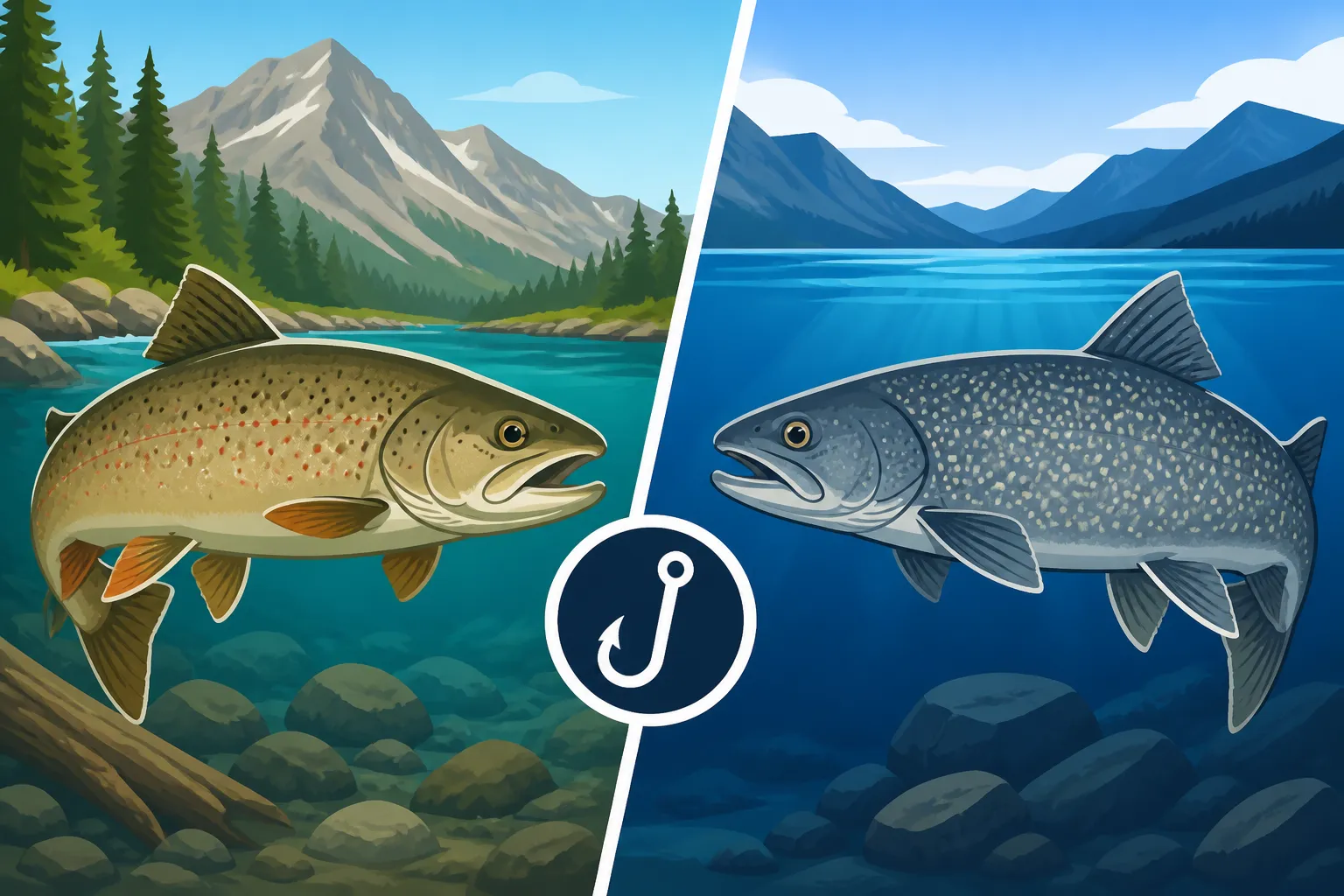
When you first lay eyes on a Bull Trout, you might notice a few things that immediately set it apart. Unlike many trout, which have dark spots on a lighter body, Bull Trout typically display light spots—ranging from yellow to orange or even red—on a darker olive-green to brown body. Their backs often have a mottled, marbled look, blending beautifully with the river or lakebed. The lower fins (pectoral, pelvic, and anal) often have a white leading edge, often followed by a black stripe, and then the orange or reddish coloration. Their heads are notably large and broad, with a powerful jaw that extends well beyond the eye. This big head is a key characteristic, giving them their "bull" moniker.
Juvenile Bull Trout can be a bit trickier, often exhibiting dark, vertical markings called parr marks along their sides, which fade as they mature. The dorsal fin lacks the pronounced spotting seen on many other trout. They can grow quite large, especially in prime habitats, but typically they're not the behemoths that some Lake Trout become. Knowing these subtle yet critical details can make all the difference when you're on the water.
Habitat, Diet, and Behavior of Idaho Bull Trout
Bull Trout are cold-water specialists, preferring the pristine, clear, and very cold waters of Idaho's rivers, streams, and high-elevation lakes. They need consistently cold temperatures, usually below 59°F (15°C), to thrive. This means you'll find them in the headwaters and tributaries of major river systems like the Salmon, Clearwater, and Snake Rivers, especially in areas with complex cover like deep pools, log jams, and undercut banks. They are often found in mountainous regions such as the Sawtooths and the Selkirks in northern Idaho, areas where cold, clean water is still abundant.
These char are opportunistic predators, often sitting in ambush points, ready to dart out and devour smaller fish, insects, and even mice or other small mammals that fall into the water. As they grow, their diet shifts heavily towards other fish, making them an apex predator in their native habitats. Their preference for live prey means that fly anglers often use large streamers, while spin anglers might opt for spoons or plugs that imitate baitfish. When fishing in areas known to hold Bull Trout, using artificial lures that mimic smaller fish can be quite effective, but remember, if you catch one, it's all about safe release.
Regulatory Status and Angler Responsibility
Here's the most crucial distinction: Bull Trout are a federally protected species and are listed under the Endangered Species Act in the lower 48 states. This means that in Idaho, it is illegal to intentionally fish for or retain Bull Trout. They are strictly a catch-and-release species. Anglers who accidentally catch a Bull Trout must release it immediately, with as little harm as possible. This is why proper identification is not just a suggestion; it's a legal requirement and an ethical imperative. Ignoring these rules can lead to significant fines and penalties.
To help protect these magnificent fish, practices such as using barbless hooks are highly recommended, especially when fishing in known Bull Trout waters. Minimizing handling, keeping the fish in the water, and releasing it quickly are all critical steps. Understanding What Idaho's Bull Trout Protections Mean for Anglers is vital, and knowing Are Bull Trout Protected in Idaho? and Can You Keep a Bull Trout in Idaho? clarifies the strict catch-and-release rules. The Idaho Fish and Game department provides excellent resources on How to Avoid Accidentally Catching Bull Trout, which often involves adjusting your gear or fishing techniques to target other species while still being prepared for an accidental encounter.
Exploring the Mighty Lake Trout (Mackinaw) in Idaho
On the other side of the coin, we have the Lake Trout, often affectionately called "Mackinaw" by Idaho anglers. While also a char, Lake Trout have a very different story in Idaho's waters. They are often found in much larger, deeper lakes and reservoirs, and while they can be native in some northern regions, they have also been introduced to many Idaho waters where they thrive.
Physical Characteristics and Identification
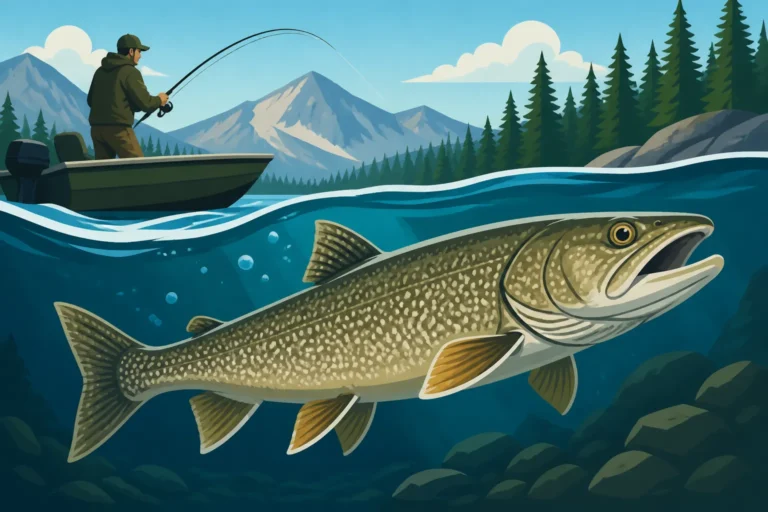
Lake Trout ( Salvelinus namaycush) share the char family traits of light spots on a darker body, but there are clear differences from a Bull Trout. Their spots are typically white, gray, or yellowish, smaller and more numerous than those on a Bull Trout, and they extend onto the dorsal and caudal (tail) fins. The tail fin of a Lake Trout is noticeably deeply forked, a characteristic not shared by Bull Trout. Their body shape tends to be more torpedo-like, especially in larger specimens, designed for cruising open water. While they also have a relatively large head, it doesn't usually have the same "bull-like" bluntness as a Bull Trout.
Coloration can vary greatly depending on their habitat and diet, ranging from pale gray or greenish-gray to dark brown, often with lighter undersides. They typically lack the vibrant orange or red coloration on their lower fins that Bull Trout often display. The absence of that distinct white-black-orange/red fin pattern is a good indicator you're not looking at a Bull Trout. They also tend to grow significantly larger than Bull Trout, often reaching impressive sizes, especially in lakes like Priest Lake and Lake Pend Oreille. You can learn more about Idaho Lake Trout (Mackinaw) Fishing to get a better sense of these magnificent fish.
Habitat, Diet, and Fishing Techniques for Lake Trout
Lake Trout, as their name suggests, are primarily residents of large, deep, cold lakes and reservoirs. They require well-oxygenated, cold water, but they are less sensitive to temperature fluctuations than Bull Trout. In Idaho, you'll find them in prominent fisheries like Priest Lake, Lake Pend Oreille, and Payette Lake. These fish are masters of the deep, often holding in significant depths during warmer months, sometimes over a hundred feet down.
Like Bull Trout, Lake Trout are formidable predators. Their diet consists mainly of smaller fish such as kokanee, whitefish, and perch. They are highly predatory and can impact populations of other fish, which is why in some waters, anglers are encouraged to harvest them. The larger they get, the more prominent their piscivorous diet becomes.
Fishing for Lake Trout often involves specialized techniques. Given their deep-water habits, trolling with downriggers is a very popular and effective method. Large spoons, plugs, or baitfish imitations are commonly used. Jigging heavy lures vertically over deep structure can also be productive. When targeting them, you'll often need robust gear. A good quality trolling rod and reel, strong braided line, and a variety of deep-diving lures or heavy jigs are essential. You can find a fantastic selection of these specialized items on Amazon, from heavy-duty downrigger setups to durable deep-diving crankbaits that can handle these powerful fish. Understanding How Big Do Lake Trout Get at Priest Lake gives you an idea of the kind of tackle you might need to land a true Idaho monster.
Key Differences and Why They Matter to Idaho Anglers
The differences between Bull Trout and Lake Trout go beyond just their appearance; they are ecologically distinct and, critically, have very different regulatory statuses in Idaho. Misidentification can lead to serious consequences, not just for the angler but, more importantly, for the vulnerable Bull Trout population.
A Side-by-Side Comparison
To make the distinction clearer, here's a table summarizing the primary differences between these two char species:
| Feature | Bull Trout (Salvelinus confluentus) | Lake Trout (Salvelinus namaycush) |
|---|---|---|
| Spots | Light (yellow, orange, red) on dark body, few spots on dorsal fin. | Light (white, gray, yellowish) on dark body, spots on dorsal & caudal fins. |
| Tail Fin | Slightly forked to square, not deeply forked. | Distinctly and deeply forked. |
| Head Shape | Large, broad, often blunt; jaw extends past eye. | Large but more tapered; jaw typically doesn't extend as far past eye. |
| Lower Fins | Often have white leading edge, then black, then orange/red. | Lack the distinct white-black-orange/red pattern. |
| Coloration | Olive-green to brown, often mottled; sometimes vibrant colors. | Gray to greenish-gray or dark brown, generally less vibrant. |
| Size | Typically smaller, though can reach respectable sizes. | Can grow to very large sizes, often much bigger than Bull Trout. |
| Primary Habitat | Cold, clear mountain streams, rivers, and high-elevation lakes. | Large, deep, cold lakes and reservoirs. |
| Regulatory Status (Idaho) | Federally Protected (Endangered Species Act). Catch-and-release ONLY, illegal to retain. | General game fish. Regulations vary by water, often allowed for harvest. |
| Native Status in Idaho | Native throughout much of its range in Idaho. | Native to parts of North Idaho; introduced elsewhere. |
This table provides a quick reference, but remember, fish can vary, and environmental factors can influence their appearance. Always err on the side of caution if you're unsure.
The Importance of Correct Identification for Anglers
For Idaho anglers, knowing the difference isn't just academic; it's fundamental to responsible fishing. Mistaking a Bull Trout for a Lake Trout and accidentally retaining it can result in legal trouble, and more importantly, it can harm a vulnerable population. Given their protected status, any accidental catch of a Bull Trout must be handled with the utmost care, ensuring minimal stress and immediate release. This practice directly supports the conservation efforts for Idaho's State Fish Explained, the Westslope Cutthroat, and other native species.
Conversely, for Lake Trout, the regulations often encourage harvest in some waters to help balance the ecosystem, especially where they were introduced and might compete with native species. Always check the current Idaho Fish and Game regulations for the specific body of water you're fishing. These regulations are detailed in resources like the Idaho Fishing Regulations Explained brochure, which covers everything from catch limits to specific tackle restrictions. For example, some areas might have Idaho Trout Limits by Water that differ for various species, further underscoring the need for accurate identification.
Fishing Responsibly for Trout and Char in Idaho
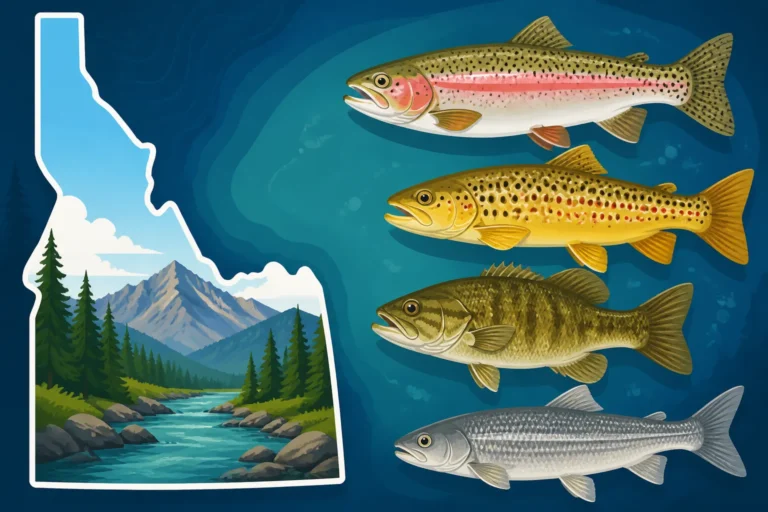
Fishing in Idaho offers incredible opportunities to encounter a diverse range of fish species. From the high mountain lakes where you might find native Cutthroat Trout to the deep, cold waters of Lake Pend Oreille that hold monster Lake Trout, each trip is an adventure. But with great fishing comes great responsibility, especially when dealing with protected species like the Bull Trout.
Gear and Technique Considerations
When you're out on the water, consider how your gear and techniques might influence your chances of encountering either Bull Trout or Lake Trout, and how you can be prepared for each. For deep-water Lake Trout, as mentioned, heavy trolling gear and downriggers are your friends. If you're looking for quality options, Amazon is a great place to research and buy everything from heavy swivels and lead weights to specialized trolling spoons from brands like Yakima Bait or Luhr Jensen, known for their effectiveness on Mackinaw.
For Bull Trout, if you're fishing in their native river or stream habitats for other species (like Rainbow Trout or Cutthroat), using artificial lures that are less likely to be swallowed deep can reduce harm in case of an accidental Bull Trout hook-up. Barbless hooks, as discussed, are a key tool in this effort. Light-to-medium action rods with sensitive tips are often preferred for trout fishing in general, allowing you to feel subtle bites and better control the fish during a fight, minimizing stress if it's a Bull Trout that needs to be released quickly. If you are specifically targeting other species in Bull Trout water, consider checking the Idaho Fishing Techniques Guide to refine your approach.
Conservation and the Future of Idaho Fishing
The commitment to conservation by Idaho anglers is what ensures the future of our incredible fisheries. Understanding the subtle distinctions between species like Bull Trout and Lake Trout is a testament to that commitment. It’s about respecting the environment, adhering to regulations, and doing our part to protect native populations. By familiarizing yourself with Native vs Introduced Fish Species in Idaho you gain a broader appreciation for the ecological balance that Idaho Fish and Game works so hard to maintain.
Every time you cast a line in Idaho, you become part of this ongoing story. Being informed, being prepared, and being responsible ensures that the next generation of anglers will also have the chance to experience the thrill of the catch, and the beauty of Idaho’s wild fish. Whether you're chasing after a giant Mackinaw or carefully releasing a rare Bull Trout, the knowledge you gain from distinguishing these fish enhances your overall experience and contributes to the health of our waters.
Disclaimer
This article is for general informational purposes only and does not constitute professional advice. Laws, prices and regulations vary by location and change over time. Consult a qualified professional for guidance on your specific situation.