Best Fish to Catch in Idaho
Idaho offers an astonishing variety of fishing opportunities, but with so many incredible species swimming in our rivers, lakes, and reservoirs, it can feel a bit overwhelming trying to decide what to target. Are you dreaming of a trophy fish, a delicious meal, or a peaceful day catching panfish with the family? This comprehensive guide will help you understand the best fish to catch in Idaho, tailored to your angling goals and preferences, so you can plan your next memorable outing.
Understanding Idaho's Diverse Fishery
Idaho is truly an angler's paradise, boasting an incredible array of fish species that thrive in its diverse aquatic environments. From crystal-clear mountain streams to vast, deep lakes and powerful rivers, each habitat offers a unique challenge and reward. This rich tapestry of fish life isn't just by chance; it's a mix of native species that have called Idaho home for millennia and successful introductions that have broadened our fishing horizons.
Native vs. Introduced Species
When we talk about Idaho's fish, it’s important to distinguish between those that are indigenous to our waters and those that have been introduced, sometimes intentionally, sometimes not. Our native fish, like the Westslope and Yellowstone cutthroat trout, certain bull trout populations, and the majestic white sturgeon, are integral to Idaho's natural heritage. They often have specific habitat requirements and play critical roles in their ecosystems. Fishing for these species often comes with more stringent regulations, like catch-and-release rules or specific gear restrictions, designed to protect their populations. It’s a privilege to pursue them, and it comes with a responsibility to understand and respect their conservation needs.
On the other hand, many popular game fish in Idaho were introduced over the decades to enhance angling opportunities. Rainbow trout, brown trout, brook trout, smallmouth and largemouth bass, yellow perch, crappie, and even kokanee salmon are all examples of introduced species that have found a happy home here. These introductions have created some truly phenomenal fisheries, giving anglers a wider variety of targets and contributing significantly to Idaho's reputation as a top fishing destination. Understanding which fish are native and which are introduced can often give you clues about their behavior, where they might be found, and what regulations apply.
General Categories of Fish in Idaho
To make sense of the sheer volume of fish species available, it helps to group them into a few common categories. This isn't a scientific breakdown, but more of a practical guide for anglers thinking about what they want to catch.
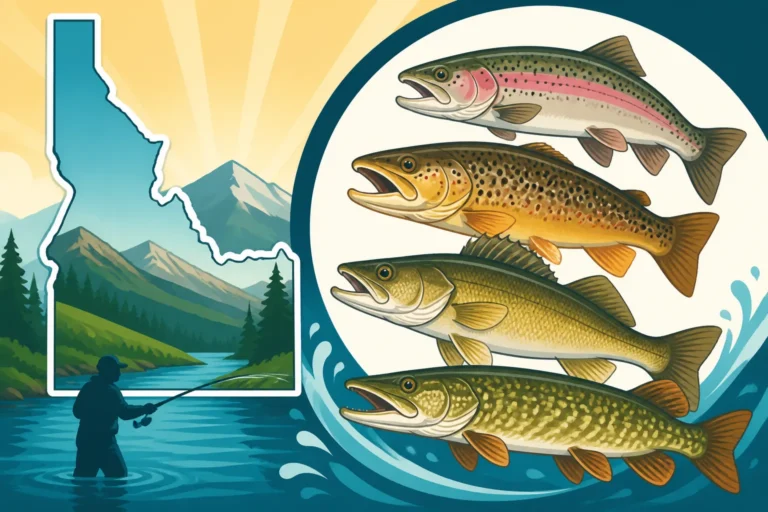
First, you have the Trout Family, which is perhaps the most iconic group in Idaho. This includes rainbow trout, various subspecies of cutthroat trout, brown trout, brook trout, and lake trout (mackinaw). These fish generally prefer colder, cleaner waters and offer fantastic sport, often in incredibly scenic locations.
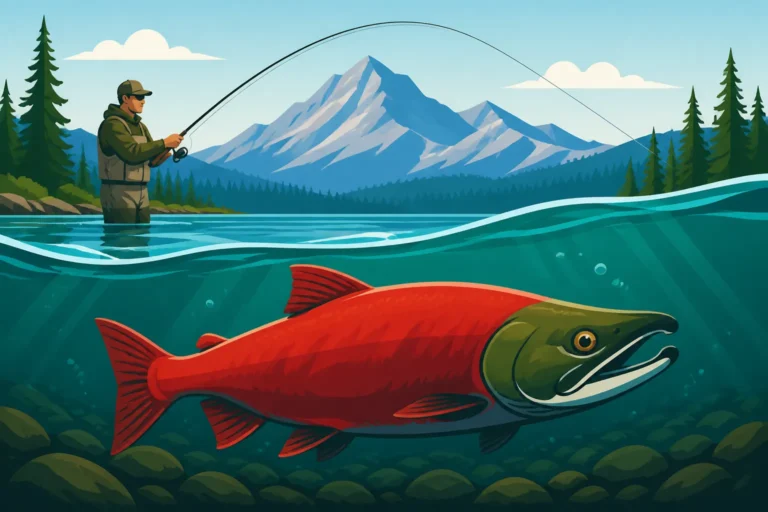
Next are the Anadromous Species, primarily salmon and steelhead. These are fish that spend part of their lives in the ocean and return to freshwater to spawn. In Idaho, this primarily means steelhead (sea-run rainbow trout) and Chinook salmon, which embark on incredible journeys up the Columbia and Snake River systems into our interior rivers. We also have landlocked sockeye salmon, known as kokanee, in many of our large lakes and reservoirs.
Then there are the Warmwater Species, which thrive in lakes, reservoirs, and slower river sections that heat up during the summer. This group includes smallmouth bass, largemouth bass, crappie, yellow perch, bluegill, and channel catfish. These fish provide excellent opportunities for family-friendly fishing and often offer delicious table fare.
Finally, we have some truly Unique or Specialty Species that offer distinctive angling experiences. The most prominent of these is the white sturgeon, an ancient, enormous fish found in the Snake River. We also have species like tiger muskie in certain reservoirs and mountain whitefish in cold rivers. Each of these offers a unique challenge and thrill, often requiring specialized techniques and a lot of patience.
Why Diversity Matters to Anglers
This incredible diversity of fish isn't just a biological curiosity; it’s what makes Idaho fishing so special and appealing to such a wide range of anglers. If you're a seasoned fly fisherman looking for a technical challenge, you can seek out native cutthroat trout in high mountain streams or selective rainbow trout on the Henry's Fork. If you're a family with young kids looking to introduce them to fishing, abundant stocked rainbow trout in urban ponds or plentiful perch and crappie in reservoirs offer instant action and smiles.
For those who dream of a true trophy, Idaho has the potential for massive lake trout in Priest Lake, record-breaking rainbow trout in Lake Pend Oreille, or colossal white sturgeon in the Snake River. If you're looking for a powerful fight, steelhead and Chinook salmon runs provide heart-stopping action, while smallmouth bass are known for their feisty acrobatics. This means that no matter your skill level, your preferred fishing method, or what you hope to gain from your day on the water, Idaho has a fish to match your ambition. It’s why so many of us fall in love with angling here – there’s always something new to learn, a different challenge to tackle, or a fresh culinary experience to discover.
The Crown Jewels: Idaho's Trout Species
When many people think of fishing in Idaho, their minds immediately conjure images of trout. And for good reason! Idaho is a trout angler's dream, offering several species that range from easily accessible pan-sized fish to elusive, wild trophies in stunning backcountry settings. Each species brings its own unique charm, challenge, and preferred habitat.
Rainbow Trout
Rainbow trout are undoubtedly one of the most popular and widespread game fish in Idaho. Their popularity stems from several factors: they're beautiful, spirited fighters, readily take a variety of baits and lures, and are stocked extensively throughout the state, making them accessible to anglers of all skill levels. From tiny mountain creeks to large reservoirs and world-famous rivers, rainbows can be found almost everywhere there's cold, clean water.
You'll encounter two main types: stocked rainbows and wild rainbows. Stocked fish, often raised in hatcheries, are regularly released into community ponds, lakes, and rivers, especially those close to population centers. These fish are usually eager biters, making them perfect for beginners and families. They provide consistent action and are often targeted for their delicious table fare. You can often find great opportunities for them at places like Lucky Peak Reservoir near Boise or countless smaller ponds managed for family fishing.
Wild rainbow trout, on the other hand, are a different beast entirely. These fish have developed their instincts in natural environments, making them warier and more challenging to catch. They often exhibit more vibrant colors and are prized for their powerful fights. Rivers like the Henry's Fork of the Snake River are renowned for their incredible populations of large, wild rainbow trout, drawing fly anglers from around the globe. Whether you're casting a simple worm under a bobber or delicately presenting a dry fly, chasing rainbow trout in Idaho is an experience every angler should have.
Cutthroat Trout
The cutthroat trout holds a special place in Idaho, being our official state fish. It's a truly native species, and catching one connects you directly to the wild heart of the Gem State. Idaho is home to two primary native subspecies: the Westslope cutthroat trout and the Yellowstone cutthroat trout. These fish are distinguished by the distinctive red or orange slash marks under their lower jaw, which gives them their name.
Westslope cutthroat trout are often found in the clear, cold waters of streams and rivers across northern and central Idaho, including the St. Joe River and the wild sections of the Salmon River. They tend to be smaller than their rainbow cousins but are incredibly beautiful and aggressive towards a fly or small lure. Pursuing Westslopes often means hiking into pristine wilderness areas, offering an immersive outdoor experience as much as a fishing trip. Their vibrant colors and willingness to rise to a dry fly make them a favorite among fly anglers. Westslope Cutthroat Trout in Idaho
Yellowstone cutthroat trout inhabit southeastern Idaho, particularly in the Snake River drainage upstream of Shoshone Falls and parts of the Teton River. These fish can grow larger than Westslopes and are known for their robustness. Fishing for Yellowstone cutthroats can be an exceptional experience, especially in the scenic high mountain lakes and tributaries where they thrive. Both subspecies are highly valued for their genetic purity and contribute significantly to Idaho's wild trout legacy. Catching a native cutthroat is not just about the fish; it's about the adventure into Idaho's untouched beauty. Idaho's State Fish Explained
Brown Trout and Brook Trout
While not native to Idaho, brown trout and brook trout have established healthy, often wild, populations in many of our waters, offering unique angling experiences for those seeking a different kind of trout.
Brown trout are famous for their elusiveness and their tendency to grow to impressive sizes, especially in larger rivers and reservoirs. They are often more nocturnal than rainbows and cutthroats, and can be notoriously wary, making them a challenge for even experienced anglers. However, hooking into a big brown trout, with its golden flanks and distinctive spots, is a truly rewarding experience. They prefer slightly warmer water than rainbow trout and can often be found holding in deeper pools or under cut banks. Rivers like the South Fork of the Snake River are well-known for their quality brown trout fisheries, offering excellent opportunities for both fly and spin anglers. Targeting them often requires a more patient and stealthy approach, using larger streamers or bait imitations. Idaho Brown Trout Fishing
Brook trout, recognizable by their worm-like markings (vermiculations) on their backs and vibrant red-orange fins, are beautiful but typically smaller trout. They thrive in small, cold mountain streams and high-elevation lakes. While they don't grow to huge sizes, they are incredibly aggressive and eager to strike, making them a fantastic target for a fun day of fishing, especially for younger anglers or those new to fly fishing. They are often found in secluded, picturesque locations, adding to the charm of catching these little gems. Be aware that in some areas, brook trout are considered an invasive species and bag limits may be liberal, or anglers might even be encouraged to keep all they catch. Their small size and delicious taste also make them excellent pan fry fish. Idaho Brook Trout Fishing
Lake Trout (Mackinaw)
For anglers seeking a true heavyweight fight and a potential trophy of a lifetime, the lake trout, often called Mackinaw, is an undeniable draw in Idaho. These are the largest char species found in the state and can grow to monstrous proportions, living for many decades in the deep, cold waters they inhabit.
Priest Lake in North Idaho is arguably the most famous destination for Mackinaw in Idaho. Here, anglers regularly pull out lake trout weighing in the double digits, with fish over 20 pounds being a realistic, albeit challenging, possibility. Lake Pend Oreille also holds a reputation for producing large lake trout. Catching these giants often requires specialized gear and techniques, primarily deep-water trolling with large spoons, plugs, or even downriggers to get your bait down to where these fish lurk. In winter, ice fishing for lake trout can also be very productive, jigging large baits or dead bait on the bottom. How Big Idaho's Lake Trout Can Grow
Lake trout are powerful fighters, especially when hooked in deep water, making long, sustained runs that test both angler and tackle. While not as universally sought after for table fare as rainbow trout, younger, smaller lake trout can be quite tasty. The real allure, however, is the sheer size and raw power of these ancient predators. Successfully landing a massive Mackinaw is an accomplishment that few anglers forget, solidifying its place as one of the ultimate trophy fish in Idaho.
Anadromous Adventures: Salmon and Steelhead
Idaho's anadromous fisheries – those involving fish that migrate from the ocean to spawn in freshwater – are some of the most exciting and challenging experiences an angler can have. Steelhead and Chinook salmon make epic journeys from the Pacific Ocean, navigating hundreds of miles of river systems to return to their natal streams in Idaho. This arduous migration makes them incredibly strong fighters and a highly prized catch.
Steelhead
Steelhead are, quite simply, sea-run rainbow trout. They spend one to three years growing to impressive sizes in the Pacific Ocean before returning to Idaho's rivers to spawn. This incredible journey imbues them with immense strength, stamina, and a fighting spirit that few other freshwater fish can match. Hooking into a steelhead often means an explosive battle, characterized by powerful runs, acrobatic leaps, and a relentless refusal to give up.
Idaho's prime steelhead rivers include the Clearwater River, the Salmon River, and the Little Salmon River. Anglers flock to these waters during the fall, winter, and spring seasons to intercept these magnificent fish. There are both "A-run" and "B-run" steelhead, generally referring to their size and the timing of their return, with B-run fish typically being larger and arriving later in the year. Idaho Steelhead Identification Guide
Targeting steelhead requires specialized techniques, including drift fishing with roe, jigs, or artificial baits; plug pulling; or fly fishing with large streamers and nymphs. Regardless of the method, success often comes down to persistence, reading the water, and understanding their migration patterns. Remember, wild steelhead are protected and must be released, while hatchery steelhead (identified by a clipped adipose fin) can often be retained within specific bag limits. This fishery is a true test of an angler's skill and dedication, offering unparalleled thrills for those willing to brave the often cold and challenging conditions. Idaho Steelhead Fishing Guide
Chinook Salmon
Chinook salmon, also known as King salmon, are another ocean-going species that return to Idaho, albeit in more limited numbers and with highly regulated seasons. These fish are true giants, often weighing over 20 pounds, and are renowned for their brute strength and delicious flavor. Their journey upstream is even more challenging than that of steelhead, making them an even rarer and more sought-after prize.
Historically, Chinook salmon runs were robust, but dam construction and other factors have significantly impacted their populations. Today, fishing for Chinook in Idaho is primarily focused on hatchery-reared fish, and seasons are carefully managed and often very short, sometimes lasting only a few weeks in specific river stretches. The main waters where anglers can pursue Chinook include parts of the Salmon River and the Clearwater River. Idaho Chinook Salmon Fishing Guide
Like steelhead, Chinook salmon require powerful tackle and specialized techniques. Back-trolling large plugs, bait fishing with cured roe, or casting heavy spoons are common methods. The sheer power of a Chinook salmon on the end of the line is legendary; they are relentless fighters that demand respect and a strong back. Due to their protected status and the importance of their spawning efforts, anglers must be extremely diligent in understanding and adhering to all current regulations, which can change frequently. Catching an Idaho Chinook is a rare and unforgettable accomplishment, a testament to the resilience of these incredible fish. Idaho Chinook Salmon Identification Guide
Kokanee Salmon
Often called "landlocked sockeye salmon," kokanee are a vibrant, silvery fish that provide an immensely popular and accessible fishery in many of Idaho's larger lakes and reservoirs. Unlike their ocean-going cousins, kokanee complete their entire life cycle in freshwater, often preferring deep, cold lake environments. They are beautiful fish, with bright red flesh that makes for excellent eating.
Kokanee are prolific spawners, and their populations can be quite robust, leading to generous bag limits in many waters. They are known for their schooling behavior, and once you find a school, you can often enjoy fast and furious action. Key kokanee fisheries in Idaho include Lake Coeur d'Alene, Dworshak Reservoir, Anderson Ranch Reservoir, and Payette Lake. Idaho Kokanee Fishing Guide
The most common and effective technique for kokanee is trolling. Anglers typically use downriggers or weighted lines to get small lures, dodgers, or wedding rings (often tipped with corn or maggots) down to the specific depths where schools are holding. Kokanee have soft mouths, so a delicate touch and a good net are essential for landing them. They put up a spirited fight for their size, and their sheer abundance makes them a fantastic target for a full day of consistent action, perfect for families or groups. How to Troll for Kokanee on Lake Coeur d'Alene
Warmwater Wonders: Bass and Panfish
While Idaho is famous for its coldwater trout and salmon fisheries, don't overlook the incredible opportunities to catch warmwater species. These fish thrive in the state's lakes, reservoirs, and slower river sections, offering fantastic angling, often closer to urban centers, and providing some truly delicious table fare.
Smallmouth Bass
If you're looking for a hard-fighting, aggressive fish that puts on an acrobatic show, the smallmouth bass is your ticket. These feisty fish are pound-for-pound one of the best fighters in freshwater, famous for their powerful runs and spectacular aerial leaps when hooked. They are easily recognizable by their bronze to olive-green coloring and the fact that the jaw doesn't extend past the back of the eye.
Smallmouth bass prefer rocky bottoms, current, and clear water, making them perfectly suited to many of Idaho's river systems and rocky lake shores. The Snake River, particularly its middle and lower sections, is a premier destination for smallmouth bass fishing, with healthy populations and the potential for true trophy fish. Other productive waters include C.J. Strike Reservoir and parts of the Clearwater River. Fishing the Snake River for Smallmouth Bass and Sturgeon
Anglers target smallmouth with a variety of lures, including crankbaits, spinnerbaits, jigs, soft plastics (like tubes and grubs), and topwater lures. Fly fishing for smallmouth can also be incredibly exciting, especially during warmer months when they readily strike poppers and streamers. They are active predators, often found near submerged structure, eddies, and current breaks. Catching smallmouth bass is an absolute blast, offering consistent action and a thrilling fight for anglers of all skill levels. They are also considered excellent eating.
Largemouth Bass
While perhaps less prevalent in Idaho's vast river systems than their smallmouth cousins, largemouth bass offer a different kind of challenge and excitement, primarily found in the state's warmer, weedier lakes and reservoirs. Known for their explosive strikes and powerful head shakes, largemouth bass are ambush predators, often hiding in thick cover.
You'll typically find largemouth bass in waters with abundant submerged vegetation, fallen trees, and docks. They prefer shallower, warmer waters than smallmouth, making them a common target in many smaller ponds and certain coves of larger reservoirs. Lake Lowell near Nampa, parts of the Snake River backwaters, and other slower-moving or impounded waters provide excellent largemouth opportunities.
Fishing for largemouth often involves techniques that allow you to probe heavy cover. This includes casting jigs, soft plastic worms, creature baits, and spinnerbaits directly into or around lily pads, reeds, and timber. Topwater lures, such as frogs and poppers, can also be incredibly exciting in low light conditions, eliciting heart-stopping blow-ups. While perhaps not as acrobatic as a smallmouth, a big largemouth bass pulls like a truck and provides a thrilling battle from start to finish. They are also a popular choice for the dinner table.
Crappie and Perch
For family-friendly fishing, consistent action, and delicious fillets, look no further than crappie and yellow perch. These panfish are abundant in many of Idaho's warmwater lakes and reservoirs and are a fantastic target for anglers of all ages, especially beginners.
Crappie are beautiful, silvery fish with distinct black spots or bars. They travel in schools and are known for their delicate bite. Once you locate a school, the action can be non-stop! They prefer submerged structure like brush piles, fallen trees, and dock pilings. Popular crappie destinations include C.J. Strike Reservoir, Lake Lowell, and Cascade Reservoir. Anglers typically target them with small jigs (often tipped with a minnow or crappie nibbler) fished under a bobber, or by slow-trolling small spinners. Crappie are renowned for their delicate, flaky white meat, making them a prime target for a fish fry. Idaho Crappie Fishing
Yellow Perch are another schooling panfish, easily identified by their distinctive vertical stripes and bright yellow-orange fins. Like crappie, they are incredibly prolific and offer fantastic opportunities for high-volume catches. Perch are often found in similar habitats to crappie, near submerged structure and weed lines, but can also be found in more open water. American Falls Reservoir and Cascade Reservoir are famous for their excellent perch fishing, especially through the ice in winter. Small jigs, grubs, and pieces of worm are all effective baits. Perch are another fantastic eating fish, often filleted and fried for a classic camp meal. Both crappie and perch are excellent choices for introducing kids to fishing due to their willing bites and the excitement of catching multiple fish.
Bluegill and Catfish
Completing our warmwater lineup are bluegill and channel catfish, two more species that offer accessible and enjoyable fishing throughout Idaho, particularly for those seeking quantity, a good fight, or excellent table fare.
Bluegill are the quintessential panfish – small, round, and incredibly eager to bite. They are perfect for teaching kids how to fish, as they will hit almost any small bait, from worms to crickets, often within minutes of casting. Bluegill thrive in ponds, slow-moving river sections, and the shallower, weedy areas of lakes and reservoirs. Look for them around lily pads, submerged logs, and docks. A simple setup with a small hook, a bit of worm, and a bobber is all you need for an afternoon of endless entertainment. While small, they are surprisingly feisty for their size and provide consistent action. They also make for tasty, albeit small, fillets. Idaho Bluegill Fishing
Channel Catfish are a different beast entirely. Known for their whisker-like barbels, sleek bodies, and powerful fights, catfish are primarily bottom-feeders that prefer warmer, often murkier waters. They can grow to significant sizes in Idaho, with fish well over ten pounds being common in productive waters. Places like C.J. Strike Reservoir, Brownlee Reservoir, and the Snake River are excellent for targeting channel cats. They are most active during the warmer months and into the evening or night. Anglers typically target them with strong tackle, using smelly baits like cut bait, chicken livers, or specialized stink baits fished on the bottom. Channel catfish are renowned for their strength and delicious, firm white meat, making them a favorite for many anglers who value both the fight and the feast. Idaho Channel Catfish Fishing
Idaho's Unique and Challenging Catches
Beyond the well-known trout, salmon, bass, and panfish, Idaho offers a few truly unique and challenging species that provide distinct angling experiences. These are often targeted by specialists or those looking for a truly memorable, one-of-a-kind encounter.
White Sturgeon
The white sturgeon is an ancient leviathan, a living dinosaur that plies the depths of the Snake River. These magnificent fish are the largest freshwater fish in North America and can live for over 100 years, growing to lengths of 10 feet or more and weighing hundreds of pounds. The sheer size and power of a white sturgeon make it one of Idaho's ultimate fishing challenges.
In Idaho, sturgeon fishing is strictly catch-and-release only, a critical measure to protect this vulnerable native species. Special regulations, such as mandatory barbless hooks and a prohibition on removing the fish from the water, are in place to ensure their survival after release. The focus is entirely on the incredible experience of hooking, fighting, and safely releasing one of these majestic creatures. Idaho Sturgeon Fishing Rules
The primary location for sturgeon fishing is the Snake River, particularly below dams where populations are concentrated. Anglers typically use heavy-duty tackle: stout rods, large reels spooled with strong braided line, and heavy weights to hold bait (often cut bait like pikeminnow or other coarse fish) on the bottom in strong currents. The fight with a large sturgeon can last for an hour or more, testing every muscle in your body and every inch of your gear. It's a truly humbling and exhilarating experience that every serious angler should consider. Many anglers opt to hire experienced sturgeon guides, which can greatly increase chances of success and ensure proper handling of these protected giants. Sturgeon Fishing Guides on the Snake River
Tiger Muskie
The tiger muskie is Idaho's apex predator, a stealthy, toothy hybrid fish that embodies the thrill of the chase. This sterile cross between a muskellunge and a northern pike is stocked in a very limited number of waters, primarily Cascade Reservoir, to help control unwanted fish populations and provide a unique trophy fishery. They are known for their incredibly aggressive strikes and powerful, violent fights.
Tiger muskie are ambush predators, often lurking in weed beds or near submerged structure, waiting for an unsuspecting meal to pass by. They have elongated, torpedo-shaped bodies and a mouth full of razor-sharp teeth, requiring stout leaders and specialized handling tools like long-nosed pliers and jaw spreaders. Idaho Tiger Muskie Fishing
Fishing for tiger muskie is often called "the fish of 10,000 casts" due to their elusive nature, but the reward of a successful hook-up is immense. Anglers typically use large, flashy lures like bucktail spinners, oversized crankbaits, or glide baits, casting them repeatedly into prime habitat. Trolling large plugs can also be effective. Cascade Reservoir has gained a strong reputation for its tiger muskie fishery, with anglers regularly catching fish over 40 inches. Successfully landing one of these striped giants is a badge of honor in the Idaho fishing community, representing a true dedication to the hunt. How to Catch Tiger Muskie at Cascade Reservoir
Mountain Whitefish
Often overlooked in the pursuit of more glamorous game fish, the mountain whitefish is a native Idaho species that provides excellent sport, particularly in coldwater rivers and streams. While not as flashy as a rainbow trout or as powerful as a steelhead, whitefish are plentiful, readily take a fly or bait, and offer surprisingly strong fights on light tackle.
Mountain whitefish are characterized by their silvery bodies, large scales, and a small, downward-facing mouth. They prefer clear, cold, oxygenated water, often found in the same rivers as trout, but typically holding in deeper runs and pools where the current isn't as strong. Rivers like the Boise River, Henry's Fork, and the Salmon River all hold good populations of whitefish. Idaho Mountain Whitefish Fishing
Anglers often catch whitefish while targeting trout, but they can also be specifically pursued. They are opportunistic feeders, taking nymphs, small wet flies, and tiny pieces of bait like worms or corn. On light spinning gear, small jigs or a tiny piece of worm drifted naturally through a run can be incredibly effective. While some anglers might scoff at them, whitefish put up a respectable fight, often making quick, darting runs and head shakes. Furthermore, they are excellent eating, with firm, white, flaky meat that is often smoked or pan-fried. For those looking for consistent action and a delicious meal from native waters, the mountain whitefish is a worthy target.
Choosing Your Idaho Fishing Adventure
With such a breathtaking array of fish species in Idaho, deciding what to target can feel like picking your favorite flavor at an ice cream shop – so many good options! The best approach is to consider what you're hoping for from your fishing trip. Are you after a thrilling fight, a tasty dinner, or a peaceful day with the kids?
Consider Skill Level
Your angling experience plays a huge role in choosing the "best" fish for you.
-
For Beginners and Families: If you're just starting out, or you're bringing young children, focus on species known for consistent action and ease of catching. Stocked rainbow trout in community ponds and smaller lakes are a fantastic choice, as they're eager biters and readily accessible. Bluegill, crappie, and yellow perch are also excellent options, providing plenty of bites and excitement. The goal here is fun and fostering a love for fishing, not necessarily a trophy. These species often require simple gear and techniques, making the learning curve gentle. Easiest Fish to Catch for Beginners
-
For Intermediate Anglers: If you've got some experience under your belt and are looking for a bit more of a challenge, consider targeting wild rainbow trout or cutthroat trout in rivers. Smallmouth bass also offer a fantastic, aggressive fight. These species might require a bit more skill in reading water, choosing the right lure or fly, and presenting it effectively. You'll likely need to expand your tackle box beyond the basics, and you can find a huge variety of specialized lures and gear on platforms like Amazon to help you out.
-
For Experienced and Advanced Anglers: If you live for the challenge, Idaho has plenty to offer. Pursuing steelhead or Chinook salmon during their limited seasons demands significant skill, perseverance, and often specialized equipment. Targeting large lake trout (Mackinaw) in deep, cold lakes or hunting for elusive tiger muskie requires patience and precise techniques. And, of course, the ultimate test of strength and technique is battling a massive white sturgeon on the Snake River, an experience that requires not just skill but also a deep respect for conservation.
Season and Location
The time of year and the specific body of water you choose are critical factors in determining what fish you'll encounter.
-
Spring: As the ice melts and rivers begin to swell with runoff, spring offers opportunities for trout as they become more active. Crappie and perch also begin to move into shallower waters for spawning, providing excellent pre-spawn fishing. This is also a key season for steelhead fishing in rivers like the Clearwater and Salmon. Spring Fishing in Idaho
-
Summer: Warmer months are prime time for warmwater species. Bass fishing is at its peak, and panfish like crappie, perch, and bluegill are abundant. High mountain lakes open up, offering incredible backcountry trout fishing for cutthroat and rainbow trout. Trolling for kokanee in large lakes like Lake Coeur d'Alene is also hugely popular. Summer Fishing in Idaho
-
Fall: Many anglers consider fall to be one of the best fishing seasons in Idaho. Trout become aggressive as they prepare for winter, and their colors are vibrant. Fall steelhead runs are strong, offering incredible river fishing. Smallmouth bass can also be very active, feeding heavily before cold weather sets in.
-
Winter: Don't put your rods away! Winter means ice fishing on many of Idaho's frozen lakes and reservoirs, targeting perch, crappie, and even lake trout. Steelhead fishing continues on open rivers, often in beautiful, snowy conditions. Winter Fishing in Idaho
Beyond the season, the specific location dictates the species. You won't find sturgeon in a mountain stream, nor will you likely find native cutthroat in a warm lowland reservoir. Researching your chosen spot is key. Are you heading to Fishing the Snake River for Smallmouth Bass and Sturgeon, or perhaps Fishing the Salmon River for Steelhead and Chinook? Knowing the primary species of a water body will help you prepare and set realistic expectations.
Gear and Techniques
The "best" fish for you might also depend on your preferred angling style.
-
Fly Fishing: If you love the art and challenge of fly casting, targeting trout (rainbow, cutthroat, brown) in rivers and streams is paramount. Species like whitefish also readily take flies. Steelhead can be caught on flies as well, offering a truly elite challenge. You'll find a wide range of fly rods, reels, and tying materials, from beginner sets to expert-level equipment, easily accessible online at retailers like Amazon.
-
Spin Fishing: For versatility, spin fishing is hard to beat. It's effective for nearly all species, from stocked trout and panfish to bass, kokanee (with trolling setups), and even steelhead. The accessibility of spin gear makes it a great choice for new anglers and seasoned pros alike. Need to stock up on new lures or a reliable spinning reel? Amazon has an extensive selection for every budget.
-
Bait Fishing: Often the simplest and most effective method for beginners, bait fishing with worms, corn, or powerbait is highly productive for stocked trout, panfish, and catfish. For species like sturgeon, bait fishing is the primary method, albeit with much heavier gear.
-
Trolling: For open-water species like kokanee, lake trout, and even some reservoir-dwelling rainbow trout, trolling is the most common technique. This involves slowly motoring a boat while dragging lures or bait at specific depths, often using specialized equipment like downriggers. Idaho Trolling Techniques Guide
Eating vs. Catch and Release
Finally, consider your ultimate goal for the fish you catch.
-
Best for Eating: If you're looking to fill the cooler, panfish like crappie, perch, and bluegill are excellent. Stocked rainbow trout, kokanee salmon, and channel catfish also provide delicious table fare. Always check current regulations for bag limits and size restrictions.
-
Best for Sport (Catch and Release): Many anglers primarily fish for the thrill of the catch and choose to release their fish. This is mandatory for protected species like white sturgeon and wild steelhead. Trophy lake trout, large bass, and elusive tiger muskie are also often released to grow larger and provide future angling opportunities. Proper catch-and-release techniques are vital to ensure the fish's survival.
By considering these factors, you can effectively narrow down the vast options and pinpoint the "best" fish for your ideal Idaho fishing experience.
Planning Your Trip: Essentials for Success
Once you've zeroed in on the "best" fish for your Idaho adventure, the next step is planning. A successful and enjoyable fishing trip isn't just about catching fish; it's about being prepared, understanding the rules, and having the right tools for the job.
Idaho Fishing Regulations
This is perhaps the most critical component of any fishing trip in Idaho. Our state has incredibly diverse fisheries, and with that comes a complex, but necessary, set of rules designed to protect fish populations and ensure sustainable angling for generations to come. Regulations can vary wildly from one body of water to another, and even within different sections of the same river. It's not uncommon for a specific lake to have a different daily bag limit or size restriction for a particular species than a river just a few miles away.
You must consult the current Idaho fishing regulations brochure before every trip. This document, available online through Idaho Fish and Game or at license vendors, details all the rules, season dates, bag limits, size restrictions, and gear requirements (e.g., barbless hooks, bait restrictions) for every species and water body. Ignorance of the law is not an excuse, and violations can result in hefty fines or even loss of fishing privileges. Pay close attention to special regulation waters, as these often have unique rules. For example, Idaho Fishing Regulations Explained covers this in detail, helping you navigate the complexities.
Licensing and Permits
Before you even wet a line, you need to ensure you have the proper documentation. Almost everyone aged 14 and older needs an Idaho fishing license. There are different licenses for residents and nonresidents, and various durations (annual, three-day, one-day) to suit your trip.
In addition to a general fishing license, some species require special permits or tags. For example, if you plan to target steelhead or Chinook salmon, you will need to purchase an additional Salmon/Steelhead Permit. Sturgeon fishing also has specific reporting requirements. Make sure you understand all the necessary documents for your target species and location. You can easily purchase licenses and permits online through the Idaho Fish and Game website, at numerous sporting goods stores, or from authorized vendors throughout the state. How to Buy an Idaho Fishing License and Idaho Fishing License Cost Guide are excellent resources to help you figure out exactly what you need.
Recommended Gear
Having the right gear for your chosen species and technique can make all the difference between a frustrating day and a successful one. While specific recommendations vary greatly, here are some general categories of essential gear:
- Rods and Reels: Match your rod and reel combo to your target species. Light spinning gear for panfish, medium-action setups for trout and bass, and heavy-duty casting or spinning gear for steelhead, Chinook, or sturgeon.
- Tackle: This includes lures (spoons, spinners, crankbaits, jigs, soft plastics), bait (worms, powerbait, eggs, cut bait), hooks (make sure you have barbless options for sturgeon and often for steelhead), weights, bobbers, and leader material.
- Waders and Boots: If you plan on fishing rivers or streams, good quality waders and wading boots are essential for comfort and safety, allowing you to access prime fishing spots.
- Net: A landing net is crucial for safely landing and releasing fish, especially larger ones. Make sure it's appropriately sized for your target.
- Pliers/Forceps: Essential for removing hooks, especially from toothy fish or deep-hooked ones.
- Tackle Box/Bag: To keep all your gear organized and easily accessible.
- Sun Protection: Sunscreen, a wide-brimmed hat, and polarized sunglasses are vital for protecting yourself from the sun and seeing fish in the water.
- First-Aid Kit: Always a good idea to have one, especially when heading into remote areas.
Don't feel like you need to break the bank to get started. Many reputable brands offer quality gear at various price points. And if you're looking for specific items, from a new set of waders to specialized fly lines or even a portable tackle management system, you'll find a wide selection and competitive prices on Amazon, often with convenient delivery right to your door before your trip.
Hiring a Guide
For challenging species, complex waters, or simply to maximize your chances of success and learn new techniques, hiring a professional fishing guide can be an invaluable investment. Idaho boasts a fantastic network of experienced guides and charter services specializing in everything from fly fishing the Henry's Fork to jet boat trips for steelhead on the Salmon River or sturgeon fishing on the Snake. How to Book a Fishing Guide in Idaho
A good guide provides not only the expertise to put you on fish but also often supplies high-quality gear, bait, and local knowledge that would take years to acquire on your own. They navigate complex regulations, operate safely, and can teach you the nuances of different fishing methods. This is particularly beneficial for targeting trophy species or exploring remote areas. While there's a cost involved, the experience and knowledge gained can be priceless, especially for a bucket-list trip. Idaho Fishing Guide Cost Guide
Ultimately, the "best" fish to catch in Idaho is the one that brings you the most joy, challenge, and connection to our incredible natural world. Whether it's a tiny brook trout in a mountain stream or a colossal sturgeon in the Snake River, Idaho's waters promise an adventure you won't soon forget.
Disclaimer
This article is for general informational purposes only and does not constitute professional advice. Laws, prices and regulations vary by location and change over time. Consult a qualified professional for guidance on your specific situation.