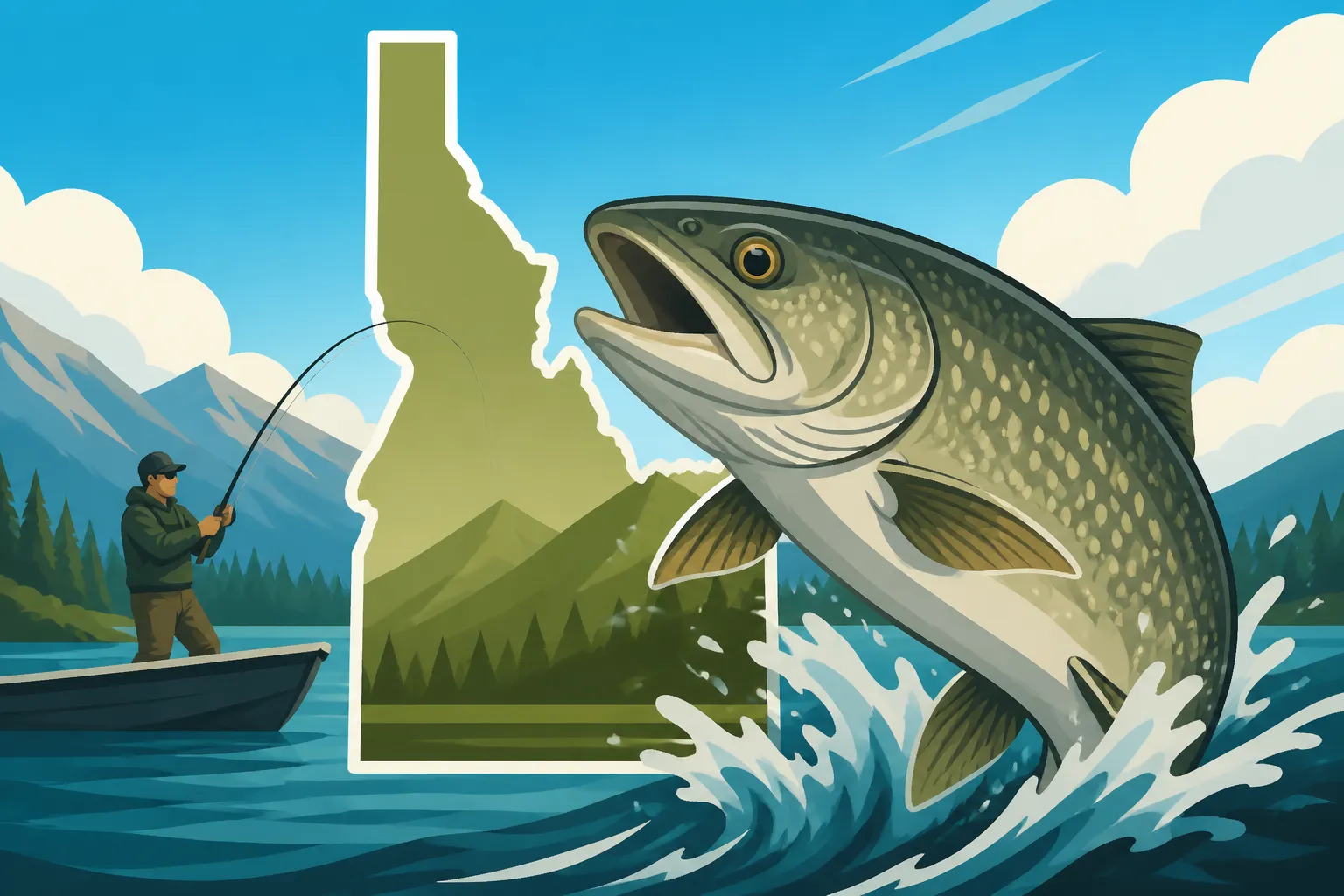
How Big Idaho’s Lake Trout Can Grow
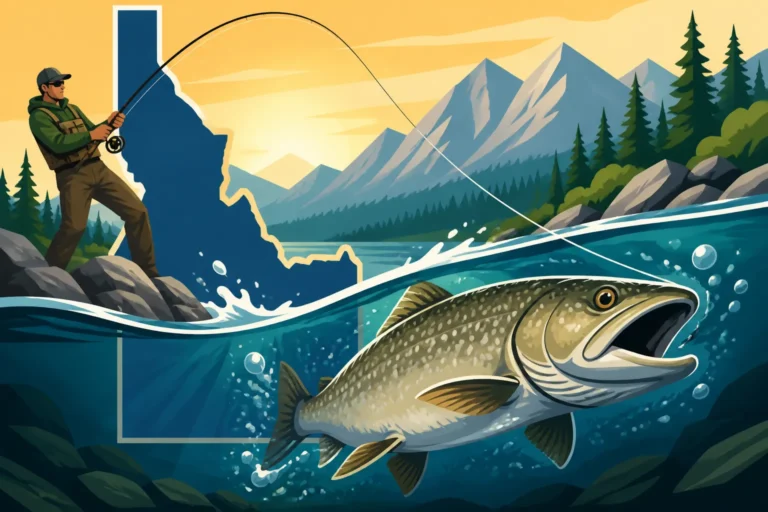
It’s a question that lights up the eyes of any serious angler: "Just how big do they really get?" When you’re talking about Lake Trout in Idaho, you’re often imagining a monster lurking in the deep, cold waters, a fish that could easily pull the rod right out of your hands. This guide is all about chasing that dream, diving into the incredible growth potential of Idaho's Lake Trout and equipping you with the knowledge to potentially land a true giant.
The Lure of Idaho's Lake Trout: Why Size Matters
There’s something inherently captivating about a big fish. It’s not just about the weight or length; it’s the story, the challenge, the pure adrenaline of the fight. Idaho’s diverse waters offer up a whole host of angling opportunities, but for many, the Lake Trout stands out because of its sheer potential for monumental size. These are not your average panfish; these are apex predators of the deep, built for power and endurance.
More Than Just a Fish: The Trophy Hunt
For many of us, fishing isn't just about filling a cooler; it's about the chase, the strategic thinking, and the ultimate reward of a truly magnificent catch. A trophy Lake Trout embodies this pursuit perfectly. Imagine the tug on your line, the slow, powerful resistance as you try to coax something truly enormous from the depths. It’s a battle of wills, often lasting many minutes, that leaves you with aching arms and a pounding heart. When that massive shadow finally surfaces, it's a moment you’ll replay in your mind for years to come. It’s the kind of fish that warrants a photograph, a respectful release, and maybe, just maybe, a spot on the "fish tales" board at the local tackle shop.
Beyond the personal satisfaction, landing a massive Lake Trout is often seen as a testament to an angler's skill, patience, and understanding of the species. It implies countless hours spent researching prime locations, understanding their habits, and perfecting specialized techniques. It's the kind of achievement that fellow anglers nod approvingly at, recognizing the dedication required to tangle with such a formidable creature. There’s a quiet pride in knowing you’ve outsmarted one of the oldest and largest inhabitants of Idaho’s pristine waters.
Understanding Lake Trout Growth Potential in Idaho
Lake Trout, often referred to as "Mackinaw" in parts of Idaho and other regions, are fascinating creatures known for their impressive longevity and substantial size. Unlike some faster-growing species, Lake Trout can live for many decades, allowing them ample time to reach truly immense proportions. This extended lifespan is one of the primary reasons they can achieve such remarkable weights and lengths. Their growth isn't just about age, though; it's intricately linked to the health and richness of their environment.
In Idaho, the glacial-carved lakes and deep reservoirs provide ideal conditions for these cold-water specialists. These bodies of water offer not only the necessary deep, frigid sanctuaries that Lake Trout thrive in but also often boast an abundant forage base. When these fish have a consistent and high-quality food supply, combined with stable, cold temperatures, their growth rate can be exceptional. This unique combination of biological potential and environmental support is what makes Idaho such a prime destination for anglers dreaming of a giant Lake Trout, a fish that has spent years, sometimes even generations, growing into the apex predator of its underwater world. What Mackinaw Means When Talking About Lake Trout dives deeper into the nomenclature and characteristics of these impressive fish.
Prime Idaho Waters for Giant Lake Trout
If you're serious about hooking into a genuinely massive Lake Trout, you need to know where to go. Idaho isn't just a pretty state; it's a watery wonderland with specific lakes that are legendary for producing giants. These aren't just rumors; they're well-earned reputations built on decades of impressive catches and the unique characteristics of these particular fisheries.
Priest Lake: Idaho's Lake Trout Mecca
When the conversation turns to big Lake Trout in Idaho, Priest Lake almost always comes up first. This stunning body of water in the northern panhandle is nothing short of legendary for its monster Mackinaw. The lake's structure is tailor-made for these deep-dwelling predators: incredibly deep (over 300 feet in some spots), exceptionally cold, and teeming with an abundant population of kokanee salmon, which serve as a primary food source for growing trophy Lakers. The cold, oxygen-rich water allows Lake Trout to thrive and grow old, which is key to reaching those truly colossal sizes.
Anglers regularly pull fish in the 10 to 20-pound range from Priest Lake, and fish pushing 30 pounds aren't unheard of. The lake holds the current state record, a testament to its exceptional potential. Many seasoned guides and local anglers dedicate their lives to understanding the nuances of Priest Lake, where targeting these giants often involves deep trolling with specialized gear, often down to depths of 100 feet or more. The sheer size of the lake itself, with its vast expanses of deep water, means there are always new areas to explore and new challenges to master. If your dream is to land a true Idaho giant, Priest Lake's Trophy Lake Trout Fishing Grounds should be at the very top of your list. You can explore how deep these fish hold by checking out How Deep Lake Trout Hold in Priest Lake in Summer.
Lake Pend Oreille: Home to More Than Just Rainbows
While Lake Pend Oreille is perhaps most famous for its incredible trophy Rainbow Trout fishery, it also harbors a healthy population of sizable Lake Trout. This immense lake, Idaho's largest and deepest, shares some characteristics with Priest Lake that make it suitable for large Mackinaw. It boasts vast depths, cold water, and a diverse forage base, including kokanee, that helps fuel the growth of its predatory fish. The Lake Trout in Pend Oreille might not grab the same headlines as the trophy rainbows, but they are certainly present and can reach impressive sizes for anglers willing to target them specifically.
The dynamics of Lake Pend Oreille's ecosystem mean that while some anglers might stumble upon a large Lake Trout while targeting other species, a focused approach is often needed to consistently find the bigger ones. These fish tend to inhabit the deepest sections, especially during the warmer months, making sophisticated electronics and precise trolling techniques essential. While Priest Lake might be the undisputed king for sheer Lake Trout size, Pend Oreille offers a compelling alternative for anglers exploring the potential of other large, deep Idaho lakes. It’s a fascinating fishery where you might start Fishing Lake Pend Oreille for Rainbow Trout and end up with a surprise Lake Trout battle.
Other Notable Waters with Lake Trout Potential
While Priest Lake and Lake Pend Oreille are the undeniable heavy hitters for trophy Lake Trout in Idaho, it's worth noting that other, smaller waters can also hold respectable fish. These might not produce state-record contenders with the same frequency, but they can still offer fantastic angling opportunities for Mackinaw in the respectable 5 to 15-pound class. Often, these lakes require a bit more exploration and local knowledge, as their Lake Trout populations might be less concentrated or more sensitive to pressure.
For example, Payette Lake near McCall, with its considerable depth and cold water, definitely holds Lake Trout, and anglers have certainly pulled some decent ones from its depths. Other high-mountain lakes and larger reservoirs across the state, particularly those with strong kokanee or other baitfish populations, can also be worth exploring for dedicated Lake Trout enthusiasts. While they might not offer the same consistent giant potential as the northern Idaho giants, these diverse waters add to the richness of Idaho's Lake Trout fishery, ensuring that even off the beaten path, there’s a chance for a rewarding catch. It’s a good idea to research specific regulations for these lesser-known spots, as they can sometimes vary.
Factors Influencing Lake Trout Size
Have you ever wondered why some fish grow into absolute leviathans while others in the same lake seem to stay rather modest? It’s not just luck; there’s a science to it. Lake Trout, in particular, are poster children for how environmental factors and biological traits combine to create truly enormous fish. Understanding these elements is crucial if you want to increase your chances of finding one of these giants.
Age and Genetics: The Building Blocks of a Giant
One of the most significant factors in a Lake Trout reaching a colossal size is simply time. These fish are incredibly long-lived, far more so than many other freshwater species. It’s not uncommon for Lake Trout in healthy, cold environments to live for 20, 30, or even over 40 years. This extended lifespan provides them with ample opportunity to continuously grow and put on weight. Think about it: a fish that has survived for decades has seen countless seasons, evaded innumerable predators, and adapted to changing conditions, all while slowly but surely adding inches and pounds. To truly appreciate this, consider reading How Old Can a Lake Trout Get for more insight.
Beyond just age, genetics also play a critical role. Just like in humans or any other animal, some Lake Trout are simply predisposed to grow larger and faster than others. They might have a more efficient metabolism, a stronger appetite, or a genetic makeup that allows them to convert food into muscle and fat more effectively. This combination of longevity and favorable genetics is what creates the true "super fish" – those rare individuals that push the boundaries of what we expect in terms of size and weight. While you can't control a fish's genetics, understanding their potential lifespan helps explain why these big fish are often also very old fish.
Food Availability and Quality
A Lake Trout can only grow as large as its diet allows, and for the true giants, that means a consistent and abundant supply of high-calorie forage. In Idaho's premier Lake Trout waters, this often translates to a robust population of kokanee salmon. These small, nutrient-rich fish are like the perfect fuel for a growing Lake Trout: they’re plentiful, relatively easy to catch for a skilled predator, and packed with the energy needed for massive growth. When a Lake Trout doesn't have to expend excessive energy hunting or is consistently successful in its feeding efforts, more of that energy can be channeled directly into growth. If you're interested in understanding the primary food source, consider checking out Idaho Kokanee Fishing Guide.
It's not just about quantity, but quality too. A lake with a diverse and healthy prey base, including not only kokanee but perhaps sculpins, whitefish, or even smaller trout, provides a balanced diet that supports optimal development. Conversely, in waters where the forage base is stressed or limited, even old Lake Trout might not reach their full genetic potential, appearing lean and smaller than their age would suggest. This intricate relationship between predator and prey highlights the delicate balance of a healthy ecosystem and how it directly impacts the size of the top predators within it.
Water Depth, Temperature, and Oxygen Levels
Lake Trout are cold-water fish through and through. They are exquisitely adapted to deep, cold, and well-oxygenated environments, and these conditions are absolutely critical for them to reach their maximum size potential. In Idaho, this means they thrive in the deep basins of lakes like Priest Lake and Lake Pend Oreille, where water temperatures remain consistently low, even during the peak of summer. These deep sanctuaries provide thermal refuge, allowing the fish to maintain their metabolism at an efficient rate without the stress of warmer surface waters.
High levels of dissolved oxygen are equally important. Deep, cold water typically holds more oxygen, which is essential for larger, more active fish. If a lake experiences periods of low oxygen in its deeper sections, even if the temperature is right, it can stress the Lake Trout, force them into less ideal conditions, and ultimately hinder their growth. Therefore, a perfect Lake Trout habitat isn't just about depth and temperature; it's about a consistent, year-round supply of cold, clean, and oxygen-rich water that allows these fish to grow at their natural, impressive pace.
Records and Realities: What Anglers Can Expect
It’s easy to get caught up in the legends of monster fish, but it’s equally important to have a realistic understanding of what constitutes a "big" Lake Trout in Idaho. While the state boasts some incredible records, most anglers will encounter fish that are impressive in their own right, even if they don't break any headlines. Let's delve into the spectrum of what you can expect when chasing these deep-water giants.
Idaho's State Record Lake Trout
Idaho's state record for Lake Trout is a testament to the incredible potential of its waters. The current record, a behemoth weighing 57 pounds, 8 ounces, was caught from Priest Lake. This truly monumental fish wasn't just big; it was a titan, showcasing exactly what is possible when all the right conditions—age, genetics, forage, and ideal habitat—align. Such a catch is an extremely rare occurrence, the culmination of decades of growth for that individual fish, and undoubtedly a day that angler will never forget. It serves as a beacon, reminding us all that there are truly massive fish swimming in Idaho's deep lakes, waiting for the fortunate few to cross their path.
While most anglers might never come close to this impressive record, knowing it exists fuels the ambition. It highlights Priest Lake's reputation as a world-class Lake Trout fishery, capable of producing fish that are not only large by Idaho standards but by national ones too. It shows that the biological capacity for growing such fish is definitely present within the state's ecosystem. You can learn more about this and other incredible catches by visiting Idaho's Record Fish by Species.
Typical Sizes and Realistic Expectations
While the state record is awe-inspiring, it's not the daily reality for most anglers. A more typical "good" Lake Trout in Idaho, especially from a prime lake like Priest Lake, might range from 8 to 20 pounds. These are still incredibly strong, beautiful fish that offer a fantastic fight and make for memorable catches. Fish in the 20 to 30-pound class are considered true trophies by any standard and represent years, if not decades, of growth. Landing a fish of this size is a significant accomplishment and often requires persistent effort, specialized techniques, and a bit of luck.
It's important to set realistic expectations. You might spend a full day targeting Lake Trout and catch several smaller fish, or none at all. These are not always easy to find, and the bigger they are, the more elusive they tend to be. However, the consistent potential to hook into a double-digit fish in Idaho's key Lake Trout fisheries is what keeps anglers coming back, year after year. The thrill is in knowing that with every drop of your lure, you have a chance at that genuinely impressive, heavy-shouldered fish that has dominated its underwater world for so long. For a more focused look at one lake's potential, consider How Big Do Lake Trout Get at Priest Lake.
The Role of Conservation and Management
The ability of Idaho's Lake Trout to reach such impressive sizes is not accidental; it’s also a result of careful conservation efforts and thoughtful management practices. State agencies often implement regulations designed to protect these long-lived fish, ensuring that the population remains healthy and capable of producing trophy specimens for future generations. These regulations can include daily bag limits, possession limits, and sometimes even specific slot limits or minimum/maximum sizes, all aimed at fostering a sustainable fishery.
For instance, management might focus on protecting larger, older spawning fish, recognizing their importance to the genetic diversity and reproductive success of the population. By encouraging catch-and-release for these big breeders, anglers contribute directly to the long-term health of the fishery. Understanding and adhering to these rules is crucial. They aren't just arbitrary guidelines; they're designed to maintain the very opportunities we cherish as anglers. Respecting the resource, especially these slow-growing, long-lived giants, ensures that the dream of catching a massive Lake Trout remains a reality for years to come. For a comprehensive overview of the rules, refer to Idaho Fishing Regulations Explained.
Gear Up for the Giants: Targeting Big Lake Trout
If you're serious about battling a massive Lake Trout, you can't show up with just any old fishing rod. These fish are powerful, often found in deep water, and demand tackle that can stand up to the challenge. Equipping yourself correctly is half the battle won, ensuring that when that monster strikes, you're ready to bring it to the boat.
Essential Rods, Reels, and Line
When targeting big Lake Trout, you'll want heavy-duty gear. Forget your lightweight trout outfits; this is a job for stout rods and reels designed for serious pulling power. For trolling, which is a common and effective method for these deep-water fish, look for medium-heavy to heavy action trolling rods, typically 7 to 9 feet long. These rods need enough backbone to handle heavy weights, often lead core or downrigger balls, and to absorb the powerful runs of a large laker. Matching these with sturdy levelwind or conventional reels spooled with strong line is key. You'll want a reel that can hold a significant amount of line, as you'll often be fishing at depths that demand it.
For line, a braided main line of 30 to 50 pounds is an excellent choice due to its sensitivity and minimal stretch, allowing you to feel subtle bites even at extreme depths. Always attach a fluorocarbon leader of 15 to 25 pounds, as it’s nearly invisible underwater and offers excellent abrasion resistance against sharp rocks or the fish's rough mouth. You can find a fantastic selection of these specialized rods, reels, and lines on Amazon, often with detailed reviews from other anglers that can help you pick the perfect setup for Idaho's deep lakes.
Baits and Lures That Attract Big Lakers
Big fish need big meals, and Lake Trout are no exception. The most effective lures for tempting these giants mimic their natural prey, like kokanee salmon or other baitfish. Large spoons, often 4 to 6 inches long, in silver, white, blue, or green patterns, are incredibly popular and effective. Think about brands that offer spoons with good fluttering action at slow trolling speeds. Heavy jigs, particularly tube jigs or bucktail jigs in white, black, or natural baitfish colors, are also highly effective, especially when vertically jigged directly over suspended fish or structure.
Some anglers swear by large swimbaits or crankbaits, often fished with a downrigger to get them to the precise depth where Lake Trout are feeding. The key is often finding the right size, color, and action that matches the specific forage in the lake you're fishing. Don't be afraid to experiment! Sometimes a bright, flashy spoon will be the ticket, while other days a more subtle, natural-colored tube jig will elicit a strike. For more general guidance on what works best, refer to Best Bait and Lures for Idaho Fishing.
Techniques for Deep Water Success
Since Lake Trout prefer deep, cold water, your techniques must be adapted to get your offerings down to where the fish are. Trolling is perhaps the most common and effective method. This involves using specialized equipment like downriggers, lead core line, or heavy weights to present your lures at precise depths. Downriggers allow you to run multiple lines at different depths, keeping your lure in the strike zone longer. Lead core line changes depth based on how much line you have out and your trolling speed, offering another way to reach the fish without heavy weights directly on your main line.
Sonar and GPS are invaluable tools. A good fish finder will help you locate deep structure, baitfish schools (which indicate where predators might be lurking), and even individual Lake Trout. Using your GPS, you can mark productive areas and replicate successful trolling passes. Understanding the thermocline—the depth at which water temperature changes rapidly—is also crucial, as Lake Trout often congregate just above, below, or within this layer. Many anglers invest in high-quality fish finders and downriggers through Amazon, finding competitive prices and a wide range of options to enhance their deep-water fishing capabilities. To master your trolling game, check out Idaho Trolling Techniques Guide.
Preserving the Giants: Ethical Angling Practices
Catching a massive Lake Trout is an incredible experience, but it comes with a responsibility. These are often old, slow-growing fish, and their survival after release is paramount for the health of the fishery and for future generations of anglers. Practicing ethical angling ensures that these magnificent creatures can continue to thrive.
Best Practices for Catch and Release
When you land a big Lake Trout, especially one you intend to release, handling it correctly is crucial. First, try to minimize the fight time; while it's fun, prolonged battles exhaust the fish. Use a large, knotless rubber net to safely scoop the fish, keeping it in the water as much as possible. Avoid dragging it onto rocks or letting it flop around on the boat deck, as this can strip off its protective slime layer and cause injury. If you must lift it for a quick photo, support its belly with one hand and hold the tail with the other, keeping it horizontal. Never hold a large fish vertically by its jaw alone, as this can severely damage its internal organs and spine.
De-hooking should be done quickly and carefully. Carry appropriate tools like long-nose pliers or specialized de-hookers. If the hook is deeply set and removal would cause excessive damage, it's often better to cut the line as close to the hook as possible. Once released, allow the fish to recover. Hold it gently in the water, facing into the current, until it regains its strength and swims away on its own. For those essential tools, like specialized nets or long-nose pliers, Amazon offers a wide array of options designed for safe fish handling and release.
Understanding Lake Trout Vulnerability
Large Lake Trout are particularly vulnerable after being caught, mainly due to their deep-water habitat and long lifespan. When a fish is brought up from extreme depths, it can experience barotrauma, where rapid changes in pressure cause its swim bladder to expand, sometimes pushing out its eyes or stomach. While not every deep-caught fish will suffer this, it’s a risk, especially with very deep retrieves. Minimizing the time the fish is out of water is key to mitigating this stress.
Furthermore, older, larger fish are often vital components of the breeding population. They carry the best genes for survival and growth, and their continued presence ensures the health and vitality of the fishery. Losing a large, old breeding female, for instance, has a far greater impact on the population than losing a smaller, younger fish. This is why prioritizing their safe release is a cornerstone of responsible Lake Trout fishing.
Responsible Angling for Future Generations
Ultimately, ethical angling is about stewardship. It’s about recognizing that we are temporary visitors to these incredible ecosystems and that our actions have lasting consequences. Adhering to all local Idaho Fishing Regulations Explained, including bag limits, season dates, and any specific gear restrictions, is not just a legal obligation but a moral one. These rules are in place to manage the fishery sustainably, ensuring that future generations can experience the same thrill of chasing Idaho's magnificent Lake Trout.
Beyond the rules, responsible angling also involves practicing "leave no trace" principles, disposing of all trash properly, and being respectful of other anglers and the natural environment. By embracing these practices, we contribute to a culture of conservation that values the long-term health of Idaho's fisheries over immediate gratification. Every time we carefully release a trophy Lake Trout, we're not just letting a fish go; we're investing in the future of one of Idaho's most iconic and impressive game fish.
Disclaimer
This article is for general informational purposes only and does not constitute professional advice. Laws, prices and regulations vary by location and change over time. Consult a qualified professional for guidance on your specific situation.