Idaho Channel Catfish Fishing
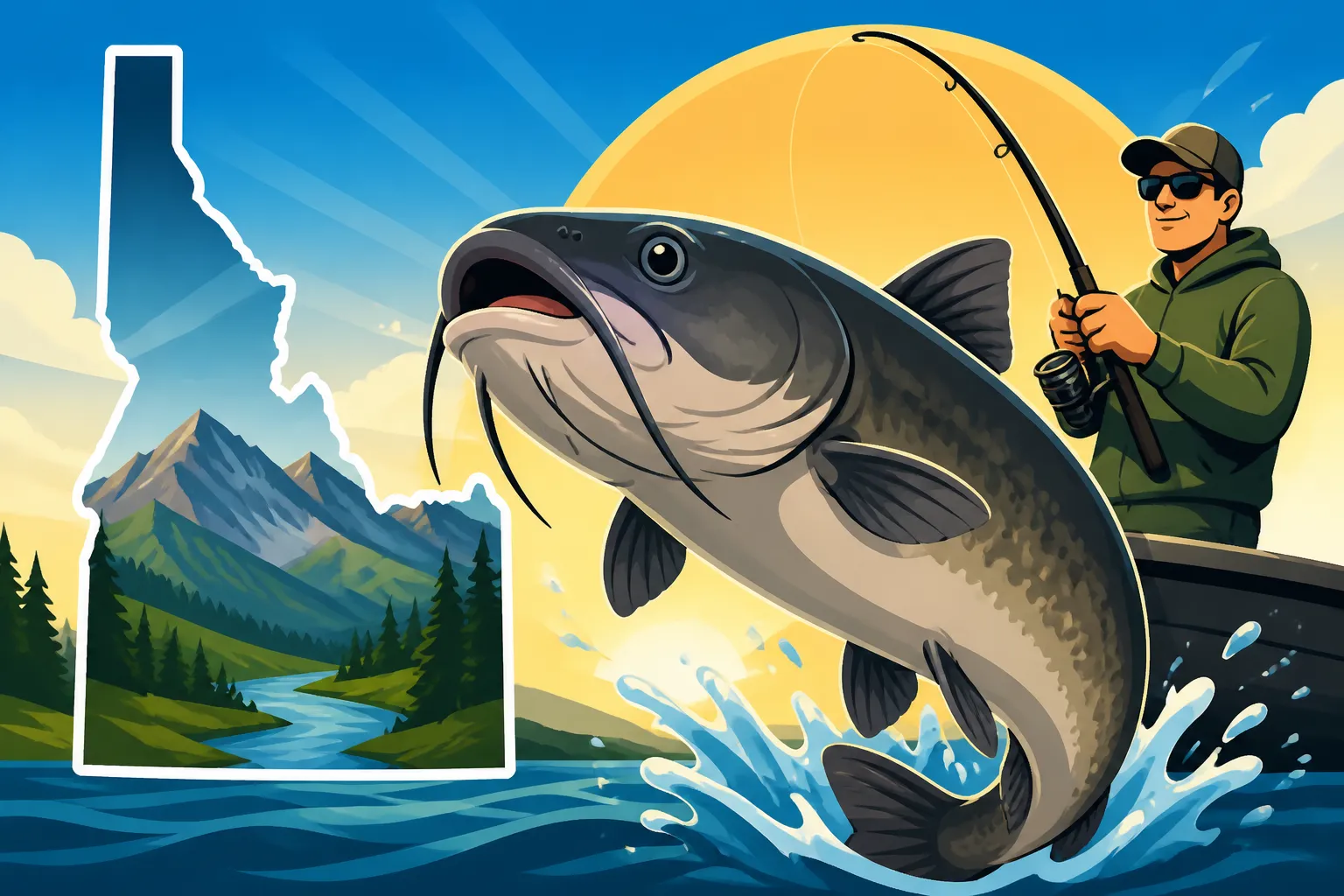
It's easy to get caught up in the allure of Idaho's famous trout streams or the powerful runs of steelhead. But let me tell you, if you're overlooking the humble, yet incredibly feisty, channel catfish, you're missing out on some fantastic angling! Many folks assume catfish are only found in muddy, warm southern waters, but here in Idaho, we've got a thriving population that offers accessible, action-packed fishing, often close to home. This guide is all about helping you unlock the secrets to successful channel catfish fishing across the Gem State, from finding them to reeling them in.
Why Channel Catfish Deserve Your Attention in Idaho
When most people think of Idaho fishing, their minds immediately jump to the crisp, clear waters holding trout, salmon, or steelhead. And don't get me wrong, those are incredible fisheries! But for a truly different kind of fight, often right in your backyard, you simply cannot ignore the channel catfish. These whiskered warriors are abundant, aggressive, and can grow to an impressive size, making them a fantastic target for anglers of all skill levels. They provide an experience that's distinct from, say, delicately presenting a fly to a wary trout, and often, it's a lot less crowded!
The Underrated Fighter
Let's be honest, channel catfish don't always get the respect they deserve. Some anglers dismiss them as bottom feeders, not worthy of their sophisticated tackle. But anyone who has hooked into a decent-sized channel cat knows that's a mistake. These fish pull hard, often making powerful, head-shaking runs that can really test your drag and your patience. They might not jump like a rainbow trout or make the long, surging runs of a steelhead, but their sheer power and stubborn refusal to give up make them incredibly fun to battle. You'll feel every ounce of their muscle, especially when they dive deep and try to rub your line against submerged structure.
For families, or those just starting out in fishing, the consistent action that channel catfish provide is priceless. You don't need highly specialized skills to get bites, and when you do, it's often a solid, unmistakable take. This can build confidence and excitement, turning a casual outing into a memorable adventure. Plus, given their prevalence in many easily accessible waters, you don't always need to plan an epic backcountry expedition just to find a good fight.
Flavor Profile and Culinary Appeal
Beyond the thrill of the catch, channel catfish are also highly prized for their delicious, firm, white flesh. Unlike some other fish that can develop a "muddy" taste depending on their habitat, Idaho channel catfish, especially those from cleaner reservoir environments, typically have a mild, sweet flavor that's excellent on the dinner table. If you’ve only ever tried catfish in a restaurant, catching and cooking your own is an entirely different experience.
There are countless ways to prepare them – from classic cornmeal-crusted fried fillets, a Southern staple, to grilling, baking, or even smoking. They hold up well to various spices and cooking methods, making them a versatile choice for any angler who enjoys eating their catch. Just remember to always check the Idaho Catch Limits and Bag Limits Explained and local regulations for consumption advisories, though generally, Idaho's catfish are a safe and tasty option.
Accessibility and Abundance
One of the biggest draws of channel catfish fishing in Idaho is just how accessible it is. You don't always need an expensive drift boat or a long hike into the wilderness. Many of the best catfish spots are found in larger reservoirs, slower river sections, and even community ponds that are often just a short drive from urban centers. This makes them a fantastic target for an impromptu evening trip after work or a relaxed weekend outing with the family.
Idaho Fish and Game often stocks channel catfish in various community fisheries, especially in warmer pond environments, to provide close-to-home angling opportunities. This stocking ensures healthy populations and consistent fishing, even for beginners. So, whether you're a seasoned angler looking for a new challenge or a parent hoping to get your kids hooked on fishing, the abundant and accessible channel catfish fishery in Idaho offers a fantastic opportunity.
Prime Idaho Waters for Channel Catfish
Idaho is a state renowned for its diverse aquatic ecosystems, from icy mountain streams to vast, shimmering reservoirs. While trout, salmon, and steelhead often steal the spotlight, channel catfish have carved out a significant niche in many of Idaho's warmer, slower-moving waters. Knowing where to look is half the battle when targeting these whiskered fish. Forget the fast-flowing, oxygen-rich rivers; catfish prefer environments that offer a little more comfort, meaning slower currents, deeper holes, and plenty of cover.
Reservoirs and Large Lakes
Idaho's extensive network of reservoirs and larger lakes are prime real estate for channel catfish. These expansive bodies of water, often created by damming major rivers, warm up nicely in the summer and provide a rich food base for catfish to thrive. Lakes like C.J. Strike Reservoir, Brownlee Reservoir, and Lake Lowell are practically legendary for their catfish populations. These waters often feature large mud flats, submerged timber, rock piles, and deep channels—all structures that channel catfish absolutely love.
In these reservoirs, catfish tend to cruise the bottom, searching for anything from insect larvae and small fish to crayfish and decaying organic matter. Look for areas where feeder creeks enter the reservoir, as these can carry food and create slightly different water temperatures. Points, humps, and the edges of old river channels are also excellent places to concentrate your efforts. The sheer size of these impoundments means you might need to cover some water, but once you locate a concentration of fish, the action can be non-stop. Fishing from a boat definitely helps cover more ground, but many reservoirs also offer excellent bank access, especially around developed recreation areas.
River Systems and Slow-Moving Backwaters
While channel catfish aren't typically found in Idaho's fast-flowing, cold trout streams, they absolutely flourish in the warmer, more sluggish sections of larger river systems. The Snake River, particularly its lower sections and impounded stretches, is a powerhouse for channel cats. Here, you'll find them congregating in slower eddies, deep scour holes, oxbow lakes, and backwater sloughs that offer a reprieve from the main current. The confluence of smaller tributaries often creates deposition zones that collect food, making these areas prime catfish hunting grounds.
Think about areas with significant bank erosion or submerged debris like log jams and brush piles. These structures provide both cover and ambush points for catfish to feed. When the river flows slow and wide, creating a muddy or silty bottom, you're likely in a good spot. Don't be afraid to explore the lesser-known, slow-moving arms or abandoned channels that are still connected to the main river; these can be real hidden gems. These areas are often more forgiving for bank anglers, providing easier access to good holding water. For more general information on river fishing in the state, consult our guide to the Best Rivers for Fishing in Idaho.
Stocked Ponds and Community Fisheries
For those looking for convenience and a high chance of success, Idaho's stocked ponds and community fisheries are fantastic options for channel catfish. Idaho Fish and Game actively manages and stocks many of these smaller, accessible waters with channel catfish, particularly in the spring and summer months. These urban and suburban ponds are designed to provide easily accessible fishing opportunities for families, children, and beginners. They often have paved paths, restrooms, and fishing docks, making them incredibly user-friendly.
These waters, while smaller, can hold surprisingly large catfish, and because they are regularly stocked, you don't have to guess if fish are present. Examples might include local park ponds in the Treasure Valley or community fishing holes around Pocatello or Idaho Falls. The key here is checking the Idaho Fish and Game website or local regulation brochures for stocking schedules and specific rules. These spots are perfect for a quick evening trip, and they're also great places to teach kids how to fish, as bites are often frequent. Many of these waters are also listed as Idaho Waters That Stay Open All Year, offering extended opportunities.
Essential Gear for Idaho Catfish Anglers
Fishing for channel catfish doesn't require an arsenal of highly specialized, expensive gear, which is part of its charm. However, having the right setup can make a huge difference in your success and enjoyment. You'll want gear that can handle a strong pull and the often-gritty environments where catfish thrive. Think durability, strength, and simplicity. Whether you're a seasoned pro or just starting, a well-chosen tackle box for catfish means you're prepared for whatever these powerful bottom-dwellers throw at you.
Rods, Reels, and Line Choices
When it comes to rods and reels for channel catfish, think sturdy. You're not delicate fly casting here; you need power to muscle big fish out of snags and handle heavy weights to keep your bait on the bottom. A medium-heavy to heavy action spinning or baitcasting rod, typically 7 to 9 feet long, is ideal. The longer length helps with casting heavier baits and provides better leverage when fighting a strong fish. Brands like Ugly Stik or Penn Battle are popular choices for their resilience and value, readily available on platforms like Amazon.
Pair that with a reel that has a smooth, reliable drag system. For spinning reels, a 4000 to 6000 size is generally sufficient. For baitcasting, a reel capable of holding a good amount of heavy line is key. As for line, monofilament in the 15 to 30-pound test range is a common choice for its shock absorption and abrasion resistance. However, if you're fishing particularly snaggy areas or targeting trophy fish, braided line in a similar strength (e.g., 30-50 lb test) offers superior sensitivity and strength, though you might want to add a monofilament or fluorocarbon leader to mitigate visibility and abrasion. Remember, a good, strong main line is crucial when dealing with an angry channel cat.
Terminal Tackle for Bottom Fishing
Channel catfish are almost exclusively bottom feeders, so your terminal tackle setup needs to be designed to keep your bait right where they live. The most common and effective setup is a Carolina rig or a slip-sinker rig. This involves a weight that slides freely on your main line, followed by a swivel, and then a leader connected to your hook. This allows the fish to pick up the bait without feeling the resistance of the sinker, giving you a better chance to set the hook.
For weights, bank sinkers or egg sinkers ranging from 1/2 ounce to 3 ounces are standard, depending on the current and how far you need to cast. You'll want heavy-duty barrel swivels to prevent line twist and connect your leader. Leaders should be made of tough monofilament or fluorocarbon, slightly lighter than your main line in case of a snag, usually 12-24 inches long. Finally, hooks: wide-gap circle hooks or Kahle hooks in sizes 2/0 to 8/0 are excellent. Circle hooks are particularly popular because they greatly reduce gut-hooking, improving the fish's survival rate if you plan to release them. They often set themselves when the fish swims away, making them beginner-friendly.
Must-Have Accessories for Catfishing
Beyond the basic rod, reel, and terminal tackle, a few accessories can significantly enhance your channel catfish fishing experience. First up, a sturdy rod holder. Whether you're fishing from the bank or a boat, having your rod securely propped up while you wait for a bite is essential, especially when a strong catfish strikes. PVC pipe holders or metal bank sticks are cheap and effective. Second, a good pair of pliers or a hook remover is vital for safely unhooking fish, especially when dealing with those sharp barbs.
A large landing net is also a game-changer. Channel catfish can be stout, and trying to hoist a big one onto the bank by the line alone can lead to lost fish or broken gear. A net with a deep, rubberized mesh is best, as it's gentler on the fish and less likely to tangle hooks. For night fishing, a headlamp or lantern is indispensable for rigging bait, tying knots, and handling your catch. And of course, a cooler with ice is a must if you plan on keeping your catch for dinner. You can find many of these practical accessories, often in convenient kits, by searching for "catfish fishing accessories" on Amazon. Don't forget bug spray, a comfortable chair, and plenty of water, especially for those long summer evenings by the water. Our Idaho Fishing Gear Guide by Season also provides good general advice on what to pack.
Tried-and-True Techniques for Catching Idaho Channel Catfish
Channel catfish aren't typically known for their pickiness, but that doesn't mean you can just throw a line in and expect success every time. Understanding their habits and employing effective techniques can dramatically increase your hook-up rates. Most channel catfishing revolves around presenting bait on the bottom, but there are nuances to how you do this, whether you're hunkered down on the bank or drifting across open water. Persistence and patience are key, but so is knowing how to present your offering.
Stationary Bottom Fishing Strategies
This is arguably the most common and effective method for channel catfish, especially for bank anglers or those fishing from a anchored boat. The idea is simple: cast your bait out, let it sink to the bottom, and wait. But "waiting" isn't entirely passive. You'll want to target specific areas where catfish are likely to be, such as deep holes, channel edges, submerged timber, or points. Casting multiple rods with different baits at varying distances can help you pinpoint where the fish are holding and what they're biting on that day.
Once your bait is on the bottom, place your rod in a sturdy rod holder and keep your drag set appropriately—not too tight, not too loose. Watch your rod tip closely or use a bell or an electronic bite alarm. When a catfish bites, it's often a slow, deliberate pull or a series of strong taps. Don't immediately snatch the rod; let the fish take the bait firmly, especially with a circle hook, then simply reel down until you feel the weight and sweep the rod back to set the hook. This waiting game is what makes catfishing so relaxing yet exciting, as any bite could be a monster!
Drift Fishing and Stalking Tactics
While stationary fishing is effective, sometimes catfish are more spread out or actively cruising, making drift fishing a highly productive alternative, especially from a boat. In this technique, you allow your boat to drift slowly with the current or wind, dragging your bait across a wider area of the bottom. This allows you to cover more ground and present your bait to a greater number of fish than if you were anchored in one spot. It’s particularly effective in larger reservoirs or wider river sections.
To drift fish, use a similar bottom-fishing rig, but adjust your weight so it occasionally bounces or drags along the bottom without getting constantly snagged. You'll want to keep a close eye on your rod, feeling for those subtle bumps and pulls as your bait moves. You can even combine this with a trolling motor set to a very slow speed, or by using a drift sock to control your speed and direction. For truly active catfish, especially around shallow flats or weed lines, a more "stalking" approach involves casting out, slowly reeling in, pausing, and repeating, effectively dragging your bait along the bottom to cover ground and mimic a moving prey item. This can be a great way to locate fish before settling down in a spot.
Night Fishing for Active Cats
If you really want to supercharge your channel catfish success, especially during the warmer summer months, fishing at night is often the secret weapon. Channel catfish are primarily nocturnal feeders, becoming much more active and aggressive once the sun sets and the water cools. This is when they move into shallower areas to forage, making them more accessible to bank anglers. The dark also provides them with a sense of security, making them less wary of lines and noises. Our Idaho Rules on Fishing After Dark provides general guidelines for this activity.
When night fishing, safety is paramount. Always bring a reliable light source like a headlamp or lantern, and let someone know where you're going. Choose familiar spots where you've fished during the day, or scout new areas beforehand. Use glow-in-the-dark bobbers or attach glow sticks to your rod tips to help detect bites. The same bottom-fishing techniques apply, but expect the bites to be more frequent and often more aggressive. The stillness of the night, combined with the sudden thump of a biting catfish, creates an unforgettable fishing experience. Just be sure to have all your gear organized before dark, as fumbling in the dark is never fun!
Best Baits and Scents to Entice Channel Catfish
Channel catfish are opportunistic feeders with an incredible sense of smell, making bait selection one of the most critical aspects of successful catfishing. While they're not typically picky, some baits consistently outperform others. The key is to offer something that's highly odorous and appealing, mimicking either their natural prey or simply emitting a strong scent they can't resist. Experimentation is often rewarded, but starting with proven performers will put you on the right track. For a general overview of options, check out our Best Bait and Lures for Idaho Fishing guide.
Natural Baits That Consistently Deliver
When it comes to natural baits, channel catfish have a few undeniable favorites. Live or cut baitfish, especially oily species like shad, carp, or even small trout (where legal, always check regulations on Idaho Fishing Regulations Explained), are incredibly effective. The scent and vibrations of fresh cut bait are irresistible. Worms, particularly nightcrawlers, are another classic. A big wad of nightcrawlers on a hook can entice catfish of all sizes. Crayfish, both live and dead, are also a natural food source for catfish and can be deadly effective when fished on the bottom.
Beyond these, things like shrimp (raw, from the grocery store) can be surprisingly effective due to their strong scent, especially when they start to "turn." Chicken liver is another long-standing favorite, though it's notoriously messy and can be hard to keep on the hook; using a bait thread or small netting can help. The common thread here is strong scent and natural appeal. Always remember that Idaho Rules on Using Live Bait can vary by water, so it's critical to verify local regulations before you head out.
Prepared and Scented Baits
For those who prefer a less "gory" approach or want something that stays on the hook better, prepared and scented baits are a fantastic option. These often come in forms like "stink bait" or "dough bait" and are specifically formulated with powerful attractants to draw catfish in from a distance. Brands like Secret 7, Sonny's, or various cheese-based baits are widely available. These baits rely heavily on their potent smell to attract fish, often mimicking decaying organic matter or strong food sources.
These prepared baits can be fished on specialized bait holders or treble hooks designed to hold the softer material. Some anglers even use small sponges or cotton balls impregnated with liquid scents to add to their offerings. The advantage of these baits is their convenience and often their ability to stay on the hook longer, reducing the need for constant re-baiting. They are particularly effective in slower-moving waters like ponds and reservoirs where the scent can disperse effectively without being washed away too quickly.
The Art of Stink Bait and Cut Bait
Let's dive a little deeper into two of the most potent weapons in a catfisherman's arsenal: stink bait and cut bait. Stink bait, as the name suggests, is all about the odor. These are often concoctions of various foul-smelling ingredients, designed to appeal directly to a catfish's highly sensitive olfactory system. They come in various forms, from dips that you apply to a sponge or worm, to pre-formed chunks. The key is to choose a bait that smells truly awful to you, because chances are, a catfish will love it.
Cut bait, on the other hand, relies on the natural oils and blood of a freshly cut fish. While a live baitfish is great, a cut piece of a carp, shad, or even a smaller trout (again, legalities checked) releases a powerful scent trail that can draw in catfish from a significant distance. The fresher the cut, the more potent the scent. Some anglers prefer to "age" their cut bait slightly to enhance the smell, but fresh is usually best. When using cut bait, make sure your hook point is exposed for a good hookset, and don't be afraid to use a larger piece for larger fish. The table below offers a comparison of popular bait types:
| Bait Type | Best Use Case | Pros | Cons |
|---|---|---|---|
| Cut Bait | Rivers, Reservoirs, Trophy Catfish | Strong natural scent, attracts large fish, versatile | Can be messy, needs refrigeration, regulations on baitfish |
| Nightcrawlers | Ponds, Rivers, Reservoirs, All sizes of catfish | Readily available, easy to use, attracts many species | Smaller fish can pick at it, less durable on hook |
| Chicken Liver | Ponds, Slow Rivers, Accessible, General Catfishing | Extremely strong scent, very attractive to catfish | Very messy, hard to keep on hook, attracts non-target species |
| Prepared Stink Bait | Ponds, Reservoirs, High Convenience | Consistent scent, easy to use, stays on hook well, less mess | Can be less appealing to trophy fish, specific to catfish |
| Shrimp (Raw) | All waters, when other baits fail, general use | Strong scent, relatively clean, good hook retention | Can be pricey, not always as effective as fresh cut bait |
Understanding Channel Catfish Behavior and Seasonality
To consistently catch channel catfish in Idaho, it's incredibly helpful to understand their annual rhythms and how they react to changes in water temperature and conditions. They are creatures of habit, but those habits shift throughout the year. Knowing when and where they're most likely to be feeding can turn a slow day into a banner one. It's not just about throwing out bait; it's about anticipating their moves, much like a hunter stalking game.
Seasonal Movements and Feeding Patterns
Channel catfish, like many fish, have distinct seasonal patterns. In the spring, as water temperatures rise into the 50s and 60s Fahrenheit, they begin to emerge from their deeper winter haunts. They'll move into shallower areas to feed aggressively, building up energy for the upcoming spawn. This is a fantastic time to target them, as they're hungry and often concentrated. Look for them in bays, coves, and warmer sections of rivers.
Summer brings the warmest water, and while catfish are active, they often become more nocturnal, seeking cooler temperatures and security in deeper water or heavy cover during the day. Night fishing truly shines during the summer months. During the day, target them in deep holes, under docks, or around submerged timber. As fall approaches and water temperatures begin to drop, catfish will have another surge of feeding activity, trying to pack on weight before winter. They'll often be found transitioning between summer and winter locations, still biting well during the day. Finally, in winter, catfish become less active, retreating to deeper, more stable water, often suspending in large schools near the bottom. While they can still be caught, the bite is typically much slower, and specialized techniques like How to Ice Fish Idaho Lakes might be required.
Spawning Habits and Post-Spawn Activity
The channel catfish spawn typically occurs in late spring to early summer when water temperatures consistently reach the upper 60s to low 70s Fahrenheit. During this time, male catfish become very territorial and build nests, often in secluded, dark areas like hollow logs, undercut banks, rock crevices, or even old tires and culverts. They guard the eggs and fry, and feeding can slow down for both sexes during the peak of this period.
It's usually best to avoid targeting them directly on their spawning beds, both for ethical reasons and because they're less interested in feeding. However, the post-spawn period can be incredibly productive. After the rigors of spawning and guarding, catfish, especially the larger females, become extremely hungry and will feed aggressively to recover their energy. This is a prime time to target them, as they'll often be found cruising the same shallower areas they used for spawning, now actively foraging. Look for them slightly deeper than their spawning areas, on the first drop-offs or near newly available food sources.
Reading the Water for Catfish Hotspots
Successfully locating channel catfish means learning to "read the water" in their preferred environments. In rivers, this means identifying areas of reduced current—eddies, behind log jams, deep bends, or oxbows. Look for muddy or silty bottoms, which are indicators of slower water where catfish love to forage. In reservoirs and lakes, use a depth finder if you have one to locate old river channels, humps, or submerged timber. Catfish love structure and changes in depth.
Also, pay attention to current lines, which are often formed where two different currents meet, or where a current slows against an obstruction. These lines can concentrate food, making them attractive to feeding catfish. Areas with dense aquatic vegetation can also hold fish, particularly on their edges, as they provide cover and a food source. Finally, don't overlook areas where smaller creeks or culverts enter larger bodies of water, especially after a rain; these can wash in food and attract fish. By understanding these behaviors and knowing how to interpret the water, you'll be well on your way to consistent success in your Idaho Fish Species Guide to channel catfish.
Disclaimer
This article is for general informational purposes only and does not constitute professional advice. Laws, prices and regulations vary by location and change over time. Consult a qualified professional for guidance on your specific situation.