Westslope Cutthroat Trout in Idaho
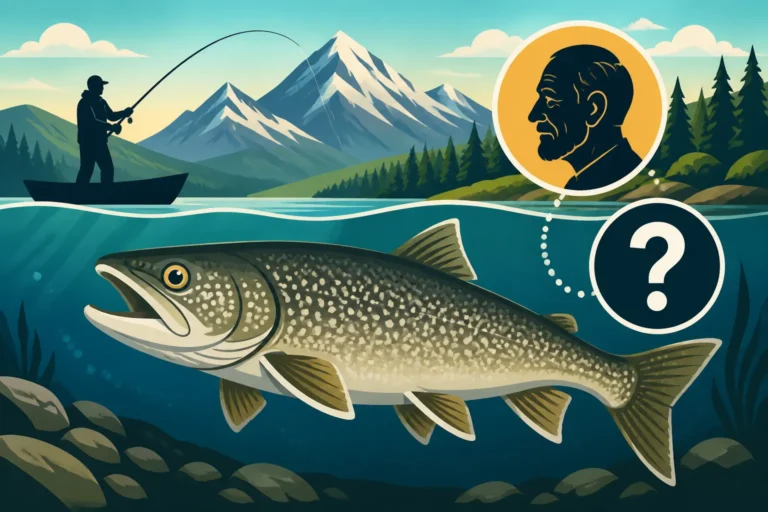
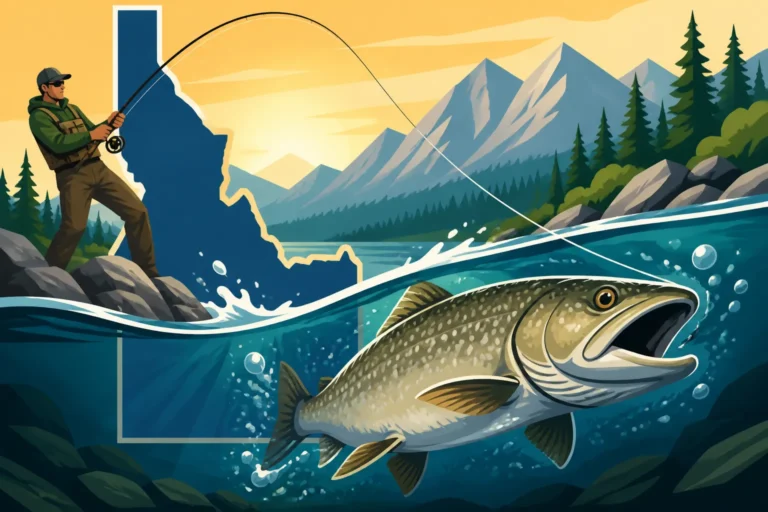
There's nothing quite like the experience of casting a line into a clear, cold Idaho stream and hooking into a vibrant, wild Westslope Cutthroat Trout. For many anglers, especially those new to our beautiful state, identifying these native treasures and understanding their unique needs can feel a bit like cracking a secret code. This guide is here to demystify the Westslope Cutthroat, helping you understand what makes them special, where to find them, and how to respectfully pursue them in their natural habitat.
What Makes the Westslope Cutthroat Trout So Special?
The Westslope Cutthroat Trout isn't just another fish; it's a living symbol of Idaho's pristine wilderness and rich natural heritage. When you encounter one, you're not just seeing a pretty fish, you're looking at a species that has adapted and thrived in these waters for thousands of years. They truly embody the spirit of the Rocky Mountains.
A Glimpse into History and Heritage
Imagine a time when Idaho's rivers and streams flowed completely unimpeded, teeming with native fish that had evolved perfectly for their environment. That's the world of the Westslope Cutthroat. They are one of Idaho's two native subspecies of cutthroat trout (the other being the Yellowstone Cutthroat), and their presence signals a healthy, interconnected aquatic ecosystem. Historically, their range stretched from the Pacific Northwest across the Rocky Mountains, inhabiting countless cold, clear water systems. They've been a vital part of these watersheds, acting as both predator and prey, shaping the very nature of the rivers and lakes they call home.
Their long history here means they are intrinsically tied to Idaho's identity, representing a wildness that many of us cherish. Finding a pure-strain Westslope Cutthroat is a true testament to the conservation efforts and the enduring wild character of Idaho's high country and remote river systems. They are a link to the past, a connection to the untamed beauty that still defines much of our landscape. This historical significance is a huge part of why anglers hold them in such high regard.
Distinctive Features and Appearance
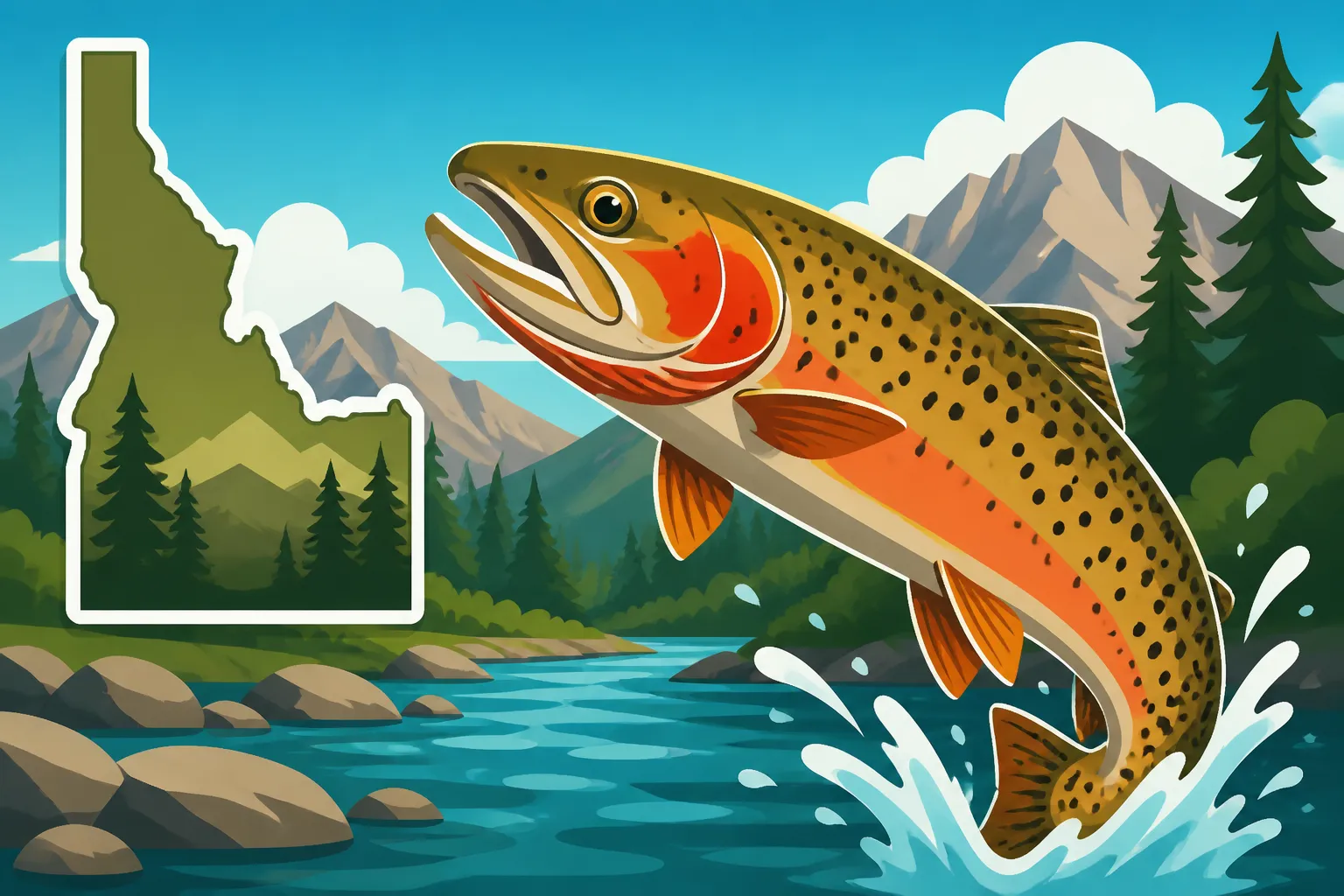
So, how do you tell a Westslope Cutthroat from other trout species you might encounter? The most iconic feature, of course, is that tell-tale "cutthroat" slash, a vivid red or orange mark along the underside of their lower jaw. It's often subtle on some fish and incredibly bright on others, but it's always there, a little splash of color that gives them their name. Beyond this, Westslopes typically have a beautiful, understated elegance. Their body coloration usually ranges from olive green to brassy yellow on the back, fading to silvery or yellowish flanks, and then a whitish belly.
Their spots are another key identifier. Westslope Cutthroat are often covered in small, irregular dark spots, concentrated more heavily towards the tail and often sparse or absent on the front half of the body. This is a crucial distinction, as other trout might have larger, more uniform spots or spots distributed differently. Their fins are usually unmarked, sometimes with a yellowish tinge. When you hold a healthy Westslope Cutthroat in your hand (gently, of course!), you'll notice their streamlined, delicate build, perfectly suited for navigating fast-flowing mountain rivers and streams. You can delve deeper into Idaho Fish Species Guide to compare them with other local species.
Their Unique Role in Idaho's Ecosystem
These trout are more than just beautiful; they play a critical role in the intricate web of life within Idaho's aquatic environments. As opportunistic feeders, they help regulate insect populations, consuming a wide variety of aquatic and terrestrial insects throughout their lives. This includes everything from mayfly nymphs clinging to rocks to grasshoppers that accidentally tumble into the water. This predation helps keep the ecosystem in balance, preventing any single insect species from dominating.
Furthermore, Westslope Cutthroat serve as an important food source for larger predators. Osprey, bald eagles, otters, and even bears rely on healthy trout populations as part of their diet, especially during spawning seasons. Their presence, therefore, often indicates a robust and healthy ecosystem, with clean, cold, well-oxygenated water and intact riparian zones. If you see thriving populations of Westslope Cutthroat, it's a good sign that the overall health of that particular waterway is in good shape, signaling a balanced food chain and sustainable habitat.
Where to Find Westslope Cutthroat in Idaho's Waters
If you're looking to connect with a Westslope Cutthroat, you're in for a treat, but it often requires a bit more effort than targeting stocked rainbows. These fish prefer specific conditions, and knowing where to focus your search is key to a successful and rewarding experience. Generally, you'll be looking for cold, clear, unpolluted waters, often in more remote or higher elevation areas.
Native Strongholds: Rivers and Streams
Idaho is blessed with incredible river systems, and many of these are the historical strongholds for Westslope Cutthroat. The Clearwater River drainage, especially its forks, is famously home to thriving populations. The mainstem of the Salmon River and its numerous tributaries also offer fantastic opportunities. Smaller, lesser-known streams feeding into these larger rivers, particularly those higher up in the watersheds, can be absolute gems. Think about the St. Joe River in the Panhandle, too—it's legendary.
These rivers and streams typically share common characteristics that make them ideal for Westslopes: consistent cold water temperatures, especially through the summer; abundant overhead cover from riparian vegetation, undercut banks, and downed timber; and clean, gravelly bottoms perfect for spawning. Look for areas with a good mix of riffles, runs, and deeper pools, as the fish will use these different structures for feeding, resting, and escaping predators. Often, the more remote the access, the better the fishing, as these areas tend to be less pressured. Understanding Where Westslope Cutthroat Trout Are Native in Idaho can help you pinpoint prime locations.
High Mountain Lakes and Pristine Wilderness
While rivers are their primary native domain, many high mountain lakes across Idaho also hold healthy populations of Westslope Cutthroat. These often involve a hike, sometimes a significant one, into wilderness areas like the Sawtooths, the Frank Church-River of No Return, or the Selway-Bitterroot Wilderness. In many cases, these lakes were historically barren of fish or have been carefully managed with stocking programs using native strains to ensure genetic integrity. The rewards for reaching these alpine gems are often breathtaking views and eager, wild fish.
These lakes are typically characterized by incredibly clear, cold water, surrounded by granite peaks and pine forests. They offer a completely different fishing experience than river fishing, often involving float tubes or shore casting into deep, mysterious waters. The fish in these environments can be incredibly vibrant in color, due to their diet and water quality, and they tend to be very aggressive feeders, especially during hatches or in the cooler parts of the day. Be prepared for a wilderness adventure, as access usually means packing in all your gear.
Conservation and Management Areas
Idaho Fish and Game (IDFG) actively manages many waters to protect and enhance Westslope Cutthroat populations. This often means special regulations are in place to ensure their long-term health. You'll frequently find sections of rivers or specific lakes designated as catch-and-release only for cutthroat, or with reduced bag limits and specific gear restrictions. These areas are vital for maintaining strong genetic strains and providing refuge for these sensitive fish. Always check the current Idaho Fishing Regulations Explained before heading out.
Some examples might include specific stretches of the St. Joe River or certain tributaries of the Salmon River where only single, barbless hooks are permitted, and all native cutthroat must be released unharmed. These regulations are designed to minimize stress on the fish and allow them to reproduce successfully. Respecting these rules is paramount for any angler fishing for Westslope Cutthroat. These protected zones are not just for the fish, they're for the future of fishing in Idaho, ensuring that generations to come can also experience the thrill of catching these magnificent trout.
Understanding Westslope Cutthroat Behavior and Habitat
To truly appreciate and successfully fish for Westslope Cutthroat, it helps to get inside their "head" a little. Understanding their basic needs and behaviors will not only make you a more effective angler but also deepen your connection to these incredible creatures and their wild surroundings. They are creatures of habit and environment, so knowing what makes them tick is crucial.
Preferred Water Conditions and Structure
Westslope Cutthroat are finicky when it comes to their home. They demand cold, clean, and highly oxygenated water. This is why you primarily find them in mountain streams, high-elevation rivers, and spring-fed creeks. Water temperatures above 65°F (around 18°C) start to stress them, and anything higher can be lethal, so they'll seek out cooler refuge in deep pools, undercuts, or areas with cold groundwater upwellings during summer heat.
They also love structure. This means anything that provides cover from predators and current, as well as ambush points for feeding. Look for deep pools where they can rest, especially at the tail-out where food drifts in. Undercut banks offer excellent overhead cover and protection. Logjams, boulders, and fallen trees create current breaks and hiding spots. Riffles and runs, which churn and oxygenate the water, are prime feeding zones, especially where they transition into a deeper pool. Knowing these preferred spots will help you determine where to cast your line.
Diet and Feeding Habits
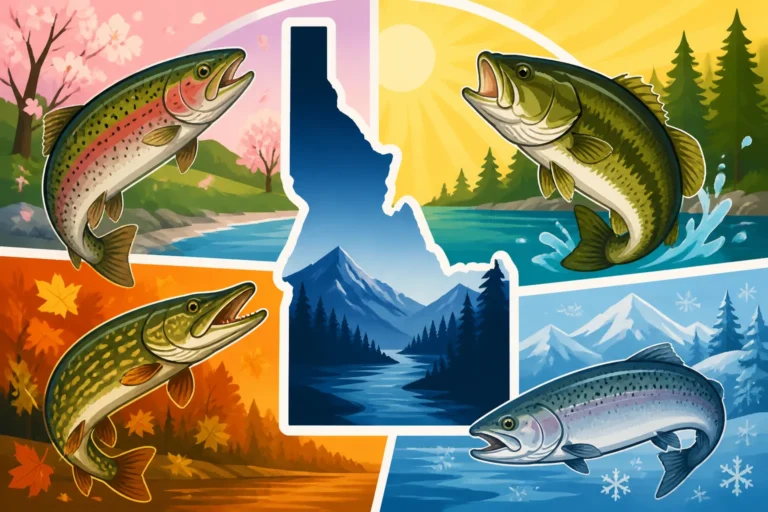
Westslope Cutthroat are opportunistic eaters, meaning they'll pretty much eat whatever looks appealing and is available. Their diet is largely dictated by the season and the local insect hatches. In spring and early summer, stonefly and caddisfly nymphs are major food sources. As summer progresses, mayfly hatches become important, and terrestrial insects like grasshoppers, ants, and beetles that fall into the water become irresistible snacks. They're not afraid to rise to a dry fly floating on the surface, making them incredibly exciting to target with fly gear.
They can also be quite aggressive, especially if they haven't seen a lot of fishing pressure. While insects are their staple, don't discount small baitfish, leeches, or even salmon eggs during spawning seasons of other fish. They often hold in prime feeding lanes, just out of the main current, waiting for food to drift by. Their eagerness to strike a well-presented fly or lure is one of their most endearing qualities for anglers. You can often find a good selection of the right flies and lures on online retailers like Amazon.
Spawning and Life Cycle
The life cycle of the Westslope Cutthroat is deeply tied to the rhythms of the stream. They typically spawn in the spring, after snowmelt and runoff have subsided, usually from April through July depending on elevation and water temperature. During this time, they migrate upstream to smaller tributaries or shallower, gravel-bottomed areas of the main river to construct "redds" – depressions in the gravel where eggs are laid and fertilized. Clean, oxygenated gravel is absolutely essential for successful egg development.
Once the eggs hatch, the tiny fry emerge and spend their first year or two in these shallower, protected nursery waters, feeding on microscopic organisms. As they grow, they gradually move into larger pools and runs, eventually reaching sexual maturity. Their lifespan can vary, but a healthy Westslope Cutthroat in a pristine environment might live anywhere from 5 to 10 years, making annual spawning runs a few times in their life. Protecting these spawning grounds is critical for the future of their populations, so avoid disturbing any shallow, clear gravel areas in spring.
Effective Techniques for Catching Westslope Cutthroat
Whether you're a seasoned fly angler or prefer the simplicity of spin fishing, there are effective ways to target Westslope Cutthroat. The key is often a stealthy approach, understanding the water, and presenting your offering naturally. These fish are wild, and while often eager, they can also be wary in clear, shallow waters.
Fly Fishing: The Classic Approach
For many, fly fishing is the quintessential method for Westslope Cutthroat. These trout are often very willing to rise to a well-presented dry fly, especially during an active hatch. Classic patterns like the Elk Hair Caddis, Royal Wulff, or Parachute Adams are excellent choices. For subsurface action, nymphing with patterns like a Hare's Ear, Pheasant Tail, or Prince Nymph can be incredibly effective, especially in deeper runs or riffles where fish are feeding on nymphs drifting along the bottom. Streamers, mimicking small baitfish or leeches, can also entice larger, more aggressive cutthroat, particularly in off-color water or larger pools.
The presentation is crucial. Aim for natural drifts, trying to minimize drag that can make your fly look unnatural. Upstream casts, allowing your fly to drift back towards you with the current, are often most effective. Pay attention to seams, eddies, and current breaks – these are prime holding lies. Lightweight rods, typically 3-5 weight, are perfect for the size of most Westslope Cutthroat and provide an enjoyable fight. If you’re not sure where to start, check out specific guidance on Best Flies for Cutthroat Trout and consider stocking up on a variety from retailers like Amazon.
Spin Fishing Strategies
If fly fishing isn't your style, spin fishing can still be highly successful for Westslope Cutthroat. The trick is to use ultralight gear and small lures that mimic their natural prey. Small inline spinners, such as those from Mepps or Panther Martin, in sizes #0 or #1, with silver, gold, or brass blades, are incredibly effective. Small spoons, like a 1/8 oz Kastmaster or Little Cleo, can also work wonders in larger pools or lakes. The key is to retrieve them slowly, allowing the lure's action to do the work, mimicking a struggling baitfish or insect.
Soft plastics, such as small grub-tailed jigs or plastic worms in natural colors, can also be fished effectively under a bobber or bounced along the bottom. Natural baits, like worms or grasshoppers, can be potent, but always check regulations as bait is often restricted or prohibited in cutthroat-specific waters. Remember, these fish are often found in relatively shallow, clear water, so a stealthy approach, wearing muted colors, and casting from a distance will increase your success. Using a lighter line (4-6 lb test) will also help with presentation and minimize spooking fish.
Ethical Angling and Conservation
Regardless of your chosen method, practicing ethical angling is paramount when fishing for Westslope Cutthroat. Many populations are sensitive, and catch-and-release is often encouraged or even mandated. If you plan to release fish, use barbless hooks (you can easily crimp down the barb on most hooks with pliers) to minimize damage to the fish's mouth. Handle fish as little as possible, and always with wet hands to protect their delicate slime coat, which is their primary defense against disease.
If you must take a photo, keep the fish in the water or hold it gently for only a few seconds before releasing it quickly. Avoid letting fish flop on rocks or dry ground. When releasing, hold the fish gently in the current, facing upstream, until it swims away on its own power. These simple practices significantly increase the survival rate of released fish. Becoming familiar with How to Fish for Cutthroat Trout in Mountain Streams also often includes sections on proper handling. By being a responsible angler, you're directly contributing to the conservation of this precious resource for everyone.
Conservation Efforts and the Future of Westslope Cutthroat
The future of Westslope Cutthroat Trout in Idaho is a story of ongoing challenges and dedicated conservation efforts. While these resilient fish have adapted over millennia, modern pressures require proactive management and the continued vigilance of anglers and conservationists alike. Their survival is not guaranteed, but with concerted effort, their populations can thrive.
Threats to Their Survival
Westslope Cutthroat face a number of significant threats that have led to the reduction of their native range and population declines in many areas. Perhaps the most pervasive is habitat degradation. Logging practices that lead to increased sedimentation, mining operations that introduce pollutants, agricultural runoff, and the construction of dams that block migratory routes all contribute to less hospitable environments. These factors can warm waters, reduce oxygen levels, and destroy vital spawning grounds, making it incredibly difficult for cutthroat to thrive.
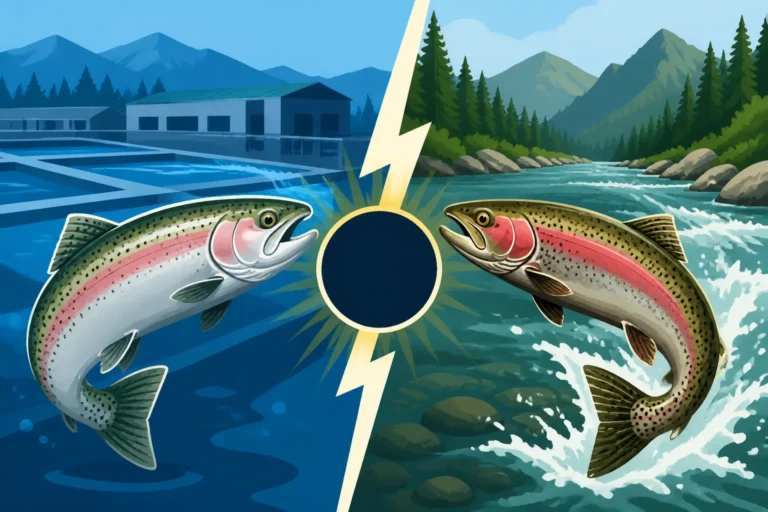
Another major threat is hybridization with non-native rainbow trout. Where rainbows have been introduced (sometimes intentionally, sometimes accidentally), they can interbreed with Westslopes, producing sterile "cutbow" hybrids. This dilutes the genetic purity of the native cutthroat populations and can lead to a loss of the unique adaptations that allow Westslopes to survive in their native waters. Additionally, competition from other introduced species, such as Idaho Brown Trout Fishing or brook trout, can outcompete Westslopes for food and habitat, further stressing native populations.
What Idaho is Doing to Help
Idaho Fish and Game, alongside various state and federal agencies and conservation groups, is actively working to protect and restore Westslope Cutthroat populations. A key strategy involves habitat restoration projects, which might include planting riparian vegetation to stabilize stream banks and provide shade, removing outdated culverts that block fish passage, or improving water quality in agricultural areas. These efforts aim to reconnect fragmented habitats and create more resilient ecosystems.
Stocking programs are also part of the solution, but with a critical difference: rather than introducing non-native species, IDFG focuses on stocking genetically pure Westslope Cutthroat into suitable waters, particularly in high mountain lakes that may not have natural fish populations or where populations need a boost. Angler education is another vital component, helping fishermen understand the importance of catch-and-release, proper fish handling, and strict adherence to specific regulations, often detailed in the Idaho Fishing Regulation Brochure and Proclamation. Through science-based management and direct action, Idaho is striving to secure a strong future for its native cutthroat.
How Anglers Can Contribute
As anglers, we have a unique opportunity and responsibility to be active participants in the conservation of Westslope Cutthroat Trout. The most direct way is to rigorously follow all fishing regulations, including catch limits, gear restrictions, and special protections for native species. This not only keeps you compliant with the law (and your Idaho Fishing License Guide valid!) but directly contributes to the health of the fish populations. Always double-check current regulations before you head out, as rules can change.
Beyond compliance, consider embracing voluntary conservation practices like practicing catch-and-release, especially for larger, spawning-size fish. Use barbless hooks and handle fish with care to minimize stress. Report any observed poaching or habitat destruction to Idaho Fish and Game. Support conservation organizations that work to protect and restore cold-water habitats. By being informed, responsible, and vocal advocates for healthy waterways, anglers can make a tangible difference in ensuring that the stunning Westslope Cutthroat Trout continues to thrive in Idaho's magnificent waters for generations to come. Your passion for fishing can truly fuel conservation.
Disclaimer
This article is for general informational purposes only and does not constitute professional advice. Laws, prices and regulations vary by location and change over time. Consult a qualified professional for guidance on your specific situation.