Fishing the Snake River for Smallmouth Bass and Sturgeon
The Snake River—it’s an iconic waterway that carves its way through Idaho, offering some truly incredible fishing opportunities. But let's be real, facing a river this vast and legendary can feel a little overwhelming, especially when you're dreaming of tangling with feisty smallmouth bass or embarking on the epic quest for a giant white sturgeon. It’s easy to feel lost amidst all the regulations and prime spots. This guide is here to cut through that confusion, helping you understand where to go, what to use, and how to successfully fish the Snake River for both smallmouth bass and sturgeon.
Understanding the Snake River's Unique Character
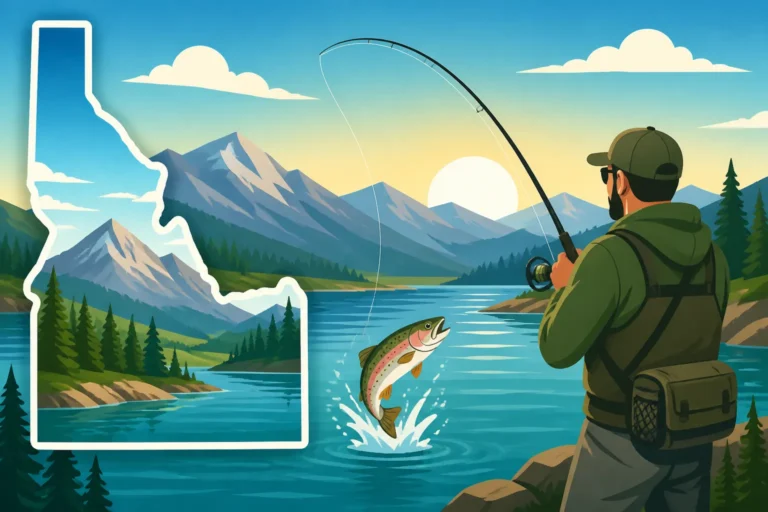
The Snake River isn't just one river; it's a series of diverse ecosystems, stretching from its headwaters in Wyoming through Idaho, Oregon, and Washington. For anglers in Idaho, it presents a rich tapestry of deep canyons, wide reservoirs, and meandering stretches, each with its own personality and, more importantly, its own unique fishing opportunities.
The Dynamic Nature of the Snake River
From the roaring waters of Hells Canyon to the calmer, dammed sections forming reservoirs like C.J. Strike or Brownlee, the Snake River’s character changes dramatically. This means that what works in one section for smallmouth might be completely ineffective just a few miles downstream in sturgeon country. Water levels, current speed, and even clarity fluctuate with the seasons and dam operations, constantly challenging anglers to adapt. You really have to pay attention to these nuances if you want to consistently find fish. It’s not a static environment, and embracing its dynamic nature is part of the adventure. Learning how to read the water on an Idaho river is an essential skill here.
Key Sections for Bass and Sturgeon Fishing
While smallmouth bass and sturgeon can be found in many of the same general areas, certain stretches of the Snake River are legendary for specific reasons.
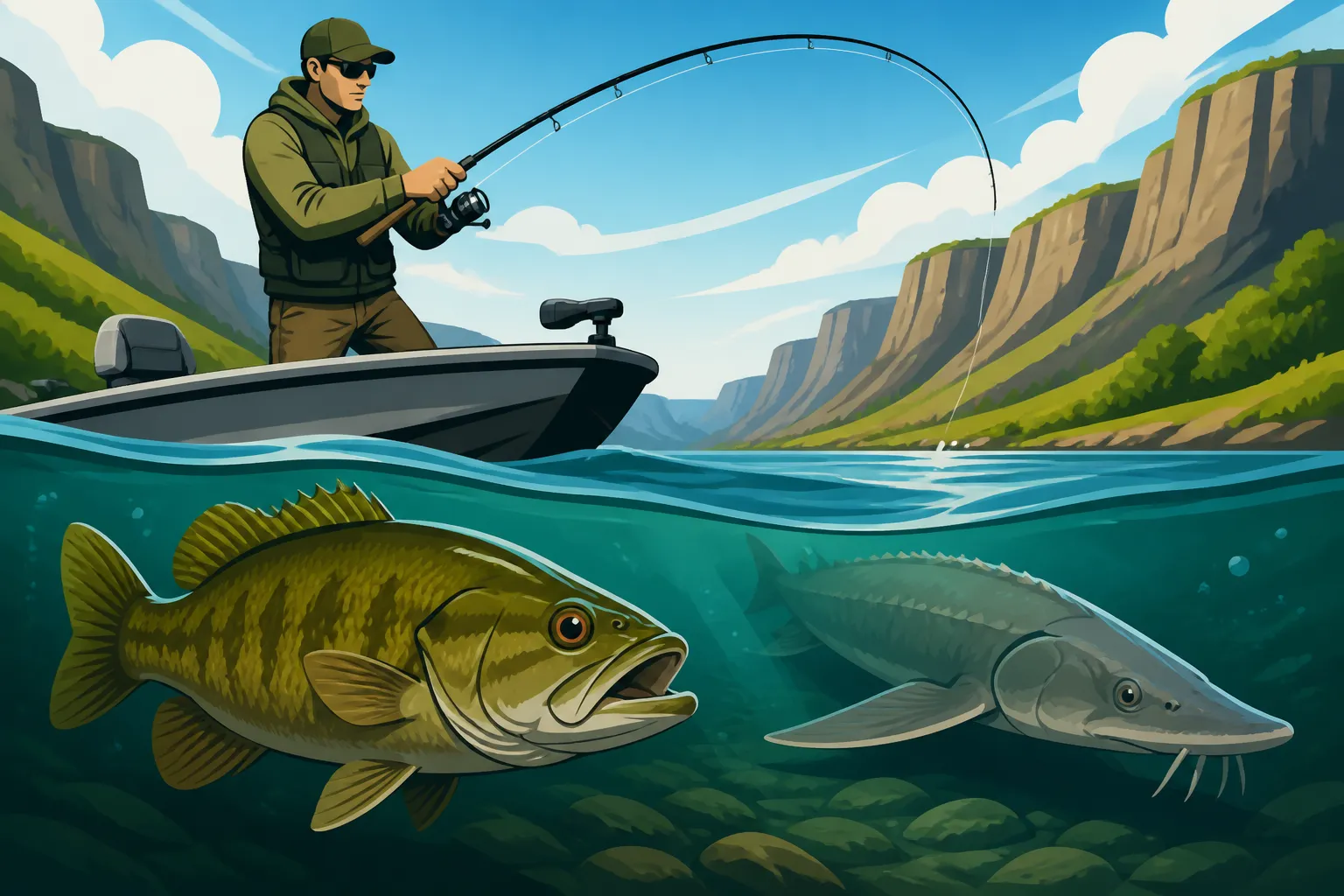
For Smallmouth Bass, you're often looking for rocky bottoms, submerged structure, and areas with moderate current. The sections below C.J. Strike Dam, particularly around the Owyhee River confluence, and the slower, rockier stretches near Hell's Canyon are well-known hotspots. These areas provide the perfect ambush points and foraging grounds for these aggressive, hard-fighting fish. You'll find plenty of current breaks and underwater ledges that hold bass.
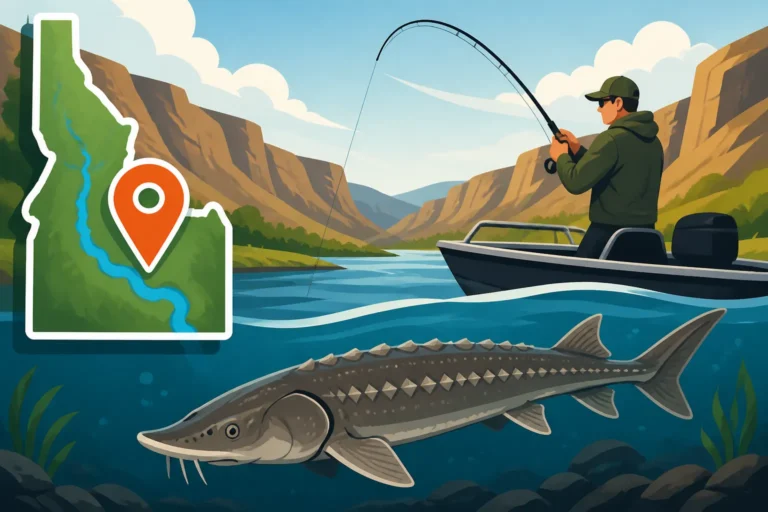
When it comes to White Sturgeon, these prehistoric giants prefer deeper holes, eddies, and the slower-moving water often found below major dams or in the bottom of deep canyons. The stretch below C.J. Strike Dam, and especially the lower Snake River as it cuts through Hells Canyon near Lewiston, are prime locations. These deeper, calmer spots allow sturgeon to settle on the bottom and ambush prey, making them easier to target with bait. Knowing Where to Fish for Sturgeon on the Snake River can really make a difference.
Targeting Smallmouth Bass on the Snake
Smallmouth bass are incredibly popular with Idaho anglers, and for good reason! They’re aggressive, acrobatic, and pound-for-pound, one of the hardest-fighting freshwater fish out there. Catching them on the Snake River is a blast, but it requires understanding their habits and preferred habitat.
Prime Smallmouth Bass Habitat and Seasons
Smallmouth bass in the Snake River thrive in areas with rocky bottoms, gravel, and submerged cover like downed trees, boulders, and ledges. They love current, but they also use current breaks to conserve energy while waiting for prey. Think about those seams where fast water meets slower water, or the eddy behind a large rock – these are prime smallmouth holding spots.
The best time to target smallmouth bass on the Snake River is typically from late spring through early fall. As water temperatures rise into the 50s and 60s Fahrenheit, smallmouth become much more active. They'll move into shallower areas to spawn in late spring (usually May to early June), and then transition to deeper structure or current breaks during the hot summer months. Fall fishing can also be fantastic as they aggressively feed to fatten up before winter. During these cooler months, they might be a bit deeper, so adjusting your presentation is key.
Essential Techniques and Lures for River Smallmouth
River smallmouth can be caught using a variety of techniques, making them a fun target for anglers of all skill levels.
Spin fishing is highly effective. You’ll want to focus on casting toward structure and current breaks. Some of the Best Lures for River Smallmouth Bass include:
- Jigs: Grubs, tubes, and hair jigs in natural colors (green pumpkin, brown, black) are deadly. Fish them by bouncing them along the bottom or swimming them through current.
- Crankbaits: Squarebill crankbaits that deflect off rocks are fantastic in shallower, rocky areas. Deeper diving crankbaits can reach those fish holding in deeper holes.
- Soft Plastics: Senkos, flukes, and creature baits rigged Texas-style or on a drop-shot rig are excellent for targeting fish holding tight to cover.
- Topwater: Don't forget topwater lures like poppers, walking baits, and prop baits, especially during low light conditions or when fish are actively feeding on the surface. There's nothing quite like a smallmouth blowing up on a topwater bait!
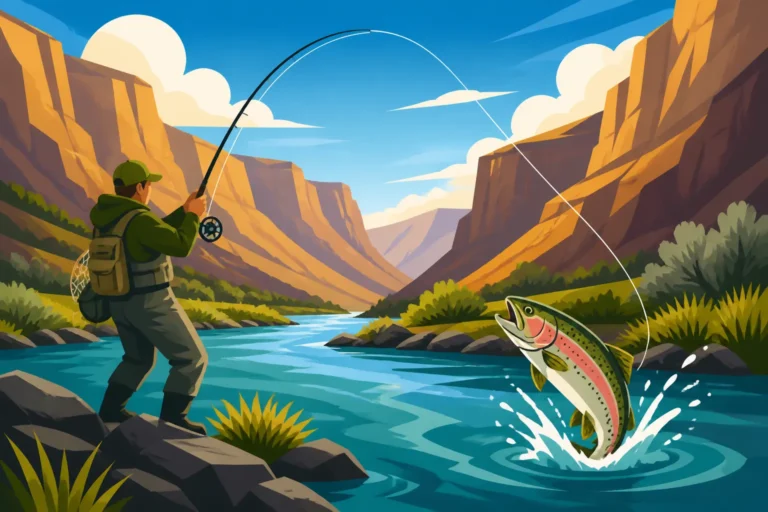
For fly fishing, streamers that imitate baitfish (like Clouser Minnows or Woolly Buggers) are very productive. Smallmouth will also readily hit poppers and gurglers on the surface, offering exciting visual strikes. You'll want a faster action 6 or 7-weight rod to handle these aggressive fish and turn over larger flies.
The Thrill of the Smallmouth Fight
Anyone who’s hooked into a Snake River smallmouth can attest to their incredible fighting spirit. They are notorious for their strong runs, head-shaking jumps, and relentless tugs. Unlike their largemouth cousins, smallmouth often fight dirty, using the current to their advantage and diving into structure, trying to break you off.
This makes using the right tackle crucial. A medium-light to medium-action spinning rod (6'6" to 7'2") paired with a 2500 or 3000 series reel spooled with 8-12 lb test fluorocarbon or braided line with a fluorocarbon leader is a great all-around setup. For fly anglers, a 6 or 7-weight rod with a strong butt section will give you the backbone needed to wrestle these fish out of the current. Always remember to check the Idaho Fishing Regulations Explained for any specific rules regarding gear or bait in the area you plan to fish.
The Majestic White Sturgeon Fishery
Fishing for white sturgeon on the Snake River is not just fishing; it's an experience. These ancient fish can live for over 100 years and grow to immense sizes, making every encounter a memorable one. However, the sturgeon fishery is almost entirely catch-and-release, emphasizing conservation.
Understanding Idaho's Sturgeon Regulations and Conservation
Idaho's white sturgeon population, particularly in the Snake River, is carefully managed. Most of the Snake River's sturgeon population is strictly catch-and-release only. This means all sturgeon caught must be immediately and carefully released back into the water. In some highly protected areas, you can't even remove the fish from the water for a photo, so be sure to know the specific rules for your section of the river. These strict rules are in place because white sturgeon have faced significant challenges over the past century, and these protections are vital for their recovery and long-term survival.
Before you even cast a line, it is absolutely essential to check the latest Idaho Sturgeon Fishing Rules and general Idaho Fishing Regulations Explained. There are often specific requirements regarding gear (like mandatory barbless hooks) and handling practices to minimize stress on these fragile giants. Ignoring these rules can lead to hefty fines and harm the very fish we seek to admire.
Rigging Up for Giant Sturgeon
Landing a fish that can weigh hundreds of pounds and stretch over six feet long requires specialized, heavy-duty tackle. This isn't your average trout setup!
- Rods: Look for a heavy-action boat rod, typically 7-9 feet long, with a strong backbone. Fiberglass rods are often preferred for their parabolic bend, which helps absorb the shock of a powerful sturgeon run. Brands like Lamiglas or Ugly Stik offer popular options.
- Reels: A large, conventional baitcasting reel (like a Penn Senator or an Okuma Solterra) with a strong drag system is a must. Line capacity is crucial, as a big sturgeon can spool you in a hurry.
- Line: Spool up with heavy braided line, typically 80-150 lb test. This provides the strength and abrasion resistance needed to withstand the sturgeon’s powerful runs and the rocky river bottom. A heavy mono or fluorocarbon leader (100-200 lb test) is often used to connect to your hook, providing extra abrasion resistance against their rough mouths.
- Terminal Tackle: You’ll need heavy-duty swivels, sinkers (often 8-24 ounces, depending on current), and large, strong, barbless hooks (e.g., 8/0 to 12/0 circle hooks). Circle hooks are strongly recommended, and often required, because they are designed to hook fish in the corner of the mouth, greatly reducing gut hooking and improving catch-and-release survival. For more details on rigging, check out What Size Tackle to Use for Idaho Sturgeon.
Bait is king for sturgeon fishing. Fresh cut bait is usually the most effective. Common choices include chunks of carp, pikeminnow, or lamprey. Some anglers also use squid or salmon eggs. The key is fresh bait that gives off a strong scent plume in the current.
The Patience and Power of Sturgeon Fishing
Sturgeon fishing is a game of patience, followed by an explosion of power. You typically anchor your boat in a deep hole or eddy, cast your heavy bait rig to the bottom, and wait. Sometimes you wait for hours, just watching your rod tip. But when a sturgeon decides to bite, there's no mistaking it. Your rod will often bend over dramatically, or you'll feel a series of powerful tugs.
Setting the hook with a circle hook is different than traditional J-hooks. Instead of a hard, sweeping hook set, you simply let the fish take the bait, then slowly apply pressure as the rod loads up. The circle hook will then usually find its mark in the corner of the sturgeon's mouth.
The fight itself is epic. These fish don't jump like a smallmouth, but they make incredibly powerful, long runs and often stick to the bottom, using their broad bodies against the current. It can take anywhere from 30 minutes to several hours to land a large sturgeon, testing your endurance and tackle to its limits. This is where knowing How Long It Takes to Land a Sturgeon in Idaho comes in handy. Once landed, ensure you follow all Idaho Catch-and-Release Sturgeon Rules to ensure the fish's health and survival. Many anglers find hiring a specialized sturgeon guide from services like FishingBooker is invaluable for their first few trips, as they know the prime spots and proper handling techniques.
Gear Up for Success
Having the right equipment makes all the difference, not just in catching fish, but in enhancing your overall enjoyment and safety on the water. While some gear overlaps, there are distinct differences between bass and sturgeon setups.
Rods and Reels for Bass vs. Sturgeon
As we've touched on, the disparity in size and fighting power between a 3-pound smallmouth and a 300-pound sturgeon necessitates different tackle.
For Smallmouth Bass, a versatile setup is usually preferred. A medium-action spinning rod between 6'6" and 7'2" with a fast tip allows for accurate casting of various lures and sufficient backbone to handle those powerful runs. Pair this with a reliable 2500-3000 size spinning reel. This combination offers a good balance of sensitivity for detecting subtle bites and strength for fighting fish in current. You might even consider a baitcasting setup if you're throwing heavier jigs or crankbaits frequently, offering more power and precision.
For White Sturgeon, think industrial strength. A heavy, often fiberglass, conventional rod (7-9 feet) designed for large saltwater fish or catfish is your best bet. These rods are built to absorb tremendous shock and withstand sustained pressure. Couple this with a large conventional reel, like those mentioned earlier, capable of holding hundreds of yards of heavy braided line and boasting a powerful, smooth drag system. This isn't just about hauling in a fish; it's about applying constant, heavy pressure to tire out a true river monster.
Terminal Tackle and Essential Accessories
Beyond rods and reels, the small stuff – your terminal tackle and accessories – can make or break a day on the water.
For Smallmouth Bass:
- Line: 8-12 lb fluorocarbon or braided line with a fluorocarbon leader is standard. Fluorocarbon is nearly invisible underwater and very abrasion resistant.
- Hooks: Wide gap worm hooks (for soft plastics), jig heads of various weights (1/8 oz to 1/2 oz), and treble hooks on your lures.
- Swivels/Snaps: Small, strong swivels for attaching leaders to braided line, and snap swivels for quickly changing lures.
- Tools: Pliers, line clippers, and a small net are invaluable. A digital scale and tape measure are great for recording catches.
For White Sturgeon:
- Line: Heavy braided main line (80-150 lb) and 100-200 lb monofilament or fluorocarbon leader material.
- Hooks: Large, strong, barbless circle hooks (8/0 to 12/0). This is non-negotiable for sturgeon conservation.
- Sinkers: Pyramid or no-roll sinkers in a wide range of weights (8-24 oz, sometimes more) to hold bait on the bottom in strong currents.
- Swivels: Heavy-duty barrel or ball bearing swivels (200-300 lb test) to prevent line twist.
- Tools: Extra-long needle-nose pliers or hook removers, heavy-duty line cutters, and a large, soft knotless landing net (or specialized sturgeon cradle/sling) for safe handling and release. A measuring tape is often required for length measurements. You'll also want comfortable seating and plenty of water/snacks, as it can be a long wait. Again, booking with a reputable guide found on platforms like FishingBooker ensures you have all the correct, heavy-duty gear without the upfront investment.
| Feature | Smallmouth Bass Fishing (Snake River) | White Sturgeon Fishing (Snake River) |
|---|---|---|
| Target Size | 1-5 lbs, up to 20 inches | 50-500+ lbs, 4-10+ feet |
| Primary Habitat | Rocky bottoms, submerged structure, current breaks, moderate current | Deep holes, eddies, slower water below dams/canyons, mud/gravel bottom |
| Best Season | Late Spring to Early Fall (May-October) | Year-round, but often best in Spring and Fall |
| Typical Gear | Medium-action spinning/baitcasting rod (6'6"-7'2"), 2500-3000 reel | Heavy-action conventional rod (7-9'), large conventional reel |
| Line Weight | 8-12 lb test fluorocarbon/braid | 80-150 lb test braid (main), 100-200 lb leader |
| Hooks | Jig heads, wide gap, treble hooks | Large, strong, barbless circle hooks (8/0-12/0) |
| Lures/Bait | Jigs, crankbaits, soft plastics, topwater lures | Fresh cut bait (carp, pikeminnow, lamprey, squid) |
| Key Techniques | Casting, retrieving, bouncing lures off bottom, topwater action | Bottom fishing with heavy weights, waiting |
| Regulations | General Idaho statewide fishing rules, specific bag/size limits | Strictly Catch-and-Release, barbless hooks mandatory, specific handling rules |
| Fight Style | Hard runs, acrobatic jumps, uses current, aggressive | Powerful, long runs, deep dives, uses current, relentless |
Navigating the Waters: Access and Safety
Accessing the Snake River and staying safe on its diverse waters are paramount for a successful and enjoyable fishing trip. The river can be forgiving in some sections and incredibly challenging in others.
Public Access Points and Boat Ramps
The Snake River offers numerous public access points, ranging from developed boat ramps to more primitive shoreline access.
For boat-based fishing, popular ramps can be found in areas like the lower Clearwater River near Lewiston (where it meets the Snake), along the C.J. Strike Reservoir, and various points within the Hells Canyon National Recreation Area. These typically offer concrete ramps, parking, and sometimes restrooms. Always check the current conditions before heading out, as water levels can affect ramp usability. You can often find detailed maps and access information on the Idaho Department of Fish and Game website.
Shoreline access for smallmouth bass can be found in many areas, particularly in reservoir sections or where the river flows through public lands. Look for parks, BLM (Bureau of Land Management) lands, or forest service access points. However, accessing prime sturgeon holes from shore can be more challenging due to the deep water and often rugged terrain, making a boat almost essential for serious sturgeon fishing. Remember, some areas might require an Idaho Fishing License Age Requirements or an Idaho Resident Annual Fishing License or other specific permits depending on where you're fishing.
Safety First on the Snake River
The Snake River, while beautiful, demands respect. Its currents can be swift, water temperatures can be cold, and weather can change quickly.
Boating safety is non-negotiable. Always wear a life jacket (PFD), ensure your boat is equipped with all required safety gear (throw cushion, fire extinguisher, horn/whistle), and let someone know your float plan. Be acutely aware of river hazards like submerged rocks, rapids, and log jams, especially in less familiar sections. The lower Snake, particularly through Hells Canyon, has powerful currents and rapids that require experienced boat handling. For those less experienced, considering a guided trip, especially for sturgeon, is a very smart move.
Weather awareness is crucial. Idaho's weather can be unpredictable. High winds can make boating dangerous on large reservoirs, and thunderstorms can bring sudden downpours and lightning. Always check the forecast before you go and be prepared to cut your trip short if conditions deteriorate.
Wading safety for bass anglers also deserves attention. River bottoms can be slippery, and currents can be deceivingly strong. Always use a wading staff, wear appropriate wading boots with good grip, and never wade alone in unfamiliar waters. Remember that water levels can rise quickly, so always be mindful of your surroundings.
Planning Your Snake River Adventure
A little preparation goes a long way when tackling a significant fishery like the Snake River. From deciding if you need a guide to ensuring you have all your permits, thoughtful planning sets you up for success.
Choosing a Guide or Going Solo
Deciding whether to hire a guide or embark on a solo adventure depends largely on your experience level, the target species, and the section of the river you plan to fish.
Going solo offers immense freedom and is often preferred by experienced anglers who know the river well and have their own specialized gear. If you're targeting smallmouth bass in more accessible areas with your own boat or from shore, a solo trip is definitely achievable. However, it requires thorough research into access points, current conditions, and fish patterns.
For Sturgeon Fishing, especially if it's your first time or if you don't own the heavy-duty gear, hiring a reputable guide is highly recommended. These guides not only have the specialized boats and tackle but also possess invaluable local knowledge about where the sturgeon are holding, what bait they're hitting, and, crucially, how to handle and release these massive fish safely. Platforms like FishingBooker are excellent resources for finding and booking experienced Snake River sturgeon guides, particularly those specializing in catch-and-release practices. Many guides also offer smallmouth bass trips, which can be a great way to learn new techniques or explore unfamiliar water.
Licenses, Permits, and Regulations Check
Before your line even touches the water, you absolutely must ensure you have the correct and current fishing license and any necessary permits. This is not just a suggestion; it's the law, and Idaho Fish and Game officers patrol these waters diligently.
Every angler aged 14 and older needs an Idaho Fishing License Guide to fish in Idaho. This includes both residents and nonresidents. You can purchase these online through the Idaho Fish and Game website, at license vendors, or even sometimes through your fishing guide.
Beyond the general license, certain species or locations might require additional permits or stamps. For example, while sturgeon fishing on the Snake River generally doesn't require a specific "sturgeon permit" in the way steelhead or salmon do, the regulations for specific sections of the river can vary, and it's imperative to confirm there are no special area-specific rules. Additionally, always review the general Idaho Fishing Regulations Explained and the specific Idaho Sturgeon Fishing Rules or Idaho Smallmouth Bass Fishing rules to understand catch limits, size restrictions (though sturgeon are C&R), and allowable gear. Regulations can change annually, so always consult the latest Idaho Fish and Game Fishing Seasons and Rules brochure. Knowing the Idaho Fishing License Cost Guide can help you budget appropriately for your trip.
Disclaimer
The information provided in this guide is for general informational purposes only and is subject to change. Fishing regulations, seasons, and access points in Idaho can be updated by the Idaho Department of Fish and Game. Always consult the most current Idaho Fishing Seasons and Rules brochure and verify all information with official sources before planning and embarking on any fishing trip. Adherence to all local, state, and federal laws is the responsibility of the angler.