Idaho Trolling Techniques Guide
There’s nothing quite like the immense satisfaction of landing a beautiful fish, but for many anglers exploring Idaho’s vast lakes and reservoirs, consistently finding those fish can feel like an impossible puzzle. You spend hours on the water, meticulously casting, only to come up empty-handed while others seem to reel them in effortlessly. This guide is dedicated to demystifying one of the most effective, yet often misunderstood, techniques for fishing Idaho's big waters: trolling. We’re going to dive deep into every aspect, from gear to tactics, to help you crack the code and start bringing more fish to the net.
Why Trolling is a Go-To Technique in Idaho
Idaho is a state of stunning and diverse waterways, from the massive, deep glacial lakes of the Panhandle to the sprawling, nutrient-rich reservoirs of the south. These bodies of water hold incredible fish, but their sheer size can be intimidating. This is precisely where trolling shines, offering advantages that still-fishing or casting simply can't match when you're trying to locate and entice fish across vast expanses.
Covering Expansive Waters
Imagine casting a spinner in Lake Coeur d'Alene, a body of water that stretches over 25 miles long with depths plunging hundreds of feet. You'd be lucky to cover a few hundred square feet in an hour. Trolling, however, turns your boat into a mobile search party. By pulling lines behind your vessel, you can systematically cover miles of water in a single outing. This isn't just about covering distance; it's about presenting your bait or lure to a greater number of fish, increasing your odds of encountering active feeders.
Think about those days when you're just not sure where the fish are holding. Are they near the submerged timber? Are they suspended in open water? Are they following a deep channel? Instead of guessing and hoping, trolling allows you to methodically explore different areas, depths, and structures until you start getting bites. It’s like casting a net across a wider area, exponentially increasing your chances. This is particularly crucial in early mornings or late evenings when fish might be on the move, or during midday lulls when they've dispersed across the lake. Finding those elusive schools of Kokanee or patrolling Chinook salmon becomes much more achievable when you can actively search for them rather than waiting for them to come to you.
Targeting Deep-Water Species
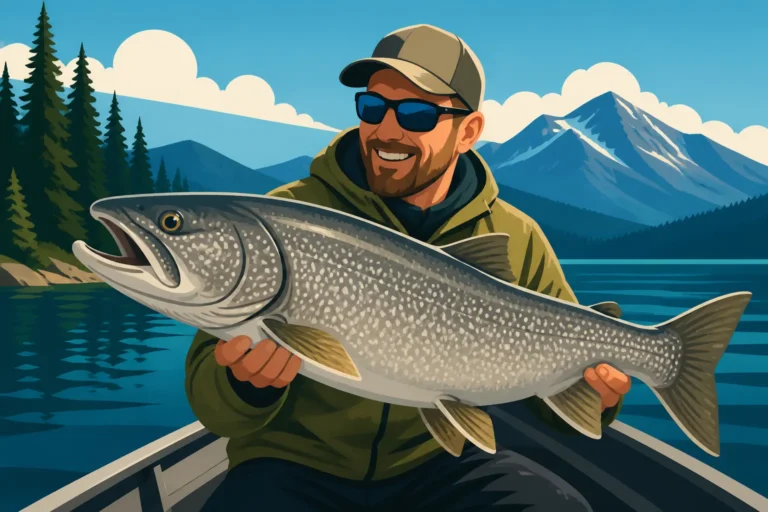
Many of Idaho's most sought-after game fish—like Kokanee salmon, Chinook salmon, and the monstrous Lake Trout (often called Mackinaw)—spend a significant portion of their lives in the deeper, cooler layers of our larger lakes and reservoirs. These fish often feed on plankton, smaller baitfish, or even other game fish that reside well below the surface, sometimes hundreds of feet down. Trying to reach these depths consistently with traditional casting methods is, frankly, a non-starter for most anglers.
This is where trolling, combined with specialized gear like downriggers and lead core line, becomes absolutely essential. It allows you to precisely present your lures at specific depths where these deep-dwelling fish are actively feeding. You're not just throwing a line out; you're orchestrating a deliberate presentation in their feeding zone. For example, if you know Kokanee are holding at 60 feet in Lake Pend Oreille, a downrigger lets you run your lure directly through that 60-foot strike zone, hour after hour, with incredible precision. Without this ability, you’d be missing out on some of the most exciting fishing Idaho has to offer. The ability to control your depth is what transforms a random cast into a targeted strike, making trolling the uncontested champion for these deep-water species.
Essential Gear for Idaho Trolling Success
To troll effectively in Idaho's diverse waters, you need more than just a fishing rod and some bait. This isn't your grandpa's cane pole fishing; it requires a thoughtful setup of specialized gear designed for precise depth control, subtle lure presentation, and the brute strength needed to haul in big fish. Getting your gear right is the first major step toward consistently successful trolling trips.
Rods, Reels, and Line Choices
Let's talk about the backbone of your trolling setup: the rod and reel. For trolling, you're generally looking for rods that have a more moderate to slow action. This isn't because you want a noodle for a rod, but rather because the slower action allows the rod to absorb the constant drag of the lure and the pressure from the boat's movement without tearing the hook out of a fish's mouth once it bites. A fast-action rod, which is great for casting, can be too stiff for trolling, leading to lost fish, especially with softer-mouthed species like Kokanee. Rod lengths typically range from 7 to 9 feet, offering a good balance between leverage for fighting fish and manageability in the boat. Brands like Lamiglas and Fenwick offer excellent trolling rods with the right flex and power for Idaho's diverse species.
When it comes to reels, durability and line capacity are key. For most trolling applications, a conventional level-wind reel is preferred over spinning reels. These reels are robust, handle heavier lines well, and offer smooth drag systems crucial for long fights. For precision, many experienced trollers opt for reels with built-in line counters. Being able to know exactly how much line you have out is invaluable for replicating successful patterns or when you're trying to achieve a specific depth with lead core or other weight systems. Think about it: if you get a bite at exactly 150 feet of line out, a line counter lets you get right back to that spot without guessing. For serious downrigger trolling or for those targeting larger Chinook and Lake Trout, a heavy-duty conventional reel from brands like Daiwa or Penn will serve you well. You can often find a great selection of these on Amazon, making it easy to compare features and prices.
Now, for your line. This is where things get a bit nuanced. Your main line choice will depend on the species you're targeting and your trolling method. Monofilament is a classic choice for its stretch, which acts as a shock absorber, and its affordability. It's often used as a main line for lead core setups or for planer boards. Fluorocarbon leader material is a must-have, especially in clear Idaho waters. It's nearly invisible underwater, which can make a huge difference in enticing wary fish. Many anglers will run a monofilament or braided main line and then tie on a fluorocarbon leader of 10-20 feet. Braided line, with its zero stretch and incredible strength-to-diameter ratio, is excellent for direct connections to downriggers or for feeling those subtle bites, particularly when targeting smaller fish like Kokanee. However, its lack of stretch means you need a rod with more give to compensate. A good general setup might be 20-pound braid as a main line for sensitivity, with a 10-pound fluorocarbon leader for stealth.
The Power of Downriggers and Dipsy Divers
If you're serious about trolling in Idaho's deeper waters, downriggers and Dipsy Divers are not just accessories; they are game-changers. These tools allow you to consistently present your lures at specific depths, which, as we discussed, is crucial for targeting species like Kokanee, Chinook, and Lake Trout that often suspend in the water column far below the surface.
Downriggers are essentially winches that carry a heavy ball (typically 8-15 pounds) attached to a cable, which is then connected to a release clip. Your fishing line, with its lure attached, is clipped into this release. You lower the ball to your desired depth, and your lure follows, running freely a set distance behind the ball. When a fish strikes, the line pops out of the release clip, and you're fighting the fish directly on your rod and reel, without the weight of the ball. This system offers unparalleled depth control and allows your lure to swim naturally without being influenced by heavy weights directly on your line. Many boats fishing places like Lake Coeur d'Alene or Priest Lake will have two or even four downriggers, allowing anglers to target multiple depths simultaneously, covering more of the water column efficiently. Modern downriggers often come with electric motors for easy retrieval and even offer features like precise depth tracking. Cannon and Scotty are two of the most popular and reliable brands for downriggers, known for their durability and smooth operation.
Dipsy Divers (and similar devices like jet divers or diving planers) offer a more portable, though less precise, method for getting lures down. These are disc-shaped devices that clip onto your main line. As you troll, the Dipsy Diver "dives" and pulls your lure down to a predetermined depth. The depth it achieves depends on its size, the amount of line you let out, and your trolling speed. When a fish strikes, the Dipsy trips, allowing you to reel in without the resistance of the diving disc. They're often used for targeting fish at shallower to moderate depths (up to about 50 feet) or for spreading out your lines horizontally when paired with planer boards. While not as precise as downriggers, Dipsy Divers are a fantastic option for smaller boats or when you want to add another line to your spread without the full investment of a downrigger setup. They come in various sizes and colors, with different settings to control their diving depth and horizontal spread, giving you versatility in your presentation. A quick search on Amazon will show you the wide array of Dipsy Divers available, along with their associated dive charts.
Understanding how to properly set up and use both downriggers and Dipsy Divers will significantly elevate your trolling game. It allows you to become a surgeon of the depths, putting your lures exactly where the fish are lurking, rather than just hoping they swim by your shallower offerings. For more detailed insights into specific gear, you might find our guide on Idaho Fishing Gear Guide by Season helpful, as it often touches on what equipment is best for various times of the year and target species.
Mastering Depth Control for Consistent Bites
If there's one secret sauce to successful trolling in Idaho, it's depth control. It doesn't matter how fancy your lure is or how fast your boat is going if your bait isn't swimming at the same depth as the fish. Fish are incredibly sensitive to temperature, light, and pressure, and they'll often hold in a very specific band of the water column. Finding that band and staying in it is paramount.
Reading Your Sonar and Understanding the Thermocline
Modern fish finders are nothing short of incredible tools, transforming fishing from a guessing game into a strategic hunt. For trollers, learning to interpret your sonar screen is like having X-ray vision into the underwater world. You're not just looking for "blips" anymore; you're looking for patterns, structure, and most importantly, the fish themselves. A good fish finder will show you arches (individual fish), schools of baitfish (often dense clouds), and the contours of the bottom. It can also reveal submerged structures like old riverbeds, humps, or timber that often attract and hold fish.
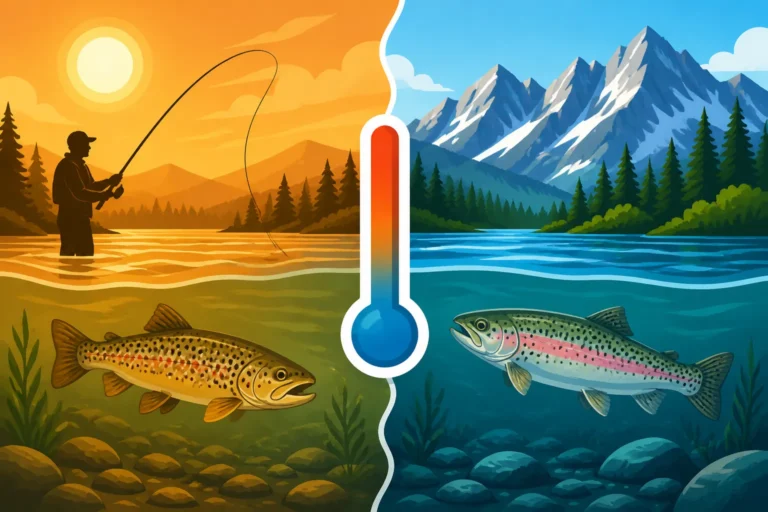
However, one of the most critical things your sonar can show you, especially in Idaho's deeper lakes and reservoirs, is the thermocline. What is a thermocline? Think of it as an invisible underwater wall, a distinct layer where the water temperature changes rapidly. In summer, the sun warms the surface waters, creating a warm upper layer. Deeper down, the water remains cold. The thermocline is the boundary between these two layers. Why is it important? Because this is often where the fish are! The thermocline concentrates plankton and baitfish, which in turn attracts game fish like Kokanee, Chinook, and trout. Your sonar will typically show the thermocline as a distinct, often blurry or denser, horizontal line across the screen, usually in the mid-depth range. When you spot it, pay attention to the depth at which it occurs, as this is your prime target zone. If you see baitfish or arches just above, within, or just below this layer, you've found the sweet spot. Regularly checking your electronics and understanding what you're seeing is the difference between blindly dragging lures and strategically targeting fish.
Achieving and Maintaining Target Depths
Once you've identified that magical depth on your sonar, whether it's the thermocline, a school of baitfish, or a particular piece of submerged structure, the next challenge is to get your lure to that exact depth and keep it there. This is where precision trolling comes into play, and it's far more complex than simply dropping a weight.
Several factors influence how deep your lure runs:
- Trolling Speed: Faster speeds generally pull your lure higher in the water column (unless it's a deep-diving plug designed to dig). Slower speeds allow lures to sink deeper.
- Line Diameter: Thinner lines create less drag and allow lures to run deeper than thicker lines, assuming all other factors are equal.
- Lure Type: Some lures are designed to dive deep on their own (like certain crankbaits), while others are relatively shallow runners.
- Weight Systems: This is where downriggers and Dipsy Divers truly shine. With a downrigger, you set the weight to the exact depth you want, and your lure trails behind it. Dipsy Divers, as mentioned, have charts that correlate line out to approximate depth.
- Lead Core Line: This is a specialized fishing line with a lead core wrapped in a braided sheath, sold in different "colors" or segments, usually 10 yards each. Each segment weighs a certain amount, and by letting out a specific number of colors, you can achieve a roughly predictable depth. For example, 5 colors of lead core might get you down 25-30 feet at a particular speed. It's often used for targeting Kokanee or trout in the mid-depth range.
- Snap Weights and Trolling Sinkers: These are temporary weights that clip onto your main line, adding a controlled amount of weight to pull your lure down. They are less precise than downriggers or lead core but offer a quick way to adjust depth without re-rigging.
The key is experimentation and consistency. Start with a known depth, observe your sonar, and adjust your speed or weight system until your lure is consistently tracking through the desired zone. Pay attention to your line counter if you're using one; knowing how much line you have out is crucial for repeatability. Keep detailed notes in a logbook – what depth, what speed, what lure, what time of day, and what kind of fish. This data becomes invaluable for future trips. When fishing for Kokanee in places like Lake Coeur d'Alene, knowing your target depth for Idaho Kokanee Bag Limits is essential for a successful day.
Selecting the Right Lures, Baits, and Attractors
Once you’ve mastered depth control, your next big decision is what to put on the end of your line. Idaho’s diverse fish species respond to a huge array of lures and baits, and understanding what to tie on for which fish can make all the difference. It’s not just about flash; it’s about presentation, vibration, and sometimes, a little bit of scent magic.
Kokanee and Salmon Favorites
If you're targeting Kokanee salmon in Idaho, you're in for a treat, but they can be finicky eaters. These landlocked sockeye salmon are plankton feeders by nature, but when they reach a certain size, they also become opportunistic predators, hitting small lures that mimic their food source or attract their aggressive nature.
- Wedding Rings: These are probably the most iconic Kokanee lure in Idaho. A Wedding Ring typically consists of a small spinning blade, colorful beads, and often a single hook designed to hold a piece of corn. The corn, often infused with special scents like Pro-Cure Kokanee Killer, adds scent and visual appeal. The spinning blade creates flash and vibration that Kokanee find irresistible. They come in an endless array of color combinations, with pink, orange, chartreuse, and sometimes even purple being popular choices, depending on the water clarity and light conditions.
- Hoochies and Wiggle Hootchies: These are small, soft plastic squid or worm-like imitations, usually less than 2 inches long. They're often trolled behind a dodger or flasher. The "wiggle hootchie" has a built-in action that adds even more enticing movement. Colors like pink, green, orange, and even clear with glitter are very effective.
- Brad's Kokanee Cut Plugs: These are unique lures that are designed to be stuffed with scent bait (like canned tuna or specialized Kokanee scents). The lure itself has a wobbling action, and when combined with the scent, it becomes a potent attractant. They're particularly effective for larger Kokanee and sometimes for Chinook.
- Dodgers and Flashers: These aren't lures themselves but rather attractors. They create flash and vibration in the water, mimicking a school of baitfish or simply drawing attention to your trailing lure. Dodgers (like the Shasta Tackle Kokanee Dodger or the Mack's Lure Sling Blade) have a side-to-side kicking action, while flashers (like the Pro-Troll E-Chip or the Dick Nite Pro-King Flasher) spin or rotate. You typically run your lure 8-24 inches behind a dodger or flasher. Matching the dodger/flasher color to your lure or to the current conditions can significantly improve your success. For more on catching these tasty fish, check out our guide on How to Fish for Kokanee in Idaho.
For Chinook salmon, which can grow quite large in waters like Lake Coeur d'Alene, you'll often scale up slightly. Larger dodgers and flashers paired with bigger hoochies, plastic flies, or even smaller cut plugs are effective. Sometimes, a natural bait like a herring or sardine trolled behind a flasher is deadly for hungry Chinook.
Trout, Lake Trout, and Other Species
Idaho is also famous for its trout fishing, and many of these trout, especially the larger Rainbow Trout and monster Lake Trout, are eager to hit trolled offerings.
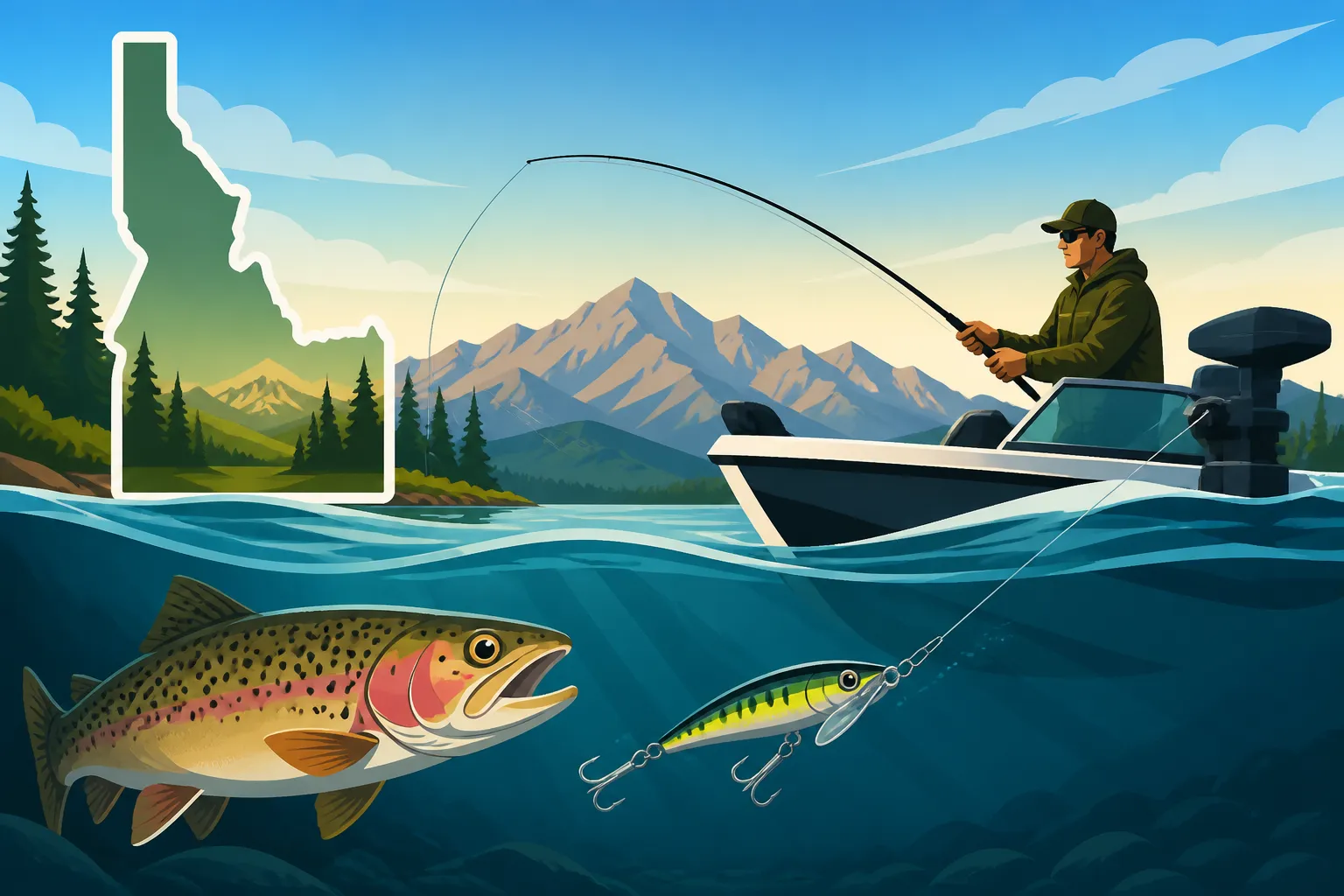
- Spoons: Classic trolling spoons are incredibly versatile and effective for various trout species. Brands like Luhr-Jensen, Daredevle, and Silver Horde produce spoons in a multitude of sizes and colors. The key is their wobbling, fluttering action that mimics an injured baitfish. For Rainbow Trout, smaller, brighter spoons in silver, gold, or brass with splashes of color like red or orange are great. For Lake Trout, you'll often go for larger, heavier spoons in silver, blue/silver, or even glow-in-the-dark patterns, especially when fishing deep.
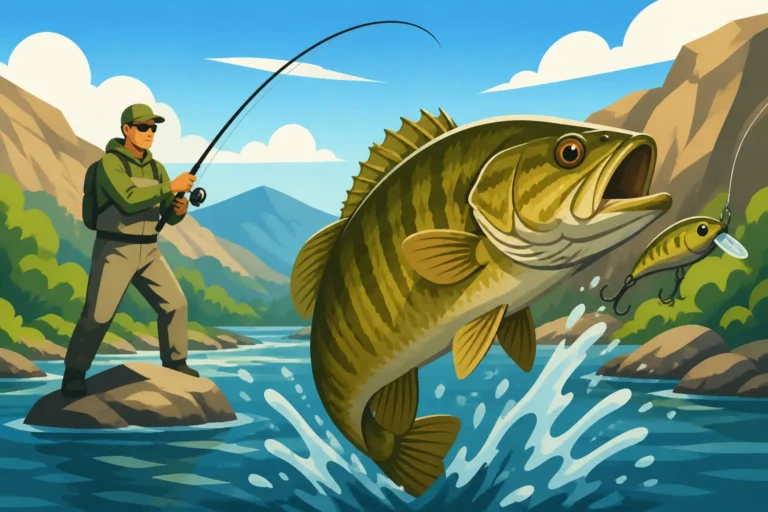
- Plugs and Crankbaits: Deep-diving plugs like Rapalas (Shad Raps, Original Floaters, Down Deep Husky Jerks), Flatfish, and Kwikfish are excellent for trolling. They create a strong wobbling action and often have rattles that attract fish. Choose sizes appropriate for your target species; smaller ones for Rainbows and larger, more aggressive plugs for Lake Trout or even Smallmouth Bass in certain reservoirs. Colors often mimic baitfish (silver/black, blue/silver) or stand out (firetiger, chartreuse).
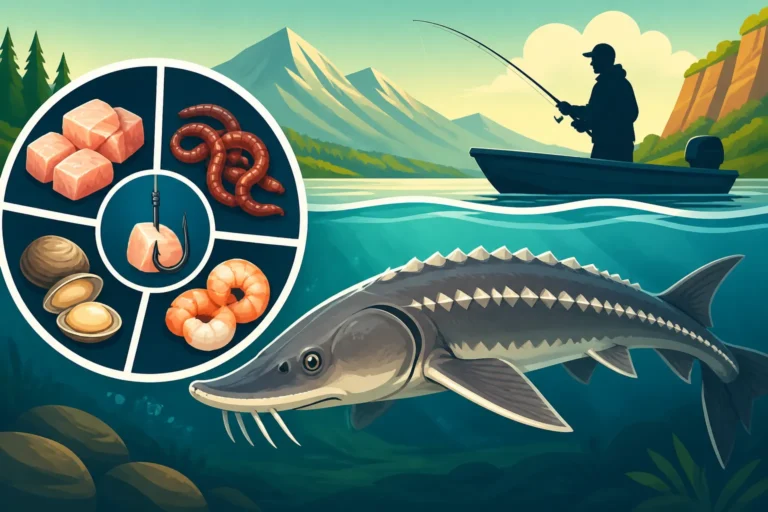
- Live Bait Rigs: For Lake Trout, particularly the real monsters, nothing beats a properly trolled live or dead baitfish. Sucker meat, whole or cut herring, or even large shiners can be incredibly effective when fished on a quick-strike rig behind a downrigger. The natural scent and appearance are hard for big predators to resist. This is also a popular tactic for Sturgeon fishing on the Snake River, though that typically involves anchoring rather than trolling, and always requires barbless hooks and catch-and-release rules.
- Walleye and Perch: While less common for dedicated trolling, Walleye in reservoirs like American Falls or C.J. Strike can be caught by trolling crankbaits or worm harnesses. Perch are more often caught by jigging or still fishing, but small spoons or jigs can be trolled slowly to locate schools.
Color and Scent Strategies:
The choice of color is crucial and often depends on water clarity, light conditions, and time of day. In bright sun and clear water, natural baitfish patterns (silvers, blues, greens) often work best. In low light, overcast conditions, or stained water, brighter, more contrasting colors like chartreuse, orange, or pink can be more visible. Always carry a variety!
Scent is another game-changer, especially for Kokanee and salmon. Applying scents like Pro-Cure, Smelly Jelly, or other fish attractants to your lures, especially those tipped with corn, can significantly increase your strike rate. Fish use their sense of smell to locate food, and a persistent scent trail can draw them in from a distance. You can find a vast array of scents, colors, and lure types available for purchase on Amazon, making it easy to stock up for your next trip.
Experimentation is key! Fish preferences change daily, even hourly. Don’t be afraid to switch up your lures, colors, and scents until you find what the fish are hitting. Keeping a log of what worked and didn't work under various conditions will build your confidence and knowledge for future trips.
Optimizing Your Trolling Speed and Pattern
Once you've got your gear dialed in and your lures chosen, the next critical element is how you move your boat through the water. Trolling isn't just about going straight; it's a dynamic dance of speed, turns, and line management designed to maximize your lure's appeal and cover prime fishing real estate effectively.
Dialing In the Perfect Speed
Your trolling speed is arguably as important as your lure choice and depth, as it directly impacts how your lure performs. Too fast, and your lure might blow out, spinning unnaturally or running too high. Too slow, and it might not have enough action, just dragging listlessly through the water. The "perfect" speed is rarely a single number; it's a range that you discover through observation and experimentation, often varying by species, lure type, and even water temperature.
-
Species-Specific Speeds:
- Kokanee Salmon: These plankton and insect feeders often prefer slower speeds, typically between 1.0 and 1.8 miles per hour (mph). This allows their small lures (like Wedding Rings and Hoochies) to dance subtly behind dodgers, mimicking a natural food source.
- Trout (Rainbow, Cutthroat): Depending on their size and aggressiveness, trout can be targeted at slightly faster speeds, from 1.5 to 2.5 mph, especially with spoons or small crankbaits that need a bit more speed to achieve their intended action.
- Chinook Salmon and Lake Trout: These larger predators often respond well to faster trolling, sometimes up to 2.5 to 3.5 mph, particularly when they're actively chasing baitfish. Large plugs and spoons will have a more aggressive action at these speeds, triggering a reaction strike.
-
Lure Action and Speed: Watch your rod tip. If your dodger or flasher is pulling too hard or not working at all, adjust your speed. Different lures are designed for different speed ranges. A spoon will wobble beautifully at 2 mph, but might just spin wildly at 4 mph. A crankbait might have its ideal wobble at 2.5 mph.
-
Using GPS for Consistency: An accurate GPS unit (often integrated into modern fish finders) is indispensable for maintaining consistent trolling speeds. Wind and current can dramatically affect your boat's speed over ground, making it difficult to hold a precise speed without this technology. Set your desired speed and use your throttle to maintain it, constantly checking your GPS readout. This also allows you to accurately replicate successful patterns later.
Strategic Spreads and Maneuvers
Trolling isn't just about driving in a straight line. Strategic boat maneuvers and how you "spread" your lines can significantly increase your catch rate, helping you cover more water and trigger strikes.
-
Staggering Your Spread: Running multiple rods at the same depth and distance can lead to tangled lines and missed opportunities. Instead, create a "spread" by varying your depths and the amount of line you have out.
- Depths: If you have multiple downriggers, set each one to a slightly different depth. For example, one at 50 feet, another at 60 feet, and a third at 70 feet. This covers a wider segment of the water column, increasing your chances of finding the fish's preferred depth.
- Distances Behind the Boat: Run some lines closer to the boat (e.g., 50 feet behind the downrigger ball) and others further back (e.g., 100 feet). This reduces tangles and presents lures at varying distances from the boat's prop wash, which can sometimes spook fish.
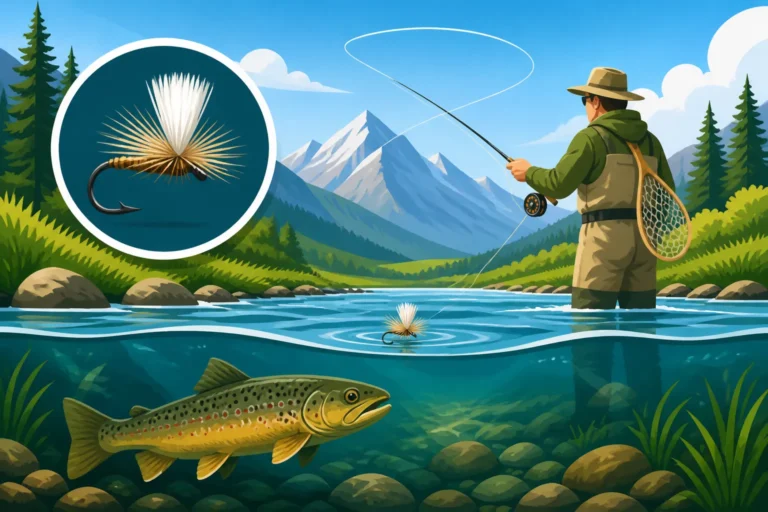
- Planer Boards: For spreading lines horizontally, particularly in open water or when targeting shallower species like Rainbow Trout or Walleye, planer boards are invaluable. These devices tow your line away from the boat, allowing you to run multiple lines side-by-side without tangling. They come in various sizes and designs, suitable for different line weights and water conditions.
-
The Power of the Zig-Zag and Turns: One of the most common mistakes in trolling is driving in a perfectly straight line. Fish often follow lures but are hesitant to strike. A slight turn or zig-zag can be the trigger.
- Inside vs. Outside Lures: When your boat turns, the lures on the inside of the turn will slow down and sink slightly, while the lures on the outside will speed up and rise. This change in speed and depth can be exactly what it takes to provoke a strike from a following fish. Pay attention to which rod gets hit during a turn – it often tells you if fish prefer a faster or slower presentation.
- "S" Curves: Instead of long, straight runs, try incorporating gentle "S" curves into your trolling path. This constantly varies the action of your lures and helps you cover a wider swath of water.
- Contour Trolling: When fishing along a drop-off or submerged structure, maintain your boat's position relative to that contour. This requires constant adjustments and turns, ensuring your lures stay in the high-percentage zone where fish are likely to ambush prey. This is a common tactic when fishing for Idaho Lake Trout (Mackinaw) Fishing around rocky points or ledges.
By mastering your speed and employing strategic spreads and maneuvers, you turn trolling from a passive drag into an active hunt, significantly increasing your chances of finding and catching fish throughout Idaho’s diverse aquatic environments.
Advanced Trolling Scenarios in Idaho
Idaho's waterways are incredibly varied, and a "one-size-fits-all" trolling approach simply won't cut it. From vast, deep lakes to meandering rivers and the dramatic shifts of the seasons, adapting your tactics to the specific environment and time of year is crucial for consistent success.
Trolling Lakes, Reservoirs, and Rivers
Each type of water body in Idaho presents its own unique challenges and opportunities for trollers.
- Deep Lakes (e.g., Priest Lake, Lake Coeur d'Alene, Lake Pend Oreille): These are the prime arenas for downrigger trolling, especially for species like Lake Trout, Chinook, and Kokanee. The key here is to identify and target thermoclines, offshore humps, or deep structure. In Priest Lake, for example, massive Mackinaw often hold in depths exceeding 100 feet, requiring robust downrigger setups and large, durable plugs or bait rigs. In Lake Coeur d'Alene, you'll be constantly monitoring your sonar for schools of Kokanee or suspended Chinook. Pay close attention to current seams, river inflows, and offshore rockpiles. These lakes are also often very clear, so fluorocarbon leaders are non-negotiable for stealth. Don't be afraid to experiment with deep-water presentations and glow-in-the-dark lures, especially during low-light conditions or extremely deep deployments.
- Reservoirs (e.g., Cascade Reservoir, Lucky Peak Reservoir, American Falls Reservoir): Idaho's reservoirs are often shallower than the large natural lakes, but many are still extensive and deep enough for effective trolling. They can also have more fluctuating water levels and more varied bottom compositions, including submerged timber, old farmsteads, and brush piles. Trolling here often involves targeting submerged structures or open water where baitfish congregate. For species like Tiger Muskie in Cascade Reservoir, large, slow-trolled plugs or bucktail spinners near weed beds or timber edges can be incredibly effective. For Walleye in American Falls, trolling crankbaits or worm harnesses along flats or channel edges is a popular method. Because of potential snags, using break-away clips on your downriggers or opting for Dipsy Divers can be a good strategy here. Understanding the reservoir's drawdown history can also help locate productive areas that might be exposed during lower water.
- Rivers and River Sections of Reservoirs (e.g., Snake River, parts of the Salmon River): Trolling in moving water is a different beast entirely. Here, current is your primary factor. Instead of solely relying on boat speed, you're often "back-trolling" or "motor-trolling" against or with the current to control your lure's presentation. For example, on certain stretches of the Snake River for Smallmouth Bass, you might troll crankbaits or tubes upstream very slowly, or drift downstream with the current while using your motor to control speed. The key is to keep your lure moving naturally with or against the current, mimicking confused or injured baitfish. Depth control is still paramount, but you'll be contending with varying current speeds and river bottom structures like gravel bars, riffles, and deep pools. This requires constant attention to your boat's position and speed relative to the bottom, often visible on your sonar. While not strictly trolling, the techniques for Fishing the Snake River for Smallmouth Bass and Sturgeon often involve covering water effectively, which translates well to river trolling principles.
Adapting to Seasonal Changes
Fish behavior and location change dramatically throughout the year, and your trolling tactics must evolve with the seasons.
- Spring (Ice-Out to Early Summer): As ice melts and water temperatures begin to rise, fish become more active. Many species, like Kokanee and Rainbow Trout, will move shallower, often holding in the top 30 feet of the water column as they chase newly emerging insect hatches or warmer surface temperatures. Trolling can be very productive near shorelines, creek mouths, and warming flats. Lures will often be brighter, and slower speeds might be preferred initially. This is a fantastic time for planer boards to cover wide, shallower areas. Our guide on Spring Fishing in Idaho details more about early season tactics.
- Summer: This is when the thermocline becomes well-defined in deeper lakes and reservoirs. Fish will generally move deeper to find cooler, oxygenated water. Targeting these thermal layers with downriggers becomes critical. Mornings and evenings will often see fish move shallower for feeding windows, but during the bright midday sun, they'll retreat to the depths. Faster trolling speeds can be effective during active feeding periods. Pay close attention to baitfish schools; where the bait is, the predators will be.
- Fall: As water temperatures begin to cool, the thermocline might start to break up, and fish can once again spread out through the water column. Many species, especially Chinook and Lake Trout, become highly aggressive as they feed heavily in preparation for winter. This is often a fantastic time for large, aggressive plugs and spoons, and you might find fish anywhere from the surface to the deepest parts of the lake. Varying your depths and speeds is key to finding their preferred zone. The fall can also bring significant weather changes, so being prepared for wind and choppy conditions is important.
- Winter (Before Ice-On): In open water, fishing slows considerably as water temperatures plummet. Fish metabolism slows, and they become less active. Trolling will generally be much slower, and presentations will need to be subtle. Fish will often concentrate in deep basins or near specific wintering structures. If targeting open-water winter fish, deeper presentations are usually the most productive. However, once ice forms, trolling gives way to specialized techniques like How to Ice Fish Idaho Lakes.
By understanding the nuances of each water body and how fish react to the changing seasons, you can transform your trolling from a hit-or-miss affair into a consistently productive strategy, unlocking the full potential of Idaho’s incredible fishing opportunities.
Troubleshooting and Common Trolling Frustrations
Even the most seasoned troller experiences frustrating days where the fish just aren't biting. It’s easy to get discouraged, but successful trolling often comes down to being a good problem-solver. When the bite stops or never starts, it’s time to systematically review and adjust your tactics.
When the Bites Stop: What to Adjust
It’s happened to all of us. You’re trolling along, feeling confident, and then… nothing. The rods sit motionless, the fish finder is blank, and doubt starts to creep in. Don’t panic! This is the signal to start adjusting. Here’s a checklist of things to systematically change:
- Depth: This is usually the first and most critical adjustment. Fish are incredibly sensitive to depth. If you were getting bites at 60 feet and they stopped, try 55 feet, then 65 feet, then 70 feet. Did the thermocline shift? Did the baitfish move? Check your sonar for new fish concentrations or changes in structure. Even a change of 5-10 feet can make a huge difference.
- Speed: Remember our discussion about optimal trolling speeds? If the bite slows, try speeding up or slowing down by 0.2 to 0.5 mph increments. Sometimes a subtle change in lure action is all it takes. Pay attention to how your lure is swimming at different speeds.
- Lure Color: Water clarity, sunlight penetration, and even cloud cover can dramatically affect what colors fish are seeing and responding to. If you’re using pink, try orange. If orange isn’t working, switch to a natural silver or blue. Don't be afraid to put out a truly contrasting color like chartreuse. Have a tackle box full of options!
- Scent: The power of scent is often underestimated. If your lures aren't producing, reapply a fresh dose of scent. Experiment with different scent profiles – kokanee specific, garlic, anise, krill, or even a plain corn kernel. The olfactory trail can attract fish from surprisingly far away.
- Location: If you've tried adjusting depth, speed, color, and scent in one area for a significant period without success, it's time to move. Fish are often concentrated in specific areas. Consider switching to a different section of the lake, a different depth contour, or a different type of structure (e.g., from an open flat to a point, or into a bay). Your GPS can be invaluable here, helping you return to previously productive spots or explore new ones.
- Leader Length/Material: Sometimes, a slightly longer fluorocarbon leader (e.g., from 10 feet to 20 feet) can provide just enough stealth to entice wary fish in clear water. Conversely, if you suspect a lot of small bites, a shorter leader might allow for better hookups.
- Time of Day: Fish activity often waxes and wanes with the sun. If you're struggling mid-day, perhaps the fish are simply deeper and less active, waiting for the evening bite. Consider fishing harder during dawn and dusk. For a broader understanding of how fish bite throughout the year, our Best Time of Year to Fish in Idaho guide offers seasonal insights.
Dealing with Snags and Obstacles
Snags are an inevitable, frustrating part of fishing, especially when trolling near structure. Not only do they risk losing expensive gear, but they also interrupt your fishing time. Minimizing snags and knowing how to deal with them is crucial.
- Know Your Water: Before you troll, study a depth map or use your fish finder to scout the area for submerged humps, rock piles, timber, or weed beds. Avoid trolling directly through known snag zones, especially with deep-diving lures or heavy weights.
- Adjust Depth: If you're consistently snagging, you're obviously too deep. Bring your downriggers up a few feet, reduce the amount of line out on Dipsy Divers, or switch to lighter weights or shallower-running lures.
- Use Breakaway Releases: For downriggers, some anglers use weaker release clips or even elastic bands that are designed to break away easily if the downrigger ball snags. This saves your main downrigger line and ball, though you might still lose your lure.
- Weedless Lures (Limited Trolling Use): While more common for casting, some shallow-running plugs or spinnerbaits are designed to be relatively weedless. For deeper trolling, this option is less available, but knowing when to avoid heavy vegetation is key.
- The "Back-Up" Maneuver: If you feel a snag, immediately put your boat in reverse and back up over the snag. Often, this can pull your lure free in the opposite direction it snagged. Gently pump your rod while backing up.
- The "Jerk" and Slack Line: Sometimes, giving a sharp, hard jerk on your rod can free a snagged lure. Alternatively, try giving the line a lot of slack; a lure might float up or fall free.
- Dedicated Lure Retrievers: For valuable lures, a "lure retriever" (a heavy metal device that slides down your line to snag the lure) can sometimes save the day, especially from overhead branches or easily accessible submerged items.
- Line Integrity: Regularly check your line for nicks, abrasions, or frays, especially after a snag or a long fight. A weak spot in your line is an invitation for a break-off with the next fish or snag.
A methodical approach to troubleshooting, combined with a proactive strategy for avoiding snags, will not only save you money on lost tackle but also keep your lines in the water where they belong – catching fish.
| Species Targeted | Common Lures/Baits | Preferred Trolling Speed (mph) | Typical Depth Range (feet) | Attractor Usage | Notes |
|---|---|---|---|---|---|
| Kokanee Salmon | Wedding Rings (w/ corn), Hoochies, Micro Spoons | 1.0 – 1.8 | 20 – 70 | Dodgers, Flashers | Finicky; scent is crucial. Pink/orange/chartreuse popular. |
| Rainbow Trout | Small Spoons, Small Plugs, Wedding Rings | 1.5 – 2.5 | 10 – 50 | Small Dodgers | Often shallower, especially in spring. |
| Lake Trout (Mackinaw) | Large Plugs, Large Spoons, Live/Dead Bait Rigs | 2.0 – 3.5 | 50 – 200+ | Large Flashers (optional) | Deep water, aggressive lures. Often near structure. |
| Chinook Salmon | Hoochies, Cut Plugs, Larger Spoons, Herring | 2.0 – 3.0 | 40 – 100 | Dodgers, Flashers | Powerful fighters; often follow baitfish schools. |
| Walleye | Crankbaits, Worm Harnesses | 0.8 – 1.5 | 10 – 30 | N/A | Primarily in reservoirs. Slow, methodical. |
| Tiger Muskie | Large Plugs, Large Bucktails | 2.0 – 4.0 | 5 – 20 | N/A | Cascade Reservoir. Target weed edges and structure. |
Safety, Regulations, and Ethical Angling Practices
As much as we love chasing fish, our passion comes with responsibility. Idaho’s fisheries are a precious resource, and enjoying them means understanding the rules, practicing safe boating, and always acting ethically.
Navigating Idaho's Fishing Rules
Idaho's fishing regulations are designed to protect fish populations, ensure sustainable angling opportunities, and maintain the health of our aquatic ecosystems. These rules can be complex and vary significantly by species, water body, and time of year. Failing to understand them can lead to fines, loss of privileges, and harm to the resource.
- Always Carry Your License: First and foremost, you must have a valid Idaho fishing license. Whether you're a resident or a non-resident, under 14 or over 65, there are specific requirements. You can purchase one easily online through the Idaho Fish and Game website or at many sporting goods stores. Our guide on How to Buy an Idaho Fishing License provides all the details you'll need.
- Understand Season Dates and Limits: Every species has specific open seasons and daily bag limits, and sometimes different possession limits. For instance, Idaho Kokanee Bag Limits can vary by lake, and Idaho Trout Limits by Water are highly specific. Special regulations often apply to popular game fish like Steelhead and Chinook Salmon, which may require additional permits or catch record cards. Always check the current Idaho Fishing Regulations brochure before heading out, available both online and at license vendors.
- Special Regulation Waters: Be aware that certain waters have unique rules regarding bait, gear, or catch-and-release policies. For example, some sections of the Henry's Fork of the Snake River are fly-fishing only, or have barbless hook requirements. You don't want to inadvertently break a rule just because you didn't realize you were in a "special regulation water."
- Species Identification: Be confident in identifying your catch, especially when differentiating between wild and hatchery fish, or between protected and harvestable species. Many regulations hinge on this distinction. Misidentification can lead to serious legal trouble. If you're unsure, it's always best to release the fish unharmed. Our Idaho Fish Species Guide can help you learn to identify common fish.
- Boating Regulations: Beyond fishing, be sure to understand Idaho's boating laws. This includes requirements for life jackets, safety equipment, boat registration, and rules of the road for navigating waterways. Safety on the water is paramount, especially on large lakes with varied boat traffic.
Respecting the Resource and Other Anglers
Ethical angling goes beyond just following the rules; it's about sportsmanship, conservation, and leaving Idaho's beautiful fishing grounds better than you found them.
- Practice Catch and Release Responsibly: If you plan to release fish, handle them with extreme care. Minimize their time out of water, use wet hands, and support their body properly. For larger species like Sturgeon on the Snake River, catch and release is mandatory, and there are specific rules about not removing them from the water. Even for species you intend to keep, practicing selective harvest helps maintain healthy fish populations.
- Minimize Your Impact: Pack out everything you pack in – and then some! Leave no trash behind. Avoid disturbing wildlife or damaging shorelines and vegetation. Be mindful of prop wash near sensitive areas or other anglers.
- Share the Water: Idaho's waterways are for everyone. Be courteous to other anglers, boaters, kayakers, and swimmers. Maintain a respectful distance from other boats and avoid trolling through their lines or cutting them off. A friendly nod or wave goes a long way.
- Report Violations: If you witness poaching, pollution, or other serious violations, report them to the Idaho Fish and Game. Protecting our shared resources is everyone's responsibility.
- Be Prepared: Always carry essential safety gear, first-aid supplies, plenty of water, and communicate your float plan to someone on shore, especially when exploring more remote areas. The vastness of Idaho's wilderness is part of its charm, but it demands respect and preparedness.
By adhering to regulations, practicing responsible angling, and showing respect for both the fish and your fellow outdoors enthusiasts, you ensure that Idaho's incredible fishing legacy continues for generations to come.
Disclaimer
Please note that fishing regulations, species distribution, and environmental conditions can change. Always consult the latest Idaho Fish and Game regulations and local advisories before planning your fishing trip. This guide is for informational purposes only and should not be considered a substitute for official regulations.