How to Book a Fishing Guide in Idaho
Planning an Idaho fishing adventure often conjures images of pristine rivers, majestic mountains, and a hefty fish on the end of your line. But let's be real, the thought of trying to figure out where to go, what to use, and even what regulations apply can feel utterly overwhelming, especially if you're not from around here or haven't fished these waters before. This comprehensive guide is designed to cut through that confusion, giving you all the insider tips on how to confidently research, select, and book the perfect Idaho fishing guide or charter for your next unforgettable trip.
Why Consider a Fishing Guide in Idaho?
Let's face it, Idaho is a vast and wild state, home to an incredible array of fish and fishing opportunities. From the roaring rivers full of Steelhead to the serene, high mountain lakes teeming with Cutthroat, it's a dream destination for anglers. But navigating these waters, understanding the local fish behavior, and knowing exactly where to cast can be a monumental challenge for even experienced anglers unfamiliar with the area. This is precisely where a professional fishing guide becomes not just a luxury, but often a game-changer.
The Local Knowledge Advantage
Imagine arriving at a new river or lake, staring at miles of water, and having no idea where to start. You could spend days, even weeks, figuring out the best runs, the optimal depths, or the exact bait or fly that's working. That's precious vacation time lost to guesswork. A local Idaho fishing guide, however, lives and breathes these waters. They know the secret spots that aren't on any map, the subtle changes in current that hold fish, and the specific hatches or feeding patterns that dictate success on any given day. They've put in the thousands of hours to learn the nuances, the seasonal shifts, and the intricate behaviors of the fish species you're targeting. This invaluable, real-time intelligence instantly puts you ahead of the curve, transforming a potentially frustrating search into a productive and enjoyable fishing experience. They're often tuned into the latest Idaho Fish and Game stocking reports and regulation updates, ensuring you're always fishing legally and efficiently.
Access to Prime Fishing Waters
Sometimes, the best fishing spots aren't easily accessible to the public. They might require specialized equipment like a drift boat or a jet boat, or they might be on private land where guides have established relationships. Many of Idaho's most renowned fishing stretches, particularly for species like Steelhead or Chinook Salmon, are best accessed by floating. Without a guide who owns and operates this specialized watercraft, you might be limited to crowded bank access points, missing out on miles of prime, untouched water. Guides also know the seasonal changes in water levels and flows, which can dramatically impact access. What might be easily wadeable in late summer could be a raging torrent during spring runoff, and a guide will know safe alternatives and productive stretches that hold fish even in challenging conditions. They can literally open up entire new sections of river or lake that you simply couldn't reach on your own, greatly expanding your opportunities.
Learning New Techniques and Species
Perhaps you're a seasoned trout angler but have always dreamed of catching a massive White Sturgeon on the Snake River, or battling a powerful Steelhead on the Clearwater. These specialized fisheries often require specific techniques, tackle, and knowledge that are very different from what you might be used to. A good guide isn't just a boat driver; they're an educator. They'll teach you the proper casting techniques for a heavy spey rod, show you how to read the complex currents of a Steelhead river, or help you understand the subtle bite indicators for a Sturgeon. They'll explain why certain flies or lures are effective, how to properly fight a powerful fish without breaking your line, and the best practices for safe catch and release, especially for protected species. This hands-on instruction can dramatically improve your skills and confidence, making you a more versatile angler for future trips. Learning from a professional accelerates your learning curve in ways that hours of internet research or trial and error simply can't match.
Convenience and Equipment Provided
One of the often-underestimated benefits of hiring a guide is the sheer convenience. Imagine flying into Boise or Spokane, and not having to worry about packing cumbersome fishing rods, waders, or tackle boxes. Most reputable Idaho fishing guides provide all the necessary, high-quality gear – rods, reels, lines, tackle, and even waders and boots. This means less stress, less packing, and no frantic trips to a local fly shop trying to guess what you'll need. Your guide will have everything rigged and ready to go, optimized for the specific conditions and target species of the day. They'll also handle the logistics of launching and retrieving boats, transporting you to the best spots, and even cleaning your catch if regulations allow. It transforms your fishing trip from a logistical puzzle into a seamless, enjoyable experience where your only job is to cast and catch. This level of convenience is particularly appealing for families or those new to the sport, who might not yet own all the specialized equipment.
Understanding Different Types of Idaho Fishing Guides and Charters
Idaho's diverse landscapes and fisheries mean there's a wide variety of fishing guides and charter services available, each specializing in different environments and target species. Knowing what kind of experience you're looking for will help you narrow down your choices and find the perfect match.
Fly Fishing Guides for Rivers and Spring Creeks
Idaho is a world-renowned destination for fly fishing, offering everything from technical spring creeks to broad, freestone rivers. Fly fishing guides typically specialize in these delicate and challenging environments. You'll find guides offering float trips in drift boats on rivers like the South Fork of the Snake River, where you'll cast dry flies to eager Cutthroat Trout, or wade trips on famous spring creeks like Silver Creek, targeting incredibly selective Rainbow Trout. These guides are experts in entomology, understanding insect hatches, and teaching precise casting and presentation techniques. They often provide high-quality fly rods, reels, and a selection of hand-tied flies perfectly matched to the local conditions. A fly fishing guide can transform a beginner into a confident caster and help experienced anglers unlock the secrets of Idaho's most demanding waters. They're invaluable for understanding the subtle art of fly fishing, and many offer dedicated fly fishing lessons.
Drift Boat and Jet Boat Trips for Steelhead and Salmon
When it comes to pursuing Idaho's anadromous giants like Steelhead and Chinook Salmon, specialized boat trips are often the most effective, and sometimes the only, way to go. Drift boats are unpowered, maneuverable craft designed to float silently downriver, allowing anglers to cover miles of prime fishing water while casting to holding lies. These are popular on rivers like the Salmon and Clearwater. Jet boats, conversely, are powerful, shallow-draft vessels capable of rapidly transporting anglers up and down larger rivers, reaching remote sections that would be impossible to access otherwise. They allow you to hit many spots throughout the day. Guides operating these boats are experts in navigating challenging rapids, understanding river dynamics, and employing specialized techniques like side-drifting, bobber-dogging, or back-trolling plugs. Many of these trips are full-day affairs, covering significant stretches of river and offering a high-octane fishing experience. For serious Steelhead anglers, exploring How to Fish for Steelhead in Idaho often begins with understanding these guided boat options.
Lake Fishing Charters for Trophy Fish
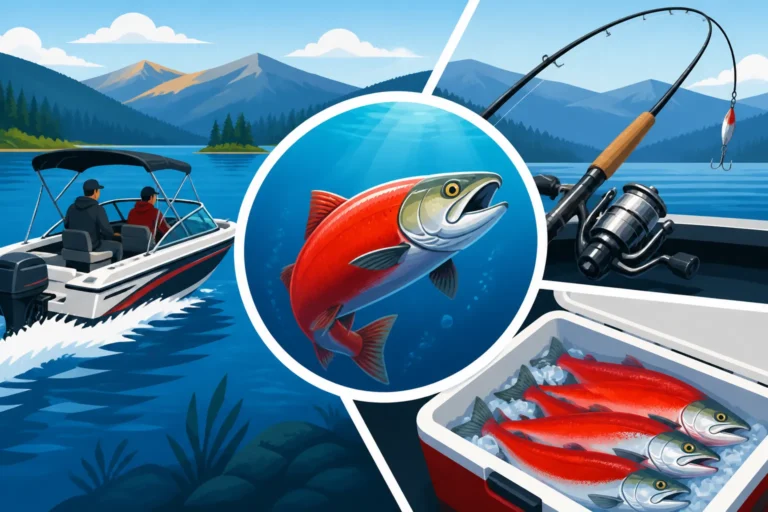
Idaho is home to some truly massive lakes, each with its own unique fishing opportunities, especially for trophy-sized fish. On Lake Coeur d'Alene, you might book a charter to target Kokanee Salmon or the notoriously large Chinook Salmon, often employing downriggers and sophisticated trolling patterns. Over on Priest Lake, dedicated charters can put you on immense Lake Trout, sometimes called Mackinaw, which can reach truly impressive sizes. These lake charters often utilize large, comfortable boats equipped with advanced electronics, including fish finders and GPS, to locate schools of fish and understand underwater structure. They typically provide specialized heavy-duty tackle, designed to handle the powerful strikes of deep-water predators. Lake fishing charters are an excellent choice for anglers looking for a comfortable day on the water with a good chance at a memorable catch, and they're particularly great for families or groups who want to spread out and enjoy the scenery.
Specialized Sturgeon and Bass Guides
Beyond trout and salmon, Idaho offers unique opportunities for other exciting species, and you'll find guides specializing in these niches. The Snake River is famous for its incredible White Sturgeon fishery, and almost all Sturgeon fishing is done with a dedicated guide. These trips are typically catch-and-release only, focusing on the thrill of battling these ancient, colossal fish. Guides for Sturgeon use heavy-duty gear, specialized baits, and are experts in the safe handling and release of these protected giants. You can learn more about Idaho Sturgeon Fishing Rules with a good guide. Similarly, for those passionate about bass, whether it's the feisty Smallmouth Bass on rivers like the Snake or the hard-fighting Largemouth Bass in Idaho's warmer reservoirs, there are guides who focus exclusively on these species. They know the best cover, the most effective lures, and the seasonal patterns that will put you on the fish. These specialized guides offer a deep dive into specific fisheries, providing an unparalleled experience for targeting a particular species.
| Trip Type | Target Species/Method | Typical Location | Advantages |
|---|---|---|---|
| Fly Fishing Wade Trip | Trout (Rainbow, Cutthroat, etc.) | Henry's Fork, Silver Creek | Intimate, focused instruction, access to small water |
| Drift Boat Trip | Steelhead, Salmon, Trout | Salmon River, Clearwater River | Cover more water, comfortable, often scenic floats |
| Jet Boat Trip | Steelhead, Salmon | Lower Salmon, Snake River | Cover vast distances quickly, power fishing |
| Lake Charter (Trolling) | Kokanee, Chinook, Lake Trout | Lake Coeur d'Alene, Priest Lake | Target big fish, utilize electronics, comfort |
| Sturgeon Trip | White Sturgeon | Snake River | Unique trophy fishing, specialized gear, catch & release only |
Key Factors to Consider Before Booking Your Idaho Fishing Guide
Booking an Idaho fishing guide isn't just about picking the first name you see. To ensure you have a truly memorable and successful trip, you need to think through a few key considerations that will help you find the guide best suited to your specific desires and expectations.
Your Fishing Goals and Target Species
Before you even start looking at guides, take a moment to honestly consider what you want out of the trip. Are you hoping to catch a trophy-sized Steelhead? Do you want to learn the basics of fly fishing on a pristine river? Is your primary goal a fun day with the family, where catching lots of smaller fish is more important than size? Knowing your objective is paramount. If you're dead set on a Idaho Chinook Salmon Fishing Guide, you won't want to book a guide specializing in high mountain lake trout. Be specific about the species you want to target, whether you prefer fly fishing, spin fishing, or bait fishing, and what your definition of success looks like. This clarity will allow guides to tell you if they can genuinely meet your expectations and help manage your excitement, especially if you're chasing notoriously challenging fish.
Trip Duration and Group Size
Guide trips in Idaho typically range from half-day excursions to full-day adventures, and sometimes even multi-day packages with lodging. Consider how much time you want to dedicate to fishing and what your budget allows. Half-day trips are often a good option for beginners, families with young children, or those on a tighter schedule. Full-day trips offer a more immersive experience, allowing you to explore more water and maximize your fishing time. Also, think about your group size. Most drift boats or smaller lake boats can comfortably accommodate 2-3 anglers, plus the guide. Larger jet boats or lake charters might handle more, but it's crucial to confirm the maximum capacity with the guide service beforehand. Trying to squeeze too many people into a boat can make for a cramped and less enjoyable experience for everyone involved. Some trips are also ideal for solo anglers looking for focused instruction.
Experience Level of Anglers
Be honest about the experience level of everyone in your party. Are you all seasoned anglers who simply need local knowledge, or are there complete novices who need hands-on instruction? Many guides are fantastic teachers and love working with beginners, but it's important for them to know this upfront so they can tailor the trip accordingly. An experienced guide can often adapt to different skill levels within the same group, but setting expectations is key. For example, if you're bringing kids along, a guide who specializes in family-friendly trips and understands how to keep younger anglers engaged will be a much better fit than one who primarily focuses on hardcore trophy hunting. Don't be shy about admitting you're a beginner; a good guide will see it as an opportunity to share their passion.
Budget and Inclusions
Guide trip costs in Idaho can vary significantly based on the type of trip, duration, target species, and the guide's reputation. While it's tempting to go for the cheapest option, remember that you often get what you pay for in terms of equipment, experience, and service. Get a clear understanding of what's included in the price. Does it cover all gear, bait, and tackle? Is lunch, snacks, and drinks provided on full-day trips? What about transportation to and from the launch point? You'll also need to factor in the cost of your Idaho Fishing License Guide and any necessary permits, such as an Idaho Salmon and Steelhead Permit, as these are almost never included in the guide's fee. Always ask about potential hidden costs. Understanding these details upfront will help prevent any unpleasant surprises and ensure your trip fits within your financial plan. You can get a general idea of costs by looking at an Idaho Fishing Guide Cost Guide.
The Booking Process: Step-by-Step Guide
Once you've determined your fishing goals, group size, and budget, it's time to start the actual booking process. This involves research, communication, and understanding the practicalities of securing your spot.
Researching Reputable Guides
The first step is to identify potential guides. Start by searching online for "Idaho fishing guides" or "fishing charters in [specific Idaho lake/river, e.g., Salmon River]." Look for guides who specialize in the species and type of fishing you're interested in. Websites like FishingBooker can be incredibly helpful here. They offer a centralized platform where you can browse multiple Idaho fishing guides, see their available dates, compare prices, read reviews from past clients, and understand their specialties, all in one place. This saves you a lot of time scrolling through individual guide websites.
When evaluating guides, pay close attention to:
- Reviews and Testimonials: What are previous clients saying? Look for comments about the guide's professionalism, knowledge, teaching ability, and customer service.
- Experience and Specialization: Does the guide have a proven track record with your target species? How long have they been guiding in Idaho?
- Photos and Videos: Do their photos showcase healthy fish, well-maintained equipment, and happy clients? This can give you a good feel for their operation.
- Permits and Licenses: Reputable guides should clearly state they are licensed and permitted to operate in Idaho. This is crucial for your safety and legality.
Don't be afraid to check multiple sources or ask for recommendations from local tackle shops or fellow anglers.
Contacting Guides and Asking the Right Questions
Once you have a shortlist, it's time to reach out. Many guides prefer initial contact via email or a booking form on their website, allowing them to respond thoroughly when they're not on the water. Be polite, clear, and concise in your communication. Provide details about your desired dates, group size, target species, and experience level.
Here are some essential questions to ask:
- "Are you available on [specific dates]?"
- "What type of fish will we be targeting, and what methods will we use?"
- "What is your typical success rate for [target species] during that time of year?" (Understand that no guide can guarantee fish, but they can speak to typical conditions.)
- "What exactly is included in the trip price (gear, bait, lunch, drinks, etc.)?"
- "What should we bring with us (clothing, snacks, sunscreen, camera, etc.)?"
- "What are your policies regarding bad weather or cancellations?"
- "Do we need to bring our own fishing licenses and permits, and where can we get them?" (Yes, you always need your own license. See How to Buy an Idaho Fishing License).
A good guide will be happy to answer all your questions thoroughly and patiently. Pay attention to their communication style; it's a good indicator of how they'll interact with you on the water.
Understanding Deposits, Payments, and Cancellation Policies
Before finalizing any booking, make sure you fully understand the guide's financial terms. Most guides require a deposit to secure your dates, with the balance due on the day of the trip. Deposits are often non-refundable or only refundable if you cancel well in advance.
Crucially, clarify their cancellation policy, especially regarding weather. Fishing in Idaho can be unpredictable. What happens if the river becomes unfishable due to high flows, or a severe thunderstorm makes lake fishing unsafe?
- Guide's Cancellation: If the guide cancels due to unsafe conditions or unforeseen circumstances, they should offer to reschedule or provide a full refund of your deposit.
- Client's Cancellation: Understand the deadline for cancellations to receive a refund. Cancelling last minute might mean forfeiting your deposit.
- Rescheduling: Ask if there's flexibility to reschedule if something unexpected comes up on your end.
Good guides will have clear, fair policies, and platforms like FishingBooker often facilitate secure payment processing and transparent cancellation terms, which can provide an extra layer of confidence. Don't be afraid to ask for clarification on anything you don't understand before committing.
Utilizing Online Platforms for Booking
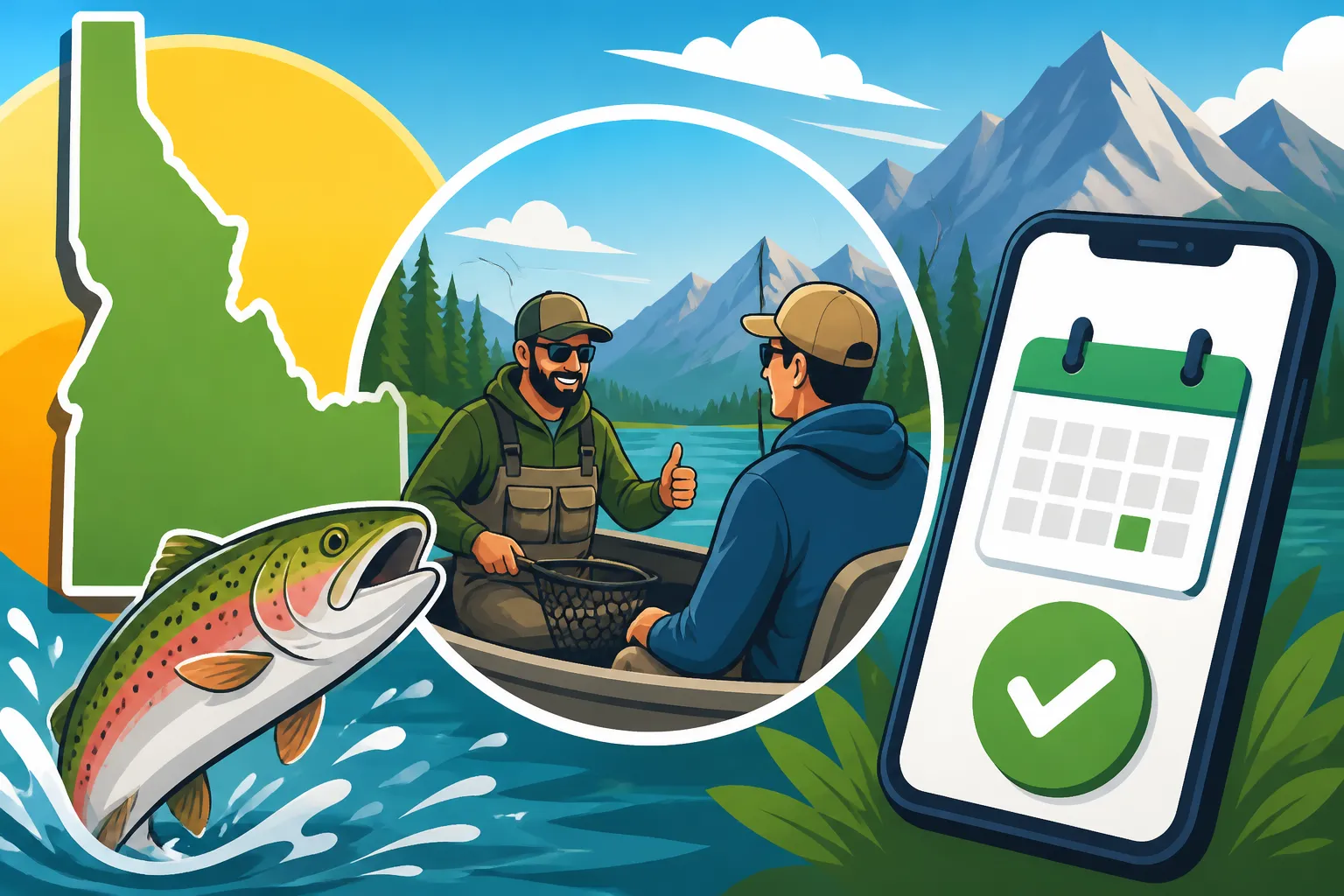
In today's digital age, online booking platforms have become incredibly popular for finding and securing fishing guides, and for good reason. Websites like FishingBooker act as a central hub, connecting anglers with a vast network of licensed guides and charters in Idaho and beyond.
Here's how they simplify the process:
- Comparison Shopping: You can easily compare multiple guides side-by-side, looking at their prices, specialties, available dates, and amenities offered.
- Verified Reviews: These platforms often feature a robust review system, allowing you to read genuine feedback from other anglers who have fished with a particular guide. This social proof is invaluable.
- Streamlined Booking: The process of checking availability and booking your trip is usually very straightforward, with secure online payment options.
- Clear Policies: Cancellation and payment policies are typically standardized and clearly laid out, reducing potential misunderstandings.
- Communication Tools: Many platforms offer built-in messaging systems, making it easy to communicate with your guide before the trip, asking those crucial questions we just discussed.
While it's still a good idea to personally vet a guide you find online, these platforms offer a powerful starting point and often provide a layer of consumer protection and convenience that direct booking might not.
What to Expect Before and During Your Guided Idaho Fishing Trip
You've booked your guide, the excitement is building! But what happens next? Knowing what to expect in the days leading up to your trip and once you're on the water can help you prepare properly and get the most out of your Idaho fishing adventure. This also touches on What to Expect on a Guided Idaho Fishing Trip.
Pre-Trip Communication and Preparation
A few days to a week before your trip, your guide should reach out to you. This communication is vital for fine-tuning the details. They'll likely confirm the meeting time and location, which might be a boat ramp, a local lodge, or a designated meeting spot. They'll also provide a final weather forecast and advise on appropriate clothing.
This is your last chance to ask any lingering questions. They might suggest specific items to bring that you hadn't considered, or remind you about getting your Idaho Resident Annual Fishing License or Idaho Nonresident Annual Fishing License in advance. Pay close attention to their advice, especially regarding clothing. Idaho weather can change rapidly, and being prepared for all conditions – rain, sun, wind, and varying temperatures – is crucial for comfort and enjoyment. Layering is always a good strategy!
Gear, Licenses, and Provisions
As discussed, most guides provide the primary fishing gear. However, you are almost always responsible for your own Idaho fishing license and any necessary permits (like the Idaho Salmon and Steelhead Permit or Idaho Sturgeon Fishing Rules specific endorsements). Purchase these well in advance to avoid any last-minute stress. Many can be bought online.
Regarding provisions:
- Food and Drink: Confirm if your guide provides lunch and drinks. If not, pack plenty of water, snacks, and a lunch that can withstand being in a cooler.
- Personal Items: Bring sunglasses (polarized are best for spotting fish and protecting your eyes), sunscreen, a hat, rain gear (even if the forecast looks clear), any necessary medications, and a camera or phone for photos.
- Cooler: While guides often have a cooler for drinks, it's wise to bring your own small cooler in your vehicle if you plan to keep fish, as regulations allow.
Being self-sufficient with personal items ensures you're comfortable throughout the day, allowing you to focus on the fishing.
On-the-Water Etiquette and Safety
Once you're on the water, your guide is in charge. Listen carefully to their instructions, especially regarding safety. They are responsible for your well-being.
- Casting Space: Be mindful of your casting space, especially if there are multiple anglers. Avoid casting over others' lines.
- Listen to Instructions: Your guide will tell you where to cast, how to retrieve, and when to set the hook. Follow their advice; they see the water differently and know what's working.
- Fish Handling: If you catch a fish, especially if it's catch-and-release, follow the guide's instructions for handling it gently and releasing it quickly. For certain species like Sturgeon, there are strict rules about not removing them from the water.
- Respectful Conduct: Be polite and respectful. Fishing can be slow sometimes; patience is key. Your guide is doing their best to put you on fish.
- Conservation: Guides are often passionate conservationists. Practice good stewardship by picking up any trash and adhering strictly to Idaho Catch Limits and Bag Limits Explained.
Remember, you're not just paying for a ride; you're paying for expertise and an experience. Engaging with your guide, asking questions (at appropriate times), and being an active participant will enhance the trip for everyone.
Tipping Your Guide and Post-Trip Follow-Up
Just like in other service industries, tipping your Idaho fishing guide is customary and highly appreciated, provided they've delivered a good experience. A standard tip typically ranges from 15-20% of the trip cost. This shows your appreciation for their hard work, knowledge, and efforts to make your day enjoyable. You can learn more about this by checking out Idaho Fishing Guide Tipping and Etiquette. Present the tip discreetly at the end of the trip.
After the trip, consider leaving an honest review for your guide, especially if you booked through a platform like FishingBooker. This not only helps the guide attract future clients but also helps other anglers make informed decisions. A quick thank-you email or text is also a nice gesture. If you had a fantastic time, you might even start planning your next trip with them, perhaps exploring a different season or target species!
Common Misconceptions and Troubleshooting When Booking a Guide
Even with all the best intentions and careful planning, sometimes misunderstandings or unexpected issues can arise. It's helpful to address some common misconceptions and know how to troubleshoot potential problems when booking and taking an Idaho fishing guide trip.
Thinking Guides Guarantee Fish
This is perhaps the most common misconception in all of fishing. No reputable guide will guarantee you'll catch fish. Fishing, by its very nature, is unpredictable. Weather changes, water conditions fluctuate, and fish can be finicky. What a good guide does guarantee is their expertise, their hard work, their safe equipment, and their best effort to put you in the prime position to catch fish. They can guarantee you'll learn something, see beautiful parts of Idaho, and have a solid chance at success.
If a guide promises a "fish every cast" or guarantees a trophy, that's a red flag. Manage your expectations by focusing on the overall experience: the scenery, the learning, the company, and the thrill of the chase. Any fish caught is a bonus and a testament to the guide's skill and your perseverance. Embrace the journey, not just the outcome.
Last-Minute Booking Challenges
While it might be tempting to spontaneously decide on a guided trip, trying to book a prime Idaho fishing guide at the last minute, especially during peak season, can be incredibly difficult. The best guides, those with excellent reputations and consistent success, often book out months, sometimes even a year, in advance. This is particularly true for popular seasons like fall Steelhead on the Clearwater River or summer fly fishing on Henry's Fork.
If your dates are flexible, you might get lucky with a cancellation, but it's best not to count on it. Plan ahead! If you know you want to fish a particular river or target a specific species during its prime window, start your research and booking process as early as possible. Platforms like FishingBooker can show you real-time availability, but even they can't create open spots where none exist. Early booking ensures you get your preferred guide and dates, avoiding disappointment.
Navigating Weather-Related Cancellations
Idaho's weather is famously variable. A beautiful sunny morning can turn into a torrential downpour, or an unseasonably warm spell can lead to dangerous ice conditions. What happens if your trip is canceled due to adverse weather or unsafe water conditions?
- Professional Protocol: Reputable guides prioritize safety. If they determine conditions are unsafe or unfishable, they will cancel the trip. This is for everyone's well-being.
- Rescheduling vs. Refund: Most guides will first offer to reschedule your trip for another available date. If rescheduling isn't possible (e.g., you're traveling from out of state and only have specific dates), a full refund of your deposit should be offered.
- Communication is Key: Maintain open communication with your guide as your trip approaches, especially if the weather forecast looks questionable. They'll keep you informed.
It's frustrating when a trip gets canceled, but remember that the guide is also losing a day of income. Approaching the situation with understanding and flexibility will make the process smoother for everyone. It's far better to miss a trip than to be on the water in dangerous conditions.
The Importance of Clear Communication
Many problems or disappointments on guided trips stem from a lack of clear communication, either from the client or the guide.
- Be Specific: When you book, clearly state your goals, experience level, and any physical limitations. If you get seasick easily on a lake charter, tell them. If you prefer using your own fly rod, ask if that's okay.
- Ask Questions: Don't assume anything. If something isn't clear in their pricing or policies, ask for clarification.
- Give Feedback (Respectfully): If something isn't meeting your expectations during the trip, address it politely with your guide. Perhaps you want to try a different technique, or take a break. A good guide will be receptive to feedback and try to accommodate reasonable requests.
Conversely, a good guide will also be clear in their communication, setting realistic expectations, providing detailed instructions, and answering your questions patiently. If you find a guide difficult to communicate with during the booking process, that might be a sign to look elsewhere. Clear, open, and respectful dialogue ensures everyone is on the same page and helps create a positive experience.
Maximizing Your Guided Fishing Experience in Idaho
Booking a guide is an investment in your fishing journey. To ensure you get the most out of that investment, there are a few things you can do to enhance the experience, both for yourself and for your guide.
Being Open to Learning
One of the greatest benefits of hiring a guide is the opportunity to learn from a true expert. Don't go into the trip assuming you know everything, even if you're an experienced angler. Be a sponge! Ask questions: "Why did you choose this spot?" "What am I doing wrong with my cast?" "How do you read that particular current?"
Guides love to share their knowledge, but they need to know you're receptive. Try the techniques they suggest, even if they're new to you. Often, their methods are honed over years of trial and error and are perfectly suited for the local conditions. Embrace the opportunity to expand your skillset, learn about Idaho Fish Species Guide, and discover new ways to approach a river or lake. This openness to learning will make you a better angler and make the trip more engaging for both you and your guide.
Respecting Your Guide and the Environment
Your guide is a professional providing a service, and like any professional, they deserve respect. This means being on time, listening to their instructions, and treating them and their equipment with courtesy. Understand that guiding is hard work – long hours, physical labor, and constantly adapting to conditions and client personalities. A little appreciation goes a long way.
Equally important is respecting the incredible Idaho environment you're fishing in. This means:
- Leave No Trace: Pack out everything you pack in. No trash, no discarded fishing line.
- Fish Handling: Practice responsible catch and release, especially for native or protected species. Follow your guide's instructions for minimizing stress on the fish. For example, Why Snake River Sturgeon Fishing Is Catch and Release Only is a critical piece of information.
- Adhere to Regulations: Strictly follow all Idaho Fishing Regulations Explained and bag limits. Your guide will reinforce these, but it's your responsibility to know and abide by them.
By showing respect for both your guide and the environment, you contribute to a positive experience and help preserve Idaho's fishing resources for future generations.
Documenting Your Adventure
While the memory of a big fish or a stunning vista will stay with you, having photos and videos to relive the moments is invaluable. Bring your phone or a dedicated camera to capture the beauty of Idaho's landscapes, the excitement of a fish on the line, and the camaraderie of the trip.
- Ask for Help: Don't hesitate to ask your guide to take a photo of you with your catch. They're usually very adept at getting good shots and know how to safely hold fish for a quick photo op before release.
- Consider a GoPro: If you have one, a chest-mounted or hat-mounted GoPro can capture incredible point-of-view footage of the fishing action, allowing you to relive the fight of a lifetime.
- Journaling: For the more reflective angler, a small waterproof notebook can be a great way to jot down observations, new techniques learned, or memorable moments from the day.
These mementos will serve as cherished reminders of your Idaho fishing adventure and can be a great way to share your experiences with friends and family back home.
Planning Your Next Trip
Often, the best way to maximize one guided trip is to start thinking about the next one! Many anglers develop a strong rapport with a particular guide and choose to rebook with them year after year, or explore other species and locations with the same trusted expert.
- Seasonal Opportunities: Idaho offers year-round fishing, but different species are best targeted in different seasons. If you enjoyed summer trout fishing, perhaps consider a fall Steelhead trip with the same guide, or explore Best Time of Year to Fish in Idaho.
- Different Waters: Your guide might specialize in one river, but they likely know other local waters or can recommend a colleague who specializes elsewhere.
- Multi-Day Adventures: For a truly immersive experience, consider a multi-day trip with lodging included, allowing you to settle in and explore more extensively.
By thinking ahead and potentially building a long-term relationship with a guide, you unlock deeper local insights, gain continuity in your learning, and ensure that your Idaho fishing adventures are consistently productive and enjoyable for years to come.
Disclaimer
This article is for general informational purposes only and does not constitute professional advice. Laws, prices and regulations vary by location and change over time. Consult a qualified professional for guidance on your specific situation.