Most Common Fish Caught by Accident
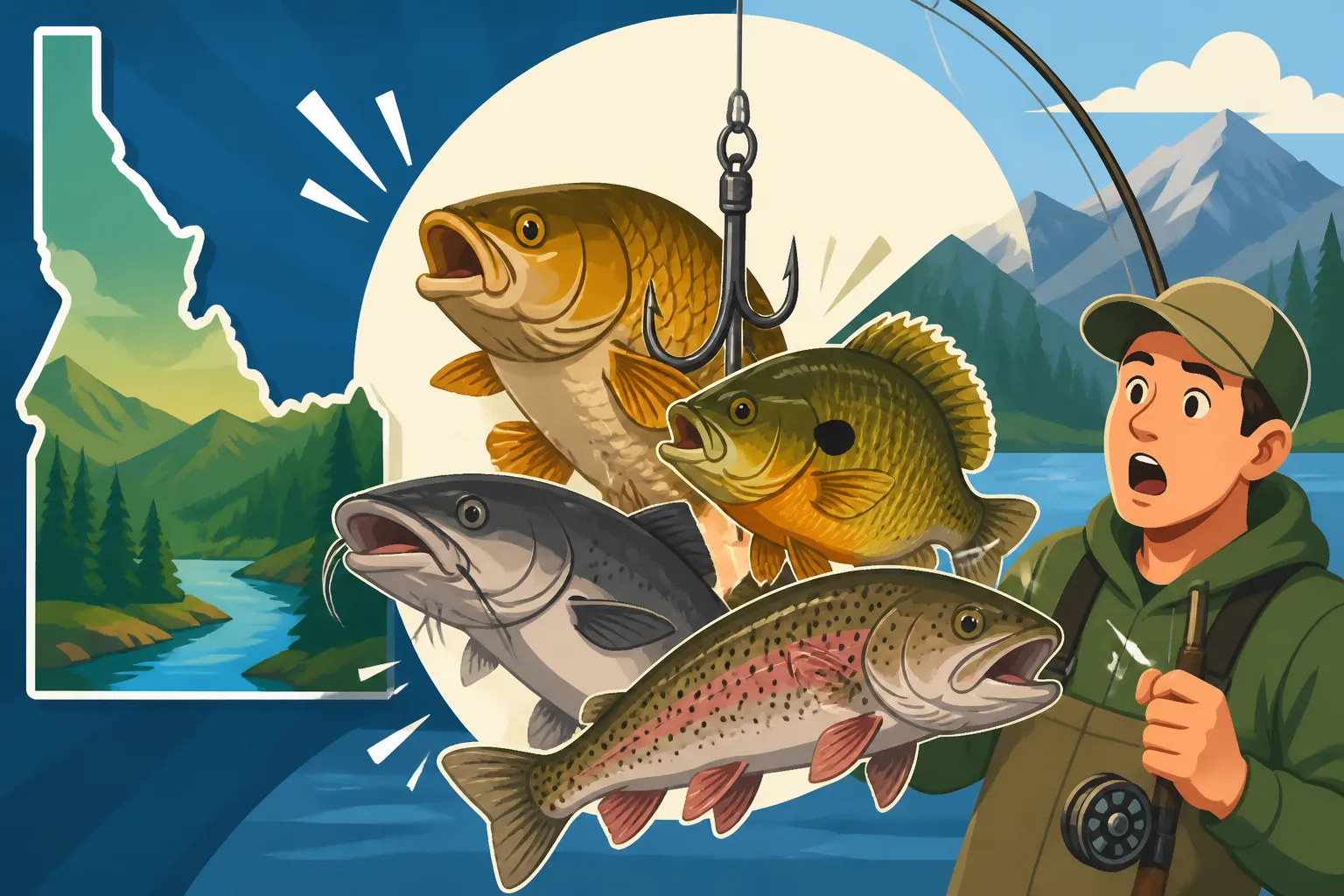
There's nothing quite like the excitement of a bite on your line, but sometimes that excitement quickly turns into a puzzled frown. You're out there, maybe hoping for a beautiful rainbow trout or a feisty smallmouth bass, and then, thwack! You reel in something totally different, something you weren't expecting at all. This can be a common occurrence for any angler in Idaho, leaving you wondering "What even is this fish?" and, more importantly, "Can I keep it?" This comprehensive guide is here to demystify those unexpected catches, helping you identify the most common fish you might hook by accident and understand the vital regulations and best practices for handling them.
Understanding "Accidental" Catches in Idaho
We've all been there. You cast your line, brimming with anticipation for a specific species, only to pull in something completely unexpected. It's a hallmark of fishing in Idaho's incredibly diverse waters, from the high mountain lakes to the sprawling rivers. But why does this happen, and why is it so important to know what you've got on the end of your line?
Why Unintended Catches Happen
Idaho's waters are teeming with a wide variety of fish, and often, their habitats and feeding habits overlap. This means that even when you're meticulously targeting one species, another might just decide your bait or lure looks too tempting to pass up. Think about it: a juicy worm might be destined for a trout, but a hungry yellow perch or even a smallmouth bass isn't going to discriminate if it's looking for an easy meal. Your spinner meant for a rainbow trout could just as easily attract a predatory bass that's lurking nearby.
Sometimes, it's about mistaken identity. A juvenile fish of one species might look remarkably similar to another, especially in the heat of the moment or for a less experienced eye. Other times, fishing techniques designed for a specific fish, like trolling for kokanee, can inadvertently bring up other species that share the same water column or are attracted to similar flash and vibration. This makes our Idaho fishing adventures consistently surprising, but also requires us to be knowledgeable and adaptable.
The Importance of Identification
Catching an unintended fish isn't just a quirky anecdote for your fishing log; it can have significant implications. In Idaho, like everywhere, specific regulations govern what you can keep, how many, and even how you handle certain species. Mislabelling a fish, or not knowing what you've caught at all, can lead to accidental violations. Imagine mistaking a protected bull trout for a brook trout and keeping it—that's a serious issue, even if it was unintentional.
Proper identification is crucial for several reasons. Firstly, it ensures you comply with bag limits and size restrictions, which vary widely by species and even by specific water body. Secondly, and perhaps most importantly, it helps protect vulnerable or protected species. Many anglers have a strong conservation ethic, and knowing instantly if you've hooked a fish that needs immediate, careful release is paramount. Always be ready to identify your catch and act responsibly. You can find a wealth of information in the Idaho Fishing Regulation Brochure and Proclamation which is truly your best friend out on the water.
The Usual Suspects: Common Accidental Catches
When you cast your line in Idaho, you're primarily aiming for those classic game fish, but many other species are ready to surprise you. Let's look at some of the most frequent accidental visitors to your hook.
Panfish and Smaller Game Fish
These are often the most common "oops" catches, not because they're undesirable, but because they're so prevalent and opportunistic.
Yellow Perch
Oh, the humble yellow perch! These guys are everywhere in Idaho's lakes and reservoirs, and they're notoriously eager eaters. If you're drifting a worm for trout, or even trolling a small spoon for kokanee, it's highly likely you'll eventually feel that distinctive perch tap. They're often caught on tackle that's too light for larger game fish, but they put up a surprisingly fun fight for their size. While they're fantastic table fare, make sure you know the specific regulations for perch in the water you're fishing. Some reservoirs have very generous limits, while others might have special considerations. Idaho Daily Bag Limit for Yellow Perch would be a good resource to check.
Smallmouth and Largemouth Bass
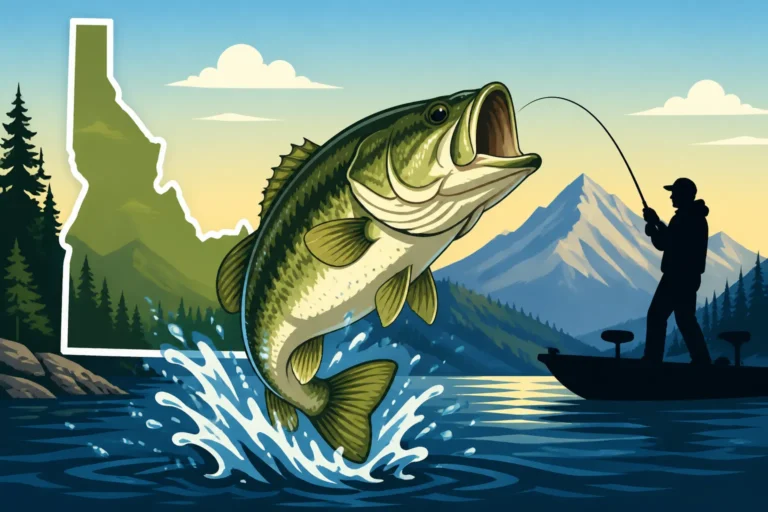
These aggressive predators are masters of ambush, and they absolutely love hitting lures and bait intended for other species. Fishing for trout in a river with some slower, warmer sections? A smallmouth bass might rocket out from a rocky ledge to grab your spinner. Targeting panfish in a reservoir? A largemouth could inhale your worm. Bass are notorious for their powerful strikes and acrobatic jumps, making them a thrilling surprise. Remember, bass also have specific size and bag limits depending on the water. Their presence in Idaho rivers, often introduced, means they can sometimes outcompete native species, but they certainly provide a strong fight for the angler.
Crappie and Bluegill
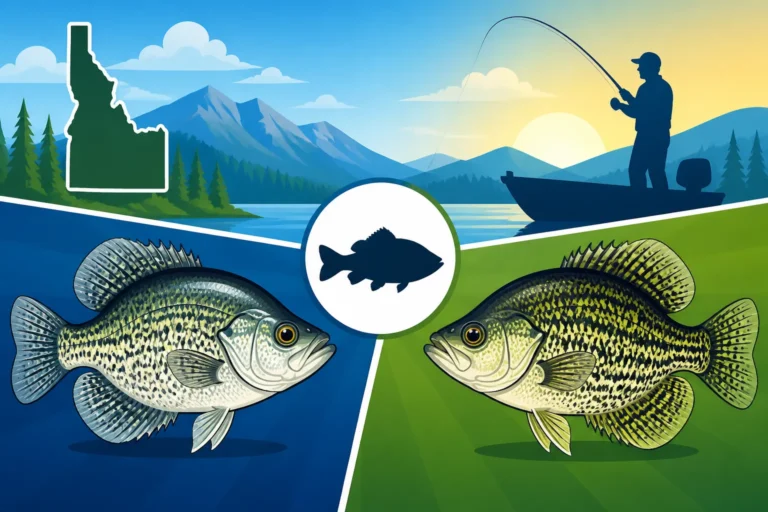
These popular panfish are schooling species often found in slower-moving waters, ponds, and reservoir coves. If you're fishing with small jigs, worms, or bits of corn for other panfish or even smaller trout, you're almost guaranteed to encounter crappie or bluegill. They're fun for kids and adults alike, and their delicate flakes make for a delicious meal. They tend to school up, so if you catch one, there's usually more where that came from! Just be mindful of the numbers, as some days you can fill a bucket quickly if the bite is on.
Native or Protected Species
This category is where identification becomes absolutely critical. Catching one of these accidentally requires quick thinking and responsible action.
Bull Trout
This is perhaps the most important fish for Idaho anglers to identify correctly. Bull trout are a protected species in Idaho, and if you accidentally catch one, it must be immediately released unharmed. There are no exceptions, no bag limits – they must go back into the water. Anglers often confuse them with brook trout or even juvenile lake trout, both of which are common in similar high-elevation waters. Look for their distinct light spots on a darker body, absence of red spots on the flanks, and a prominent white leading edge on their pectoral, pelvic, and anal fins. They also have a very large mouth that extends well past the eye. If you have any doubt, assume it's a bull trout and release it. This isn't just about following the rules; it's about protecting a vital part of Idaho's native fish populations. Are Bull Trout Protected in Idaho? delves deeper into this crucial topic.
Whitefish (Mountain Whitefish)
Often considered the trout angler's shadow, mountain whitefish share much of the same river habitat as trout. If you're fly fishing or spin fishing for trout, especially in clear, cold rivers, you'll often hook into a whitefish. They have a more slender body, a small mouth underneath their snout, and larger scales compared to trout. While not typically targeted by many anglers, they are native to Idaho and are considered good eating by those who know. They provide a spirited fight on light tackle, and if you're consistently catching them, it means you're likely in prime trout water. Just adjust your presentation slightly, or try a different fly or lure, and you might switch over to trout.
Other Unexpected Hook-ups
Beyond the common panfish and specific protected species, a few other aquatic residents might surprise you.
Suckers (Various Species)
Ah, the humble sucker. These bottom-feeding fish are arguably one of the most common accidental catches for anglers bait fishing in Idaho. Whether you're targeting trout, catfish, or even carp, a sucker is often the first to find your worm or corn on the bottom. They have distinctive fleshy, often protrusible lips designed for vacuuming up detritus and invertebrates. While not typically sought after for sport or table fare by most anglers, they are a native component of many Idaho ecosystems. If you hook one, handle it gently and release it quickly. They are tough fish and usually swim away without issue.
Pikeminnow
Western or northern pikeminnow are large, predatory minnows found in many of Idaho's major river systems, including the Snake and Salmon rivers. If you're fishing for smallmouth bass or even trying your hand at larger game fish like steelhead, you might find yourself battling a pikeminnow. They can grow quite large and put up a strong fight, often mistaken for a bass in the initial moments of the battle. While not usually considered a trophy fish, they are aggressive and can be quite abundant, especially in areas with higher water temperatures.
Navigating Regulations and Ethical Release
So, you've caught an unexpected fish. Now what? Knowing the regulations and practicing good catch-and-release techniques are essential, not just for the fish's well-being, but for your peace of mind and legal compliance.
Understanding Idaho's Fishing Regulations
This is where the rubber meets the road. Idaho's fishing regulations are designed to manage fish populations sustainably, and they vary significantly by water body, species, and even time of year. It's not enough to know the general rules; you absolutely need to consult the current Idaho Fishing Regulations Explained for the specific river, lake, or reservoir you are fishing. For instance, the daily bag limit for rainbow trout on the Boise River through town might be different from that on a high mountain lake in the Sawtooths.
The most crucial aspect is knowing which species are protected (like the bull trout we just discussed) and require immediate release. For other species, pay close attention to minimum or maximum size limits and daily bag limits. For example, if you're catching smallmouth bass and the regulation states a minimum length, you cannot keep a fish shorter than that, even if it was an accidental catch. Ignorance of the law is never an excuse, so carry a copy of the regulations, whether physical or on your phone, and refer to it often. Idaho Catch Limits and Bag Limits Explained provides a great overview of these critical numbers.
Best Practices for Catch-and-Release
Even if you can keep an accidentally caught fish, you might choose to release it, especially if it's not what you intended to harvest. Or, more importantly, if it's a protected species. Proper catch-and-release techniques are vital to ensure the fish's survival.
First, wet your hands before touching the fish. Dry hands can remove the protective slime layer that guards fish against disease. Minimize the time the fish is out of the water – every second counts, especially in warm weather. Hold the fish gently, supporting its body, particularly if it's a larger species. Try to keep it horizontal and avoid squeezing it around the belly.
Use tools like long-nosed pliers or hemostats (easily found on Amazon) to quickly and cleanly remove the hook. If the fish has swallowed the hook deeply and removal would cause significant damage, it's often best to simply cut the line as close to the hook as possible; the hook will often rust out or dislodge naturally. For certain species like sturgeon, barbless hooks are mandatory for this very reason – to facilitate easy, damage-free release. Why Barbless Hooks Are Required for Idaho Sturgeon is a must-read if you plan on targeting these giants. When releasing, hold the fish gently in the water, facing upstream, until it regains its strength and swims away on its own.
Tools and Techniques to Minimize Accidental Catches (and Handle Them)
While accidental catches are part of the fishing experience, there are ways to refine your approach and equip yourself to handle those surprises responsibly.
Gear for Intentional Targeting and Safe Release
Having the right gear isn't just about hooking fish; it's about doing it efficiently and ethically.
Firstly, hook choice plays a significant role. If you're consistently catching small, unwanted fish, consider upsizing your hook or lure to deter smaller bites. Conversely, if you're targeting small panfish, ensure your hooks are appropriately sized. For catch-and-release, using barbless hooks or crimping the barbs on your barbed hooks is a fantastic practice. This allows for much quicker, less damaging hook removal, increasing the fish's survival chances. You can find excellent selections of barbless hooks or even specialized pliers for crimping barbs on platforms like Amazon.
Beyond hooks, having essential release tools on hand is crucial. A good pair of long-nosed pliers or hemostats is invaluable for safely extracting hooks, especially from toothy fish or deep-hooked ones. A fish friendly net, often made of rubber or knotless mesh, can also reduce stress and damage to the fish's scales and slime layer if you need to net it. Finally, a waterproof, pocket-sized fish identification guide (or an app on your phone) is a game-changer. There are many great options available, and a quick search on Amazon for "Idaho fish identification guide" will yield some handy resources. Knowing exactly what you’ve caught immediately can save you a lot of guesswork and potential legal headaches.
Refining Your Approach
Sometimes, consistently catching unintended species means it's time to adjust your fishing strategy.
Consider depth and location. If you're targeting trout in a lake but keep hauling in yellow perch, try fishing deeper or shallower. Perch often school in specific areas, while trout might prefer cooler, deeper water or different structures. Similarly, if you're on a river aiming for steelhead but continuously hooking pikeminnow, try moving to faster, colder currents where steelhead are more likely to hold, or adjust your bait presentation. For instance, How to Troll for Kokanee on Lake Coeur d'Alene details specific depths and techniques that are highly effective for kokanee, which can also help avoid other species that might be holding at different levels.
Bait and lure selection can also be a fine-tuning tool. While a worm is universal, a specific fly pattern, a larger plug, or a particular jig color might be more selective for your target species. Pay attention to what's working (and what's not working) and don't be afraid to experiment. Sometimes, a subtle change in retrieve speed, bait size, or even moving just a few yards up or downstream can make all the difference. Remember, fishing is all about observation and adaptation, constantly learning from the water and the fish themselves. You can gain a lot of knowledge about effective strategies by checking out the Idaho Fishing Techniques Guide.
Table of Common Accidental Catches
Here's a quick reference for some of the most common fish you might catch by accident in Idaho, what they're often mistaken for, and a key reminder:
| Accidental Catch Species | Often Mistaken For | Key Identification Tip | Regulation Reminder |
|---|---|---|---|
| Yellow Perch | Small Trout | Vertical bars, spiny dorsal fin | Check local daily bag limits. Good eating! |
| Smallmouth Bass | Larger Trout | Horizontal stripes (juvenile), large mouth past eye | Check size and bag limits for the specific water. |
| Crappie / Bluegill | Other Panfish | Distinct body shapes, single/multiple dorsal fins | Usually generous bag limits, but always confirm. |
| Bull Trout | Brook Trout, Lake Trout (juvenile) | Light spots on dark body, white leading fin edges, large mouth | IMMEDIATE RELEASE REQUIRED – PROTECTED SPECIES. |
| Mountain Whitefish | Trout (especially fly fishing) | Small mouth under snout, larger scales, more slender body | Check local regulations; often liberal limits or not targeted. |
| Suckers | Catfish (juvenile), Carp | Fleshy, downward-facing mouth, often tubular | Generally catch-and-release; not a common sport fish. |
| Pikeminnow | Bass | Elongated body, large mouth; more minnow-like than bass | Can be abundant, often targeted for removal in some areas. |
Disclaimer
This article is for general informational purposes only and does not constitute professional advice. Laws, prices and regulations vary by location and change over time. Consult a qualified professional for guidance on your specific situation.