What It Takes to Weigh In at the Lake Coeur d’Alene Chinook Derby
If you've ever dreamt of being a champion angler, the thought of weighing in a truly massive Chinook at a prestigious event like the Lake Coeur d'Alene Chinook Derby can feel like a distant, almost mythical achievement. The reality of reeling in a trophy-sized salmon and getting it officially registered against a field of seasoned competitors is tough, often confusing for newcomers, and sometimes even frustrating when you feel like you've done everything right. This comprehensive guide will walk you through exactly what it takes, from understanding the rules and targeting these magnificent fish to the crucial details of a successful weigh-in, ensuring you're fully prepared to contend for that top spot.
Demystifying the Lake Coeur d'Alene Chinook Derby
The Lake Coeur d'Alene Chinook Derby isn't just a fishing contest; it's a tradition that brings together anglers from all walks of life, united by the thrill of the chase and the hope of landing a legendary fish. But before you can even dream of hoisting your catch onto the scales, you need to understand the fundamental framework of the event itself.
The Spirit and Stakes of the Derby
Imagine the crisp morning air over Lake Coeur d'Alene, the quiet hum of boat engines, and the anticipation building as the sun peeks over the mountains. That's the essence of the derby. It's a test of skill, patience, and a little bit of luck, all set against one of Idaho's most stunning backdrops. While exact rules and prizes can vary slightly year to year and between different organized derbies (like the "Big One Derby" often hosted by local fishing clubs), the core spirit remains the same: catch the biggest, heaviest Chinook salmon within the specified timeframe.
The stakes can be high, with significant cash prizes, valuable gear, and bragging rights on the line. For many, it's not just about the prize money; it's about the challenge, the camaraderie with fellow anglers, and the personal satisfaction of a hard-earned catch. Whether you're a seasoned veteran or participating for the first time, the excitement is palpable, and everyone dreams of that moment their fish hits the official scale. Understanding the specific derby you're entering is paramount, so always check the organizer's official rules well in advance. These rules will clarify everything from entry fees and eligible waters to permissible fishing methods and, most importantly, the weigh-in procedures.
Essential Derby Rules and Regulations
Navigating the rules of any fishing derby, especially one targeting a prized species like Chinook salmon, can feel like deciphering ancient texts. However, these rules are in place for fairness, conservation, and to ensure everyone has a consistent playing field. Beyond the derby-specific rules, you must adhere to all Idaho Fish and Game regulations. This includes holding a valid Idaho Fishing License Guide, understanding the Idaho Fishing Regulations Explained, and being aware of Idaho Catch Limits and Bag Limits Explained for Chinook and any other species you might encounter.
Derby rules typically specify:
- Eligibility: Who can participate (e.g., age limits, resident/non-resident status).
- Derby Dates and Times: The exact start and end times for fishing and weigh-ins. Missing a weigh-in deadline, even by minutes, can disqualify a monster fish.
- Target Species: Clearly stating that only Chinook salmon are eligible for the main prize.
- Fishing Methods: Permitted techniques (e.g., trolling, jigging) and restrictions (e.g., no live bait for Chinook, limitations on number of rods).
- Weigh-in Stations: Designated locations and hours for official weigh-ins.
- Fish Condition: Often, fish must be fresh, whole, and in good condition (no gilling, gutting, or tampering) to be eligible. Some derbies might require the fish to be bleed properly for quality, but not gutted.
- Tie-Breaking: Procedures for ties in weight (e.g., earliest weigh-in wins).
It's a lot to take in, but a careful review of these rules is non-negotiable. Don't let a simple oversight cost you a potential winning fish.
The Elusive Chinook: What You're Up Against
To weigh in a winning Chinook, you first need to understand the magnificent fish itself. Lake Coeur d'Alene is renowned for its Chinook salmon fishery, a testament to Idaho Fish and Game's stocking efforts, which complement the lake's abundant kokanee — the primary food source for these voracious predators.
Chinook Biology and Habits in Lake Coeur d'Alene
Chinook salmon, often called "King Salmon," are the largest species of salmon and are known for their powerful fights and delicious flesh. In Lake Coeur d'Alene, these are landlocked Chinook, meaning they complete their entire life cycle within the freshwater environment, rather than migrating to the ocean. These fish thrive in the deep, cold waters of Lake Coeur d'Alene, feeding primarily on the abundant kokanee salmon, which is why understanding Idaho Kokanee Fishing Guide can inadvertently help your Chinook game.
Key habits to consider:
- Depth Preference: Chinook typically prefer deeper, cooler water, especially during warmer months. They'll follow the thermocline and kokanee schools.
- Feeding Patterns: They are opportunistic predators, often lurking near baitfish schools. Their feeding can be influenced by light conditions, barometric pressure, and water temperature.
- Seasonal Movements: While they can be caught year-round, their patterns shift. Spring and fall are often prime times when they are more active and accessible. Check the Idaho Fishing Season Dates and Limits for Chinook to align with peak activity.
- Size Potential: Lake Coeur d'Alene produces some truly impressive Chinook. While the average might be in the 5-15 pound range, fish in the 20-30+ pound class are caught annually, and even larger ones have been recorded, pushing towards What Idaho's Record Chinook Salmon Weighed. To be a contender in the derby, you're generally looking for a fish well above the average.
Understanding these behaviors is crucial for locating them. It's not just about dropping a line; it's about thinking like a predator.
What Constitutes a "Derby-Winning" Chinook?
This is the million-dollar question, or rather, the multi-thousand-dollar question! While every derby is different, and nature can always surprise you, historical data from past Lake Coeur d'Alene Chinook Derbies offers some valuable insights. A winning Chinook is rarely a small one.
Typically, you're looking for a fish that pushes the scales into double digits, often starting from the high teens and going up from there. A 20-pound class Chinook is usually a strong contender, and anything above 25 pounds often places high or even wins. However, the exact winning weight is a moving target, dependent on the conditions of the year, angler turnout, and pure luck.
Consider these factors:
- Weight, Not Length: While length can correlate with weight, derbies are almost universally decided by weight. A shorter, fatter fish will often beat a longer, skinnier one.
- Peak Condition: A healthy, robust Chinook that has been feeding well will weigh more. Look for fish with a thick girth.
- Freshness: Ensure your fish is kept cold and fresh. A fish that has been out of water too long or allowed to warm can lose precious ounces. This is why having a quality cooler filled with ice is non-negotiable.
To put it in perspective, consistently winning fish are those that stand out from the crowd. You need a fish that makes other anglers stop and stare, not just a respectable eater. For more details on identification, consult the Idaho Chinook Salmon Identification Guide.
Derby Day Strategy: From Hook to Scale
Success in the Lake Coeur d'Alene Chinook Derby isn't just about catching a big fish; it's about a well-executed plan from the moment you cast off to the second your fish is weighed.
Advanced Trolling and Lure Selection
When it comes to targeting Chinook on Lake Coeur d'Alene, trolling is often the most effective method, especially for covering vast expanses of water and finding actively feeding fish. The name of the game is presenting your lure or bait at the correct depth and speed where Chinook are hunting. This means a serious commitment to your gear and technique.
Trolling Techniques:
- Downriggers are Essential: To consistently reach the depths where Chinook roam (often 50 to 150+ feet, depending on the season and time of day), downriggers are indispensable. They allow you to precisely control your lure depth.
- Speed is Key: Chinook often prefer a faster troll than kokanee. Experiment with speeds between 2.0 to 3.5 mph, but always adjust based on conditions and how the fish are biting. Pay attention to how your lure is performing at different speeds.
- Pattern Trolling: Don't just go in a straight line. S-turns, figure-eights, and changes in speed can make your lures dart and dive, triggering strikes from following fish.
- Sonar and GPS: A high-quality fish finder is crucial for identifying bait balls (kokanee schools) and marking individual fish. GPS allows you to track productive trolling passes and return to specific areas. Many anglers use services like FishingBooker to research guides who have top-notch electronics and deep knowledge of the lake's contours.
For a deeper dive into techniques, check out Trolling Techniques for Idaho Reservoirs.
Lure Selection:
Chinook are primarily targeting kokanee, so your lures should imitate these baitfish.
- Flashers and Dodgers: These are attractor devices rigged in front of your lure to create flash, vibration, and an erratic swimming motion. Popular colors include chrome, white, green, and blue.
- Hoochies/Squid Skirts: These soft plastic lures, often in green, blue, pink, or white, are deadly when paired with a flasher. Tipping them with a small piece of bait (like herring or anchovy) can significantly increase their effectiveness.
- Plugs and Spoons: Brands like Kwikfish, Brads Killerfish, and various trolling spoons (e.g., Apex, Luhr Jensen) in baitfish patterns (chartreuse, blue/chrome, green/silver) are also very effective.
- Bait: Often, a cut-plug herring or a whole anchovy rigged to spin naturally is irresistible to Chinook. Ensure your bait is fresh and presented correctly.
Experimentation is vital. What worked yesterday might not work today. Always have a variety of colors, sizes, and styles on hand. Consult Best Bait and Lures for Idaho Fishing for a broader perspective.
The Fight, Landing, and Proper Fish Handling
Hooking a big Chinook is exhilarating, but the fight is just the beginning. The next steps are critical for landing the fish and ensuring it's in weigh-in condition.
The Fight:
- Patience and Pressure: Chinook are incredibly powerful. Don't try to horse them in. Let the rod and reel do the work. Maintain constant pressure but be prepared for strong runs.
- Clear the Lines: If you're trolling multiple lines, quickly reel in or clear any other lines to avoid tangles once a fish is hooked.
- Boat Maneuvering: Your boat operator needs to be skilled at keeping the boat moving slowly forward or in a gentle turn to help fight the fish and keep it off other lines or the prop.
Landing the Fish:
- Large Net: A large, sturdy net with a deep basket is absolutely essential for landing a big Chinook. Trying to hand-land or gaff a derby-winning fish is a recipe for disaster.
- One Chance: Once the fish is near the boat, the netter typically has one good shot. Be patient, wait for the fish to be tired and on its side, then scoop it headfirst.
Proper Fish Handling for Weigh-In:
This is where many anglers unknowingly jeopardize their chances.
- Immediate Cooling: As soon as the fish is in the boat, get it into a cooler filled with ice. A large, insulated cooler like those from Yeti, Orca, or Igloo is critical. The goal is to rapidly cool the fish to preserve its weight and freshness. Do not let it sit on the deck.
- No Gilling or Gutting (Unless Permitted): Most derbies require fish to be whole and ungutted. Gilling or gutting removes blood and organs, which reduces weight. If local regulations for your catch dictate bleeding for quality, understand if this is allowed for derby fish without disqualification. Generally, immediate immersion in an ice slurry often bleeds the fish sufficiently without physically gilling it.
- Careful Handling: Avoid excessive banging or bruising the fish. This impacts its presentation and can cause meat degradation.
- Keep it Covered: Once in the cooler, ensure it's completely covered in ice.
Remember, the goal is not just to catch it, but to present it at the weigh-in exactly as the rules specify, at its maximum possible weight.
The Weigh-In Process: Making Every Ounce Count
You've done the hard work, fought the fish, and kept it in pristine condition. Now comes the moment of truth: the weigh-in. This final step is crucial and can be stressful.
Before You Approach the Scale:
- Check the Time: Double-check the weigh-in station's closing time. Do not cut it close. Traffic, boat ramps, and lines at the station can all cause delays.
- Review Rules (Again): A quick mental recap of the weigh-in rules specific to the derby you entered.
- Documentation: Have your fishing license, derby entry ticket, and any required catch cards ready. Some derbies require a specific number to be attached to the fish or a specific form to be filled out.
At the Weigh-In Station:
- Follow Instructions: Listen carefully to the derby officials. They run a tight ship, especially during peak weigh-in times.
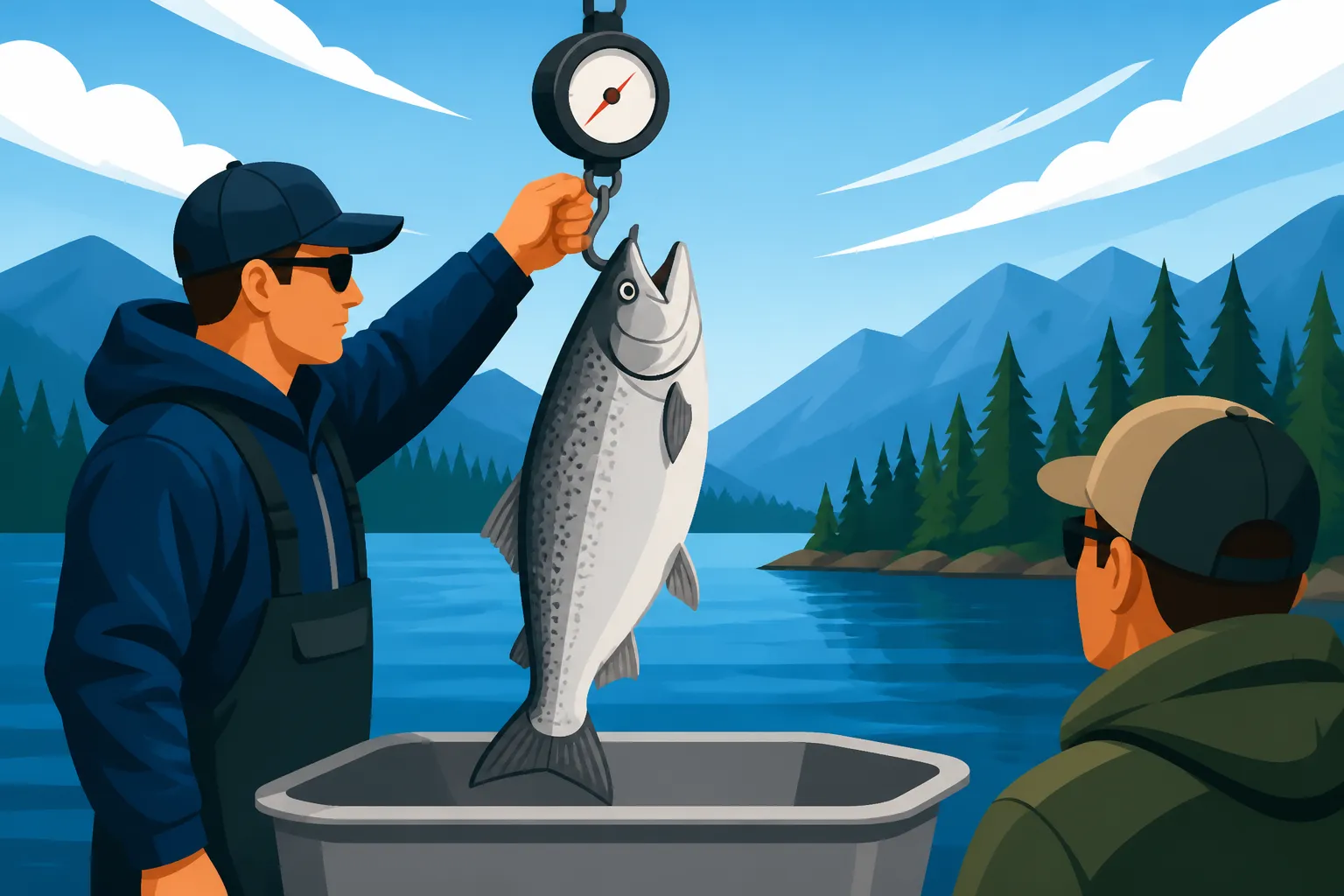
- Present Your Fish: When it's your turn, carefully remove your fish from the cooler. Present it to the officials as instructed. They will typically place it in a weighing basket or hang it from a certified scale.
- Observe the Weighing: Watch the scale carefully as your fish is weighed. Confirm the weight announced. Most derbies use certified scales that are regularly calibrated.
- Photography: This is your moment! If you've caught a contender, there will likely be photos taken. Don't be shy; this is the culmination of your efforts.
- Leaderboard Check: After weighing, check the leaderboard to see where your fish stands. This is often where the real excitement (or heartbreak) begins.
Many anglers might use a service like FishingBooker to compare different fishing guides, noting which ones have a reputation for consistently landing derby-worthy fish. While you might not use a guide for the derby, their past success could indicate prime fishing spots or techniques.
Beyond the Derby: Celebrating the Experience
Whether you win big or just enjoy a fantastic day on the water, the Lake Coeur d'Alene Chinook Derby is an experience to savor.
Community, Conservation, and Continued Learning
The derby fosters a strong sense of community among anglers. It's a place to share stories, learn new techniques, and bond over a shared passion. Even if your fish isn't a winner, the connections you make and the lessons you learn are invaluable. Many participants return year after year, not just for the competition, but for the camaraderie.
The derby also subtly reinforces the importance of conservation. Strict adherence to Idaho Fishing Regulations Explained and proper fish handling ensures the sustainability of the fishery. Catch-and-release is often practiced for smaller fish or those not intended for the scales, ensuring future generations of anglers have the same opportunities.
After the derby, reflect on what worked and what didn't. Did you find the fish in the depths you expected? Was your lure choice effective? Could your boat handling be improved? There's always something new to learn in fishing. Consider booking a trip with a local guide through platforms like FishingBooker, especially if you're trying to refine your techniques or explore new waters. They often have insights that can significantly improve your success rate in future derbies or just regular fishing trips on waters like Fishing Lake Coeur d'Alene for Kokanee and Chinook.
Planning Your Next Trophy Hunt
The thrill of the hunt for a trophy Chinook is addictive. Even if you don't win the derby this year, the experience will likely fuel your desire to return stronger next time.
- Review Your Gear: Did your rods, reels, or lines perform optimally? Is anything due for an upgrade or maintenance?
- Scout New Waters: While Lake Coeur d'Alene is phenomenal, Idaho offers incredible fishing diversity. Explore other regions for different species. Perhaps target the monster rainbow trout of Lake Pend Oreille or the big smallmouth bass on the Snake River.
- Learn More: Deepen your knowledge of Chinook behavior, optimal Best Bait and Lures for Idaho Fishing, and advanced electronics usage. Many resources, including local tackle shops and experienced anglers, can provide invaluable tips. If you live closer to other prime fishing areas, consider exploring Best Fishing Spots Near Coeur d'Alene more thoroughly, or looking into a guide for other species like Idaho Chinook Salmon Fishing Guide.
The journey to weighing in a derby-winning Chinook on Lake Coeur d'Alene is challenging, but deeply rewarding. It requires preparation, skill, a bit of luck, and a whole lot of passion. Now you have a clearer roadmap to turn that dream into a reality.
Disclaimer
Please note that fishing regulations, derby rules, and specific fish behaviors can change. Always consult the latest Idaho Fish and Game regulations and the official rules of any specific derby you plan to enter before heading out. Safety first, and always practice ethical angling.