Lake Pend Oreille’s Grounds for Trophy Rainbow Trout
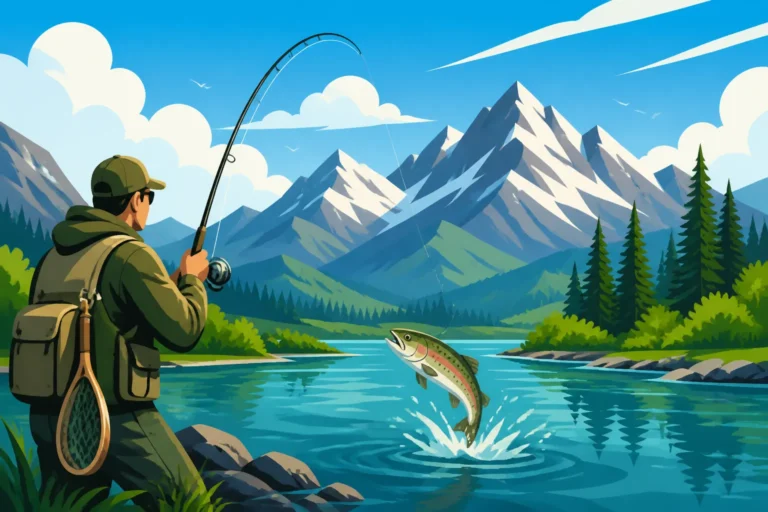
Let's face it, the dream of catching a truly massive rainbow trout often feels like something out of a tall tale. Especially when you're looking at a body of water as vast and intimidating as Lake Pend Oreille, finding those elusive, colossal rainbows can seem like an impossible task. This guide is here to demystify the pursuit, offering a comprehensive look into where and how to find these legendary trophy fish in one of Idaho's most iconic lakes.
The Legacy of Lake Pend Oreille's Trophy Rainbow Trout
Lake Pend Oreille isn't just another pretty lake; it's a place steeped in angling legend, particularly when it comes to gargantuan rainbow trout. For decades, this massive body of water has been known to produce fish that many anglers only dream of, cementing its reputation as a world-class destination for trophy seekers.
A History of Giants and the Kamloops Strain
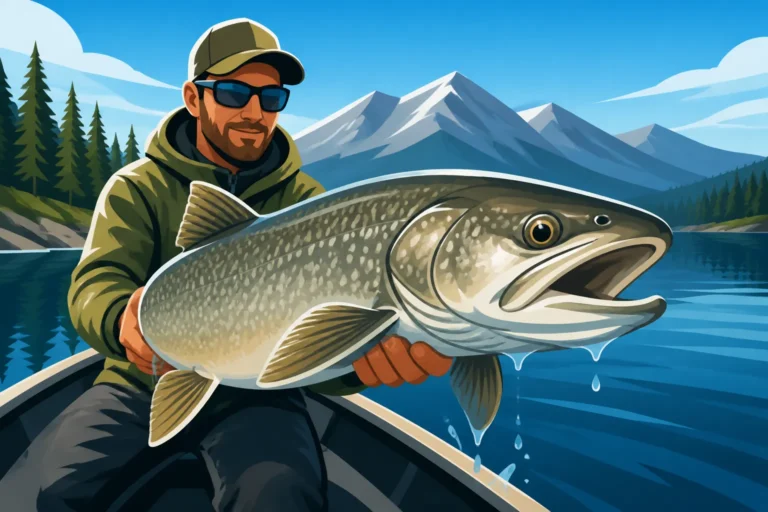
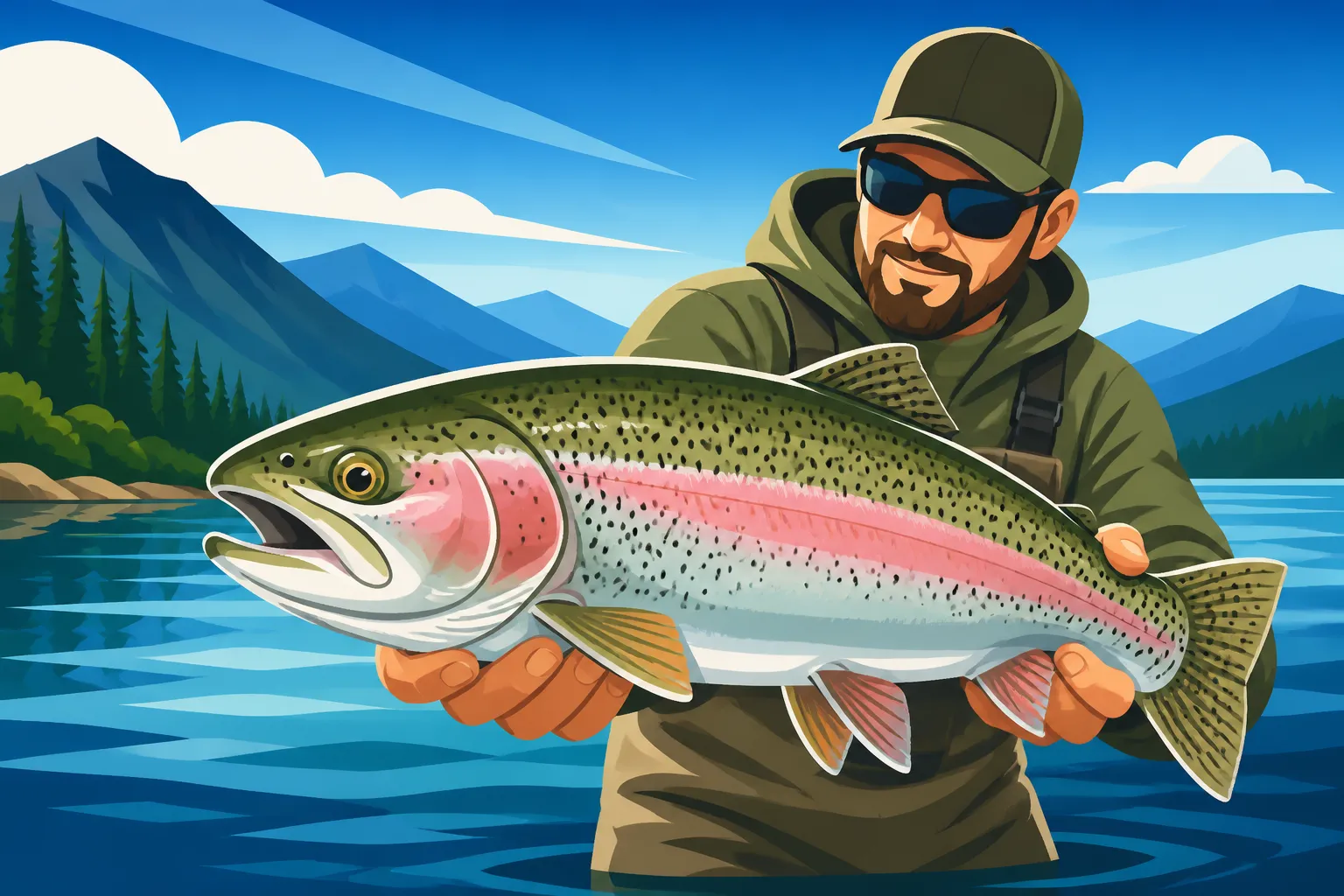
The story of Lake Pend Oreille's trophy rainbow trout is intrinsically linked to the introduction and incredible success of the Kamloops strain of rainbow trout. These particular rainbows, originally from British Columbia, were introduced to the lake many years ago and found a perfect home in its deep, cold, and nutrient-rich waters. Unlike typical stream-dwelling rainbows, these Kamloops adapted to a lake environment, becoming formidable predators. They grow to astounding sizes, far beyond what you might expect in most other waters. It's truly a testament to the lake's unique ecosystem that it can consistently support such massive fish, and many anglers still chase the ghost of the world-record rainbow caught here. If you've ever wondered How Big Was the World-Record Rainbow Trout from Lake Pend Oreille?, you'll understand the sheer scale of fish this lake is capable of producing. Understanding What Idaho's Kamloops Rainbow Trout Strain Is is key to appreciating this incredible fishery.
The secret to their prodigious growth largely lies in the abundance of a primary forage fish: kokanee salmon. These landlocked sockeye provide a protein-rich diet that allows the Kamloops rainbows to pack on weight at an incredible rate. Imagine a fish growing fat on an endless buffet – that's essentially the life of a trophy rainbow in Pend Oreille. This rich food source is a critical factor in why many consider Pend Oreille among the Best Lakes for Fishing in Idaho, especially for those chasing big trout.
Understanding the Pend Oreille Ecosystem
Lake Pend Oreille isn't just big; it's one of the deepest natural lakes in the United States, plunging to depths exceeding 1,150 feet. This immense depth, coupled with glacial origins, results in consistently cold water temperatures, even in the height of summer. These conditions are absolutely ideal for cold-water species like rainbow trout, allowing them to thrive and grow to exceptional sizes without the stress of warmer, shallower environments. The lake's vastness also means varied habitats, from shallow bays to sheer rock walls and expansive deep-water flats.
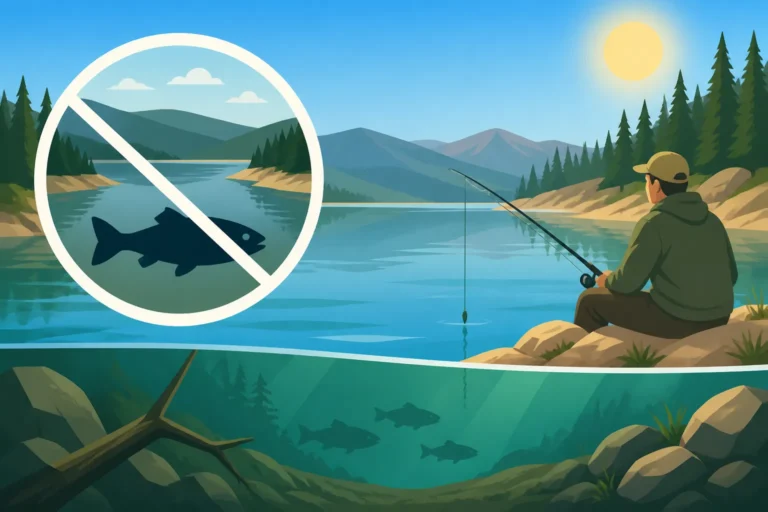
Throughout the year, the complex interplay of water temperature, oxygen levels, and the movement of baitfish dictates where these trophy rainbows will hold. During the warmer months, the fish often retreat to cooler, deeper waters, congregating around the thermocline where the water temperature changes dramatically. But it's not just about depth; the lake is littered with incredible underwater structures—ledges, submerged islands, drop-offs, and humps—that serve as ambush points for these predatory fish. These structures act like underwater highways and diners for the trout, offering shelter and prime feeding opportunities. Knowing how to read a contour map and utilize your electronics is absolutely critical here.
Prime Hunting Grounds for Pend Oreille Rainbows
Finding a trophy rainbow trout on Lake Pend Oreille is a bit like finding a needle in a haystack, but with enough local knowledge and persistence, that needle becomes much more accessible. These massive fish aren't just swimming randomly; they follow predictable patterns tied to seasons and baitfish movements.
Seasonal Hotspots and Major Tributary Influences
While the entire lake holds potential, certain areas consistently produce larger numbers of trophy-sized rainbows, particularly during specific seasons. The southern end of the lake, near Bayview, is often a springtime hotspot. As the waters begin to warm slightly, the fish become more active and can be found shallower, chasing kokanee that are also becoming more active. Another perennial favorite is the area around Hope and the mouth of the Clark Fork River. The confluence of river nutrients and a plentiful supply of baitfish makes these areas extremely attractive to large trout, especially during spring and fall migrations.
In the cooler months of spring and fall, the fish tend to move into shallower waters, often congregating around the mouths of major tributaries like the Clark Fork and Pack rivers. These river delta areas become feeding grounds as baitfish gather, attracting the larger predatory rainbows. For instance, early spring after ice-out can see incredible action as trout become more active after a cold winter. Conversely, late fall is prime time as fish gorge themselves, preparing for winter. For specific dates and rules, always consult the Idaho Fishing Season Dates and Limits and the detailed Idaho Fishing Regulations Explained before heading out.
During the peak of summer, when surface temperatures soar, the trophy rainbows often retreat to the deep, cool sanctuary of the main lake basin. They'll follow the kokanee schools, which also seek deeper, cooler water. This is when deep-water trolling techniques truly shine, targeting depths between 50 and 150 feet, sometimes even deeper. Don't be surprised to mark fish at over 200 feet! Understanding How Hot Weather Changes Where Idaho Trout Hold is crucial for summer success.
Structure and Depths: Where the Big Ones Hide
The sheer size of Lake Pend Oreille means there’s an incredible amount of underwater structure, and learning to interpret this is paramount to finding trophy fish. Submerged ledges, humps, and points are essentially prime real estate for these ambush predators. A sudden drop-off from a flat shelf, or an isolated underwater mountain rising from the lakebed, can concentrate baitfish and, in turn, massive rainbows. These features often create currents and upwellings that bring food and oxygen, making them irresistible to hungry trout.
When you're out on the water, pay close attention to your fish finder. Large, isolated marks often indicate a single, substantial trout. However, equally important are the bait balls – dense schools of kokanee. Where there are kokanee, the rainbows won't be far behind. Target depths where these baitfish are concentrated, and consider running your lures just above or through these schools. Using electronics to pinpoint these food sources is an indispensable part of your strategy, especially when engaging in Idaho Trolling Techniques Guide. Knowing How to Use a Fish Finder on an Idaho Reservoir (which can be applied to lakes too) can significantly boost your success.
Strategies and Tactics for Trophy Success
Chasing trophy rainbow trout on Lake Pend Oreille isn't for the faint of heart; it demands specialized techniques, robust gear, and an understanding of the fish's behavior. This isn't your casual cast-and-retrieve fishing.
The Art of Trolling for Giants
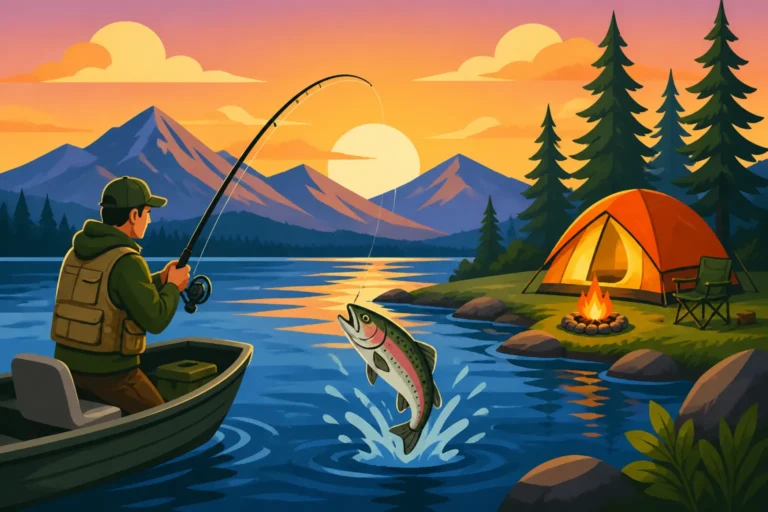
When it comes to consistently catching trophy rainbow trout on Lake Pend Oreille, deep-water trolling is undoubtedly the king. You're not just dragging a lure; you're orchestrating a symphony of depth, speed, and presentation. For this, you'll need specialized gear. Think heavy-duty trolling rods, capable of handling the fight of a 20-plus pound fish, paired with reliable reels spooled with strong, abrasion-resistant line. Downriggers are non-negotiable for consistently presenting lures at precise depths, allowing you to target fish holding far below the surface. Some anglers also employ planer boards to spread out their lines and cover a wider area, especially when targeting fish higher in the water column or closer to shore.
Lure selection is crucial. These trophy rainbows are apex predators, and they feed on sizable baitfish. Therefore, you'll want to use larger spoons, plugs, and even realistic baitfish imitations. Popular choices include large, slender spoons from brands like Luhr-Jensen or similar, often in vibrant colors like chartreuse, blue, or silver, especially on sunny days. Plugs that mimic kokanee or juvenile trout, such as Lyman Lures or Kwikfish, can also be incredibly effective. Experiment with colors based on water clarity and available light; brighter colors often work well in stained water or low light, while more natural patterns shine in clear conditions. The aim is to create a presentation that is irresistible and appears like an easy meal to a hungry, opportunistic predator.
Achieving the right trolling speed and depth control is paramount. Pend Oreille rainbows are often very particular. A slight change in boat speed, from say 2.0 to 2.5 mph, can be the difference between a barren spread and a screaming reel. Similarly, knowing the exact depth where baitfish are holding or where you've marked large fish is vital. Your downriggers allow for this precision, letting you drop your lures into the strike zone and keep them there. Constant monitoring of your fish finder for bait balls and individual marks, then adjusting your downrigger depths accordingly, is the secret sauce to success.
Seasonal Adjustments and Timing Your Trip
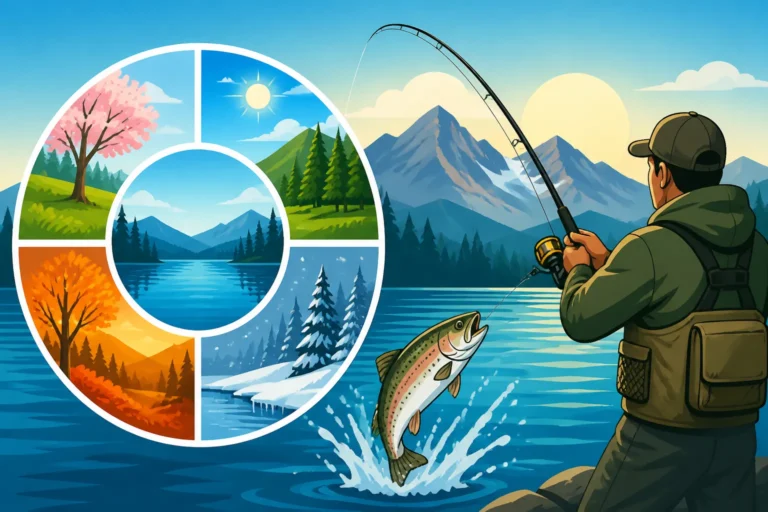
The seasonal patterns of Lake Pend Oreille’s trophy rainbows are distinct, and adjusting your tactics accordingly will significantly improve your odds.
- Spring (April – June): As the ice recedes and water temperatures slowly climb, rainbows become more active. This is a fantastic time, especially in the shallower areas near tributaries. Fish are often post-spawn and aggressive, looking to feed up. Trolling shallower, often between 10-50 feet, with slightly faster speeds can be effective.
- Summer (July – August): The heat drives fish deep. This is when deep-water trolling in the main lake basin, targeting 50-150+ feet, comes into its own. Early mornings and late evenings are often the most productive periods, as the fish may rise slightly in the water column to feed.
- Fall (September – November): Many anglers consider fall to be the absolute prime time for trophy rainbows. The fish are actively gorging on kokanee, preparing for winter. They can often be found in shallower depths again, particularly in tributary mouths and along shoreline breaks. The fish are incredibly fat and strong at this time, offering spectacular fights.
- Winter (December – March): While less common due to weather, open-water trolling can still produce on milder days. Ice fishing is also popular in some of the shallower bays, though catching the truly "trophy" rainbows through the ice is a rare feat in the main lake.
Understanding these patterns and combining them with specific Idaho Rainbow Trout Fishing Guide techniques will give you a significant edge.
Planning Your Trophy Hunt and Essential Tips
Embarking on a trophy rainbow trout hunt on Lake Pend Oreille is an exciting endeavor, but it requires careful planning and a realistic understanding of the challenges involved.
Hiring a Local Expert
For many, especially those new to Lake Pend Oreille or targeting trophy fish for the first time, hiring a local fishing guide is an invaluable investment. These guides spend countless hours on the water, possess an intimate knowledge of the lake's ever-changing conditions, and have specialized equipment tailored for trophy trout. They know the subtle nuances of where fish are holding, what lures are currently hot, and the precise trolling speeds that produce strikes. Think of it as fast-tracking your learning curve and significantly increasing your chances of success. You can find reputable guides through local tackle shops, marinas, or online platforms like FishingBooker. When looking, always ensure they specialize in trophy rainbow trout fishing on Pend Oreille, as techniques vary widely by species and location.
A guided trip often includes all the necessary specialized gear, from the rods and reels to the downriggers and an array of proven lures. Beyond the equipment, a good guide will teach you how to read the lake, interpret your electronics, and even handle these large fish safely for release. It's truly an educational experience. Given the popularity of this fishery, especially during prime seasons like spring and fall, booking your guide well in advance is highly recommended. You can get an idea of typical costs by looking into the Idaho Fishing Guide Cost Guide. Using a service like FishingBooker can help you compare guides and their availability, making the booking process much smoother.
Respecting the Resource and Regulations
Catching one of Lake Pend Oreille's magnificent trophy rainbow trout is an unforgettable experience, but it comes with a responsibility to protect this precious resource for future generations. Many anglers choose to practice catch and release for these large, mature fish. They are often long-lived and represent the peak of the fishery's health. If you do plan to release a fish, ensure you have the proper tools for safe handling, such as large landing nets with rubber mesh to protect their slime coat, and de-hooking tools. Minimize their time out of the water, support their body weight properly, and allow them to recover fully before letting them go.
Always, always review the latest regulations published by the Idaho Department of Fish and Game (IDFG) before your trip. Regulations for Lake Pend Oreille, particularly for species like rainbow trout, can be specific and change seasonally. This includes bag limits, size restrictions (which are often very restrictive or catch-and-release-only for true trophies), and any special gear requirements like barbless hooks. Ignorance of the rules is not an excuse, and violations can lead to hefty fines and loss of fishing privileges. Make sure your Idaho Fishing License Guide is up to date, and review the current Idaho Catch Limits and Bag Limits Explained for Lake Pend Oreille. You can usually find the most current information on the IDFG website or through their annual fishing regulation brochure. Always fish ethically and responsibly, ensuring the health of the lake and its incredible fish.
| Season | Primary Locations | Typical Depths | Recommended Lures | Key Considerations |
|---|---|---|---|---|
| Spring | Clark Fork mouth, Bayview, Sunnyside | 10-50 ft | Large Spoons (silver/blue), Plugs | Post-spawn aggression, active kokanee |
| Summer | Main Lake Basin, Deep Channels | 50-150+ ft | Deep-diving Plugs, heavier Spoons | Thermocline, early/late fishing, electronics |
| Fall | Clark Fork mouth, Pack River Delta | 20-70 ft | Large Spoons (chartreuse/orange), Plugs | Kokanee schooling, aggressive feeding |
| Winter | Deeper Bays (Ice Fishing), Main Lake (Open) | Variable | Jigging Spoons, Deep Trolling | Weather dependent, slower action |
Disclaimer
Please note that fishing conditions and regulations can change frequently. Always consult the official Idaho Department of Fish and Game regulations and local conditions before planning any fishing trip. This guide provides general information and should not be considered a substitute for official resources.