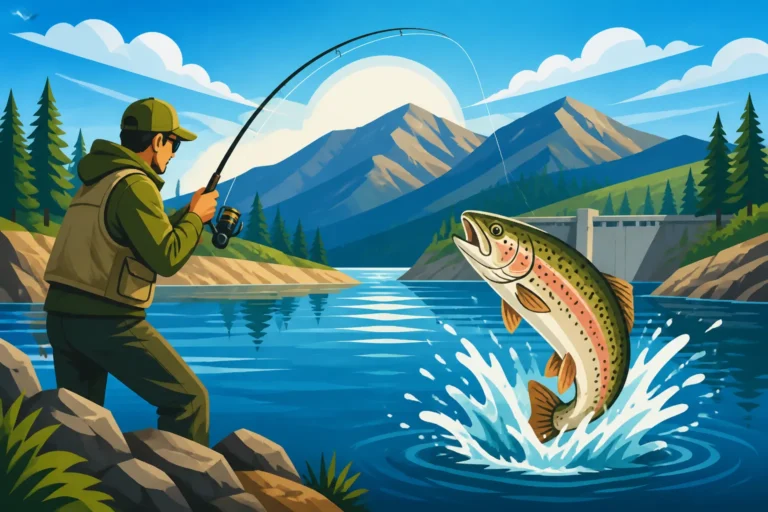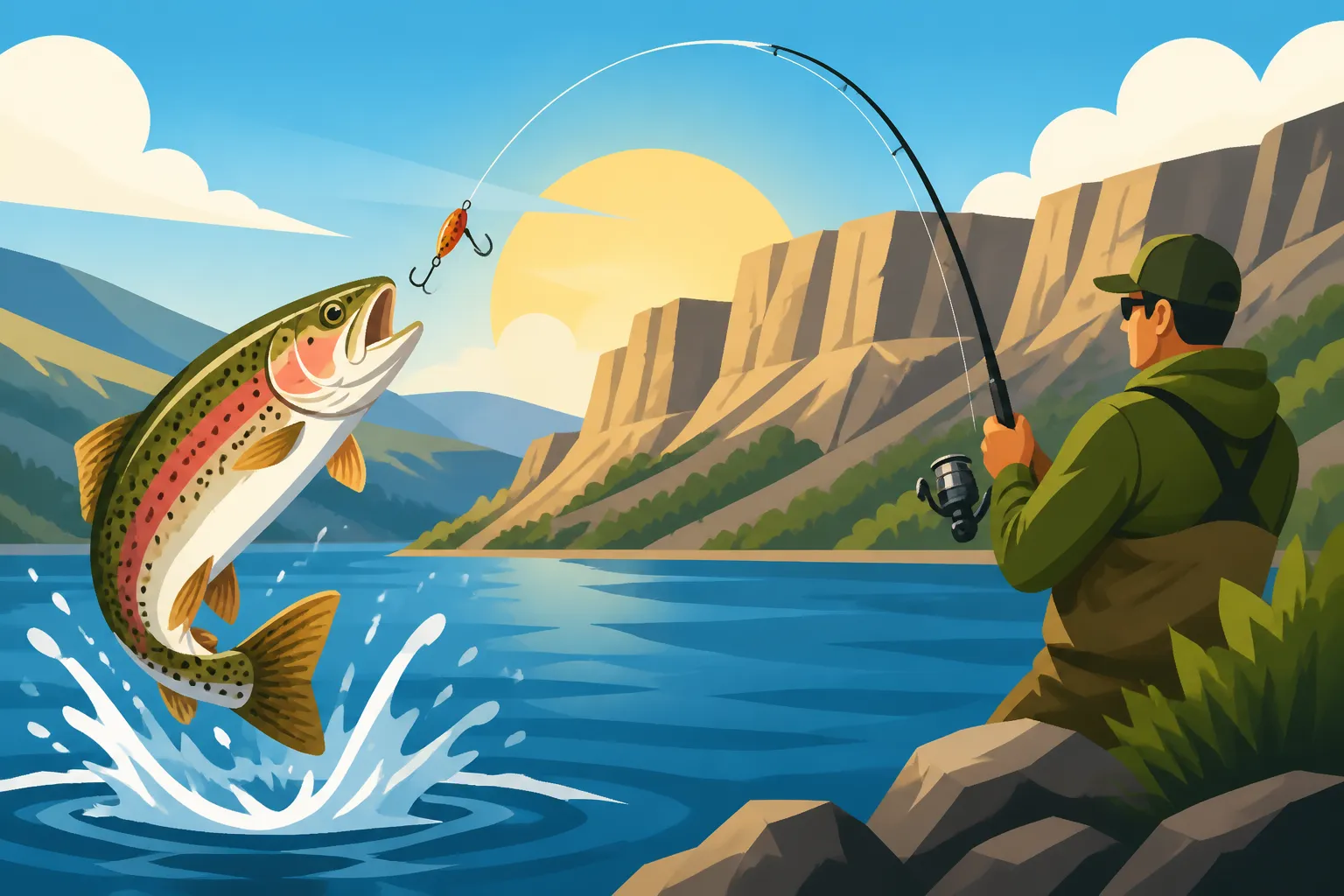
Fishing Palisades Reservoir
Palisades Reservoir is one of those places that, while stunningly beautiful, can feel a little overwhelming when you first look at its vast expanse. Anglers often arrive, rods in hand, only to wonder where on earth to start in such a massive body of water, especially if they’re hoping to tangle with some of Idaho's famous trout. This comprehensive guide is designed to cut through that uncertainty, offering you the insider knowledge on target species, the most effective techniques, prime locations, and the seasonal wisdom needed to ensure your fishing trip to this southeastern Idaho gem is not just productive, but truly unforgettable.
An Introduction to Palisades Reservoir: Your High-Mountain Angling Destination
Nestled in the breathtaking high country of eastern Idaho, just a stone's throw from the Wyoming border, Palisades Reservoir is a true jewel in the crown of Idaho fishing. Created by the damming of the mighty Snake River, this sprawling reservoir offers an incredible angling experience amidst some of the most dramatic scenery you'll ever encounter.
What Makes Palisades Unique?
Palisades Reservoir isn't just another big lake; it's an experience. The sheer scale of it, stretching for miles through a landscape dominated by towering mountains, dense pine forests, and rocky shorelines, is enough to take your breath away. This deep, clear reservoir is part of the extensive Snake River system, which means it boasts a dynamic ecosystem that supports a robust and diverse fish population. It's truly a high-mountain angling destination, often feeling more like a pristine wilderness lake than a man-made impoundment. The water levels can fluctuate significantly throughout the year, depending on snowpack and irrigation demands, which means the landscape, and sometimes even the access points, can look quite different from one season to the next. But this constant change also creates new opportunities, exposing or submerging structure that fish love.
What truly draws anglers back, year after year, isn't just the promise of a trophy fish, but the entire package: the crisp mountain air, the solitude found in its countless coves, and the undeniable beauty of the surroundings. It's a place where you can truly escape, whether you're casting from shore or exploring its vast waters by boat.
Prime Fish Species You'll Encounter
Palisades Reservoir is a multi-species fishery, but it's most famous for its vibrant trout populations. Each species offers a different challenge and reward, making every trip a diverse angling adventure.
Cutthroat Trout
The undisputed royalty of Palisades Reservoir is the native Yellowstone Cutthroat Trout. These beautiful fish are not just a joy to catch, but they are also a crucial part of the local ecosystem. They are known for their distinctive red slashes under their jaw, and their fighting spirit is legendary. Anglers often come to Palisades specifically to target these magnificent native trout, which thrive in the cold, oxygen-rich waters of the reservoir. They can be found throughout the lake, often congregating near submerged structures, creek mouths, and rocky points, especially during cooler water temperatures. Understanding their habits is key to consistent success, and you'll find more detailed information in our Idaho Cutthroat Trout Fishing Guide.
Brown Trout
Introduced to Idaho waters long ago, Brown Trout have established a very healthy population in Palisades Reservoir. These fish are renowned for their elusive nature and their reputation as a trophy species, especially as they grow larger. Browns in Palisades can reach impressive sizes, making them a prime target for anglers seeking a real challenge. They tend to be more nocturnal and often relate to deeper structure during the day, becoming more active during low light conditions or during their fall spawning run. They're also known to be quite aggressive, readily attacking a variety of lures and flies, especially those mimicking baitfish. If you're looking for that big, wily brown, Palisades certainly offers the opportunity. You can learn more about targeting these beauties in our Idaho Brown Trout Fishing guide.
Lake Trout (Mackinaw)
While not as dominant as the cutthroat or brown trout, Lake Trout, also known as Mackinaw, are present in Palisades, particularly in the deeper sections. These cold-water predators are a true deep-water challenge, requiring specialized techniques to reach them. They can grow to enormous sizes, offering a brute force battle for those patient enough to target them. Most anglers targeting lake trout here will employ deep trolling methods with heavy gear, often near the dam or in the deepest basins of the reservoir. While less frequently caught than the other trout species, the potential for a monster Mackinaw is always there, adding another exciting dimension to Palisades' fishery. Check out our Idaho Lake Trout Mackinaw Fishing guide for more insights.
Rainbow Trout and Kokanee Salmon
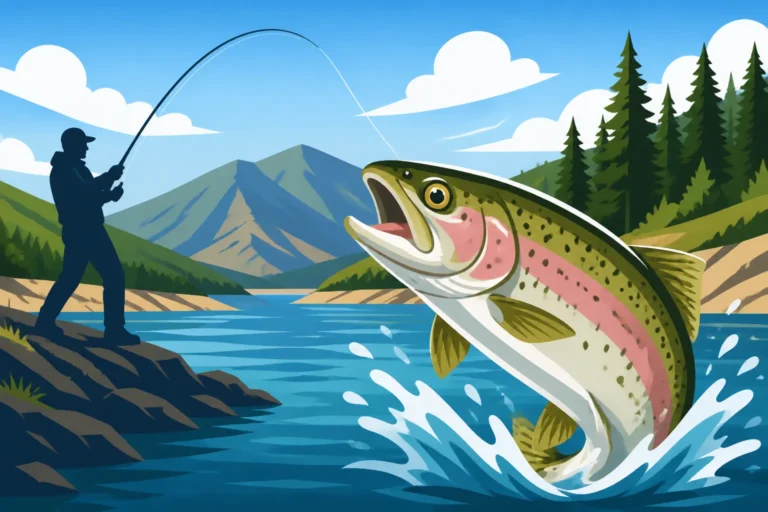
Rainbow Trout are also found in Palisades, often as a result of stocking efforts by the Idaho Department of Fish and Game. While you might catch them incidentally while targeting other species, they are generally less abundant than the native cutthroat or the introduced browns. They offer a spirited fight and are a welcome addition to any angler's cooler.
Kokanee Salmon are another species occasionally caught in Palisades, though they are not typically a primary target fishery like they are in some other Idaho lakes. If you do encounter them, they'll usually be in schools in open water, often requiring specific trolling techniques. While Lake Coeur d'Alene is renowned for its Kokanee, Palisades offers a different experience where they might be a bonus catch rather than the main event.
Essential Gear and Techniques for Palisades Reservoir Success
Fishing such a large, diverse body of water like Palisades Reservoir means you need to be prepared with the right tools and strategies. It's not a one-size-fits-all kind of place, and adapting your approach to the conditions and target species will dramatically improve your chances of success.
Rods, Reels, and Line for Reservoir Fishing
When it comes to tackle, versatility is your friend. For general trout fishing from shore or a boat, a medium-light to medium action spinning rod, typically 6 to 7 feet long, is a fantastic all-around choice. Pair this with a reliable spinning reel spooled with 6 to 8-pound monofilament or fluorocarbon line. This setup provides enough backbone to cast lures a good distance, handle a feisty trout, and still offer sensitivity for subtle bites. For those planning to troll, especially in deeper water or with heavier gear like downriggers, you might want to step up to a medium-heavy rod with a baitcasting reel spooled with 10-15 pound monofilament or braided line, often with a fluorocarbon leader. This extra strength helps manage the drag from flashers and spoons, and offers more control over larger, hard-fighting fish.
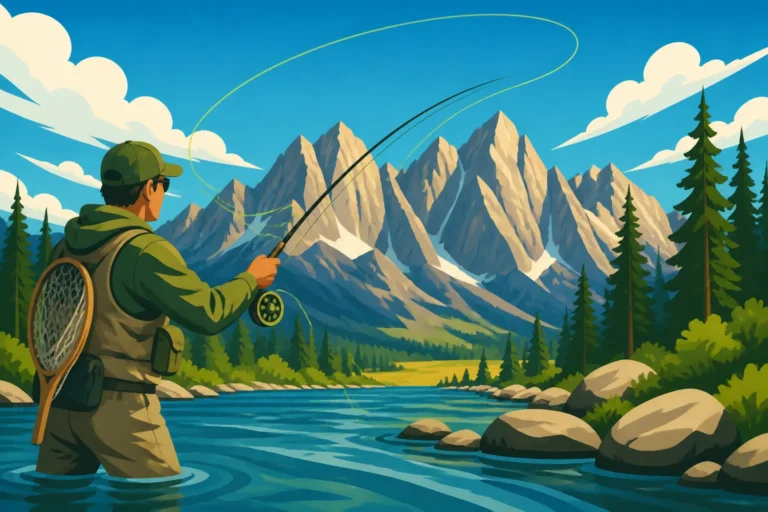
Fly anglers targeting Palisades will benefit from a 5 to 7-weight fly rod. A 6-weight is often considered the most versatile, capable of handling dry flies, nymphs, and streamers. You'll want a reel with a good drag system and a selection of lines: a floating line for dries and shallow nymphing, and a sinking tip or full sinking line for presenting streamers and deeper nymphs. Given the potential for windy conditions on such a large reservoir, being able to cast heavier flies with a bit of a breeze is a major advantage.
Best Baits, Lures, and Flies
Knowing what to tie on is half the battle, and Palisades offers opportunities for a wide range of offerings.
For Spin Fishing
If you're primarily spin fishing, soft baits like scented PowerBait in various colors (chartreuse, rainbow, garlic) are consistent producers for stocked rainbow trout and often attract cutthroat as well, especially when still fishing from the bank. Live worms or mealworms fished under a bobber or on the bottom are also highly effective. For active retrieve lures, spoons like Kastmasters, Crocodiles, and Daredevils in silver, gold, or flashy patterns are excellent for imitating baitfish. Small spinners like Mepps Aglias or Rooster Tails in sizes 1-3 are deadly, particularly in shallower water or near current. When targeting aggressive brown trout or deeper lake trout, diving crankbaits such as Rapalas (Jointed, Shad Rap, or Husky Jerk models) in natural or bright colors, or tube jigs bounced along the bottom, can be incredibly productive. You can find more universal tips in our guide to the Best Bait and Lures for Idaho Fishing.
For Fly Fishing
Fly fishing on Palisades is primarily a game of streamers and nymphs, though dry fly opportunities exist, especially during hatches in calmer coves or early mornings. For streamers, focus on patterns that imitate baitfish or leeches: Woolly Buggers (black, olive, brown), Sculpzillas, and Clouser Minnows are fantastic choices. Vary your retrieve speed to entice strikes. Nymphing with patterns like Prince Nymphs, Hare's Ears, Pheasant Tails, and Copper Johns can be very effective, particularly under an indicator near drop-offs or submerged structure. If you happen upon a hatch of midges, caddis, or mayflies, matching the hatch with appropriate dry flies can lead to explosive surface takes.
For Trolling
Trolling is arguably one of the most effective ways to cover water and find fish on a reservoir the size of Palisades. Pop gear, also known as Ford Fenders or Cowbells, paired with a wedding ring or small spoon tipped with a piece of worm or corn, is a classic and highly effective setup for cutthroat and rainbow trout. Small diving crankbaits and spoons, like the Rapala Shad Rap or various dodger/flasher combinations with a hoochie or small spoon, also excel. Vary your trolling speed and depth until you find what the fish are keying into. Downriggers can be invaluable for presenting lures at precise depths, especially during the summer months when fish move deeper to escape warm surface temperatures. While Palisades isn't a primary kokanee fishery, understanding How to Troll for Kokanee on Lake Coeur d'Alene can offer valuable insights into general reservoir trolling techniques that translate well here.
Trolling and Still Fishing Strategies
Effective strategies involve more than just throwing a line in the water; it's about understanding fish behavior and water conditions.
Trolling Effectively
When trolling, pay close attention to your fish finder. Look for schools of baitfish, changes in bottom contour, or submerged structure. Fish often hold along these features. The thermocline (the layer where warm surface water meets colder deep water) is often a key depth zone in summer, as it concentrates oxygen and baitfish. Experiment with different depths and speeds until you start getting bites. Generally, slower speeds work better for bait-tipped rigs, while faster speeds can trigger aggressive strikes from fish chasing lures. Don't be afraid to make turns; these changes in speed and lure action can often trigger a strike. Trolling around points, coves, and river mouths can also be particularly productive as fish often patrol these areas for food.
Successful Still Fishing
Still fishing from the bank or an anchored boat can be incredibly rewarding, especially during calmer conditions. When bank fishing, look for areas with immediate drop-offs, submerged cover, or near stream inlets. A common setup is a slip sinker rig with a salmon egg hook, allowing your bait to rest on the bottom, or a slip bobber rig to suspend bait at a specific depth. Scented baits like PowerBait or worms are perfect for this. If fishing from a boat, anchor near submerged rock piles, timber, or along contours where you've marked fish on your sonar. Using multiple rods with different baits or at varying depths can help you quickly figure out what the fish are looking for. Early mornings and late evenings are often the most productive times for still fishing as fish move into shallower water to feed.
Ice Fishing Considerations
During the colder months, when the ice is thick enough and safe, Palisades Reservoir transforms into an ice fishing paradise, primarily for perch and various trout species. Ice fishing demands specific gear like short ice rods, small reels, and jigs or spoons fished through holes drilled in the ice. Safety is paramount when ice fishing; always check ice thickness and never venture out alone. Our guide to Idaho Ice Fishing Techniques Guide can provide more in-depth information if you plan on visiting during the winter.
Navigating Palisades: Best Fishing Spots and Access Points
Palisades Reservoir is massive, and simply showing up without a plan can mean hours of searching for productive water. Knowing the best places to launch a boat, fish from shore, or target specific structures is vital for a successful trip.
Top Boat Ramps and Marinas
For boat anglers, access is key. Palisades has several reliable boat ramps, though water levels can significantly impact usability, especially late in the season. Always check current conditions with the Idaho Department of Fish and Game (IDFG) or local marinas before heading out.
One of the most popular access points is the Palisades Creek Campground area, which often has a usable ramp even when water levels are lower. This spot provides access to the upper reaches of the reservoir. Further south, near the dam, the Palisades Dam Boat Dock offers another excellent launch, giving you quick access to the deeper, larger part of the reservoir. Other ramps can be found at Calamity Campground and Blowout Boat Ramp.
While not a full-service marina in the traditional sense, the area near the dam often has some basic facilities. It's always a good idea to bring all your necessary supplies, as services around the reservoir can be limited. If you're renting a boat, make sure to ask about specific launch locations and any restrictions. Keep in mind that securing a fishing guide through services like FishingBooker means they'll handle all the logistical details, including boat access, which can be a huge relief on such a large body of water.
Prime Shore Fishing Locations
Not everyone has a boat, and thankfully, Palisades Reservoir offers plenty of opportunities for shore-bound anglers. The most accessible spots tend to be near campgrounds and along the main highway that parallels sections of the reservoir.
The areas around the Palisades Dam offer relatively easy access, with rocky points and small coves that can hold good numbers of trout. The main Highway 26 runs along the western side of the reservoir, and there are numerous pull-offs and informal access points. Look for areas where the bank isn't too steep and where there's submerged structure close to shore, such as rocky ledges or brush. Tributary mouths, even small ones, can also concentrate fish, especially during times of higher water flow when they bring in food. Always be mindful of private property signs and respect local landowners.
Another great option for shore fishing can be found at the mouths of larger creeks and the Snake River Inlet at the northern end. These areas can be fantastic, especially during spring and fall, as fish migrate into or out of the reservoir. However, accessing these spots may require a bit of a hike, so be prepared with comfortable footwear and all your gear.
Hidden Gems and Tributary Mouths
Beyond the obvious access points, Palisades Reservoir holds many "hidden gems" for those willing to explore a bit. These often involve venturing away from the main road or hiking into more remote coves.
The mouths of tributaries like the Palisades Creek, Grays River, and of course, the Snake River Inlet, are natural fish magnets. Fish will congregate here for various reasons – warmer water, abundant food, or migratory instincts. These areas are fantastic for casting spinners, spoons, or even fly fishing with streamers and nymphs, particularly in early spring or fall.
Underwater structure is crucial on a large reservoir. While you might not see them from shore, deep submerged points, humps, and old river channels (remnants of the Snake River bed before the dam) are prime locations for holding trout. If you have a fish finder, spend time mapping these areas. Focus on the edges of drop-offs, where deep water meets shallower flats, as these are often ambush points for predatory trout. Rocky shorelines and areas with submerged timber can also be incredibly productive, providing cover and food sources for fish. Don't be afraid to experiment with different depths and casting angles until you pinpoint where the fish are holding.
Seasonal Strategies for Palisades Reservoir Anglers
Just like any large body of water in the mountains, Palisades Reservoir changes dramatically with the seasons. What works in April might be completely ineffective in August. Understanding these seasonal shifts in fish behavior is crucial for consistent success.
Spring Fishing: Post-Spawn and Runoff
Spring on Palisades can be a tale of two different experiences: the early thaw and the peak runoff. As the ice recedes, typically in late March or early April, the first few weeks of open water present a fantastic opportunity. The fish, especially cutthroat and rainbow trout, are often hungry and shallow, recovering from winter and eager to feed. They’ll cruise the shallower flats and coves where the water warms up fastest, making them accessible to both bank anglers and boaters. This is a great time to cast small spinners, spoons, or still fish with PowerBait or worms.
However, as late spring progresses, typically from late April through June, heavy snowmelt from the surrounding mountains leads to significant runoff. The Snake River and its tributaries swell, pouring cold, often muddy water into the reservoir. This can make fishing challenging, reducing visibility and spreading fish out. During runoff, your best bet is to target areas where the water is clearer, such as protected coves, or to focus on the immediate edges of the dirty water where fish may ambush prey moving between clear and turbid zones. The mouths of tributaries can be good if they clear up before the main reservoir. Always consult the Idaho Fishing Season Dates and Limits and Idaho Fishing Regulations Explained before planning your spring trip, as specific rules might apply to certain areas or species.
Summer Fishing: Depths and High Activity
Summer at Palisades is glorious, but the fishing often requires a change in tactics. As surface water temperatures rise, most trout species, especially the larger ones, retreat to cooler, deeper water. This is when trolling becomes your most effective strategy. Using downriggers or weighted lines to present lures and baits at depths between 20 and 50 feet is often key. Focus on the thermocline layer, which can be identified with a good fish finder, as this is where baitfish and trout often congregate.
Early mornings and late evenings can still offer some excellent shallow water action, particularly for fly anglers or those casting from shore. Look for rising fish in calm coves or near structure during these low-light periods. Otherwise, midday fishing usually means going deep. This is also a fantastic time to explore the high mountain lakes that feed into the Palisades system if you're looking for a change of pace and some eager cutthroat. Always remember your Idaho Catch Limits and Bag Limits Explained when you're out enjoying the summer bounty.
Fall Fishing: Pre-Spawn and Trophy Opportunities
Fall is arguably one of the most exciting times to fish Palisades Reservoir, especially if you're after trophy fish. As the water temperatures begin to cool, the fish become much more active and aggressive, feeding heavily in anticipation of winter. The brown trout, in particular, become highly predatory as they prepare for their spawning run, often moving into shallower water and becoming more susceptible to larger streamers and crankbaits. October and November are prime months for targeting these aggressive browns.
Cutthroat trout also remain active and can be found throughout the reservoir, often closer to the surface than in summer. The crowds tend to thin out, the scenery is spectacular with changing leaves, and the fishing can be exceptional. Trolling, casting spoons and spinners, and fly fishing with streamers are all highly effective strategies during this time. The combination of active fish and stunning autumnal backdrops makes fall a must-experience season for Palisades anglers.
Winter Ice Fishing: A Unique Challenge
When the reservoir freezes over, typically from December through March, Palisades offers a unique ice fishing experience. While primarily known for productive Yellow Perch fishing through the ice, various trout species, including cutthroat and rainbow, are also caught. Ice fishing is a fantastic way to experience the quiet solitude of the Idaho winter.
Success depends on finding schools of perch or areas where trout congregate. Small jigs tipped with bait (like a wax worm or mealworm) are very effective. Always prioritize safety: check ice thickness thoroughly, go with a buddy, and be aware of changing conditions. The deepest sections of the reservoir near the dam can often be productive, as can the shallower coves where perch tend to school. This is a specialized pursuit, but for those properly equipped, it can be incredibly rewarding.
Regulations, Conservation, and Responsible Angling
Fishing Palisades Reservoir is an incredible privilege, and with that comes the responsibility to understand and abide by all regulations, while also doing your part to protect this pristine environment for future generations. Idaho has clear rules, and knowing them ensures a smooth and enjoyable trip for everyone.
Understanding Idaho Fishing Regulations
Navigating fishing regulations can sometimes feel like solving a puzzle, but it’s crucial. For Palisades Reservoir, you'll need an Idaho Fishing License Guide, and specific rules may apply beyond the statewide general regulations. The Idaho Department of Fish and Game (IDFG) publishes an annual fishing rule book, which is your go-to resource.
For Palisades, pay very close attention to any special regulations regarding Yellowstone Cutthroat Trout. These native fish are often subject to specific catch limits, size restrictions, or even mandatory catch-and-release rules in certain areas or at certain times to protect their populations. For instance, sometimes there are restrictions on the number of cutthroat you can keep, or specific slot limits. Always carry the current IDFG fishing brochure, or have the digital version readily accessible on your phone, and check it regularly. These regulations can, and sometimes do, change annually based on fish populations and conservation efforts. Our comprehensive Idaho Fishing Regulations Explained guide can provide further clarity on general rules, but always defer to the official IDFG proclamation for specific waters.
Protecting Palisades' Pristine Environment
Palisades Reservoir is a wild and beautiful place, and it's up to all of us to keep it that way. Practicing Leave No Trace principles is non-negotiable. This means packing out everything you pack in, including all trash, broken fishing line, and bait containers. Don't leave anything behind.
Conservation efforts for native species like the Yellowstone Cutthroat are paramount. Many anglers choose to practice catch and release for these fish, especially the larger, older ones, to ensure they can spawn and contribute to future generations. If you do plan to release fish, handle them with wet hands, minimize their time out of the water, and revive them gently before letting them go.
Preventing the spread of aquatic invasive species is another critical aspect of responsible angling. Boats, waders, and fishing gear can inadvertently carry invasive plants or organisms from one water body to another. Always Clean, Drain, and Dry your boat and gear thoroughly before launching into Palisades, and again when leaving. This simple act goes a long way in protecting Idaho's precious waterways from devastating invaders like Quagga or Zebra mussels.
Hiring a Local Expert
For many anglers, especially those new to Palisades Reservoir or those targeting a specific species, hiring a local fishing guide can transform a good trip into an unforgettable one. Guides bring invaluable local knowledge, years of experience, and often specialized equipment (like boats with advanced sonar or downriggers) that can be difficult for casual anglers to access. They know where the fish are holding, what they're biting on, and the best techniques for current conditions. This saves you immense time and frustration that might otherwise be spent searching for fish in such a vast reservoir.
If you're considering a guided trip, platforms like FishingBooker make it incredibly easy to find and book reputable, licensed guides operating on Palisades Reservoir. You can browse various charters, read reviews from other anglers, and compare prices and services. This takes the guesswork out of finding a reliable guide who can put you on the fish. A good guide will also ensure you understand and comply with all current regulations, making your experience seamless and compliant. Check out our guide on How to Book a Fishing Guide in Idaho for tips on choosing the right guide for your adventure, or explore the Idaho Fishing Guides and Charters Directory for more options. Whether you're a seasoned angler seeking a trophy or a family looking for a fun day on the water, a guide can provide an unparalleled experience on Palisades.
Palisades Reservoir Angling Overview
Here's a quick look at what to target and when at Palisades Reservoir:
| Fish Species | Best Techniques | Prime Season | Key Considerations |
|---|---|---|---|
| Yellowstone Cutthroat Trout | Trolling, Spin Casting (spoons, spinners), Fly Fishing (streamers, nymphs) | Spring, Summer (deep), Fall | Native species, check specific bag limits/size rules. |
| Brown Trout | Trolling (crankbaits), Spin Casting (crankbaits, jigs), Fly Fishing (streamers) | Fall (pre-spawn), Spring | Elusive, trophy potential, often target deeper structure. |
| Lake Trout (Mackinaw) | Deep Trolling (heavy gear, jigs) | Summer, Winter (ice fishing) | Requires specialized deep-water tactics, found in deepest areas. |
| Rainbow Trout | Still Fishing (PowerBait, worms), Spin Casting (spinners, spoons) | Spring, Summer, Fall | Often found in shallower areas, especially near access points. |
| Yellow Perch | Jigging (small jigs) | Winter (ice fishing) | Primary target during ice fishing season, often in schools. |
Disclaimer
Fishing conditions and regulations in Idaho are subject to change without notice. Always consult the latest Idaho Department of Fish and Game (IDFG) regulations and advisories before planning and embarking on any fishing trip. This guide is for informational purposes only and does not supersede official state regulations. Be aware of weather conditions, practice safety, and respect private property.