Average Kokanee Size on Lake Coeur d’Alene This Year
It's frustrating when you head out to your favorite spot, hoping for a good day of kokanee fishing, only to wonder if the fish are even biting, let alone what size they might be this year. The truth is, kokanee size can be a bit of a moving target on a lake as dynamic as Coeur d'Alene, influenced by a complex web of environmental factors and management decisions. This comprehensive guide is here to shed some light on what influences the average kokanee size in Lake Coeur d'Alene, what anglers are seeing this season, and how you can increase your chances of finding those bigger, feisty fighters.
Understanding Kokanee Growth and Variability in Lake Coeur d'Alene
When we talk about kokanee salmon in Lake Coeur d'Alene, we're not just talking about a single, static population. These landlocked sockeye salmon are incredibly sensitive to their environment, and their growth, health, and ultimately, their average size, can swing quite a bit from one year to the next. It’s a delicate dance between nature and management, and every angler keen on catching a good stringer of kokanee needs to understand the rhythm.
Why Average Size Changes Year to Year
Imagine a bustling city: if there are too many people and not enough resources, everyone struggles. Kokanee operate on a similar principle. Their primary food source in Lake Coeur d'Alene is zooplankton, tiny aquatic organisms. The abundance and quality of this zooplankton can fluctuate significantly based on things like water temperature, nutrient levels flowing into the lake, and even the amount of sunlight penetrating the water column.
A particularly warm summer, for instance, might stress the zooplankton populations, leading to less food for the kokanee. Or, conversely, ideal conditions could lead to a boom in zooplankton, resulting in a year where the kokanee really pack on the pounds. Then there's population density: if a huge number of kokanee successfully spawn and survive, they'll all be competing for the same limited food supply. This intense competition often leads to a phenomenon known as "stunting," where the fish mature but remain smaller than they would otherwise. The Idaho Kokanee Identification Guide can help you distinguish them, but knowing their size trends is equally important.
The Impact of Chinook Salmon on Kokanee Size
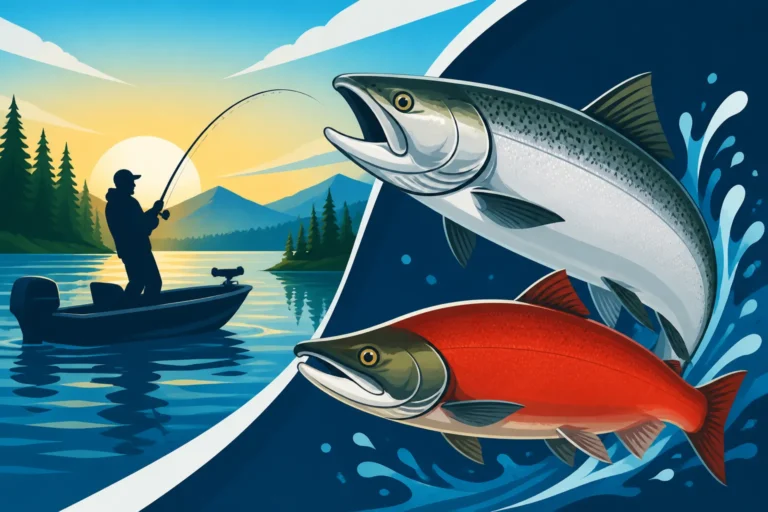
You can't talk about kokanee in Lake Coeur d'Alene without talking about Chinook salmon. It’s a classic predator-prey saga that’s been playing out on these waters for decades. Chinook were initially introduced to the lake, in part, to help manage the kokanee population. See, kokanee have a tendency to overpopulate and stunt themselves when left unchecked. By introducing a formidable predator like the Chinook, Idaho Fish and Game hoped to keep kokanee numbers at a healthier level, which, in theory, would lead to larger individual kokanee for anglers.
And it largely has! When the Chinook population is robust, they feed heavily on the smaller kokanee, thinning the ranks. The remaining kokanee then have less competition for food, allowing them to grow bigger and healthier. However, this is a very fine balance. If the Chinook population gets too high, they can decimate the kokanee, making it harder for anglers to find them at all. Conversely, if Chinook numbers drop, the kokanee population can explode, and we start seeing those smaller, stunted fish again. It’s a dynamic, ever-changing relationship, and one of the biggest reasons why the average kokanee size on Lake Coeur d'Alene can seem to be constantly shifting. The Why Chinook Salmon Control Idaho's Kokanee Population delves deeper into this fascinating interaction.
Current Insights into Kokanee Size on Lake Coeur d'Alene This Year
So, what's the word on the street this season? Anglers are always eager to know if the kokanee are running big or small. While official, real-time "average size" statistics can be hard to pin down on a day-to-day basis, we can look at recent trends, reports from local guides, and Idaho Fish and Game (IDFG) stocking and population survey data to get a pretty good picture.
What Anglers Are Reporting and IDFG Data
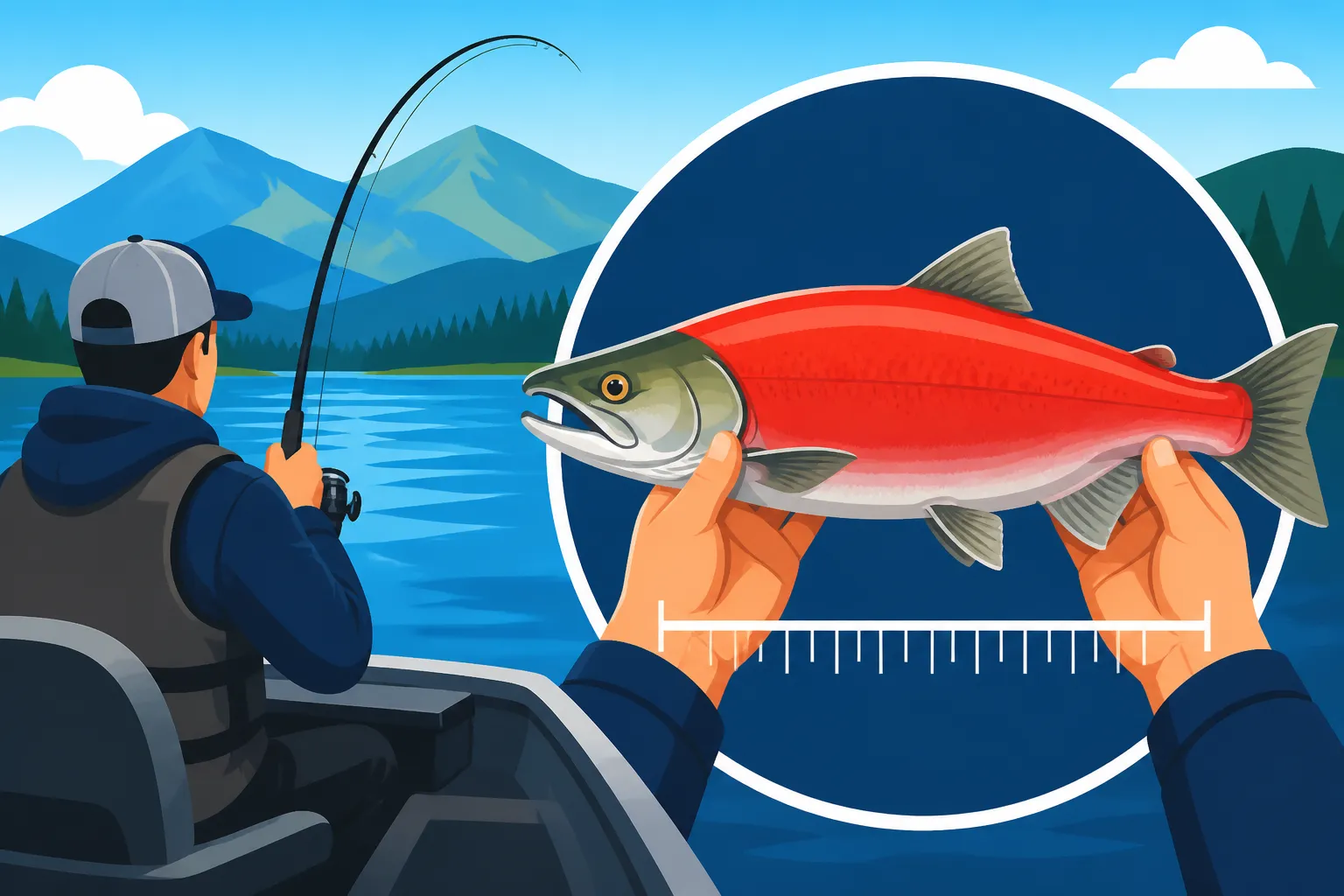
Based on reports from guides and consistent anglers on Lake Coeur d'Alene, the kokanee this year are showing a pretty healthy size distribution, largely due to continued management efforts. Many fish caught are falling into the 10-12 inch range, which is a really solid size for kokanee and makes for some excellent table fare. There are also frequent reports of larger kokanee, sometimes hitting 13-14 inches, and occasionally even bigger ones that make you wonder if you’ve hooked into a small Chinook for a moment! These larger fish tend to be older, perhaps 3-year-olds, who have survived multiple seasons.
IDFG biologists regularly monitor kokanee populations through netting surveys and angler creel checks. While they often focus on population health and recruitment, these surveys indirectly inform us about size trends. Generally, when Chinook numbers are stable or slightly up, and environmental conditions are favorable, we see a trend towards larger kokanee. Conversely, a decline in Chinook or a surge in kokanee numbers without enough predation can lead to a dip in the average size. It's always a good idea to consult the Idaho Fishing Regulation Brochure and Proclamation for the latest updates on fishing rules and any specific reports.
Here's a general idea of what you might expect from Lake Coeur d'Alene kokanee this year:
| Age Class | Typical Length Range (Inches) | Typical Weight Range (Pounds) | Notes |
|---|---|---|---|
| 1st Year | 6-8 | 0.1 – 0.2 | Often too small to actively target, but occasionally caught. |
| 2nd Year | 9-12 | 0.25 – 0.75 | The most common size targeted; good fighters and excellent eating. |
| 3rd Year | 12-14+ | 0.75 – 1.5+ | "Trophy" kokanee for many, these are the big ones worth bragging about. |
Keep in mind these are averages, and fish are individuals! You might catch a smaller fish or that one unexpected giant on any given day.
Factors Influencing a "Good" Catch in Coeur d'Alene
Beyond the overall average, what really determines a "good" catch often comes down to individual fish size, which itself is influenced by several factors on the day you're fishing. Water temperature, for instance, dictates where kokanee hold in the water column. In summer, they'll seek out the thermocline – that layer of water where temperatures change rapidly – looking for cooler, oxygen-rich water. If you're not targeting that specific depth, you might miss the bigger, healthier fish that are holding there.
Weather patterns, barometric pressure, and even the time of day can also play a role. A cloudy, calm morning might see kokanee more active and willing to chase lures than a bright, sunny afternoon. Experienced anglers often find that "matching the hatch" with their lures, mimicking the local zooplankton or small insects, can make a significant difference. Ultimately, a "good" catch isn't just about the overall average size in the lake; it's about understanding these micro-factors on your specific fishing day.
Strategies for Finding and Catching Larger Kokanee
If you’re heading out to Lake Coeur d'Alene with your sights set on those bigger kokanee, you'll need a strategy that goes beyond just dropping a line. These aren't always the easiest fish to fool, and targeting the larger ones requires a bit of finesse, understanding their habits, and the right gear. Many anglers find the experience of Trolling vs Jigging for Idaho Kokanee, Which Works Better to be key.
Best Depths and Locations
Kokanee are pelagic fish, meaning they typically live in the open water column, not close to the shore or bottom. Their preferred depth changes throughout the year, primarily dictated by water temperature and food availability.
- Spring (Ice-out to early Summer): As the lake warms, kokanee can often be found in the upper 10-30 feet of the water column. They are actively feeding and can be quite aggressive. Focus on areas where tributaries flow in, bringing nutrients and potentially more plankton.
- Summer: This is when the thermocline becomes crucial. Kokanee will generally hold in or just above the thermocline, typically ranging from 30 to 80 feet deep, but sometimes deeper in very warm spells. They seek that sweet spot of cool water and available food. Using a good fish finder is invaluable here to locate schools and identify the thermocline. Some popular areas for kokanee on Lake Coeur d'Alene include the waters around Beauty Bay, Carlin Bay, and near the mouth of the Coeur d'Alene River, particularly as it enters the main lake. However, don't be afraid to explore other open water sections; these fish are constantly on the move. Knowing What Depth Kokanee Hold at in Summer on Idaho Lakes is crucial.
- Fall: As water temperatures begin to cool and the lake "turns over," kokanee might disperse a bit more throughout the water column, but still often favor depths similar to late summer. This is also when they start their spawning migrations, often moving into shallower bays or tributary mouths as their life cycle nears its end.
To consistently hit these depths, especially in summer, a boat equipped with downriggers is almost essential. This allows you to present your lure precisely where the fish are holding, rather than guessing.
Tackle, Lures, and Techniques
When it comes to catching kokanee, especially the larger ones, precision and presentation are key.
- Rods and Reels: Ultralight to light action spinning rods (6-7 feet) paired with small, sensitive reels spooled with 6-8 pound test monofilament or fluorocarbon are ideal. The sensitive rod tip helps detect those subtle kokanee bites.
- Downriggers: As mentioned, these are vital for consistently getting your lures to the exact depth where kokanee are suspended.
- Flashers and Dodgers: These are essential attractants. A flasher or dodger (like a Shasta Tackle Sling Blade or a Mack's Lure Sling Blade) creates flash and vibration that mimic baitfish or other feeding activity, drawing kokanee in. The dodger also imparts an enticing action to your trailing lure. Experiment with colors; bright colors like pink, orange, chartreuse, or even reflective silver and gold often work well.
- Lures/Baits: The most common and effective kokanee lures are small, specialized offerings designed to be trolled behind a dodger.
- Wedding Rings: These classic lures, often tipped with a kernel or two of shoepeg corn, are perennial favorites. The spinning blade and small beads create flash and movement.
- Hoochies/Squid Skirts: Small, soft plastic squid-imitation lures in various colors can be deadly, especially when tipped with corn or a scent like "Pro-Cure."
- Small Spoons and Plugs: Tiny trolling spoons (like Kokanee Killer spoons) or mini plugs can also be effective.
- Scent: Always, always use scent. Kokanee are highly scent-oriented. Corn soaked in anise, garlic, or a specialized kokanee scent like Pautzke's Krill Juice is a must. The corn also provides a visual cue and helps keep the hook exposed.
- Trolling Speed: Kokanee typically prefer slower trolling speeds, often between 0.8 and 1.5 mph. However, this can vary, so experiment to find what the fish are responding to on a given day. Use your dodger's action as a guide – it should have a steady, enticing wobble. The Best Trolling Speed for Kokanee can make all the difference.
For those looking to learn the ropes or get on the fish quickly, consider hiring a local guide. Platforms like FishingBooker can help you find experienced Lake Coeur d'Alene fishing guides who spend every day on the water. They'll have the most up-to-date intel on where the kokanee are holding, what depths they're at, and what lures they’re biting on this year, significantly increasing your chances of a successful trip, especially if you're aiming for those larger kokanee.
Beyond Average Size: The Lake Coeur d'Alene Kokanee Experience
While everyone loves to catch a big fish, the kokanee experience on Lake Coeur d'Alene is truly special, regardless of whether you’re landing a 9-inch schoolie or a 14-inch hog. It's about the entire adventure, from the crisp morning air on the lake to the delicious meal afterward.
The Thrill of the Fight and Culinary Delights
Even smaller kokanee put up a surprisingly spirited fight on light tackle. They're feisty, make powerful runs, and often jump, providing an exhilarating experience. Landing a big one is a real treat, a test of your angling skills against a determined adversary. There's a reason so many anglers specifically target kokanee; they are genuinely fun to catch.
And then there's the table fare. Kokanee salmon are renowned for their vibrant orange-red flesh and delicate, sweet flavor. They are absolutely delicious, whether pan-fried, baked, grilled, or smoked. Many anglers consider them one of the best-eating freshwater fish available. A stringer of 10-12 inch kokanee provides more than enough meat for a fantastic meal, and a few larger ones are just the icing on the cake. Knowing What Kokanee Taste Like will make you eager to catch your limit.
Conservation and Responsible Angling
As with all fishing, responsible angling practices are paramount to ensuring healthy kokanee populations for years to come. Always be mindful of the current daily bag and possession limits. These limits are set by IDFG based on population assessments to ensure sustainable harvesting. You can find these details in the Idaho Catch Limits and Bag Limits Explained or the annual fishing regulations booklet.
If you're targeting specific sizes, remember that selective harvesting can play a role. However, for kokanee, given their relatively short lifespan (often 3-4 years) and their tendency to die after spawning, keeping your legal limit of healthy fish is generally encouraged to prevent overpopulation and stunting. Handle any fish you intend to release with care, minimizing their time out of the water. By following these guidelines, you're not just ensuring your own future fishing enjoyment, but also contributing to the health of Lake Coeur d'Alene’s incredible kokanee fishery. It’s a collective effort, and one that all of us who love Idaho fishing should embrace.
Disclaimer
Fishing conditions and regulations in Idaho can change. Always consult the latest Idaho Fish and Game regulations before heading out on the water. This guide is for informational purposes only and does not supersede official regulations.