Best Bait and Lures for Idaho Fishing
One of the biggest head-scratchers for any angler, whether you're a seasoned pro or just dipping your toes into Idaho's incredible waters, is figuring out what bait or lure to tie on. With countless options staring back at you from the tackle shop shelves, it's easy to feel overwhelmed and second-guess your choices. You might spend hours casting, wondering if you've got the wrong color, the wrong size, or even the entirely wrong type of offering. This comprehensive guide is here to cut through that confusion, helping you understand the best baits and lures to use across Idaho's diverse fishing landscapes, ensuring your next outing is filled with more hook-ups and less head-scratching.
Understanding Idaho's Diverse Fisheries and Their Impact on Tackle Choice
Idaho is a land of incredible angling diversity, boasting everything from roaring rivers to serene high mountain lakes, and massive reservoirs. Each of these environments presents its own unique challenges and opportunities, directly influencing what kind of bait or lure will give you the best chance of success. It's not a one-size-fits-all situation here, and recognizing these differences is the first step to becoming a more effective angler.
River vs. Lake Environments
Think about the fundamental differences between a flowing river and a still or slowly moving lake. Rivers are dynamic, with currents that carry food, create eddies, and carve out distinct holding lies for fish. Lakes and reservoirs, on the other hand, often involve vast open water, significant depth changes, and less pronounced current, requiring a different approach.
When you're on a river like the Snake or the Salmon, especially in sections with decent current, your baits and lures need to work with that flow. Spinners like a classic Mepps or a Panther Martin are fantastic because the current helps activate their blades, sending out vibrations that fish can detect even in off-color water. You might be drifting worms or an egg imitation under a bobber, letting the current carry your offering naturally downstream. Fish in rivers often orient themselves to face upstream, waiting for food to come to them, so presenting your bait in a way that mimics this natural drift is crucial. For example, if you're targeting cutthroat trout in the St. Joe River, casting a small spinner upstream and retrieving it just fast enough to make the blade turn, allowing it to tumble slightly with the current, can be incredibly effective. Heavy jigs or weighted nymphs in a fly-fishing context are also key to getting down to where the fish are holding in faster flows.
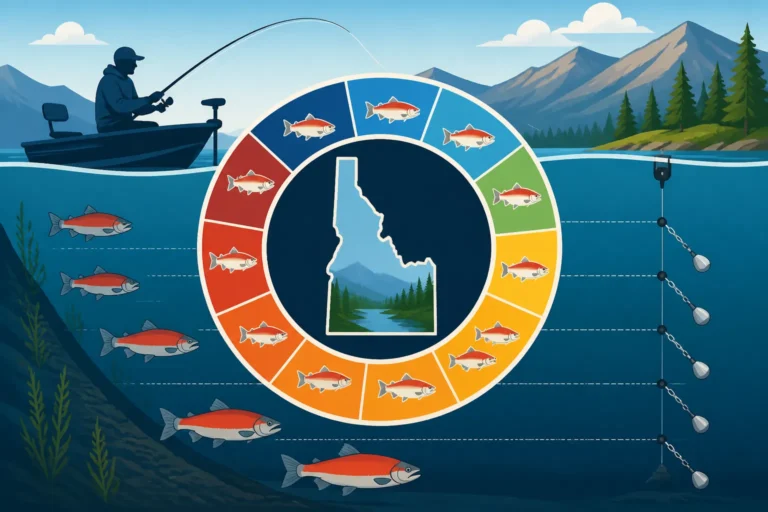
Lakes and reservoirs, however, demand different tactics. Here, you're often covering much more water, and fish might be suspended at various depths or cruising along structure. Trolling becomes a highly effective technique for species like kokanee and lake trout in large bodies of water such as Lake Coeur d'Alene or Priest Lake. This involves pulling lures like dodgers and wedding rings for kokanee, or large plugs and spoons for mackinaw, behind a boat at a specific speed and depth. Without a strong current, you're relying on the lure's inherent action and your boat's movement to attract fish. If you're bank fishing a lake, casting distance and the ability to work the entire water column become important. Jigs with soft plastics, spoons, or even still-fishing with PowerBait can be excellent choices. Imagine you're fishing American Falls Reservoir; instead of fighting current, you're trying to locate schools of perch or rainbow trout, and a jig worked along the bottom or a cast-and-retrieve spoon might be the ticket.
Seasonal Changes and Fish Behavior
Just like humans, fish respond dramatically to the changing seasons, and their behavior directly impacts what they're willing to bite on. Ignoring seasonal patterns is a surefire way to have a slow day on the water.
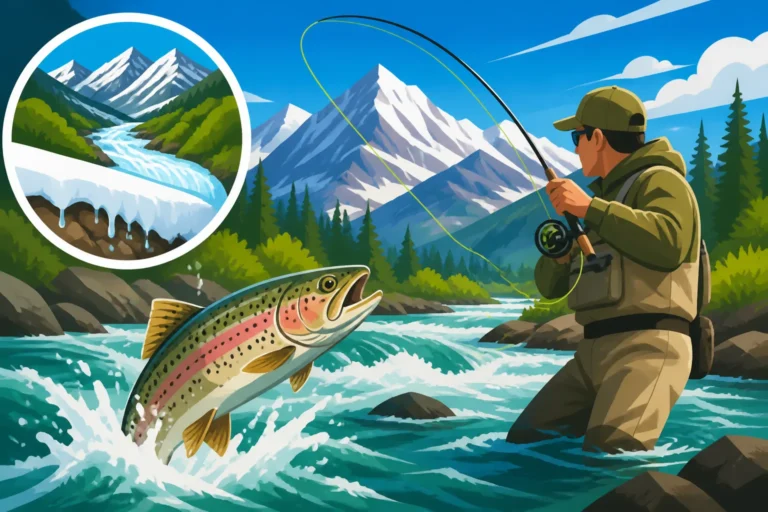
Spring: Ah, spring in Idaho! It’s a time of thawing, runoff, and hungry fish. As the snow melts and rivers swell, water often becomes stained and colder. This is when bait can really shine. Worms, especially nightcrawlers, are fantastic because the dirty water makes them hard to see, and their natural scent is a major attractant. Many fish, like rainbow trout, are becoming more active after winter, but their metabolism might still be a bit slow, so a readily available meal often takes precedence over chasing a fast-moving lure. As the runoff subsides and waters clear slightly, fish become more aggressive, and small spinners or slow-moving spoons can become incredibly effective. This is also a prime time for many bass species to start moving into shallower waters as they prepare for spawning.
Summer: Summer means warmer water, longer days, and generally higher fish activity. This is prime time for a huge variety of lures. Trout in rivers will eagerly chase dry flies during hatches or aggressively hit spinners and spoons. Lake fish like kokanee will be holding at specific depths, making trolling a key strategy. Bass are active, hitting everything from topwater lures in the mornings and evenings to soft plastics and crankbaits during the day. However, summer heat can also make fish lethargic in the middle of the day, pushing them to deeper, cooler water or into shady cover. Anglers might need to adjust their presentations to be more subtle during these slower periods. If you're fishing the Boise River through town, those summer evenings often mean great dry fly action for trout, while earlier in the day, nymphing or small streamers might be more productive in the deeper pools.
Fall: For many Idaho anglers, fall is synonymous with big fish. Steelhead and Chinook salmon begin their epic upstream migrations, drawing legions of anglers to rivers like the Clearwater and the Salmon. This is when specialized gear comes into play, with eggs, beads, jigs, and plugs being paramount. Other species, like large trout and bass, also become incredibly aggressive as they feed heavily in preparation for winter. The cooler water temperatures mean fish are often more active for longer periods during the day. This can be a fantastic time for throwing larger streamer patterns for trout on rivers like the South Fork of the Snake River, or for targeting trophy lake trout on Priest Lake with large spoons or tube jigs. The bite often remains strong until late fall or even early winter.
Winter: When the lakes freeze over and snow blankets the landscape, ice fishing becomes the main game for many. This requires a completely different set of tactics. Small jigs, grubs, and tiny spoons are the go-to choices, often tipped with a piece of bait like a mealworm or a kernel of corn. Fish metabolism slows down significantly, so subtle presentations are key. A slow jigging motion, barely moving the bait, is often more effective than aggressive movements. River fishing in winter can also be good, particularly for steelhead, requiring specialized techniques like drift fishing with eggs or jigs. Understanding the particular challenges of winter, like reduced visibility and sluggish fish, helps you pick the right tools. If you're out on Payette Lake trying your hand at ice fishing, a small lead head jig tipped with a bit of bait, worked slowly near the bottom, might tempt a hungry perch or rainbow.
Essential Live Baits and Their Applications in Idaho
Sometimes, nothing beats the real thing. Live bait has a natural scent, texture, and movement that artificial lures simply can't perfectly replicate. In many situations, especially for species that rely heavily on scent or are particularly finicky, live bait can be the ultimate equalizer. However, it's crucial to always check the current Idaho Fishing Regulations Explained for any restrictions on bait use in specific waters.
Worms, Mealworms, and PowerBait
These are probably the most universally recognized and effective baits for a wide variety of fish in Idaho, especially for trout and panfish.
Garden Worms (Nightcrawlers, Red Wigglers): Who hasn't started their fishing journey with a trusty garden worm? These are absolute staples for a reason. Their natural scent and wriggling action are irresistible to rainbow trout, brook trout, cutthroat trout, perch, crappie, bluegill, and even small bass. In rivers, you can drift a piece of a nightcrawler on a small hook with a split shot or two, letting it tumble along the bottom, mimicking natural forage. For stillwaters, fishing a worm under a bobber or on the bottom with a simple weight can be deadly. They're especially effective in stained or murky water where fish rely more on scent than sight. A real-life scenario: you're fishing a small pond near Boise that's recently been stocked. Tying on a small hook, threading half a nightcrawler onto it, and casting it near weeds or drop-offs under a bobber is a classic way to guarantee some bites from eager trout and sunfish. You can often pick up a container of lively worms at local sporting goods stores or even on Amazon for convenience.
Mealworms: These are smaller, cream-colored larvae that are particularly popular for ice fishing or targeting smaller panfish. Their smaller size makes them perfect for tiny hooks (like a size 12 or 14) and jigging presentations. When fish are sluggish in cold water, a mealworm's subtle movement and scent can often coax a strike when nothing else will. They're also great for tipping small jigs or spoons to add extra appeal. If you're sitting over a hole on Cascade Reservoir in the dead of winter, a single mealworm on a tiny jig, gently bounced a few inches off the bottom, can be incredibly effective for yellow perch.
PowerBait (and similar dough baits): While technically an artificial bait, PowerBait and other scented dough baits deserve a mention here due to their widespread use and incredible effectiveness, particularly for stocked rainbow trout. These baits are designed to float, which is key. The idea is to mold a small ball around a treble hook or a small single hook, and when cast with a sinker, the PowerBait floats up off the bottom, putting it right in the trout's strike zone. They come in a dazzling array of colors and scents – glitter, garlic, cheese, salmon egg – and it's worth experimenting to see what the fish prefer on a given day. Chartreuse, rainbow, and white are perennial favorites. If you're visiting a heavily stocked community pond or a popular lake, PowerBait is often the most reliable choice. Just remember, once you open a jar, the strong scent can get everywhere!
Minnows and Other Live Fish Baits
Moving up in the food chain, live minnows and other small fish can be incredibly effective for larger predatory species. However, their use is often restricted in certain waters due to concerns about introducing invasive species or disease, so always, always double-check the regulations for the specific body of water you're fishing.
Minnows (Shiners, Dace, Chubs): When permitted, live minnows are irresistible to species like bass, walleye, larger trout (including brown trout and lake trout), and even pike and tiger muskie. Their frantic swimming action and natural scent are hard for predators to ignore. You can fish minnows under a bobber, allowing them to swim freely, or slowly retrieve them on a weighted hook. For walleye in American Falls Reservoir, a lively minnow fished on a Lindy Rig or under a slip bobber near a drop-off can be incredibly potent. The challenge with minnows is keeping them alive and active. This often requires a bait bucket with an aerator, especially on hot days.
Other Live Fish Baits (Sucker, Pikeminnow): For the truly giant fish in Idaho, like the majestic white sturgeon of the Snake River, larger live (or sometimes cut, as live is often restricted) fish baits are the standard. While live bait restrictions are common for sturgeon, using fresh cut bait from species like suckers or pikeminnow, which are often found in the same waters, is a proven tactic. The strong scent trail they create is crucial for attracting these bottom-dwelling giants. When pursuing sturgeon, you'll need heavy-duty tackle, and ethical considerations like using barbless hooks and minimizing fight time are paramount. You can learn more about specific rules in the Idaho Sturgeon Fishing Guide.
Top Artificial Lures for Idaho Trout
Idaho is a trout paradise, and while bait certainly has its place, artificial lures offer an exciting, active way to pursue these beautiful fish. The variety of trout in Idaho—rainbow, cutthroat, brook, brown, and lake trout—means a diverse tackle box is your best friend.
Spinners and Spoons
These are arguably the most iconic and successful artificial lures for trout fishing worldwide, and Idaho is no exception. Their flash and vibration are incredibly enticing.
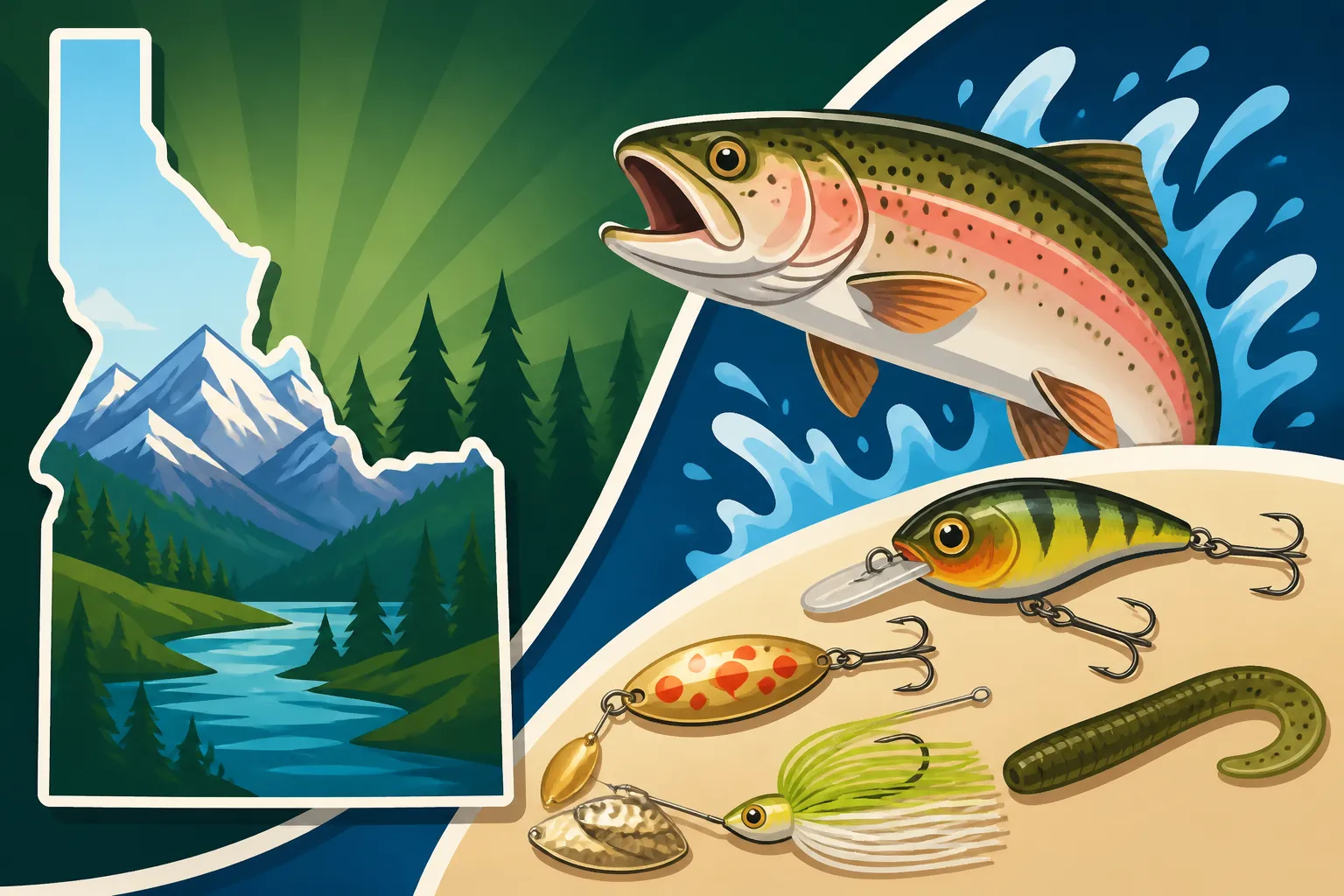
Spinners: Brands like Mepps, Panther Martin, and Rooster Tail have been catching trout for generations for good reason. A spinner consists of a weighted body, a shaft, and a blade that rotates when retrieved, creating flash and vibration. These are incredibly versatile for rivers and smaller lakes. For river trout, cast upstream or across stream and retrieve just fast enough to get the blade spinning, allowing the current to assist. This mimics a fleeing baitfish or insect. Sizes usually range from 0 (tiny) to 3 (larger trout). Common colors include silver, gold, black, and firetiger. If you're working a riffle on the Boise River, a size 2 Rooster Tail with a white or yellow blade can often entice a strike from aggressive rainbows. These are easy to use for beginners and experienced anglers alike and can be bought easily on Amazon or at any local fly shop or sporting goods store.
Spoons: Spoons are essentially curved pieces of metal designed to wobble and flash like an injured baitfish. Famous examples include the Kastmaster, Daredevle, and Little Cleo. They excel when you need casting distance or want to fish deeper water. For shore anglers on lakes, casting a heavy spoon far out and retrieving it with a varied cadence (pausing, speeding up, twitching) can be very effective. Spoons are also excellent for jigging in deeper lakes, especially for lake trout or larger rainbows. Drop them to the bottom, then lift and drop, letting them flutter enticingly. Colors like silver, gold, or brass with red or orange accents are classic trout producers. On a larger body of water like Lake Pend Oreille, a weighty silver spoon can reach those deep-holding rainbow trout.
Soft Plastics and Jigs
When trout get a bit finicky, or when you need a more subtle presentation, soft plastics and jigs can be the secret weapon.
Soft Plastics: Brands like Berkley Gulp! have revolutionized this category. These aren't just plastic—they're infused with powerful scents that attract fish. Gulp! Alive! Minnows, worms, and maggots can be fished in countless ways. They can be threaded onto a small jig head, fished under a bobber, or even drift-fished like natural bait. Their realistic texture and scent often fool trout that are wary of traditional lures. In clear, heavily fished waters where trout have seen every spinner in the book, a small, subtle Gulp! minnow on a tiny jig head can often elicit a strike. The versatility means you can imitate almost anything a trout might eat.
Jigs: Small marabou jigs, tube jigs, or grub-tailed jigs (often paired with soft plastics) are fantastic for trout, especially in situations where a vertical presentation or a slower retrieve is needed. They're excellent for fishing drop-offs, current seams, or around submerged structure. A small, white marabou jig bounced along the bottom of a river can imitate a struggling insect nymph or small baitfish. For targeting trout in deep pockets or slow pools, a small, dark-colored jig worked slowly can often provoke a strike when faster lures are ignored. They’re also a go-to for ice fishing.
Plugs and Stickbaits for Trolling and Casting
For larger trout, or when covering vast expanses of water from a boat, plugs and stickbaits are indispensable.
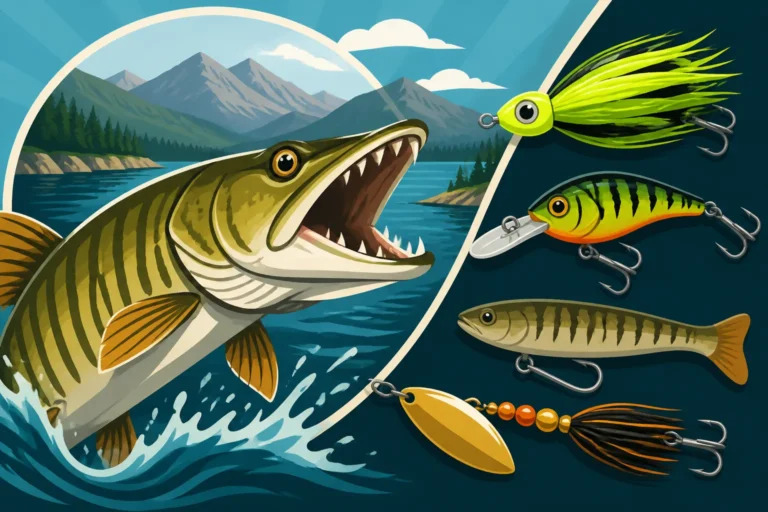
Plugs/Stickbaits: Lures like Rapala, Kwikfish, and FlatFish are designed to dive and have a specific wobbling action when retrieved or trolled. They come in various sizes and dive depths, allowing you to target fish at different levels of the water column. For trolling for larger rainbow trout or even kokanee and small steelhead in Idaho's big lakes and reservoirs, these can be incredibly effective. Color choices often mimic baitfish (silver, blue/silver, perch patterns) or stand out (firetiger, hot pink). Consider a scenario on Cascade Reservoir: you're targeting those impressive tiger muskies, but also know big rainbow trout lurk. Trolling a medium-sized jointed Rapala in a perch pattern at a varied depth might just tempt a lunker. Experiment with trolling speeds, as different lures have optimal actions at different speeds.
Specialized Lures for Idaho's Unique Species
Idaho is home to some truly iconic and challenging species, each requiring a tailored approach. From the anadromous steelhead and Chinook salmon to the landlocked kokanee and the ancient white sturgeon, success often hinges on using the right specialized tackle.
Steelhead and Chinook Salmon Lures
These powerful ocean-going fish (or, in the case of Chinook, sometimes stocked in lakes) demand robust gear and specific presentations due to their upstream migrations and aggressive, yet sometimes subtle, takes. You can dive deeper into the tactics in our How to Fish for Steelhead in Idaho guide.
Drift Fishing Tackle: This is a cornerstone technique for river steelhead and salmon. It involves using weighted presentations (often lead or slinky weights) to bounce bait or small lures along the river bottom, mimicking natural debris or eggs drifting downstream. Key components include:
* Drift Bobbers (DNE Floats, Cheaters): These are small, buoyant floats attached directly to your line, above your weight and leader. They allow your bait or lure to drift just above the bottom, reducing snags while maintaining a natural presentation. Often brightly colored, they offer a visual strike indicator.
* Yarn/Egg Cluster: Cured salmon or steelhead eggs, often tied into a small mesh "cluster" with colorful yarn, are classic and highly effective. The scent and natural appearance are irresistible to migrating fish.
* Plastic Worms/Pink Worms: Soft plastic worms, particularly in vibrant pink or orange, rigged to drift naturally, have become incredibly popular and effective. Brands like Berkley Gulp! provide scented options that further enhance their appeal.
* Spin-N-Glos/Booyah Baits: These are small, buoyant spinners with plastic wings that spin in the current, adding flash and vibration to a drift. They are often tipped with a piece of bait.
Jigs: Marabou jigs, in various colors (pink, chartreuse, black, purple), are deadly for steelhead and salmon, especially when fished under a float (bobber-dogging or float fishing). The jig's pulsating action in the current can trigger aggressive strikes. For Chinook, larger, brighter jigs might be preferred.
Plugs (Hot Shots, Kwikfish, Brad's Super Bait): These diving and wobbling plugs are effective for back-trolling (letting the current pull the boat upstream while the plugs work downstream) or side-drifting from a boat. The aggressive action and vibrant colors can infuriate steelhead and salmon into striking. Brad's Super Bait, for example, is a popular hollow plastic plug that can be stuffed with scent or bait, adding another layer of attraction.
Kokanee Salmon Specific Tackle
Kokanee are landlocked sockeye salmon, prized for their delicious meat and spirited fight. They are primarily a trolling fish in Idaho's deep lakes like Lake Coeur d'Alene, Anderson Ranch Reservoir, and Payette Lake.
Dodgers and Flashers: These are not lures themselves, but attractors. They create flash and vibration in the water, mimicking schools of baitfish, and are rigged in front of a smaller lure. A dodger has a wide, sweeping action, while a flasher rotates more rapidly. Popular brands include Arrow Flash and Sep's. The action of the dodger or flasher imparts a tantalizing darting motion to the lure behind it.
Wedding Rings/Hoochies/Kokanee Bugs: These are the actual "lures" that kokanee strike.
* Wedding Rings: Small, rotating spinners with beads, often tipped with corn. The corn adds scent and a visual cue.
* Hoochies: Small, soft plastic squids that flutter enticingly behind a dodger. Again, tipping with corn is almost mandatory.
* Kokanee Bugs: Tiny, often brightly colored jigs or flies designed specifically for kokanee, also commonly tipped with corn.
Corn Tipping: Seriously, don't forget the corn! A kernel or two of Shoepeg corn, sometimes dyed with scent, added to the hook of a wedding ring, hoochie, or kokanee bug, is a game-changer. The corn's scent and visual pop seem to be a huge trigger for kokanee. These lures and the crucial corn can be found on Amazon or specialized tackle shops.
Sturgeon Baits and Rigs
Catching one of Idaho's prehistoric white sturgeon on the Snake River is an experience of a lifetime. These magnificent fish are strictly catch-and-release, and proper handling is essential. Due to their size and bottom-feeding nature, specialized baits and heavy tackle are a must. Our detailed Idaho Sturgeon Fishing Guide offers more in-depth information.
Cut Bait: Live bait is generally prohibited for sturgeon in Idaho, but fresh, oily cut bait is incredibly effective. The goal is to create a strong scent trail in the water to attract these scavengers.
* Squid: Pieces of squid are a popular choice. They're tough, stay on the hook well, and have a good scent.
* Sucker Meat: If legal, fresh cut pieces of sucker are excellent.
* Pikeminnow: Another native fish that, when cut into chunks, makes a fantastic sturgeon bait.
* Other Oily Fish: Any fresh, oily fish cut into chunks can be effective.
Heavy Rigs: You'll need stout rods, reels with plenty of heavy line (80-100 lb braided line is common), and strong leaders (often 150-200 lb mono or fluorocarbon). A sliding sinker rig is standard, with a heavy pyramid or flat-bottom sinker (8-16 oz or more, depending on current) above a swivel, and a strong, large circle hook (10/0 to 14/0) on a short leader. Circle hooks are preferred as they tend to hook in the corner of the mouth, making for easier, safer release. Remember, only barbless hooks are allowed for sturgeon in Idaho.
Effective Lures for Idaho Bass and Panfish
Idaho might be famous for its trout and salmon, but it also offers fantastic opportunities for bass and panfish. From the largemouth bass lurking in weedy lakes to the smallmouth bass patrolling rocky riverbeds, and the abundant crappie and perch in many reservoirs, there's a lure for every situation.
Soft Plastics and Jigs for Bass
These are incredibly versatile and often the most productive lures for both largemouth and smallmouth bass.
Soft Plastics: The variety is endless!
* Senkos/Stick Worms: Wacky rigged or Texas rigged, these soft, cylindrical worms have a subtle shimmy on the fall that bass can't resist. They're fantastic for largemouth in weedy or woody cover.
* Creature Baits/Crawfish Imitations: These mimic crayfish or other invertebrates and are great for flipping into heavy cover or dragging along the bottom.
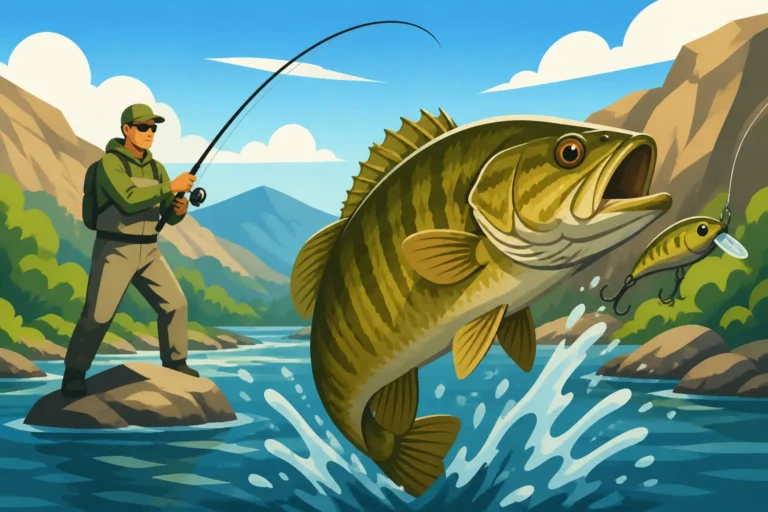
* Grubs/Swimbaits: Single or double-tailed grubs on a jig head, or small paddle-tail swimbaits, are excellent for smallmouth bass in rivers like the Snake, mimicking baitfish or crayfish.
* Tube Jigs: A hollow soft plastic tube with tentacles, often fished with an internal jig head. Great for smallmouth, especially around rocky structure.
* Drop Shot Rigs: A finesse technique where a small soft plastic bait is nose-hooked above a weight, allowing it to suspend enticingly. Excellent for finicky bass or deep-water presentations.
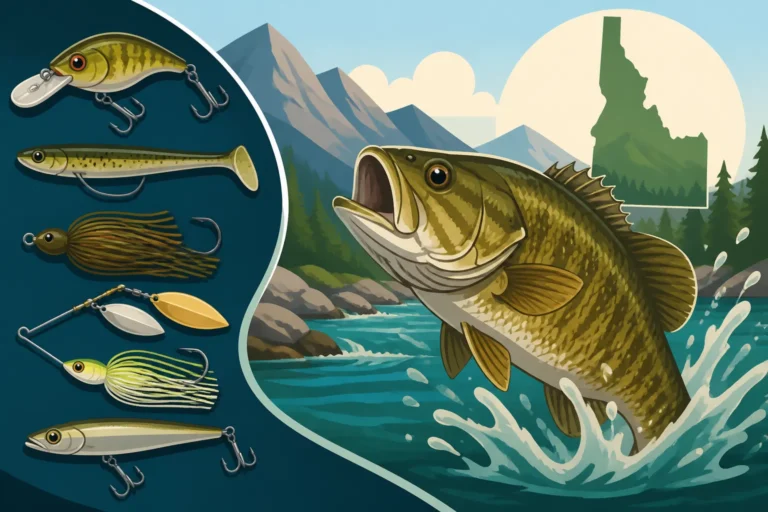
Jigs (Rubber Skirted Jigs): These often come with a weed guard and a silicone or living rubber skirt, designed to imitate crawfish or small baitfish. Tipped with a soft plastic trailer (like a chunk or creature bait), they're fantastic for pitching into heavy cover for largemouth or hopping along the bottom for smallmouth. Colors vary with water clarity, from natural greens and browns to black/blue.
Crankbaits and Spinnerbaits
These reaction-strike lures are essential for covering water and triggering aggressive bites.
Crankbaits: Hard-bodied lures with a bill that causes them to dive and wobble.
* Shallow Divers: For fishing shallower areas, over submerged grass, or around laydowns.
* Medium/Deep Divers: For targeting bass holding at specific depths along ledges, points, or humps in reservoirs like C.J. Strike.
* Lipless Crankbaits: These sink quickly and have a tight wobbling action and a built-in rattle. Great for covering large areas quickly and fishing through grass.
Colors can range from natural baitfish patterns to bright, obnoxious colors for dirty water.
Spinnerbaits: Composed of a wire frame, one or two spinning blades, and a lead head with a skirt, spinnerbaits are weedless and generate a lot of flash and vibration. They are superb for fishing through emergent vegetation, around submerged timber, or in stained water. The thumping vibration and flashing blades are irresistible to aggressive bass. Blades can be willow leaf (more subtle flash, good for clear water), Colorado (more vibration, good for dirty water or slow retrieves), or a combination.
Panfish Favorites: Jigs, Grubs, and Tiny Spoons
Panfish—crappie, bluegill, and yellow perch—are abundant, fun to catch, and great for table fare. They respond well to small, subtle presentations. You can find excellent panfish action, particularly yellow perch, in reservoirs like Cascade or American Falls. Our Idaho Yellow Perch Fishing guide has more details.
Small Jigs and Grubs: These are the kings of panfish lures.
* Marabou Jigs: Tiny jigs (1/32 oz, 1/16 oz) with a marabou feather skirt that pulsates in the water. White, black, yellow, and chartreuse are popular colors.
* Tiny Grub Tails: Small soft plastic grubs (1-2 inches) on small jig heads. The curly tail wiggles enticingly.
* Tube Jigs: Very small tube jigs, often in bright colors, can be excellent for crappie.
These are often fished under a small bobber, slowly jigged, or retrieved with tiny twitches. Tipping them with a small piece of worm, a mealworm, or a kernel of corn can significantly increase bites.
Tiny Spoons: Small casting spoons like a Kastmaster or Little Cleo (1/8 oz or smaller) are great for panfish in deeper water, especially yellow perch. They can be cast and retrieved, or jigged vertically through the ice or from a boat. Their flash attracts fish from a distance.
Ice Fishing Specifics: For ice fishing, specialized micro jigs (e.g., tungsten jigs) are essential. Their heavy weight for their small size allows them to sink quickly. They are fished with very subtle twitches, often tipped with a mealworm, wax worm, or a "spike" (fly larva).
Fly Fishing: Artificial Flies for Idaho's Waters
Idaho is a renowned fly-fishing destination, attracting anglers from around the globe to its pristine rivers and spring creeks. Fly fishing is an art form, focusing on imitating insects and baitfish with carefully crafted flies. If you're looking to start, our How to Fly Fish in Idaho guide is a great place to begin.
Dry Flies and Emergers
These flies target fish feeding on the surface or just below it, often during specific insect hatches.
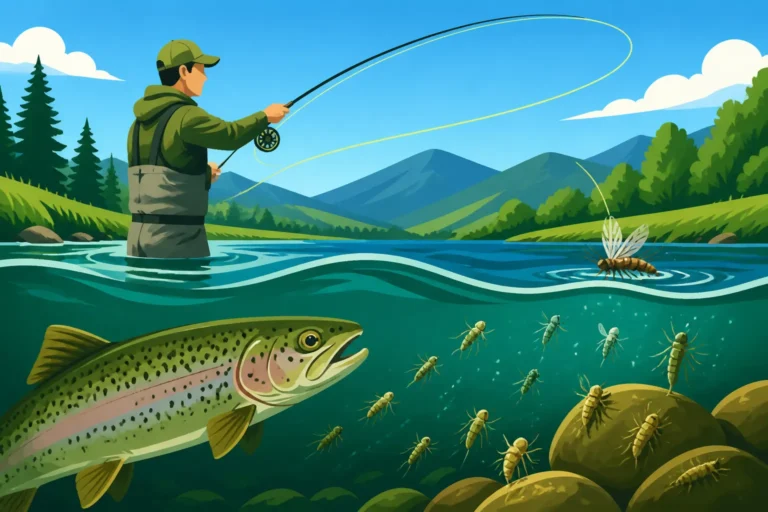
Dry Flies: These flies float on the surface, imitating adult insects like mayflies, caddis, and stoneflies that have emerged from the water.
* Parachute Adams: One of the most versatile dry flies, imitating a variety of mayflies. A must-have for any Idaho fly box.
* Elk Hair Caddis: An excellent imitation of adult caddisflies, which are abundant on many Idaho rivers.
* Stimulator: A buoyant, bushy dry fly that can imitate larger caddis, stoneflies, or even a hopper.
* Hoppers, Ants, Beetles (Terrestrials): During late summer and fall, terrestrial insects (those that live on land but fall into the water) can be crucial. Large foam hoppers, ant patterns, and beetle patterns are deadly on rivers like Henry's Fork or the South Fork of the Snake. The key is to match the size and color of the natural insects on the water.
Emergers: These flies imitate insects that are in the process of hatching from nymphs into adults, often suspended just below the surface or in the film. Fish frequently key in on these vulnerable insects.
* Sparkle Dun: A classic mayfly emerger pattern.
* Caddis Emergers: Patterns designed to mimic caddis trying to break through the surface film.
Presenting these flies with a natural drift, minimizing drag, is paramount for success, especially on clear, technical waters like Silver Creek.
Nymphs and Streamers
Most of a trout's diet consists of subsurface insects, making nymphs and streamers incredibly effective year-round.
Nymphs: These flies imitate the larval and pupal stages of aquatic insects (mayflies, caddis, stoneflies) that live on the riverbed.
* Pheasant Tail Nymph: A classic, slender mayfly imitation that works almost everywhere.
* Prince Nymph: A flashier nymph pattern, often mistaken for a stonefly or caddis.
* Hare's Ear Nymph: Another versatile pattern that imitates various insects.
* San Juan Worm: An imitation of an aquatic worm, highly effective in high, off-color water or when fish are feeding aggressively.
* Stonefly Nymphs: Larger, weighted patterns that imitate large stonefly larvae, a major food source in many freestone rivers.
Nymphs are typically fished weighted to get them to the bottom, often under an indicator (bobber) or using tight-line nymphing techniques. On the Middle Fork of the Salmon River, bouncing a heavy stonefly nymph through the rapids can be incredibly productive for bull trout and cutthroat.
Streamers: These flies imitate baitfish, leeches, or larger aquatic invertebrates. They are fished with an active retrieve, mimicking a fleeing or injured prey item.
* Woolly Bugger: Arguably the most popular and versatile streamer pattern, effective for trout, bass, and even panfish. Comes in many colors (black, olive, brown, white).
* Sculpzilla/Sex Dungeon: Larger, articulated streamers designed to imitate sculpins, a common bottom-dwelling baitfish. These are fantastic for targeting larger, predatory trout.
* Muddler Minnow: A classic baitfish imitation, often fished with a vigorous strip-and-pause retrieve.
Streamers are excellent for prospecting larger areas, especially in deeper pools or along cut banks. They can entice aggressive strikes from larger fish that are looking for a substantial meal.
Specialized Steelhead Flies
Fly fishing for steelhead is a unique and often challenging pursuit, requiring specialized flies and casting techniques.
Intruders/Skagit Flies: These are large, heavily weighted, and often brightly colored flies designed to be swung through deep, fast currents. They create a large profile and significant movement in the water, triggering aggressive takes from migrating steelhead. Popular colors include pink, purple, black, and blue.
Traditional Spey/Dee Flies: While less common for modern "swinging" techniques, these classic patterns still have a place, often used on two-handed Spey rods for graceful casts and subtle presentations.
Egg Patterns/Beads: When steelhead are keying in on salmon or trout eggs, small egg patterns or unweighted plastic beads (drifted like a natural egg) can be incredibly effective. These are often fished under an indicator.
Success with steelhead on the fly often comes down to dedication, persistence, and mastering the "swing" – allowing the fly to sweep across the current in an enticing arc. On the Clearwater River, for example, swinging a large Intruder pattern through a known steelhead run is a classic and effective method.
Choosing the Right Colors, Sizes, and Presentations
After all this talk about specific baits and lures, it’s easy to think you've got it all figured out. But there’s another layer to this puzzle: how you present that bait or lure, and what color and size it is. These seemingly small details can make a monumental difference, turning a slow day into a memorable one.
Water Clarity and Color Selection
The clarity of the water you're fishing is one of the most critical factors in choosing lure color. Fish use their vision to locate prey, and how well they can see your offering dictates what colors will be most visible and appealing.
Clear Water (Natural Colors, Subtle): When Idaho's rivers and lakes are crystal clear, fish have excellent visibility. This means they can scrutinize your bait or lure, and unnatural colors or excessive flash can spook them. In these conditions, opt for more natural, muted colors that mimic the local forage. Think browns, greens, black, silver, and dull gold. For trout in a clear spring creek like Silver Creek, a natural-colored nymph or a subtle dry fly that perfectly matches the hatch is often the only thing that will get a bite. Transparent or semi-transparent plastics can also be effective, offering a subtle, ghost-like presentation.
Stained/Muddy Water (Bright Colors, Dark Silhouettes): The opposite is true in stained, murky, or muddy water, often found during spring runoff or after heavy rains. Here, visibility is low, and fish rely more on scent and vibration. Your goal is to make your lure as visible as possible. This is where vibrant, "loud" colors shine: chartreuse, hot pink, orange, firetiger, and bright reds. These colors contrast sharply with the murky background, making them easier for fish to see. Dark colors (black or dark purple) can also be surprisingly effective, as they create a strong silhouette against the lighter sky, making them visible even in low light. When the Salmon River is running high and off-color with spring runoff, a bright pink jig or a chartreuse Kwikfish might be the only thing getting noticed by migrating steelhead.
Low Light Conditions (Bright or Glow): Early morning, late evening, or overcast days reduce available light. Similar to stained water, bright colors can help, but glow-in-the-dark lures or those with reflective properties (like holographic finishes) can also be excellent. Some anglers even use small LED lights attached to their rigs for night fishing for kokanee or lake trout.
Matching the Hatch and Forage
This concept is primarily associated with fly fishing, but it applies to all forms of angling. "Matching the hatch" means using a lure or bait that closely imitates the natural food source that fish are currently feeding on.
Imitating Local Minnows, Insects, Crayfish: Observe your surroundings. Are there schools of minnows darting around? Are there crayfish scuttling under rocks? Are insects hatching off the water?
* If trout are rising and you see small brown caddisflies fluttering, tie on an Elk Hair Caddis that matches their size and color.
* If you're fishing a bass lake known for its abundant crayfish, a brown or green soft plastic creature bait or jig trailer that mimics a crayfish will likely be more effective than a bright yellow grub.
* On the Snake River, if you know smallmouth bass are feeding heavily on juvenile pikeminnow, a small swimbait in a silver or olive pattern could be the ticket.
This isn't just about appearance; it's about size, shape, and even the way it moves. A lure that perfectly imitates the natural forage, both visually and behaviorally, is often irresistible.
Presentation Techniques: Speed, Depth, and Action
You can have the perfect bait or lure, but if you're not presenting it correctly, it might as well be a bare hook. How you work your lure—its speed, the depth it runs, and its action—is just as important as the lure itself.
Speed:
* Slow: Slower retrieves are often best in cold water, when fish are lethargic, or when targeting wary fish. Many jigs, soft plastics, and even some plugs are designed for slow, subtle movements. For example, ice fishing for perch requires an incredibly slow, barely perceptible jigging motion.
* Fast: Faster retrieves can trigger reaction strikes from aggressive fish, especially predatory species like bass, pike, or active trout. Spinnerbaits, crankbaits, and rapidly retrieved spoons often excel with a quicker pace. Steelhead plugs, when back-trolled, often need a specific boat speed to achieve their optimal action.
Depth: This is crucial. Fish are often concentrated at specific depths due to water temperature, oxygen levels, cover, or food availability.
* Surface: Topwater lures for bass, dry flies for trout, or shallow-diving crankbaits.
* Mid-Column: Suspending jerkbaits, swimming plugs, or vertically jigged spoons can target fish suspended off the bottom. For kokanee, precise depth control with downriggers or leaded lines is essential to hit their specific temperature and food zones.
* Bottom: Nymphs, jigs, Texas-rigged soft plastics, or drift-fished baits are designed to be worked along the bottom where many species feed or hold. Understanding the contours of the lake bed or river channel is key here.
Action: How your lure moves is its "action."
* Steady Retrieve: Many lures, like inline spinners or some spoons, have their own inherent action with a simple, steady retrieve.
* Jigging: Imparting a vertical up-and-down motion, often used with jigs, spoons, or soft plastics, especially in ice fishing or when targeting deep structure.
* Twitching/Pausing: Adding subtle twitches and pauses can make a lure look like a wounded baitfish, often triggering strikes from hesitant predators. Jerkbaits are designed for this.
* Drifting: Allowing current to carry your bait naturally, as with a worm or egg imitation for river trout or steelhead.
Remember, consistency isn't always best. Varying your retrieve, changing depths, and experimenting with different actions can often unlock a bite when fish are being stubborn. You might cast a crankbait near a submerged log in Lucky Peak Reservoir, retrieving it at a steady pace, then suddenly give it a sharp twitch and pause to mimic a startled baitfish, and bam—a smallmouth bass hits!
| Fish Species | Recommended Bait/Lures (General) | Ideal Conditions |
|---|---|---|
| Rainbow Trout | Worms, PowerBait, Spinners (Mepps, Rooster Tail), Spoons (Kastmaster), Small Jigs, Dry Flies, Nymphs | Year-round, especially stocked waters; moving water for spinners/flies, still water for bait. |
| Cutthroat Trout | Worms, Small Spinners, Dry Flies, Nymphs, Small Streamers | Rivers & mountain lakes, clear to slightly stained water; active during hatches. |
| Brown Trout | Worms, Spoons, Plugs (Rapala), Larger Streamers, Minnows | Rivers & larger lakes, often nocturnal; targeting structure, low light. |
| Lake Trout (Mackinaw) | Large Spoons (Daredevle), Heavy Jigs (Tube Jigs), Large Plugs, Minnows | Deep, cold lakes (Priest Lake, Payette Lake); trolling or vertical jigging. |
| Steelhead | Cured Eggs, Pink Worms, Marabou Jigs, Plugs (Hot Shots, Kwikfish), Intruders (Flies) | Rivers during fall/winter/spring migration; current essential for presentation. |
| Chinook Salmon | Cured Eggs, Plugs (Kwikfish, Brad's Super Bait), Large Spinners, Jigs | Rivers (migration), large lakes (trolling); strong current. |
| Kokanee Salmon | Dodgers/Flashers with Wedding Rings/Hoochies (tipped with corn) | Deep lakes (Lake Coeur d'Alene, Anderson Ranch); trolling at specific depths. |
| White Sturgeon | Cut Bait (Squid, Sucker, Pikeminnow) | Snake River, deep holes; heavy tackle, scent-based fishing. |
| Largemouth Bass | Senkos, Creature Baits, Spinnerbaits, Crankbaits, Jigs | Weedy lakes, shallow cover; warm water, active retrieves. |
| Smallmouth Bass | Tubes, Grubs, Swimbaits, Crankbaits, Spinnerbaits, Jigs | Rivers (Snake, Clearwater), rocky lakes; current & structure. |
| Crappie | Small Jigs (Marabou, Tube), Tiny Grubs, Minnows | Reservoirs & lakes, brush piles, submerged timber; often schooling. |
| Yellow Perch | Small Jigs, Grubs, Mealworms, Tiny Spoons | Lakes & reservoirs (Cascade, American Falls); ice fishing, bottom jigging. |
Ultimately, fishing is about continuous learning and adapting. What worked yesterday might not work today. This guide provides a solid starting point, but the true magic happens when you combine this knowledge with on-the-water experience and a willingness to experiment. So get out there, explore Idaho's incredible waters, and start discovering your own favorite baits and lures! Don't forget to check out our guides on Best Fishing Spots in Idaho and Best Time of Year to Fish in Idaho to further enhance your angling adventures.
Disclaimer
The information provided in this guide is for general informational purposes only and is not intended as legal or professional advice. Fishing regulations in Idaho can change frequently and vary by location, species, and season. It is the angler's sole responsibility to consult the most current Idaho Fish and Game regulations and local ordinances before engaging in any fishing activities. Always prioritize safety, ethical angling practices, and respect for wildlife and the environment.