Fishing the St. Joe River for Cutthroat Trout
The St. Joe River in Idaho offers an experience unlike almost any other, but let's be honest, finding a truly pristine, wild fishery for native trout can feel like a pipe dream sometimes. You spend countless hours researching, pouring over maps, and still end up on waters that feel crowded or overfished. This guide is dedicated to easing that frustration by shining a light on the legendary St. Joe River, specifically its incredible Westslope Cutthroat Trout fishery, and giving you the detailed roadmap you need for a successful and memorable trip.
The Undeniable Allure of the St. Joe River for Cutthroat Trout
There’s just something magical about chasing native fish in their natural habitat, isn't there? It’s not just about the catch; it’s about connecting with a place that feels ancient, wild, and untouched. The St. Joe River, often simply called "the Joe" by locals, embodies this spirit perfectly, making it a bucket-list destination for many anglers seeking that authentic Idaho experience, especially for those looking for robust populations of Westslope Cutthroat Trout.
Why the St. Joe is a Wild and Scenic River Gem
The St. Joe River holds a special designation as a "Wild and Scenic River," and believe me, it earns every bit of that title. This isn't just a fancy label; it means the river and its immediate surroundings are protected from development, preserving their free-flowing condition and outstanding remarkable values. For anglers, this translates to incredibly clear, clean water, healthy riparian zones, and minimal human impact. You're not going to find housing developments lining the banks here, or constant motorboat traffic. Instead, you'll encounter a thriving ecosystem where the native Westslope Cutthroat can truly flourish, far from the pressures often found on more accessible or developed rivers. This designation is truly the bedrock of its outstanding fishery.
What truly makes it a gem, beyond the protection, is the sheer beauty. Imagine casting your line into emerald-green pools, surrounded by towering pines and the occasional glimpse of wildlife like elk, moose, or even a black bear along the banks. The air is crisp, the only sounds are the river's murmur and the chirping of birds, and you're miles from the nearest traffic light. This isn't just fishing; it's an immersive wilderness experience. That undisturbed environment is exactly what these sensitive cutthroat need to thrive, growing strong and feisty in their ancestral home. It’s a stark contrast to some of the heavily used waters you might be used to, and that quiet solitude is a huge part of the St. Joe's appeal.
The St. Joe's Abundant Westslope Cutthroat Population
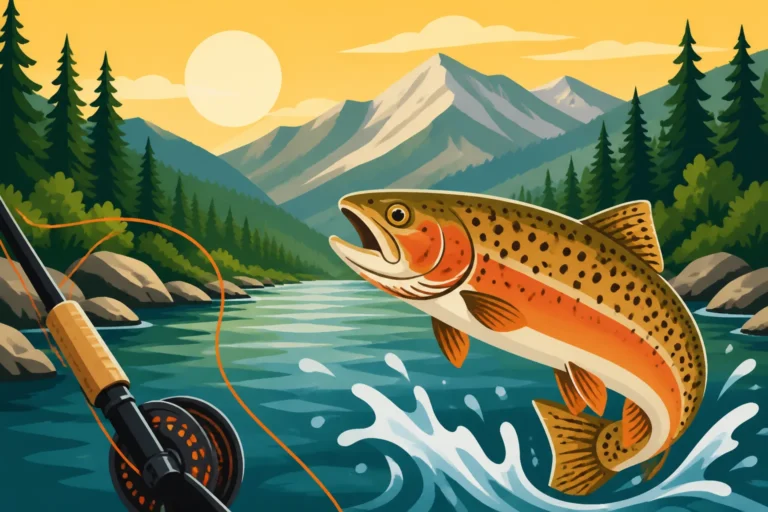
When we talk about the St. Joe, we're really talking about Westslope Cutthroat Trout, specifically. While you might encounter a rainbow trout or two, perhaps even a bull trout (which are strictly catch-and-release and protected), the cutthroat are the stars of the show. These fish are native to the region, characterized by their distinctive orange-red slashes under their jaw, beautiful golden flanks, and usually darker spots concentrated towards their tail. The St. Joe is renowned for supporting one of Idaho's most robust and naturally reproducing populations of these gorgeous fish.
It’s not uncommon to have days on the St. Joe where you're catching and releasing dozens of cutthroat, ranging from 8 to 16 inches, with some lucky anglers hooking into fish over 18 inches. What makes them so special is their aggressive nature and willingness to rise to a dry fly, especially during prime hatches. They are opportunistic feeders, always on the lookout for a well-presented insect. This aggressive feeding behavior, combined with their striking beauty, makes them an absolute joy to pursue. If you’re interested in learning more about these specific fish, our detailed guide on the Westslope Cutthroat Trout in Idaho provides an excellent deep dive into their characteristics and habitat.
Navigating the St. Joe: Sections, Access, and Regulations
Understanding the layout of the St. Joe River is crucial for planning your trip, as its character changes significantly from its headwaters to its mouth. This river flows over 140 miles, making it the longest navigable river in the world at such a high elevation, offering a diverse range of fishing experiences from remote wilderness to more accessible stretches.
Upper St. Joe: The Wilderness Experience
The upper reaches of the St. Joe, particularly above Avery and into the St. Joe Wilderness Area, offer the most pristine and remote fishing. This is where the river is typically smaller, clearer, and more intimate, making it a paradise for wade fishing and light fly tackle. Access to these sections can be challenging, often requiring longer drives on Forest Service roads (some of which might be rough or seasonally closed) and sometimes even a hike. But let me tell you, the effort is absolutely worth it. The solitude you'll find here is unparalleled, and the cutthroat tend to be less pressured, often more willing to take a fly.
Fishing here truly feels like stepping back in time. You might have miles of river to yourself, hearing nothing but the wind in the trees and the splash of a rising trout. These headwater sections are often characterized by faster riffles, deep pools, and intricate pocket water – perfect habitat for cutthroat. You'll want to pack light, be prepared for changing weather, and definitely bring a good map or GPS, as cell service is non-existent in many areas. It's truly an immersion in nature, and for many, this is the quintessential St. Joe experience.
Middle and Lower St. Joe: More Accessible Waters
As the St. Joe flows downstream, especially below Avery and towards St. Maries, it widens and deepens, offering different types of fishing opportunities. These sections are generally more accessible by vehicle and often allow for drift boat or raft fishing, particularly during optimal flows. While still wild and beautiful, you might encounter a bit more company here, especially on popular stretches or during peak season. However, the fishing can still be fantastic, with plenty of cutthroat and the occasional larger rainbow or even smallmouth bass in the lower reaches.
The lower sections, closer to St. Maries and its confluence with Lake Coeur d'Alene, are often influenced by lake levels and can be slower-moving and warmer in summer. This area might offer more diverse species, but for pure cutthroat action, many anglers prefer the middle and upper river. Access points are more frequent, often found near campgrounds or Forest Service day-use areas. If you're planning a trip and want to maximize your time on the water without too much hiking, these sections offer a great balance of accessibility and quality fishing. Just be sure to check our guide on Idaho Access and Depredation Fee Explained if you're driving on Forest Service roads, as some areas may require a fee or special pass.
| River Section | Typical Access | Primary Fishing Method | Notes |
|---|---|---|---|
| Upper St. Joe (above Avery) | Forest Service roads (often gravel), hiking | Wade fishing, fly fishing | Remote, pristine, less pressure, smaller intimate water, higher concentration of native Cutthroat. Limited cell service. |
| Middle St. Joe (Avery to St. Maries) | Paved and gravel roads, boat launches | Drift boat, raft, wade fishing | Wider river, more accessible, good for fly and spin fishing, still excellent cutthroat but potential for other species. |
| Lower St. Joe (near St. Maries/Lake Coeur d'Alene) | Paved roads, numerous boat launches | Power boat, drift boat, shore fishing | Slower, deeper water influenced by lake levels. Diverse species including bass, trout, and some cutthroat. More developed access. |
Understanding St. Joe River Regulations
Fishing the St. Joe, like any great fishery, comes with its own set of rules designed to protect the resource, especially the native Westslope Cutthroat Trout. It’s absolutely essential to be familiar with the current Idaho Fishing Regulations Explained, specifically for the St. Joe River and its tributaries, before you even think about wetting a line. These regulations can change annually, so always check the latest Idaho Fish and Game Fishing Seasons and Rules brochure.
Generally, the St. Joe River upstream of the North Fork of the St. Joe River (near Avery) is managed as a catch-and-release fishery for trout, often with artificial lures and flies only. Downstream from there, you might find different rules regarding bait, bag limits, and gear, but for the most part, conservation is key. Many anglers choose to practice catch-and-release throughout the entire river to ensure the health of this incredible fishery, especially for the cutthroat. Always carry your valid Idaho Fishing License Guide and be aware of any special permits, like a Steelhead permit, although steelhead are not typically targeted on the St. Joe.
Mastering the St. Joe: Techniques and Timing
Successfully fishing the St. Joe River for its famed Westslope Cutthroat Trout requires a blend of technique, patience, and knowing when and where to be. These aren't necessarily highly technical fish, but they do respond best to thoughtful presentations, especially with a fly rod.
Best Seasons for Cutthroat Action
The St. Joe River is a truly four-season fishery if you're prepared, but certain times of the year offer peak conditions for chasing cutthroat:
- Spring (May – June): This is when the river comes alive! After spring runoff subsides and water levels drop and clear, the cutthroat become incredibly active, feeding aggressively on emerging insects. Think caddis, mayflies, and stoneflies. Early spring can be cold, but as the weather warms, the fishing heats up. The later part of spring is often considered prime time for dry fly action. However, do keep an eye on our guide for Idaho's Spring Runoff and How It Affects Fishing, as high flows can temporarily make fishing tough.
- Summer (July – August): Long, warm days mean consistent dry fly action. Terrestrials like grasshoppers, ants, and beetles become a significant food source for cutthroat, making large foam patterns incredibly effective. The river is typically at its lowest and clearest during this time, making for excellent wade fishing. However, in late summer, especially during prolonged heatwaves, fish can become lethargic during the middle of the day. Focus on early mornings and late evenings for the best bites when the water is cooler.
- Fall (September – October): Fall on the St. Joe is simply stunning, both for the scenery and the fishing. The crowds thin out, the leaves turn vibrant shades of gold and red, and the cutthroat remain active, fattening up before winter. Dry fly fishing can still be good, but nymphing and streamer fishing often become more productive as water temperatures drop. This is a time of year for bigger, more aggressive fish.
- Winter (November – April): While challenging due to cold temperatures and potential snow, winter fishing on the St. Joe can offer incredible solitude. The fish are less active, but a well-presented nymph or small streamer in deep, slow pools can still tempt a strike. Access might be limited by snow, so checking road conditions is paramount. This is definitely for the hardy angler seeking peace and quiet.
Essential Fly Fishing Techniques and Flies
The St. Joe is primarily a fly-fishing river, and for good reason—the cutthroat are voracious insect eaters. Knowing a few key techniques and having the right flies in your box will significantly increase your success.
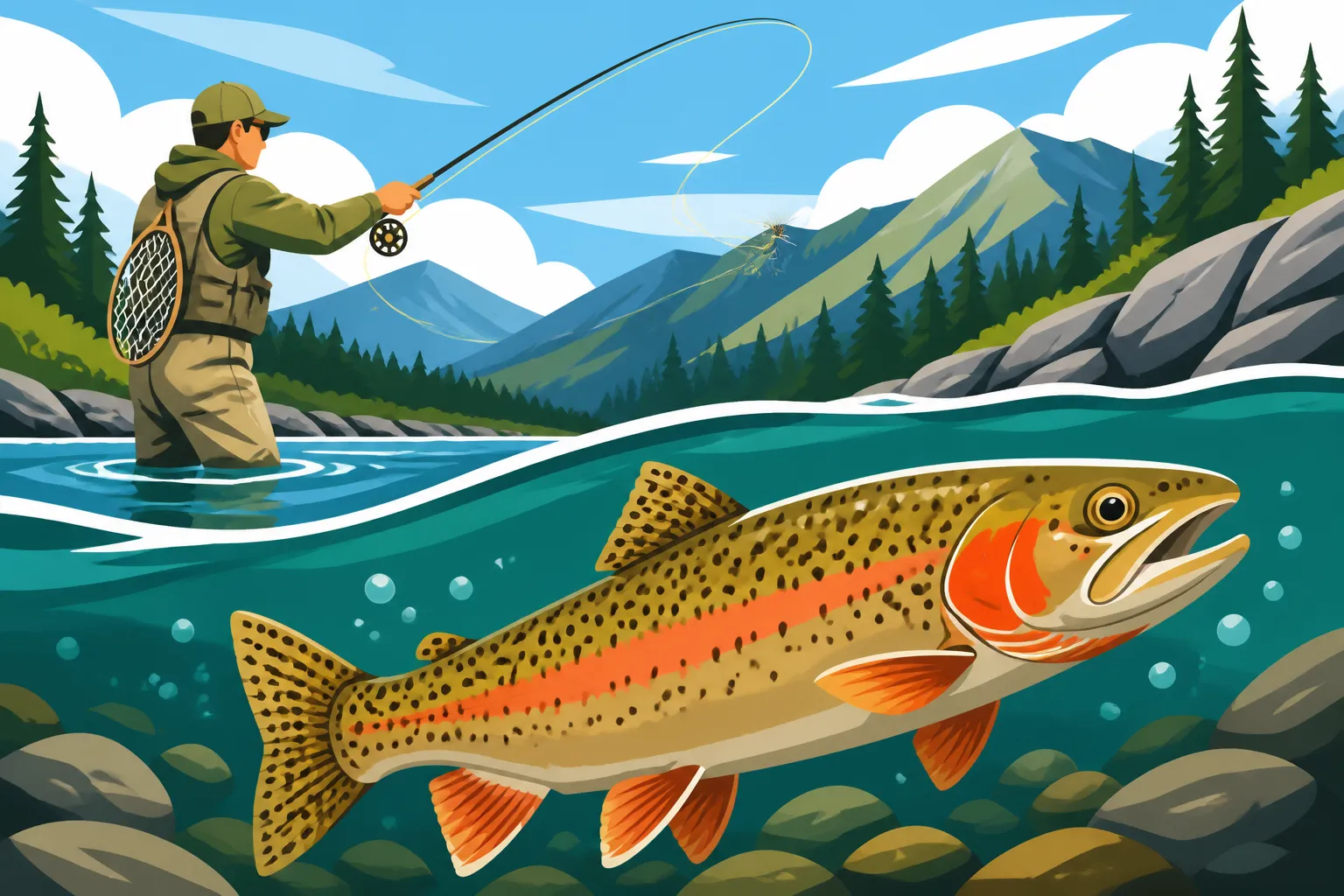
- Dry Fly Fishing: This is often the most exciting way to catch St. Joe cutthroat. They love to rise! When bugs are hatching, or even when terrestrials are abundant, a properly presented dry fly can lead to explosive strikes. Look for hatches of golden stones, caddis, various mayflies (like Pale Morning Duns or Green Drakes), and be prepared with hopper, ant, and beetle patterns in summer. A general rule of thumb is to match the hatch, but often a good attractor pattern will work. If you're new to this, our article on How to Fly Fish in Idaho offers fantastic foundational advice.
- Nymphing: When fish aren't actively rising, nymphing is often the most productive method. Whether you're drift-nymphing under an indicator or high-stick nymphing through runs, getting your flies down to where the fish are holding is key. Stonefly nymphs, Caddis larvae, and various mayfly nymph patterns (like Prince Nymphs, Hare's Ears, and Pheasant Tails) are consistent producers. Focus on seams, current breaks, and the heads and tails of pools.
- Streamer Fishing: Don't overlook streamers, especially for larger, more aggressive cutthroat or when water levels are a bit higher and off-color. Small baitfish patterns, Sculpins, and Woolly Buggers fished with a short, aggressive strip can trigger some powerful takes. This technique can be particularly effective in the fall or on overcast days. Remember, the goal is often to imitate a larger meal for a larger fish, so don't be afraid to throw something a bit bigger.
- Spin Fishing (where allowed): While fly fishing dominates, spin anglers can also find success, particularly in the middle and lower river sections where regulations might be more permissive. Small inline spinners (like Panther Martins or Mepps), spoons, and small jerkbaits or soft plastics can entice cutthroat. Always check the regulations for the specific section you're fishing regarding artificial lures and barbless hook requirements. Using barbless hooks is always a good practice to minimize harm to these wild fish, especially for catch-and-release. For more general advice on tackle, check out our guide to the Best Bait and Lures for Idaho Fishing.
Planning Your St. Joe River Adventure
A trip to the St. Joe River isn't just a casual outing; it often requires a bit of planning, especially if you're aiming for the more remote sections. But don't let that deter you! With a little foresight, you can ensure a smooth and rewarding experience.
Accommodations and Services Near the River
The St. Joe River winds through a relatively undeveloped part of Idaho, meaning services are limited, especially as you head further upstream. The town of St. Maries, near the river's mouth, offers the most comprehensive services, including motels, restaurants, gas stations, and tackle shops. As you move upstream, options become more rustic. Avery, a small historic railroad town, has very limited services – usually a small general store or an outfitter. Beyond Avery, you'll primarily find Forest Service campgrounds, many of which are primitive, or designated dispersed camping areas.
- Camping: Numerous Forest Service campgrounds dot the length of the St. Joe, offering a true immersion in nature. Most are first-come, first-served, so if you're traveling during peak season (summer weekends), arrive early or have a backup plan. Dispersed camping (camping outside of designated campgrounds) is also allowed in many areas of the National Forest, adhering to Leave No Trace principles.
- Lodging: If camping isn't your style, St. Maries is your best bet for traditional motels. Further upriver, some private cabins or vacation rentals might be available, often requiring advance booking. Remember, the appeal of the St. Joe is its wildness, so don't expect luxury resorts right on the riverbanks.
Hiring a Fishing Guide for the St. Joe
Even for experienced anglers, hiring a local fishing guide can significantly enhance your St. Joe River experience, especially if it's your first time on the river or if you want to target specific sections or techniques. A good guide knows the river intimately, can put you on fish, teach you local techniques, and navigate any tricky access points. They also often provide all the necessary gear, which can be a huge convenience.
When looking for a guide, seek out those specializing in fly fishing for Westslope Cutthroat on the St. Joe. Ask about their experience, what’s included in the trip, and their approach to conservation. Platforms like FishingBooker can be incredibly useful resources to find reputable local outfitters and compare their offerings for the St. Joe River. You can read reviews, check availability, and often book directly. This is a great way to ensure you’re getting expert local knowledge, which is invaluable on a river like the St. Joe. For a deeper understanding of costs, refer to our Idaho Fishing Guide Cost Guide.
Respecting the Resource: Conservation and Etiquette
The pristine nature of the St. Joe River is a privilege, and it's up to all of us to ensure it remains that way for future generations. Practicing responsible angling and adhering to Leave No Trace principles is not just good manners; it's essential for preserving this incredible fishery.
Embrace Catch-and-Release
While regulations vary, the vast majority of anglers on the St. Joe River, especially in the upper reaches, practice catch-and-release for trout. The Westslope Cutthroat Trout are native and precious, and releasing them unharmed ensures a healthy, self-sustaining population. If you do decide to keep fish in sections where it's permitted, always be mindful of bag limits and size restrictions, and only keep what you'll consume.
When practicing catch-and-release, handle fish as little as possible with wet hands. Avoid squeezing them, keep them in the water as much as you can, and use barbless hooks to make unhooking easier and less stressful for the fish. A quick photo is fine, but prioritize getting the fish back into the water swiftly and safely. This simple act of conservation ensures that the St. Joe continues to offer incredible fishing for years to come.
Leave No Trace Principles
The St. Joe's "Wild and Scenic" designation isn't just about fish; it's about the entire ecosystem. Embracing Leave No Trace principles is paramount here. This means:
- Plan Ahead and Prepare: Know the regulations, carry appropriate gear, and understand the terrain.
- Travel and Camp on Durable Surfaces: Stick to existing trails, campsites, and boat launches. Avoid creating new paths or trampling sensitive vegetation.
- Dispose of Waste Properly: Pack out everything you pack in, including all trash, food scraps, and fishing line. Yes, that means your apple core too!
- Leave What You Find: Don't disturb historical sites, natural features, or plants.
- Minimize Campfire Impacts: Use established fire rings, keep fires small, and ensure they are completely out before leaving. In many remote areas, or during dry periods, campfires may be prohibited, so carry a stove for cooking.
- Respect Wildlife: Observe from a distance, don't feed animals, and store food securely to prevent attracting wildlife.
- Be Considerate of Other Visitors: Share the river, keep noise to a minimum, and respect the solitude of others.
By following these principles, we collectively ensure that the St. Joe remains the untouched paradise that draws us all in. If you're looking for other waters where catch-and-release is critical, explore our information on Idaho Catch-and-Release-Only Waters List to help plan your next ethical angling adventure.
Why the St. Joe is a Must-Visit for Trout Anglers
There's no shortage of fantastic fishing throughout Idaho, from the famed Henry's Fork for Fly Anglers to the incredible Fishing Lake Coeur d'Alene for Kokanee and Chinook. But the St. Joe River offers something uniquely special: a profound sense of wilderness and an unparalleled opportunity to connect with native Westslope Cutthroat Trout in a truly wild setting. It’s a river that challenges you, rewards you, and leaves you with memories that linger long after the last cast.
The cutthroat here are not just beautiful; they are a testament to the health and resilience of a river system managed with foresight and respect. They rise eagerly to a dry fly, fight with determination, and serve as a living reminder of what pristine rivers can offer. Whether you're an experienced fly angler seeking solitude and aggressive trout, or you’re looking to explore one of Idaho’s most iconic waterways, the St. Joe promises an unforgettable adventure.
Before you head out, make sure your gear is ready. If you're thinking about a multi-day trip, consider what Idaho Fishing Gear Guide by Season might recommend for the time of year you're visiting. And if the thought of planning all the details is daunting, remember that a skilled guide, found easily through services like FishingBooker, can help bridge the gap, turning potential frustrations into fishing triumphs. The St. Joe isn't just another fishing spot; it's an experience that nourishes the soul.
Disclaimer
The information provided in this guide is for general informational purposes only and is subject to change. Fishing regulations, seasons, and access can vary greatly and are updated regularly by the Idaho Department of Fish and Game. Always consult the most current Idaho fishing regulations and local conditions before planning any fishing trip. Safety is paramount; be aware of weather conditions, wildlife, and potential hazards, especially in remote areas.