Where the Snake River’s Sturgeon Population Is Strongest
One of the most thrilling experiences an angler can have in Idaho is chasing the ancient and colossal white sturgeon on the Snake River. Yet, the sheer size and varied conditions of this mighty river make it incredibly challenging to pinpoint exactly where these magnificent fish are most abundant. Many hopeful anglers spend countless hours, often feeling like they’re just casting into the void, unsure if they’re even in the right neighborhood. This comprehensive guide is designed to cut through that uncertainty, taking you deep into the specific stretches of the Snake River where the sturgeon population truly thrives, giving you the best chance to encounter these living legends.
Understanding Idaho's White Sturgeon and Their Unique Needs
Before we dive into specific locations, it's really helpful to understand a bit about the Idaho white sturgeon itself. These aren't just any fish; they're prehistoric giants, a testament to resilience and longevity, and they have very particular demands from their environment. Knowing what makes a good home for a sturgeon will instinctively point you toward the right places on the Snake River.
The Biology of Snake River Sturgeon
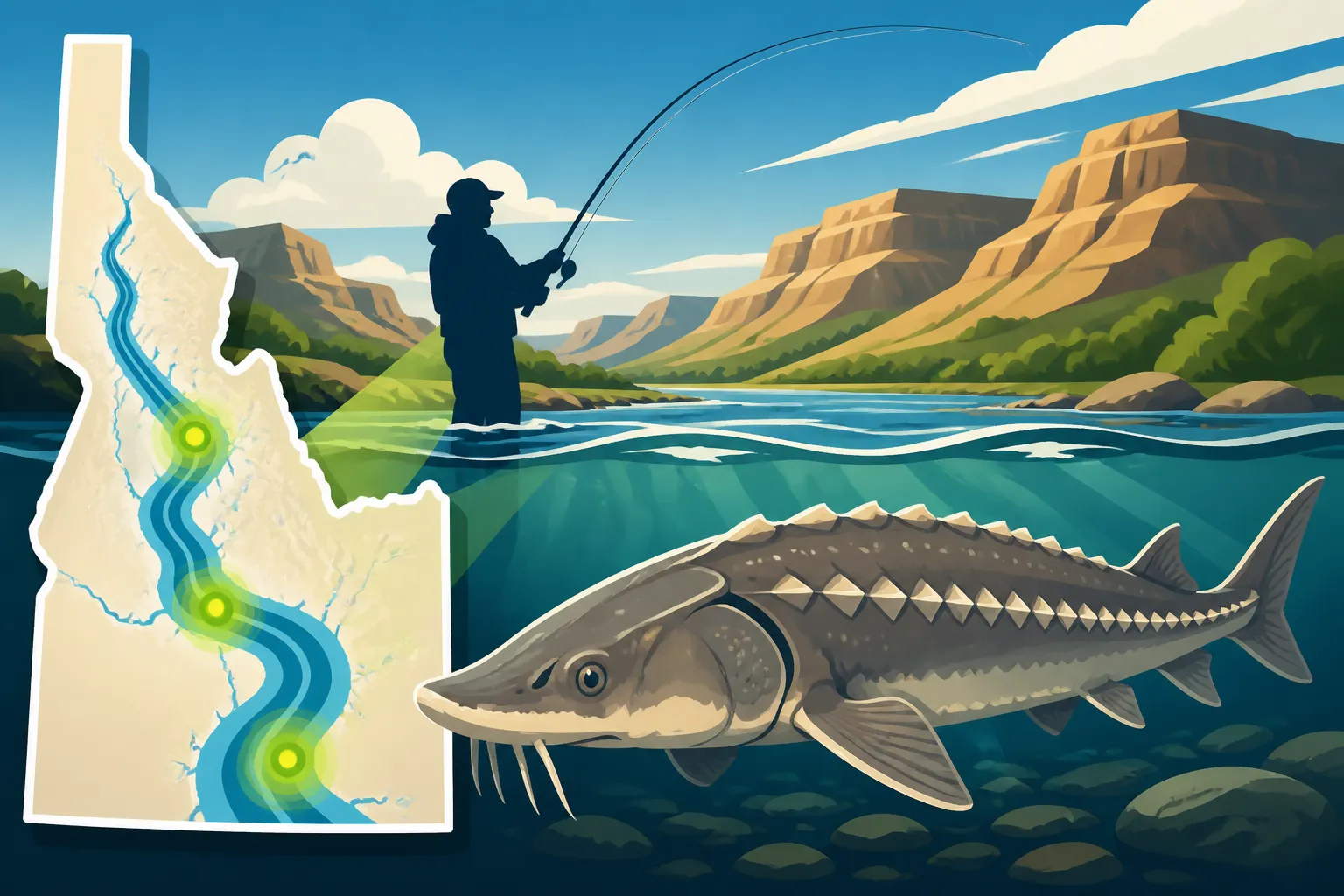
Imagine a fish that can live for over 100 years, grow upwards of 10 feet long, and weigh hundreds of pounds. That's the white sturgeon in a nutshell. They're characterized by their cartilaginous skeletons, rows of bony plates called scutes along their bodies, and their distinctive barbels near their mouths, which they use to root around on the riverbed for food. These fish are true bottom-dwellers, preferring the deep, dark sanctuaries found in the river's scour holes and the tranquil pools that form after sections of swift current or rapids.
Their diet is varied but largely consists of what they can find along the riverbed: crayfish, mussels, worms, and smaller, unsuspecting fish. Because of their immense size and the energy required to sustain it, a strong food source is absolutely crucial for a healthy sturgeon population. They're also relatively slow-growing and late to mature, meaning that every individual fish is incredibly valuable to the long-term health of the species. When you see one, you're looking at a living piece of Idaho's natural history.
Conservation Status and Stringent Regulations
It's vital to remember that Idaho's white sturgeon are a protected species, and their continued existence relies heavily on responsible angling practices. This isn't like trout fishing where you might keep a few for dinner; sturgeon fishing in Idaho is exclusively catch-and-release. The regulations are strict, and for very good reason – their populations have faced significant challenges over the decades from habitat alteration and historical overfishing.
To ensure their survival, anglers must use only barbless hooks, which minimize injury to the fish and make for a quicker, safer release. Removing a sturgeon completely from the water is also prohibited, as their internal organs can be damaged by their own weight when unsupported. These rules, while perhaps seeming stringent, are absolutely paramount to allowing these magnificent fish to thrive for future generations. If you're serious about targeting these giants, make sure you're well-versed in the specifics laid out in the official Idaho Sturgeon Fishing Rules and generally understand Idaho Fishing Regulations Explained. Your adherence is part of the conservation effort!
Prime Sturgeon Strongholds Along the Snake River
The Snake River stretches for hundreds of miles across Idaho, but not all sections are created equal when it comes to sturgeon populations. Certain areas, due to their unique geological features, water flow, and food availability, have become undeniable strongholds for these ancient fish. These are the places where your chances of a truly memorable encounter skyrocket.
The Lower Snake River: Hells Canyon and Below
When people talk about trophy sturgeon in Idaho, the conversation inevitably turns to Hells Canyon. This is North America's deepest river gorge, a wild and remote stretch of the Snake River that carves a dramatic landscape between Idaho and Oregon. The sheer depth of the canyon's waters, combined with its powerful currents and countless scour holes, creates an ideal habitat for large sturgeon. The ecosystem here is relatively undisturbed, offering a robust food chain that allows these fish to grow to truly colossal sizes.
Anglers targeting Hells Canyon often focus on stretches around Pittsburg Landing, Heller Bar, and downstream towards the confluence with the Clearwater River near Lewiston. These areas feature deep pools that act as natural sanctuaries, where sturgeon can rest and feed away from the main current. The fishing here is often done from a boat, anchoring in strategic spots, and requires heavy tackle to manage the strong flows and the sheer power of these fish. It's a wilderness experience, and while challenging, the rewards are often legendary, with fish exceeding 10 feet in length and pushing hundreds of pounds. It truly feels like stepping back in time when you're battling a fish of this magnitude in such a rugged landscape.
Mid-Snake River Reservoirs: C.J. Strike and Brownlee/Oxbow
Moving upstream, the Snake River transforms into a series of large reservoirs that also host incredibly strong sturgeon populations. These impoundments offer different characteristics than the free-flowing canyon but provide equally productive sturgeon habitat, often with easier access.
C.J. Strike Reservoir, located south of Boise, is a popular and highly accessible spot, especially for those in Southwest Idaho. This reservoir is known for its consistent sturgeon fishing, particularly in the deep channels and tailraces below the dam. The constant flow of water and abundant forage fish create a feeding frenzy environment that sturgeon absolutely love. While it might not produce the consistent giants of Hells Canyon, C.J. Strike regularly yields sturgeon in the 50 to 150-pound range, with larger specimens caught annually. Access is primarily by boat, and there are several boat ramps available around the reservoir. It's a fantastic option for a day trip or weekend adventure where you have a very real chance of hooking up with a powerful fish.
Further upstream, on the border with Oregon, lie the massive Brownlee and Oxbow Reservoirs. These are part of the larger Hells Canyon Dam complex and are renowned for producing some of the largest white sturgeon in the entire Snake River system. The deep, expansive waters, combined with numerous submerged structures and vast food sources, create an ideal environment for sturgeon to grow to immense proportions. Anglers often target specific deep channels and confluence areas, particularly where feeder creeks enter the main reservoir. These reservoirs can be windy and vast, but for those willing to brave the elements, the opportunity to land a true monster sturgeon (often exceeding 100-200 pounds) is a strong draw. FishingBooker is a great resource to explore guides who specialize in these reservoirs, as their local knowledge is invaluable for navigating these huge waters. Understanding How Big Idaho's White Sturgeon Can Grow will give you a real appreciation for the potential here.
Upper Snake River: Below American Falls Dam
While the lower and mid-sections get most of the glory for behemoth sturgeon, the upper Snake River also harbors a healthy and accessible population, particularly below the American Falls Dam. This section might not be famous for record-breaking giants, but it offers excellent opportunities for catching numerous smaller to medium-sized sturgeon (typically 20-80 pounds), making it a fantastic spot for anglers who are new to sturgeon fishing or prefer a higher catch rate.
The area directly below the dam provides a consistent flow of nutrient-rich water, which helps sustain a thriving ecosystem. The riverbed here features a mix of rocky areas and deeper pools, offering ample feeding grounds. Access is often easier, with more opportunities for shore fishing in certain spots, though a boat will always expand your options. Anglers here often find success using standard sturgeon baits and heavy-duty tackle, similar to techniques used elsewhere on the river. It's a great spot to get a feel for the fight of these powerful fish without the added challenges of remote wilderness or vast reservoirs. It's a good alternative to the more intense adventures, offering a different but equally rewarding sturgeon experience.
Factors Contributing to Strong Sturgeon Populations
It’s not just about finding a deep hole; the health of a sturgeon population is a complex interplay of environmental factors and human intervention. Understanding these elements can give you an even deeper appreciation for the spots where sturgeon truly thrive.
Water Quality and Food Availability
At the heart of any strong fish population is excellent water quality and a robust food supply. Sturgeon, being long-lived and massive, require an immense amount of sustenance throughout their lives. The areas of the Snake River with the strongest sturgeon populations are invariably those with clean, well-oxygenated water and an abundance of forage. This includes a healthy population of smaller fish like carp, suckers, and pikeminnow, as well as plenty of aquatic invertebrates such as crayfish and mussels, which form the base of the sturgeon diet.
For instance, the relatively pristine conditions in Hells Canyon, coupled with an active migratory fish presence and ample invertebrate life, create a perfect feeding ground. Similarly, the nutrient cycling within large reservoirs like C.J. Strike helps support a diverse food web, which in turn fuels the growth of its sturgeon. When environmental conditions degrade, food sources diminish, and water quality declines, sturgeon populations are among the first to suffer. Their slow growth and long lifespans make them particularly vulnerable to persistent environmental stressors.
Spawning Habitat and Successful Recruitment
A strong sturgeon population isn't just about big, old fish; it's about new fish entering the system consistently. This "recruitment" depends entirely on successful spawning. White sturgeon require specific conditions for their eggs to hatch and for their young to survive: typically, stretches of river with swift currents and clean, gravelly or rocky bottoms where their sticky eggs can adhere and develop without being smothered by silt.
While large dams along the Snake River have certainly altered some historical spawning grounds and migration routes, the areas where sturgeon populations remain strong are those that still retain, or have adapted to provide, adequate spawning habitat. For example, some sections below dams benefit from consistent flows that keep gravel beds clean, mimicking natural river conditions crucial for successful reproduction. The Idaho White Sturgeon Facts truly highlight the delicate balance required for these fish to complete their life cycle, and sustained natural reproduction is the bedrock of a truly thriving population.
Human Impact and Management Success
The comeback of the white sturgeon in certain parts of the Snake River is a remarkable conservation success story, largely due to the careful management and strict regulations implemented by the Idaho Department of Fish and Game. Historically, overfishing and habitat destruction severely impacted these fish. However, decades of dedicated conservation efforts, including stocking programs, habitat restoration, and, critically, the universal adoption of catch-and-release fishing, have allowed populations to rebound.
The requirement for barbless hooks, as emphasized in Why Barbless Hooks Are Required for Idaho Sturgeon, plays a huge role in minimizing injury during the fight and release. Furthermore, the statewide rule Why Snake River Sturgeon Fishing Is Catch and Release Only ensures that every released sturgeon gets the best possible chance to survive and contribute to future generations. Anglers, by adhering to these rules and participating in programs like catch record cards, are active participants in this success. Their responsible behavior directly impacts the strength and health of these ancient populations, proving that smart management and angler cooperation can make a real difference.
Planning Your Sturgeon Search on the Snake River
Embarking on a sturgeon fishing adventure on the Snake River is an unforgettable experience. However, it requires careful planning and a good understanding of what you're getting into. Knowing how to approach these powerful fish and where to seek assistance can make all the difference between a frustrating trip and a triumphant one.
Choosing the Right Section for Your Trip
Deciding which section of the Snake River to target depends largely on your goals, experience level, and available equipment. If your dream is to battle a truly monstrous, 200-plus-pound sturgeon in a remote setting and you have the boat and expertise (or plan to hire a guide), then Hells Canyon is your ultimate destination. It offers unparalleled wilderness and trophy potential but demands respect for its rugged nature.
If you're looking for large, powerful sturgeon but with somewhat easier access and less intense conditions, the Brownlee and Oxbow Reservoirs are excellent choices. They require a boat and can be vast, but they consistently produce huge fish. For those seeking a more accessible option with solid numbers of good-sized sturgeon, the C.J. Strike Reservoir or the stretch below American Falls Dam are fantastic. These spots often provide a more relaxed experience and are great for developing your sturgeon fishing skills. Each area offers a distinct adventure, so consider what kind of trip you're truly hoping for. Remember to check local access points and conditions before heading out, as river levels and dam operations can impact fishing.
The Value of a Guided Sturgeon Trip
For many anglers, especially those new to sturgeon fishing or visiting Idaho, hiring a professional guide is not just a convenience, it's often the key to success. Sturgeon fishing requires specialized heavy-duty tackle, specific bait presentations, and an intimate knowledge of the river's deep holes and currents where these fish lie. A good guide already has all the gear, knows the prime locations, understands sturgeon behavior, and can teach you the ropes safely and efficiently.
Platforms like FishingBooker are incredibly useful resources for finding experienced Sturgeon Fishing Guides on the Snake River. You can search for guides specializing in specific sections like Hells Canyon or the mid-river reservoirs, read reviews from other anglers, and find someone whose expertise matches your goals. Guides often operate jet boats capable of navigating the swift currents of the Snake River, putting you right on top of the best fishing spots. They'll also ensure you're compliant with all local regulations, including having the correct Idaho Fishing License Guide and any necessary Idaho Fishing Permits and Stamps Explained. Given that How Long It Takes to Land a Sturgeon in Idaho can be significant, having a seasoned pro by your side to offer advice on the fight and safe release can make all the difference. From setting up the What Size Tackle to Use for Idaho Sturgeon to handling the fish at the boat, a guide's expertise is truly invaluable.
Disclaimer
The information provided in this guide is for general informational purposes only and is subject to change. Fishing regulations, season dates, and access points can vary and are often updated by the Idaho Department of Fish and Game. Always consult the most current Idaho fishing regulations and local proclamations before planning any fishing trip. Conditions on the Snake River, including water levels and currents, can change rapidly and present significant hazards; always prioritize safety and adhere to all boating regulations.