What Idaho’s Record Chinook Salmon Weighed
There’s a special kind of magic that surrounds the idea of a truly monumental fish, isn't there? That whisper of a legend, the fish that pushes the limits of what we thought was possible, residing deep in our waters. For many Idaho anglers, that legend often revolves around the powerful Chinook salmon, especially the one that holds the state record. This guide is dedicated to that incredible achievement, exploring the story behind Idaho's biggest Chinook and what it means for anyone who dreams of catching their own trophy.
The Lure of the Giant Chinook: Chasing Idaho's Biggest Salmon
For generations, the Chinook salmon has captivated anglers, its sheer size and fighting spirit making it a true prize. In Idaho, where these incredible fish make their home in both anadromous runs and landlocked populations, the pursuit of a giant Chinook is more than just a fishing trip; it's often a quest for a memory that lasts a lifetime. The idea of hooking into something truly massive, something that tests your skill and tackle to their limits, is what keeps many of us coming back to the water, season after season.
Why Chinook Salmon Capture Our Imagination
Chinook salmon, often called "King Salmon" for good reason, are the largest species of salmon, renowned for their incredible strength and size. Imagine the thrill of your reel screaming as a massive fish peels line off like a freight train, or the heart-stopping moment it surfaces, a flash of silver and power. They’re not just big; they’re formidable opponents. Historically, these fish were a vital resource and a cultural cornerstone for many communities, and even today, their presence adds a wild, epic dimension to Idaho's fishing scene. Whether you're targeting them in a vast lake or a rushing river, the encounter with a big Chinook is an experience etched into an angler's soul. It's that primal challenge, the dance between man and mighty fish, that truly sets them apart.
Understanding Idaho's Chinook Salmon Fishery
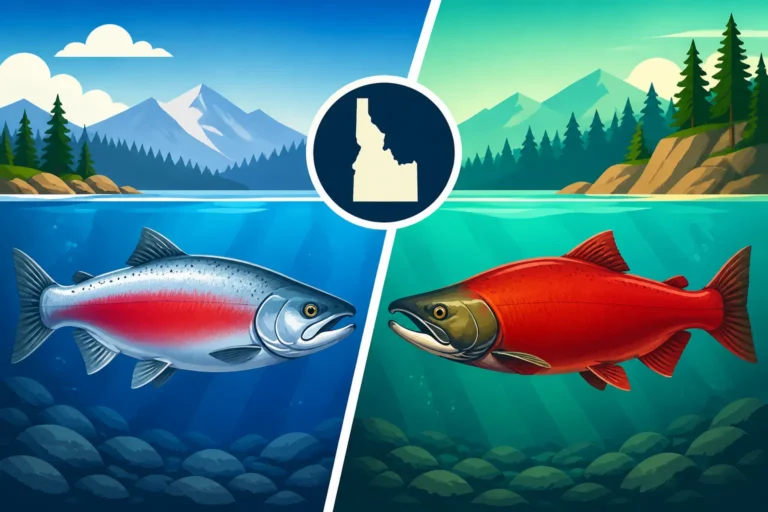
Idaho's Chinook salmon fishery is a fascinating blend of natural migrations and successful stocking programs. For those who picture salmon solely in coastal rivers, Idaho offers a unique inland experience. We have anadromous Chinook that migrate from the Pacific Ocean, traveling thousands of miles up the Columbia and Snake River systems to reach Idaho's Clearwater and Salmon Rivers to spawn. These powerful fish face incredible obstacles, and catching one is a testament to their resilience. Then, we have the landlocked Chinook, most famously found in Lake Coeur d'Alene, where they were introduced and have thrived, growing to impressive sizes by feasting on the abundant kokanee population. This dual presence means that whether you prefer river fishing or the wide-open expanse of a large lake, there’s a Chinook opportunity waiting. Understanding these different environments is key to knowing where and when to target these majestic fish, and helps set the stage for understanding how a record-breaking catch can happen in such diverse settings. For a deeper dive, check out our Idaho Chinook Salmon Fishing Guide.
The Undisputed King: Idaho's Record Chinook Salmon
Every state has its fishing legends, and Idaho is no exception. When it comes to Chinook salmon, one fish stands above the rest, a testament to the potential for truly enormous fish within our state's waters. It's the kind of catch that becomes the benchmark, inspiring countless hours on the water for those who dream of someday matching or even surpassing it. This record isn't just a number; it's a story of an extraordinary fish and a memorable day for the angler who landed it.
The Specifics of the State Record
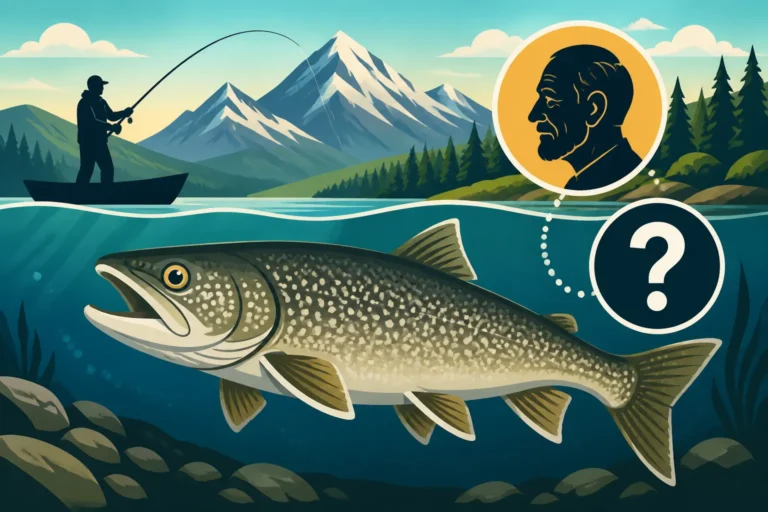
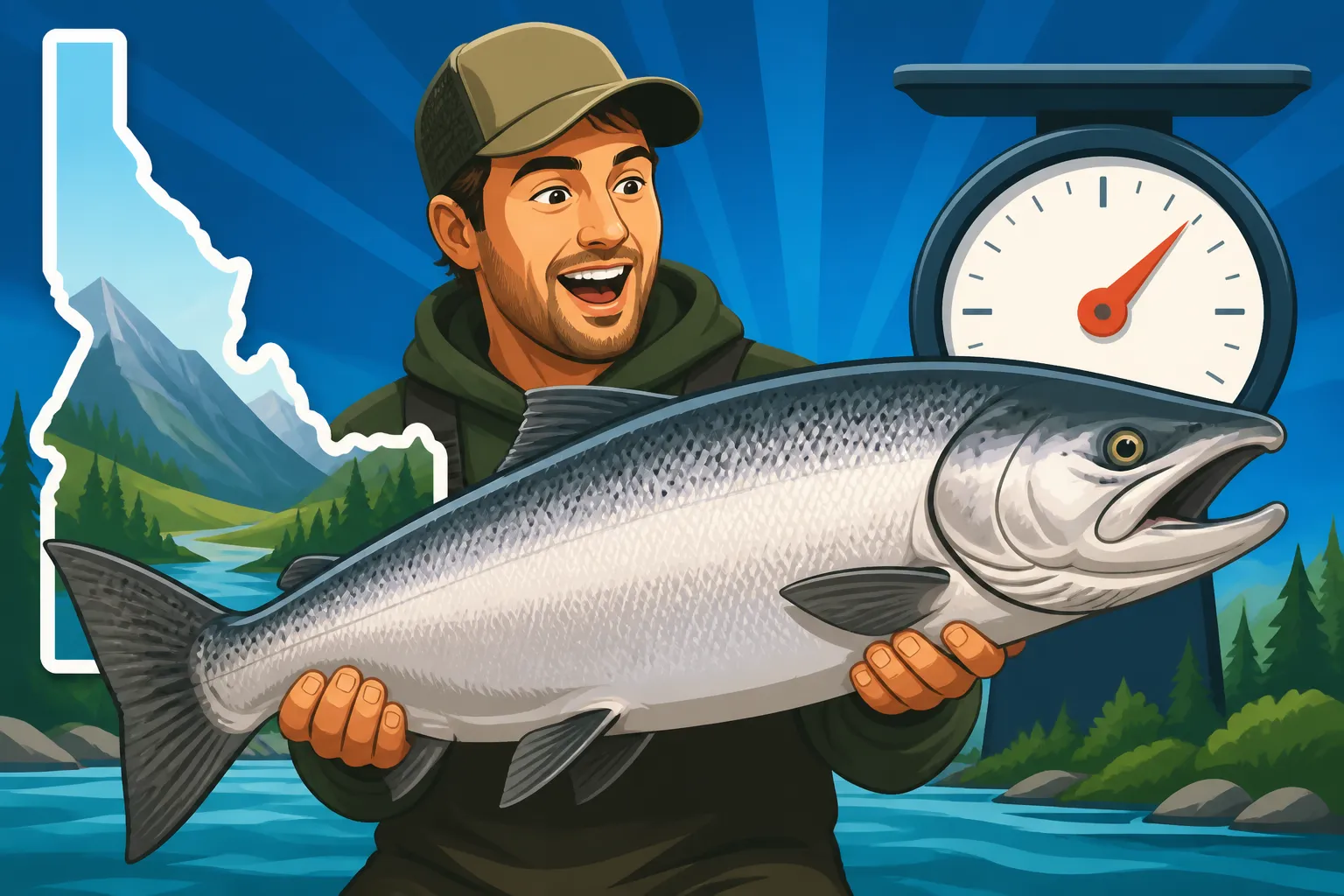
So, let's get down to the brass tacks: Idaho's state record Chinook salmon weighed an astonishing 45 pounds. This monumental fish was caught by angler Russ S. on Lake Coeur d'Alene, a true testament to the trophy fishery that exists there. Imagine the fight a fish of that size would put up! This record wasn't set on some remote, ocean-bound river, but in the heart of Idaho's Panhandle, proving that our inland waters can produce truly world-class salmon. Russ's catch demonstrates the incredible growth potential of landlocked Chinook when conditions are right, with ample food sources like kokanee fueling their ascent to kingly proportions. It’s the kind of fish that every angler hopes for, a truly rare and magnificent specimen.
A Tale of Patience and Persistence
Catching a 45-pound Chinook salmon is no accident; it’s often the culmination of immense patience, detailed planning, and a bit of luck. Anglers who target trophy Chinook on Lake Coeur d'Alene typically spend countless hours scouting, understanding the movements of baitfish, and perfecting their trolling patterns. The gear required for such a fish is heavy-duty – robust rods that can handle immense strain, reels with smooth, powerful drags, and strong line that won't give out under pressure. You're looking at tackle designed for serious pulling power, not your everyday trout setup. Imagine the sheer battle of bringing in a fish like that; it's not a five-minute affair but a protracted struggle where every pump and crank tests your endurance and technique. Many anglers will tell you that the mental game is just as important as the physical one – staying focused, anticipating runs, and making split-second decisions are all part of the dance. When you’re preparing for a battle like this, ensuring your gear is up to snuff is paramount. You can find heavy-duty rods and reels on Amazon that are up to the task, with options for specific line ratings and drag systems that a monster Chinook demands. Remember, cheaping out on tackle when targeting a potential record-breaker is a recipe for heartbreak.
Beyond the Record: What Makes a Trophy Chinook
While Russ's 45-pound Chinook stands as the pinnacle, there are many other impressive salmon caught in Idaho every year that qualify as true trophies. Anglers consistently pull out Chinook in the 20-30 pound range from Lake Coeur d'Alene, and powerful ocean-run Steelhead (which are technically a rainbow trout but share many salmonid characteristics and fight like a salmon) from the Salmon and Clearwater Rivers are also incredible catches. Understanding the habits and preferences of these fish is key to increasing your chances of landing your own personal best. It's about combining knowledge, the right equipment, and being on the water at the right time.
Key Factors for Targeting Large Chinook
Targeting large Chinook, whether they are landlocked in a lake or returning from the ocean, requires a strategic approach. One of the most critical factors is timing. For Lake Coeur d'Alene Chinook, the fall months are often prime, as the water cools and the salmon become more active, feeding aggressively before their spawning season. They're bulking up, and that means they're hitting lures with ferocity. For river-run Chinook, understanding migration patterns and specific river conditions is essential. Checking the Idaho Fishing Season Dates and Limits is non-negotiable before you even think about heading out.
Next, consider their habitat. Large Chinook prefer deep, cold water in lakes, often congregating around submerged structures, points, or sudden depth changes where baitfish like kokanee are abundant. In rivers, they'll hold in deep pools, current breaks, or behind large rocks, conserving energy during their arduous journey upstream. Locating these spots with a good fish finder is invaluable.
Finally, techniques and lures are paramount. For lake fishing, trolling with downriggers is a staple, allowing you to present lures or bait at precise depths where the Chinook are feeding. Large plugs, spoons, and flashers with herring or squawfish imitations are popular choices. The size of your offering should match the size of the baitfish the salmon are targeting – if they're eating big kokanee, you need a big lure. For river fishing, specific techniques like bobber dogging, back-trolling plugs, or even drift fishing with bait can be highly effective, depending on the river and conditions. Detailed guides on Idaho Trolling Techniques Guide can really help refine your approach for success.
Essential Gear for Big Salmon
Stepping up your game for big salmon means serious gear. Your everyday spinning rod and reel might handle smaller trout, but a powerful Chinook demands more.
Here's a breakdown of what you'll typically need:
| Gear Type | Recommended Characteristics | Why it's Important |
|---|---|---|
| Rods | Medium-heavy to heavy action, 8.5 to 10.5 feet length | Provides leverage for fighting large fish, absorbs powerful runs, suitable for trolling or casting heavy lures. |
| Reels | High-capacity baitcasting or level-wind reels, strong drag system | Holds sufficient heavy line, withstands sustained pressure, allows for smooth, controlled releases during runs. |
| Line | 20-40 lb monofilament or braided line, with a fluorocarbon leader | High breaking strength for big fish, abrasion resistance, braid offers sensitivity; leader for stealth. |
| Downriggers | Electric or manual, with heavy weights (8-12 lbs) | Precisely positions lures at specific depths, crucial for trolling in deep lakes. |
| Lures/Bait | Large spoons, plugs, dodgers, flashers, herring, squawfish | Mimics natural prey, creates attraction, and triggers aggressive strikes. |
| Net | Large, sturdy landing net with rubberized mesh | Safely secures large fish, prevents tangles, and protects fish if releasing. |
When you're equipping yourself for the pursuit of trophy Chinook, don't cut corners. Investing in quality gear pays off. Finding specialized trolling gear or even detailed books on Idaho Trolling Techniques Guide can often be done through online retailers like Amazon, offering a wider selection than local shops might have, especially for very specific or heavy-duty items. It's worth comparing options and reading reviews to ensure you're getting tackle that can stand up to the challenge of a potential record breaker. For more general advice on what to bring, consult our Idaho Fishing Gear Guide by Season.
Preserving the Legacy: Conservation and Future Records
The pursuit of record-breaking fish is exciting, but it also comes with a responsibility to the resource. Idaho’s fisheries, including those for Chinook salmon, are precious and depend on sound management and ethical angling practices to thrive for generations to come. Every angler plays a role in ensuring that the stories of giant Chinook continue to be told, and that future anglers have the chance to experience that same thrill. We want more records, not fewer, and that means protecting the fish we have today.
The Importance of Responsible Angling
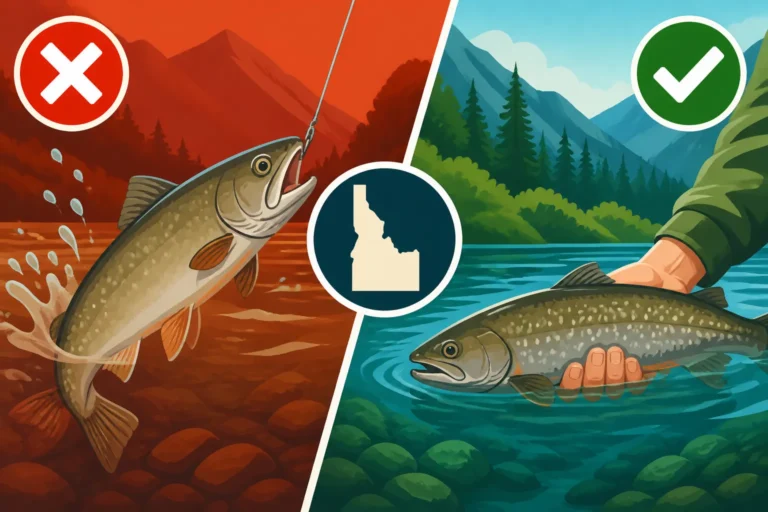
Responsible angling is more than just following the rules; it's about being a good steward of our natural resources. This means understanding and adhering to all Idaho Fishing Regulations Explained, including specific rules for Chinook salmon, which can vary by water body and season. For instance, some waters might have catch-and-release requirements for certain species or sizes, or require barbless hooks to minimize harm. If you're targeting those massive landlocked Chinook in Lake Coeur d'Alene, think about your handling of the fish. If you plan to release a big one, minimize its time out of the water, support its body, and revive it carefully. Even for fish you intend to keep within legal limits, respectful handling ensures a quality catch and reflects well on the angling community. It's a small effort that makes a huge difference in the long run, ensuring robust populations for tomorrow.
Are There More Record Breakers Out There?
Absolutely! The beauty of fishing is that you never truly know what might be lurking in the depths. While Russ S.'s 45-pound Chinook is an incredible achievement, the potential for another record-breaking fish is always there. Fisheries management practices, including careful stocking programs and habitat restoration, continually aim to create conditions where fish can grow to impressive sizes. Our Idaho Fish Stocking Reports Explained can give you an idea of where and when fish are being introduced, which sometimes influences population dynamics and the potential for larger fish.
The health of prey species, like kokanee in Lake Coeur d'Alene, directly impacts how large Chinook can grow. As long as the ecosystem remains balanced and anglers continue to practice ethical fishing, there's always a chance that the next cast could hook into the new state record. So, keep honing your skills, stay informed about the Idaho Fishing License Guide and regulations, and never give up on the dream. The next legendary Chinook could be waiting for you.
Disclaimer
This article is for general informational purposes only and does not constitute professional advice. Laws, prices and regulations vary by location and change over time. Consult a qualified professional for guidance on your specific situation.