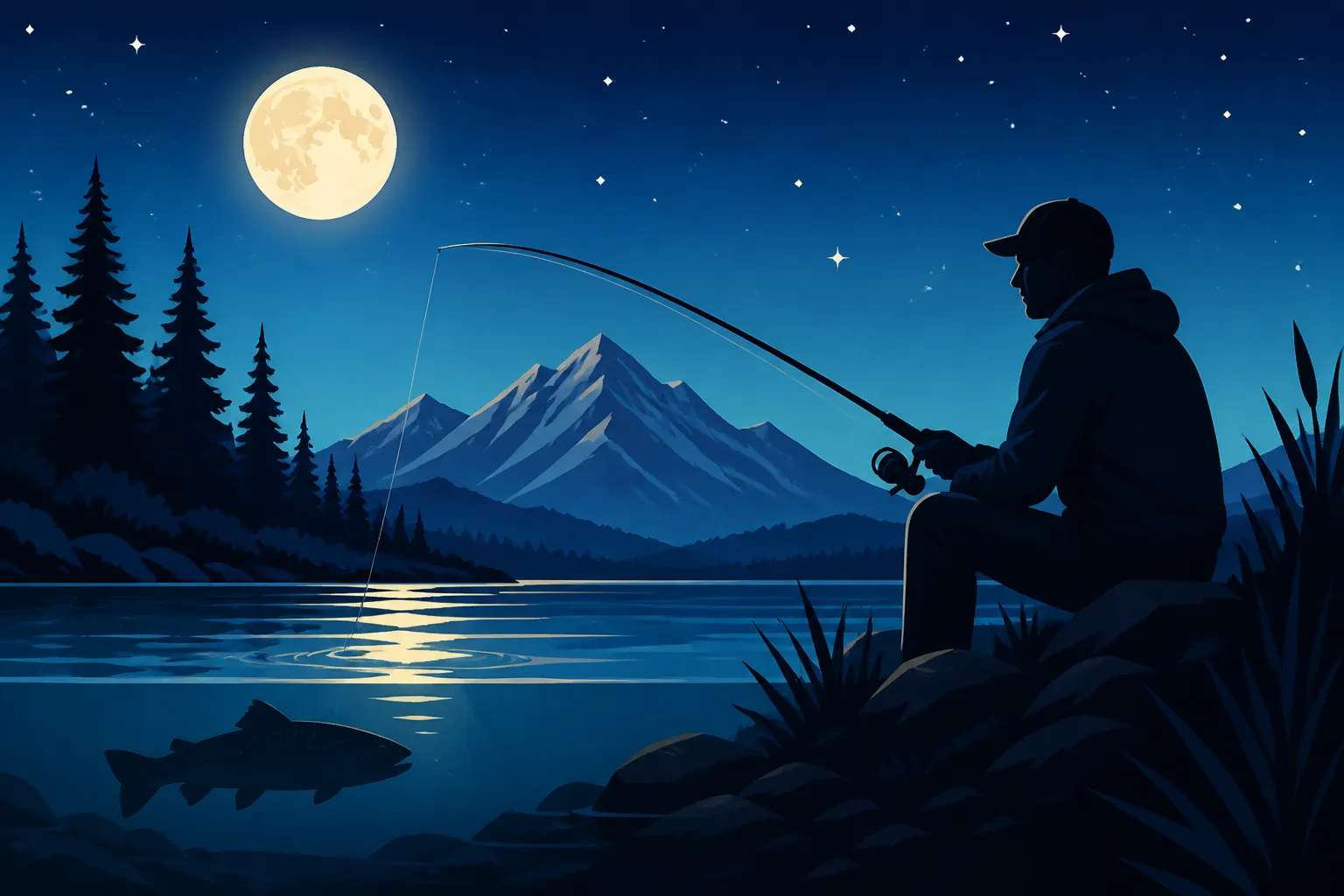
Night Fishing Spots in Idaho
There’s a unique magic that settles over Idaho’s waters when the sun dips below the horizon and the stars begin to twinkle. If you’ve ever felt the frustration of crowded boat ramps, scorching midday sun, or simply found daytime fishing to be a bit… predictable, then night fishing might just be the peaceful, productive adventure you’ve been craving. This guide is your torch in the darkness, illuminating the best spots, essential gear, and crucial safety tips for making your Idaho night fishing dreams a reality.
Why Embrace the Darkness? The Allure of Night Fishing in Idaho
Night fishing isn't just about escaping the heat; it's a completely different angling experience. The stillness, the hushed sounds, and the intensified senses create an atmosphere unlike any other. For many anglers, it’s not just about the catch, but the profound connection to the wilderness under a blanket of stars.
Escaping the Crowds and Heat
One of the most immediate and appealing benefits of fishing after dark, especially during Idaho’s warm summer months, is the glorious solitude. Imagine pulling up to a popular boat launch on a busy Saturday afternoon, elbow-to-elbow with other anglers, jostling for space. Now picture that same spot at midnight – likely, you’ll have it all to yourself, or share it with just a handful of dedicated night owls. This reduction in pressure isn't just good for your peace of mind; it can also make a real difference in how fish behave. Fish that might be spooky and wary during the day, constantly bombarded by boat traffic, noise, and shadows, often become more relaxed and willing to feed under the cover of darkness.
Beyond the crowds, the cooler evening and nighttime temperatures are a huge relief. Mid-summer days can see Idaho lakes and rivers reaching temperatures that are uncomfortable for both anglers and many fish species. Trout, for example, become stressed in overly warm water and will often seek out deeper, cooler refuge, making them harder to entice. Fishing at night provides ideal conditions, often bringing fish shallower to feed, and making the experience far more pleasant for you, the angler, without the constant battle against sunburn and dehydration.
Targeting Nocturnal Predators
Many of Idaho’s most prized game fish become significantly more active under the cloak of night. Think about it: the low light conditions give an advantage to predators that rely on sound, vibration, and their keen lateral lines rather than sight. This shift in activity patterns can turn a slow daytime bite into an explosive nighttime frenzy.
Species like large trout (rainbows, brown trout, and especially big lake trout, also known as Mackinaw), smallmouth bass, largemouth bass, and catfish are classic night feeders. Lake trout, for instance, often ascend from their deep, cold-water haunts in large lakes like Lake Pend Oreille or Priest Lake to cruise shallower flats and structure, actively hunting baitfish like kokanee. Catfish, with their excellent sense of smell and touch, are notoriously nocturnal, using their barbels to scour the bottom for food. Even kokanee, while not strictly nocturnal, often move shallower at night on lakes like Lake Coeur d'Alene, making them more accessible to trollers or bank anglers during low-light periods. Understanding these behavioral changes is key to unlocking the potential of Idaho’s night waters.
Prime Idaho Waters for Night Fishing
Idaho is blessed with an abundance of diverse waterways, and many of them offer fantastic opportunities for night fishing. Knowing which waters favor which species and techniques after dark is half the battle.
Reservoirs and Larger Lakes
Idaho’s big reservoirs and expansive lakes are often the best bet for successful night fishing, offering both ample space and diverse fish populations that thrive under lunar light.
One of the crown jewels for night angling is Lake Coeur d’Alene. This massive lake is famous for its thriving kokanee salmon population, which are a primary food source for large Chinook salmon. As evening deepens into night, the kokanee often move up from deeper water, shadowing baitfish close to the surface or along shallower ledges. This is a prime time for slow trolling with dodgers and wedding rings or similar lures that mimic their natural prey. The big Chinook salmon often follow these kokanee migrations, presenting an opportunity for trophy catches under the stars. For more on these particular species, check out our guide on Fishing Lake Coeur d'Alene for Kokanee and Chinook.
Further north, Lake Pend Oreille offers legendary fishing for massive Kamloops rainbow trout and prodigious lake trout. These large predatory fish are exceptionally active at night, especially during the warmer months when they might retreat to deeper, cooler water during the day. Night trolling with large plugs or spoons can be incredibly effective, targeting those big rainbows that come up to feed. If you're after those giant Mackinaw, they will also move into shallower water at night, particularly over submerged structure or ledges. Our detailed article, Fishing Lake Pend Oreille for Rainbow Trout, has more insights into this incredible fishery.
Down in the Treasure Valley, C.J. Strike Reservoir near Mountain Home is a fantastic multi-species fishery that truly shines after dark. It's renowned for its robust populations of smallmouth bass, crappie, and especially channel catfish. Bank fishing around the numerous coves and accessible points with glow sticks or lanterns is a popular and often highly productive method here. For catfish, stinky baits like cut bait, chicken livers, or commercial catfish dough baits fished on the bottom are unbeatable. Crappie can be found schooling under lights, where jigs or small minnows will tempt them. Learn more about targeting these species in our Fishing C.J. Strike Reservoir for Bass and Crappie guide.
Another great option is Cascade Reservoir, especially if you're looking for something unique like the tiger muskie. While they can be caught during the day, these toothy predators, known for their aggressive strikes, can be quite active during low-light conditions. Large swimbaits or crankbaits retrieved slowly can provoke a strike. Beyond the muskie, Cascade also offers excellent night fishing for yellow perch, which often school up and can be targeted with small jigs or worm pieces under a lantern light. Delve deeper into this unique fishery with our Cascade Reservoir's Tiger Muskie Fishery article.
Rivers and Moving Waters
While lakes offer a more tranquil night fishing experience, rivers provide a different kind of thrill. The constant flow and diverse habitats can be incredibly productive for certain species after sundown.
The mighty Snake River is a standout, particularly for two nocturnal giants: white sturgeon and channel catfish. The sturgeon, ancient and enormous, are often more receptive to baits at night when boat traffic and human activity are minimal. Anglers typically anchor their boats and use large chunks of cut bait, often squid or various fish, on heavy tackle. Remember, sturgeon fishing on the Snake is strictly catch-and-release, and barbless hooks are mandatory to ensure their survival. You can find more specific details in our Fishing the Snake River for Smallmouth Bass and Sturgeon guide. Catfish, too, are abundant in the Snake, particularly in its slower, deeper sections, and respond well to the same stinky baits used in reservoirs.
Closer to urban centers, sections of the Boise River that flow right through town can offer surprisingly good night fishing. While not for trophy hunters, the convenience and potential for less pressured trout can be appealing. Trout in these urban stretches, often wary during the day, might become bolder at night, moving into shallower riffles and pools to feed on insects or small baitfish. Fly anglers might find success with large, dark streamers, while spin anglers could use small dark spinners or bait. Our guide on Fishing the Boise River Through Town offers more insights into accessing and fishing this urban gem.
High Mountain Lakes
For the adventurous angler, Idaho’s numerous high mountain lakes in ranges like the Sawtooths offer a truly wild night fishing experience. While accessibility can be a challenge (often requiring a hike), the rewards are solitude, stunning starry skies, and hungry trout. Species like cutthroat trout and brook trout are common in these pristine waters and will readily feed at dusk and through the night, especially during summer when they might be less active during bright daylight hours. Surface flies or small spoons can be effective. Remember, a hike in the dark, especially in the backcountry, requires significant preparation and caution. Always be aware of wildlife and your surroundings. For those considering these pristine waters, our article on Fishing High Mountain Lakes in the Sawtooths provides a good starting point.
Essential Gear and Safety Considerations for Idaho Night Angling
Night fishing isn't just daytime fishing after dark; it requires a specialized approach to gear and, more importantly, safety. Being prepared can mean the difference between a memorable adventure and a miserable, or even dangerous, experience.
Lighting and Navigation
Your most critical piece of equipment for night fishing is, naturally, reliable lighting. A quality headlamp is indispensable, freeing up your hands for tying knots, rigging bait, or landing a fish. Look for one with adjustable brightness settings and, ideally, a red light option. Red light preserves your night vision much better than white light, which is incredibly useful when you need to switch between illuminating your tackle box and scanning the water. For stationary fishing from the bank or a boat, a battery-powered lantern provides a broader area of illumination, making camp life or boat activities much easier.
If you’re venturing out on a boat, ensure all required navigation lights are fully functional and properly displayed. This is not just about compliance with regulations but is absolutely crucial for preventing accidents on dark waters. Even on smaller, unmotorized craft like kayaks or canoes, a 360-degree white light is a wise, often legally required, addition. Always carry spare batteries for all your lighting devices – a dead headlamp in the middle of a dark night is a truly humbling experience. For navigation, especially on larger lakes or unfamiliar waters, a reliable GPS device or a smartphone with downloaded maps (like those offered through FishingBooker guides who often utilize advanced tech) is essential for knowing where you are and how to get back safely.
Specialized Tackle and Techniques
While much of your daytime tackle will work, a few adjustments can significantly improve your night fishing success. Glow-in-the-dark lures, soft plastics, or jig heads can be incredibly effective, especially for species that hunt by sight in low light, or even just to help fish locate your presentation. Charging these with a strong flashlight every few minutes can make them irresistible. Scented baits are also a huge advantage, particularly for catfish, sturgeon, and even trout, as their sense of smell becomes even more important in the dark. Brands like Pautzke's Bait, often favored for salmon and steelhead, can also be effective for scenting.
Consider using lighter lines where appropriate. In the reduced visibility, fish may not be as line-shy, but the subtle bites of nocturnal feeders can be easier to detect on sensitive, lower-diameter lines. For sturgeon fishing on the Snake River, however, you'll still need heavy-duty tackle to handle their immense power, but even there, a sensitive rod tip can make a difference. When it comes to techniques, slow and steady is often the rule. Fish are generally less aggressive and more deliberate in their movements at night, so a slower retrieve or a still-fished bait is usually more effective than fast, erratic movements.
Safety First – Be Prepared for the Dark
Safety is paramount when night fishing in Idaho. The consequences of an oversight are magnified when you can't see clearly. Always dress in layers, even during summer. Night air, especially near water, can get surprisingly cold, and conditions can change rapidly. Waterproof outerwear is also a good idea. Wear appropriate footwear, like waders if you plan to enter the water, and ensure they fit well to prevent tripping in the dark.
A well-stocked first-aid kit should be a permanent fixture in your fishing bag. A whistle can be invaluable for signaling for help if you get into trouble. Always inform someone of your plans – where you’re going, when you expect to return, and who you’re with. This is non-negotiable for any solo outing.
Wildlife awareness is also crucial. Idaho is home to various nocturnal animals, including bears, cougars, and coyotes. Make noise, especially when moving through brush, and consider carrying bear spray if you're in prime habitat. The best safety tip, however, is to scout your fishing spot during daylight hours. Understand the terrain, identify any hazards like submerged rocks, steep banks, or slippery areas, and note your access and exit points. Navigating an unfamiliar area in the dark is an invitation for trouble. If you're new to night fishing or an area, booking a trip through a reputable service like FishingBooker can connect you with experienced local guides who know the waters intimately, ensuring a safer and more productive outing. They can provide invaluable local knowledge and take care of the safety aspects, letting you focus on the fishing. To understand more about finding experienced help, check out How to Book a Fishing Guide in Idaho.
Respecting the Rules: Night Fishing Regulations in Idaho
Even under the cover of darkness, Idaho’s fishing regulations are still in full effect. It’s absolutely essential to be familiar with the rules for the specific waters and species you plan to target, as ignorance is no excuse.
General Regulations and Species-Specific Rules
For the most part, the same rules that apply during the day also apply at night. This means your Idaho fishing license is required, no matter the hour. You can find comprehensive details in our Idaho Fishing License Guide. Catch limits and possession limits are also strictly enforced around the clock, so keep a mental or physical tally of your harvest, even in the excitement of a hot bite. Our Idaho Catch Limits and Bag Limits Explained post delves into this topic.
However, there can be specific regulations that pertain only to night fishing or certain species during nighttime hours. Always consult the current Idaho Fishing Seasons and Rules brochure, published annually by the Idaho Department of Fish and Game. Some waters might have specific night fishing closures or restrictions, perhaps to protect spawning fish or for public safety reasons. For example, certain areas might prohibit bait fishing or have specific gear restrictions (like barbless hooks for sturgeon, which is critical for their survival as detailed in Idaho Barbless Hook Requirements). It's also worth noting that Idaho has specific rules for using live bait, and these apply day or night; you can read more in Idaho Rules on Using Live Bait. A quick review of the Idaho Fishing Regulations Explained will ensure you're compliant.
Licenses and Permits
As mentioned, a standard Idaho fishing license is your entry ticket. However, depending on what you’re targeting, you might need additional permits. For instance, if you're hoping to land a salmon or steelhead under the moonlight (though these are primarily daytime fisheries), you would still need the appropriate salmon or steelhead permit, such as the Idaho Salmon and Steelhead Permit. These permits are species-specific and are required regardless of whether you're fishing at 2 PM or 2 AM. Always double-check these requirements before heading out, especially if you're venturing to new waters or trying for a new species. Many anglers find it helpful to purchase their licenses and permits in advance through the Idaho Fish and Game website or a licensed vendor to avoid any last-minute hassles.
Here's a quick overview of some prime Idaho night fishing opportunities:
| Fishing Spot | Target Species | Primary Night Technique | Key Considerations |
|---|---|---|---|
| Lake Coeur d'Alene | Kokanee, Chinook Salmon | Slow Trolling, Mooching | Watch for baitfish schools, use fish finder. |
| Lake Pend Oreille | Lake Trout, Rainbows | Deep Trolling (Lake Trout), Surface Trolling (Rainbows) | Large plugs/spoons, cover vast areas. |
| C.J. Strike Reservoir | Catfish, Crappie, Bass | Bottom Fishing, Jigging under lights | Stinky baits for cats, small jigs for crappie. |
| Cascade Reservoir | Tiger Muskie, Perch | Slow Retrieves (Muskie), Jigging (Perch) | Large swimbaits for muskie, focus on structure. |
| Snake River (Sturgeon) | White Sturgeon | Anchored Bait Fishing | Heavy tackle, cut bait, catch & release only. |
| Snake River (Catfish) | Channel Catfish | Bottom Fishing with Scented Bait | Strong scent, look for deeper, slower runs. |
| Boise River (Urban) | Trout | Small Spinners, Streamers | Easy access, less pressure than daytime. |
| High Mountain Lakes | Cutthroat, Brook Trout | Small Lures, Dry Flies (surface) | Requires hike-in, be bear-aware. |
Disclaimer
Always consult the current Idaho Department of Fish and Game regulations for the most up-to-date and specific rules regarding fishing seasons, limits, and special restrictions on any given body of water before heading out. Conditions can change, and it is your responsibility to be aware of all applicable regulations.