Fishing Small Ponds Near Boise
There are times when the thought of packing up for a big fishing expedition, driving hours to a remote river, or gearing up for a full-on lake adventure just feels like too much effort. You just want to feel the tug of a fish on your line, enjoy some peace, and maybe introduce the kids to the joys of fishing without all the fuss. That's where the often-overlooked small ponds scattered around the Boise area truly shine, offering accessible, low-key angling opportunities that are perfect for a spontaneous outing or a quick after-work escape. This guide will walk you through some fantastic local spots and how to make the most of them.
The Allure of Boise's Urban and Suburban Ponds
Idaho is famous for its majestic rivers and vast lakes, drawing anglers from all over the world. But for many of us who live right here in the Treasure Valley, the real gems for everyday fishing are often much closer to home. These smaller, community-focused ponds offer a different kind of angling experience, one that prioritizes convenience and immediate gratification.
Accessibility and Convenience for Local Anglers
One of the biggest frustrations for local anglers is the sheer amount of time it takes to get to a "good" fishing spot. Between traffic, gas, and the drive itself, a fishing trip can quickly eat up half a day before you even cast a line. Boise's network of urban and suburban ponds completely sidesteps this issue. Many of these ponds are located within city parks or easily reachable neighborhoods, making them just a 10 to 20-minute drive from most parts of Boise, Meridian, Eagle, or Nampa. This unparalleled accessibility means you can decide to go fishing on a whim, throw your gear in the car, and be at the water's edge in no time. It's truly a game-changer for those with busy schedules or limited travel capacity, making fishing a regular possibility rather than a rare event.
These local ponds also tend to have excellent infrastructure. Think paved parking lots, well-maintained paths, and often picnic areas and restrooms nearby. You won't be bushwhacking through dense foliage or trying to find a sketchy pull-off on the side of a highway. This makes the entire experience much more relaxed, especially if you're bringing along younger anglers or family members who might not be as keen on roughing it. The ease of access extends to the fishing itself; many ponds offer fantastic Idaho Waters You Can Fish Well from Shore opportunities, eliminating the need for a boat or specialized wading gear.
Perfect for Quick Trips and Family Outings
Let's be honest: not every fishing trip needs to be an epic wilderness adventure. Sometimes, you just need an hour or two to decompress, or a safe, easy place to teach a child how to cast. These small ponds near Boise are absolutely ideal for that. They are often stocked regularly by the Idaho Department of Fish and Game, meaning there's a good chance of catching something, which is crucial for keeping kids engaged and building their confidence. There's nothing worse than taking a hopeful child fishing only to have them lose interest after an hour of no bites.
For families, the amenities at many of these park ponds are a huge bonus. Playgrounds, open fields for running around, and even dog parks are common, meaning that if one family member isn't quite as obsessed with fishing as you are, they still have plenty to do. It transforms a fishing trip into a full family outing, making it more appealing to everyone. Plus, the relatively calm, smaller waters are less intimidating for beginners, and parents don't have to worry about strong currents or deep, unpredictable drop-offs found in larger rivers or lakes. It’s a low-stress environment where the focus is on fun and creating positive fishing memories, truly embodying the spirit of Idaho Fishing Rules for Kids and Families.
Top Small Ponds Near Boise Worth Exploring
The Treasure Valley is blessed with a surprising number of community ponds, each offering a slightly different flavor of fishing experience. While they might not boast the trophy fish of a remote high mountain lake, they make up for it in convenience and consistent action.
Boise River Greenbelt Ponds: Esther Simplot, Quinn's Pond, Parkcenter Pond
When most people think of fishing in Boise, their minds often go to the Boise River itself. However, running adjacent to the river, especially along the iconic Greenbelt, are several fantastic ponds that deserve their own recognition. These ponds are incredibly popular and for good reason: they're centrally located and regularly stocked.
- Esther Simplot Park Ponds: This expansive park is a true jewel of Boise, featuring multiple ponds. The main fishing pond here is known for its accessibility and consistent trout stocking. You'll often find families gathered along the banks, kids reeling in their first fish, and even some dedicated anglers honing their skills. The IDFG does a great job of keeping these ponds full of catchable trout, especially in the spring and fall, making it a reliable spot. It's also a beautiful park to just spend time in, with walking paths, a beach area, and plenty of green space.
- Quinn's Pond: Right next to Esther Simplot, Quinn's Pond is perhaps more famous for paddleboarding and kayaking, but it holds a solid population of warmwater species like bass and bluegill, in addition to stocked trout. It's a bit deeper in some areas than other ponds, offering more diverse habitat. Fishing from the bank is easy, and during the warmer months, you might even see anglers in float tubes or kayaks quietly working the edges.
- Parkcenter Pond: Tucked away near Parkcenter Boulevard, this pond is another favorite for local trout anglers. It’s a bit more secluded than the Simplot ponds but still very easy to access. Like the others, it sees regular stocking, providing excellent opportunities for those looking for a quick trout fix. The surrounding green space makes it a pleasant spot for an afternoon with a rod and reel, and it's a popular choice for those living on the east side of Boise. These Greenbelt ponds are truly community hubs where you can fish, relax, and enjoy the urban outdoors.
Meridian and Eagle Area Ponds: Kleiner Park Pond, Settlers Park Pond
Venturing a bit further west into Meridian and Eagle reveals more fantastic pond fishing options that cater to the same need for convenience and family-friendly access. These communities have also invested in beautiful park systems that include well-managed fishing ponds.
- Julius M. Kleiner Memorial Park Pond (Meridian): This pond is a fantastic example of a modern, community-centric fishing spot. Located within Kleiner Park, which is a destination in itself with playgrounds, a bandshell, and walking paths, the pond is a magnet for families. It's regularly stocked with rainbow trout, and you'll find plenty of easy bank access, making it perfect for beginners or those with mobility challenges. Beyond trout, the pond also hosts warmwater species, so don't be surprised if you hook into a bass or perch while soaking a worm. The popularity of this pond means you'll rarely be alone, but there's usually enough space for everyone to enjoy. It's a great spot to bring kids who are just learning about fishing, and you can easily spend a few hours here.
- Settlers Park Pond (Meridian): Another excellent Meridian option, Settlers Park features a decent-sized pond that offers similar opportunities to Kleiner. It's also part of a larger park system with plenty of amenities, making it a versatile spot for an outing. The pond gets its share of trout stocking and is known to hold panfish and bass. The layout often provides a bit more in the way of natural cover and structure around the edges, which can be appealing to fish and anglers alike. If you're looking for a slightly different vibe than Kleiner, Settlers offers a solid alternative that's still incredibly convenient for Meridian residents. These ponds highlight how important local green spaces are for providing easy outdoor recreation options for thousands of people every year.
Nampa and Caldwell Ponds: Lake Lowell, Wilson Ponds
Moving further into Canyon County, the cities of Nampa and Caldwell also boast excellent fishing opportunities, from larger reservoirs to dedicated community ponds. These spots continue the theme of accessibility and diverse species.
- Lake Lowell (Nampa/Caldwell): While much larger than the "small ponds" we've been discussing, Lake Lowell is essentially a massive reservoir that functions as a highly accessible local fishery for residents of Nampa and Caldwell. It's managed for a wide variety of species, including crappie, yellow perch, bass (both largemouth and smallmouth), and catfish. While it doesn't get the frequent trout stockings of the smaller urban ponds, its sheer size and diverse habitat make it a fantastic option for those looking for more variety. There are several access points around the lake, including picnic areas and boat launches, making it suitable for both shore anglers and those with small boats or kayaks. Its close proximity to Nampa makes it an obvious choice for a day trip without a long drive.
- Wilson Ponds (Nampa): These ponds are a series of interconnected water bodies located within the Wilson Ponds Recreation Area, just west of Nampa. This site is specifically managed for fishing and wildlife viewing, offering a more natural, yet still highly accessible, experience. The ponds are regularly stocked with rainbow trout, particularly during the spring and fall, and also hold populations of bass, bluegill, and crappie. What makes Wilson Ponds particularly appealing is the variety of fishing spots and the peaceful atmosphere. You can explore different sections, try various techniques, and often find a quiet corner to yourself. The well-maintained trails and ample parking make it a superb option for anglers of all ages and skill levels, providing a truly local gem for Canyon County residents.
Comparative Look at Local Ponds
To help you decide where to cast your line next, here's a quick comparison of some of these fantastic local spots:
| Pond Name | Location | Primary Stocked Species (seasonal) | Other Common Species | Best For | Amenities |
|---|---|---|---|---|---|
| Esther Simplot Park Pond | Boise | Rainbow Trout | Bass, Bluegill | Families, beginners, quick trips | Restrooms, playground, beach, paved paths |
| Quinn's Pond | Boise | Rainbow Trout | Bass, Bluegill | Paddleboarding, quick trips | Restrooms, beach, Greenbelt access |
| Parkcenter Pond | Boise | Rainbow Trout | Bass, Panfish | Quiet trout fishing, convenience | Limited parking, Greenbelt access |
| Kleiner Park Pond | Meridian | Rainbow Trout | Bass, Perch, Bluegill | Families, park amenities | Restrooms, playground, bandshell, splash pad |
| Settlers Park Pond | Meridian | Rainbow Trout | Bass, Panfish | Similar to Kleiner, less busy | Restrooms, playground, open fields |
| Lake Lowell | Nampa/Caldwell | (Not regularly stocked for trout) | Crappie, Perch, Bass, Catfish | Warmwater species, boating | Boat launches, picnic areas, wildlife refuge |
| Wilson Ponds | Nampa | Rainbow Trout | Bass, Bluegill, Crappie | Diverse pond fishing, peaceful | Walking trails, wildlife viewing, multiple ponds |
What You'll Catch: Common Species in Boise's Ponds
While Idaho's bigger waters boast steelhead and trophy trout, the small ponds near Boise offer a different, yet equally rewarding, variety of fish. These species are perfect for developing angling skills and ensuring a fun day out.
Stocked Rainbow Trout for Consistent Action
Let's face it: for many anglers, especially beginners and kids, the thrill is in the catch. And when it comes to consistent action, nothing beats the rainbow trout found in many of Idaho's urban and community ponds. The Idaho Department of Fish and Game (IDFG) maintains an impressive stocking program, ensuring that these easily accessible waters are regularly replenished with catchable rainbow trout. This means that even if you're not a seasoned pro, your chances of reeling in a fish are significantly higher than in less managed waters. This strategy helps foster a love for fishing, particularly among younger generations.
These stocked trout are typically pan-sized, making them perfect for a quick meal if you choose to keep them within the Idaho Daily Bag Limit for Trout on Most Waters. They are usually quite aggressive feeders, which means they'll readily hit a variety of baits and lures, further increasing your success rate. This consistent action is invaluable when you're introducing someone to fishing, as it keeps spirits high and prevents frustration. You can check the Idaho Fish Stocking Reports Explained on the IDFG website to see exactly when and where trout have been planted, giving you the best chance of hitting the ponds when the fishing is hot. This proactive management makes pond fishing a reliable and enjoyable experience for countless Idahoans.
Bass and Panfish for Year-Round Fun
Beyond the frequently stocked rainbow trout, many of Boise's small ponds are also home to thriving populations of warmwater species, offering fantastic fishing opportunities, particularly during the warmer months when trout fishing might slow down. These species include various types of panfish – such as bluegill, crappie, and yellow perch – and different bass species.
Panfish, as their name suggests, are generally smaller fish perfect for a pan-fried meal. They are incredibly abundant in these ponds and are often eager to bite, making them another excellent target for beginners. Bluegill, with their vibrant colors, are particularly feisty fighters for their size, providing a lot of fun on light tackle. Crappie and perch tend to school, so if you find one, you're likely to find more, leading to exciting bursts of action. These fish are often overlooked by anglers focused on trout or salmon, but they offer some of the most consistent and enjoyable fishing around.
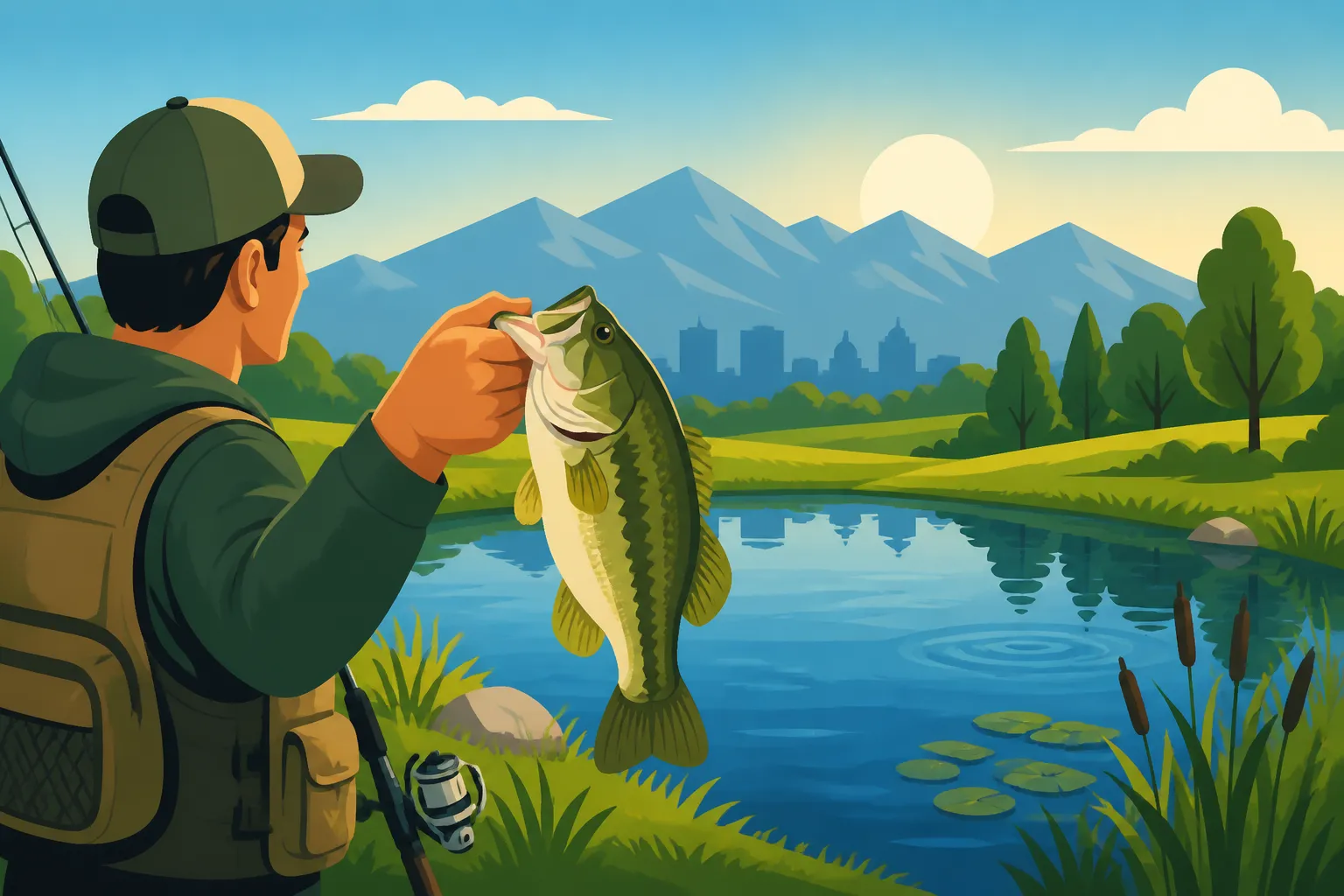
Bass, both largemouth and smallmouth, can also be found in many of these urban and suburban ponds. While they might not reach the massive sizes of bass found in larger lakes, they still offer a thrilling fight and are a rewarding catch for any angler. They tend to hang around structure – submerged logs, weed beds, or rock piles – providing a fun challenge for those who enjoy a bit more strategy in their fishing. Targeting bass with artificial lures can be a particularly engaging way to fish these ponds. The presence of these diverse species means that no matter the season, there's likely something biting in a local Boise pond, offering truly Easiest Fish to Catch for Beginners all the way to more experienced anglers.
Essential Gear and Techniques for Pond Fishing
One of the beautiful things about fishing small ponds is that you don't need a boatload of expensive, specialized gear. Simplicity is key, making it an accessible hobby for almost anyone.
Simple Spin Fishing Setups
For most of the species you’ll encounter in Boise’s small ponds, a basic spin fishing setup is all you need. This is the go-to choice for beginners, kids, and even experienced anglers who appreciate its versatility and ease of use. You don't need to break the bank for a quality setup; many sporting goods stores like Cabela's or Sportsman's Warehouse offer excellent rod and reel combos for under $100.
A good starting point would be a lightweight to medium-light spinning rod, somewhere between 5.5 and 6.5 feet long. Pair this with a small spinning reel spooled with 4 to 6-pound test monofilament or fluorocarbon line. This lighter line helps with casting smaller baits and lures, and it's plenty strong enough for the trout, bass, and panfish found in these waters. The beauty of this setup is its simplicity: tie on a hook, add a sinker a foot or so above it, and attach a bobber if you're fishing with bait. It’s effective, easy to learn, and makes the whole experience much more enjoyable. Many local anglers prefer this classic approach when introducing kids to fishing because it minimizes snags and frustrations. If you're planning a trip and need advice on local gear, or even to book a guided trip with a local expert, checking platforms like FishingBooker can offer insights into what gear local guides recommend.
Fly Fishing for the Discerning Pond Angler
While spin fishing might be the most common method, don't underestimate the joy of fly fishing in these smaller, calmer waters. For those who appreciate the finesse and challenge of fly angling, Boise's ponds offer a surprisingly good training ground and a peaceful escape. Imagine the graceful arc of a fly line over a still pond as you present a tiny dry fly to a rising trout – it’s a tranquil and rewarding experience.
A typical 3-weight or 4-weight fly rod, about 7 to 8.5 feet long, is perfect for the smaller fish and shorter casts often required in ponds. Pair it with a matching fly reel and a floating weight-forward fly line. For leaders, a 9-foot tapered leader ending in 4x or 5x tippet is usually sufficient. When it comes to flies, standard trout patterns like Woolly Buggers, Prince Nymphs, or small Pheasant Tail Nymphs will work well beneath the surface. For dry flies, try small Parachute Adams, Elk Hair Caddis, or even ant patterns, especially during warmer months when insects are abundant. These ponds also provide a fantastic low-pressure environment to practice your casting or try out new fly patterns without the complexities of river currents or tricky wading conditions. If you're looking to refine your fly fishing skills, or even just get started, these ponds are an excellent, accessible classroom.
Best Baits and Lures for Pond Success
Knowing what to tie on your line can make all the difference, and thankfully, pond fish aren't usually too picky. For stocked rainbow trout, a few reliable options stand out. Perhaps the most classic and consistently effective bait is PowerBait or similar scented dough baits, often fished off the bottom with a small sliding sinker. Corn and worms (nightcrawlers or red wigglers) are also perennial favorites that trout find irresistible. For those who prefer lures, small inline spinners like a Rooster Tail or Panther Martin, or tiny spoons like a Kastmaster or Daredevil, in sizes from 1/16 to 1/8 ounce, are fantastic choices. Their flashing and wobbling action mimic baitfish and often trigger aggressive strikes. For more detailed insights on what's biting, a quick search on FishingBooker for local guides might even reveal some current hot tips from pros.
When targeting bass and panfish, your bait and lure selection will shift slightly. For bluegill and crappie, tiny jigs (1/32 or 1/64 ounce) tipped with a small piece of worm, a mealworm, or a soft plastic grub are highly effective. A simple bobber setup with a small hook and a piece of worm is also a classic and reliable method for panfish. For bass, slightly larger soft plastic baits like Texas-rigged worms or small swimbaits can entice a bite. Topwater lures like poppers or small walking baits can also be incredibly exciting during dawn or dusk. Ultimately, carrying a small tackle box with a variety of these basics will prepare you for almost anything these local ponds have to offer, proving that you don't need a huge arsenal to have a successful and enjoyable day. Check out our guide on Best Lures for Idaho Trout Fishing for more specific recommendations.
Rules, Regulations, and Etiquette for Pond Anglers
Fishing in community ponds means sharing the water with many other users, from fellow anglers to park visitors. Understanding the rules and practicing good etiquette ensures a pleasant experience for everyone.
Understanding Idaho Fishing Regulations
Even though you're fishing in what might feel like a casual setting, all Idaho fishing regulations still apply. The most critical rule, of course, is having a valid Idaho Fishing License Guide. For residents, an Idaho Resident Annual Fishing License is typically the most cost-effective option if you plan to fish more than a few times a year. If you're visiting or just trying it out, one-day licenses are available. Children generally don't need a license under a certain age, but it's always best to check the current Idaho Youth Fishing License Rules to be sure.
Beyond the license, you must be aware of specific rules for each body of water. While many urban ponds are considered "general waters," some might have special regulations regarding bait, tackle, or catch limits. Always consult the current Idaho Fishing Regulations brochure, available online or at any license vendor, before heading out. Pay particular attention to bag limits, which specify how many fish of a certain species you can keep per day, and possession limits, which dictate how many you can have at home. Keeping a wild steelhead in a pond that's only stocked for trout, for example, would be a serious violation. Ignorance of the rules is not an excuse, so always be informed about Idaho Fishing Regulations Explained for the specific pond you are visiting.
Being a Good Neighbor on Crowded Shores
Because these ponds are so accessible and popular, you're likely to encounter other people. This makes good fishing etiquette not just polite, but essential for a harmonious experience. First and foremost, give other anglers space. Nothing is more frustrating than someone casting directly over your line or setting up shop right next to you when there’s plenty of room elsewhere. A general rule of thumb is to allow at least 15-20 feet between anglers, more if possible.
Be mindful of noise levels, especially if there are families with young children or those seeking a quiet moment. Loud music, shouting, or excessive splashing can disturb both other people and the fish. If you're bringing a pet, ensure it's on a leash and doesn't harass other park users or splash around where people are fishing. Always pack out everything you pack in, and ideally, pick up any litter you find. Fishing line, bait containers, and other trash can harm wildlife and detract from the beauty of these urban oases. Finally, if you see someone struggling, offer a friendly tip or a helping hand – it creates a welcoming atmosphere for everyone, especially new anglers. Showing respect for the environment and for fellow outdoor enthusiasts is key to enjoying these shared resources.
Maximizing Your Pond Fishing Experience
Even in small ponds, a little strategic thinking can significantly improve your chances of success and make your outing even more enjoyable. It's about more than just casting a line; it's about understanding the nuances of the water and fish behavior.
Timing Your Visits for Best Results
Just like any other fishing spot, timing is everything, even in a small pond. For stocked rainbow trout, the best fishing is often right after a stocking event. The IDFG typically stocks ponds heavily in spring and fall when water temperatures are cooler and more favorable for trout. You can find their stocking schedules online, which can be an invaluable tool for planning your trips. During these cooler seasons, trout are more active throughout the day.
In contrast, during the heat of summer, trout tend to become sluggish and may seek deeper, cooler water, making them harder to catch. This is when warmwater species like bass and panfish truly shine. They are most active in warmer temperatures and can provide excellent action during late spring, summer, and early fall. For all species, consider the time of day. Dawn and dusk are almost universally the best times to fish any water body. The low light often triggers feeding frenzies, and the cooler temperatures are more comfortable for both fish and angler. Mid-day, especially on bright, sunny days, can be slower. Keeping an eye on weather patterns and water temperatures will greatly increase your odds of a successful outing. Don't forget, you can also often find a local guide through platforms like FishingBooker who will be able to tell you the prime times to fish these local ponds.
Exploring Beyond the Main Ponds
While the popular, well-known ponds are fantastic, don't be afraid to do a little exploring. The Boise area and surrounding communities are dotted with smaller, sometimes unnamed, ponds and urban waterways that might offer surprisingly good fishing. These often include retention ponds, irrigation ditches, or small, lesser-known park ponds that don't get the same level of attention as the main community fisheries. These less-pressured waters can sometimes hold larger, more wary fish that have seen every trick in the book at the busier spots.
A quick drive around a residential area or a detailed look at satellite maps can reveal these hidden gems. Just be sure to check access – some ponds might be on private property, and you’ll need permission to fish them. Always respect posted signs and private land boundaries. These smaller waters might not be stocked, but they can hold resident populations of bass, bluegill, or even some wild trout that have found their way in through connecting waterways. This kind of exploration adds an element of adventure to your fishing, allowing you to discover your own secret spots and experience a quieter, more personal connection with the natural world right in your backyard. Consider it a fun way to hone your Idaho Fishing Techniques for Beginners and beyond.
Disclaimer
Please remember that fishing regulations and conditions can change. Always consult the latest Idaho Department of Fish and Game regulations before heading out. This guide provides general information and recommendations.